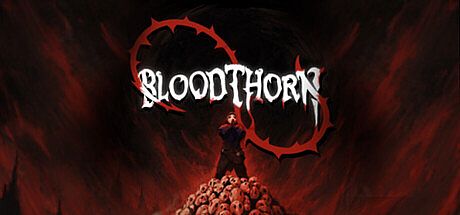


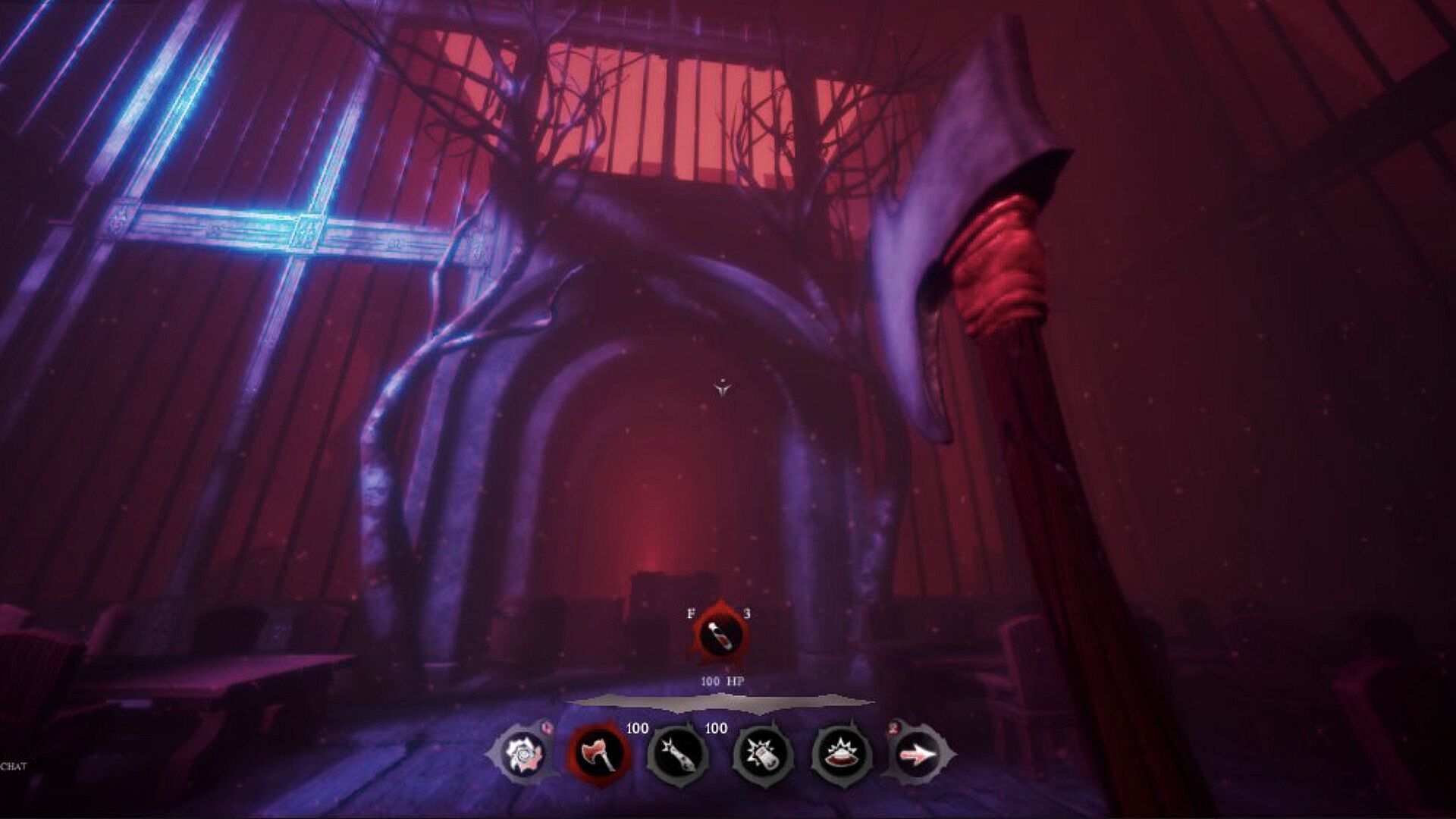
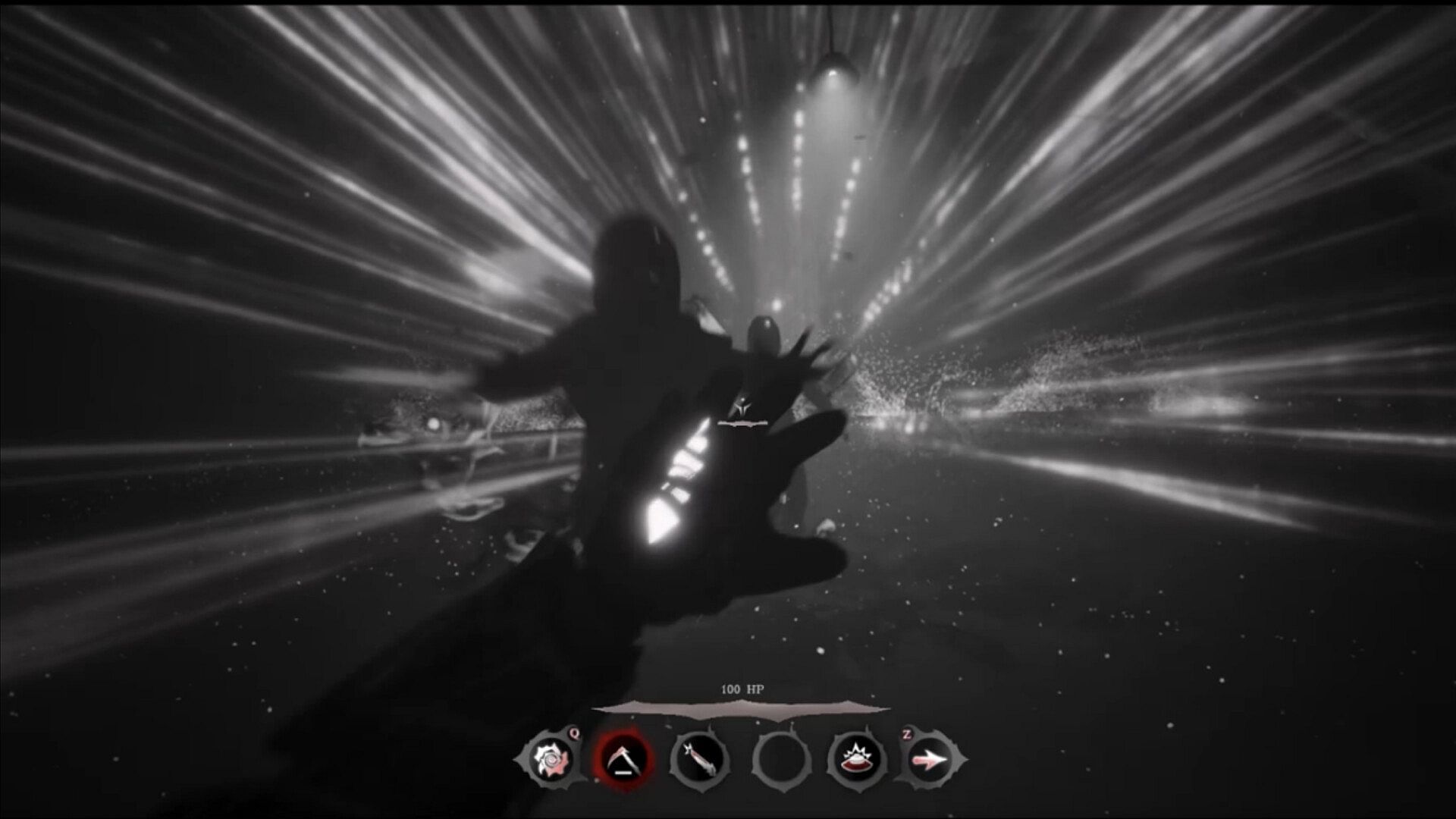
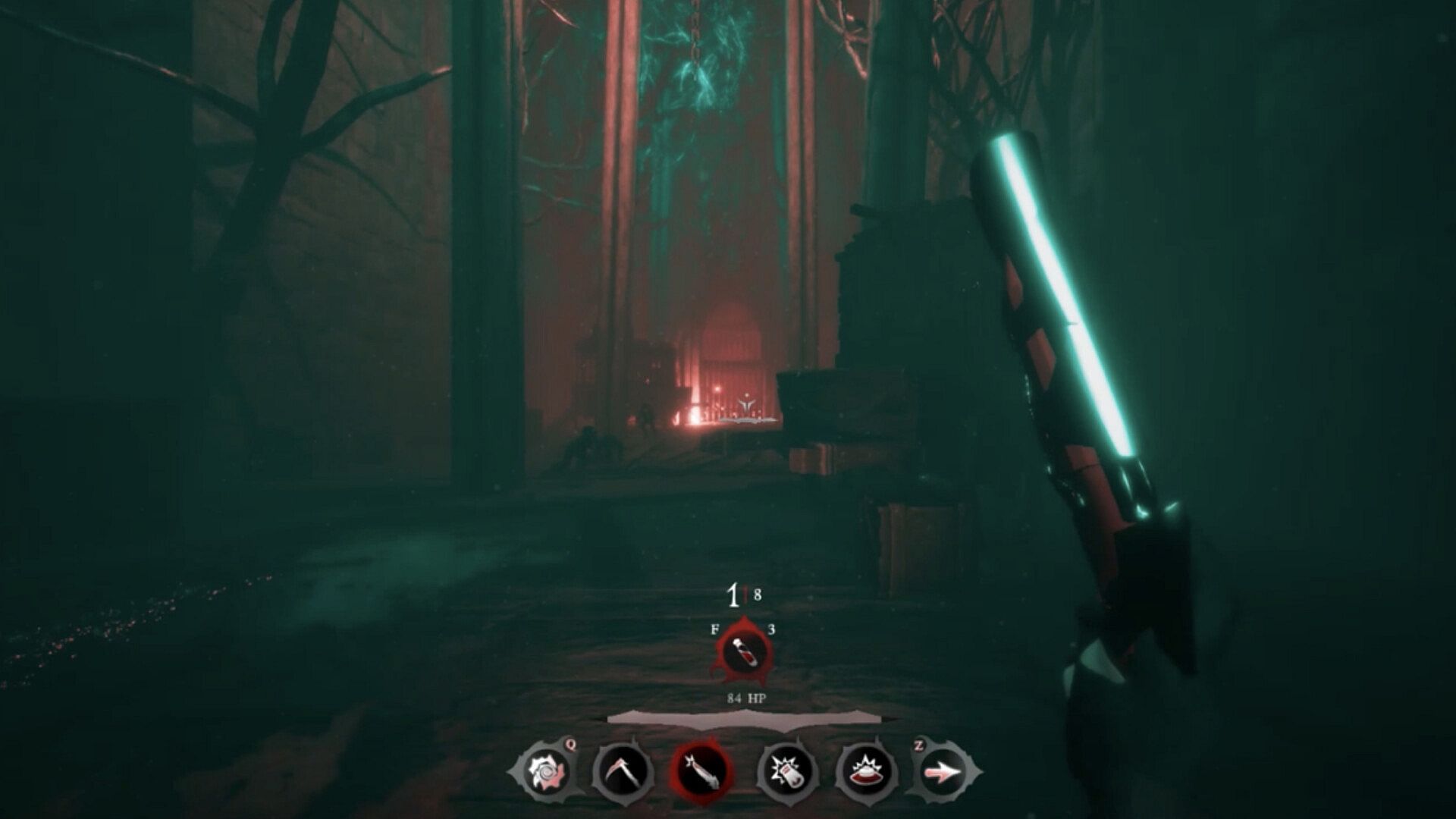
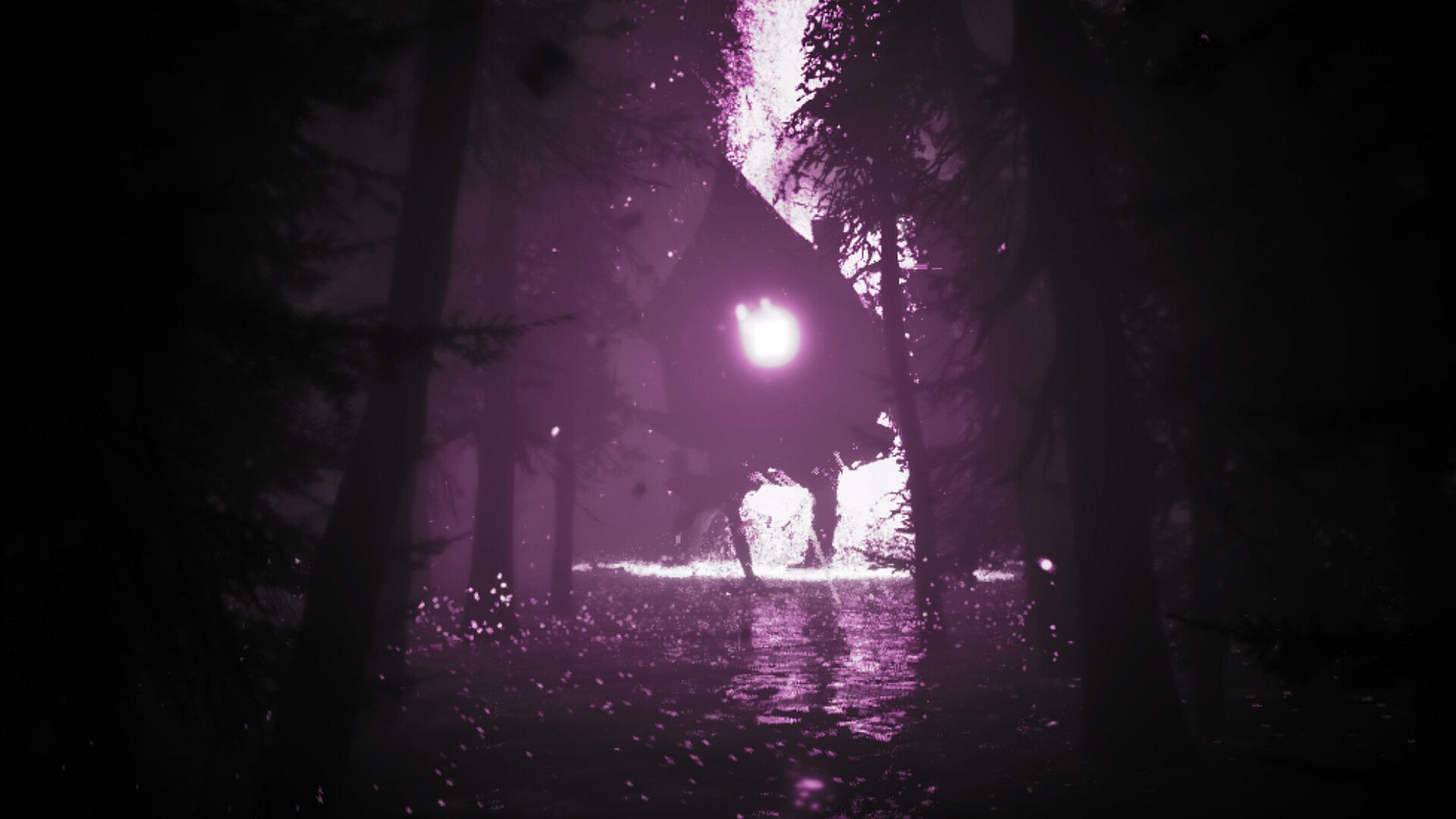
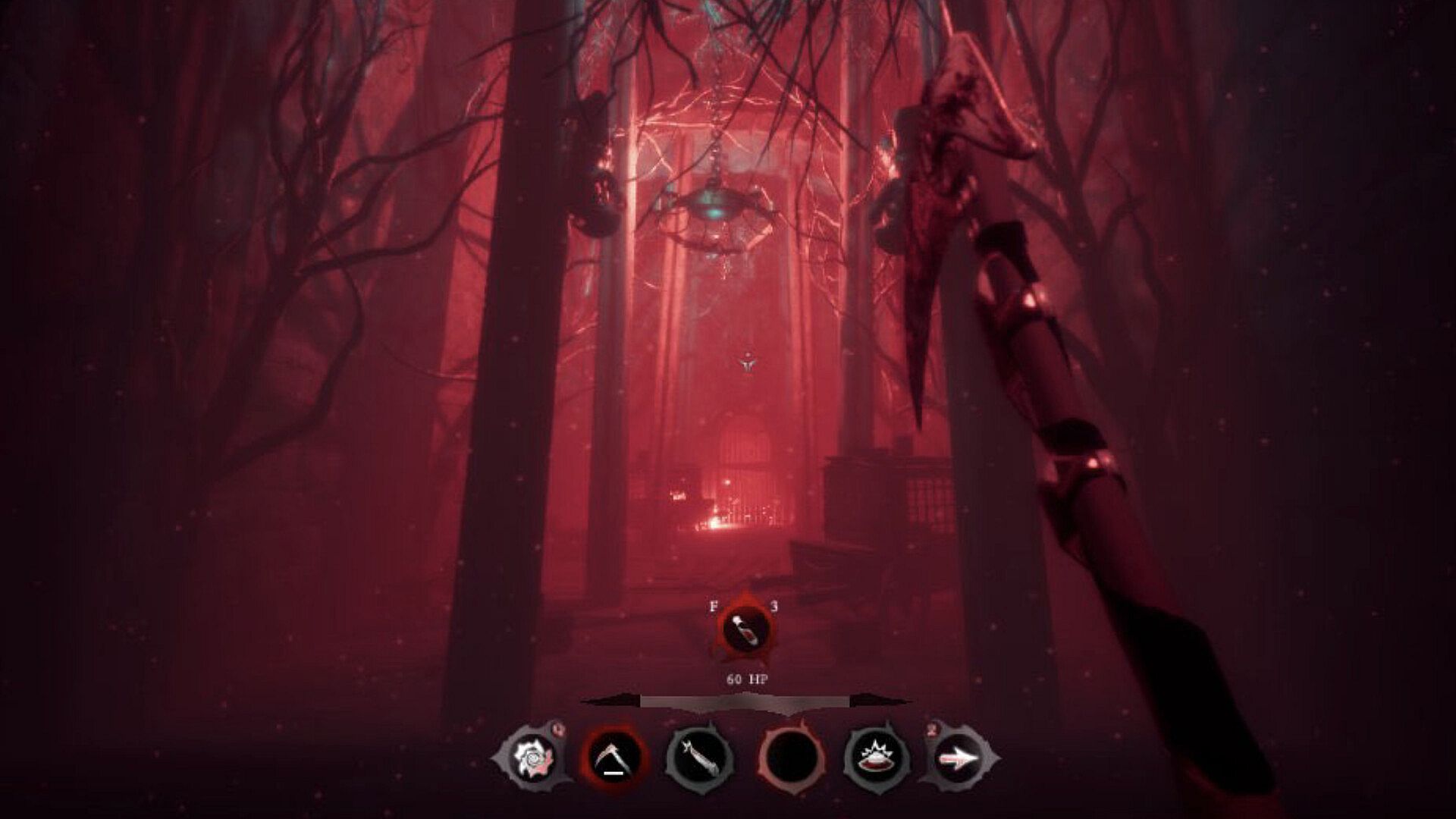
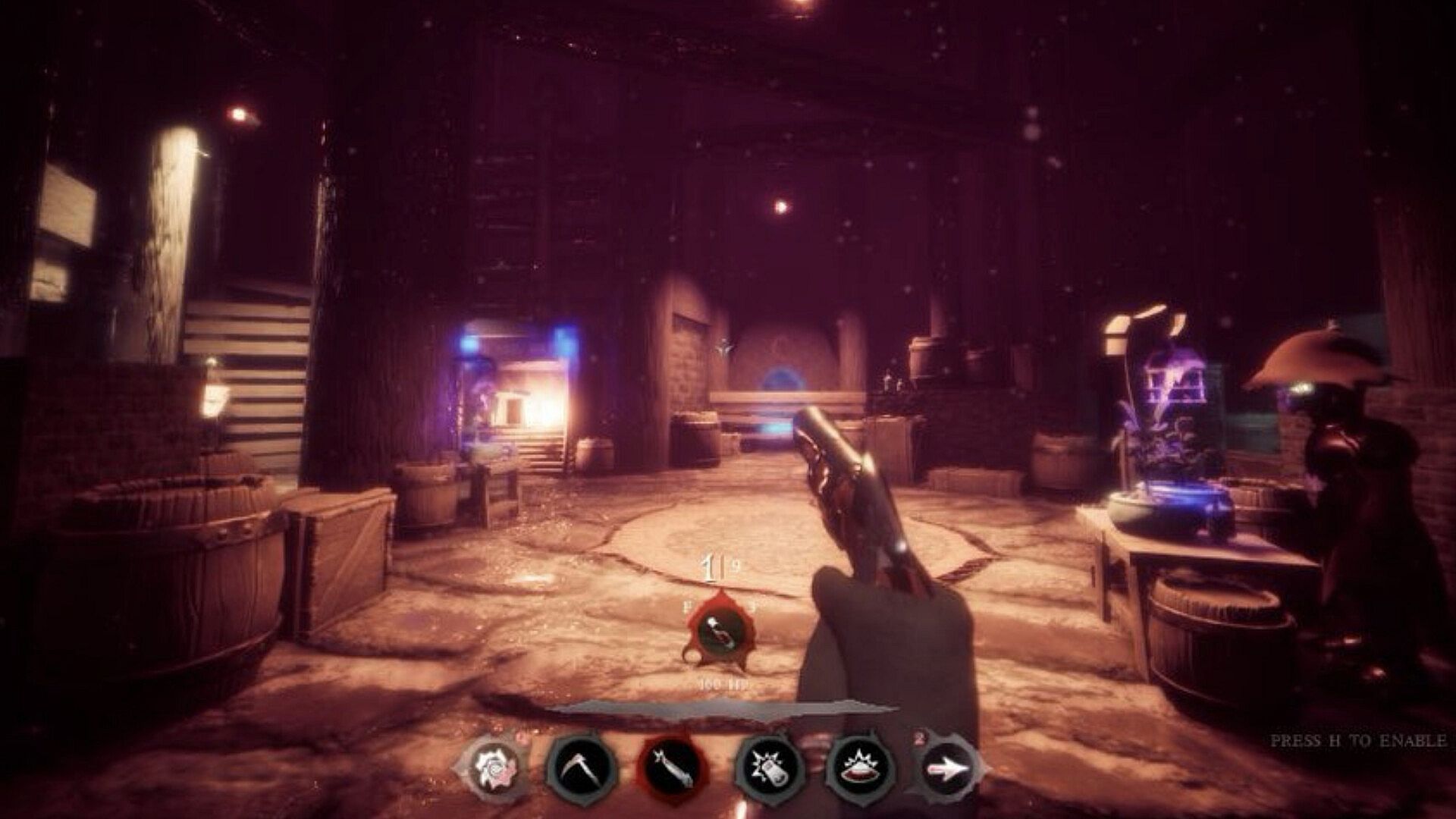
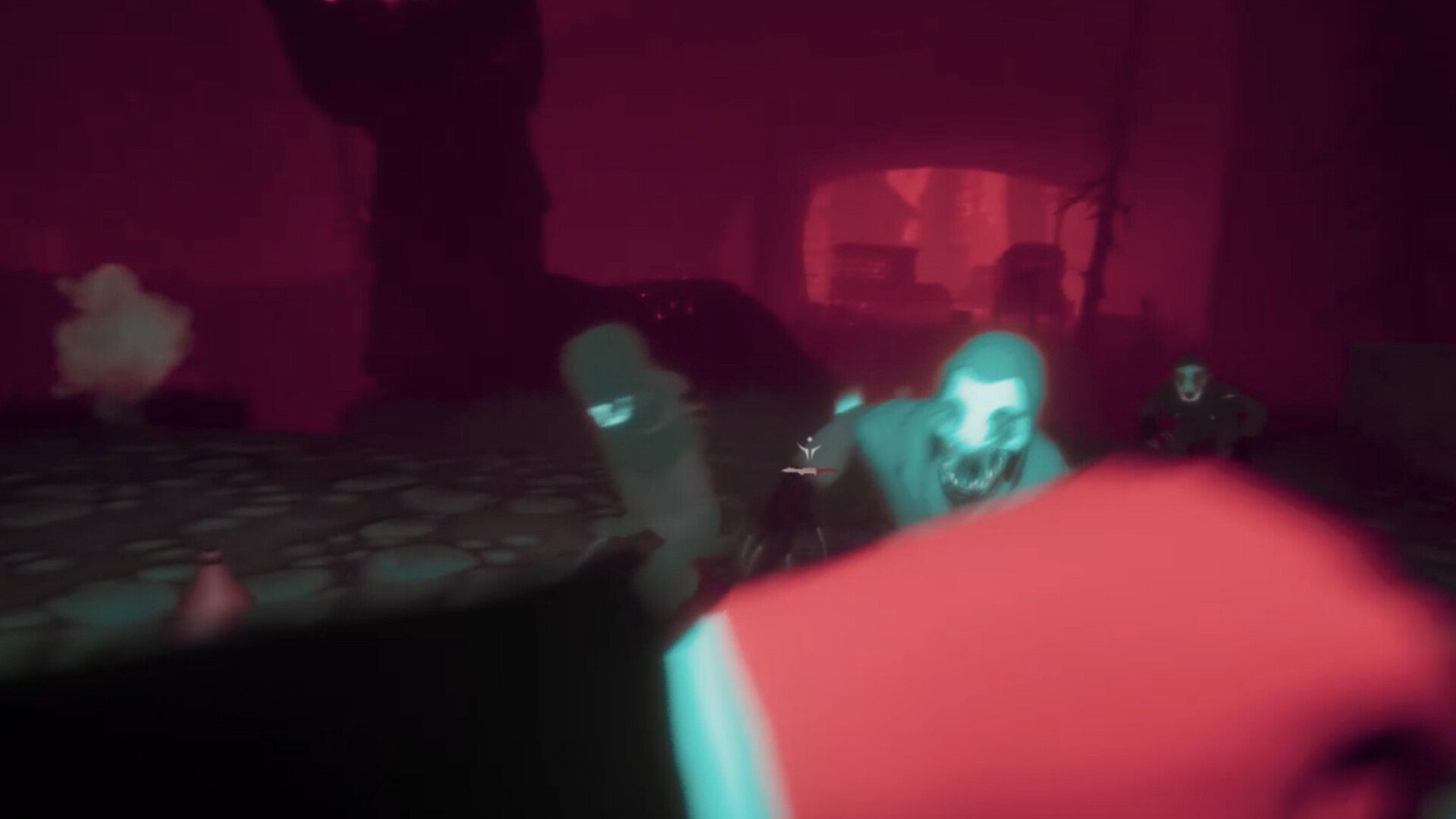
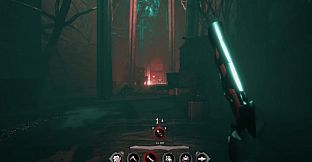

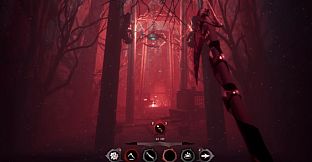
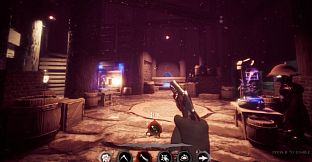

Bloodthorn is a first-person dark fantasy dungeon crawler that blends action, indie sensibilities, RPG progression, and adventure exploration on PC. Players take on the role of a condemned criminal sent into a cursed castle instead of facing execution. The experience centers on descending through corrupted floors of a gothic stronghold, managing resources carefully, and dealing with permanent consequences for failure.
Gameplay
The core loop involves navigating a vertical dungeon where each floor represents a former section of the king's stronghold, now twisted by an ancient curse. Combat mixes melee and ranged attacks with stamina management that adds weight to every swing or shot. Loot appears in chests, breakable objects, and hidden spots, offering tiered rewards that encourage thorough exploration without mid-floor checkpoints or saves. Every decision carries forward until a floor is cleared or lost.
Enemies consist of twisted former servants of the court rather than generic monsters, filling corridors with haunting remnants of the household. Boss encounters on each floor tie directly into character development, as defeating them provides corruption skill points. These points permanently alter the player's body and grant new abilities, turning the character into a reflection of the bosses overcome. The system creates visible progression that builds across runs toward the throne room.
Resource management revolves around Bloodvials, which serve as both healing items and currency dropped by defeated enemies. This unified economy pushes players toward aggressive play to sustain longer sessions. Between runs, the Cell Hub acts as the sole safe zone for repairs at a workbench, crafting from harvested materials, trading, and customizing appearance through masks, hoods, and armor sets. Skill trees advance through permanent growth rather than temporary buffs.
Game Modes
Bloodthorn operates entirely as a single-player experience with no multiplayer components. The primary mode follows the floor-by-floor descent through the cursed castle, where success on a floor locks in earned gear and progress. Failure drops the player into Limbo, a separate survival challenge that functions as a second chance. Surviving Limbo returns the player with gear intact, while death there results in the permanent loss of everything collected on that floor.
This structure emphasizes commitment on every run, with no traditional checkpoints. Hidden paths and level-based progression add layers of discovery within the single-player framework. A global leaderboard tracks completed runs, allowing comparison of overall performance without altering the core solo gameplay.
Progression and Customization
Character development occurs through boss defeats that reshape abilities and appearance over time. Permanent consequences mean choices compound across attempts, rewarding careful play and adaptation. The hub system supports this by enabling ongoing refinement of weapons, armor, and consumables using materials gathered during descents. Customization extends beyond stats to visual options like masks and hoods, while skill progression remains tied to the corruption points earned from key enemies.
The economy reinforces the loop by tying survival directly to combat effectiveness. More aggressive engagement yields more Bloodvials for healing and purchases, creating a risk-reward balance that fits the dark fantasy tone.
Is It Worth Playing?
Bloodthorn targets players who enjoy challenging single-player dungeon crawlers with high stakes and meaningful progression. The combination of stamina-based combat, permanent body-altering upgrades, and the Limbo second-chance mechanic offers a distinct take on roguelike elements within a dark fantasy setting. Those drawn to hub-based crafting, resource economies built around combat drops, and runs that reward aggression will find the systems align closely with that preference.
Since the game remains unreleased with no available reviews or player data, suitability depends on interest in the described mechanics rather than established reception. Fans of first-person action RPGs that emphasize commitment and visible character change through kills should consider adding it to a wishlist for future release. The single-player focus and lack of additional modes keep the experience tightly scoped around the core descent and hub loop.