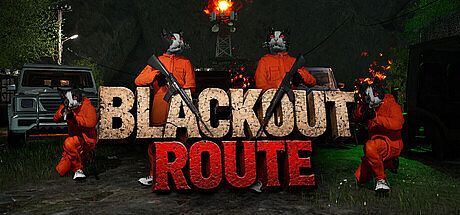


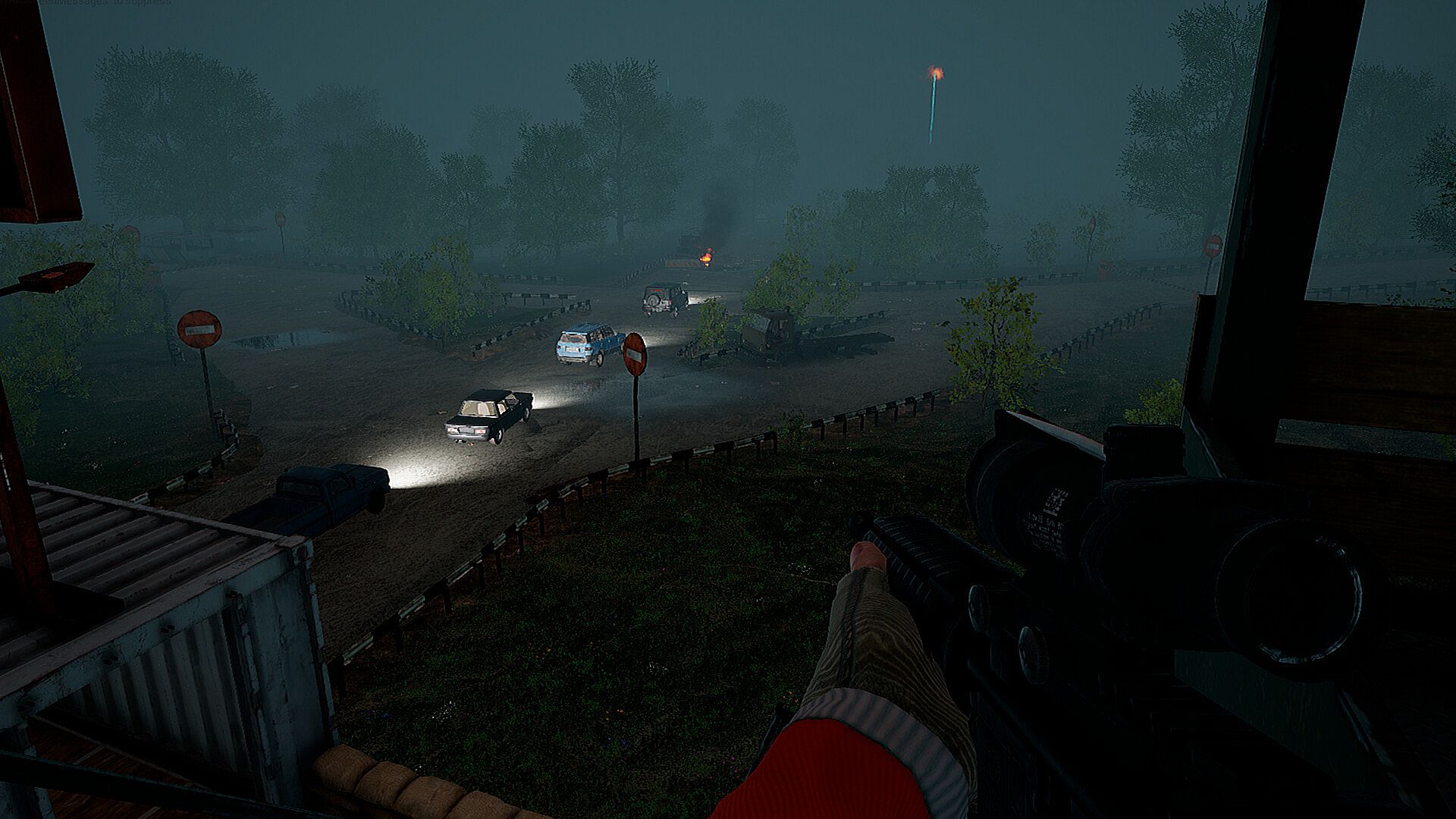
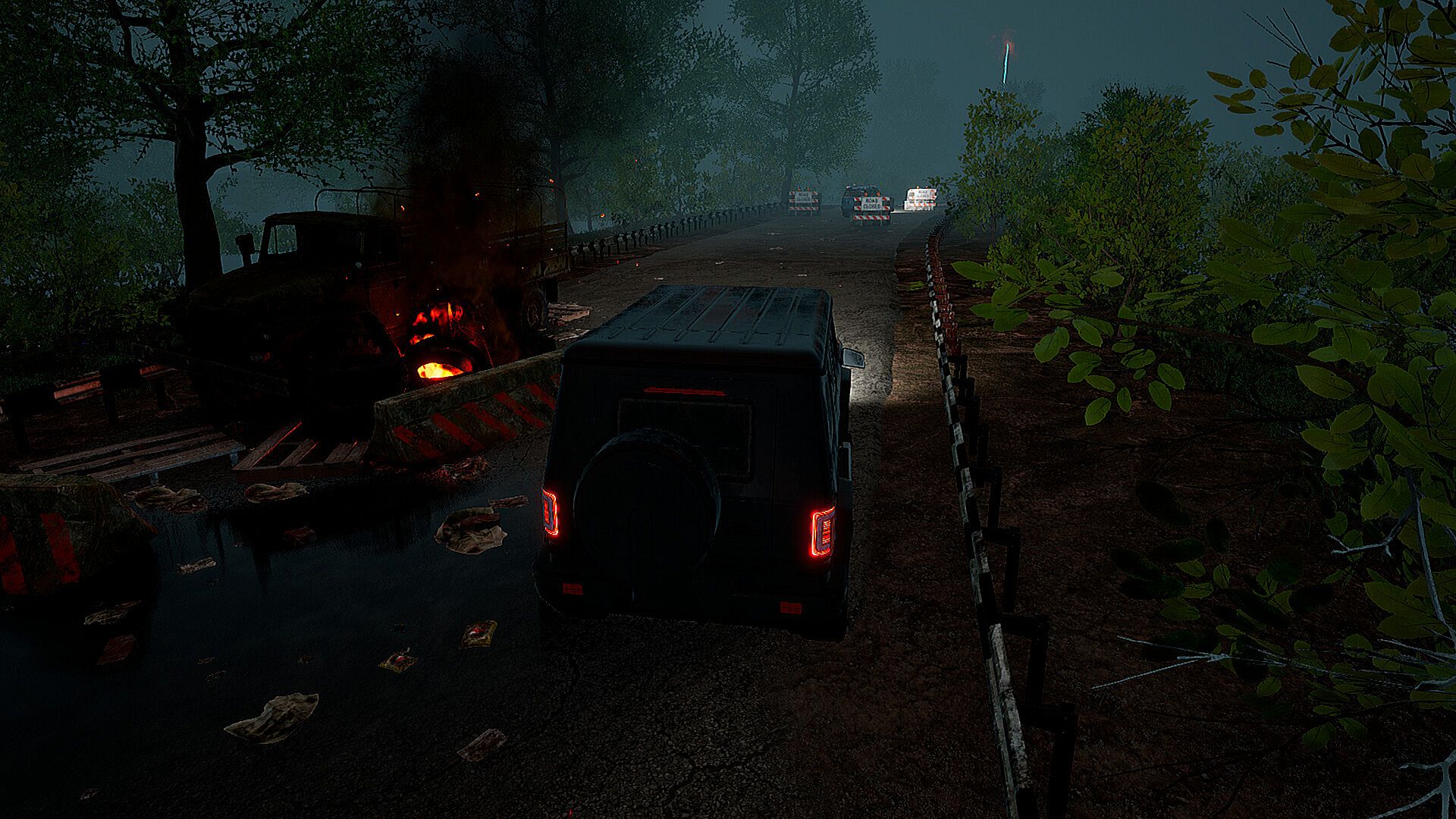
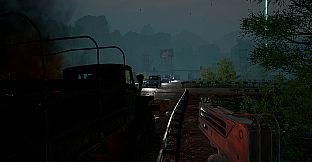
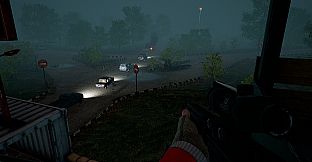
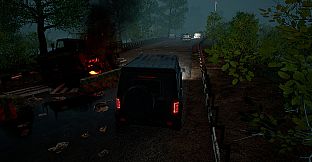
Blackout Route is an action adventure massively multiplayer game set in a world where a Synchronization Network has seized control of navigation and information systems. Players join the Resistance to push back against signals that corrupt human minds and turn people into tools of the Network. The experience centers on dangerous expeditions into contaminated territories, resource scavenging, and base defense, all while operating in Early Access on PC.
Gameplay
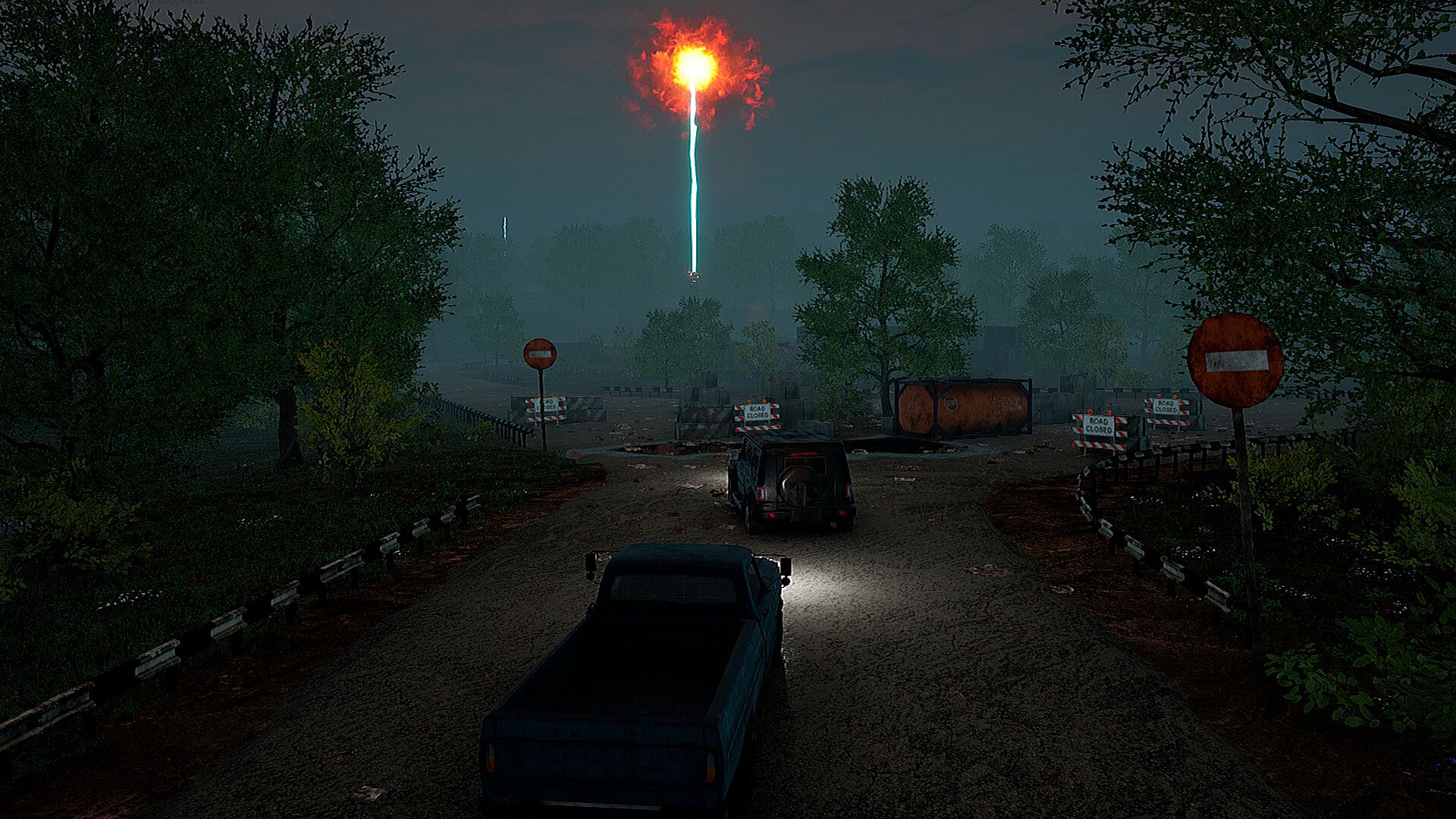
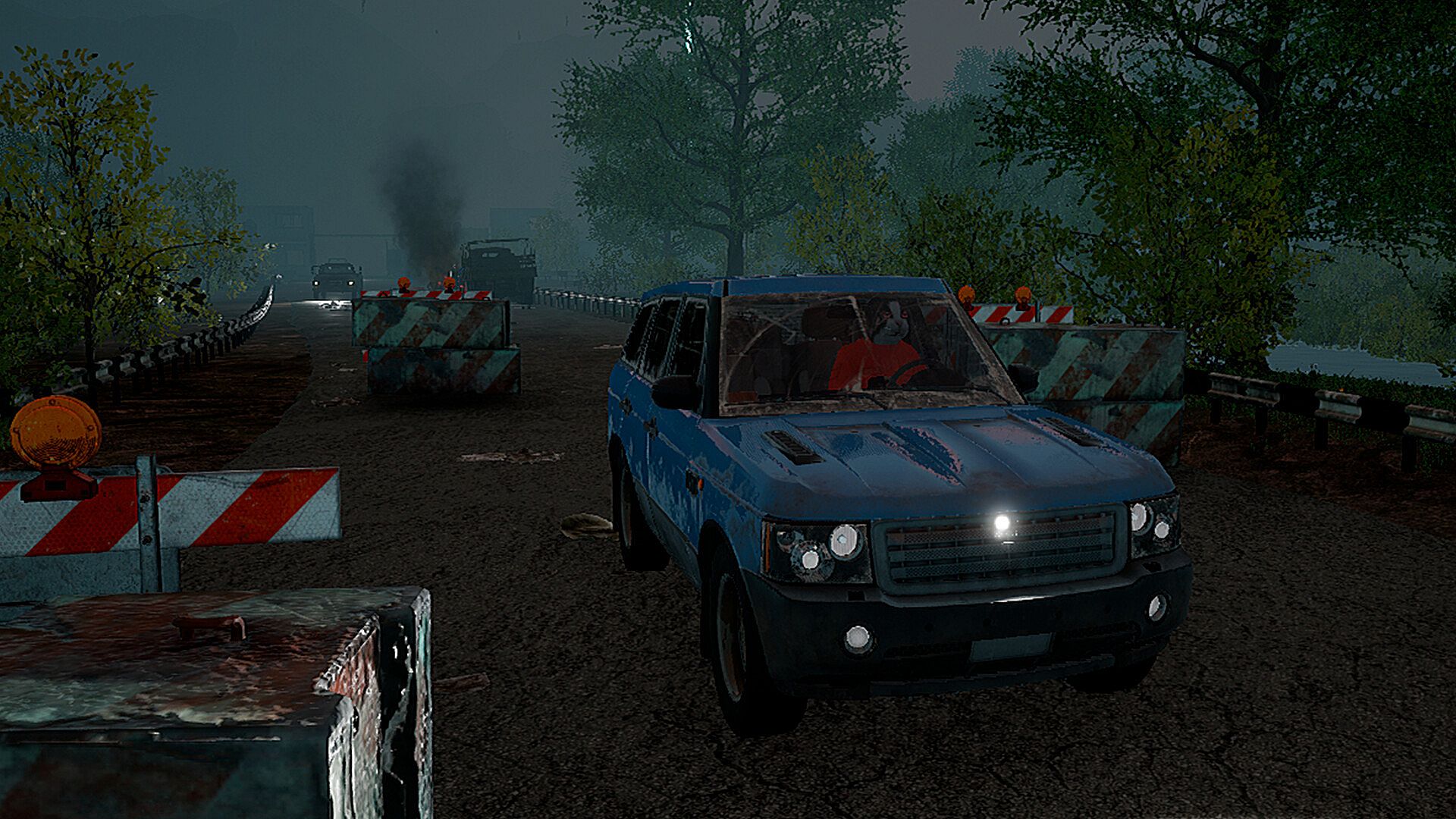
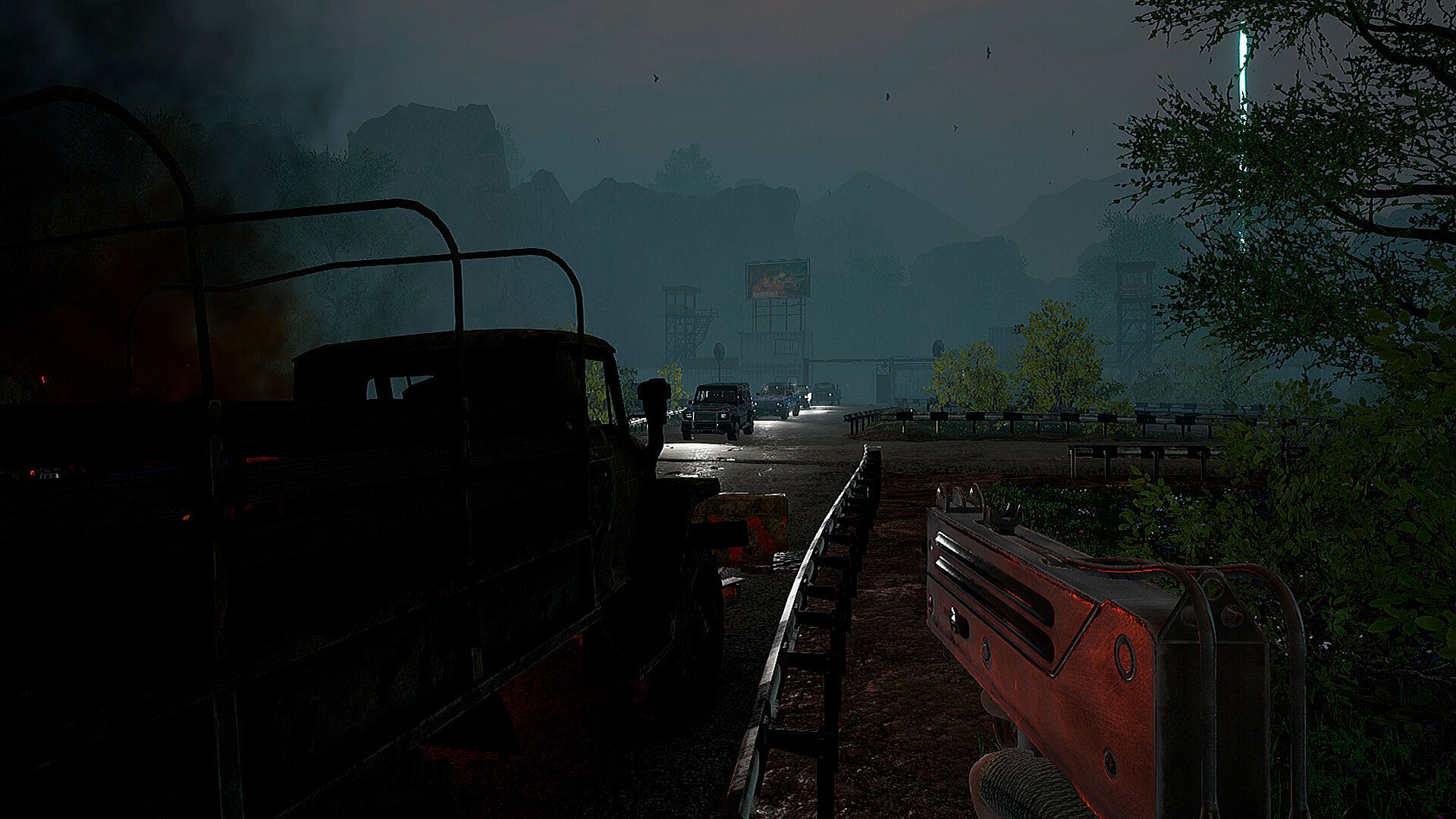
Every session begins at the Resistance camp, where players prepare vehicles, select routes, and assemble teams before heading into zones still pulsing with active signals. The core loop involves driving through abandoned roads, forests, and industrial areas to locate and neutralize signals. Exploration yields resources, spare parts, and rare items hidden in warehouses, checkpoints, and ruined facilities. Time spent in these areas carries escalating risk, as prolonged exposure heightens the chance of permanent loss.
Disabling a signal triggers an immediate response from the Network. An elimination protocol activates, forcing survivors to extract under pressure from pursuing forces. Success depends on coordination, route planning, and quick decisions about when to push deeper or turn back. The camp serves as the hub for selling recovered loot, refining materials, crafting equipment, and expanding facilities to support future operations.
Base development includes fortifying structures against periodic attacks. The Network can detect and target the hideout, sending agents to disrupt progress. Players must balance offensive raids with defensive upgrades to maintain a viable stronghold.
Game Modes
Blackout Route structures play around raid expeditions that combine exploration, objective completion, and extraction. Teams coordinate to reach signal locations, manage vehicle handling across varied terrain, and handle the countdown that follows each disablement. These runs emphasize group survival and decision-making under time pressure.
Camp defense forms the complementary activity. When signals locate the base, players shift to protecting upgraded facilities from incoming threats. This creates a cycle where successful raids fund improvements that in turn strengthen defenses against retaliation.
The overall flow supports both short focused outings and longer sessions that chain multiple raids with camp management in between. Multiplayer coordination is central, as larger groups can tackle higher-risk routes while sharing the load of gathering and transport.
Core Systems and Progression
Resource management ties directly into camp growth. Loot from zones feeds crafting and trading systems that unlock better gear and facility upgrades. These improvements reduce risks on subsequent runs and provide tools for handling Network incursions at the base.
Vehicle choice and route selection add layers of strategy. Farther destinations offer greater rewards but increase exposure to signal effects and extraction challenges. Players learn to weigh distance against available time and team capabilities.
Signal interference remains a constant threat. The Network's influence can affect navigation and even player awareness during deep incursions, requiring constant vigilance and fallback plans.
Is It Worth Playing?
Blackout Route suits players who enjoy cooperative extraction-style gameplay mixed with base-building elements. The loop of planning raids, executing them under pressure, and returning to improve the camp delivers consistent tension and tangible progress. Those drawn to massively multiplayer survival experiences will find the resistance theme and signal mechanics provide a clear sense of purpose across sessions.
The game remains in Early Access, so the feature set continues to evolve with developer updates. Current reception centers on the atmospheric risk-reward structure and the satisfaction of successful extractions after intense runs. It appeals most to groups that like coordinating vehicle travel, scavenging, and defending shared progress rather than pure competitive or story-driven formats.
If the combination of open-road raids, resource loops, and occasional base sieges matches your preferred style, the title offers a focused multiplayer experience worth trying in its present state. Solo players may find the team-dependent elements limiting, while organized groups can extract more value from the systems as they stand.