













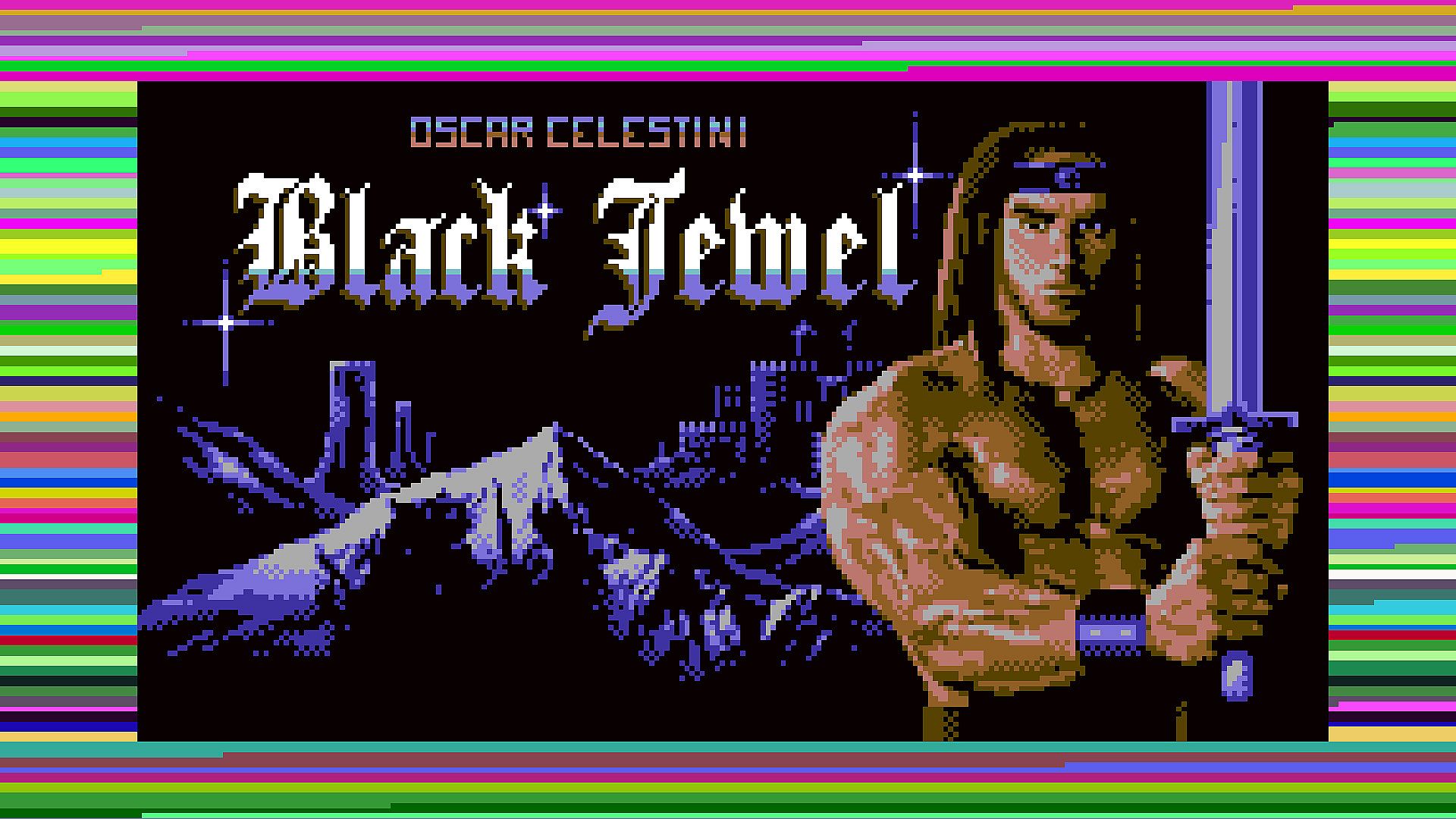
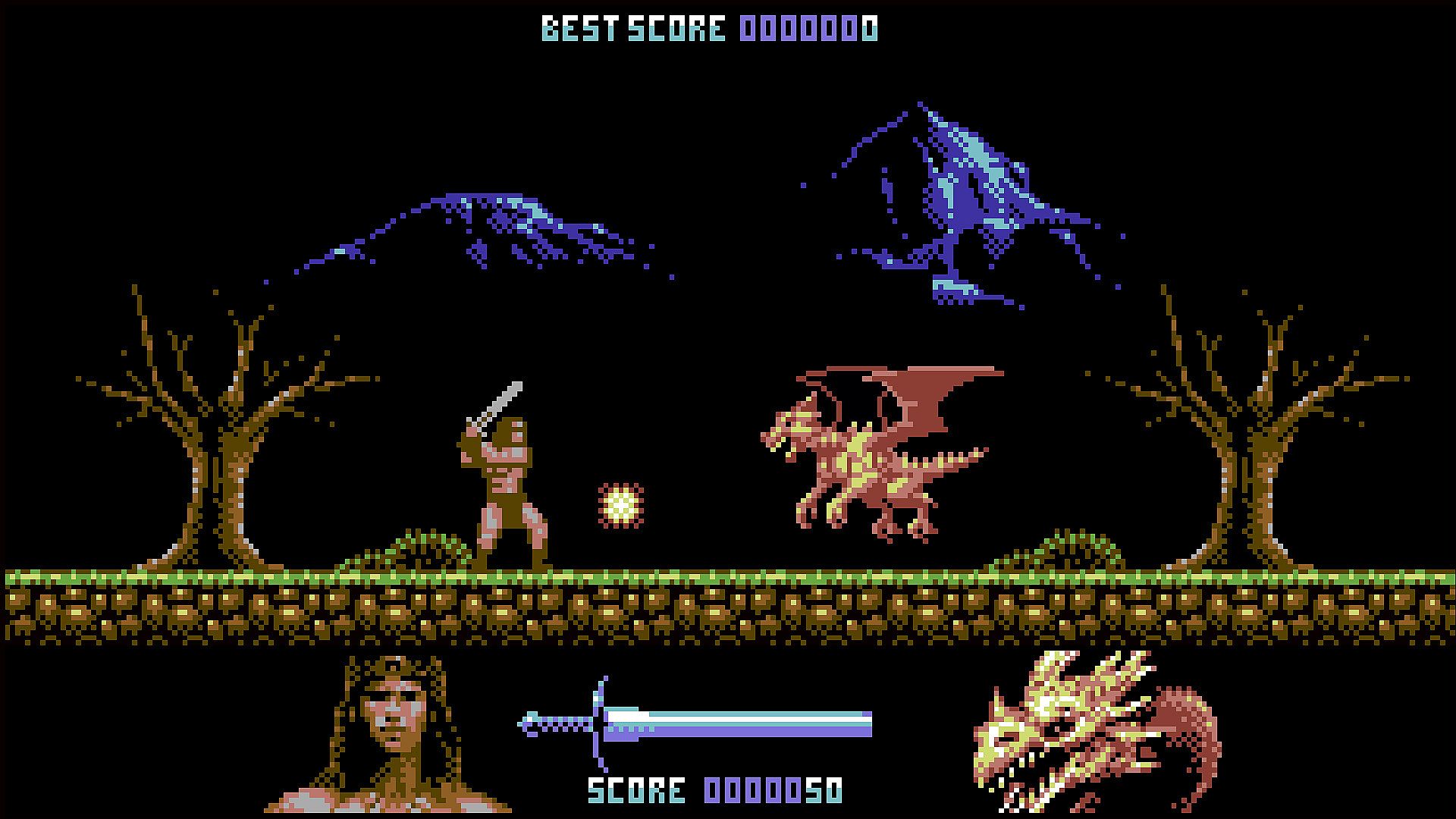
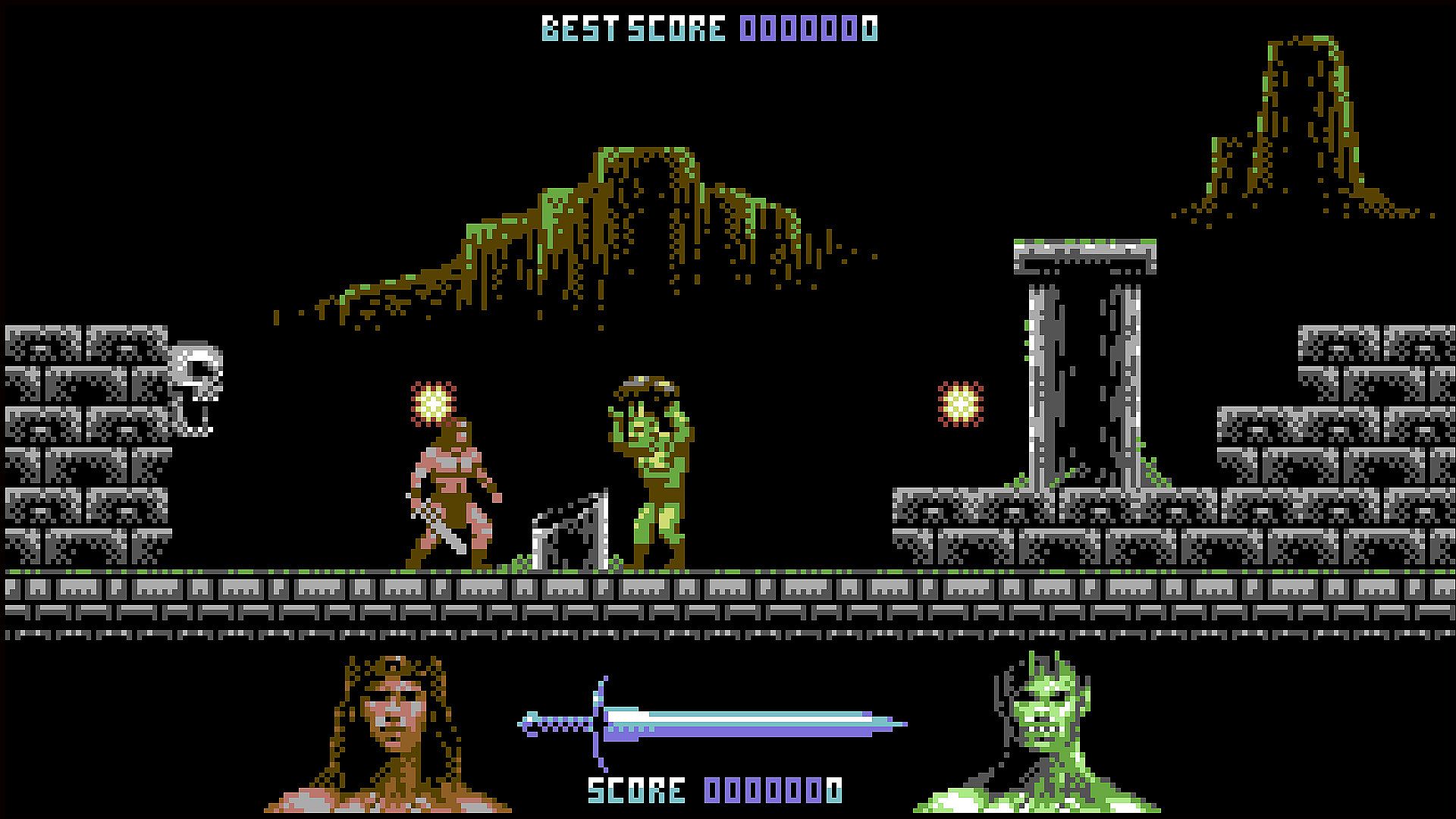
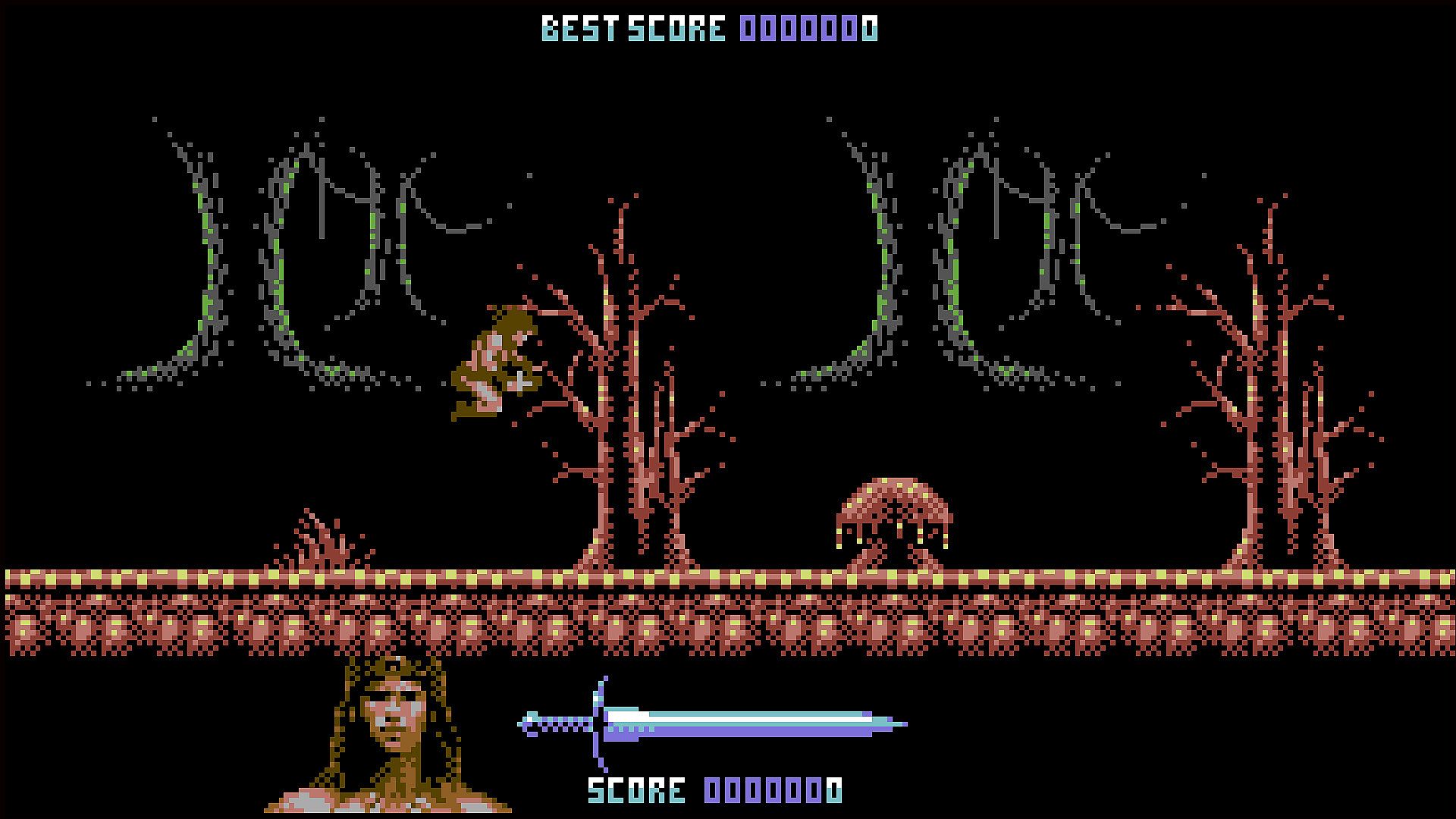
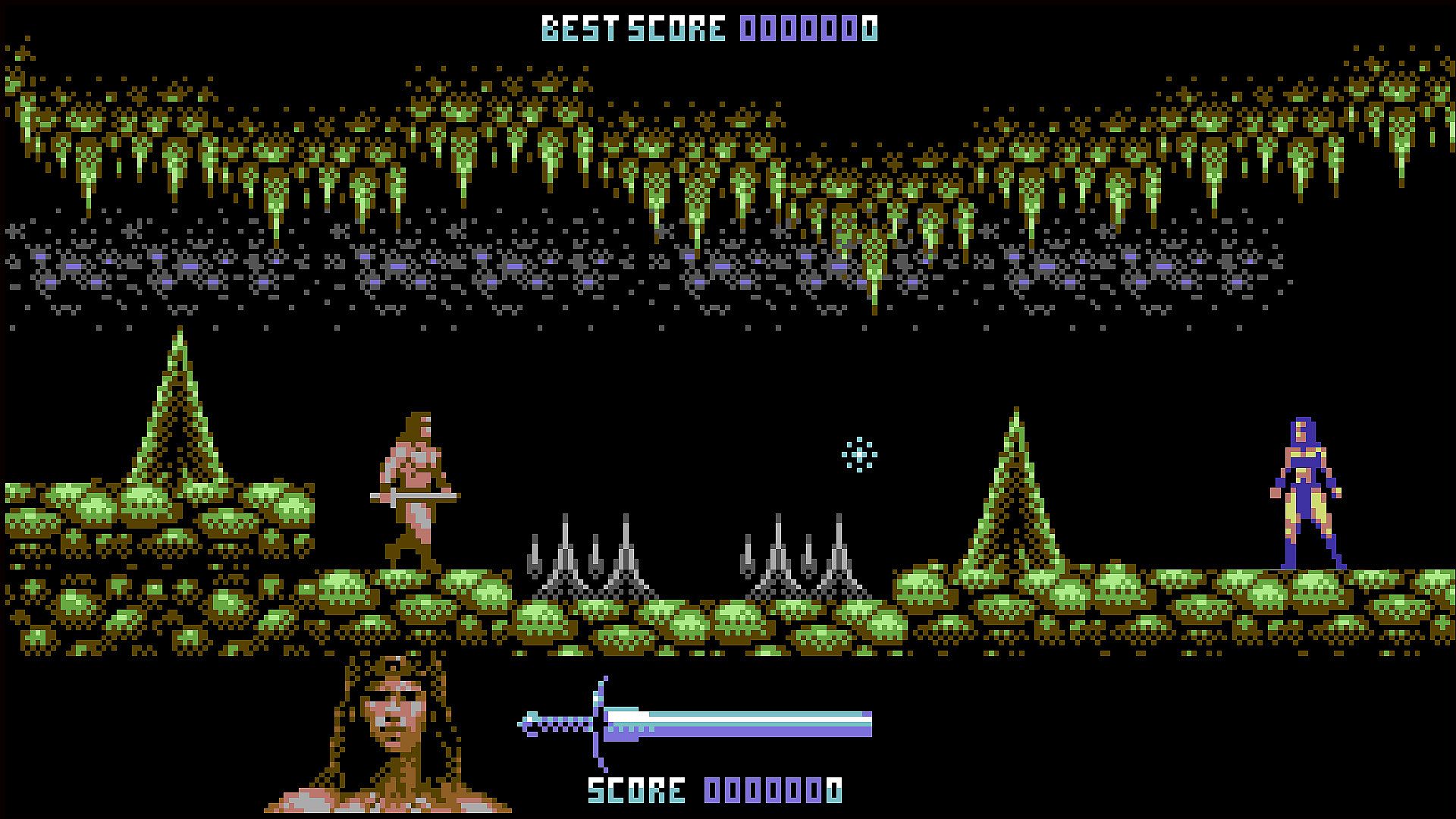
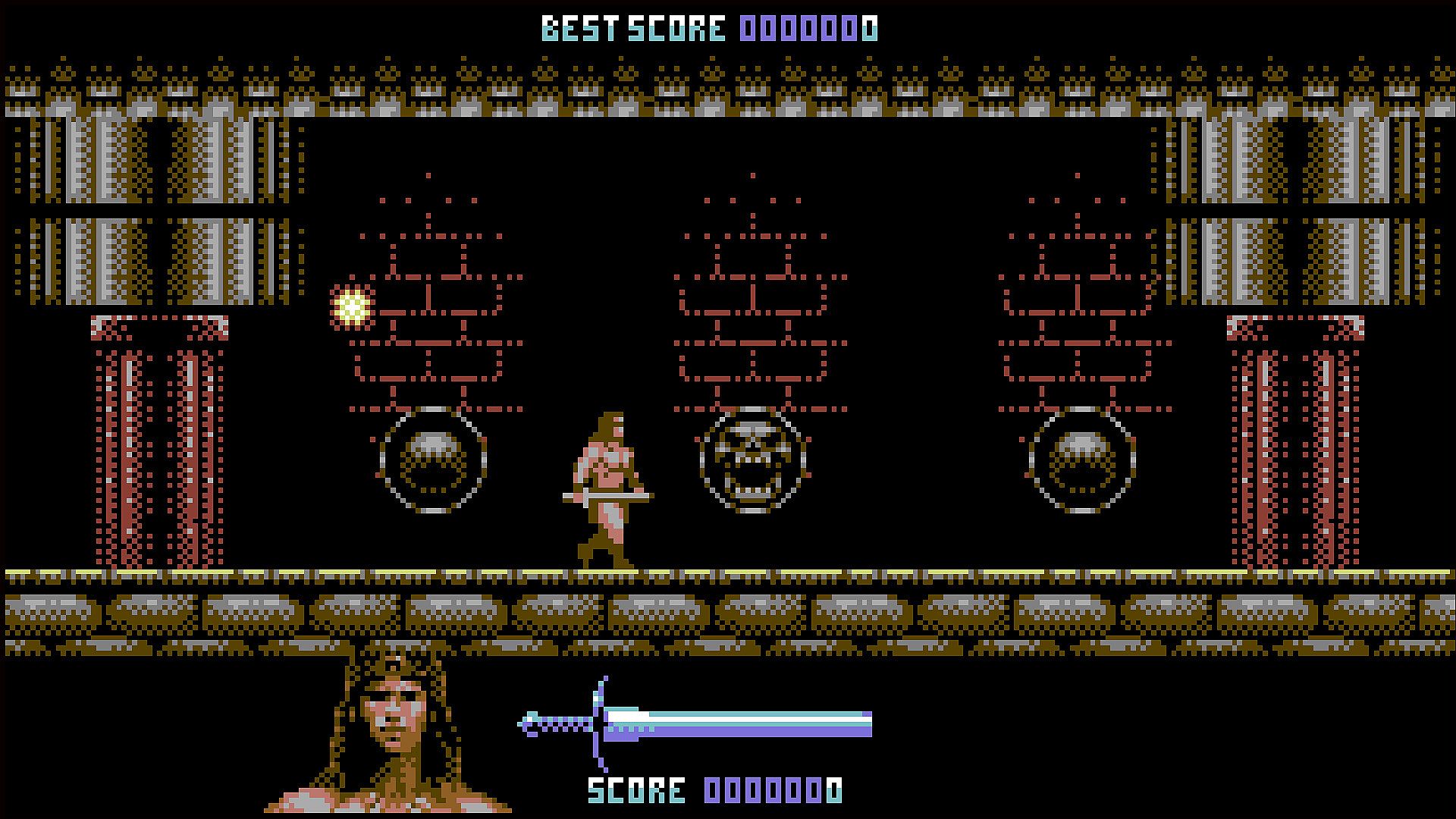
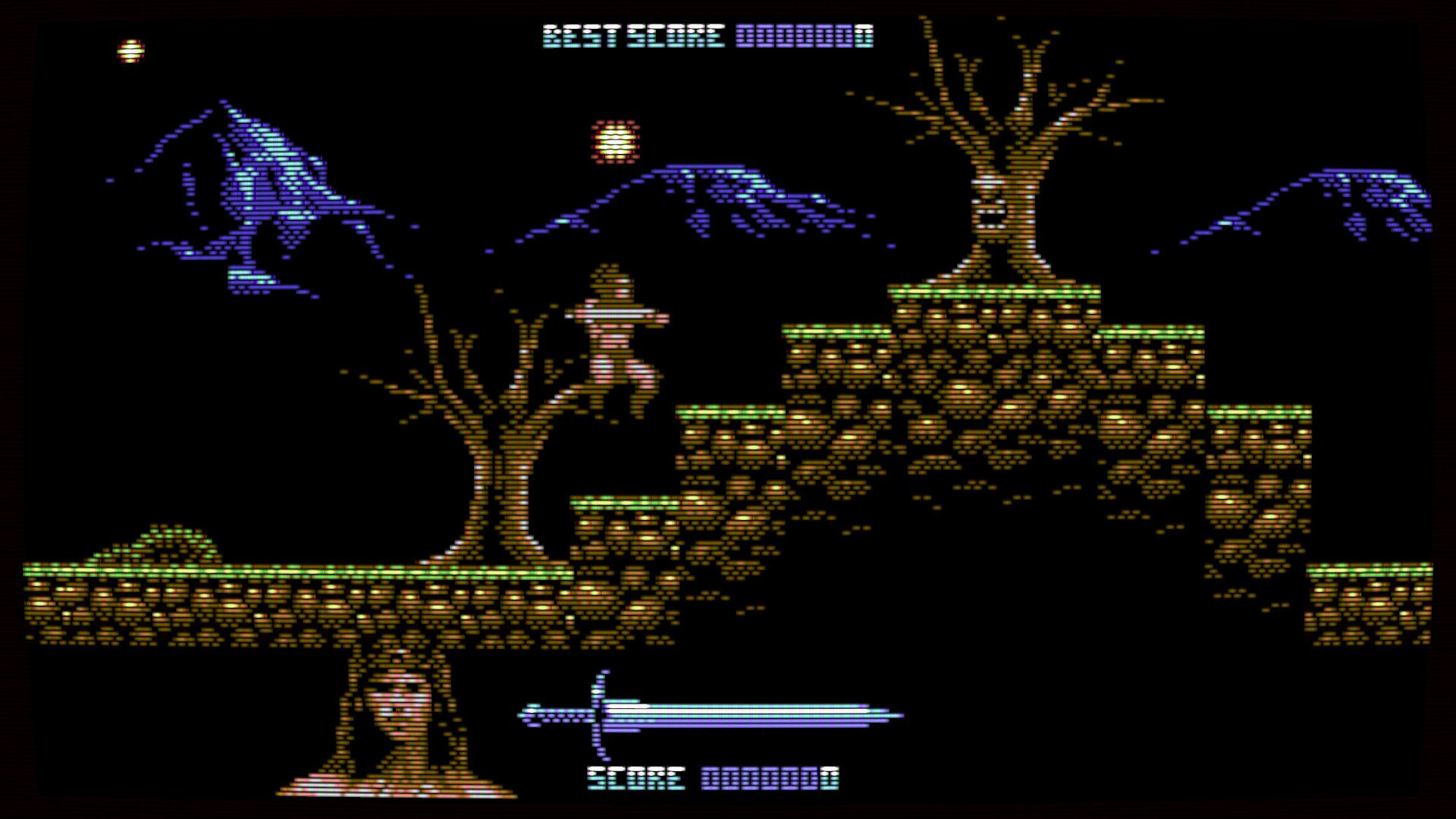
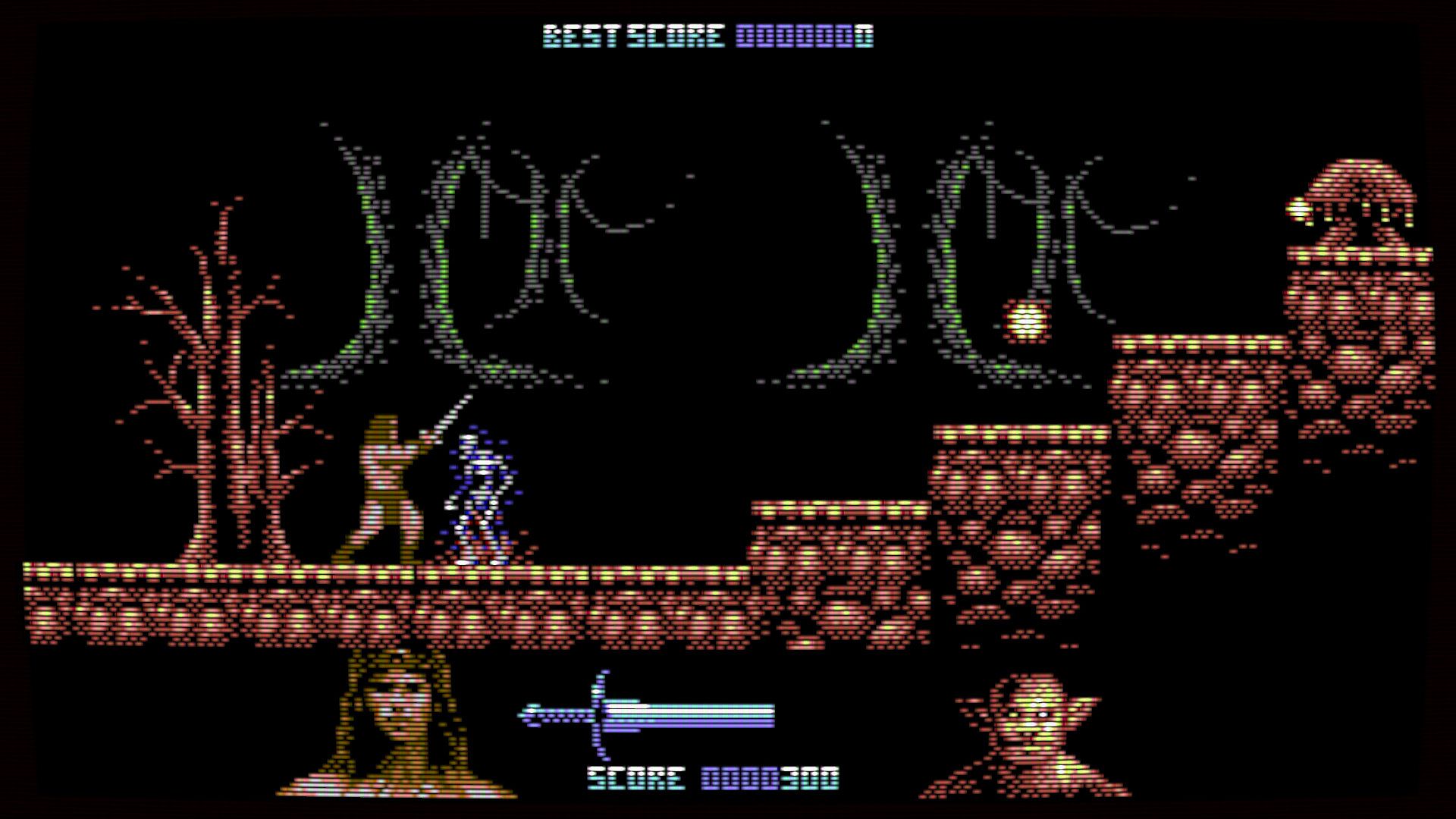
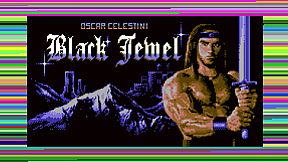
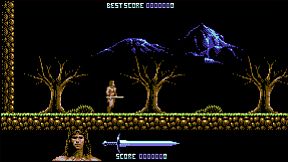
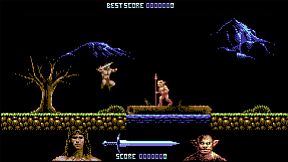
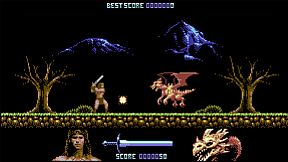
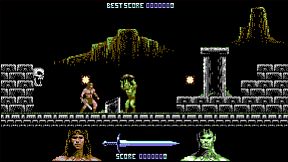
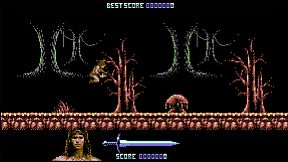
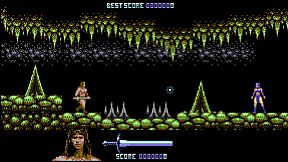
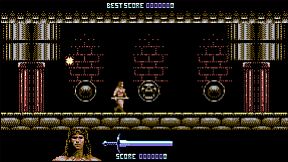
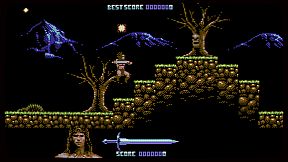
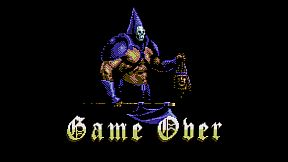
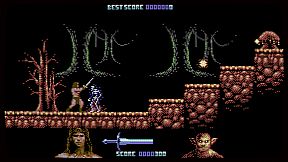
Black Jewel is an action adventure indie game developed for PC that draws directly from the Commodore 64 era with its pure pixel art presentation and compact design. Players control Ryan, a barbarian warrior tasked with recovering the Black Jewel after it is stolen by the antagonist Darkor. The experience emphasizes precise platforming and combat across a series of interconnected screens rather than expansive open worlds or complex systems.
Gameplay
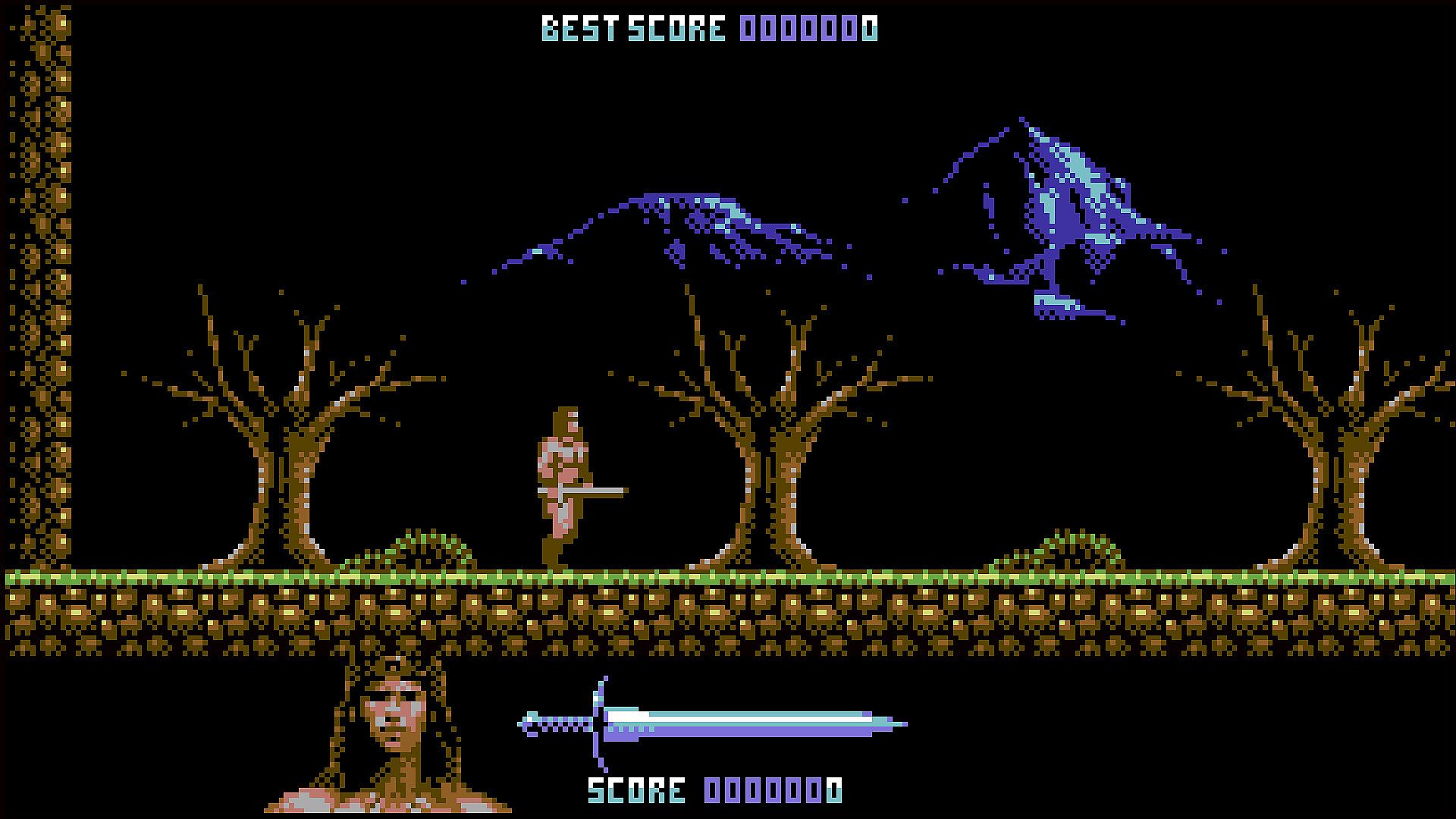
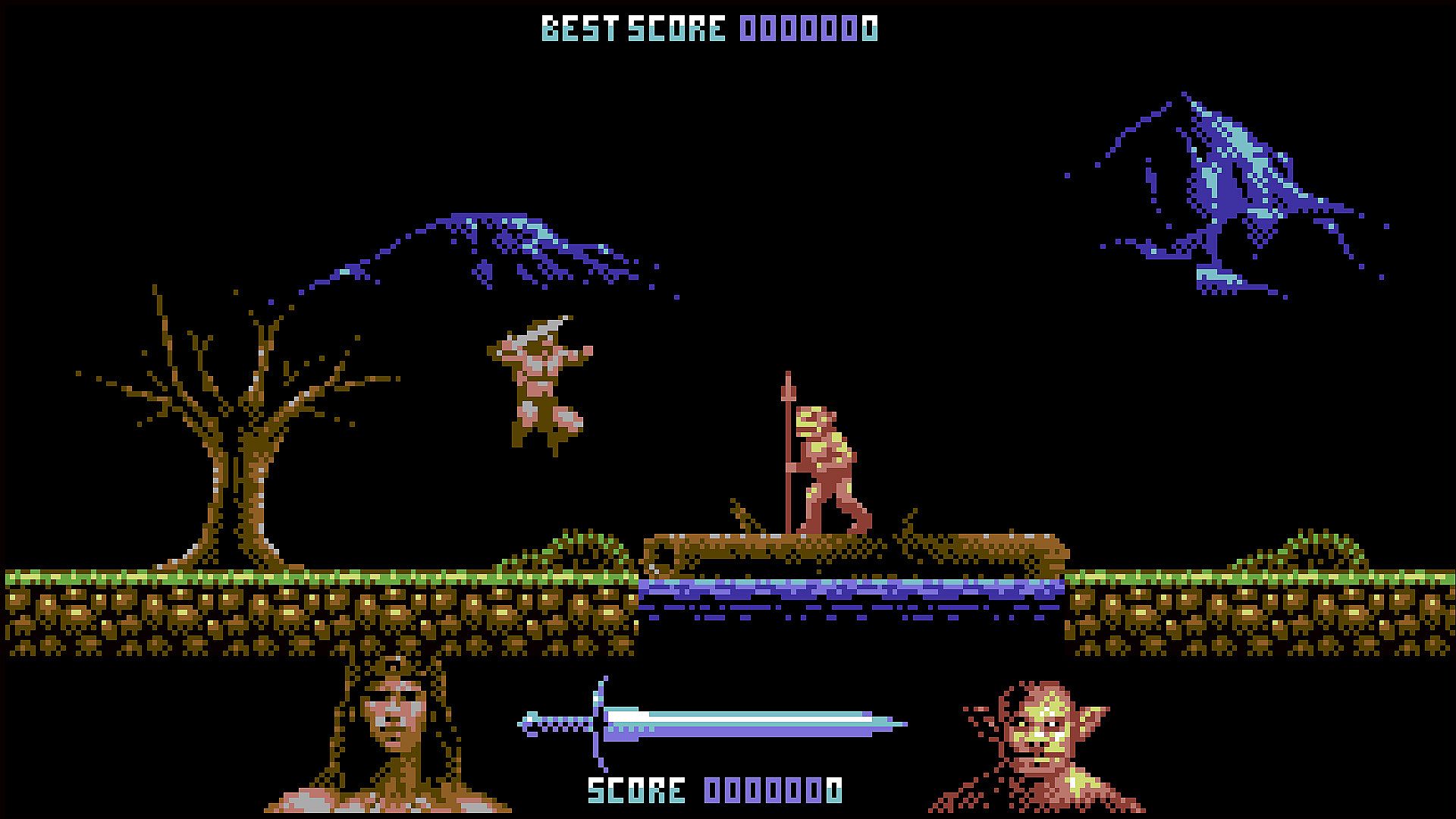
The core loop centers on navigating more than fifty screens spread across five distinct zones that include forests, ruins, and castles. Each area features old-school pixel art environments filled with enemies, traps, and obstacles that demand careful timing and positioning. Combat involves swinging a sword with limited reach, requiring players to close distances effectively while avoiding damage in return. Progression relies on reaching the end of each zone while managing health, as the game offers no continues or extra lives in its standard playthrough.
Controls support both keyboard and joypad inputs for accessibility across different setups. A toggleable CRT filter enhances the retro aesthetic by simulating scanlines and screen curvature typical of vintage hardware. The challenge stems from tight hit detection and enemy patterns that punish imprecise movement, making each screen a test of pattern recognition and reflexes. High score tracking encourages repeated attempts to improve performance through better routing and fewer mistakes.
Game Modes
Black Jewel operates as a single-player title with no separate multiplayer options or alternate modes. The main experience unfolds as a linear campaign that guides players through the five zones in sequence, culminating in encounters with five distinct bosses. These boss fights serve as checkpoints that test accumulated skills from prior screens, often requiring players to preserve health for the final confrontations.
Score chasing forms an integrated element within the single-player structure, where completing the game with minimal damage or efficient clears contributes to higher totals. There are no branching paths, difficulty selectors, or additional variants beyond the base progression and the optional visual filter. This focused approach keeps the emphasis on mastery of the core mechanics rather than variety across separate playlists or competitive formats.
Visuals and Audio
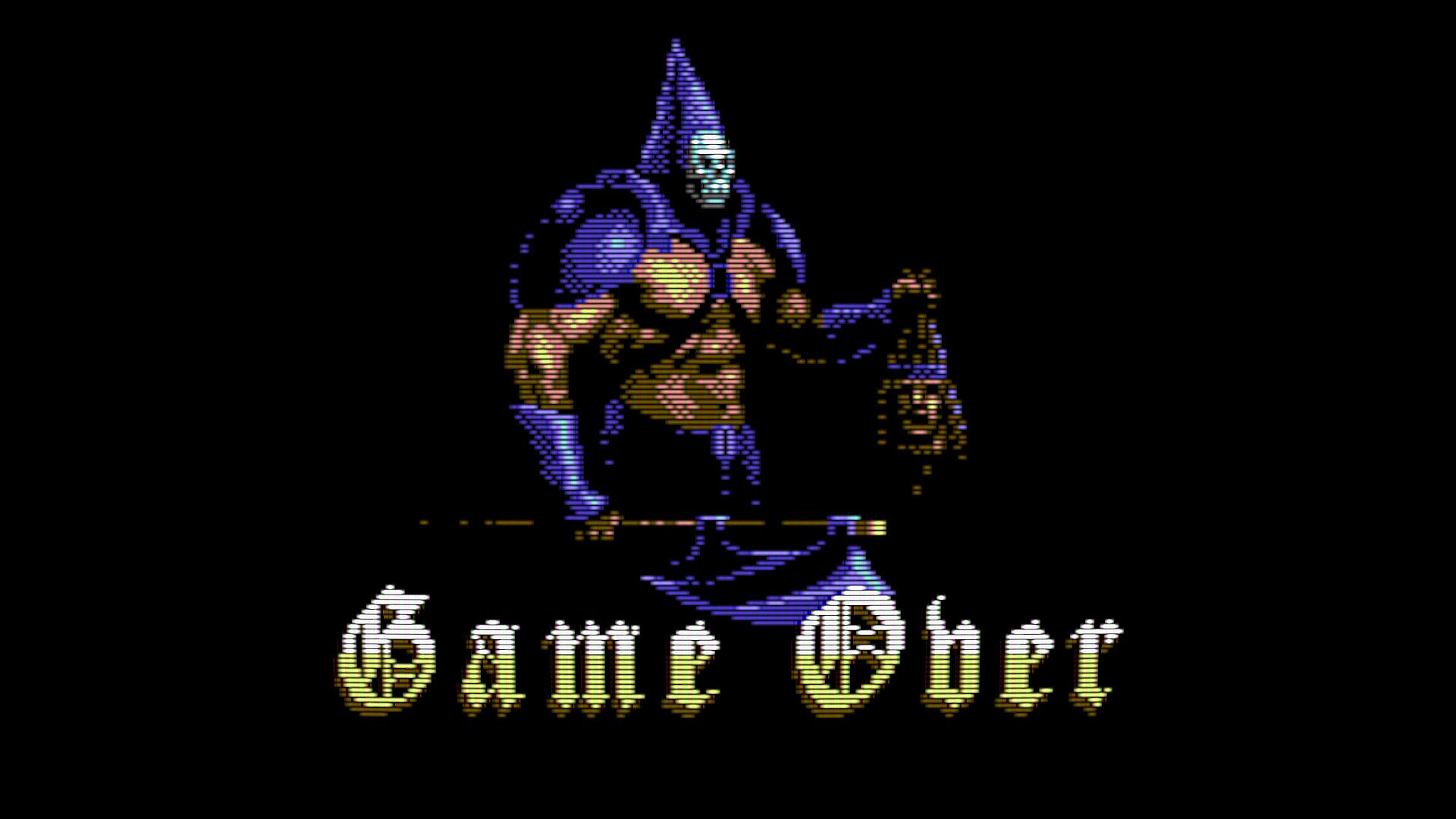
Pixel art defines every element, from character sprites and environmental details to dedicated intro and ending illustrations that bookend the adventure. The style remains consistent with C64 limitations, favoring bold colors and simple animations that convey action without modern embellishments. The CRT effect option further aligns the presentation with period hardware, though it remains optional for those preferring a cleaner display.
Sound design features an original soundtrack of five tracks composed specifically for the game. These pieces underscore the zones and key moments with chiptune-inspired melodies that match the visual retro tone. No voice acting or extensive sound effects appear, keeping the audio minimal and tied to the era the game emulates.
Is It Worth Playing?
Black Jewel appeals primarily to players who enjoy challenging retro platformers and action adventures with straightforward mechanics. Its short length and high difficulty create a focused session that rewards persistence and pattern learning over extended campaigns. Those familiar with C64 or similar 8-bit titles will recognize the deliberate pacing and emphasis on survival through precise inputs.
Player feedback highlights the accurate recreation of old-school feel alongside the demanding nature of the boss encounters and trap sections. The game suits individuals seeking a compact indie experience rather than those looking for modern conveniences like autosaves or adjustable difficulty. Availability on PC makes it straightforward to try for anyone interested in pixel art adventures that prioritize completion over exploration or customization.