




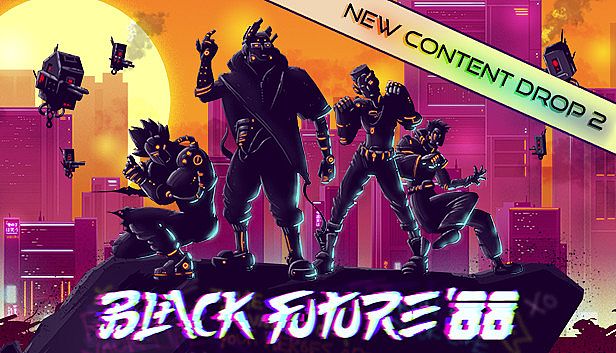
















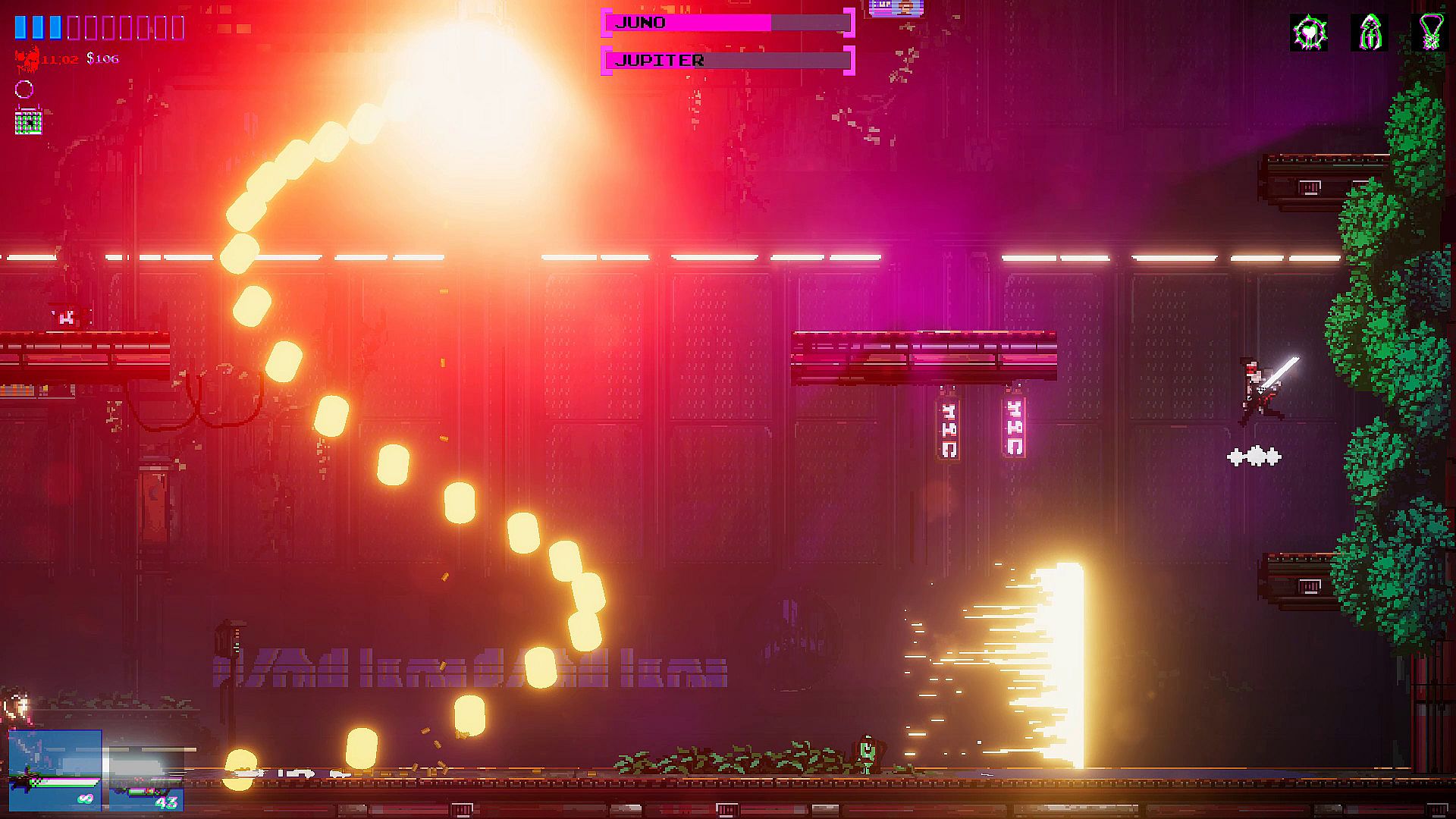
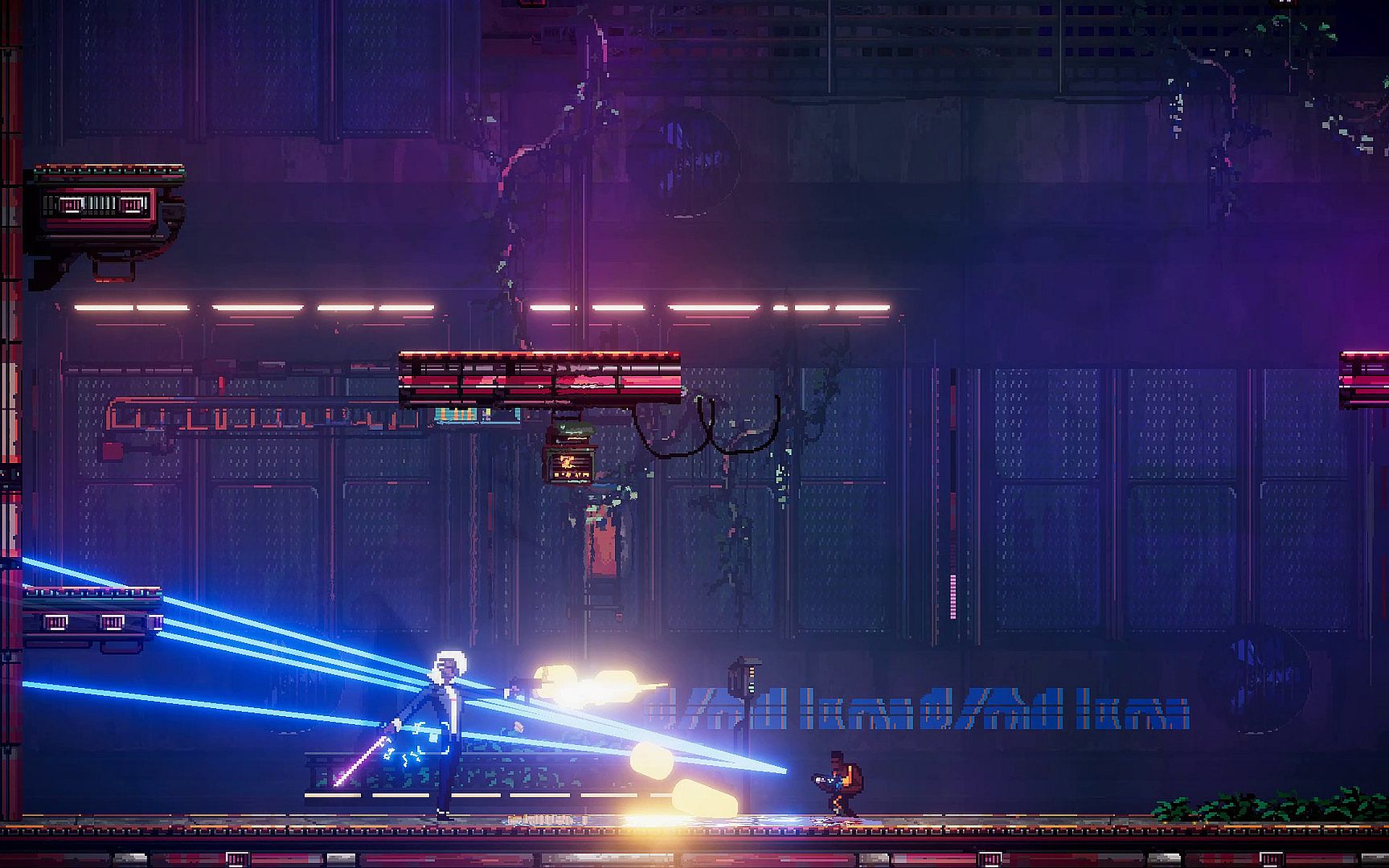
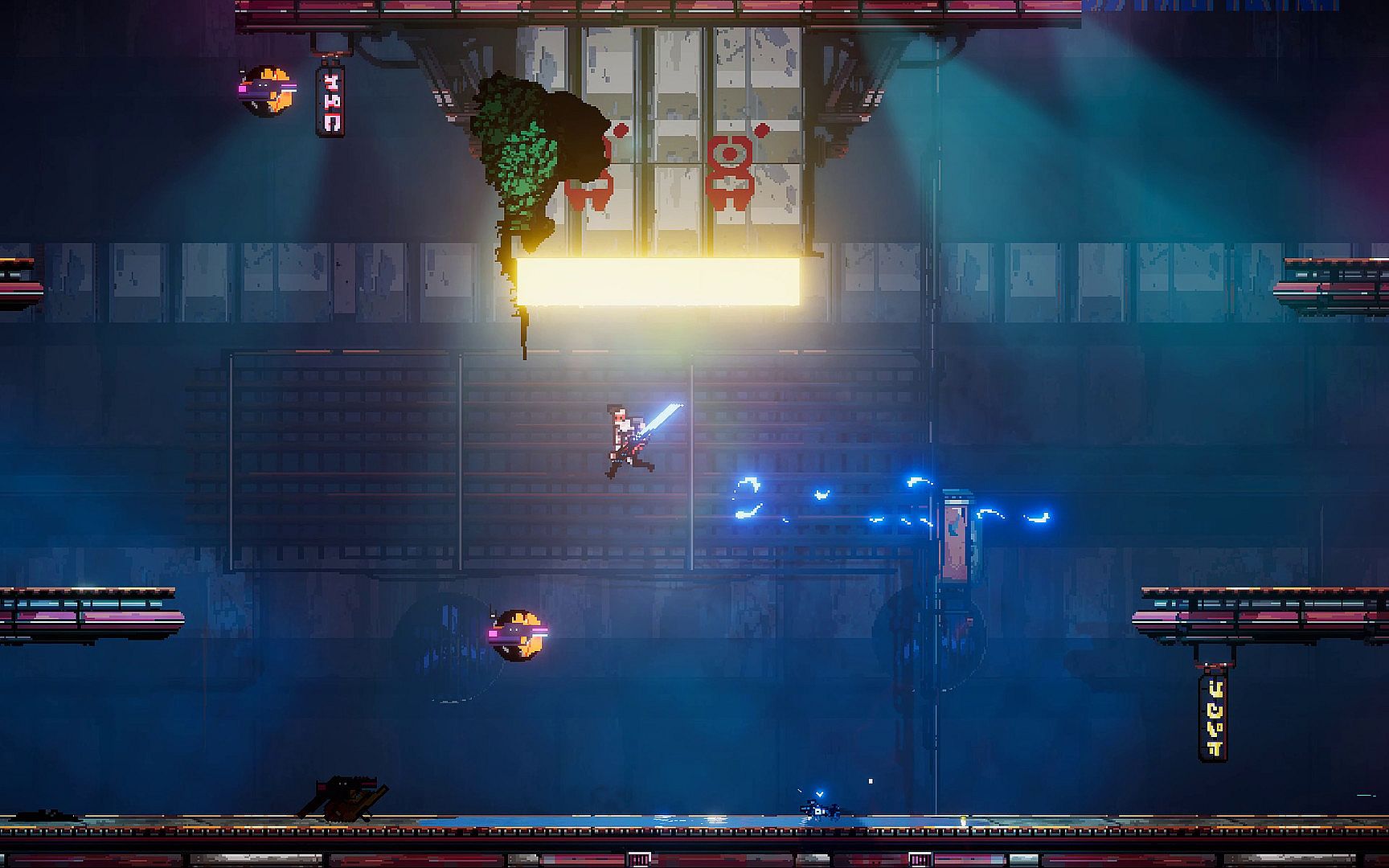
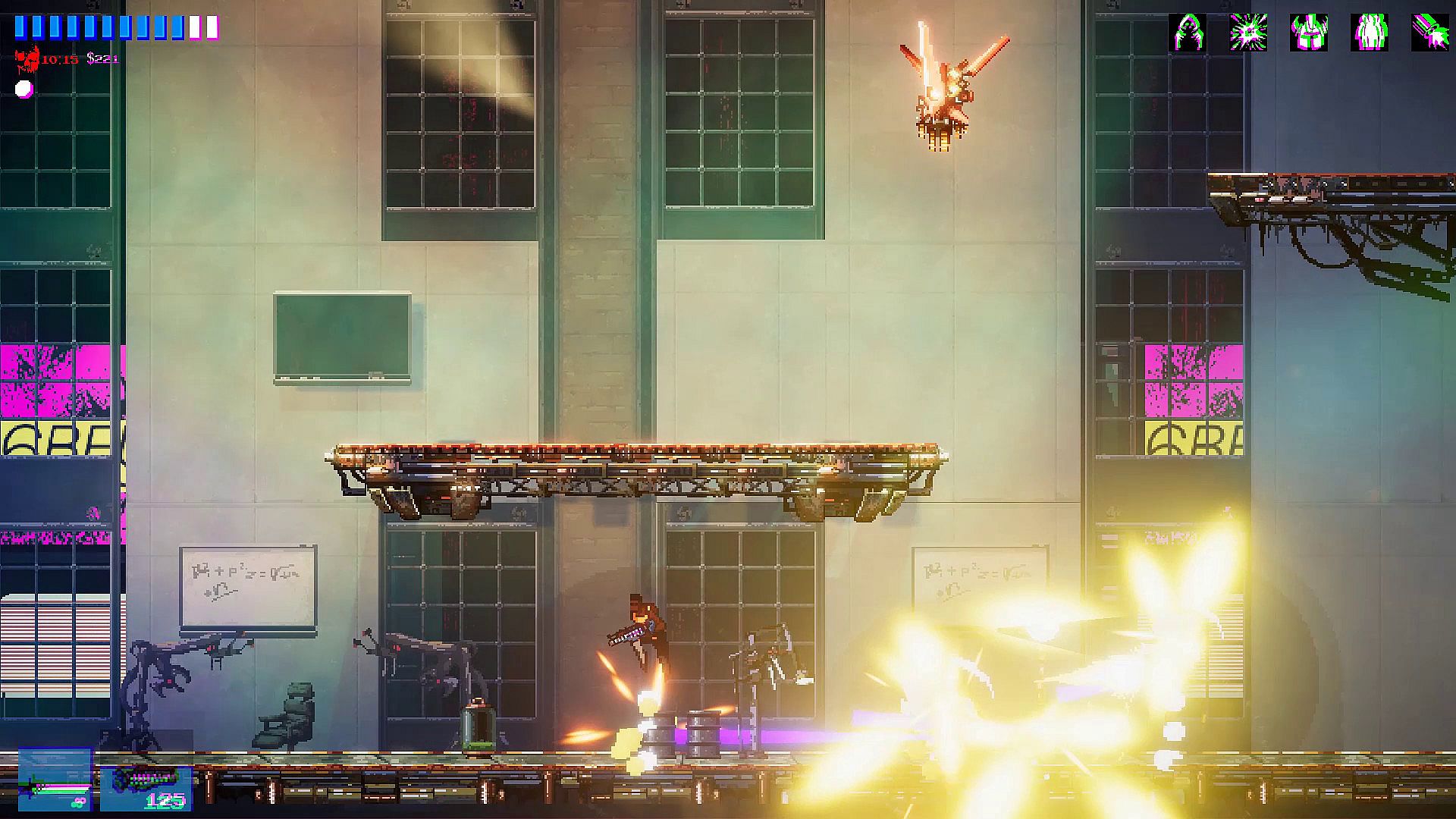
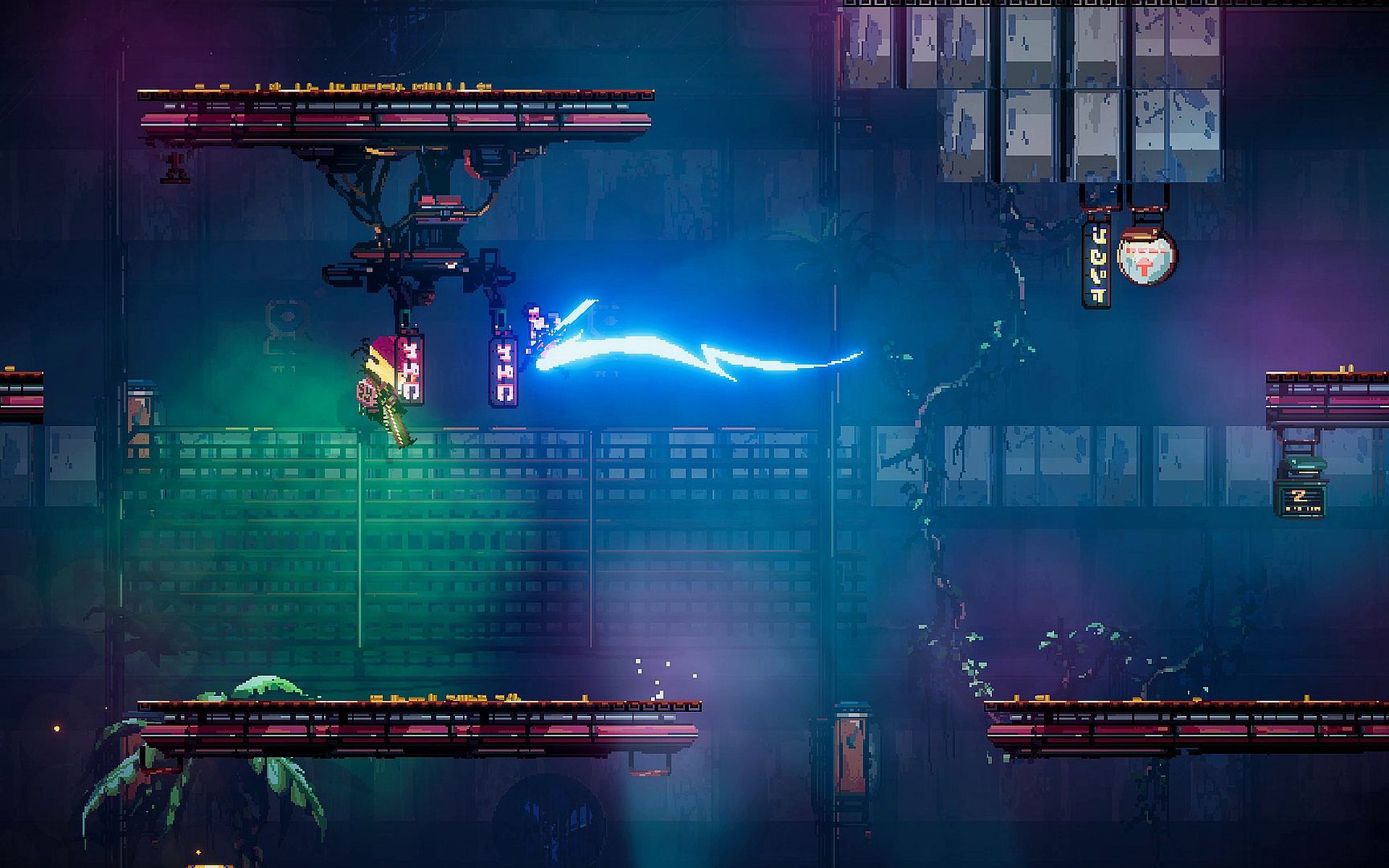
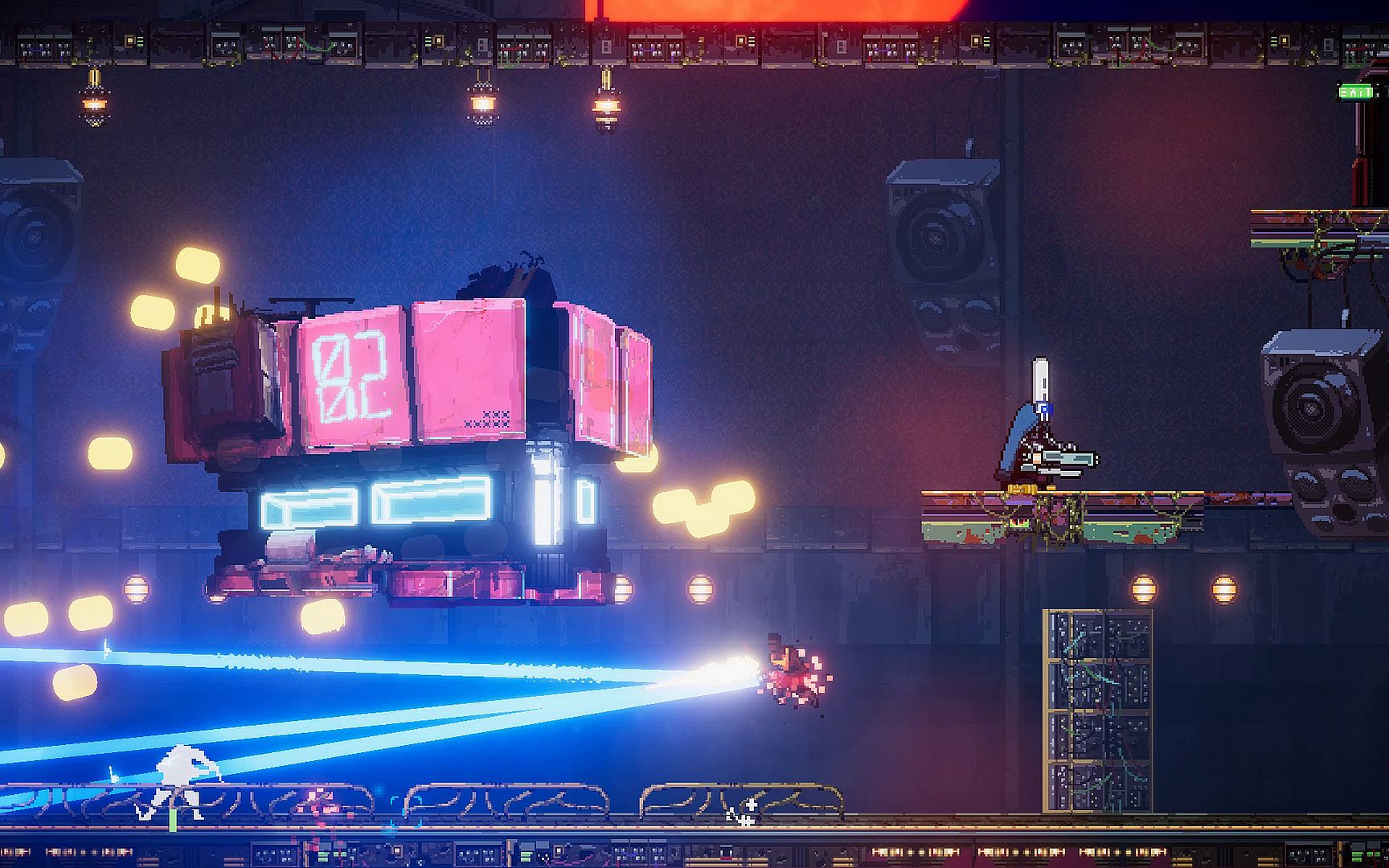
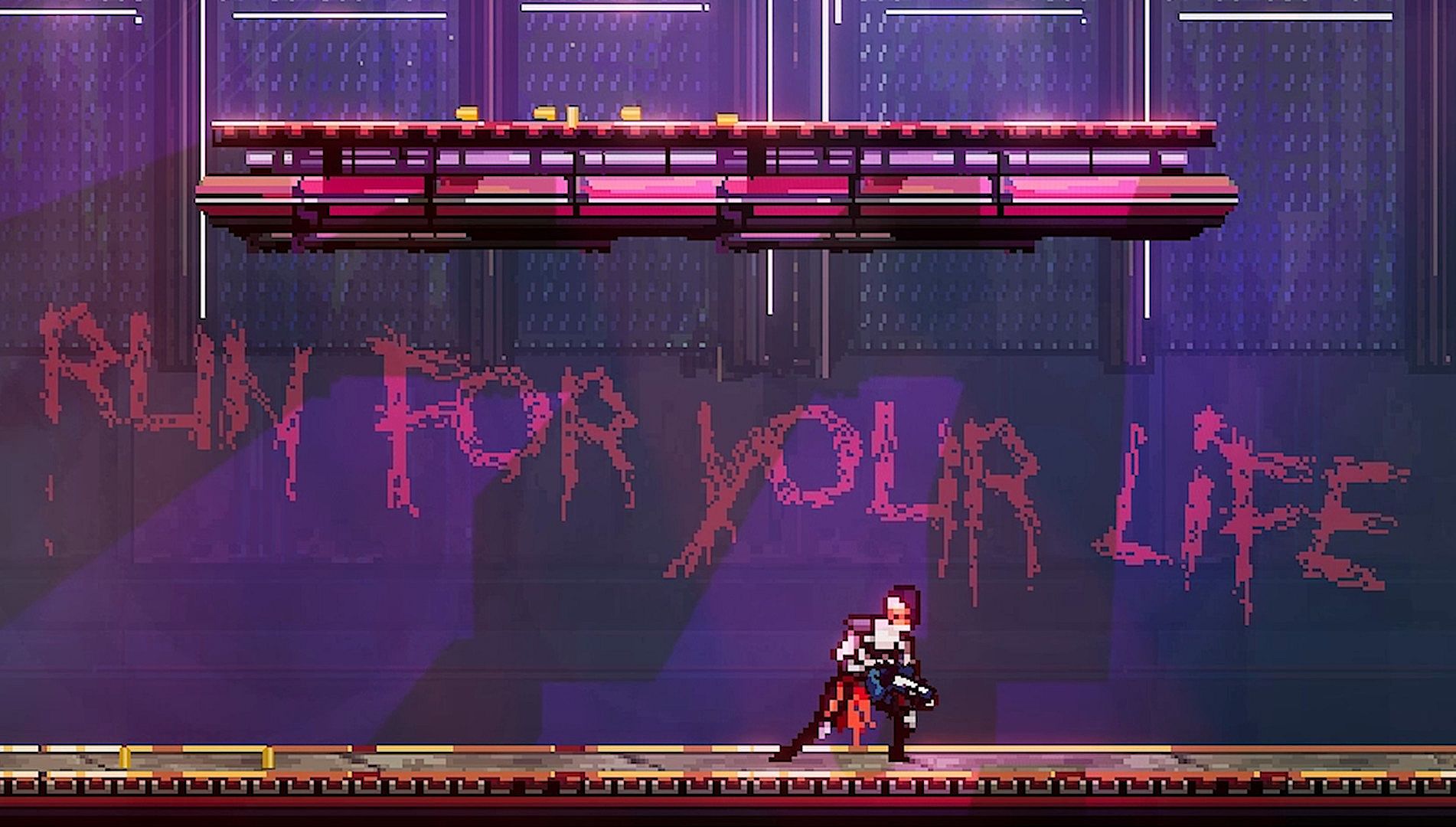
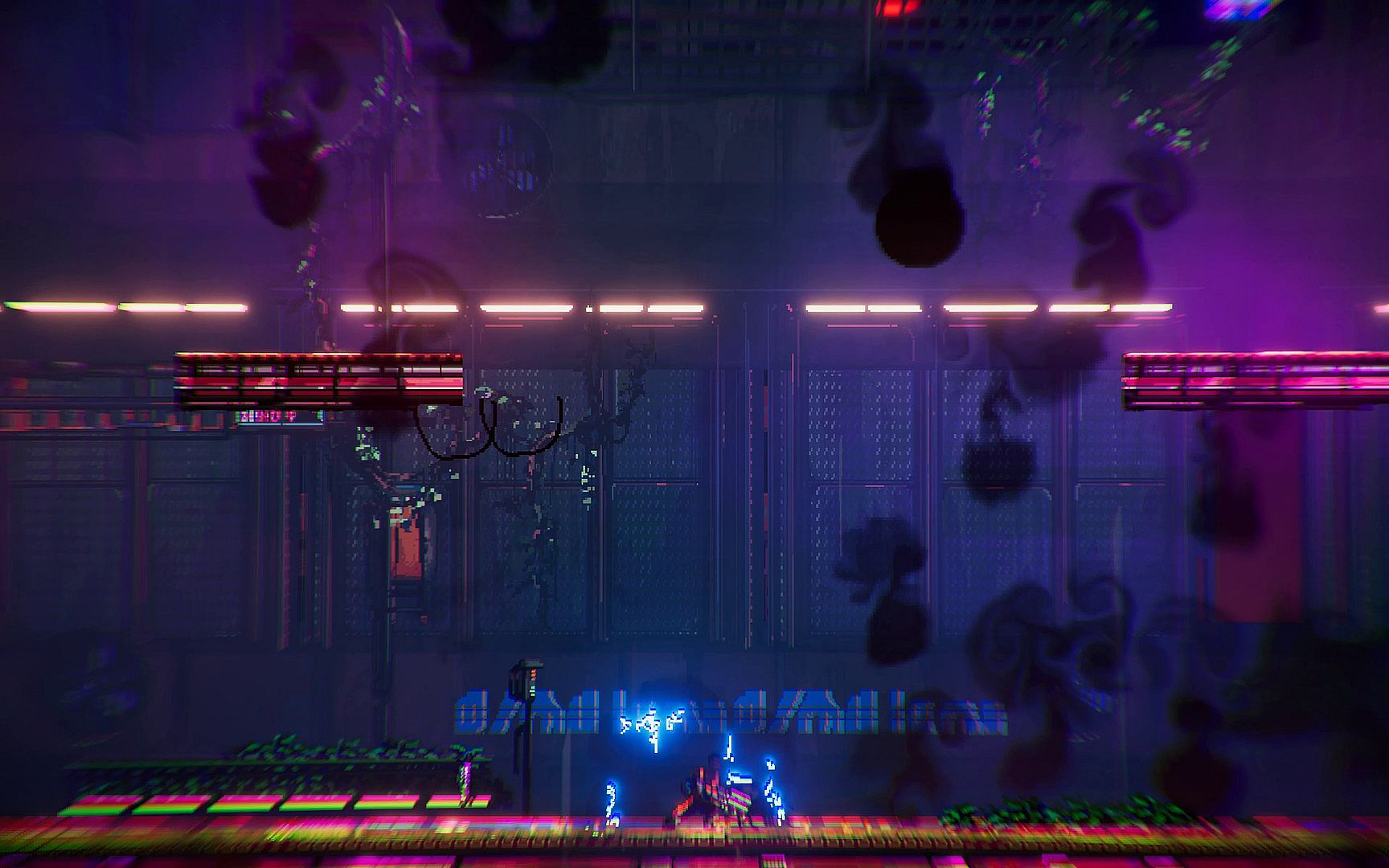
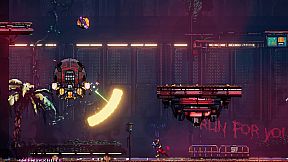
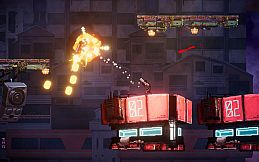

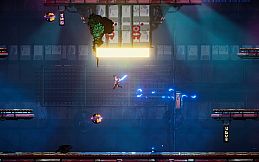
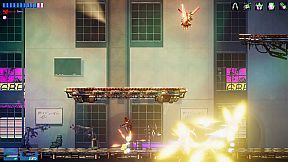
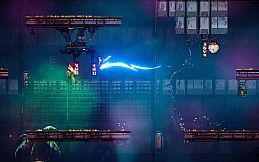
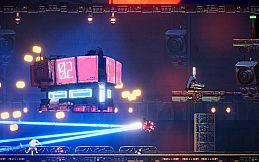
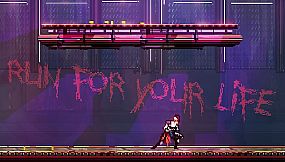
Black Future '88 is a 2D action shooter roguelike set in a synth-punk version of a post-nuclear 1988. Players take control of one of five misfit survivors and attempt to scale an ever-changing procedural tower filled with traps, enemies, and powerful bosses known as Wardens. The goal is to reach the top and confront the tower's architect before a personal time limit tied to the player's heart expires. Runs emphasize vertical movement, precise shooting, slashing, and dashing through five distinct zones, each presenting unique environmental hazards and enemy types.
Gameplay
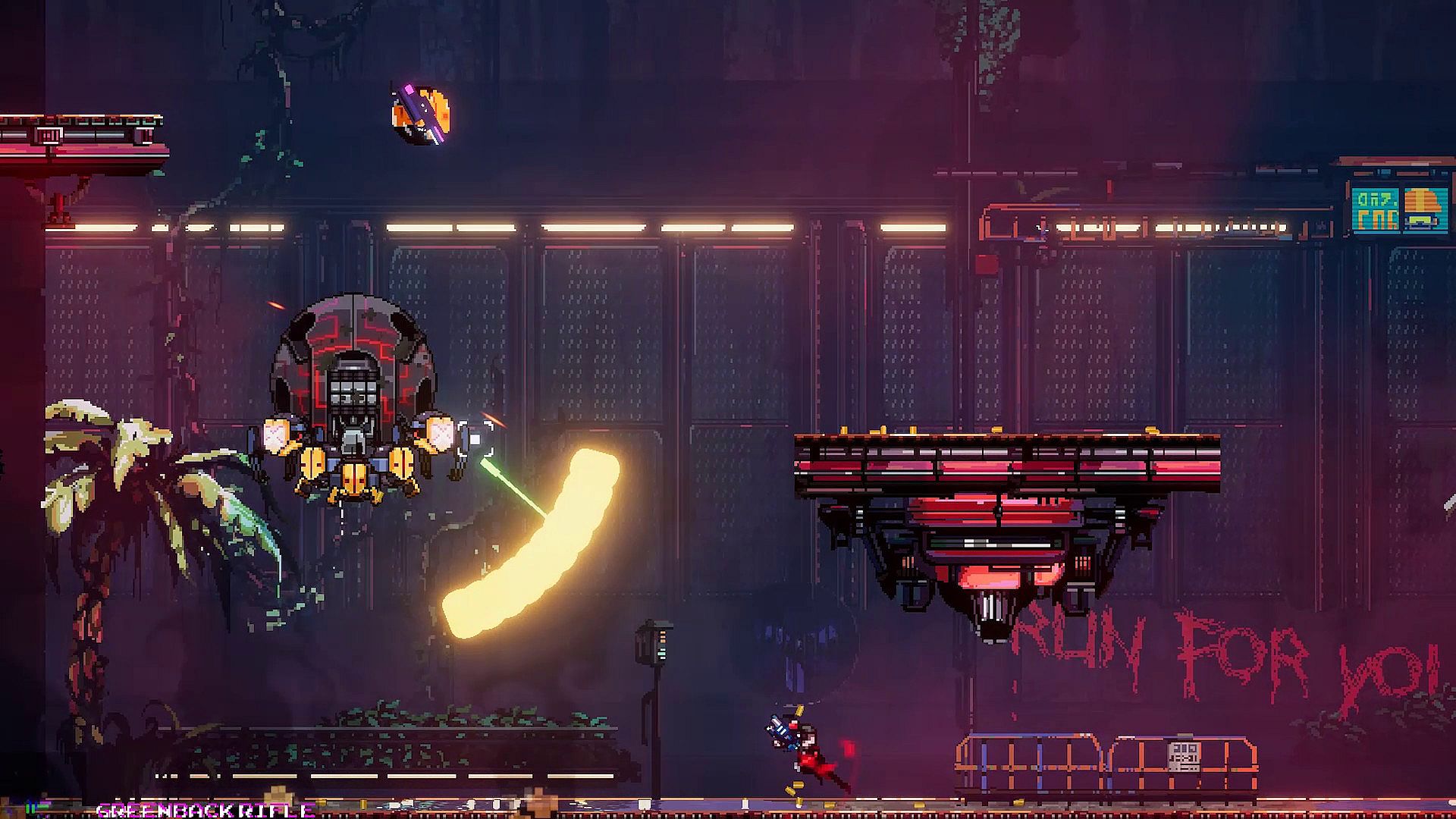
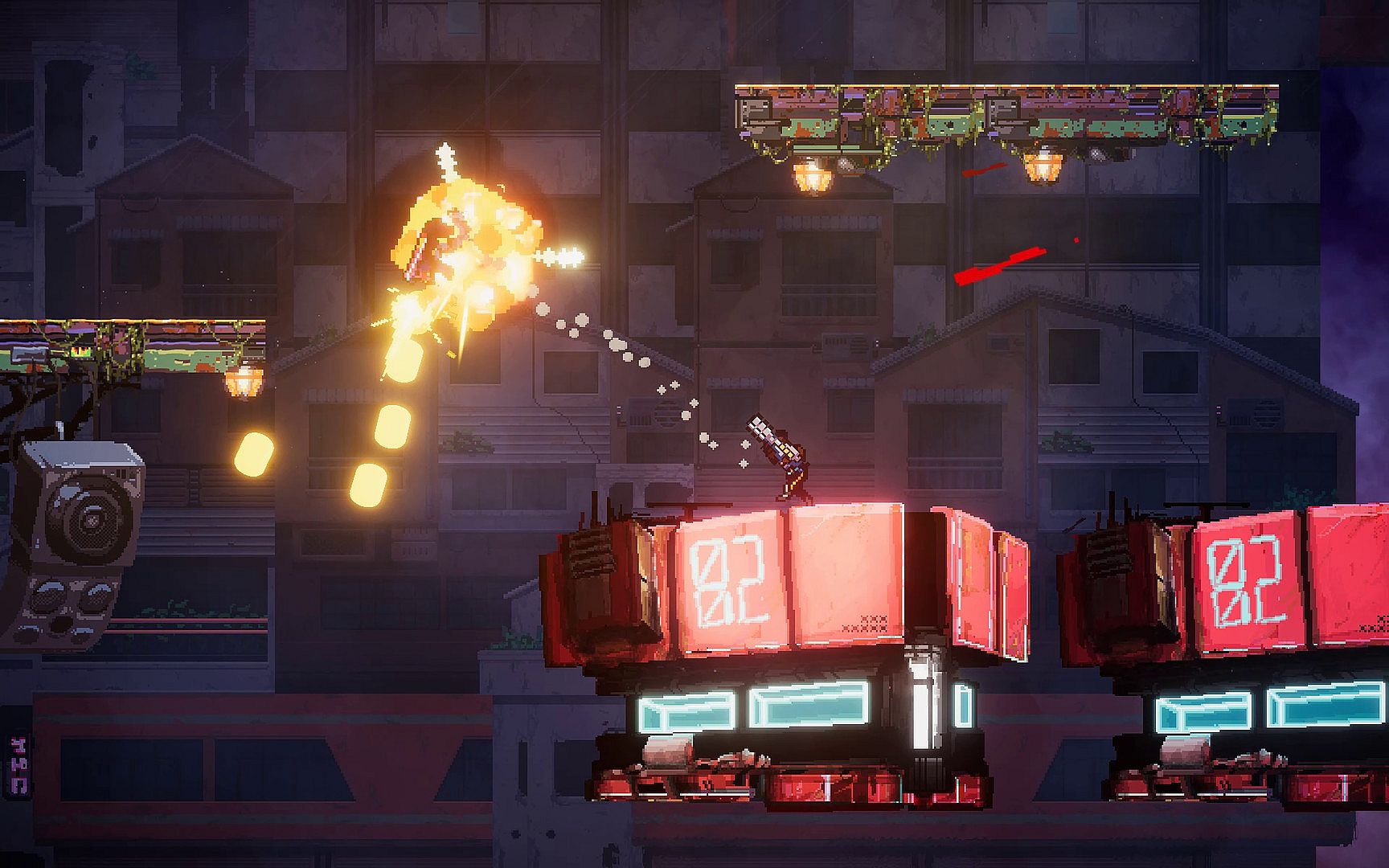
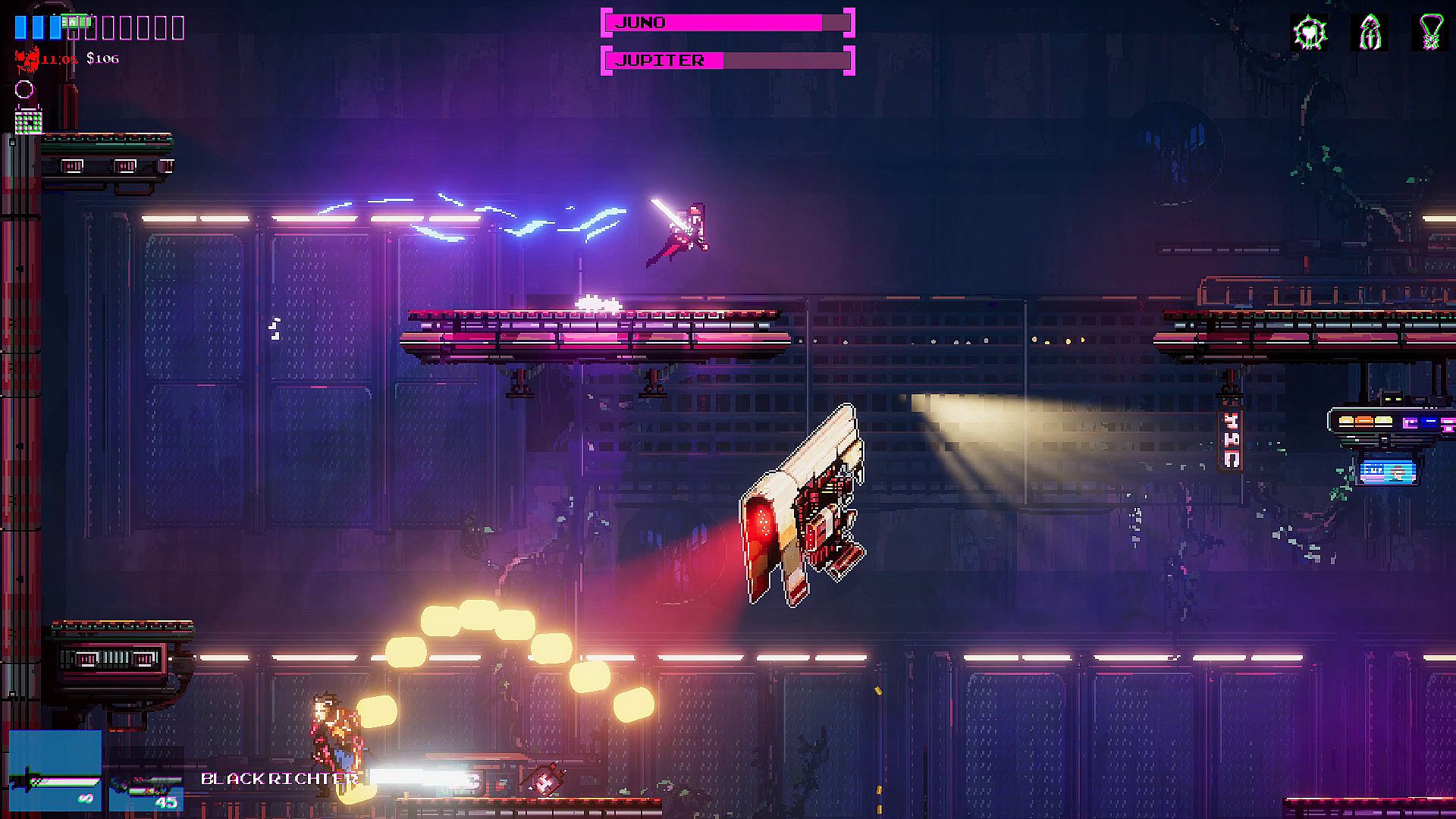
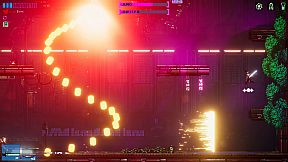
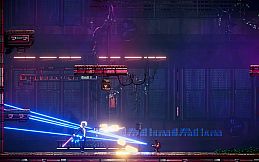
The core loop revolves around ascending floors in a vertically oriented tower that generates new layouts on every attempt. Players navigate rooms packed with homicidal AI, crazed junkies, and environmental dangers such as fire, lasers, and slashes. Combat mixes ranged weapons with melee options, allowing quick switches between guns and a laser sword to handle different threats. Movement feels responsive thanks to dash abilities and a strong jumping mechanic that supports exploration and evasion amid dense projectile patterns.
Progression comes through strategic choices among 30 distinct buffs and curses that can be combined during a run. These modifiers alter stats, grant new abilities, or impose drawbacks, forcing players to adapt builds on the fly. Weapons number around 50 in total, each carrying unique effects that change how encounters play out. Five playable characters provide starting variety, with each bringing specific buffs and weaknesses that influence early decisions and long-term strategy.
Boss encounters punctuate each zone. These Wardens require pattern recognition and quick reactions, often demanding full use of movement tools and weapon synergies. The constant pressure of a ticking heart timer adds urgency, turning every floor into a race against both external threats and internal limits.
Game Modes
Standard runs form the main experience, where players attempt to climb the full tower in single-player sessions. Procedural generation ensures layouts, enemy placements, and even zone-ending bosses shift between attempts, encouraging repeated tries to learn patterns and refine strategies.
Couch co-op supports two players locally, allowing a second participant to join on the same screen. This mode alters enemy density and pacing while preserving the core tower-climbing structure, creating shared moments of coordination amid the chaos.
Daily challenges generate a fresh run each day with specific modifiers and attributes. These seeded attempts feed into a global leaderboard, letting players compare completion times or survival metrics against others without altering the fundamental roguelike rules.
Progression and Atmosphere
Unlocks expand options across multiple runs through character-specific improvements and weapon variety. The setting draws from a retro cyberpunk dystopia where nuclear fallout has frozen time in 1988, resulting in perpetual rain and flooded ruins. Five zones deliver distinct visual and mechanical challenges, from initial flooded streets to higher tower levels dominated by advanced security systems.
An original analog-synth soundtrack underscores the action with energetic tracks that match the fast pace. Visuals adopt a stylized 16-bit-inspired look with detailed backgrounds and neon accents that reinforce the alternative 1988 aesthetic.
Is It Worth Playing?
Black Future '88 suits players who enjoy challenging roguelikes centered on quick reflexes, build experimentation, and repeated attempts through procedural content. The local co-op option adds appeal for those seeking shared sessions, while daily challenges provide ongoing variety for competitive comparison. Reviews consistently praise the responsive controls, weapon feel, and atmospheric soundtrack, though some note repetition in later runs and a steep difficulty curve that can frustrate newcomers. The game remains available on PC with no major post-launch live service elements, making it a complete package for fans of tight 2D action and synth-driven dystopian settings. Those comfortable with high failure rates and short, intense sessions will find the most satisfaction in its loop of ascent, adaptation, and retry.














