













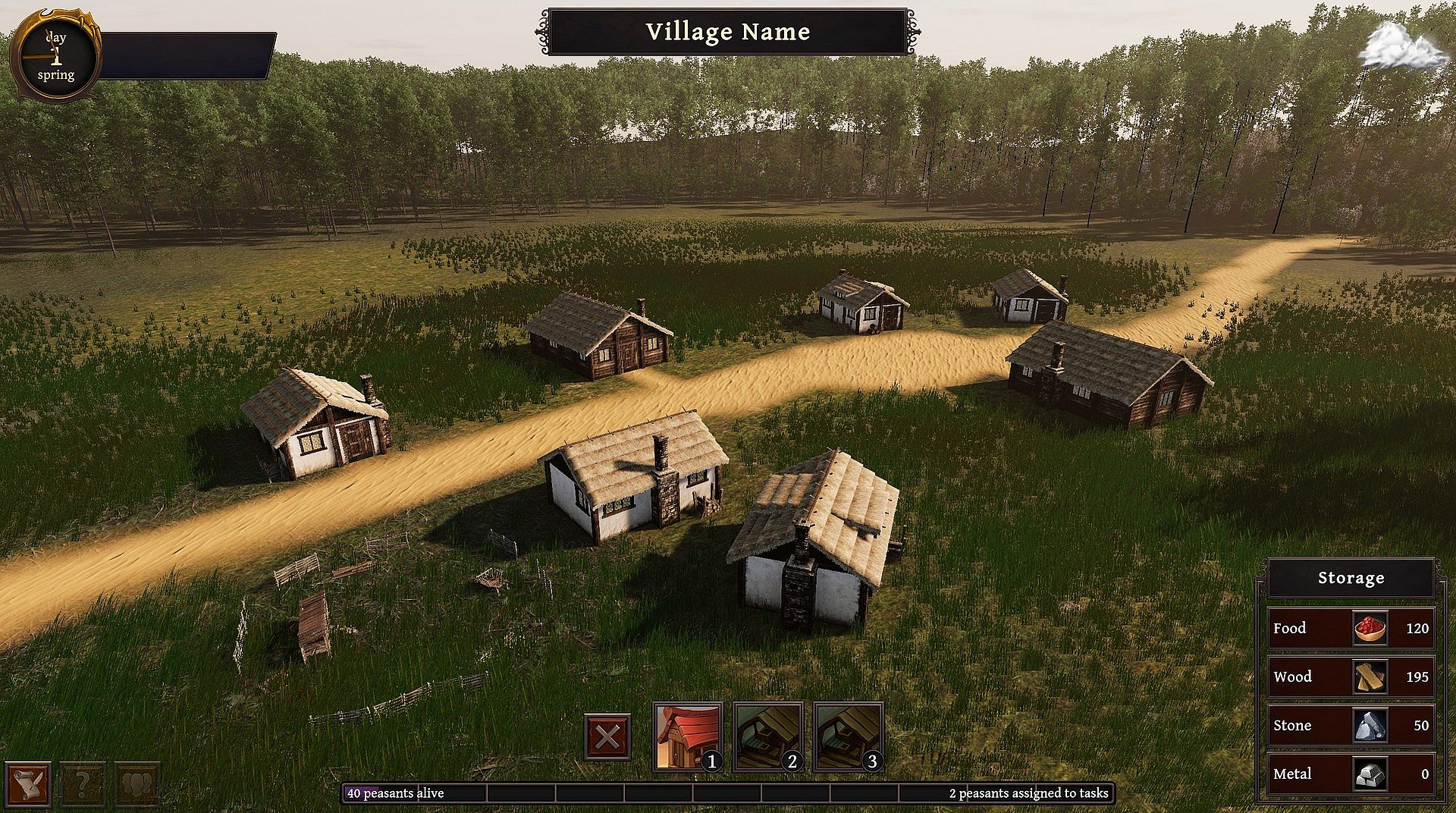
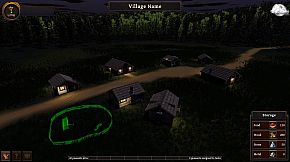
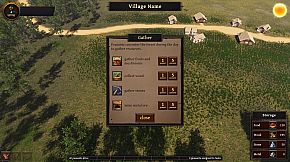
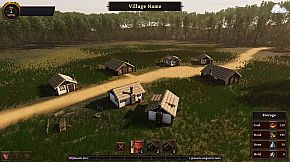
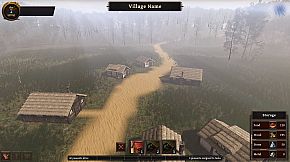
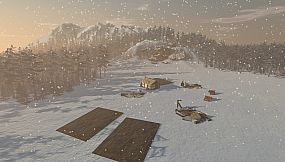
Black Forest is a strategy city builder game that places players in the role of a village chief tasked with protecting a settlement from the dangers of the surrounding woods. Released on PC after a period in early access, the title emphasizes resource management and defensive planning over expansion or conquest. Players must balance the needs of villagers against incoming threats, making permanent choices that affect the outcome of each night.
Gameplay
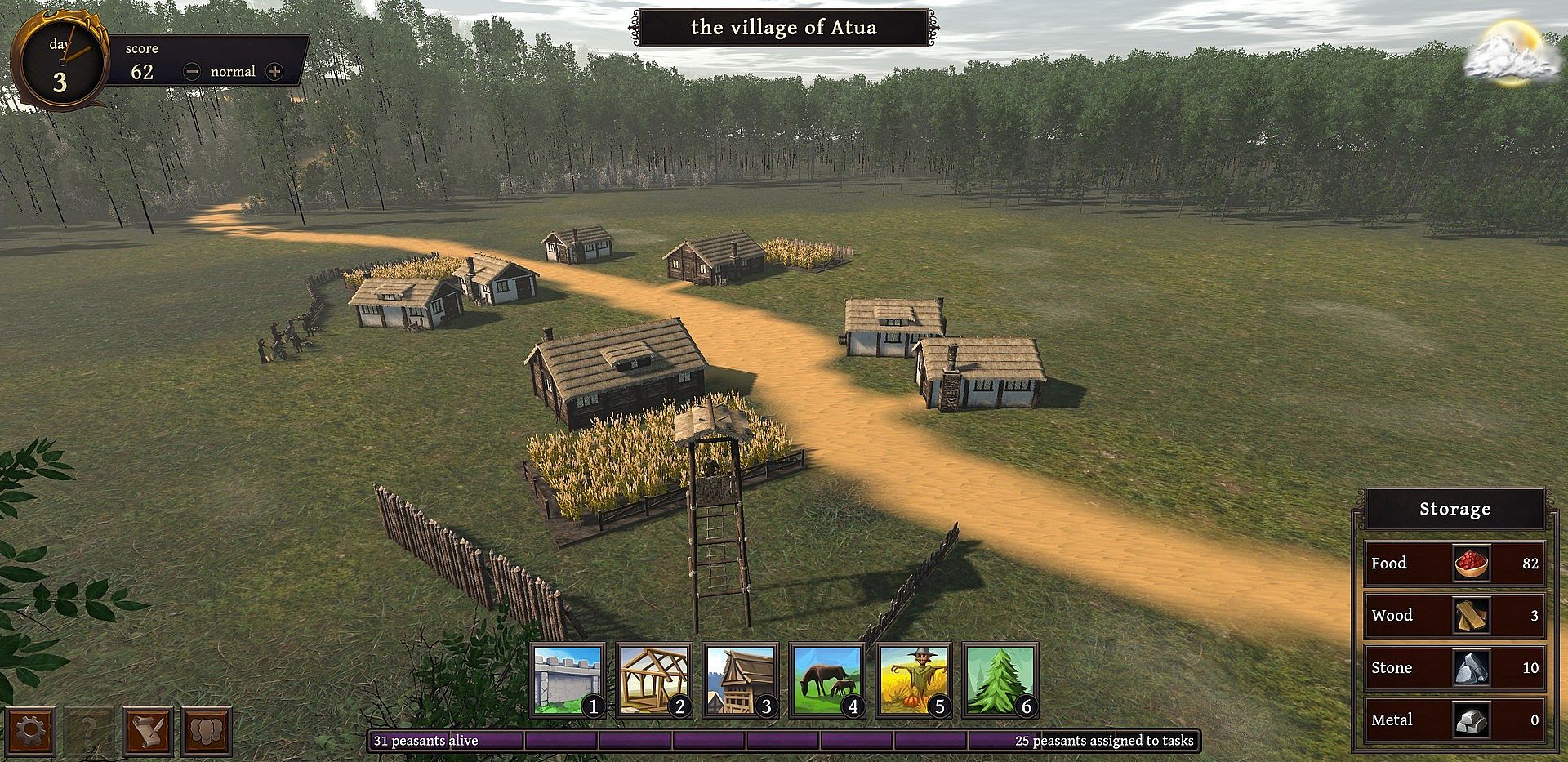
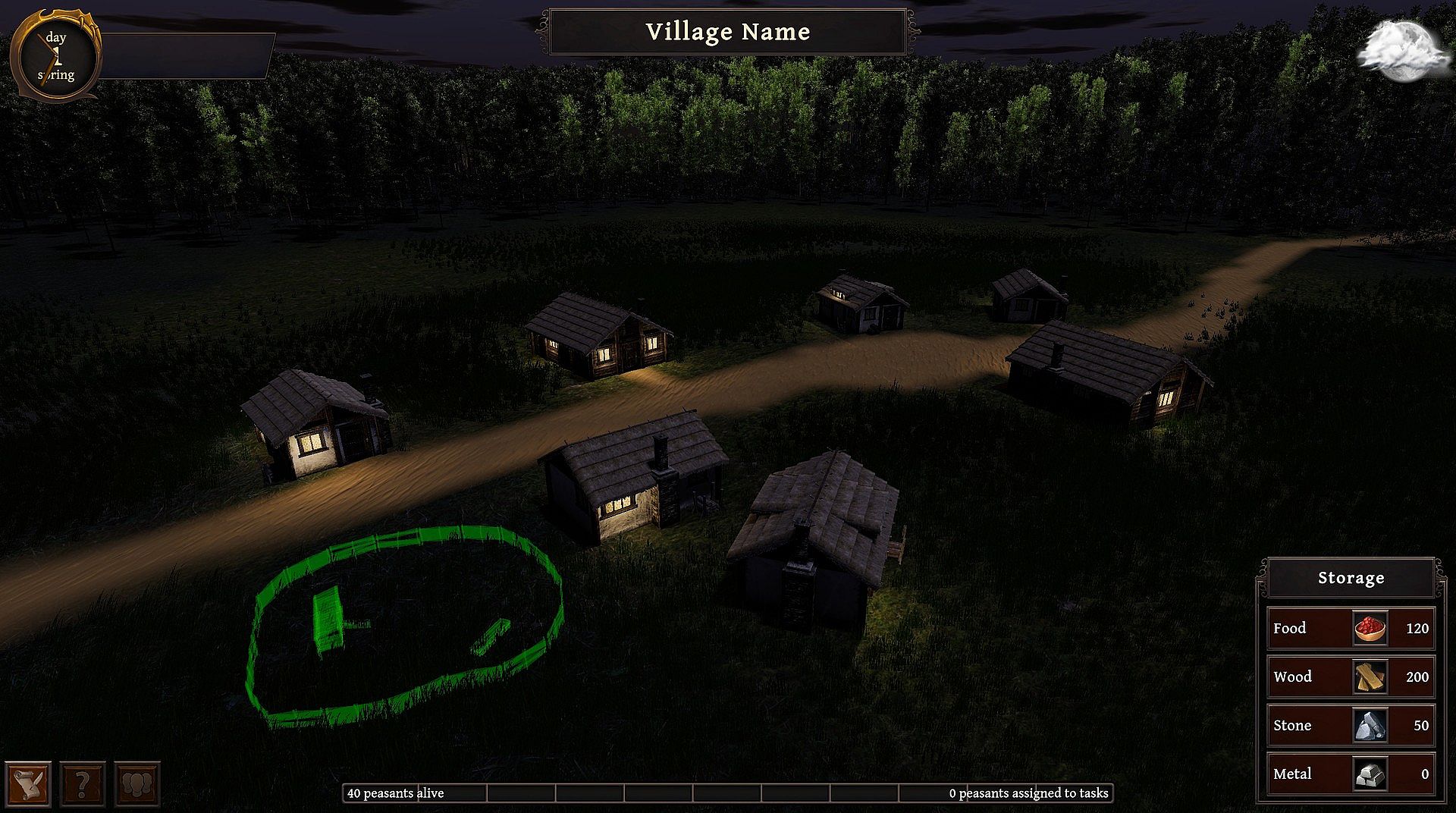
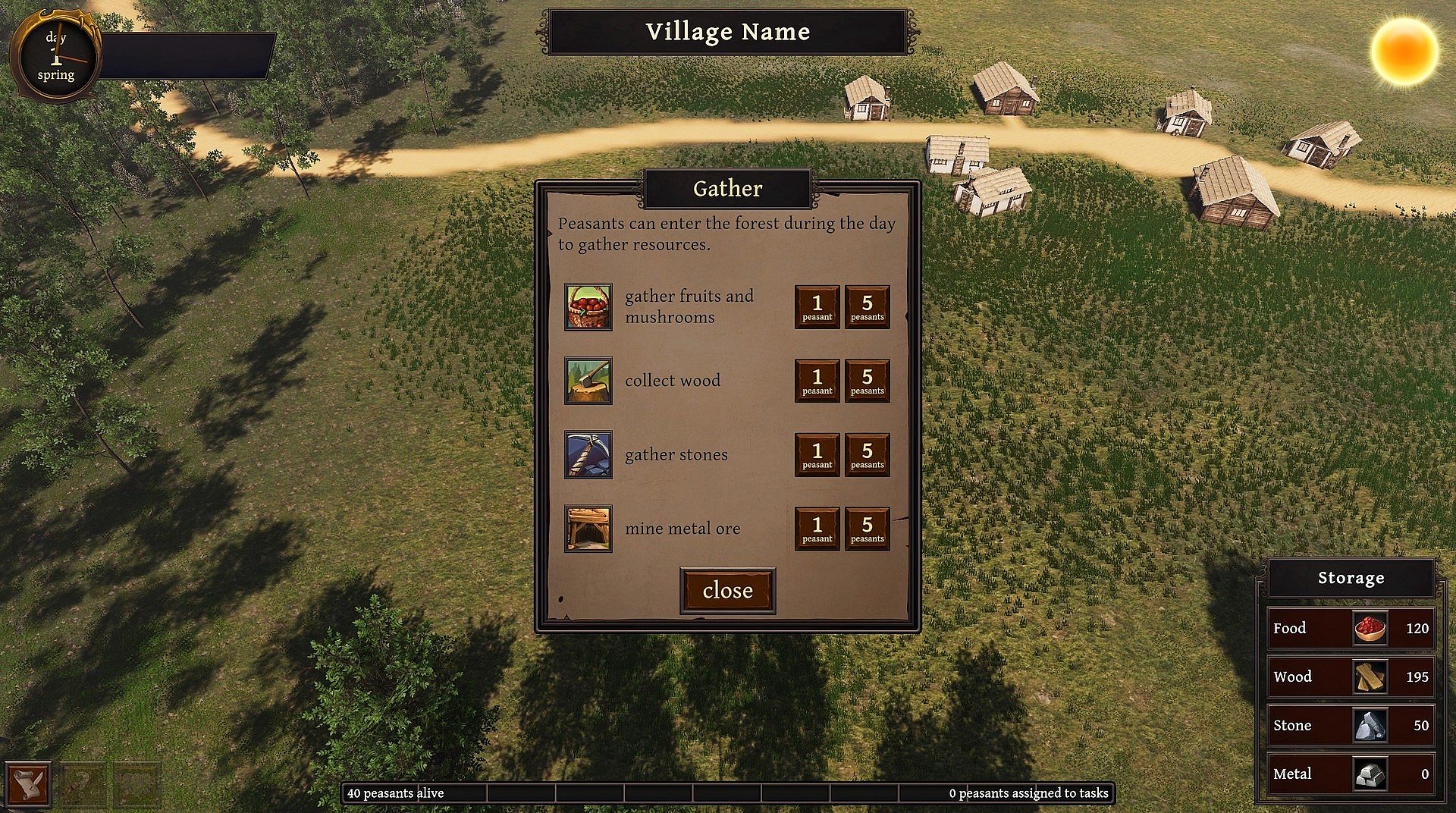
The core loop revolves around daytime preparation followed by nighttime defense. During the day, players assign villagers to gather resources, construct or reinforce buildings, and handle essential tasks like food production. Limited manpower requires careful prioritization, as every worker assigned to one job cannot contribute elsewhere. Houses and structures can be rebuilt after damage, but lost villagers cannot be replaced, forcing players to weigh short-term gains against long-term survival.
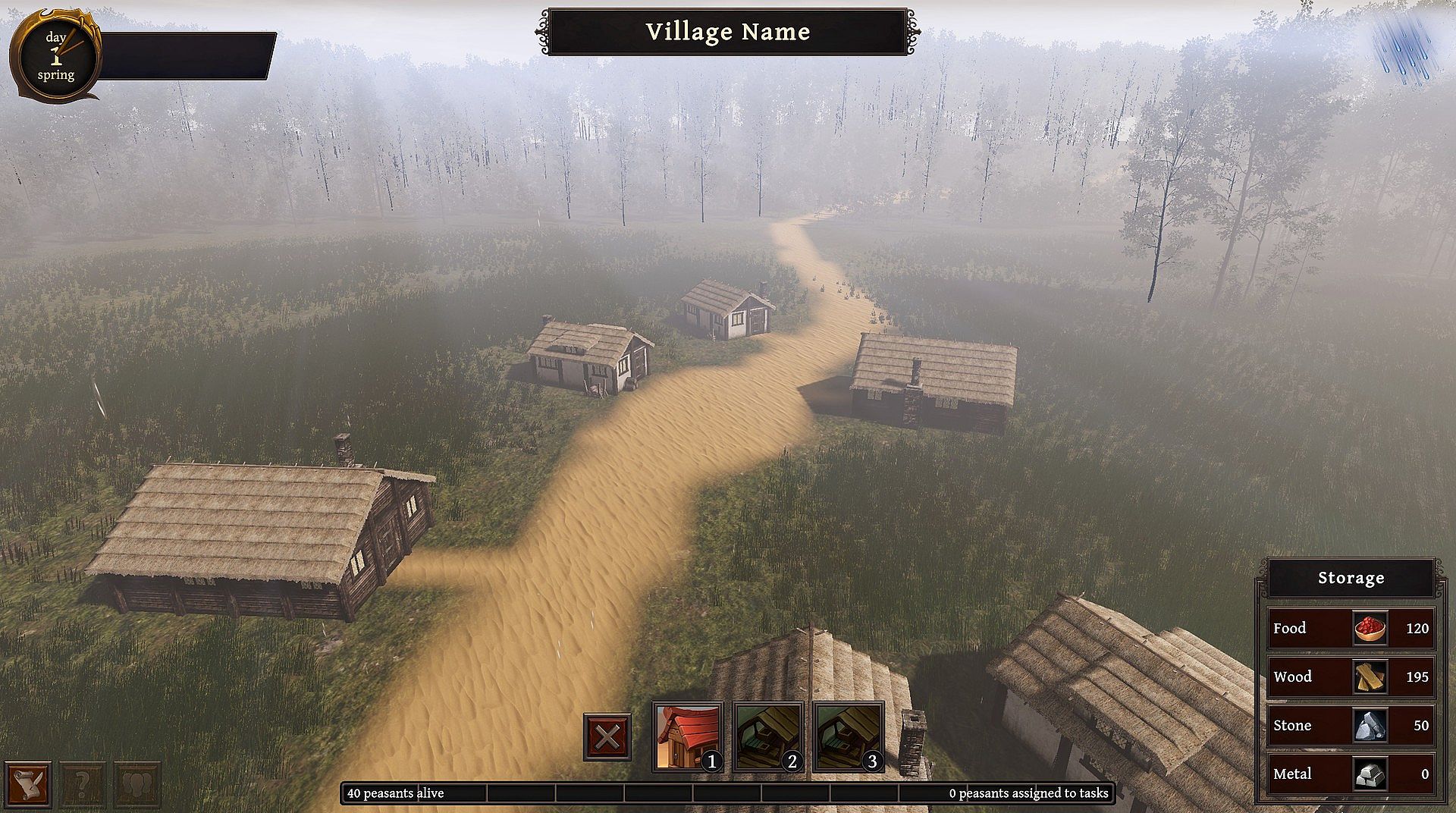
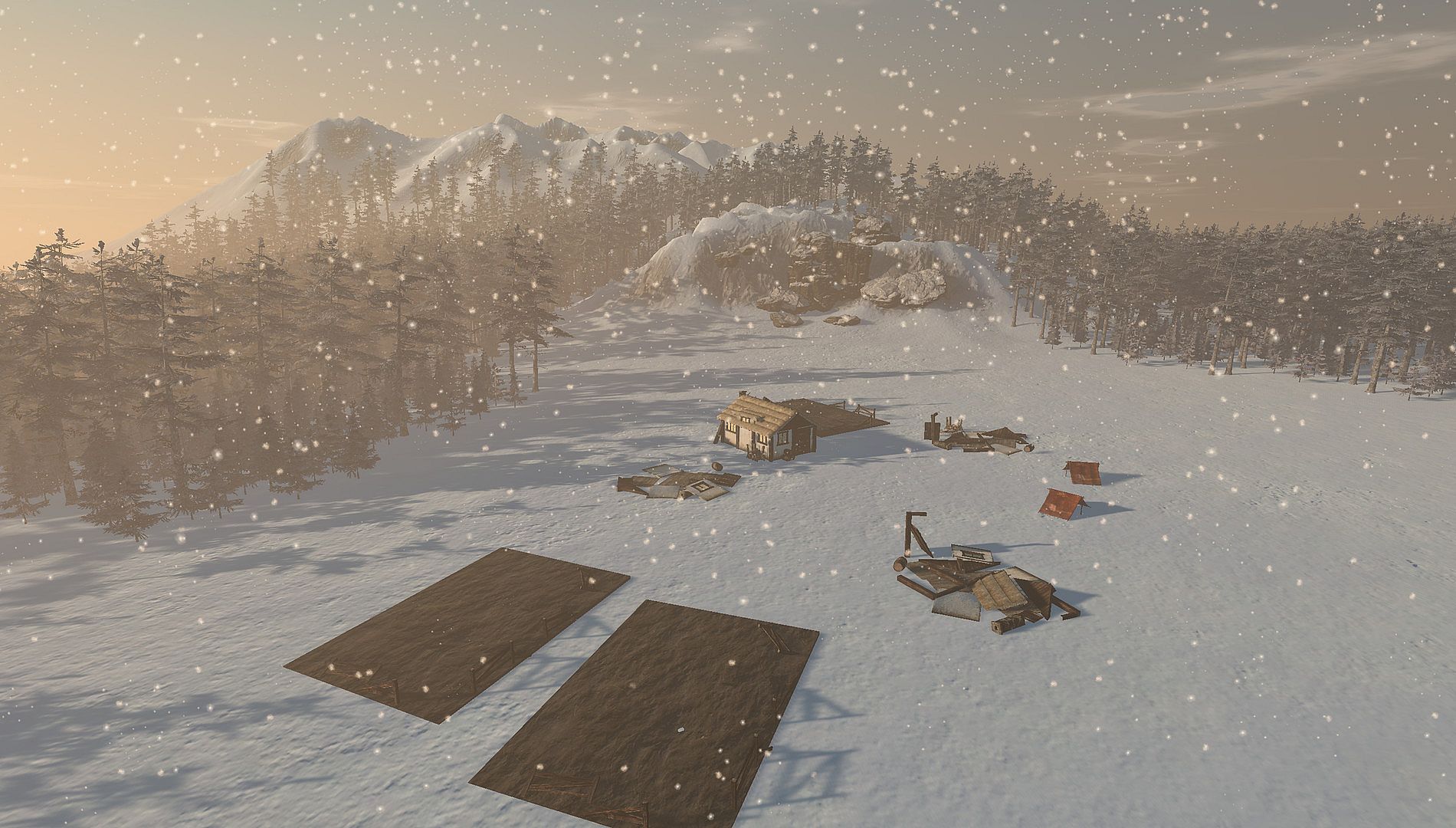
Weather systems introduce meaningful variability. Rain, snow, or drought affect resource availability and villager efficiency. A dry period might demand irrigation efforts that pull workers away from fortifying walls or traps. These environmental factors interact with the sophisticated monster AI, where creatures observe patterns and exploit gaps in defenses when opportunities arise. The goal remains survival until external relief arrives, with each decision shaping how much can be preserved.
Game Modes
Black Forest operates as a single-player experience focused on repeated survival attempts. Each session challenges players to endure successive nights against escalating forest threats while managing the village's dwindling resources. There are no separate competitive or cooperative modes; the emphasis stays on individual governance and tactical adaptation within the core defensive framework.
The campaign structure connects individual survival runs to a broader narrative set in the Dragon Eye world. Players navigate the same core mechanics across sessions, with outcomes influenced by prior choices about what to protect or sacrifice. This approach rewards experimentation with different allocation strategies rather than linear progression through tech trees or conquest objectives.
Key Mechanics and Features
Resource scarcity drives the tension throughout. Players cannot overwhelm threats with superior numbers or technology. Instead, success depends on identifying minimal viable setups that allow the village to endure. Monsters follow adaptive rulesets, responding to environmental changes and villager movements without direct player control over their actions.
Permanent consequences heighten the stakes. Sacrificing a villager to preserve the group or abandoning a structure to focus defenses elsewhere represents the type of trade-off the game demands. These elements combine with the simulation of daily needs, where food shortages or structural weaknesses can cascade into failure during the night phase.
Is It Worth Playing?
Black Forest suits players who enjoy deliberate, high-stakes resource management in a defensive city builder context. The mechanics reward thoughtful planning and acceptance of losses rather than aggressive expansion. With a small number of user reviews showing mostly negative feedback, the experience may appeal most to those specifically drawn to its survival focus and permanent decision consequences. It remains available as a paid title on PC for those interested in testing its unique constraints on village defense.