


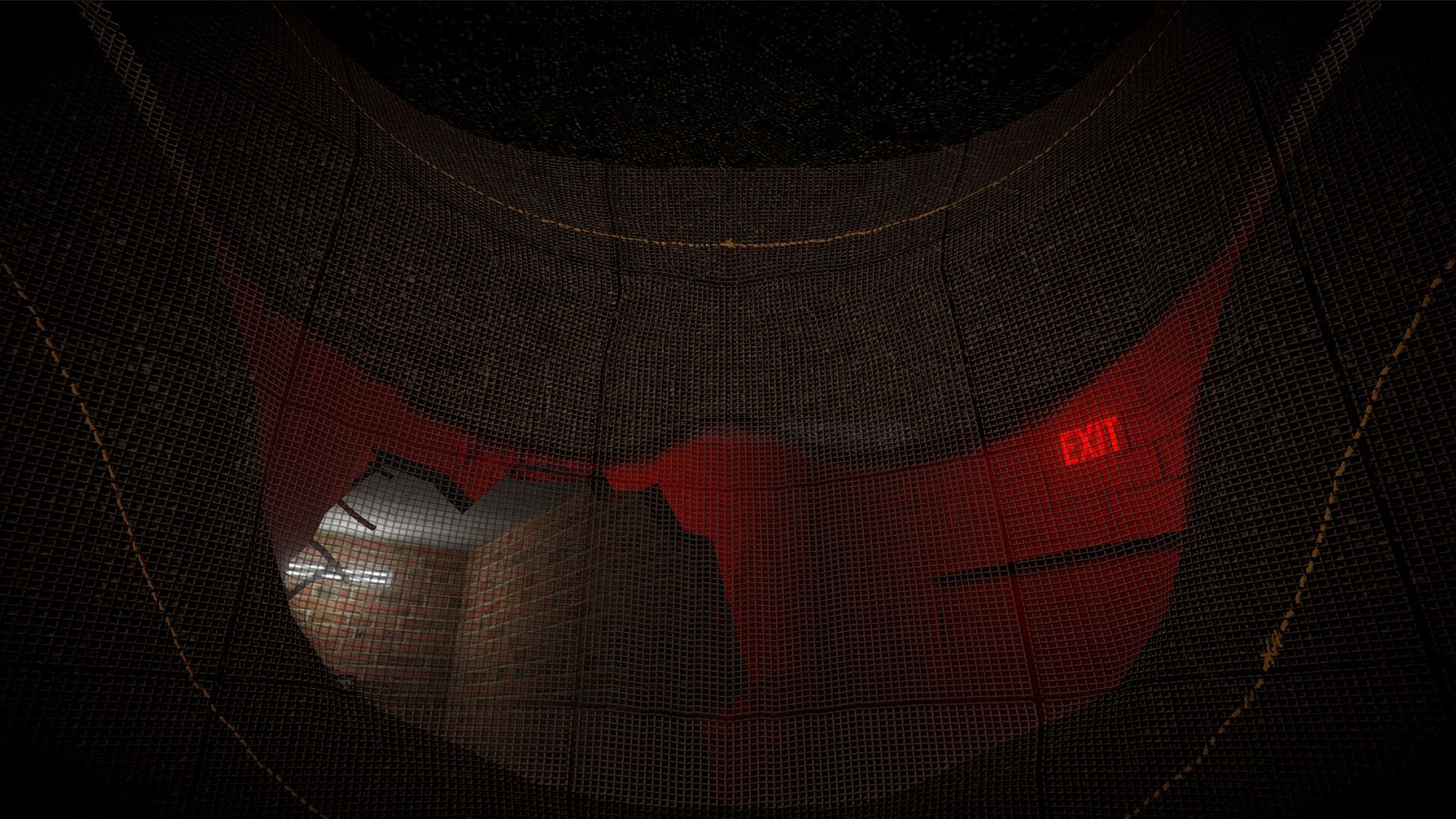
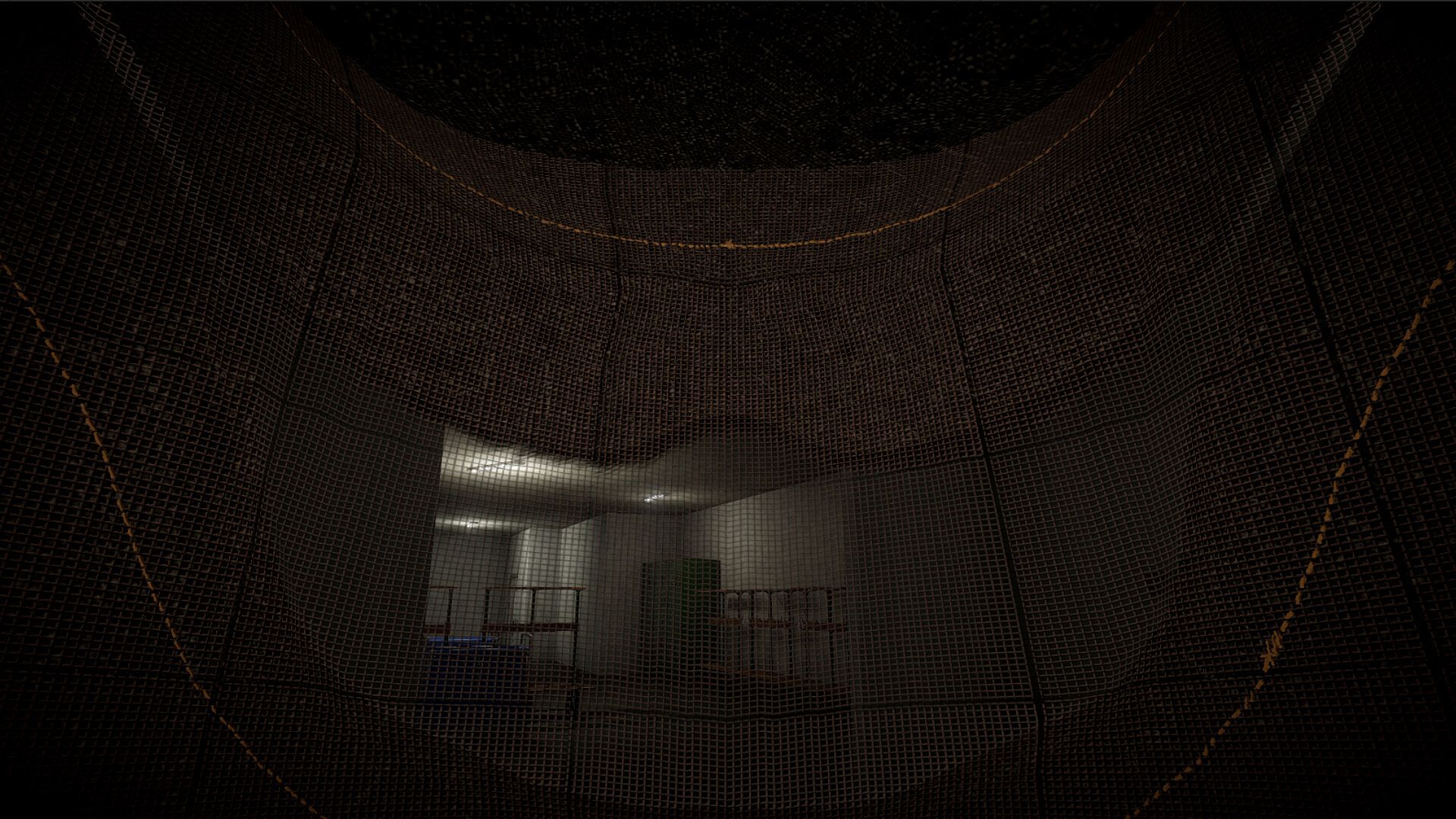
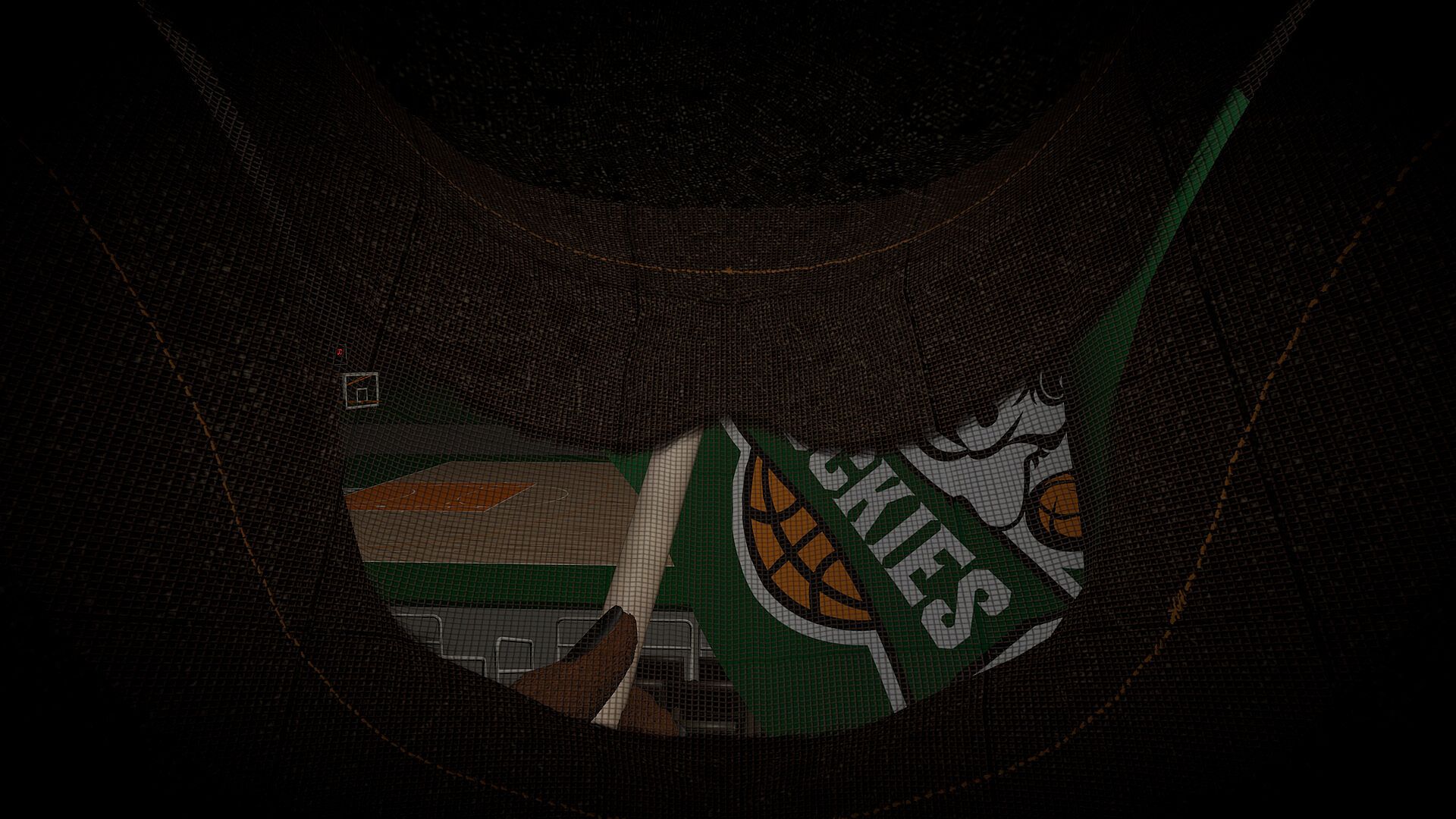
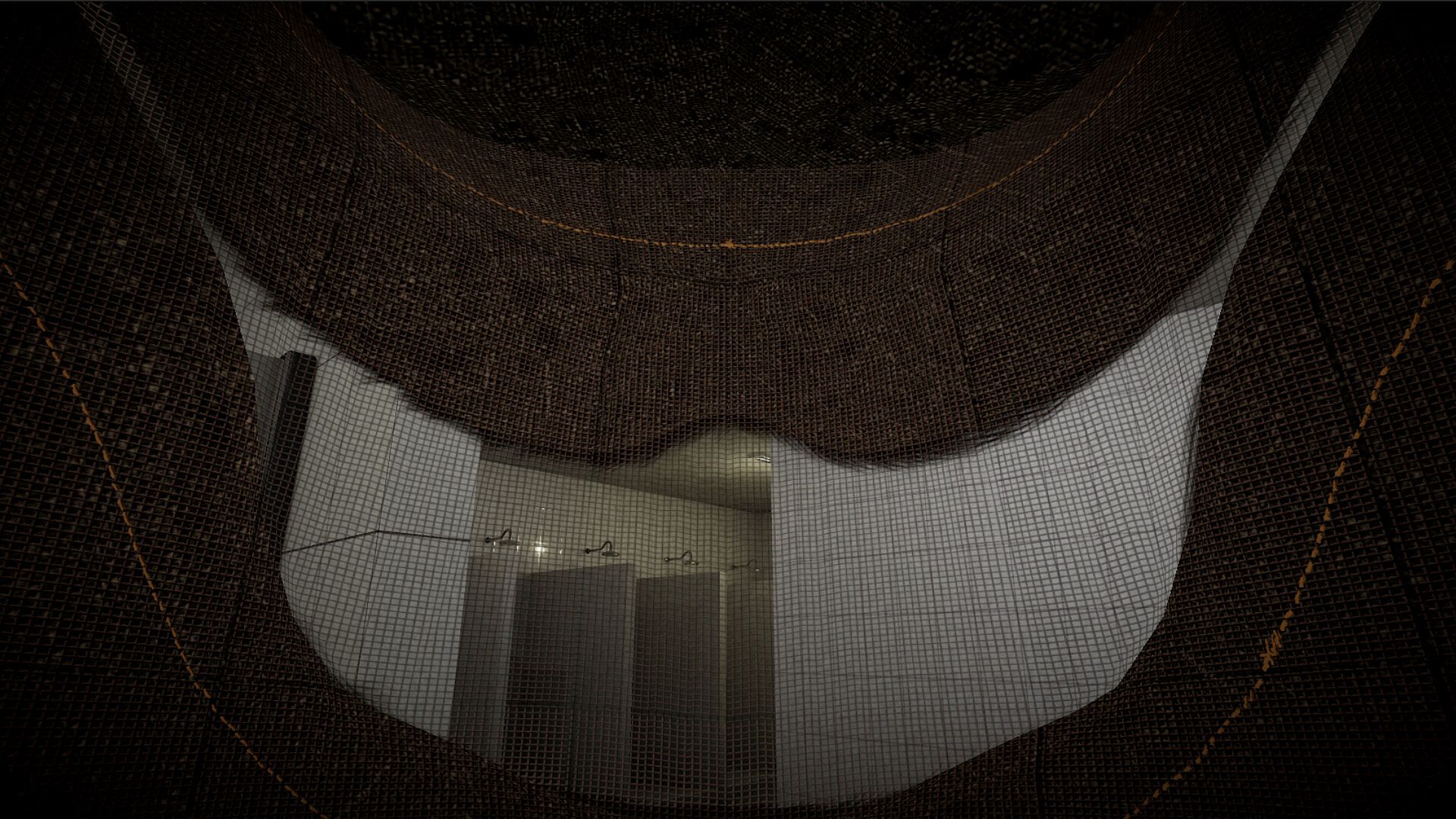
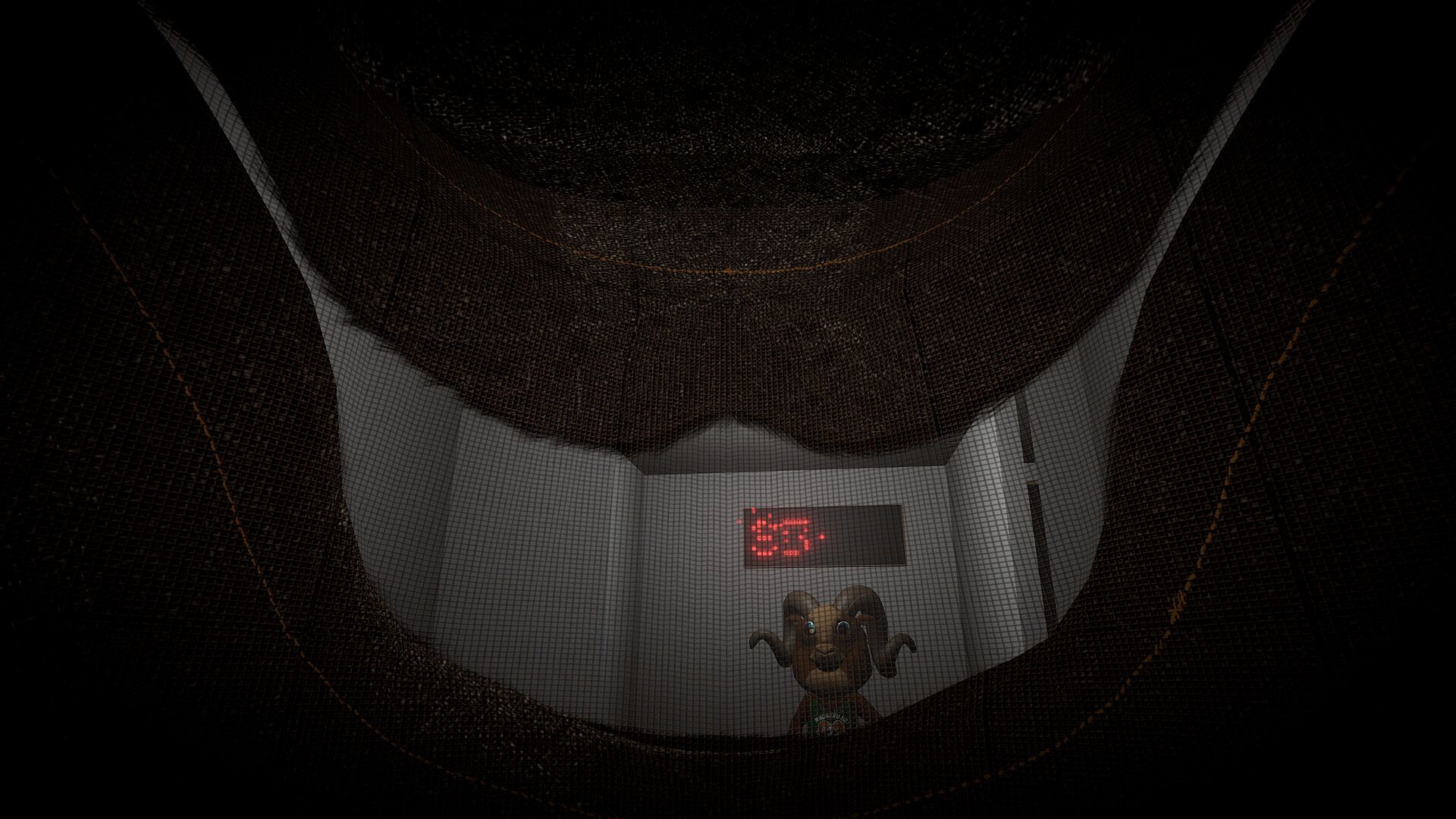
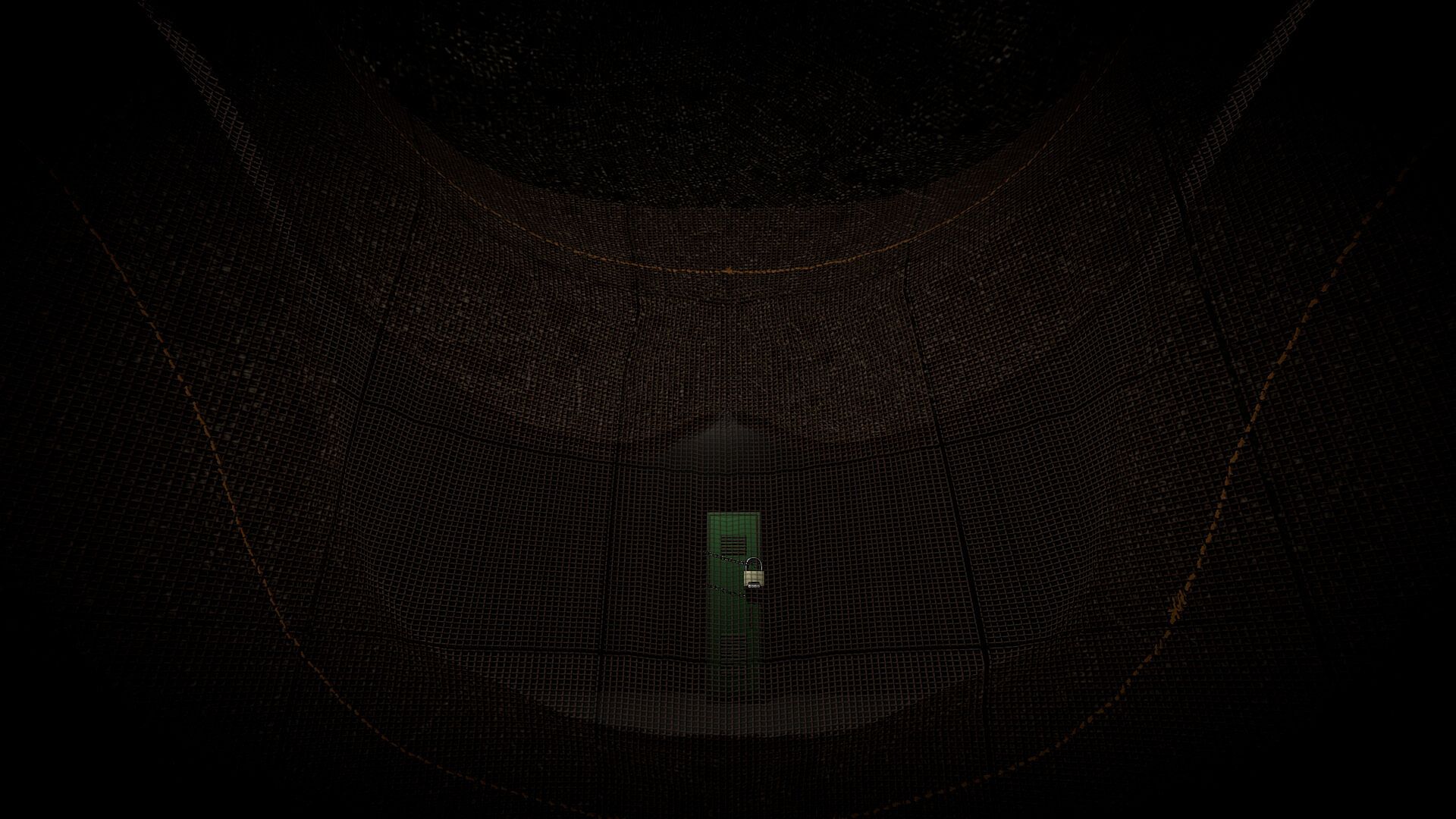

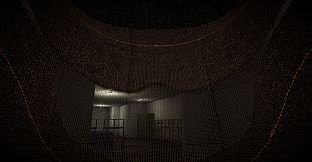

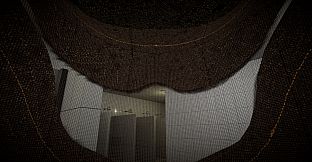

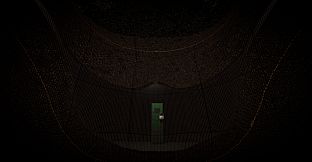
Bighorn Ramone is a first-person psychological horror game set on PC that blends action and adventure elements in an indie package. Players step into the role of a night-shift janitor inside a sports arena that has been demolished, rebuilt, and renamed, yet still clings to events from the 1986 championship final. The experience centers on completing mascot performances while uncovering what truly occurred that night, all while the arena itself seems determined to keep the past alive.
Gameplay
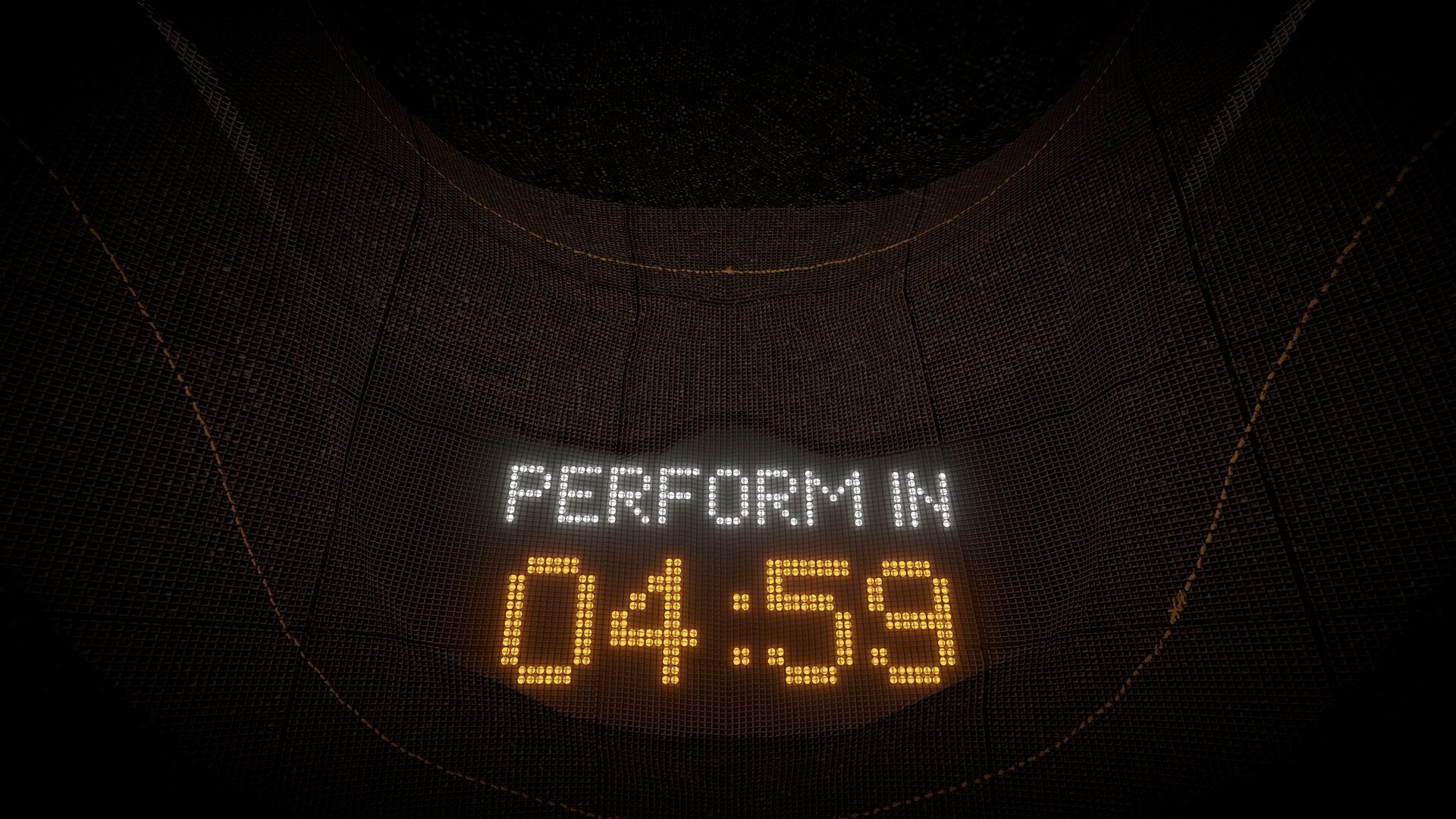
The core loop revolves around exploration and preparation inside a multi-layered arena environment. The scoreboard provides objectives for each performance, such as pre-game routines, quarter-break appearances, halftime shows, and direct crowd interactions. Players use a map to navigate between locations while searching for equipment and tools needed to fulfill those tasks. Movement through restricted areas requires careful observation, as hostile fans patrol beyond the seating sections and grow more aggressive over time.
Time and space function in layered ways. The renovated structure overlays older sections, allowing some areas to exist only in the present while others require shifting focus deeper into the building's history. Discoveries come through direct inspection of physical evidence, abandoned items, maintenance records, and hidden rooms rather than any guided markers or highlights. These findings influence what actions become possible later, creating a feedback loop where investigation shapes the outcome of performances and the resolution of lingering events from 1986.
Stealth and timing play key roles when avoiding roaming threats. The mascot suit itself becomes a persistent element that alters movement and interaction once it engages. Resource management stays grounded in recovering what is needed for each show rather than abstract inventories, keeping attention on the arena's shifting layout and the pressure of unfinished business from decades earlier.
Game Modes
Bighorn Ramone operates as a single-player experience with no separate multiplayer components. The structure follows a linear yet non-linear progression through the arena's layers, where each performance sequence builds on prior exploration and discoveries. Objectives tie directly to the championship timeline, guiding players through a sequence of mascot duties that must be completed amid increasing environmental resistance.
Progression depends on personal choices in what to investigate and alter. Different paths open based on recovered items and observed details, leading to variations in how the story resolves. The absence of checkpoints or highlighted paths encourages repeated observation of the same spaces from new perspectives, rewarding careful attention to environmental storytelling over trial-and-error mechanics.
Story and Setting
The narrative unfolds through the arena itself rather than traditional dialogue or cutscenes. Official accounts of the 1986 final clash with physical traces scattered across maintenance areas, locker rooms, and forgotten corridors. Players piece together events by examining what remains after repeated renovations, where the new construction sits like a second skin over older foundations.
Atmosphere builds from the contrast between the lively expectations of an eternal crowd and the decaying reality of an empty, hostile building. The mascot role forces direct engagement with that crowd through performances, turning routine arena duties into moments of tension. Every location carries echoes of the past, and the building's refusal to let go of 1986 drives the central conflict.
Is It Worth Playing?
Bighorn Ramone targets players who enjoy deliberate, observation-heavy psychological horror with strong emphasis on environmental storytelling and personal agency. The single-player focus allows uninterrupted immersion in the arena's dual timelines and the consequences of each discovery. Those drawn to indie titles that prioritize curiosity-driven exploration over combat or resource grinding will find the mechanics align closely with that preference.
Because the game remains unreleased with a to-be-announced date, current player feedback is unavailable. The described systems suggest strong appeal for anyone interested in horror that unfolds through investigation and performance rather than jump scares or linear chases. Availability on PC positions it well for those who value atmospheric single-player adventures that reward attention to detail and multiple playthroughs to uncover different outcomes.