















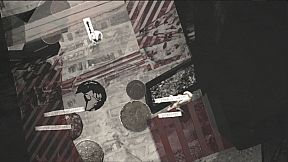

Beckett stands as a distinctive indie adventure game built around a single-player point-and-click experience on PC. Players step into the role of a grieving investigator navigating a surreal and oppressive city that seems to exert its own will over events. The title blends narrative exploration with psychological tension, delivering a compact story that unfolds over roughly three hours while leaving a lingering impression through its focus on memory, reality, and personal agency.
Gameplay
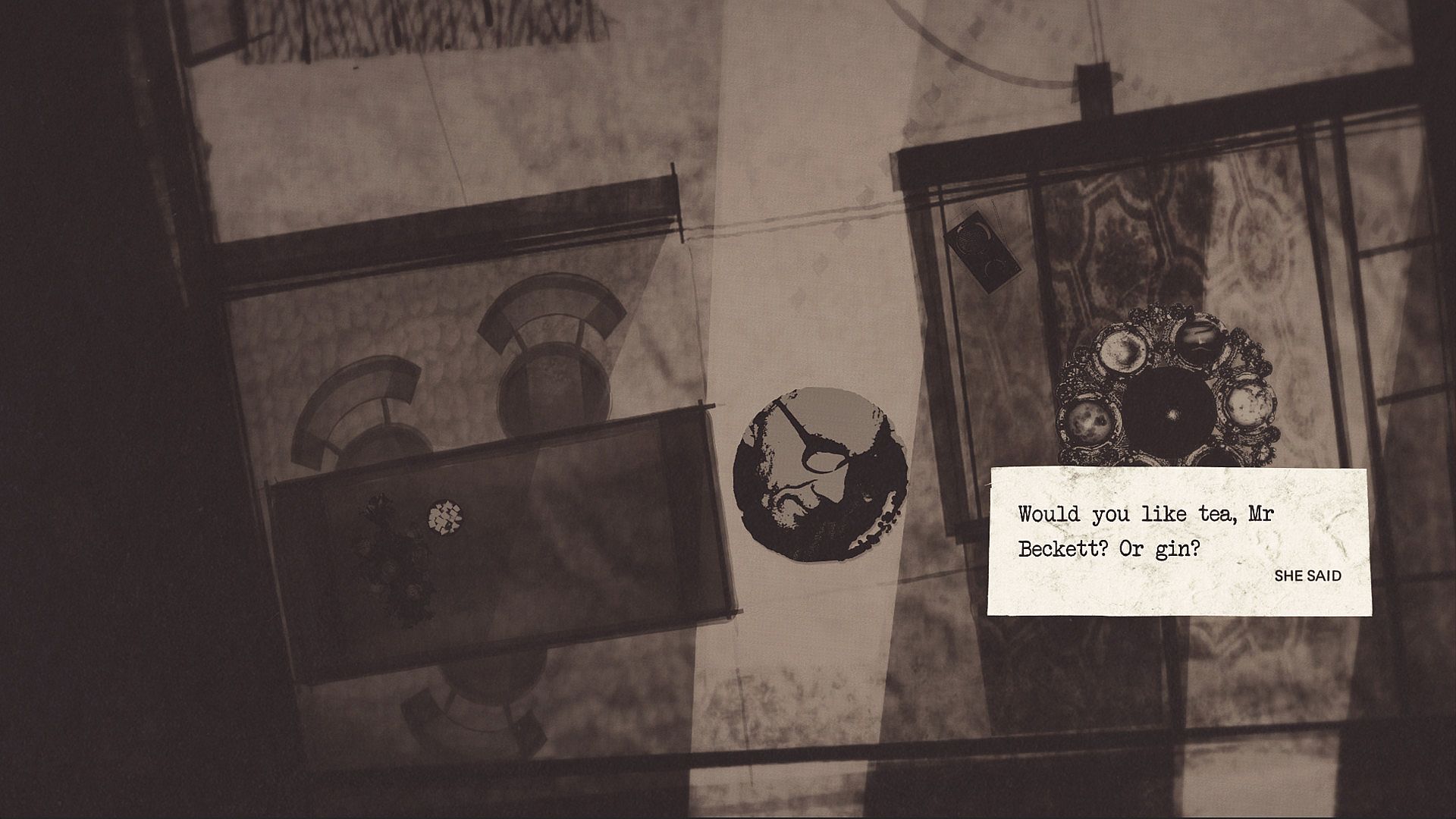
The core loop centers on point-and-click interaction within hand-crafted environments. Players examine objects, converse with characters, and make decisions that shape how the story progresses and resolves. Movement feels deliberate, with each click revealing layers of the world or advancing dialogue that often carries unsettling undertones. The interface remains straightforward, requiring only curiosity rather than reflexes or complex controls, which keeps attention on the unfolding events and the protagonist's internal conflict.
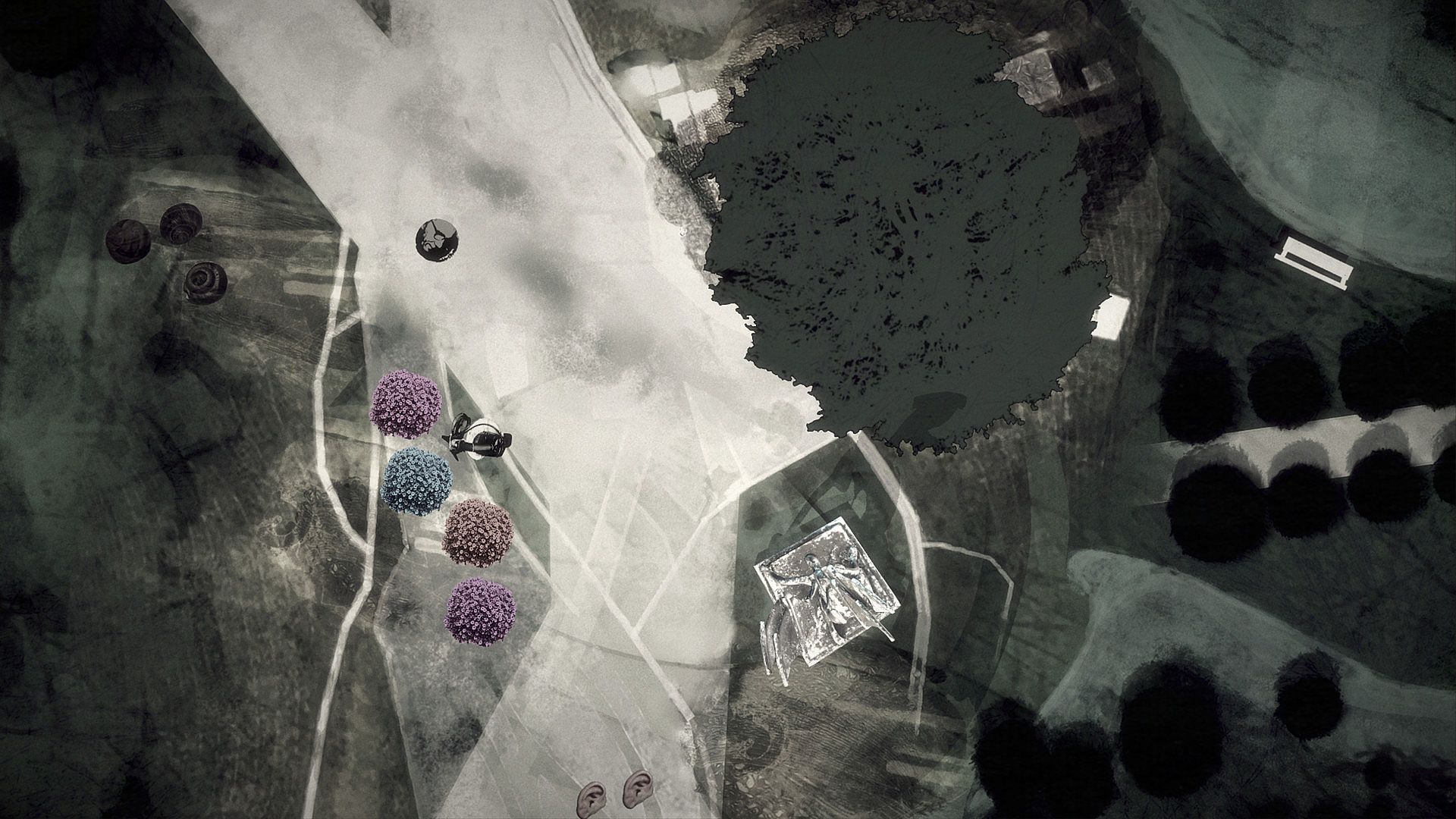
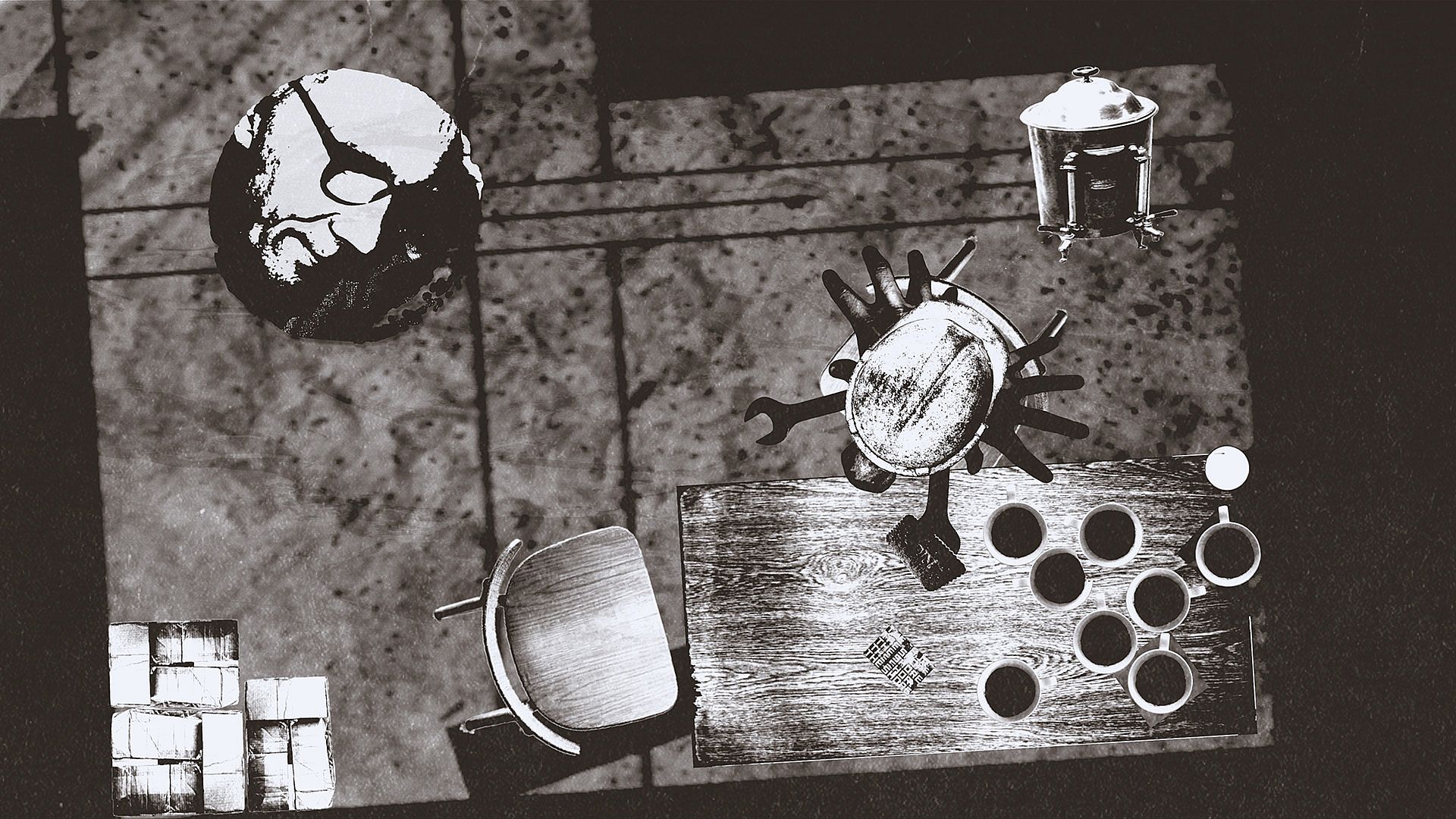
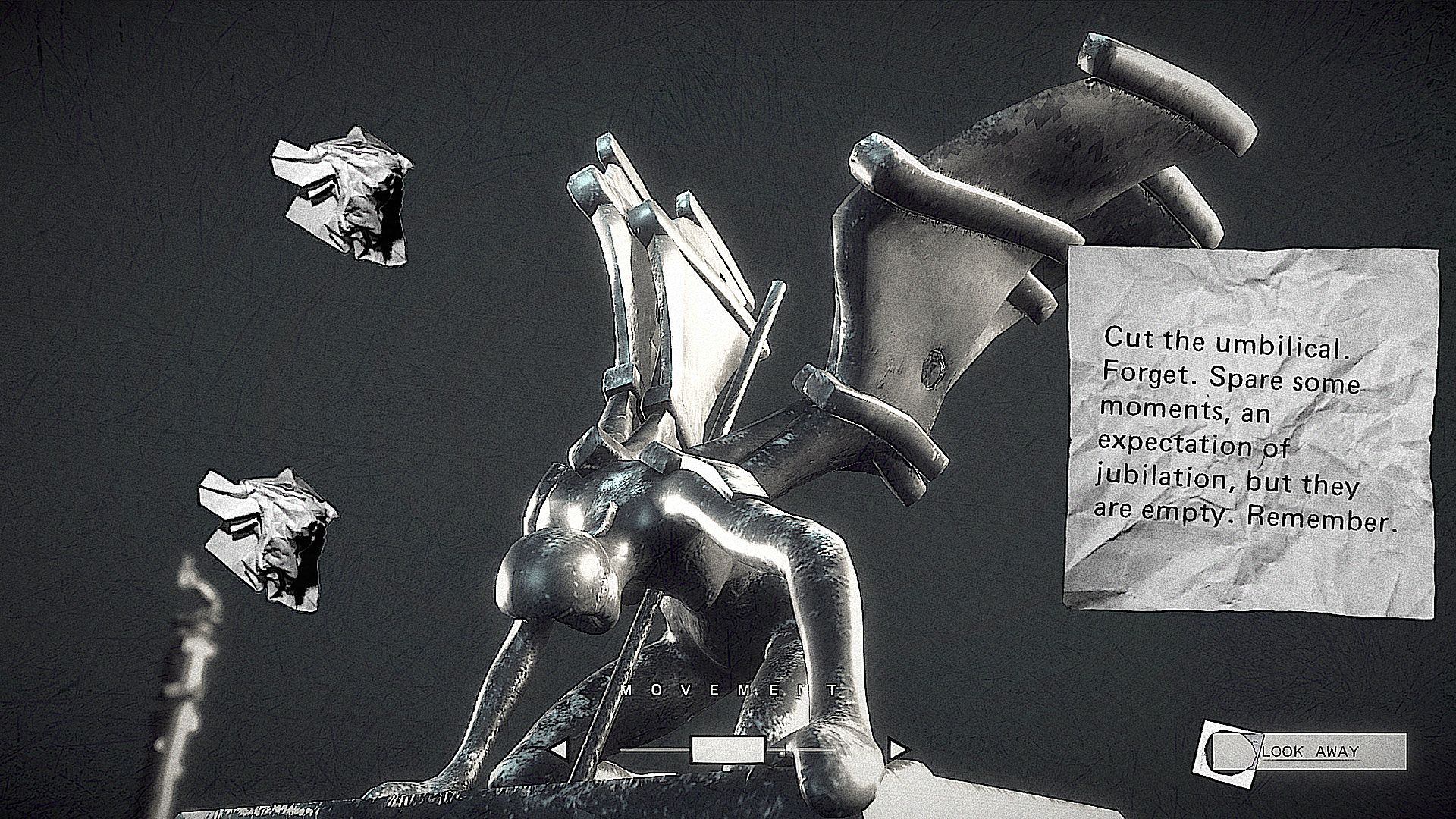
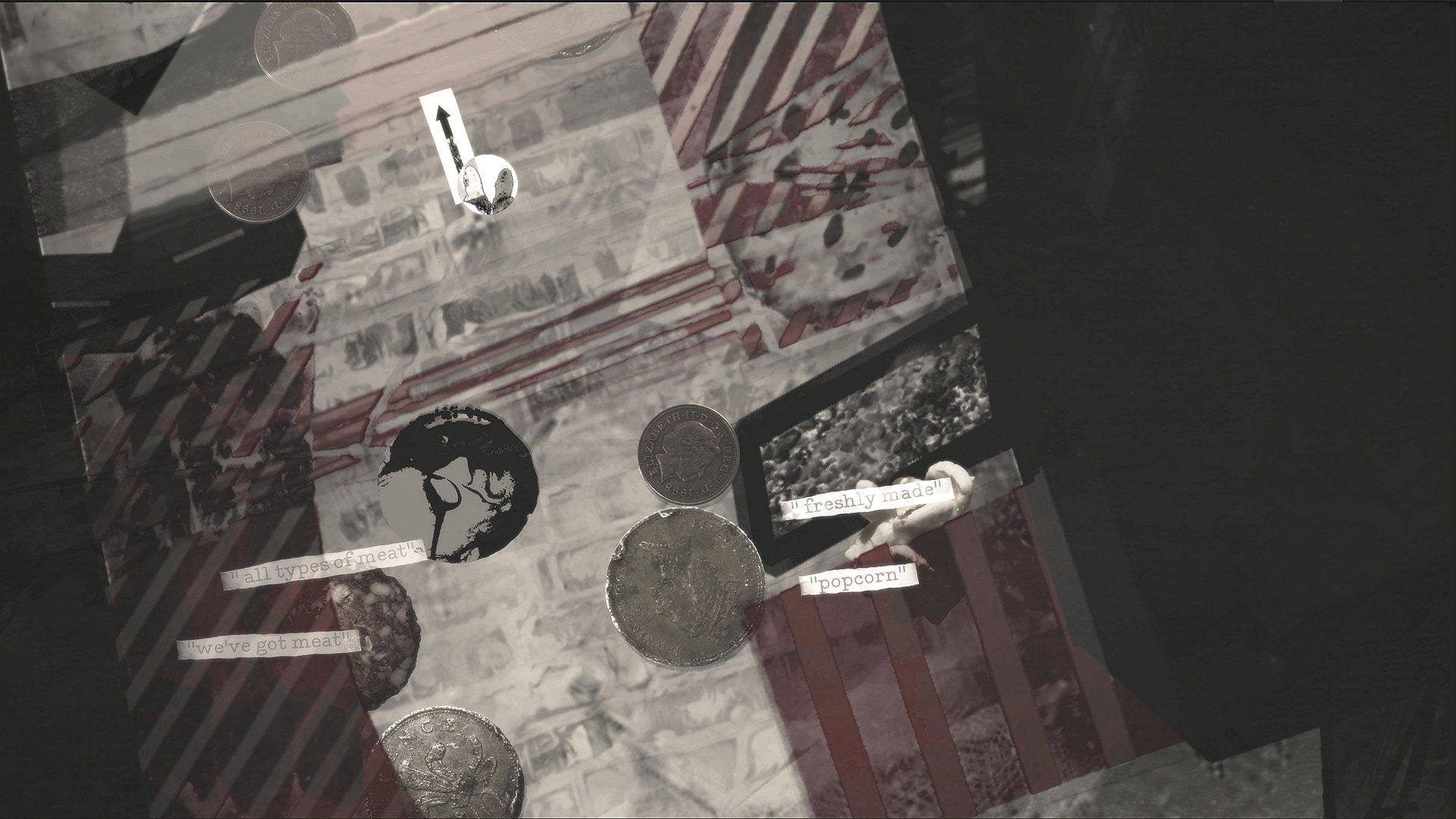
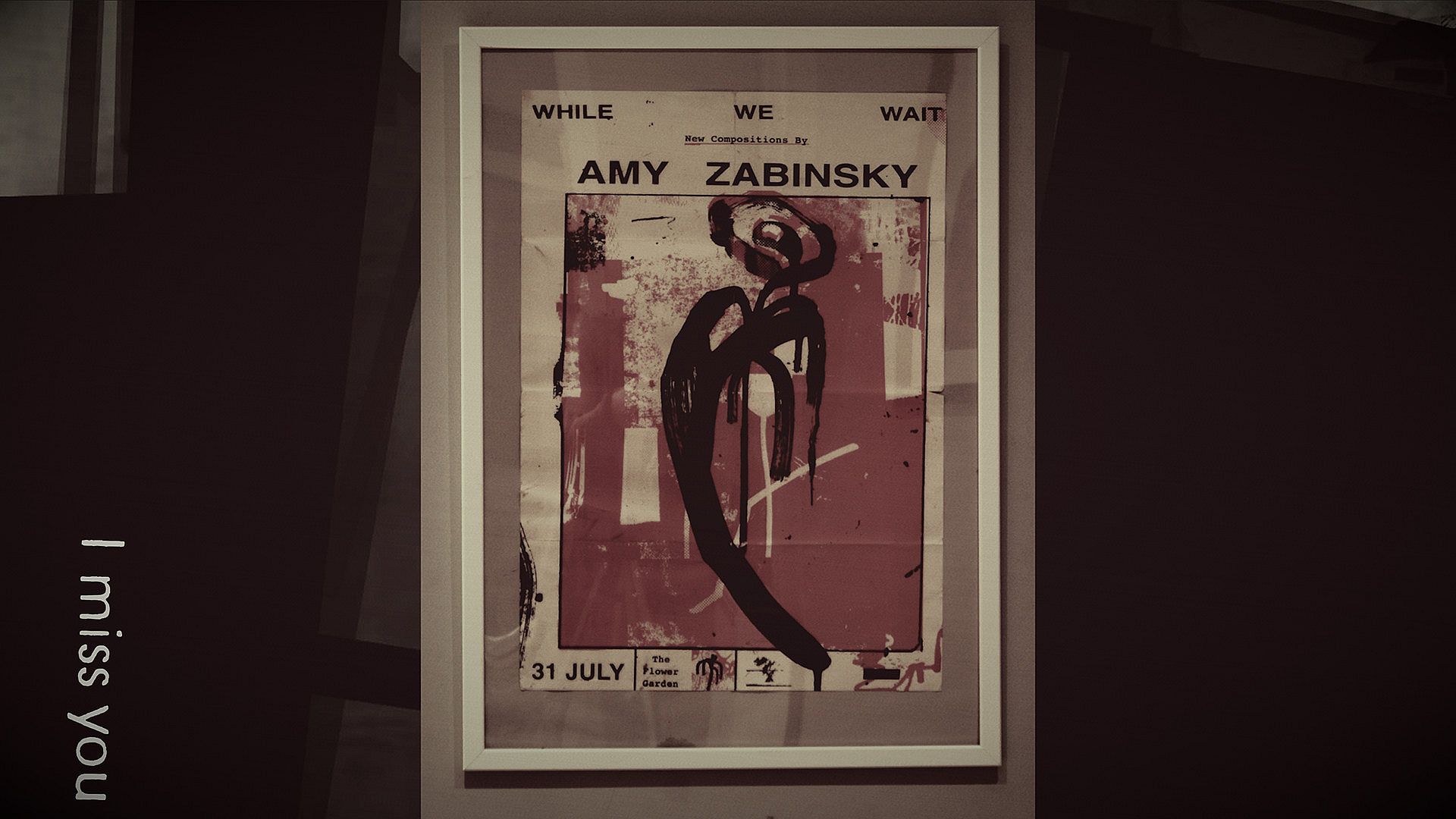
Exploration reveals abstract, digitally painted scenes filled with symbolic items and artifacts. Interactions frequently lead to unexpected shifts in perspective or behavior, as the environment itself influences the main character. This creates a sense of unease where choices do not always produce clear outcomes, mirroring the fragile nature of the narrative. Sound design and a custom soundtrack reinforce the mood, aligning audio cues directly with key moments to heighten immersion without relying on traditional horror tropes.
Game Modes
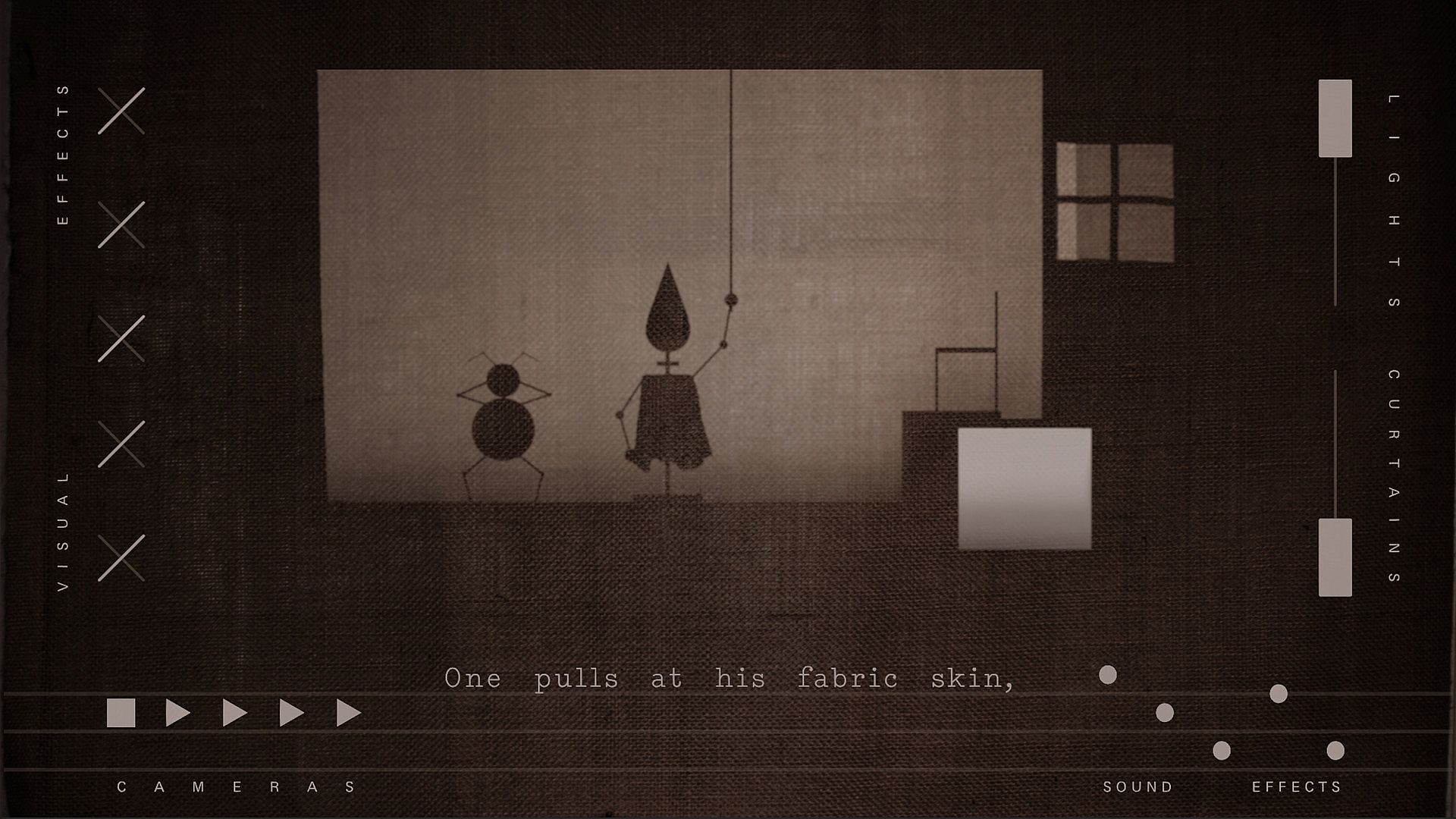
Beckett offers only a single-player narrative mode. There are no multiplayer options, competitive elements, or separate campaigns. The entire experience revolves around one continuous story that players reconstruct through their actions and interpretations. A brief interactive segment titled Morgellon and Ekbom Live Here appears as an integrated piece within the main journey, featuring voice work that adds another layer to the overall presentation.
The structure emphasizes replay through varied approaches to interactions rather than distinct modes. Different choices alter how events unfold and how the ending feels, encouraging a second pass to uncover alternative threads. No seasonal content or post-launch additions have altered this focused design since release.
Story and Atmosphere
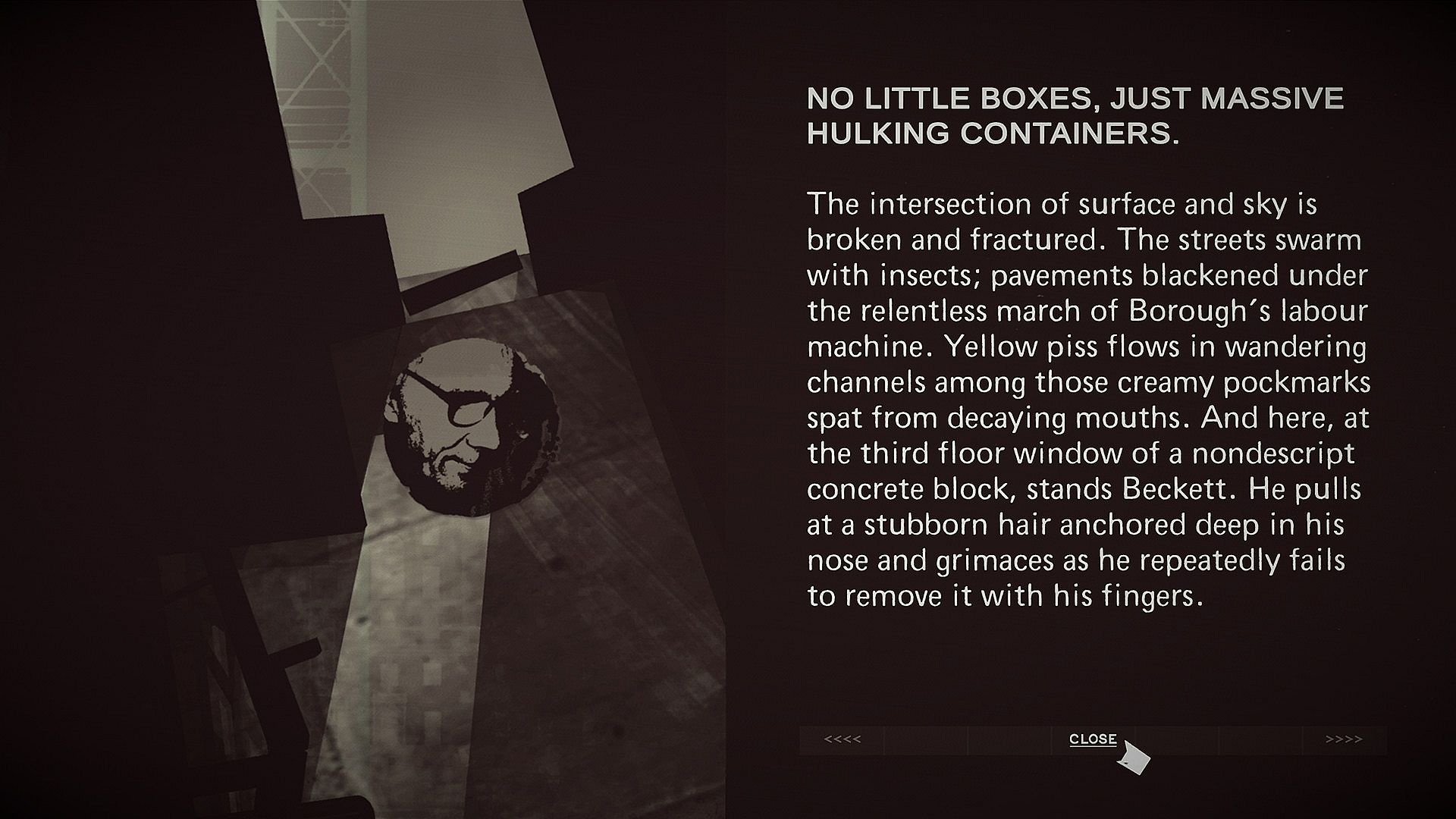
The plot follows Beckett as he mourns his wife and becomes entangled in a missing person case amid a city that manipulates his actions. Themes of loss, identity, and the unreliable nature of memory drive the experience forward. Dialogue and environmental details paint a dark, unforgiving setting where reality bends under scrutiny, often blending elements of psychological horror with surreal imagery.
Hand-made objects and illustrations contribute to a tactile, artistic world that feels both intimate and alienating. The narrative rewards careful observation, as fragments of information emerge gradually and invite players to piece together meaning on their own terms. Dark humor surfaces in unexpected places, providing brief relief amid the heavier reflections on existence and fading recollections.
Is It Worth Playing?
Steam user reviews rate Beckett as Very Positive, with 82 percent approval from a modest but dedicated group of players. Its short length makes it accessible for those seeking a focused narrative experience rather than extended play sessions. The game suits fans of experimental indie adventures who appreciate point-and-click mechanics paired with strong thematic depth and artistic presentation.
Those drawn to stories that challenge perceptions of reality and personal control will find the title rewarding. Its compact scope and lack of additional modes mean it delivers a complete, self-contained journey without ongoing updates or expansions. For players comfortable with mature themes and open-ended interpretation, the experience remains a compelling choice years after its initial release.