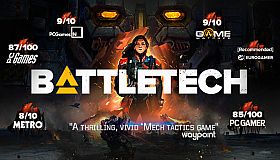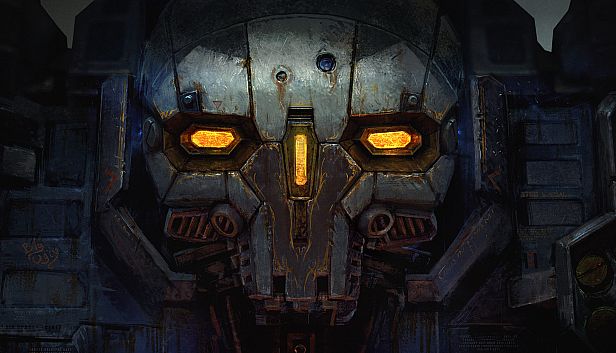


















BATTLETECH Mercenary Collection delivers a complete turn-based strategy experience centered on commanding BattleMechs in a mercenary outfit during the year 3025. Players manage a company of MechWarriors and their machines amid ongoing conflicts between noble houses in the Inner Sphere, balancing economic survival with tactical decisions on the battlefield.
Gameplay
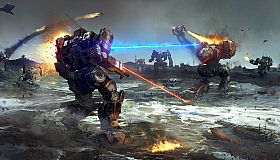
The core loop revolves around running a mercenary operation from a starfaring base. This includes negotiating contracts with various factions, upgrading facilities, and keeping a stable of BattleMechs in working order through repairs and maintenance. On the field, combat unfolds in turn-based sequences where positioning, weapon loadouts, and pilot skills determine outcomes. Each engagement requires careful management of heat, armor, and ammunition while exploiting terrain advantages. The system emphasizes long-term progression as salvaged parts and earnings fund better equipment and new recruits.
Mechs come in different weight classes with distinct roles, from light scouts to heavy assault units. Customization extends to weapons, armor, and internal components, allowing players to adapt designs for specific mission needs. Environmental factors and enemy variety add layers to each fight, rewarding preparation and adaptive tactics over raw firepower.
Game Modes
Three primary modes structure the experience. Campaign Mode follows a narrative arc known as the Restoration Campaign, guiding a new mercenary commander through interstellar politics and personal stakes. Career Mode offers open-ended play where the focus shifts to building reputation, completing contracts, and achieving high scores based on performance metrics like salvage and efficiency. Skirmish Mode provides standalone battles against AI or other players, complete with a Mech bay for testing configurations without campaign constraints.
Flashpoints integrate into both Campaign and Career Modes as multi-part story missions. These branching sequences tie together combat, dialogue choices, and special events, extending the endgame with additional narrative depth and rewards.
Expansions and Battlefield Evolution
The included expansions expand the tactical options significantly. Flashpoint introduces high-stakes short stories that link missions with crew interactions and critical decisions. Urban Warfare shifts combat into dense city environments, incorporating electronic warfare effects, destructible structures, and new unit types that alter engagement dynamics. Heavy Metal adds previously unseen BattleMechs along with further Flashpoint content, increasing roster variety and strategic choices in later stages of play.
These additions build on the base mechanics without altering the fundamental turn-based structure, allowing players to tackle urban sprawls or specialized mech designs as their company grows.
Is It Worth Playing?
The game suits players who enjoy deliberate, mechanics-driven strategy with mech customization and company management. Its complete state with all expansions means no ongoing seasons or patches are expected, leaving a self-contained package focused on single-player depth. Reception highlights strong tactical combat and replayability through different modes and loadouts, though some note the deliberate pace and occasional technical issues as factors to consider. Those drawn to turn-based systems and the BattleTech universe will find substantial content across the campaign and career paths, while those seeking faster action may prefer other genres. The collection provides a polished entry point for exploring mercenary life in this setting.