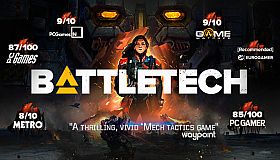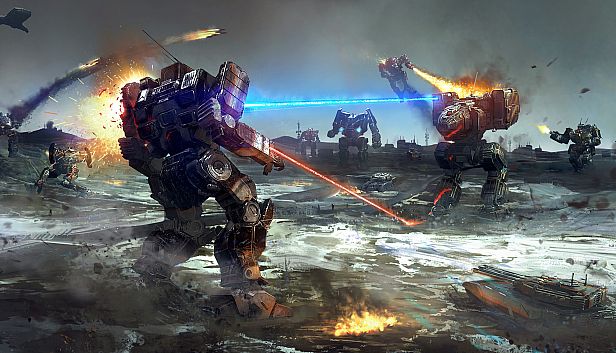













BATTLETECH is a turn-based tactical strategy game in which players lead a mercenary company of BattleMechs through missions in a war-torn galaxy. Set in the year 3025, the title places command of up to four mechanized units in the hands of the player during combat while also requiring ongoing management of pilots, equipment, and a mobile base of operations. The core loop combines battlefield tactics with resource decisions that affect long-term viability as a freelance force.
Gameplay
Combat unfolds in a grid-based system where terrain, line of sight, and heat management shape every decision. Each turn allows movement, weapon fire, and special abilities drawn from the selected BattleMechs. Over thirty distinct chassis appear across light, medium, heavy, and assault classes, each carrying trade-offs in speed, armor, and firepower. Salvage recovered from defeated opponents feeds directly into the MechLab, where damaged components can be swapped or upgraded before the next deployment.
Outside of missions, attention shifts to the mercenary company itself. MechWarriors gain experience and new skills through repeated sorties, while the dropship requires upgrades to support larger lances and more technicians. Reputation with various noble houses and local factions influences contract availability and payment rates. Balancing repair costs, pilot fatigue, and contract deadlines creates a persistent layer of strategy that carries across multiple operations.
Game Modes
The primary single-player experience is the Campaign, which follows a deposed noble seeking to reclaim her throne with the aid of the player's mercenary unit. Story missions advance the central conflict while side contracts provide additional income and salvage opportunities. Career mode removes the fixed narrative and instead challenges players to maximize a score across a set number of in-game days, incorporating optional story events known as Flashpoints when available.
Skirmish mode supports quick standalone battles against the artificial intelligence on a variety of maps. Players assemble custom lances without the constraints of campaign progression or resource limits. Multiplayer extends this format to online matches, allowing direct competition against other commanders using similarly customized forces.
Mercenary Operations and Progression
Contract negotiation forms a central pillar of play. Each job specifies objectives, payment, and potential reputation shifts with participating factions. Successful completion yields C-bills for upgrades and new recruits, while failure can damage standing with employers. The Argo, the player's starfaring base, expands over time to house additional support staff and improve mission readiness.
MechWarrior development adds another dimension. Pilots improve through combat and can be reassigned across different chassis to match mission needs. Injuries sustained in battle require medical attention, and permanent losses force difficult choices about roster composition. These systems reward careful planning and adaptation rather than repeated use of a single optimal loadout.
Is It Worth Playing?
Players who enjoy deliberate, position-based tactics and long-term company management will find substantial depth in the available systems. The combination of turn-based combat and persistent mercenary simulation distinguishes the title from faster-paced action games. Multiplayer remains functional for those seeking competitive matches, while the single-player modes provide dozens of hours of content through the campaign and open-ended career play. The game continues to receive community attention years after release, with no official seasonal updates or new expansions planned at present. Those drawn to detailed mech customization and strategic decision-making across both battlefield and administrative layers will likely appreciate the experience.