




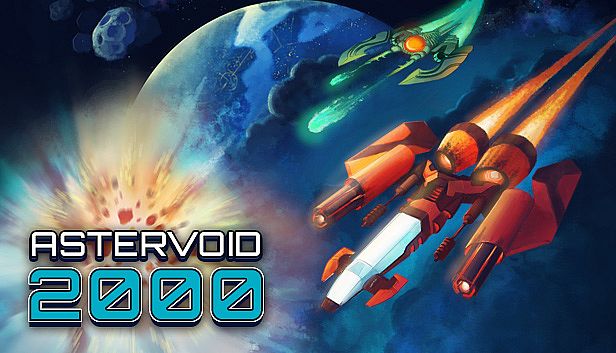













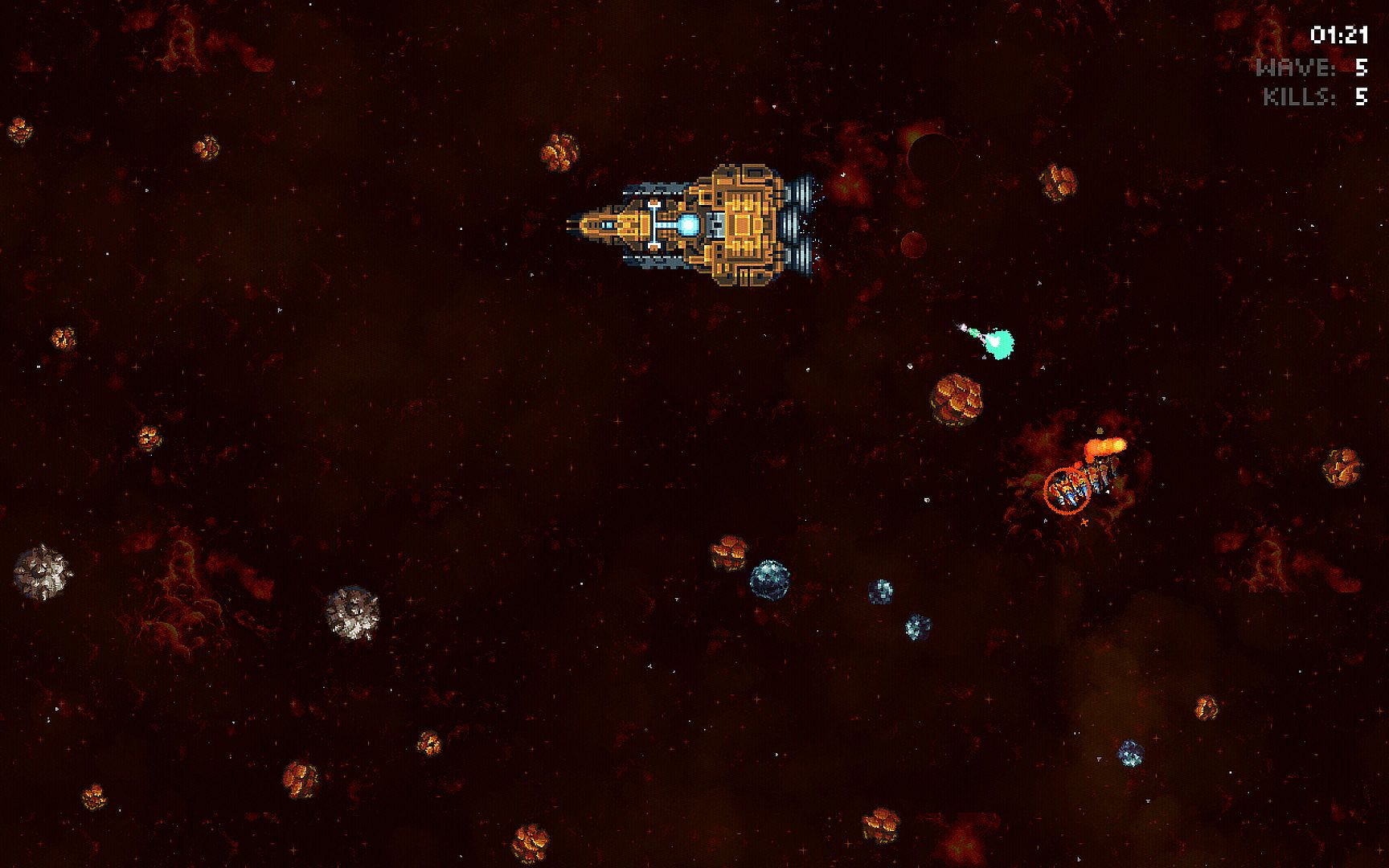
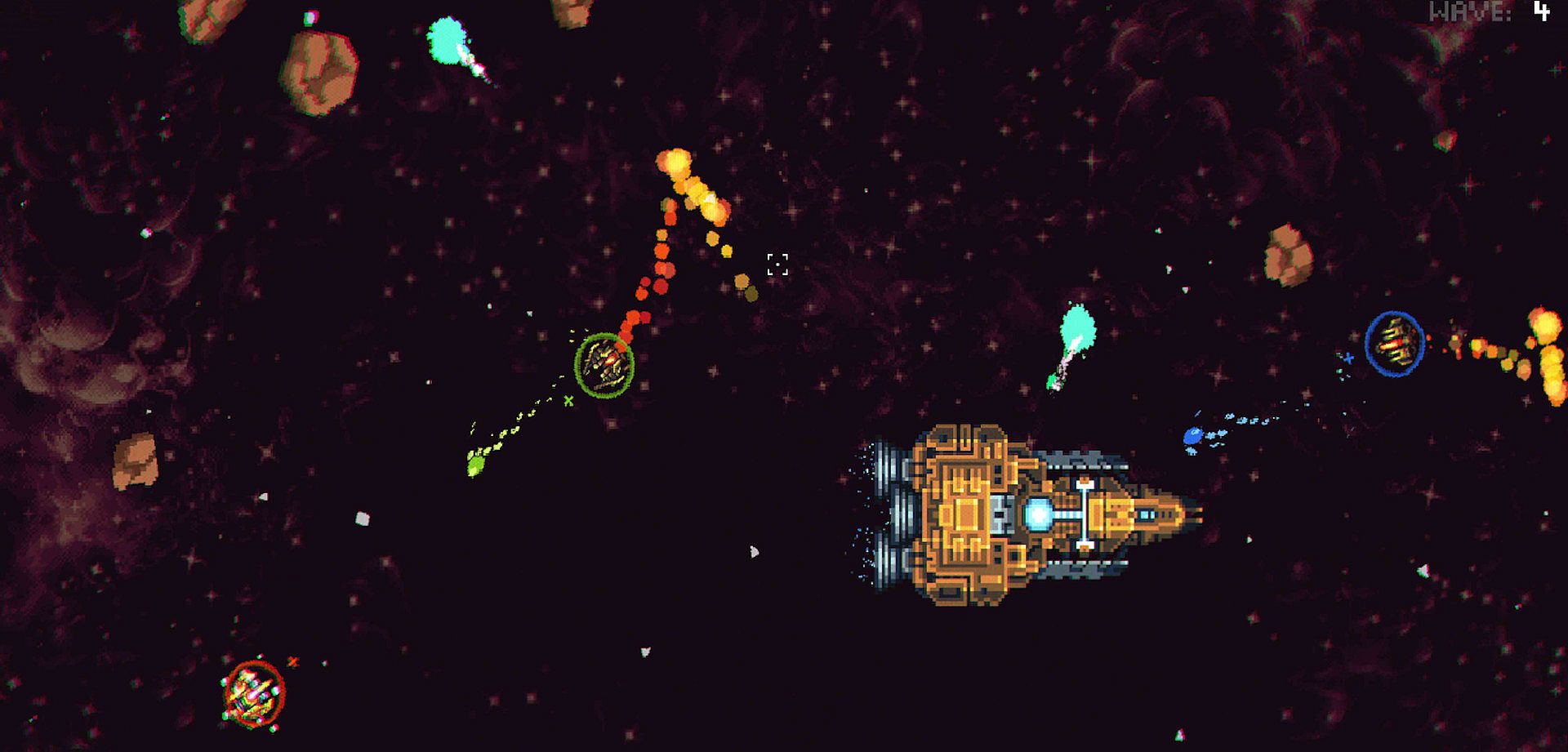
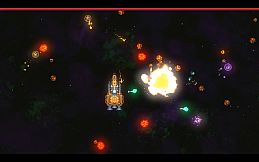
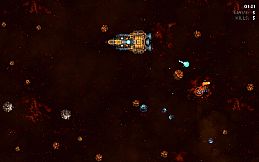
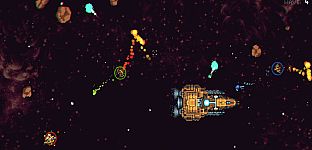
Astervoid 2000 is a local multiplayer action game developed for PC that reimagines the core loop of classic arcade shooters as a competitive couch experience. Up to four players pilot ships through asteroid fields, firing at opponents while navigating hazards that can turn the tide of any encounter. The game emphasizes precise movement and timing over upgrades or randomized elements, making every match hinge on player skill rather than external factors.
Gameplay
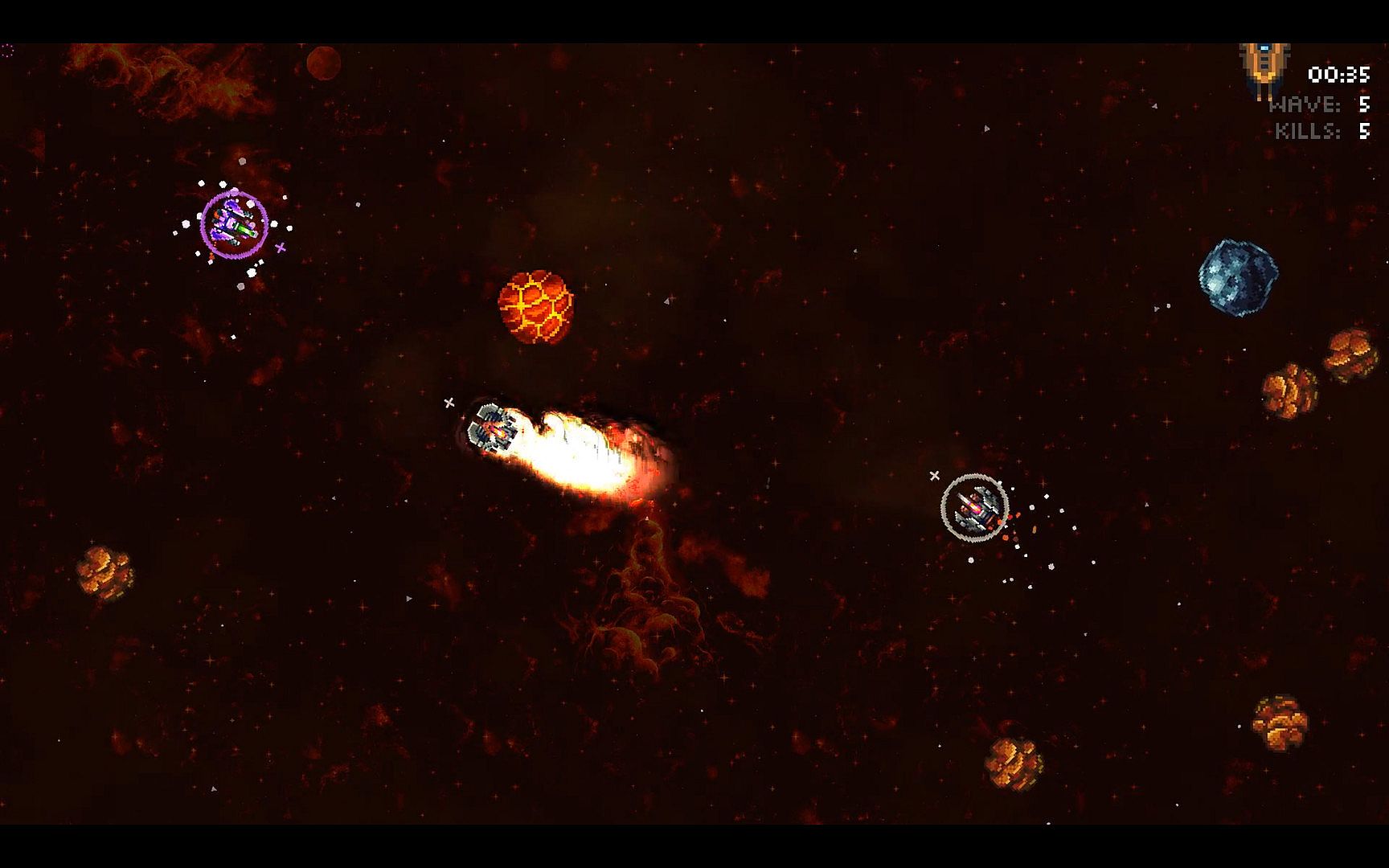
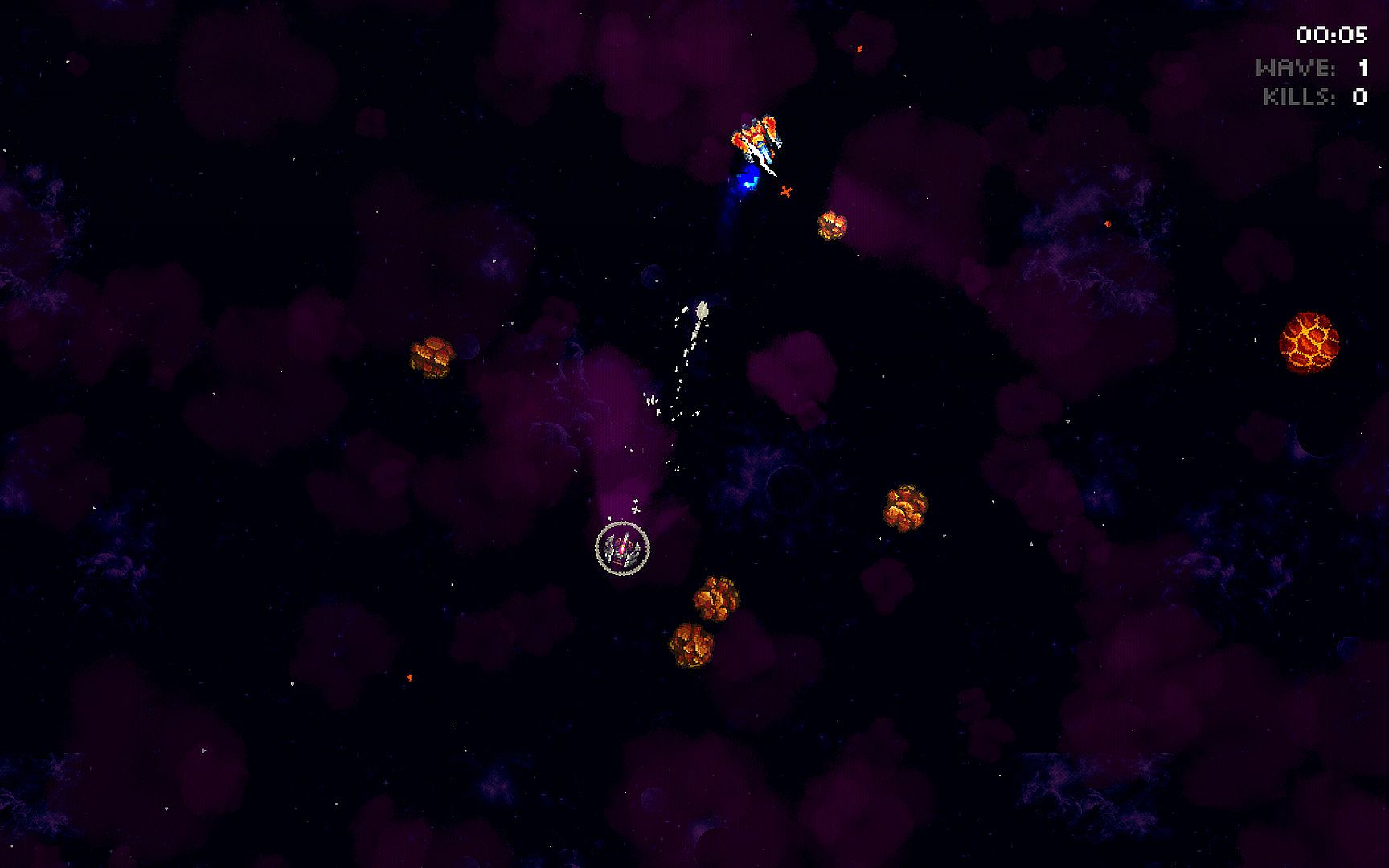
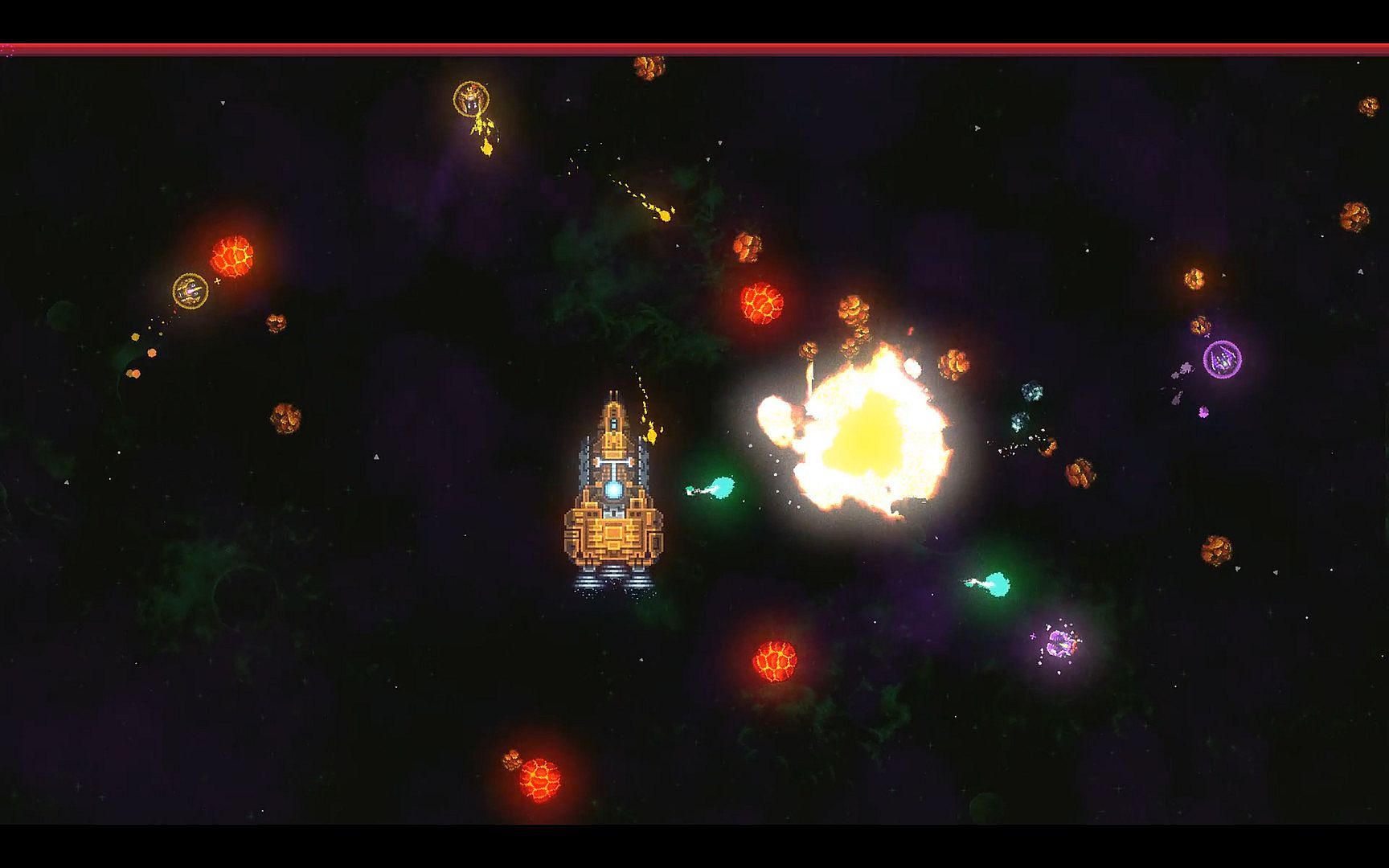
Core movement relies on responsive controls that allow instant dashes without cooldowns, giving pilots full freedom to adjust trajectory mid-fight. Ships fire projectiles that interact with the environment, while explosive and indestructible asteroids drift across the arena and can ricochet off surfaces. These obstacles serve dual purposes: they threaten ships directly and can be maneuvered into opponents for indirect damage. No power-ups appear during play, so success depends entirely on positioning, timing, and reading the flow of the field. The design supports both gamepads and keyboard-mouse setups equally, with no input lag reported in standard play sessions. Visuals stay minimal and functional, focusing attention on ship silhouettes and asteroid shapes against a dark backdrop. Sound design mixes crisp laser effects with a futuristic score that underscores the fast pace without overwhelming the action.
Game Modes
Two distinct modes structure the available experiences. Survival pits a single player against successive waves of AI-controlled ships, rewarding faster eliminations with higher scores and a spot on the global leaderboard. Matches continue until the player ship is destroyed, encouraging repeated attempts to improve placement. Versus supports two to four participants in either free-for-all or team-based deathmatch formats. Players compete directly to reduce opponents to space rubble, using the shared asteroid field as both cover and ammunition. Team matches allow coordinated strategies, while free-for-all rewards aggressive positioning and opportunistic strikes. Both modes run on the same underlying physics and control scheme, ensuring consistent feel across solo practice and group sessions.
Controls and Accessibility
The control scheme prioritizes immediacy. Thrust and rotation respond instantly, and the dash mechanic lets pilots evade incoming fire or close distance without artificial delays. Asteroid collisions feel weighty yet predictable, rewarding players who anticipate trajectories rather than reacting at the last moment. Local setup requires only additional controllers or shared keyboard input, keeping the focus on the screen rather than online matchmaking. The absence of progression systems or unlocks means every session starts on equal footing, which suits short bursts or extended tournaments alike.
Is It Worth Playing?
Player feedback highlights the tight handling and straightforward rules as strengths for group play. Reviews note that the skill ceiling rewards practice, with many describing matches as tense and replayable when friends gather. The 74 percent positive rating on the primary storefront reflects appreciation for the focused design, though some mention limited depth outside versus sessions. The game suits households or gatherings seeking quick, competitive rounds without setup complexity. Those who enjoy pure local multiplayer shooters or modern takes on arcade classics will find the mechanics rewarding, while solo players may prefer the survival mode for score chasing. Overall, the title delivers consistent local entertainment for its intended audience of two to four participants.















