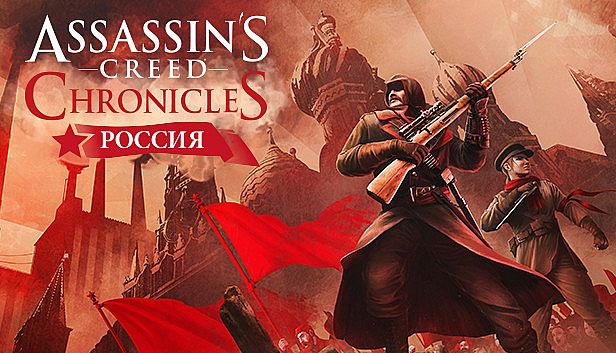













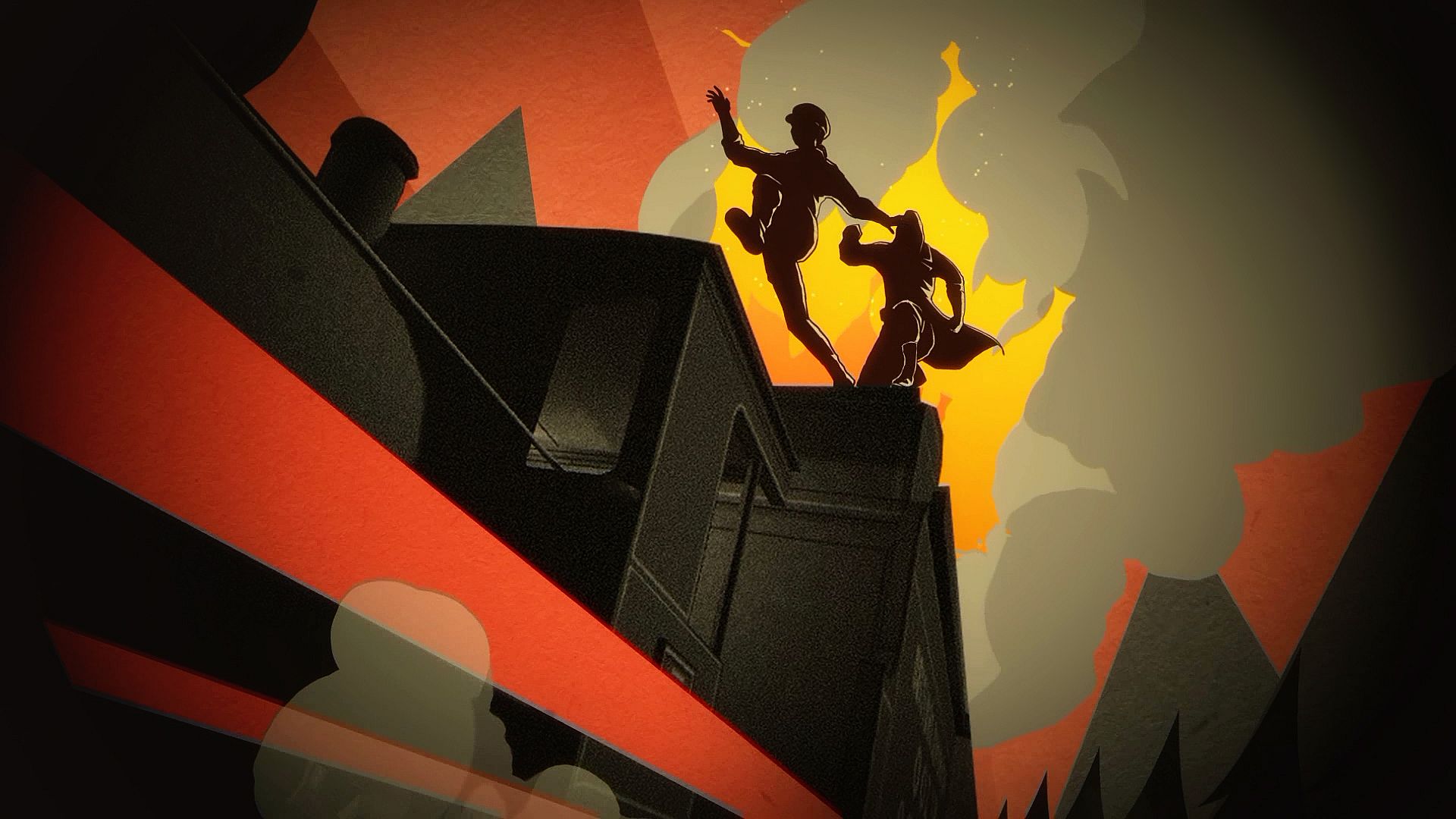
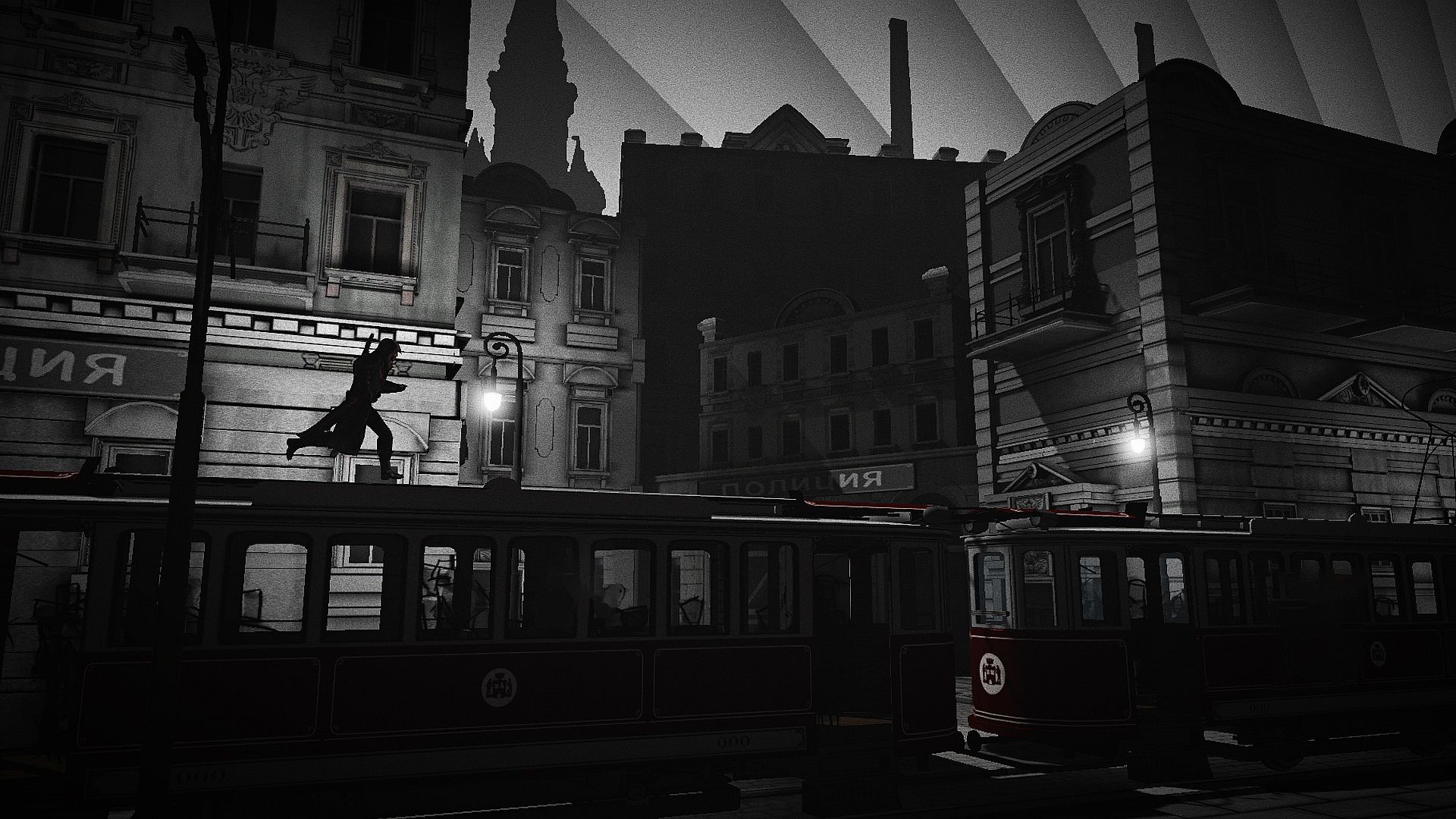
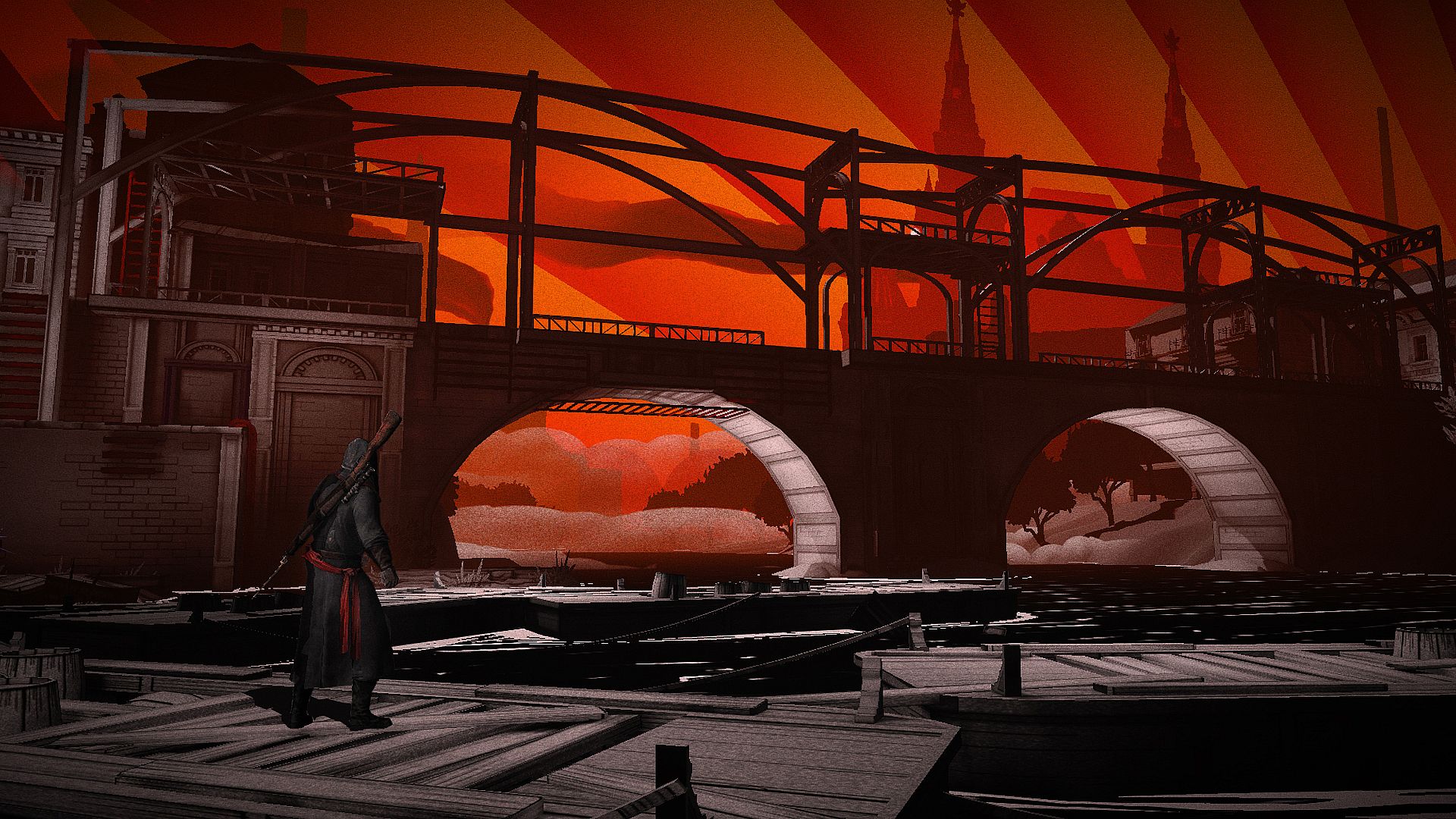
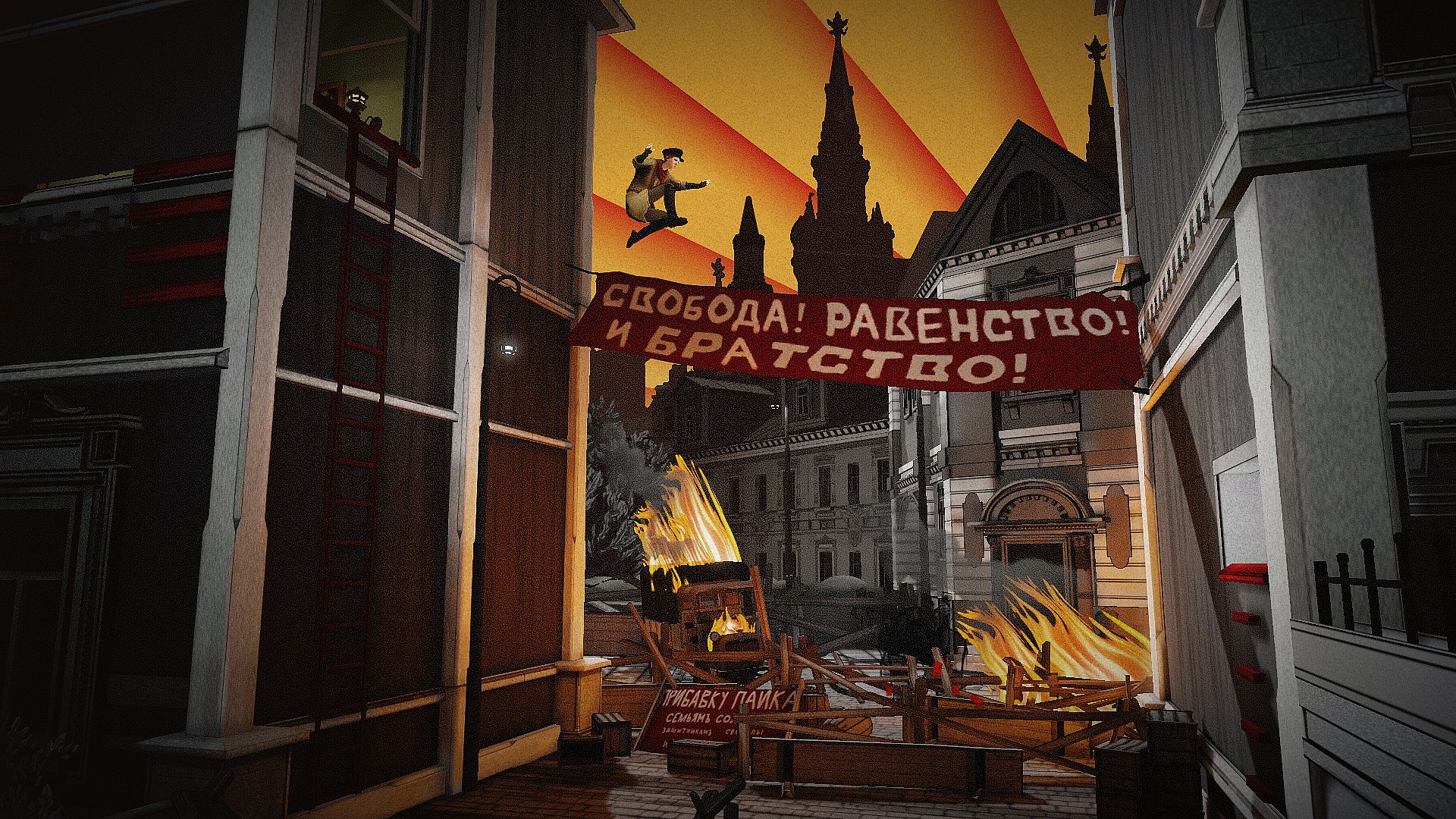
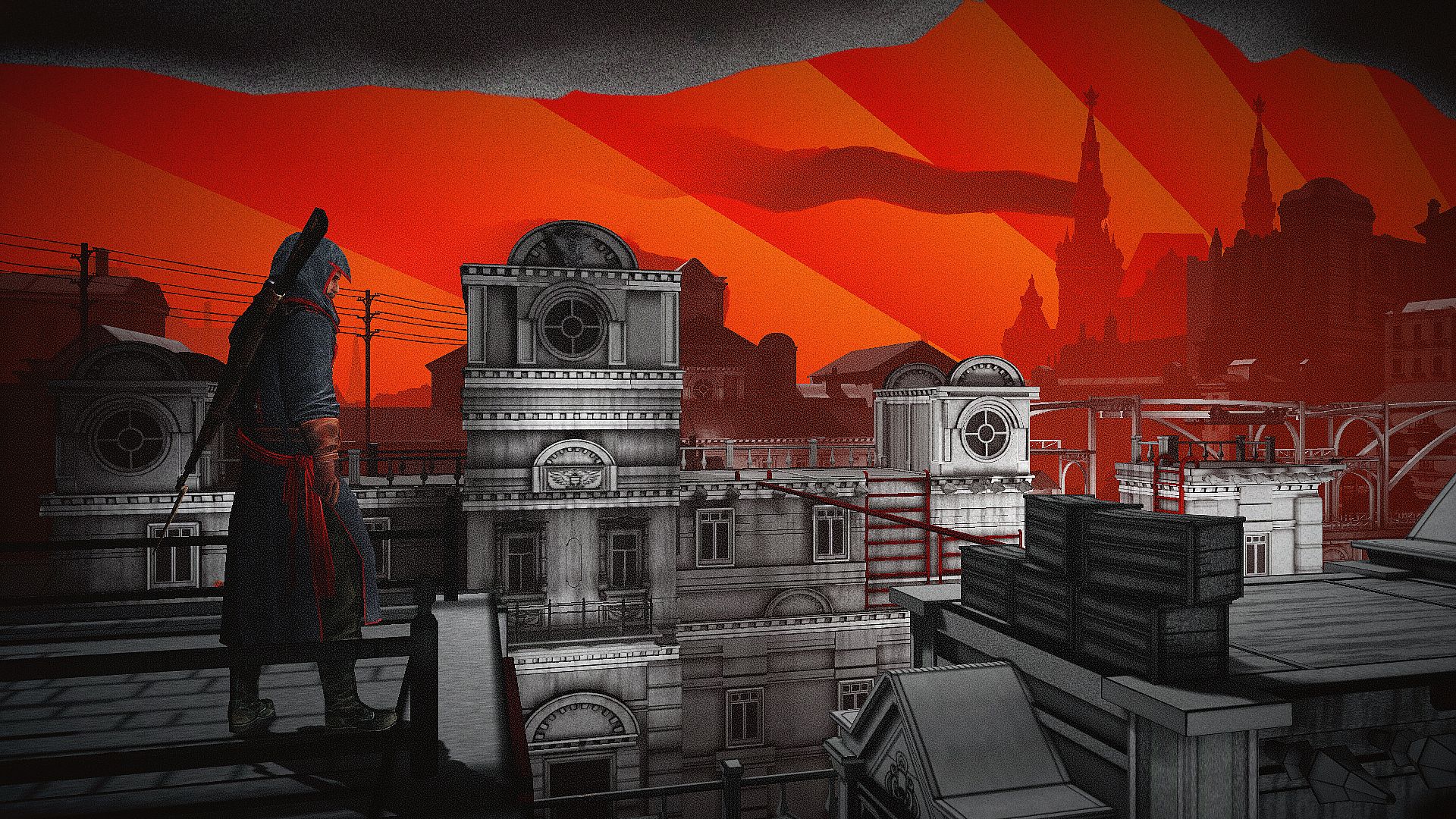

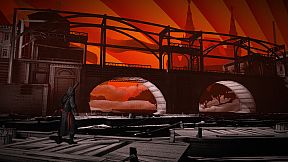
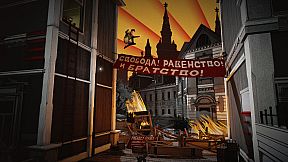
Assassin's Creed Chronicles: Russia is a 2.5D action-adventure stealth game set during the aftermath of the October Revolution. Players control Nikolaï Orelov as he seeks redemption while navigating a stylized version of 1918 Russia rendered in propaganda-inspired artwork.
Gameplay
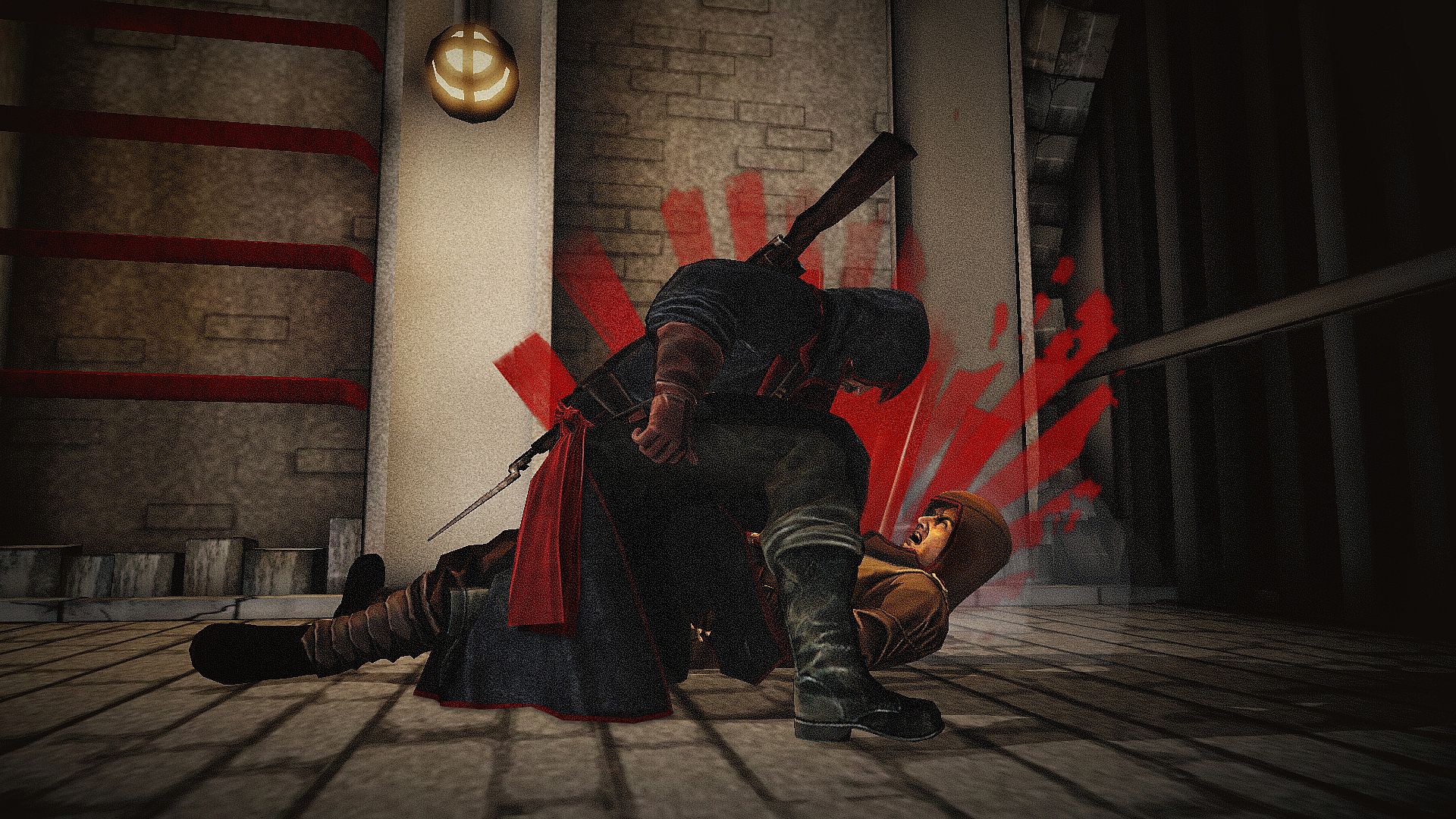
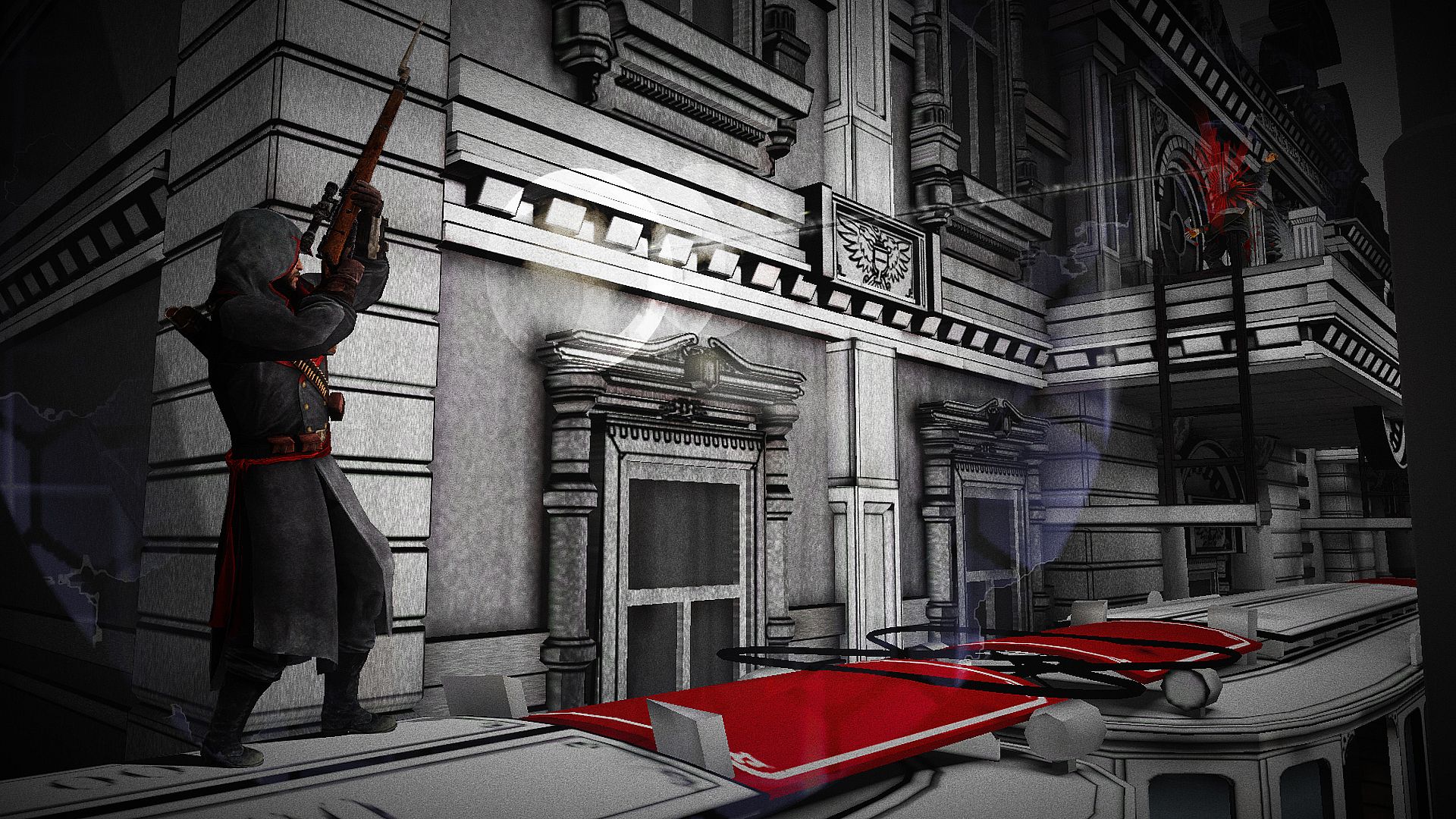
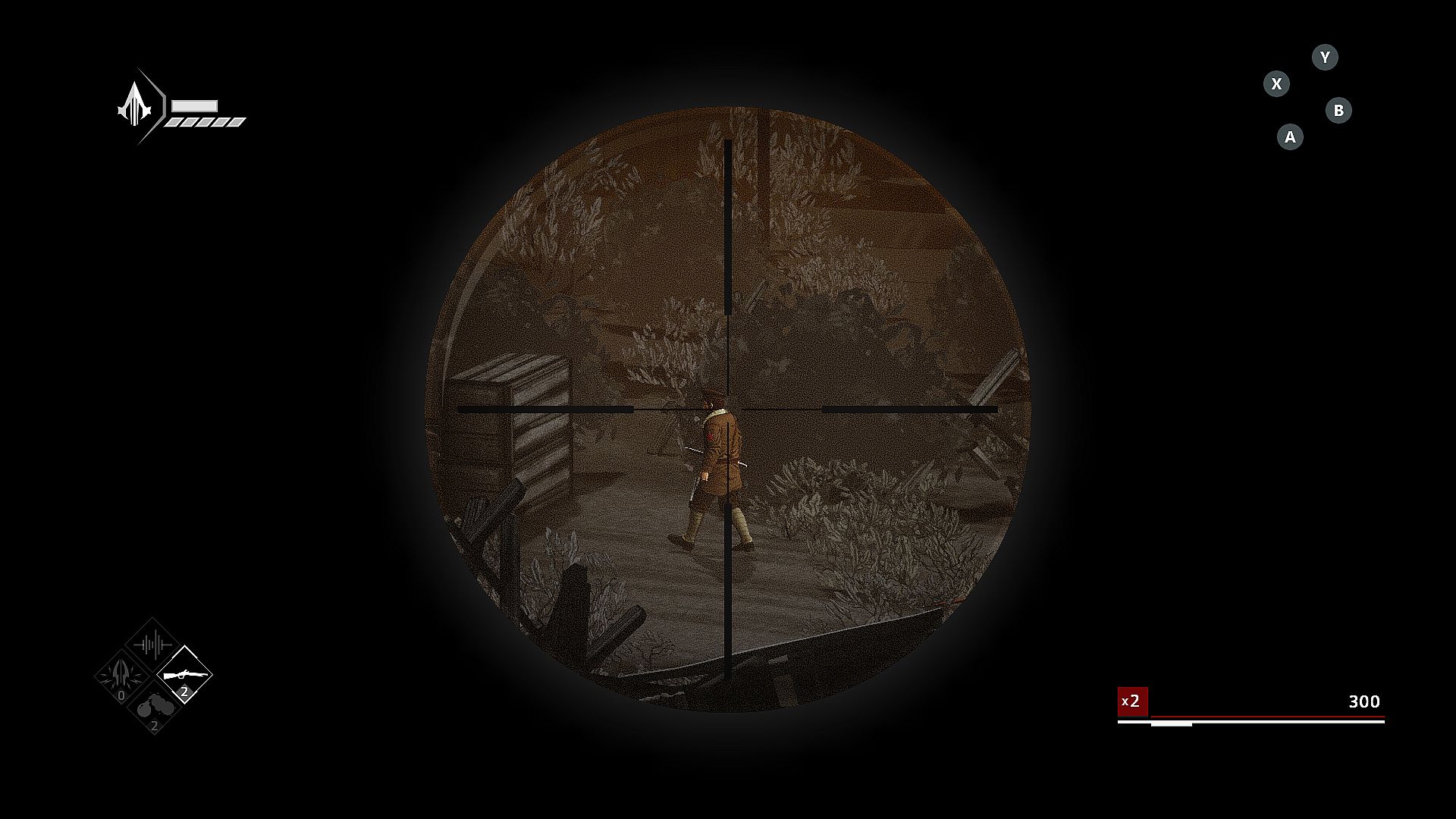
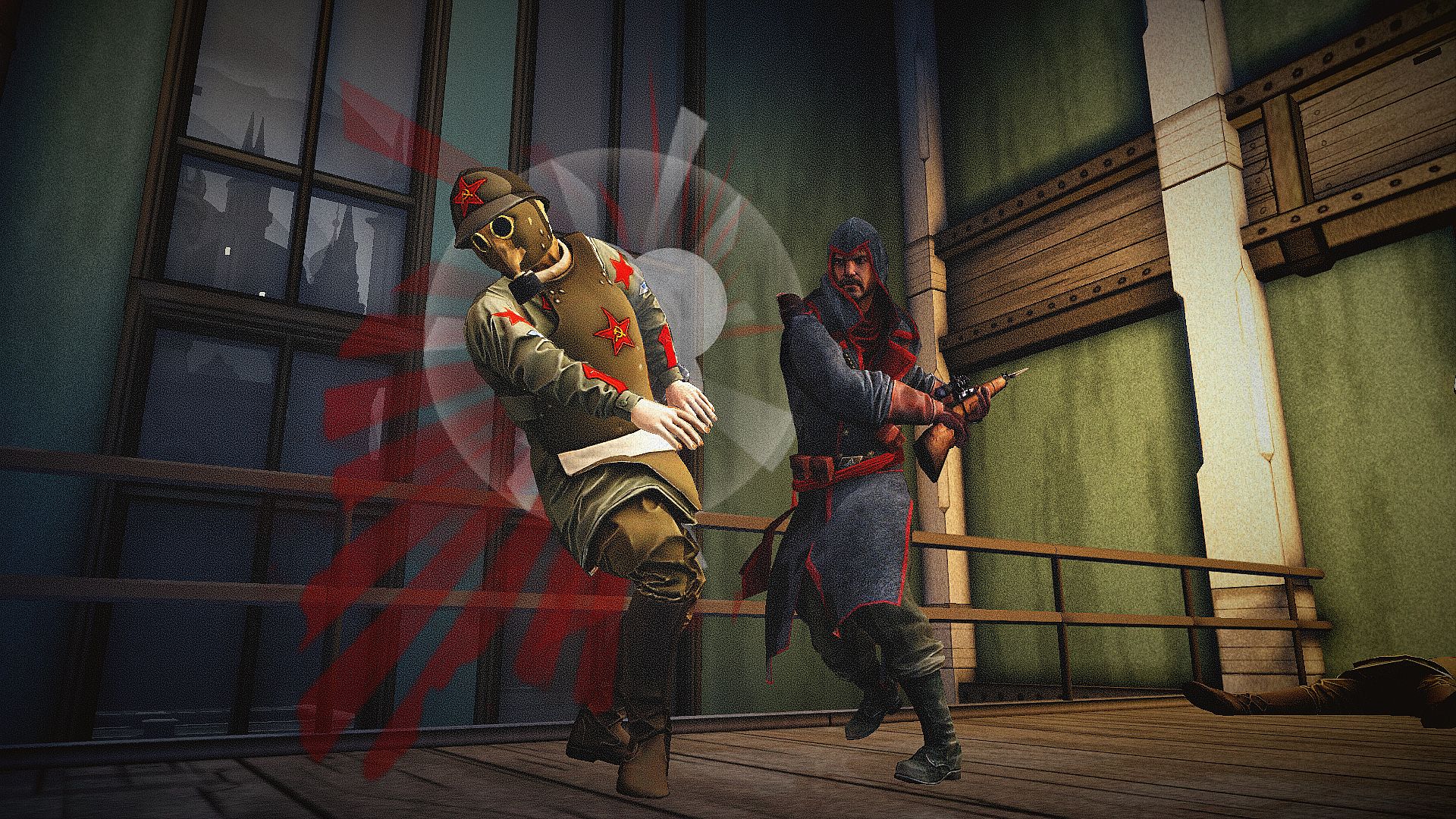
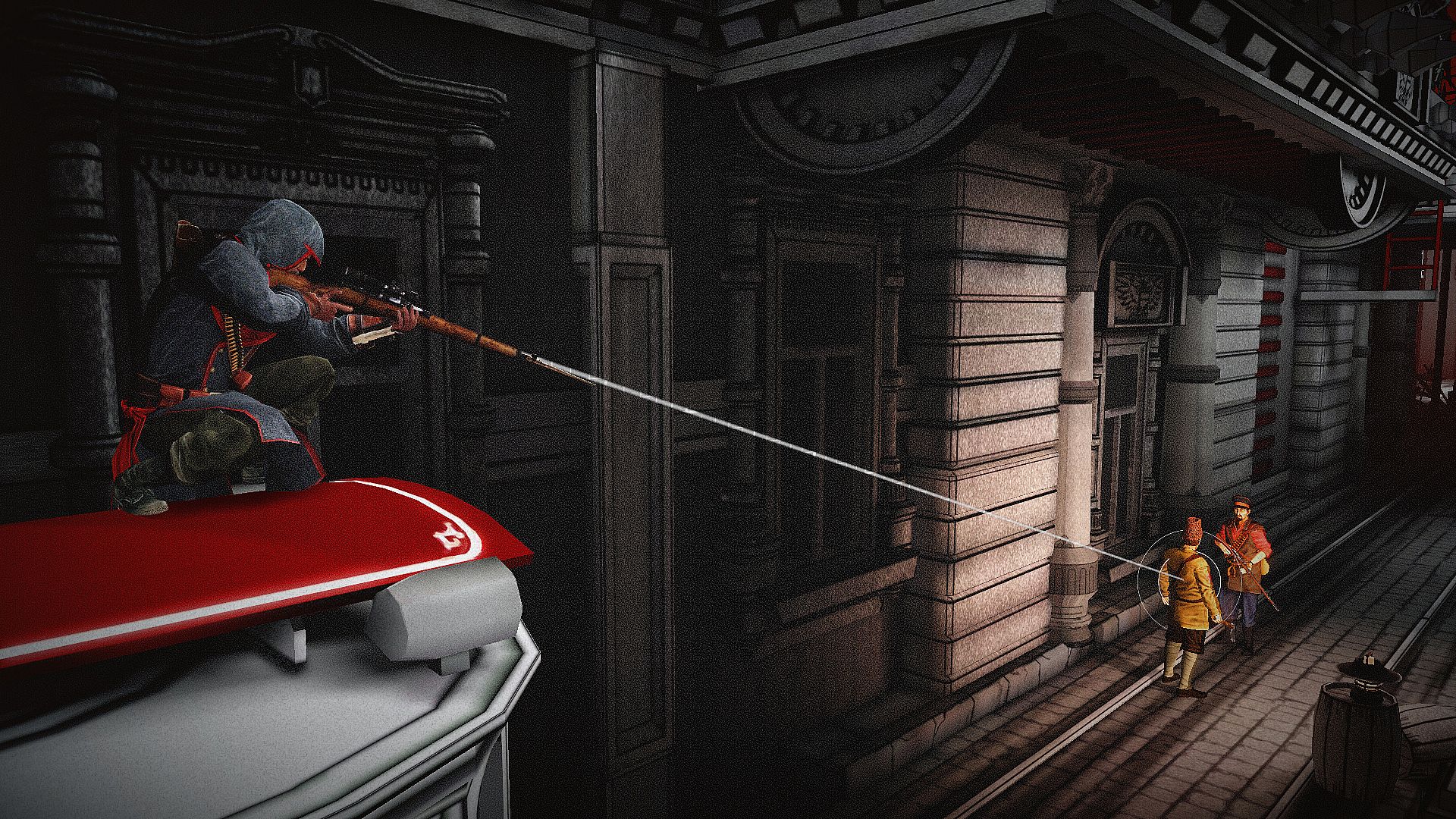
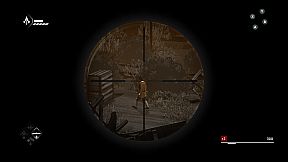
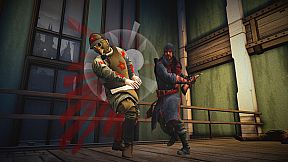
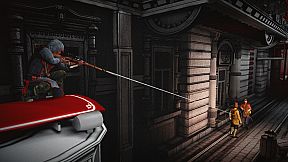
The core loop centers on stealth infiltration combined with targeted assassinations and light platforming. Levels unfold in a side-scrolling format that emphasizes vertical and horizontal movement through detailed environments. Players switch between Nikolaï and Anastasia to access different routes and abilities. Nikolaï relies on a silenced rifle for long-range takedowns, remote-detonated mines, close-quarters bayonet strikes, and a mechanical winch that delivers electric shocks to enemies or objects. Anastasia focuses on tighter spaces with her Helix Blade for precise strikes and silent traversal.
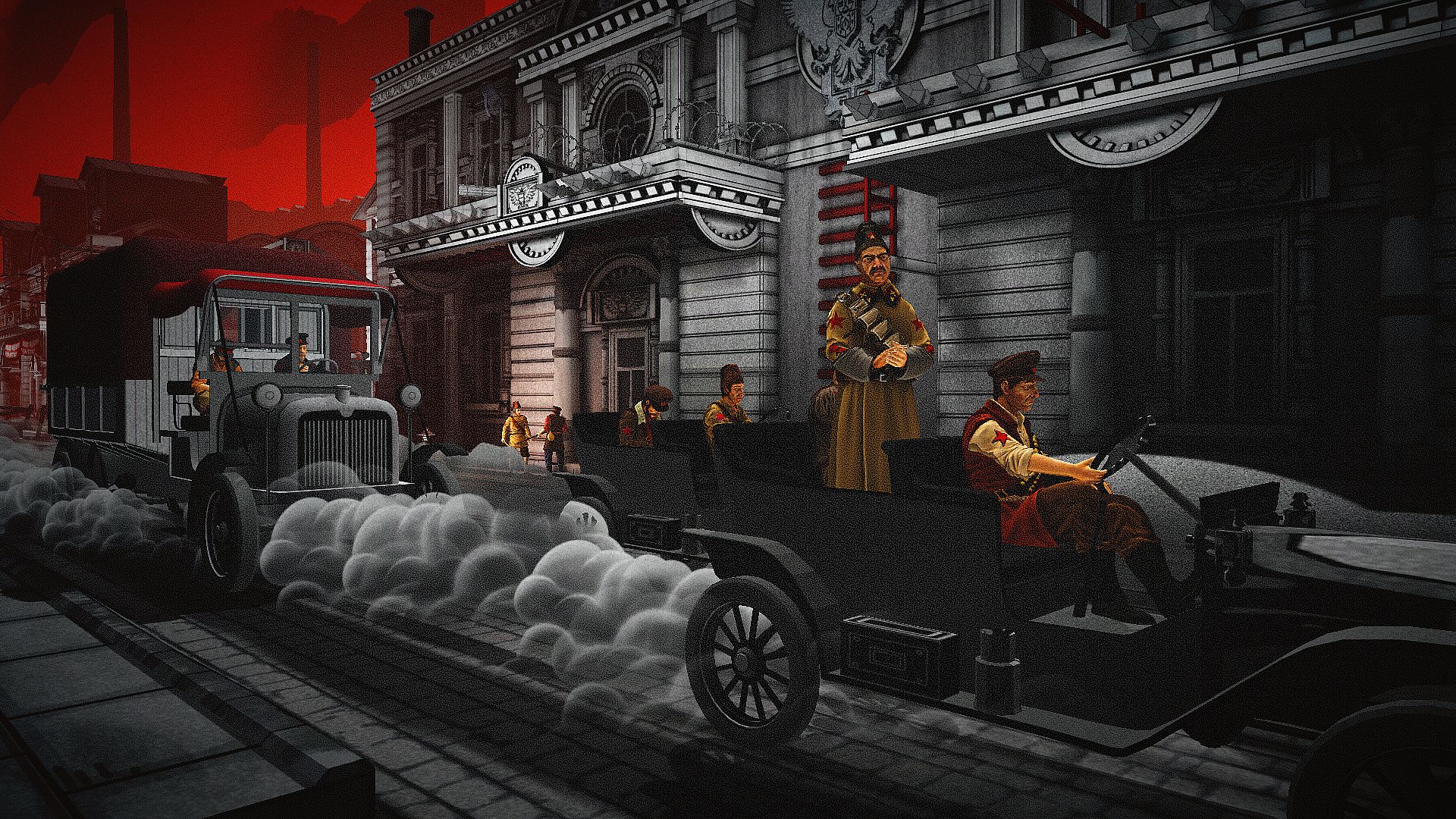
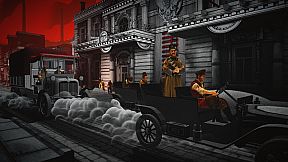
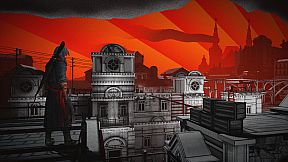
Stealth tools include interaction with period-appropriate elements such as elevators, radios, and tripwires. Vehicles like trucks, trains, and tanks appear as both obstacles and opportunities for cover or distraction. The art direction uses bold colors and symbolic imagery drawn from revolutionary posters to distinguish key areas and objectives. Progression follows a linear sequence of missions that include boarding the Trans-Siberian Railway, entering the Kremlin, and escaping Moscow amid the chaos of the revolution.
Game Modes
The game offers a single-player campaign structured around sequential story missions. Each mission presents a series of stealth and platforming challenges tied to historical locations and events. There are no separate multiplayer modes or additional game types beyond the main narrative experience. Difficulty arises primarily from timing-based platform sections and enemy placement that requires careful observation before acting.
Story and Setting
The narrative follows Nikolaï Orelov's personal quest for redemption against the backdrop of political upheaval. Anastasia serves as a second playable character whose abilities open alternate paths through restricted areas. The propaganda art style shapes both the visual identity and the thematic tone, highlighting revolutionary symbols and stark contrasts between factions and environments.
Is It Worth Playing?
Reception highlights strengths in the unique 2.5D presentation and character-switching mechanics while noting frustrations with repetitive level design and demanding platforming sequences. The experience suits players who enjoy methodical stealth in a compact, story-focused package rather than open-world exploration. Availability remains limited to the original PC release with no ongoing updates or additional content seasons. Those drawn to historical stealth gameplay in a stylized format may find value in completing the short campaign, though the platforming challenges can interrupt the flow for some.