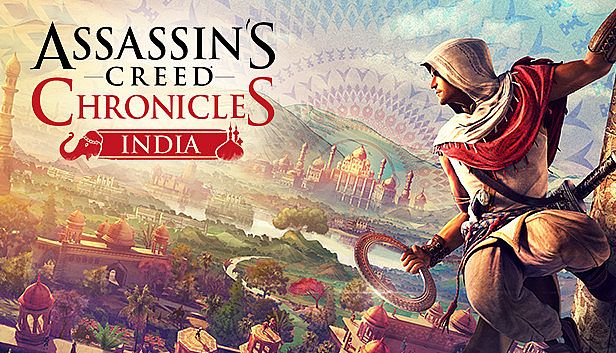
















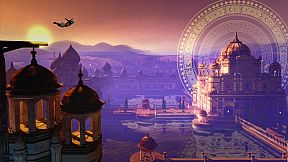
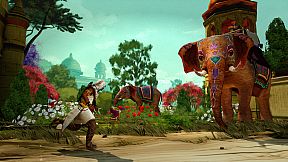
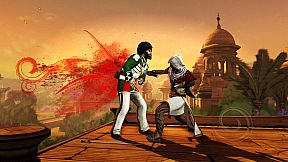
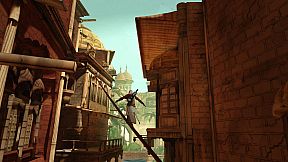
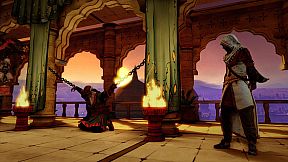
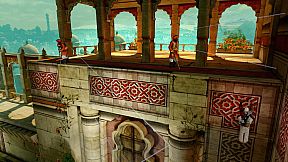
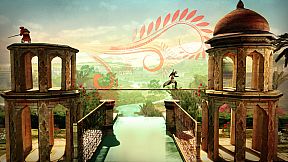
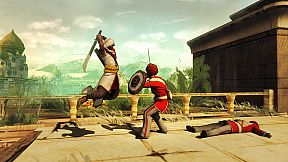
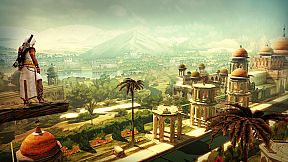
Assassin's Creed Chronicles: India is a 2.5D stealth action-adventure game set in 19th-century Colonial India. Players take control of Arbaaz, an Assassin pursuing retribution across vibrant city streets, palaces, and historic sites. The experience centers on stealth infiltration, precise platforming, and targeted combat rather than open-world exploration or large-scale battles.
Gameplay
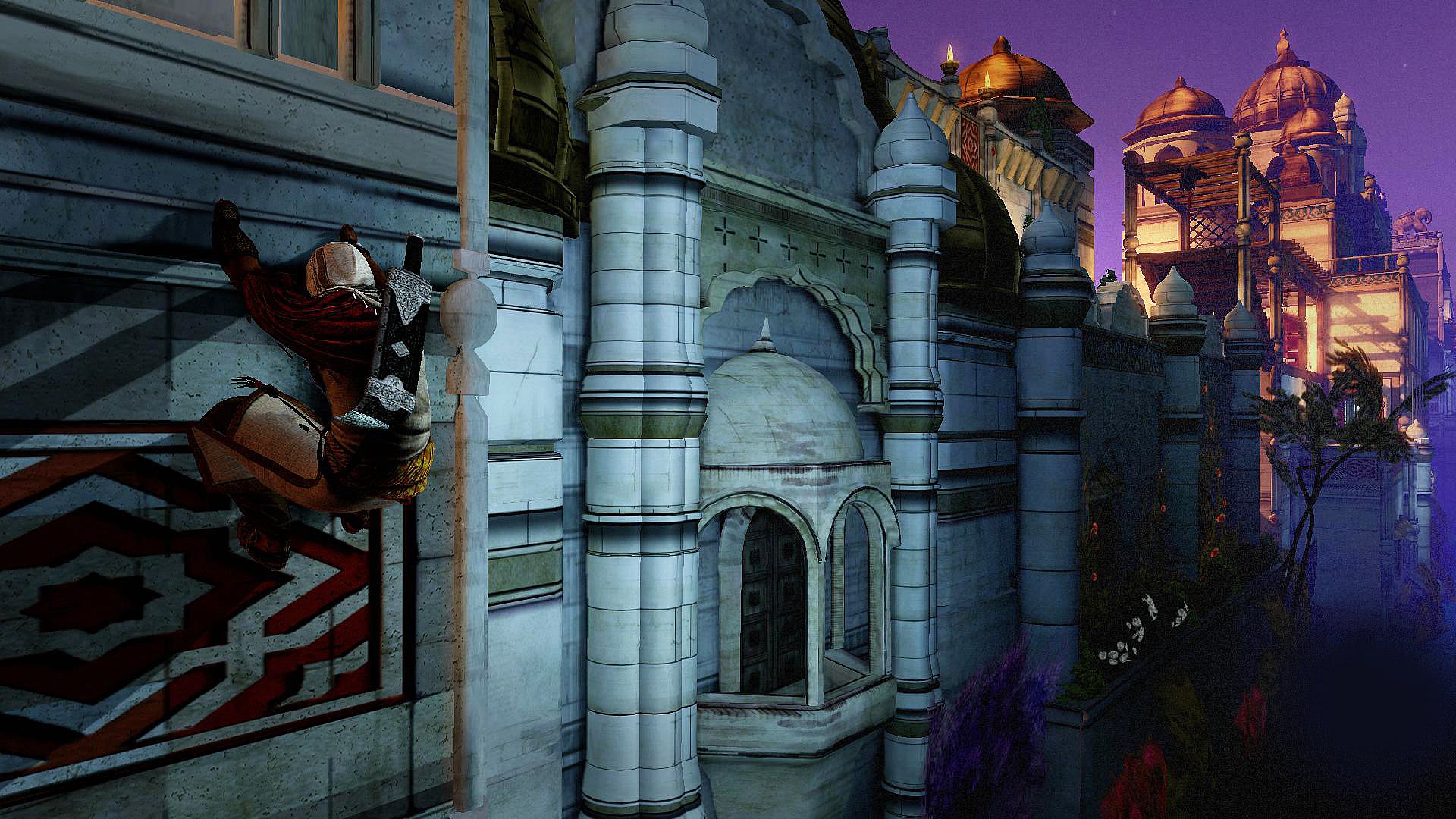
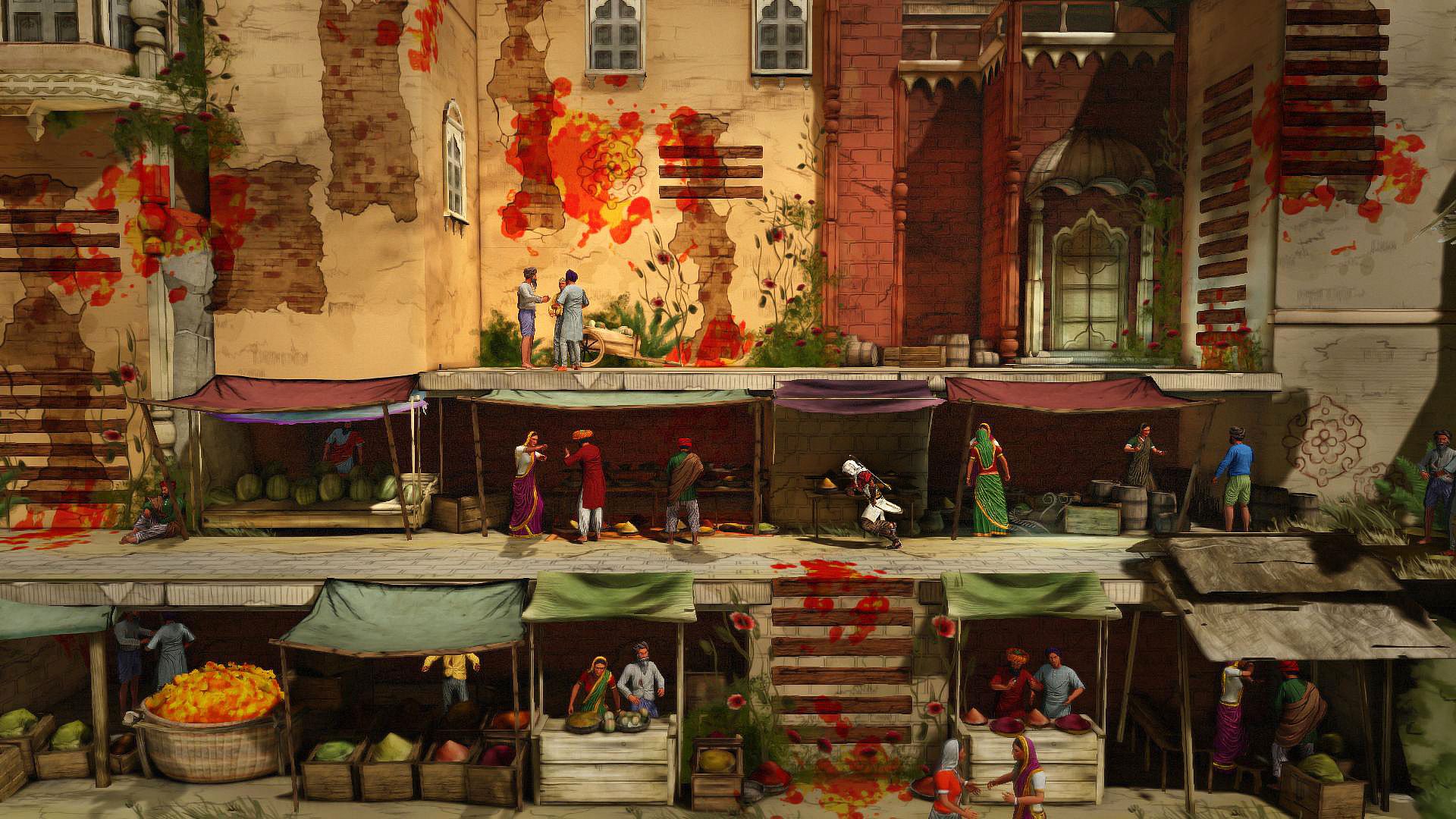
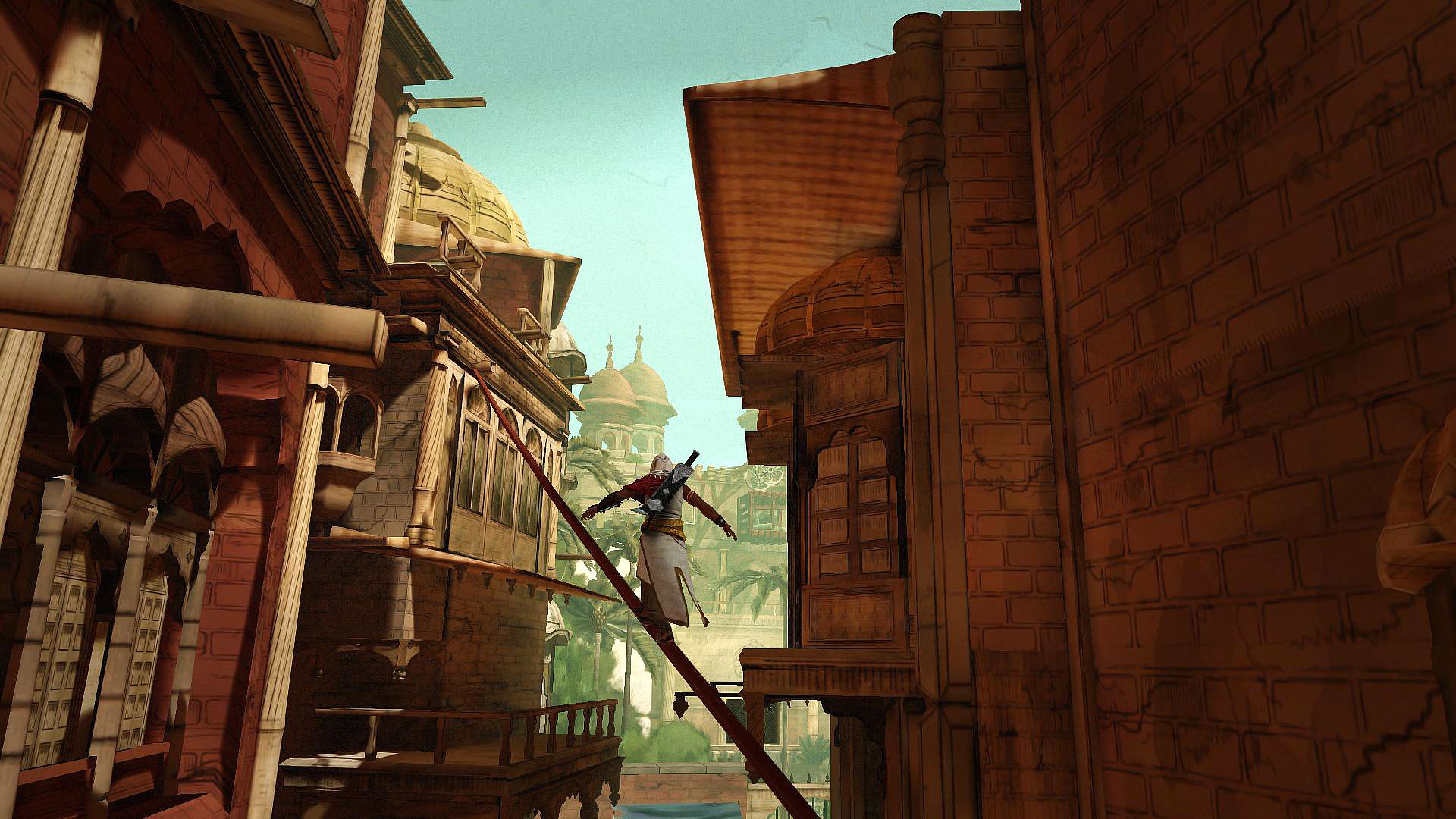
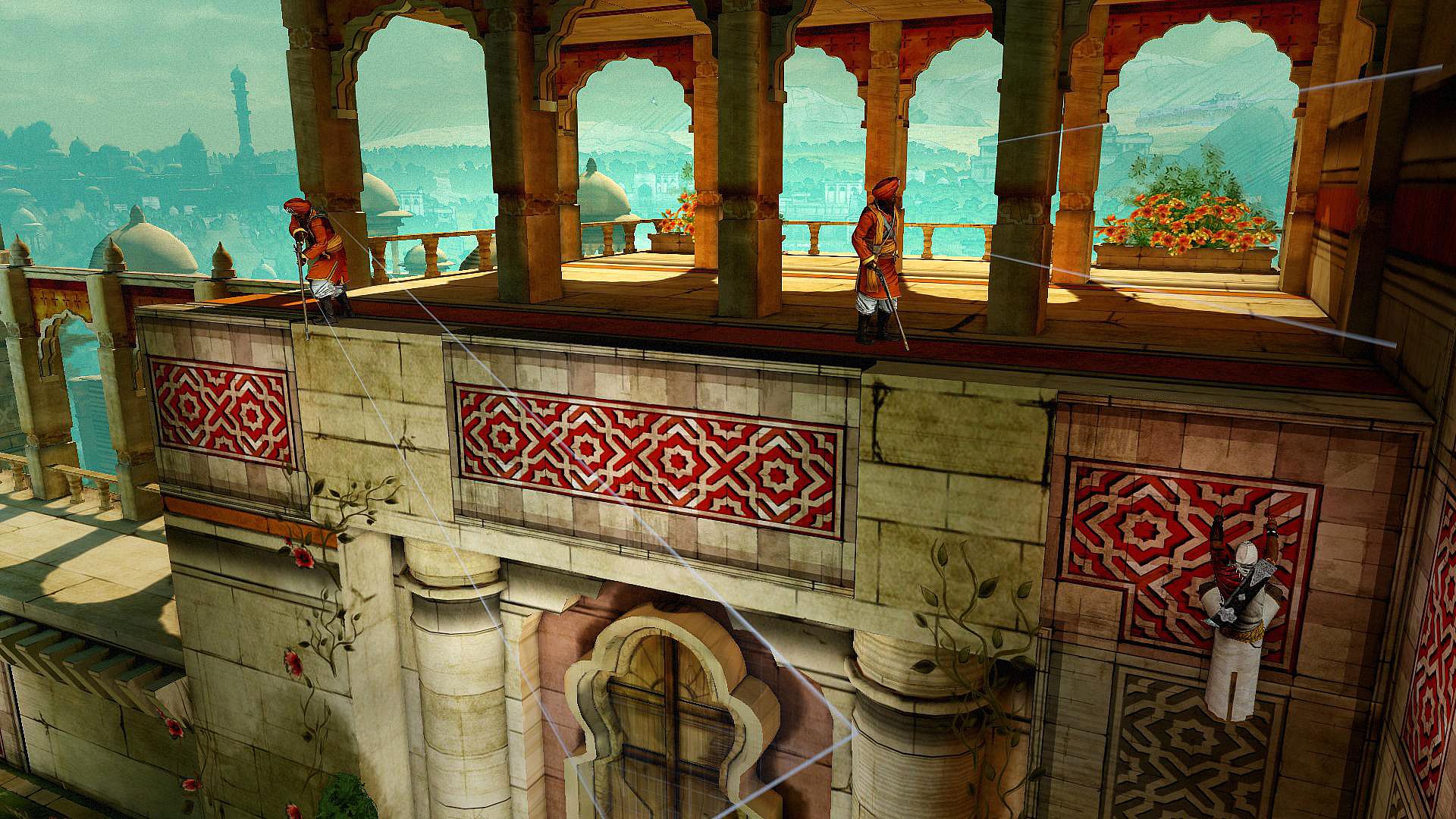
The core loop revolves around navigating linear levels with a mix of vertical and horizontal movement. Arbaaz can climb structures, zip-line between rooftops, and hide in shadows to avoid detection. Environmental interaction plays a key role, as players can destroy objects in bazaars and squares to create distractions or escape routes during pursuits.
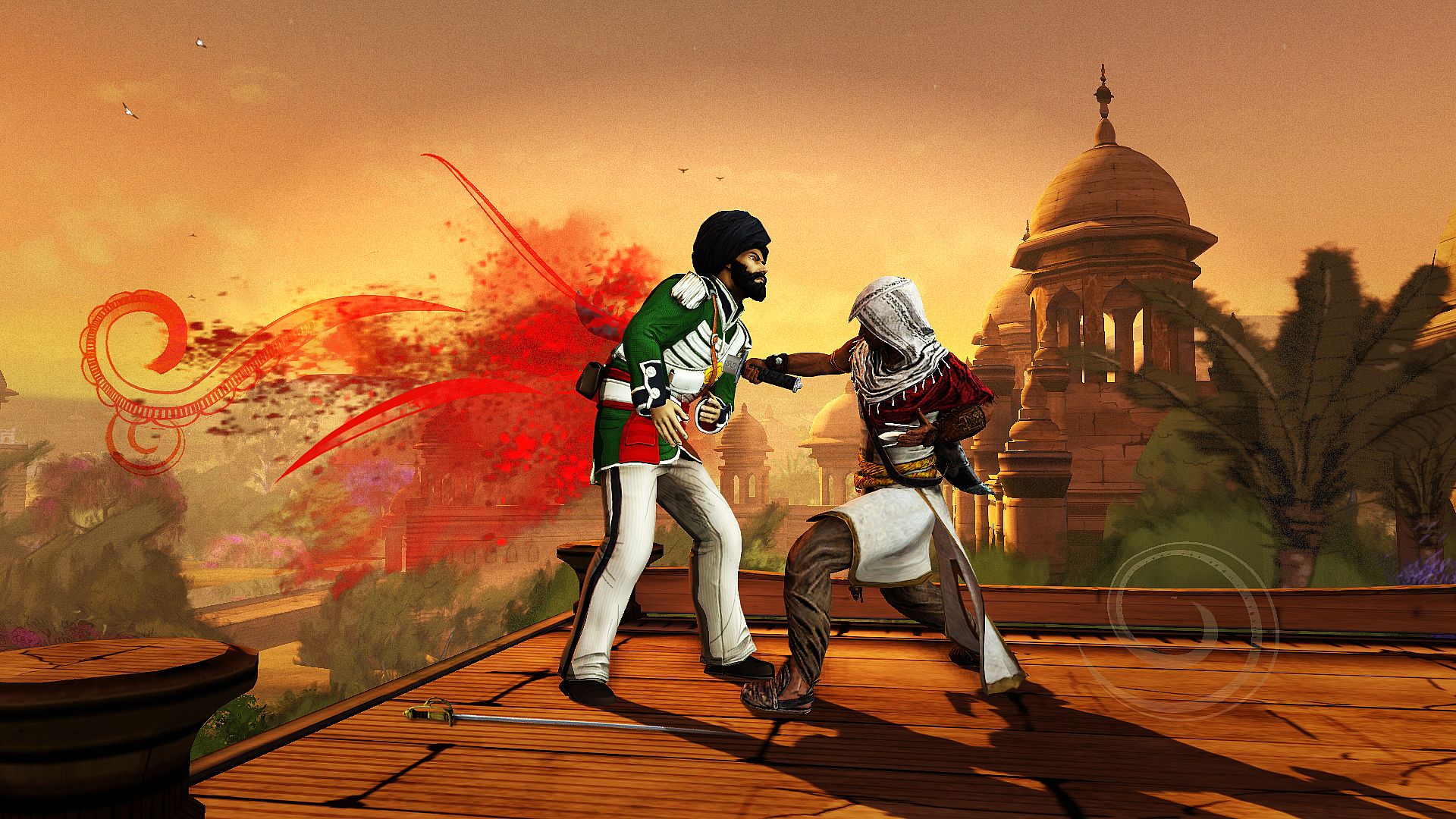
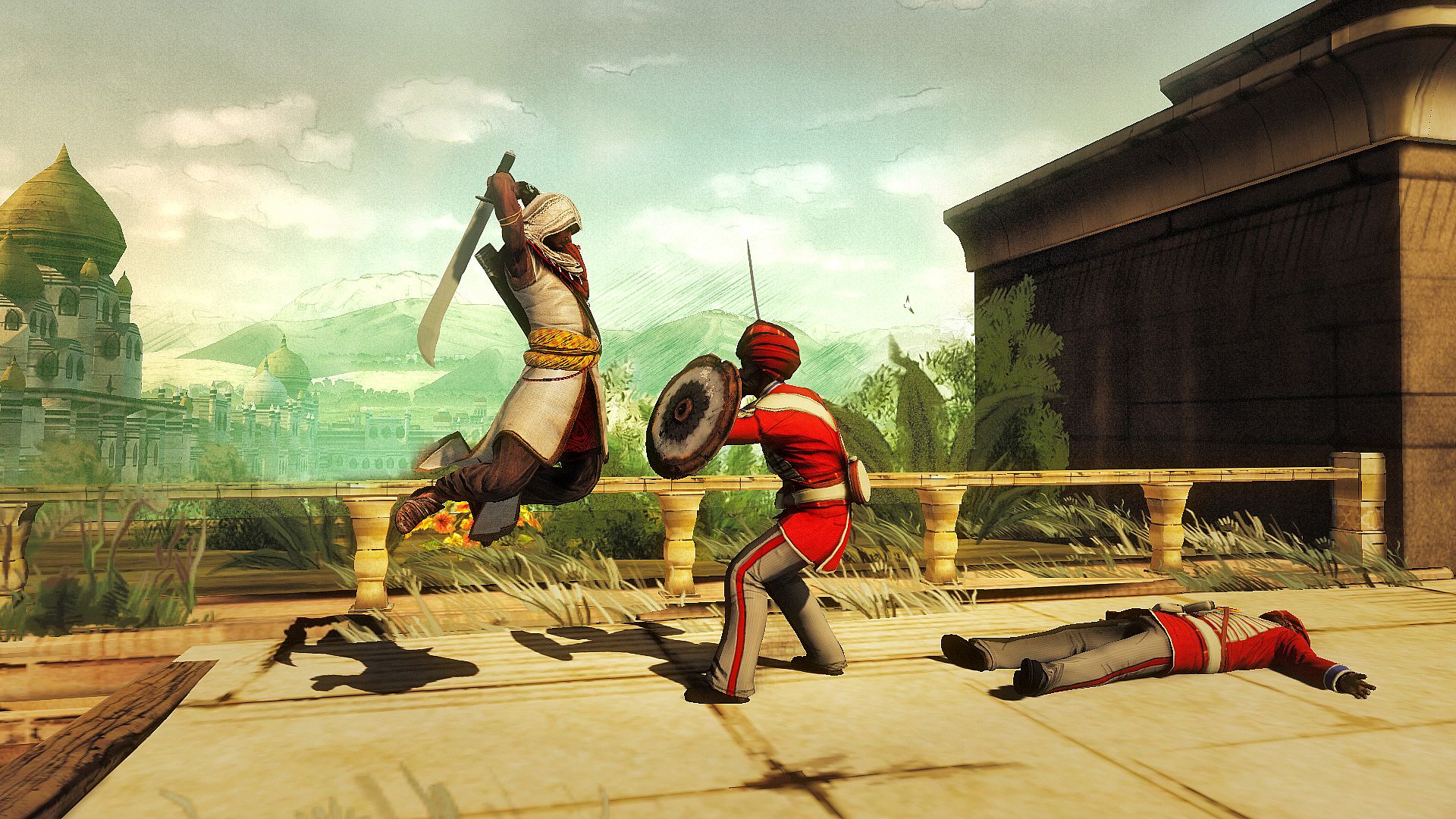
Combat emphasizes efficiency and positioning. The talwar serves as the primary melee weapon for close encounters, while the chakram functions as a throwable tool for ranged attacks and environmental manipulation. Specific techniques include the double kill move for eliminating two targets simultaneously, the helix strike for powerful single strikes, and silent takedowns to maintain stealth. Disguise options allow temporary blending with crowds or guards, and looting provides resources for progression.
Platforming sections increase in complexity over time, requiring timing and agility to cross gaps, scale walls, and traverse destructible areas without alerting enemies. The 2.5D perspective limits visibility to side-scrolling planes, which influences line-of-sight mechanics and encourages careful positioning before each action.
Game Modes
The primary experience consists of a sequence of story-driven missions that advance Arbaaz's objectives through infiltration, artifact collection, and assassination targets. These levels incorporate both stealth and combat elements, with objectives that often require avoiding direct confrontation until necessary.
Challenge mode unlocks separate rooms focused on obstacle courses and timed sequences. Players navigate complex layouts to achieve high scores, complete special contracts, and perform assassinations under restrictions. Success in these rooms rewards artifacts and encourages repeated attempts to refine routes and ability use.
New Game Plus variants become available after the initial playthrough. These modes increase difficulty and alter enemy placement or objective parameters, providing additional replay value without changing the fundamental 2.5D structure.
Visual Style and Setting
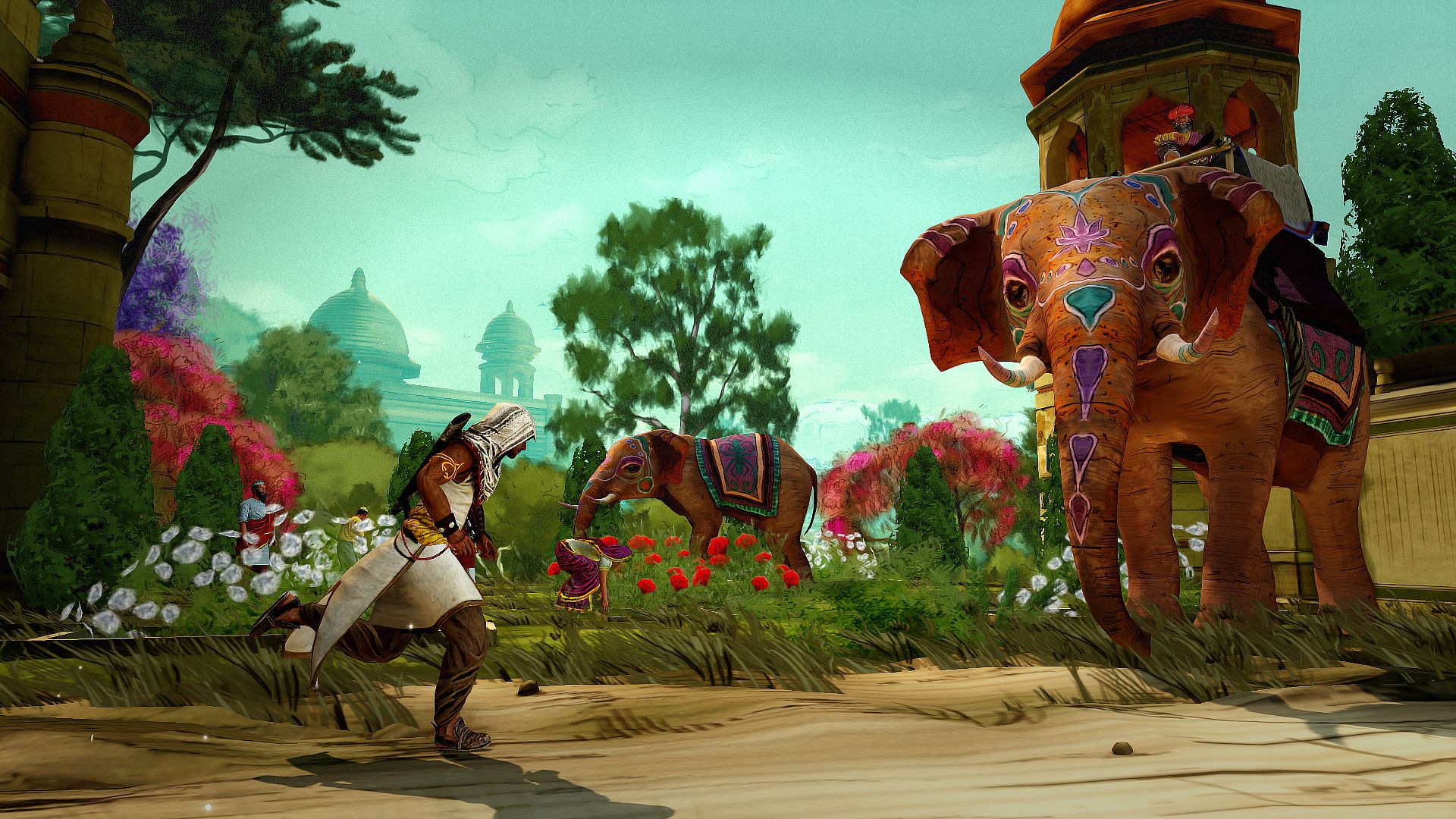
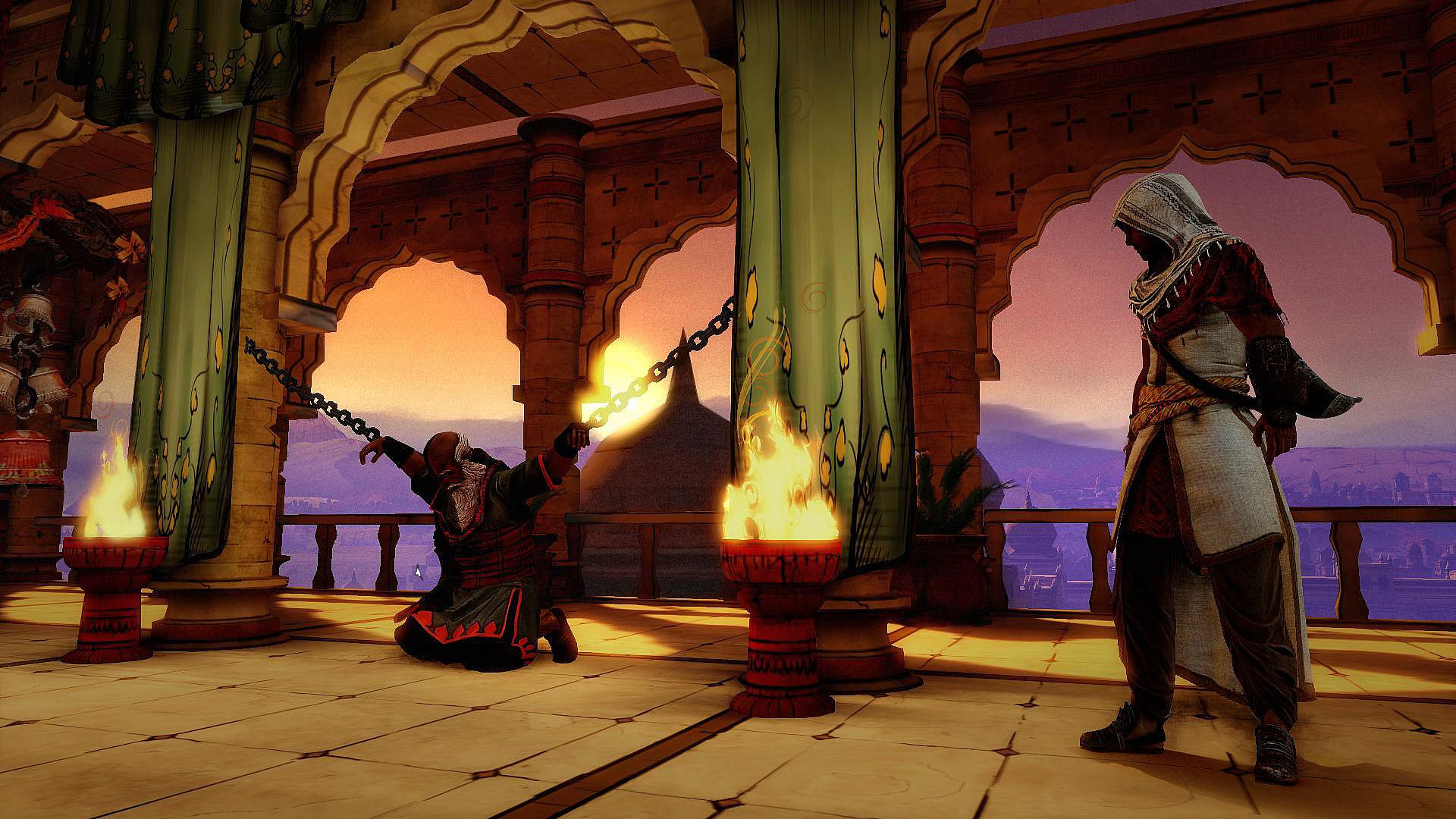
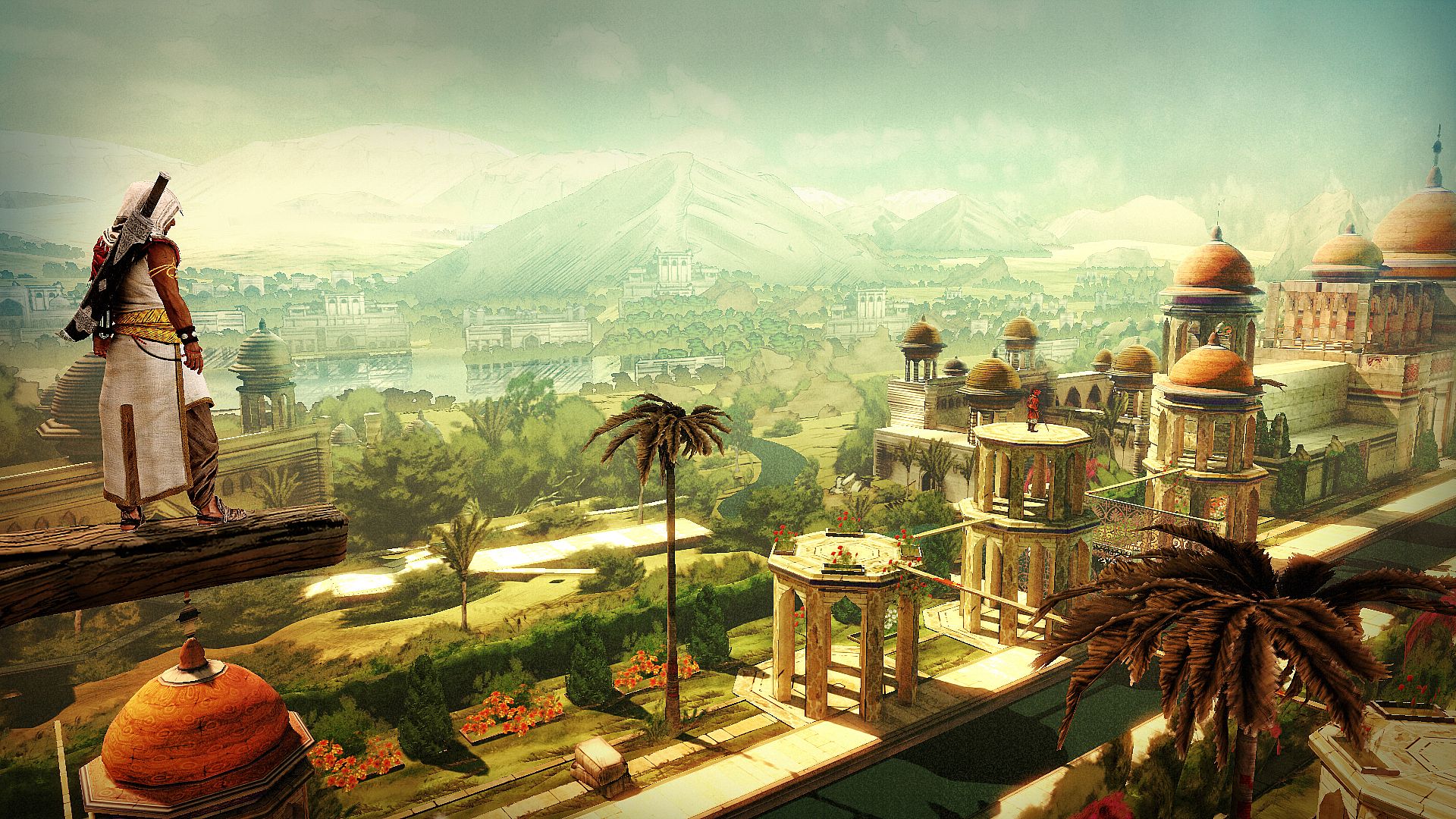
Levels depict Colonial India through a bright color palette that highlights landmarks and urban environments. Amritsar streets, palace interiors, and bazaars serve as backdrops for movement and combat. The art direction prioritizes clarity in the 2.5D plane, making platforms and hiding spots visually distinct while maintaining a stylized rather than realistic appearance.
Progression ties into historical references, including paths linked to ancient figures, though the narrative remains focused on Arbaaz's personal quest rather than broad historical simulation.
Is It Worth Playing?
Player reception on Steam stands at mixed overall, with 65 percent positive reviews from over one thousand submissions. Recent reviews trend more positive in small samples. The game suits individuals who prefer contained 2.5D stealth platformers with precise movement and ability-based problem solving.
Those drawn to linear mission structures and incremental skill challenges will find consistent pacing across the campaign and challenge rooms. Frustration can arise from instant-fail conditions or repetitive trailing sequences in certain missions, which some players cite as drawbacks. No ongoing updates or seasonal content exist, so the title remains in its original 2016 state with all features available from launch.
Availability on PC makes it accessible for short sessions or completionist runs focused on artifacts and high scores. It appeals most to fans of side-scrolling action-adventure games who value visual variety and weapon variety over expansive worlds or multiplayer elements.