

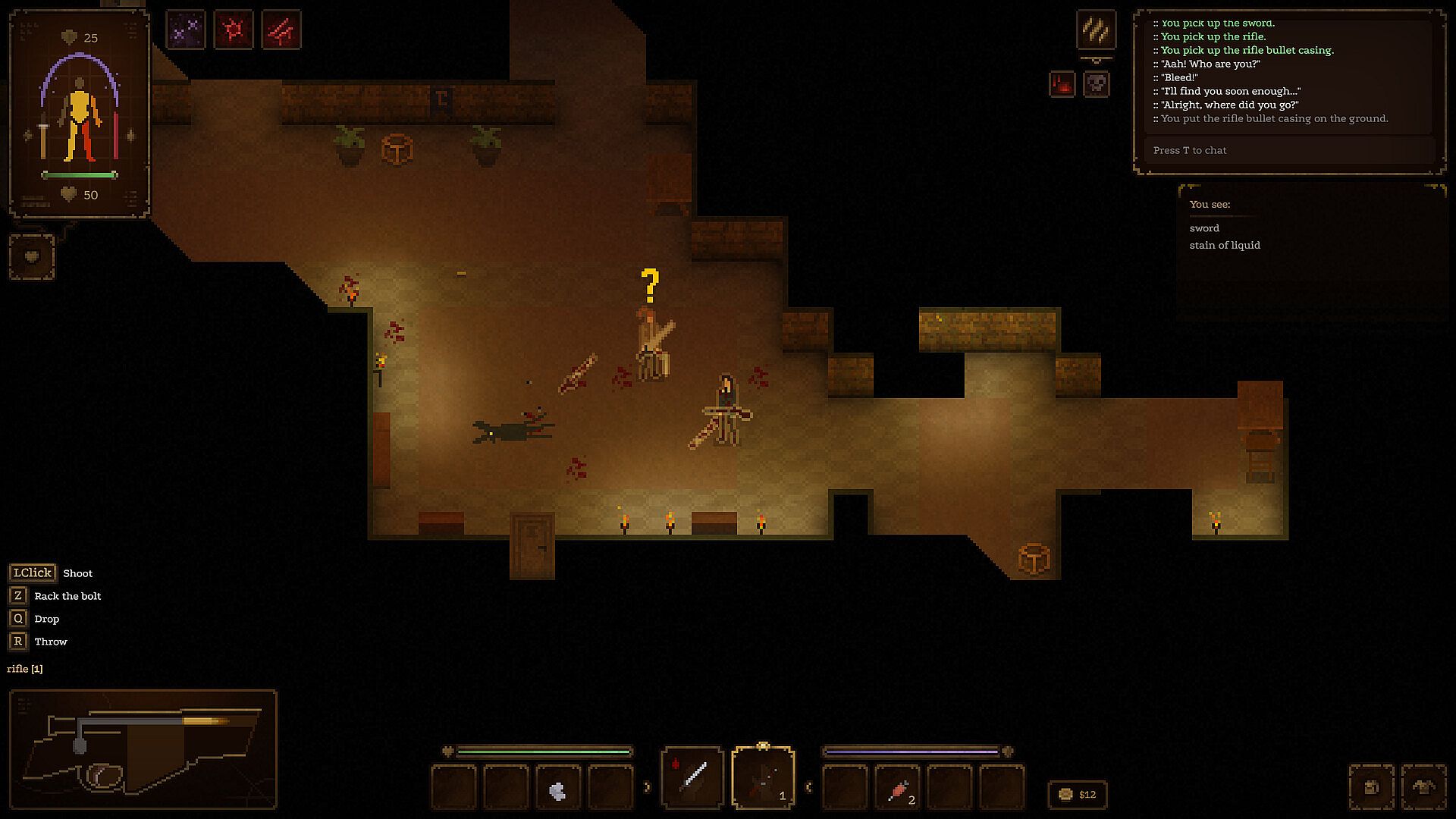
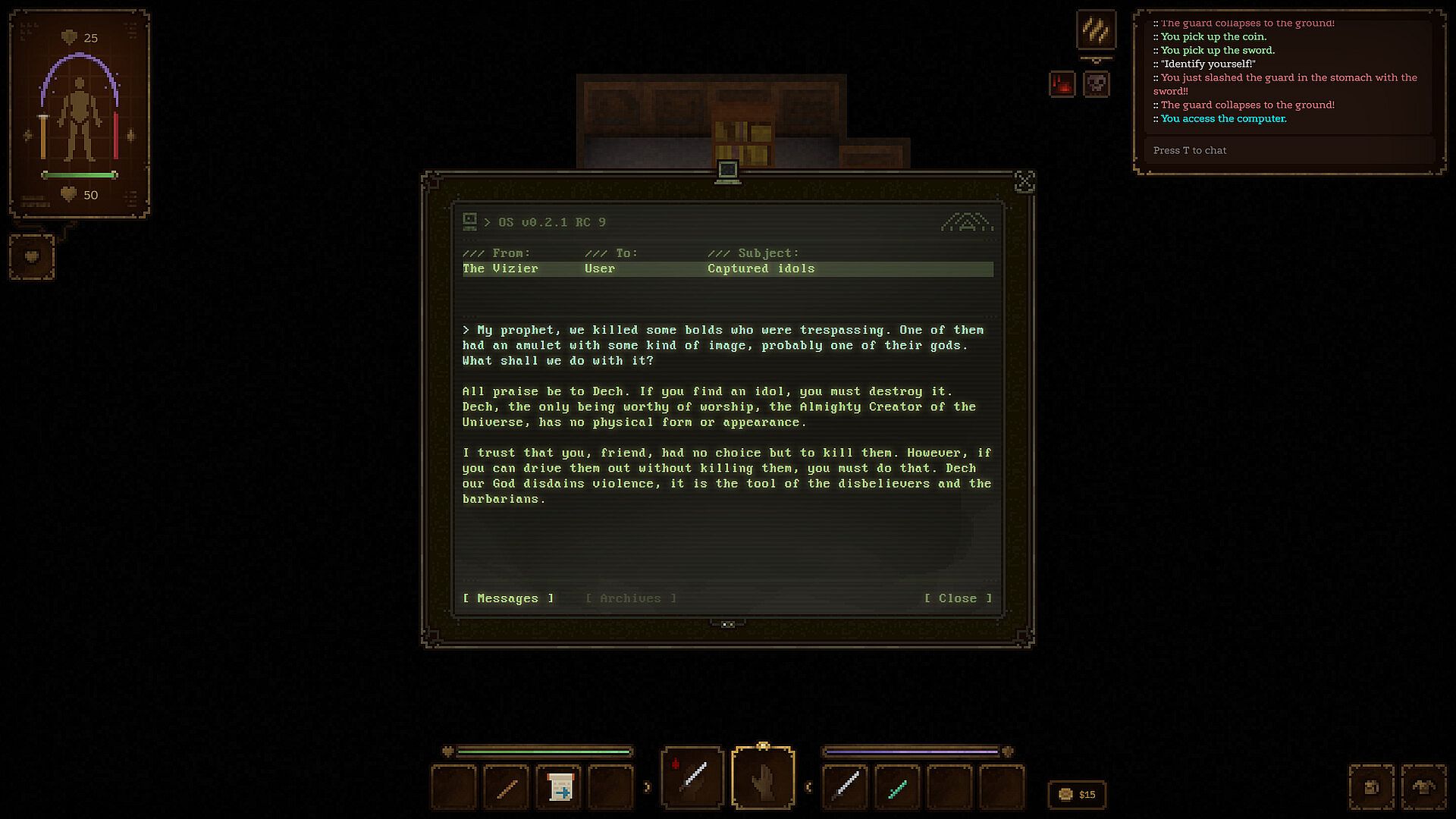
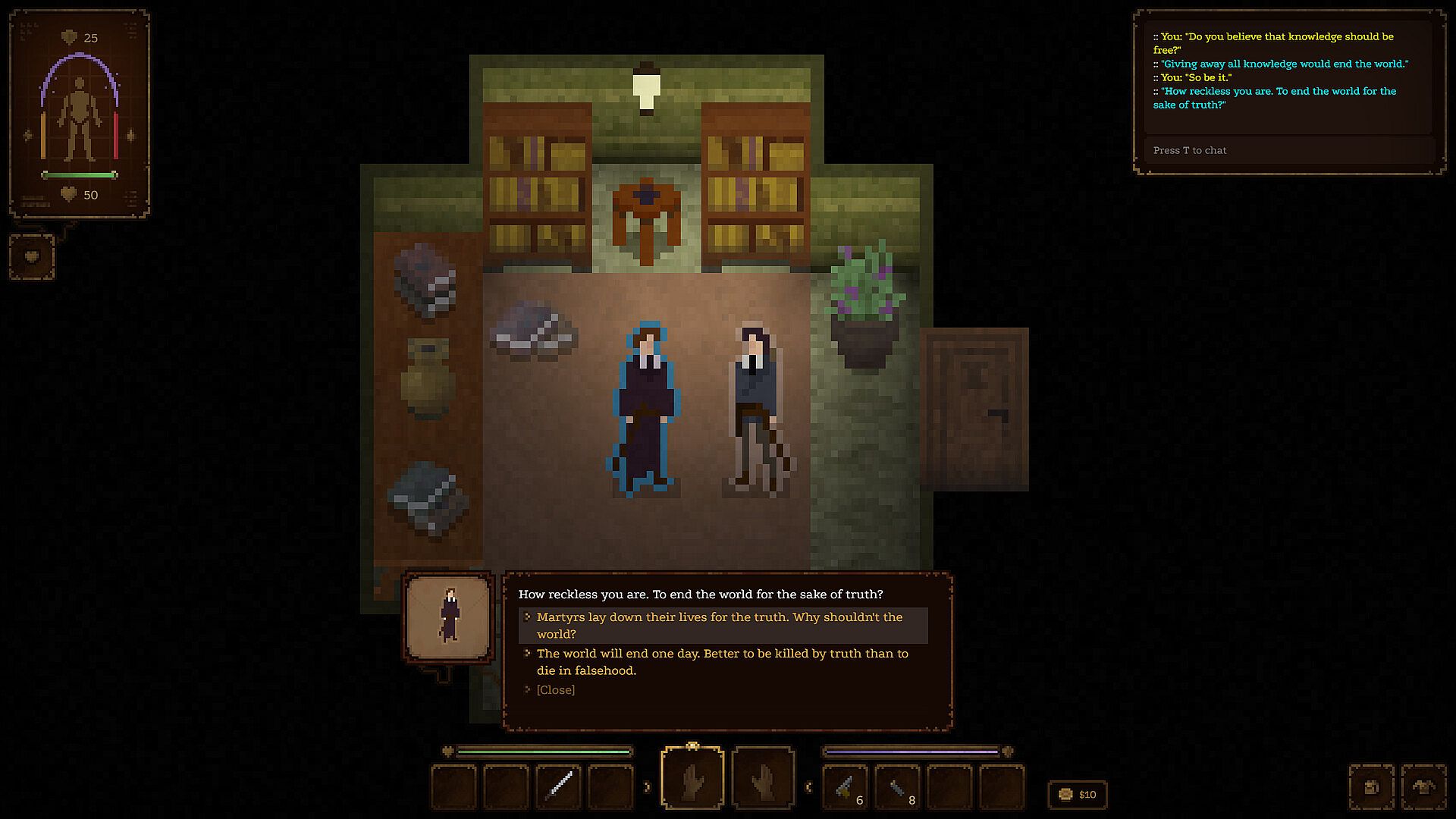
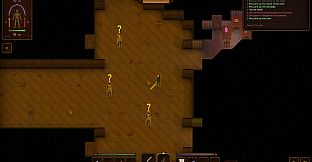
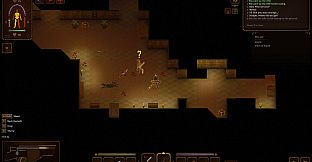
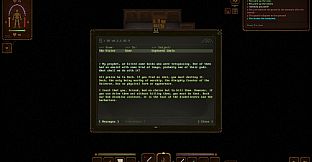
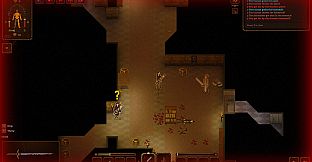
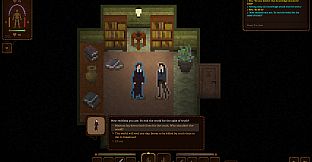
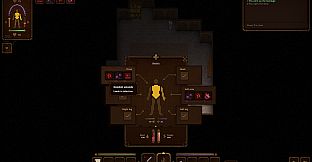
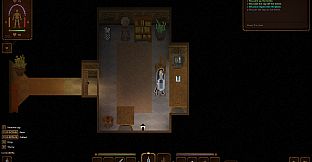
Arcfate is a tile-based action roguelike simulation game for PC that places heavy emphasis on player improvisation within a detailed, reactive environment. Players navigate a dark world by interacting with nearly every object, from furniture to firearms, while managing injuries and environmental hazards that follow consistent physical rules.
Gameplay
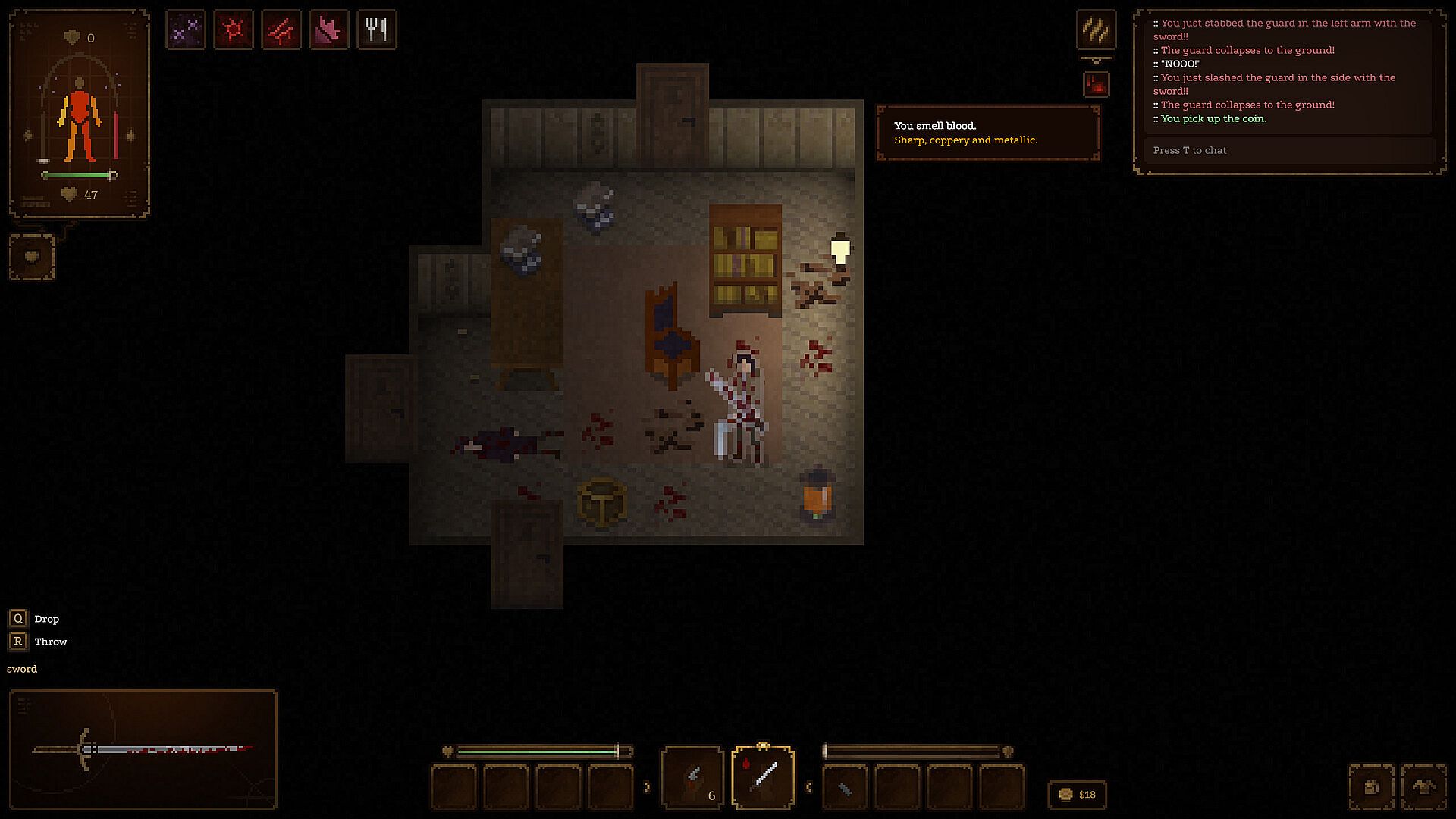
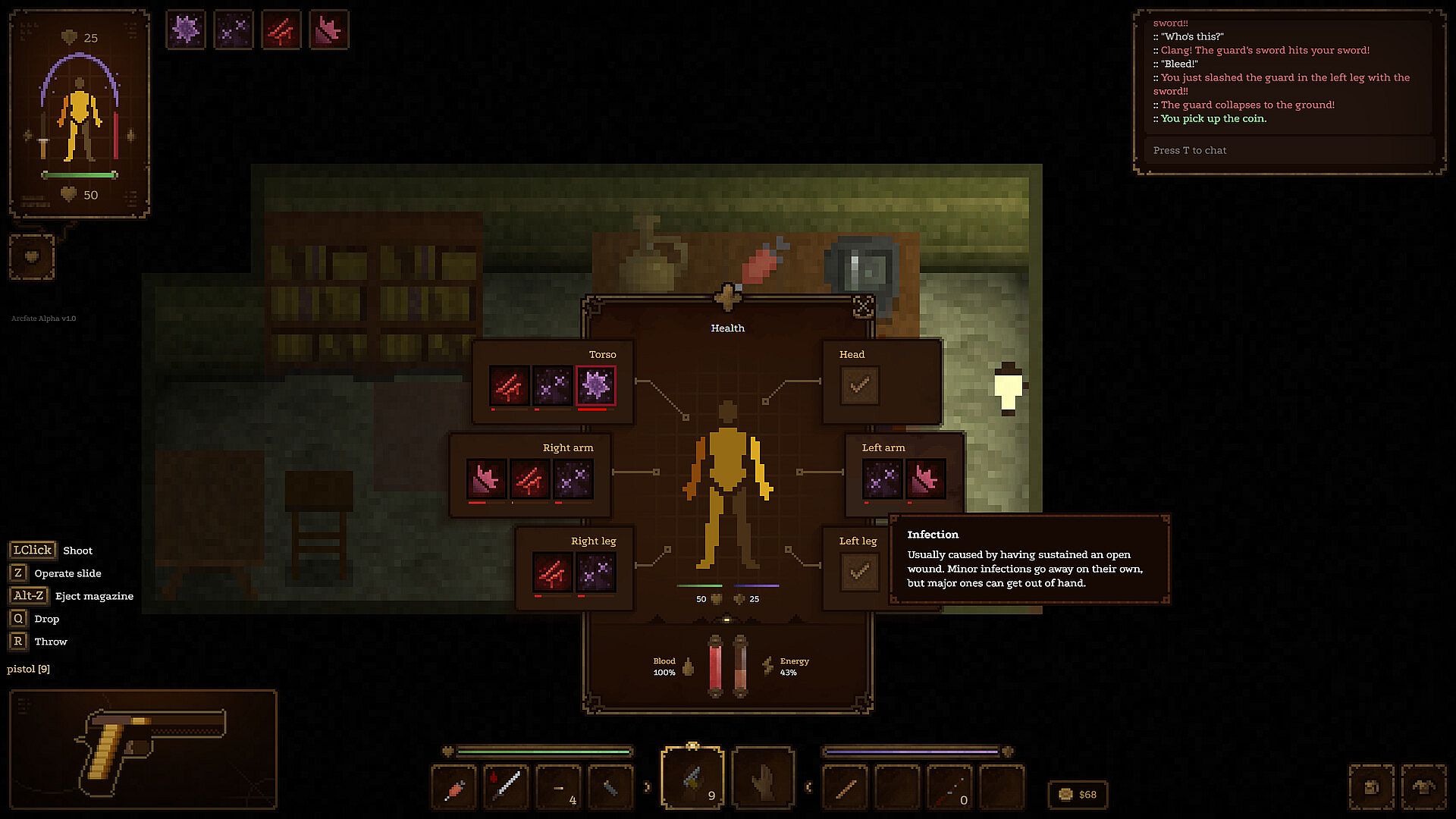
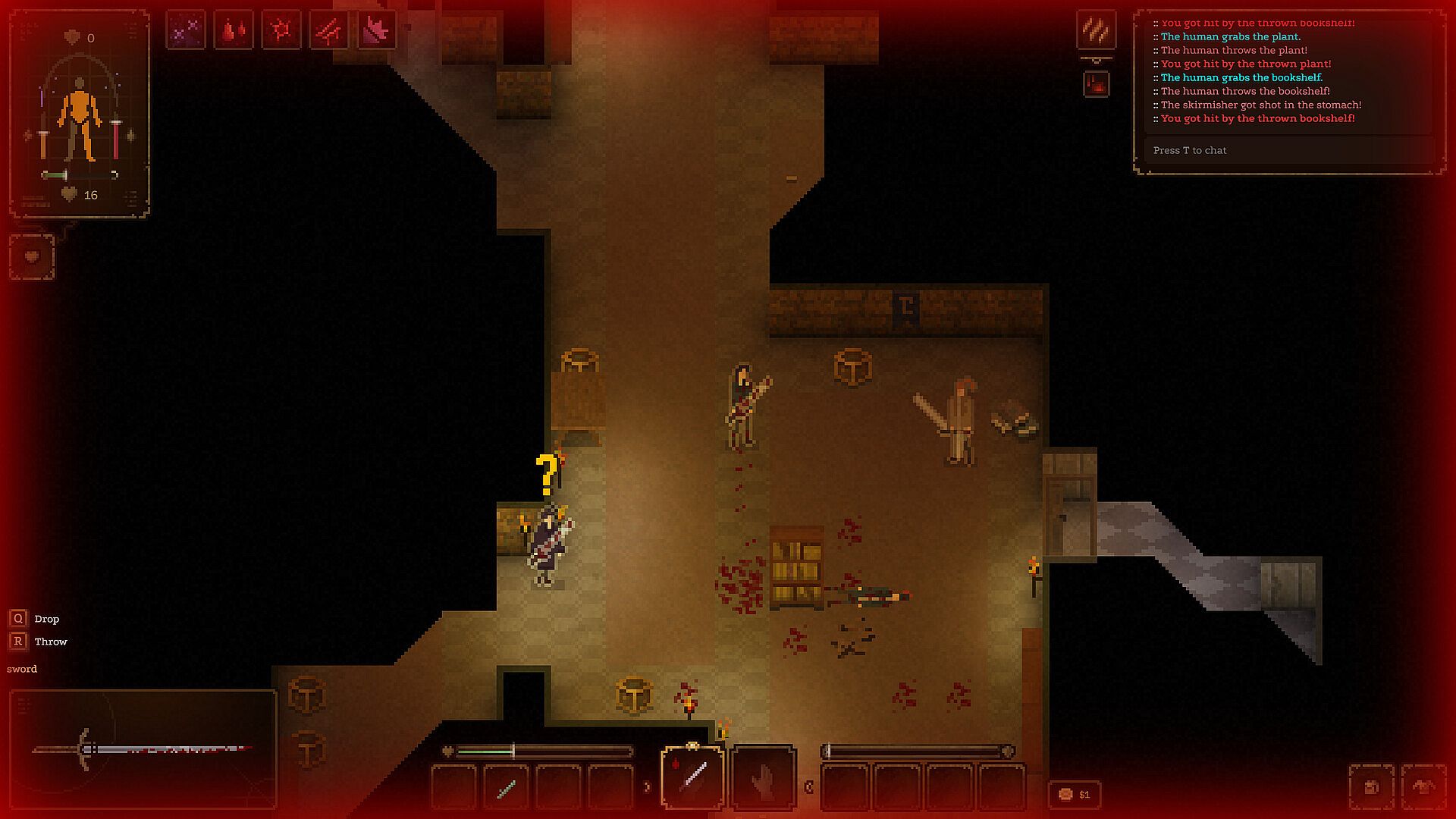
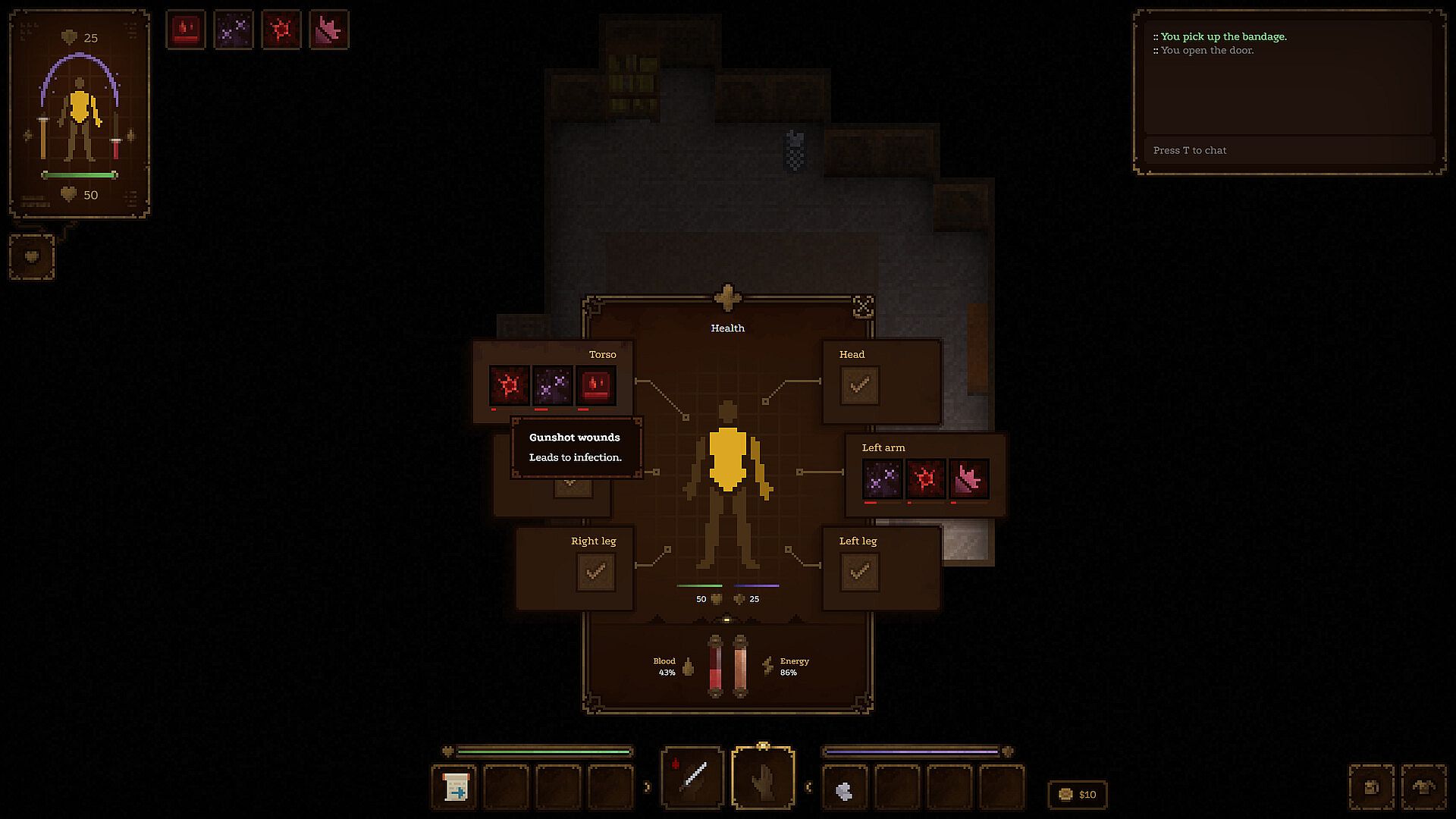
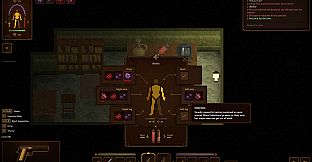
The core loop revolves around exploration and survival where every action carries tangible consequences. Injuries target specific body parts and require treatment to prevent infection or blood loss, including internal bleeding that demands careful attention. Combat supports eight-directional movement and positioning, allowing ranged weapons to demand chess-like foresight while melee remains viable against armed foes.
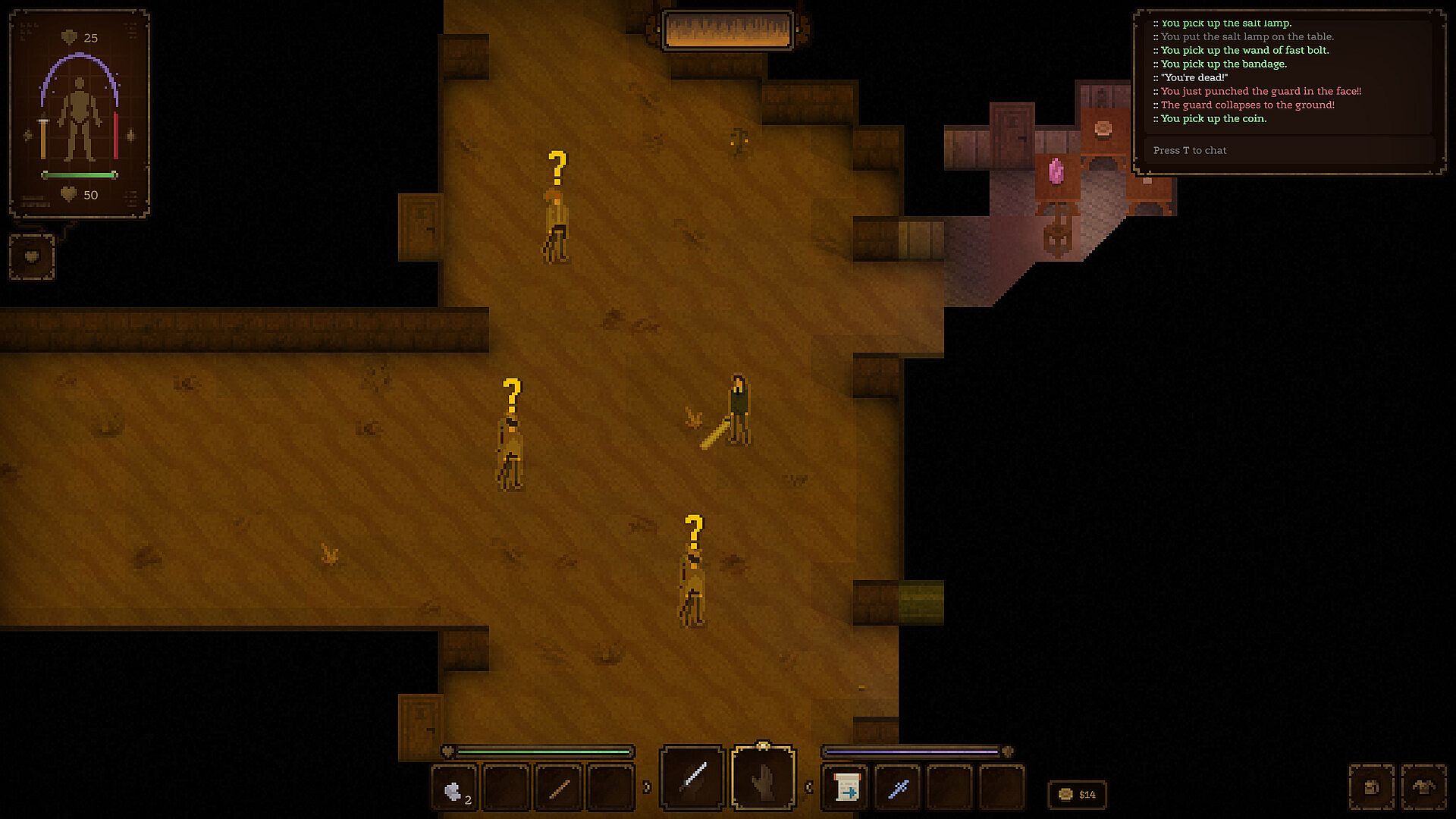
Firearms operate with simulated mechanics, including manual bolt operation on rifles, slide pulls on pistols, magazine insertion and ejection, and cylinder rotation on revolvers. Players can throw any loose item, swing improvised weapons, block passages with furniture, ignite surfaces, or cast spells as situations arise. Real-time lighting and shadowcasting influence visibility and tactics throughout each run.
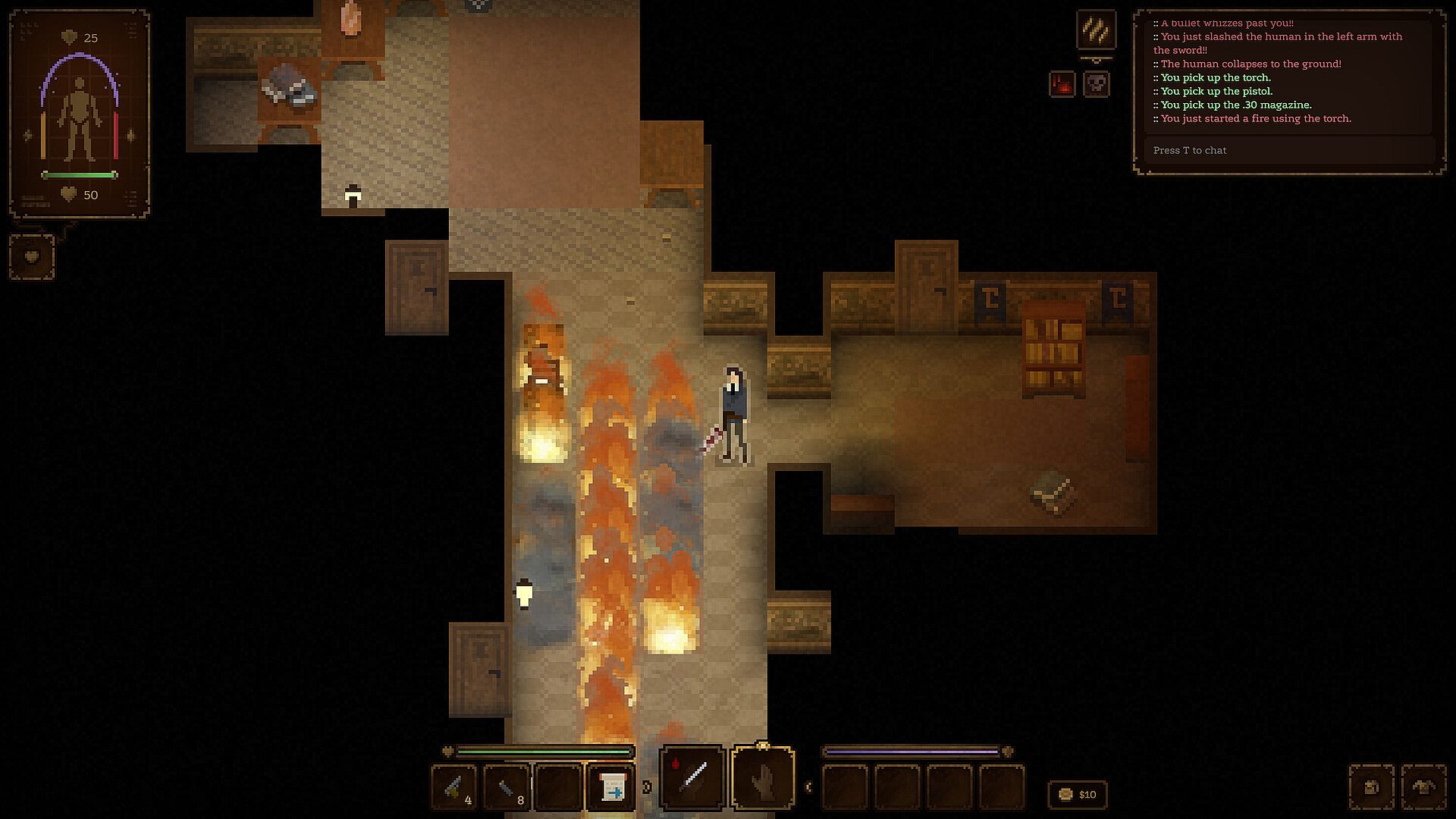
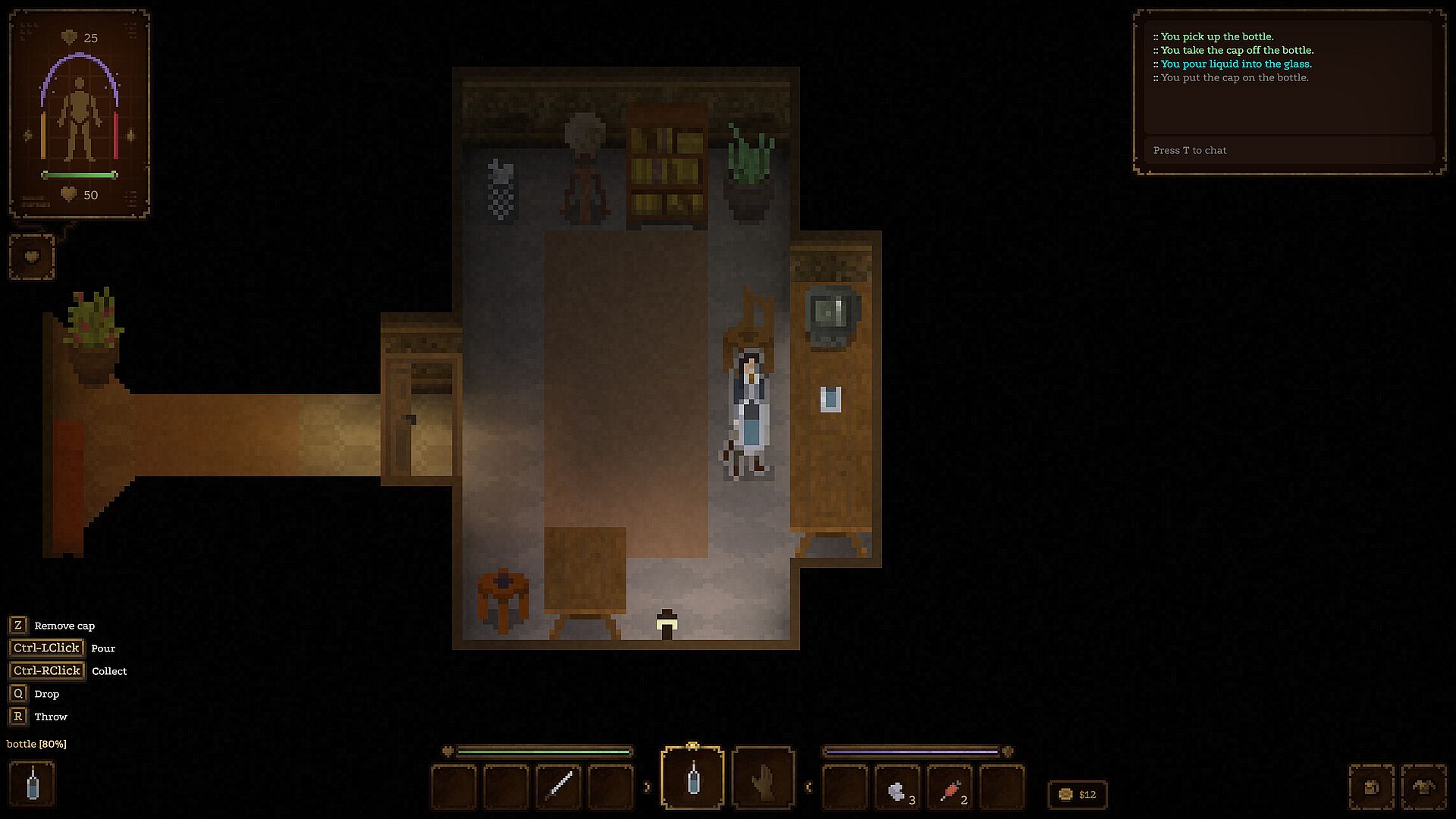
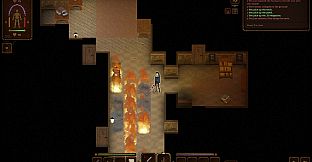
The world responds believably to interventions. Striking walls chips sword blades, while blood and stains transfer between clothing, weapons, and surfaces. Liquids pour between containers, fires spread with accompanying smoke volume, and odors provide sensory details about the surroundings. Non-lethal incapacitation options exist alongside lethal ones, and opponents react with the same tools, retreating, grabbing items, or surrendering when outmatched.
Game Modes
Arcfate centers on roguelike runs that reward creative problem-solving and adaptation across procedurally influenced spaces. The simulation framework supports repeated attempts where prior knowledge of mechanics improves outcomes without removing the need for on-the-spot decisions.
Modding tools built into the accompanying engine allow custom content creation, while multiplayer support enables shared sessions on dedicated servers. These features expand the base experience into community-driven variations without altering the fundamental emphasis on tangible interactions and reactive opponents.
World Interaction and Systems
Objects remain movable unless fixed in place, enabling players to rearrange environments for cover, traps, or pathways. Clothing and equipment accumulate dirt from blood or other substances, which can then transfer during cleaning attempts. Gas and particle effects add layers to fire and smoke behavior, creating hazards that persist and spread according to volume and placement.
Enemies operate under identical constraints, picking up dropped weapons or using the same improvised tactics. This parity encourages thoughtful approaches rather than brute force, as opponents may adapt or yield based on the unfolding situation.
Development and Engine
Two developers built Arcfate on a custom engine designed for top-down tile-based simulations. The engine incorporates an entity component system, hot reloading for rapid iteration, particle effects, and frameworks for reactive NPC behavior. Infinite world support and netcode controls facilitate both single-player depth and multiplayer extensions.
Development began with the engine in late 2022, prioritizing consistent pixel art and high agency through intuitive controls. The focus remains on believable responses to player actions, such as cork removal from bottles or blade degradation from repeated impacts.
Is It Worth Playing?
Arcfate suits players drawn to intricate simulation layers and tactical freedom where environmental manipulation drives outcomes. Those familiar with detailed systems in games like Dwarf Fortress or Space Station 13 will find familiar appeal in the medical tracking, fluid dynamics, and opponent parity.
The emphasis on improvisation over scripted sequences rewards experimentation across multiple attempts. Modding and multiplayer options further extend longevity for users interested in creating or joining custom scenarios. Availability on PC makes it accessible for those seeking a niche roguelike experience built around consistent physical and sensory rules rather than traditional progression systems.