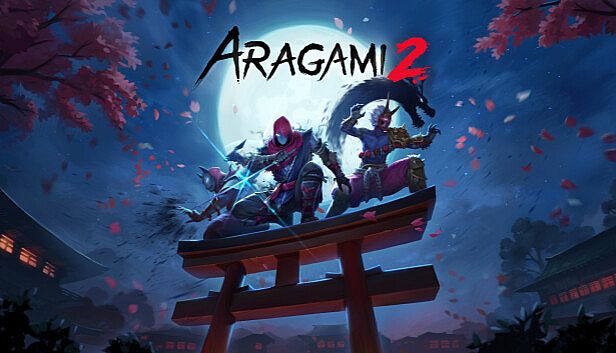


















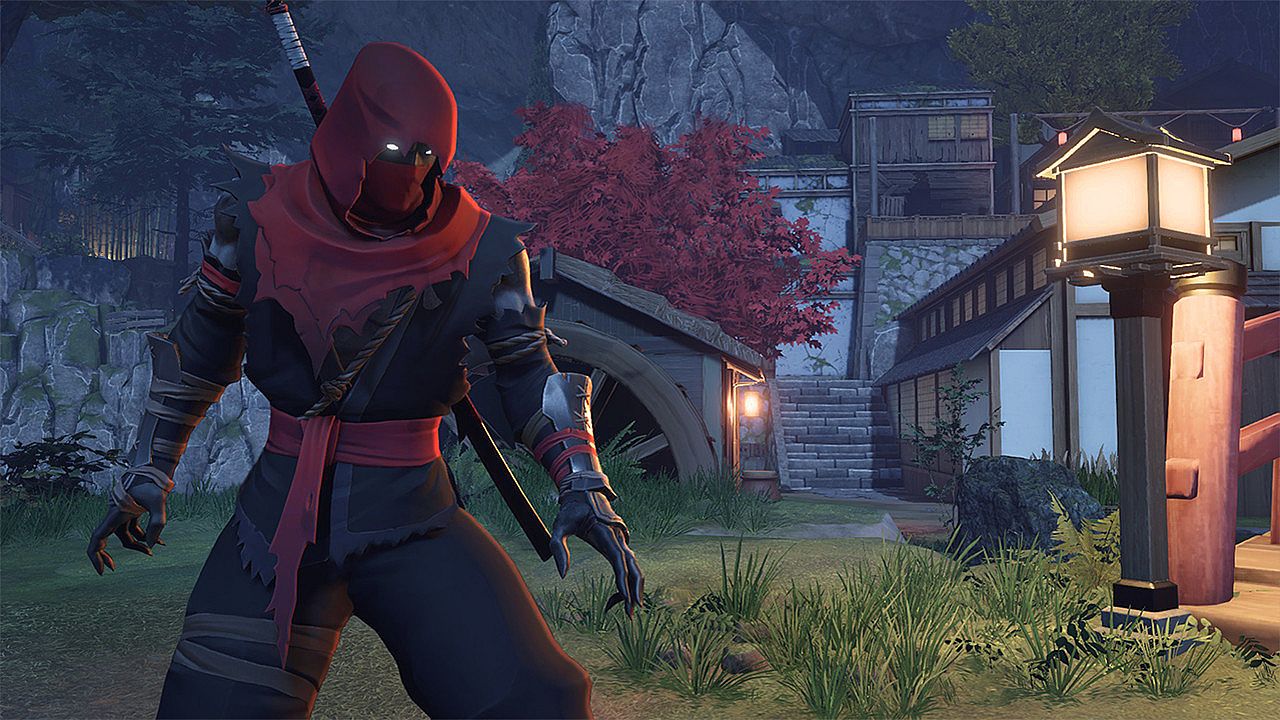
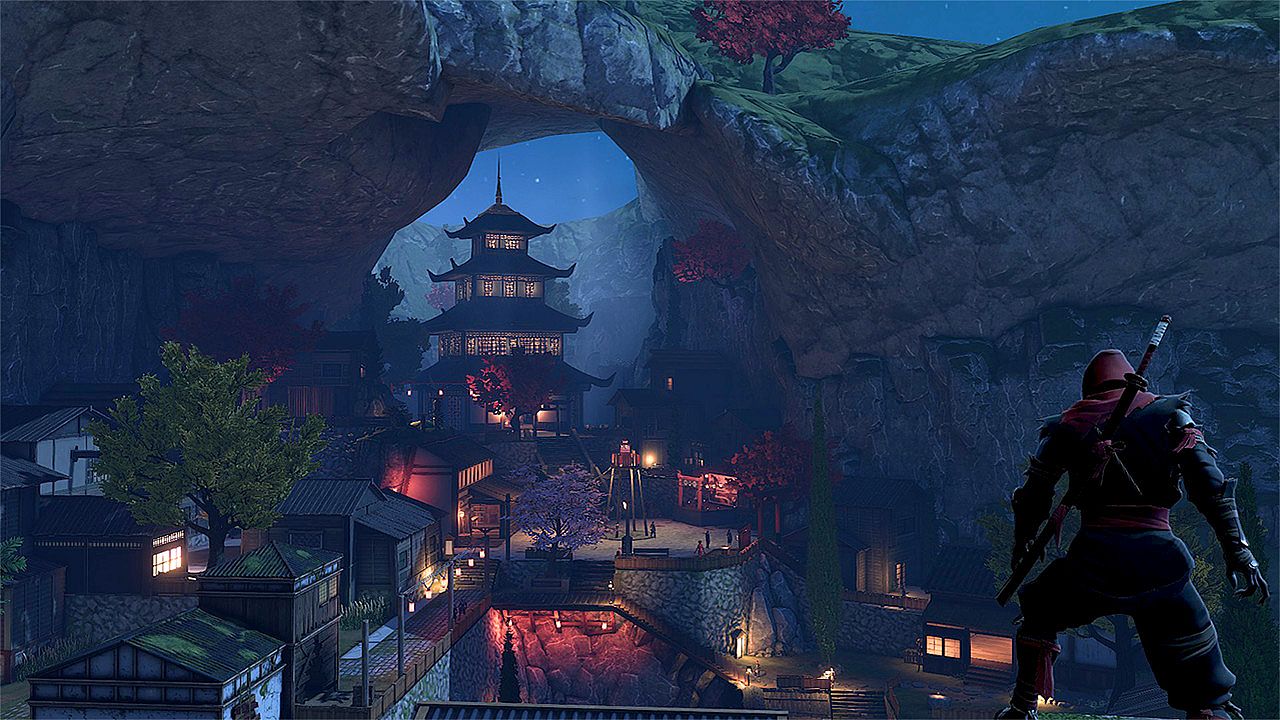

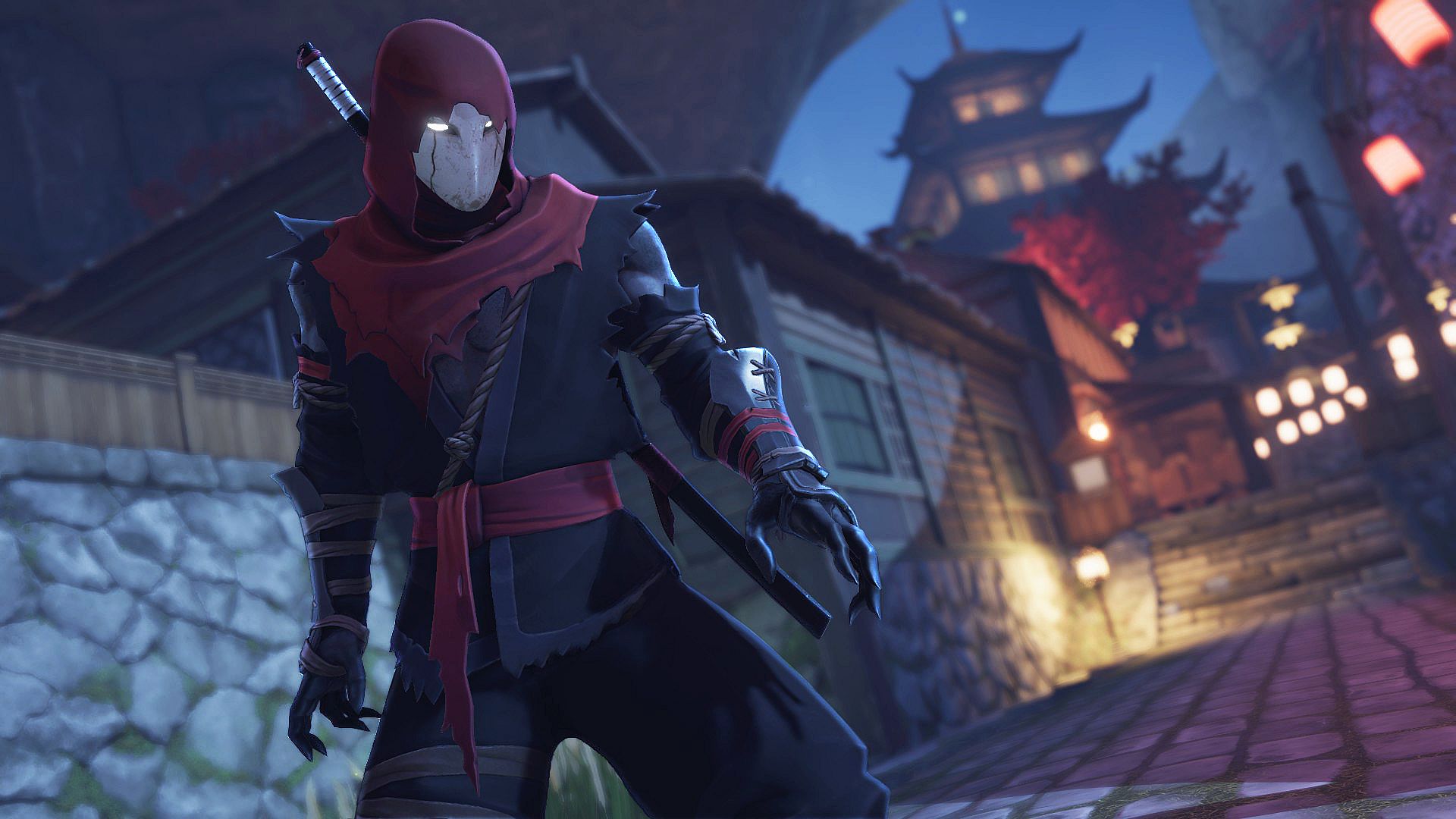
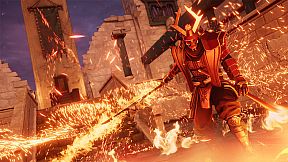
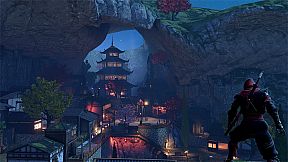

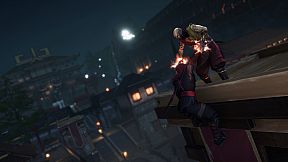
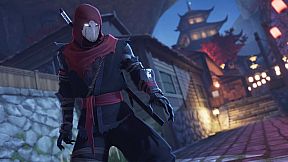
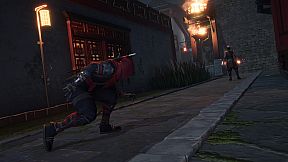
Aragami 2 is a third person stealth action indie game set in the Rashomon Valley. Players take control of one of the last elite Aragami warriors who wield Shadow Essence to manipulate darkness and complete missions against invading forces. The experience centers on infiltration, precise movement, and the choice between silent elimination or direct confrontation while managing a supernatural curse that affects the Aragami themselves.
Gameplay
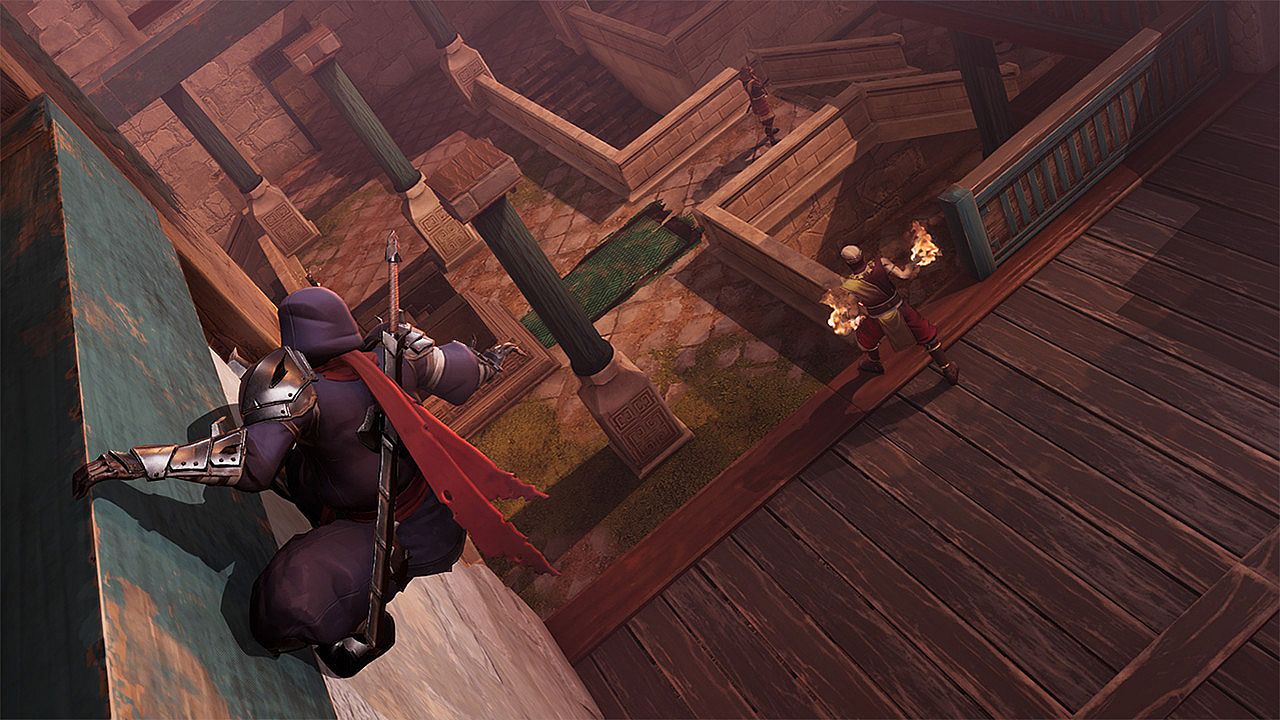
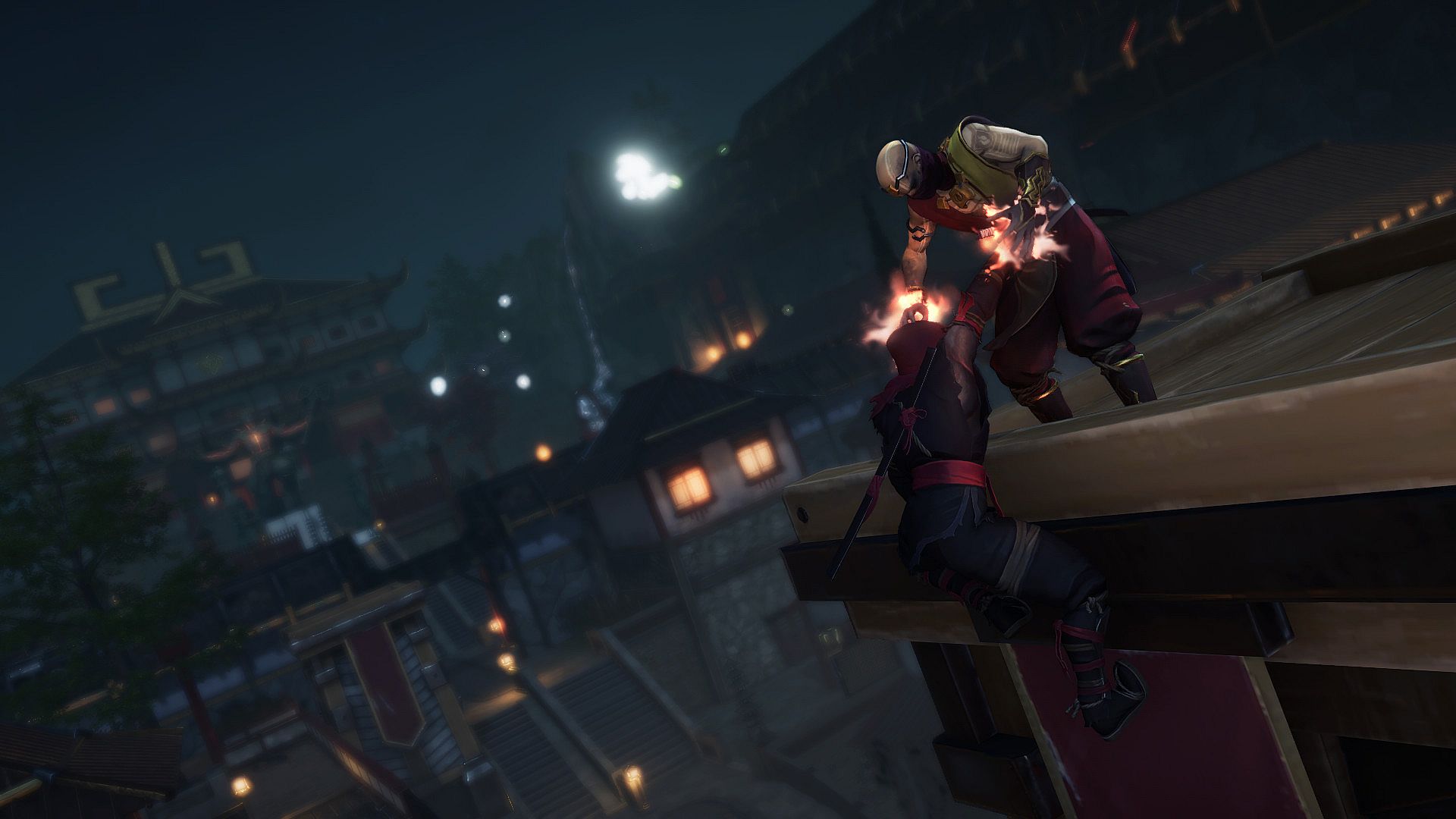
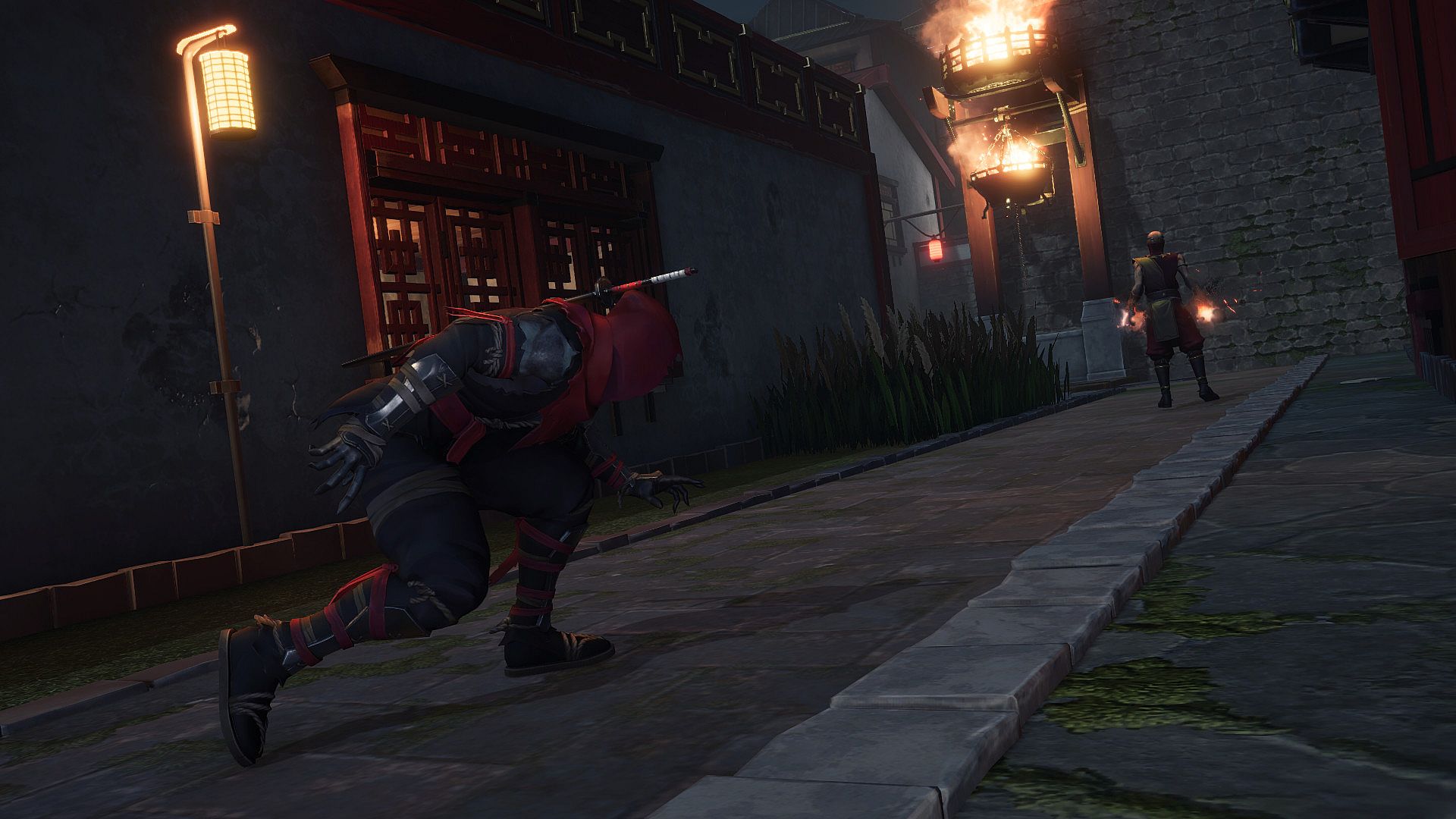
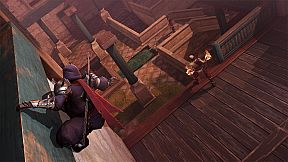
The core loop revolves around agile navigation through varied environments using covers and shadow powers to avoid detection or reposition quickly. Players execute stealth kills from behind or above and perform non lethal takedowns to neutralize threats without raising alarms. Shadow Essence allows temporary invisibility, teleportation between shadows, and other abilities that open creative paths through enemy patrols.
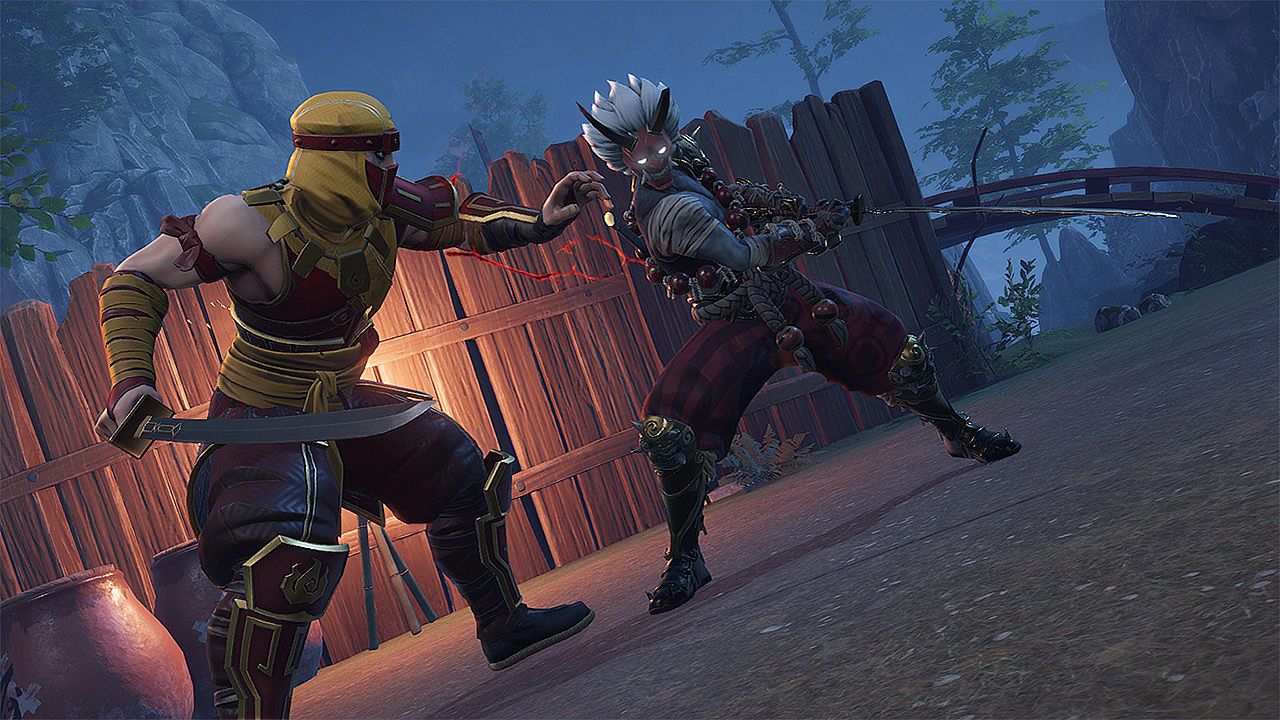
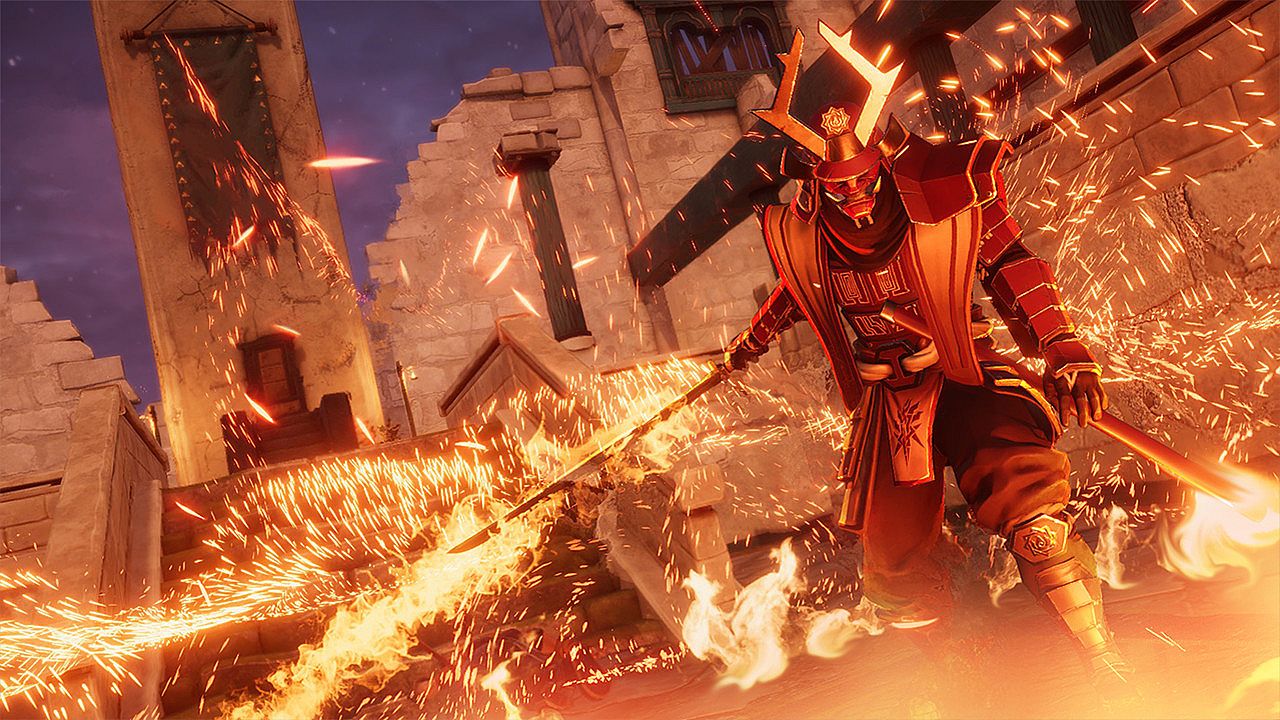
Combat serves as a deliberate tactical option rather than the default approach. Engaging openly carries high risk because enemies can overwhelm an exposed warrior, yet skilled players can chain abilities with melee strikes for efficient clears when stealth breaks down. Movement feels responsive and momentum based, encouraging constant repositioning during both quiet approaches and heated exchanges.
Progression involves crafting and upgrading weapons and armor alongside unlocking new shadow powers through a skill tree. These upgrades expand options for different play styles, such as favoring longer range shadow manipulation or enhancing close quarters lethality. Resource management ties into mission objectives that support the village and free enslaved Aragami, giving each assignment a sense of purpose beyond simple elimination.
Game Modes
The game offers a complete single player campaign that follows the Aragami's efforts to protect the valley and uncover the origins of their affliction. Missions vary in layout and enemy density, rewarding multiple approaches on repeat playthroughs through different power combinations and routes.
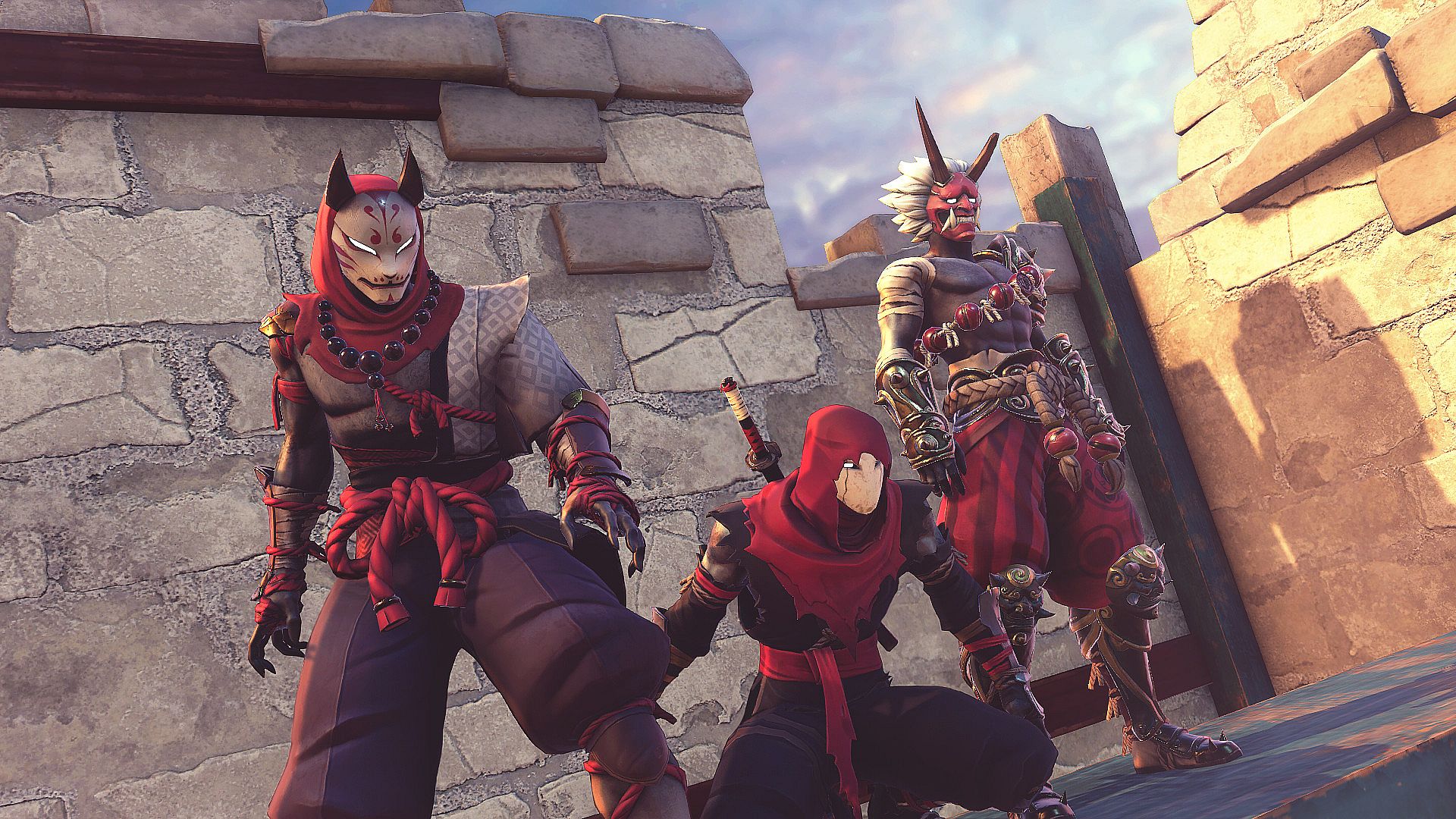
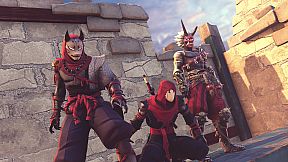
Co op supports up to three players who join as an assassin squad. Teammates coordinate shadow abilities and cover each other during infiltrations, turning solo tactics into synchronized operations. The shared campaign maintains the same mission structure while adding layers of teamwork for positioning and simultaneous takedowns.
Character Progression and Customization
Players customize their Aragami through weapon and armor crafting systems that incorporate gathered materials. Each upgrade alters both appearance and function, allowing specialization in areas like increased stealth duration or stronger non lethal options. The ability roster grows steadily, providing fresh tools that integrate with existing powers for deeper strategic layers across the campaign.
Shadow powers form the heart of experimentation. Early abilities focus on basic concealment and short range movement, while later unlocks introduce more advanced effects that change how missions unfold. This system encourages revisiting earlier areas with new capabilities to discover alternate solutions.
Is It Worth Playing?
Aragami 2 suits players who enjoy methodical stealth with the flexibility to switch into aggressive combat when plans change. The co op component adds value for those who prefer shared infiltration experiences without requiring large groups. The campaign length supports multiple runs as new abilities unlock different strategies.
Reception highlights the fluid movement and satisfying stealth mechanics as standout features, though some note launch period technical issues that later patches addressed. The game remains available for single player or small group sessions and continues to receive occasional promotions that improve accessibility. Fans of third person stealth titles that blend supernatural elements with tactical choice will find a focused experience here.