






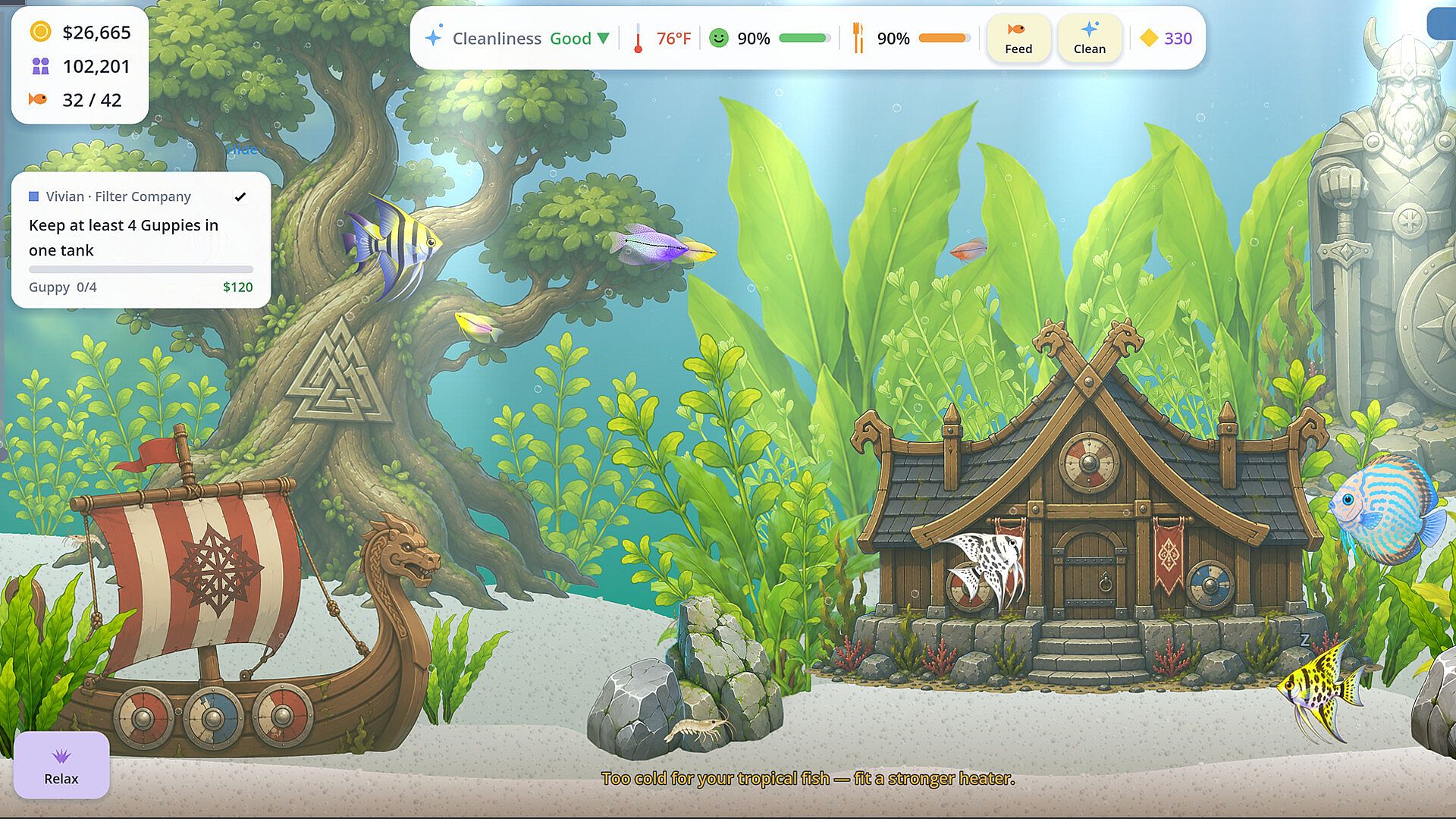
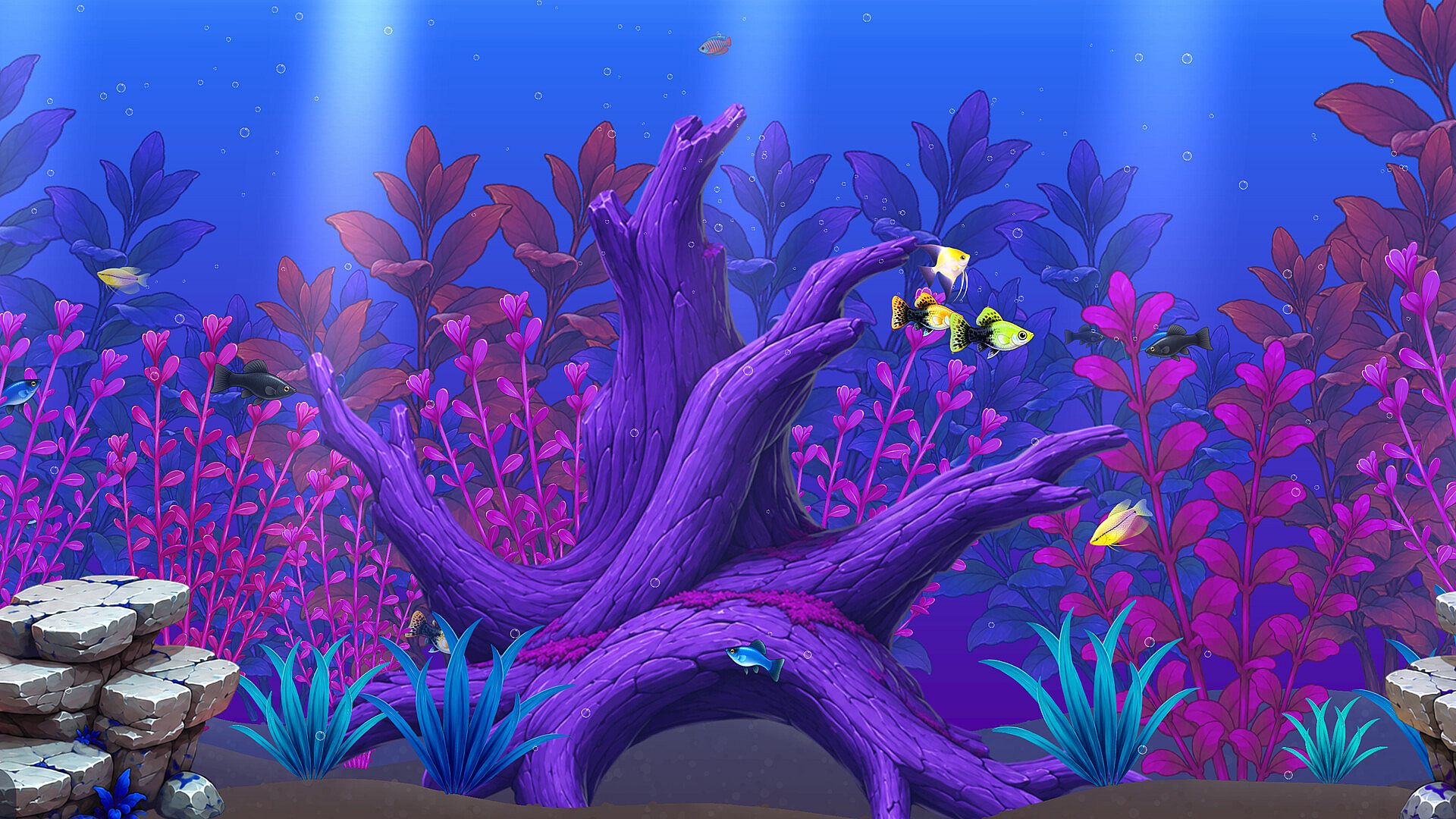
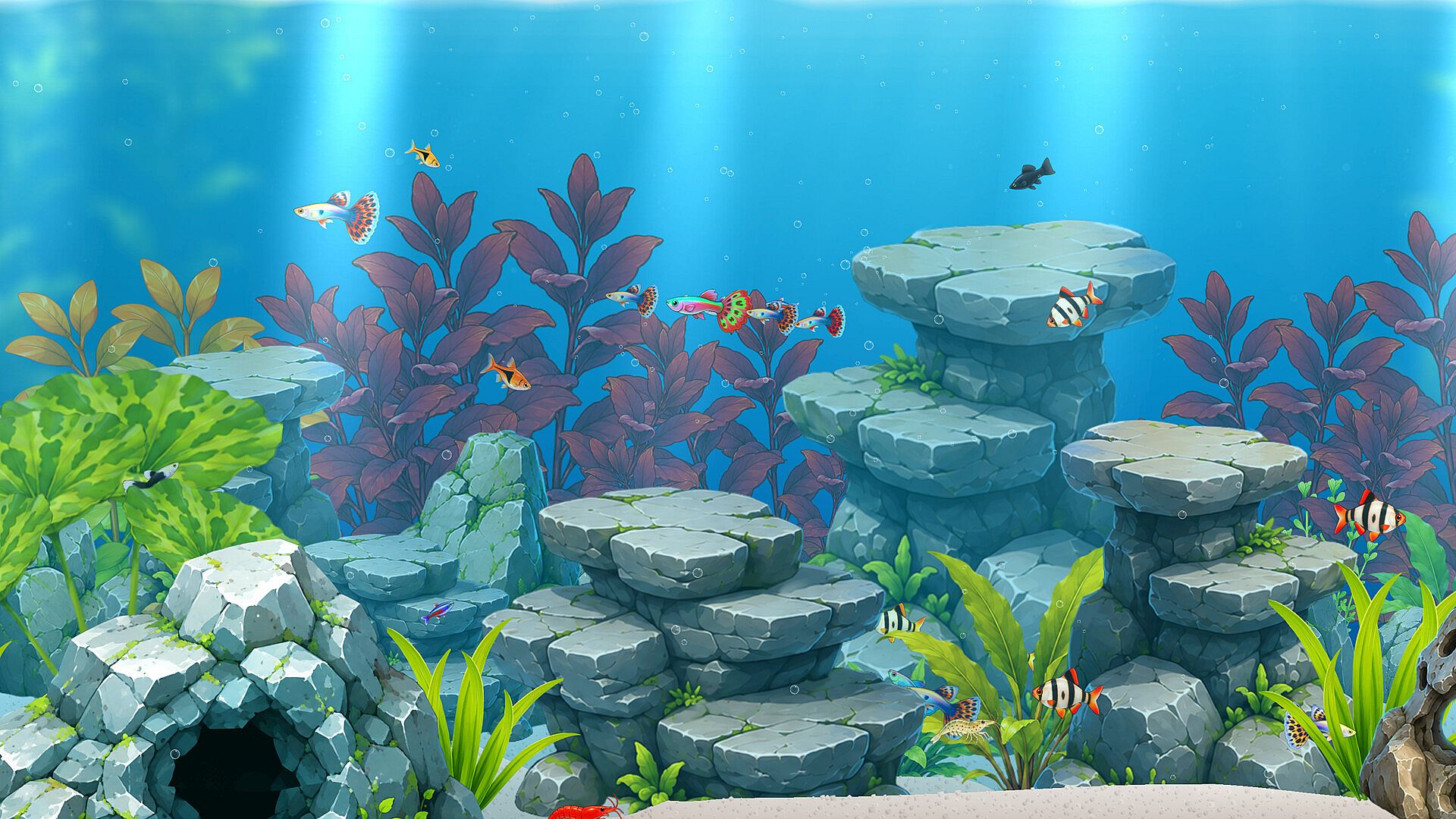
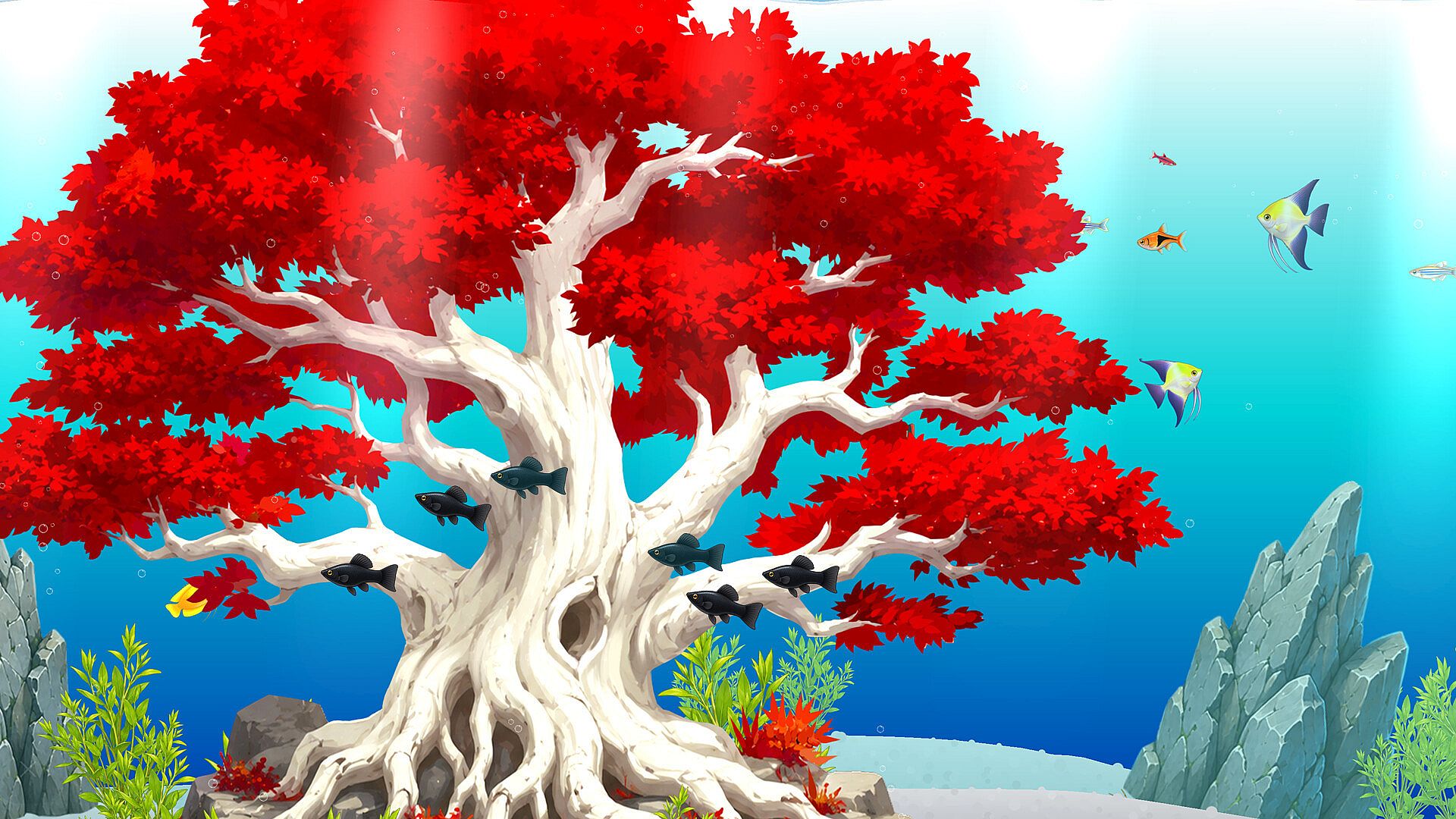
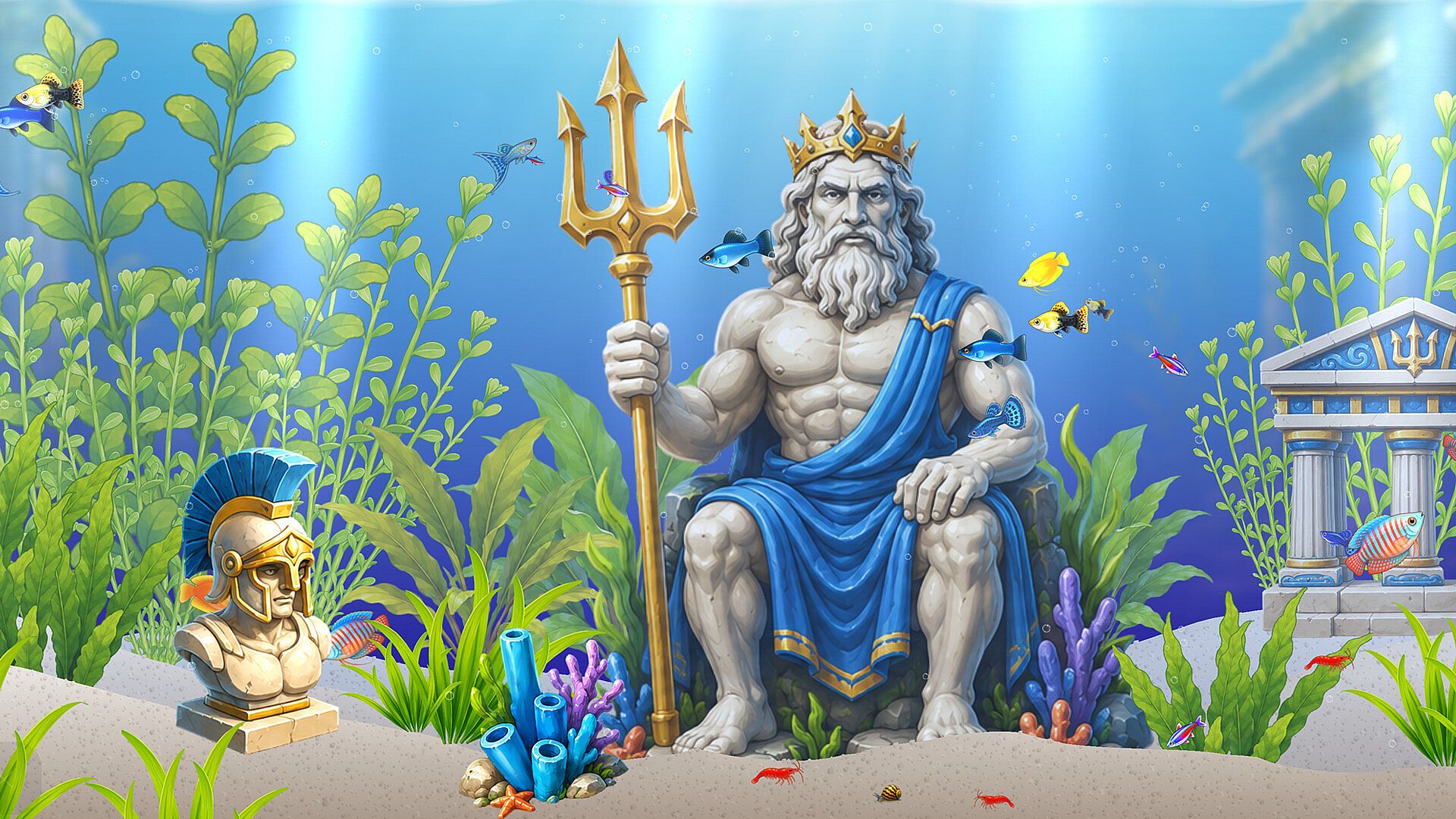
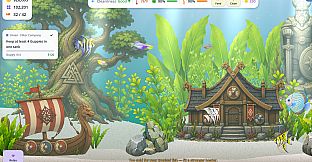
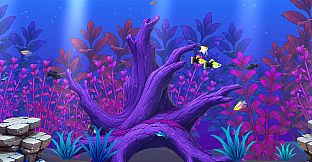
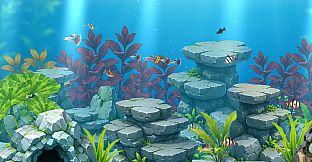
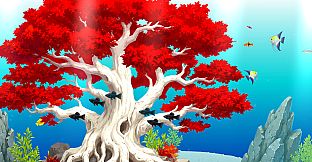
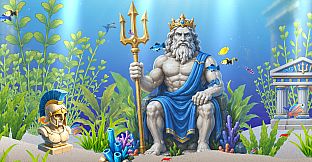
Aquavale is a single-player cozy simulation game focused on aquascaping and fish care. Players start with a basic tank and gradually expand their skills in layout design, fish observation, and audience building to create environments that feel alive and personal.
Gameplay
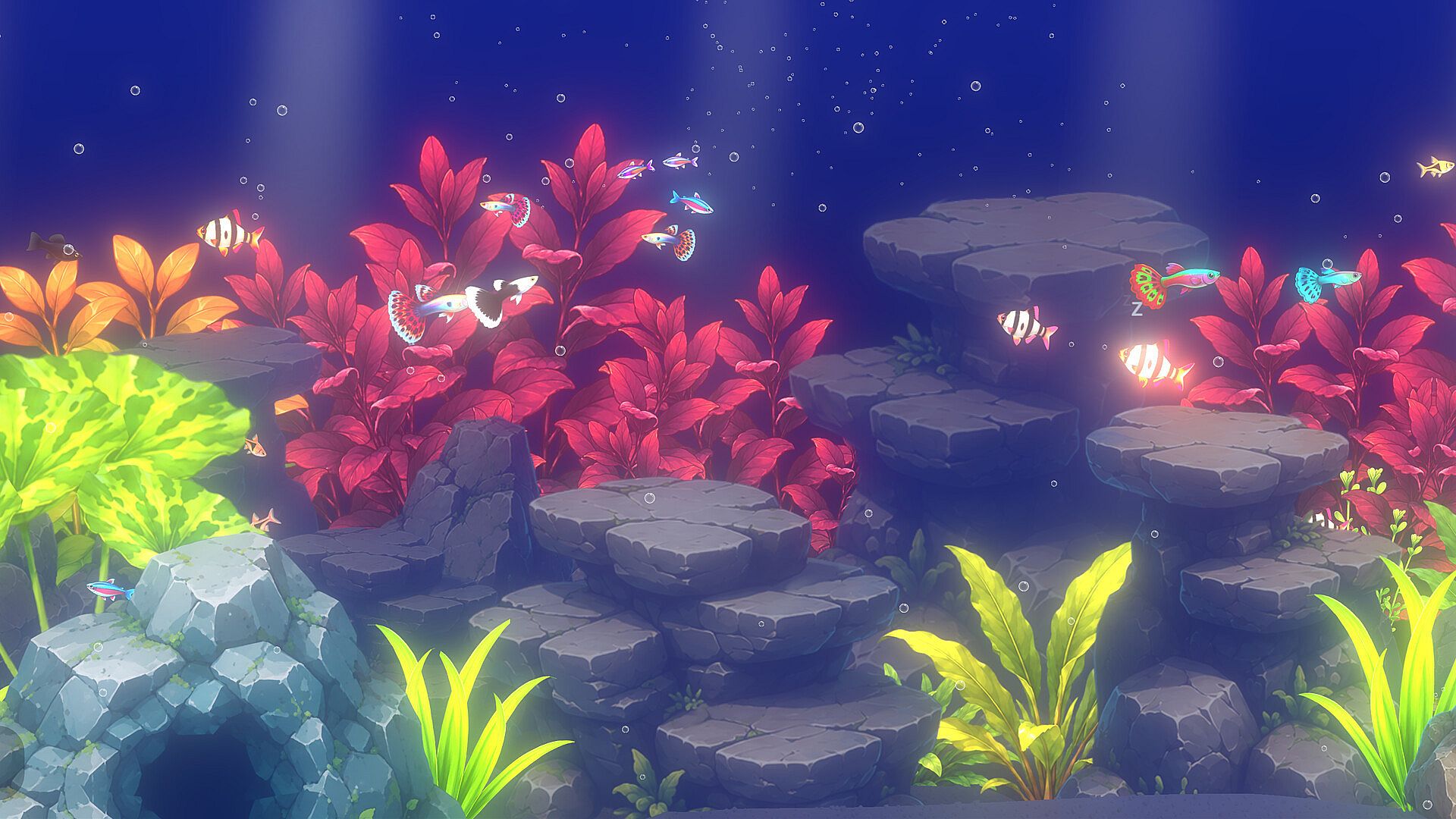
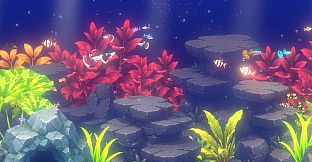
The core loop centers on shaping the tank environment through substrate sculpting to form hills and valleys, planting various carpets and stems, positioning hardscape elements, and recoloring items to match a desired aesthetic. No single layout is prescribed, allowing each player to refine the visual balance until the tank holds their attention over repeated viewings.
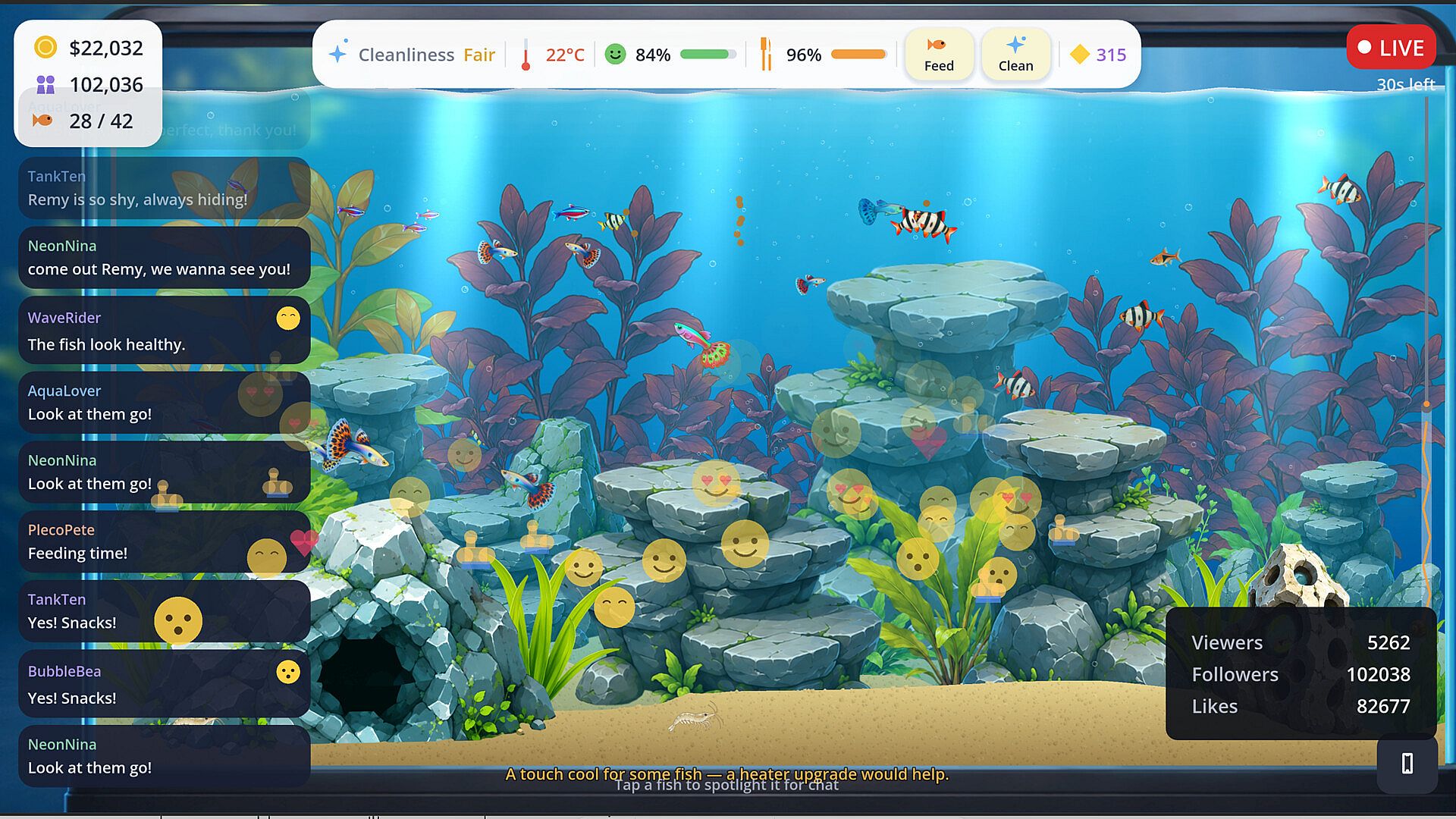
Fish care integrates directly into the building process. Each species requires specific temperature conditions for comfort, and players maintain cleanliness by addressing algae buildup on the glass. These steps keep the tank habitable without constant intervention, as the simulation continues smoothly even during breaks.
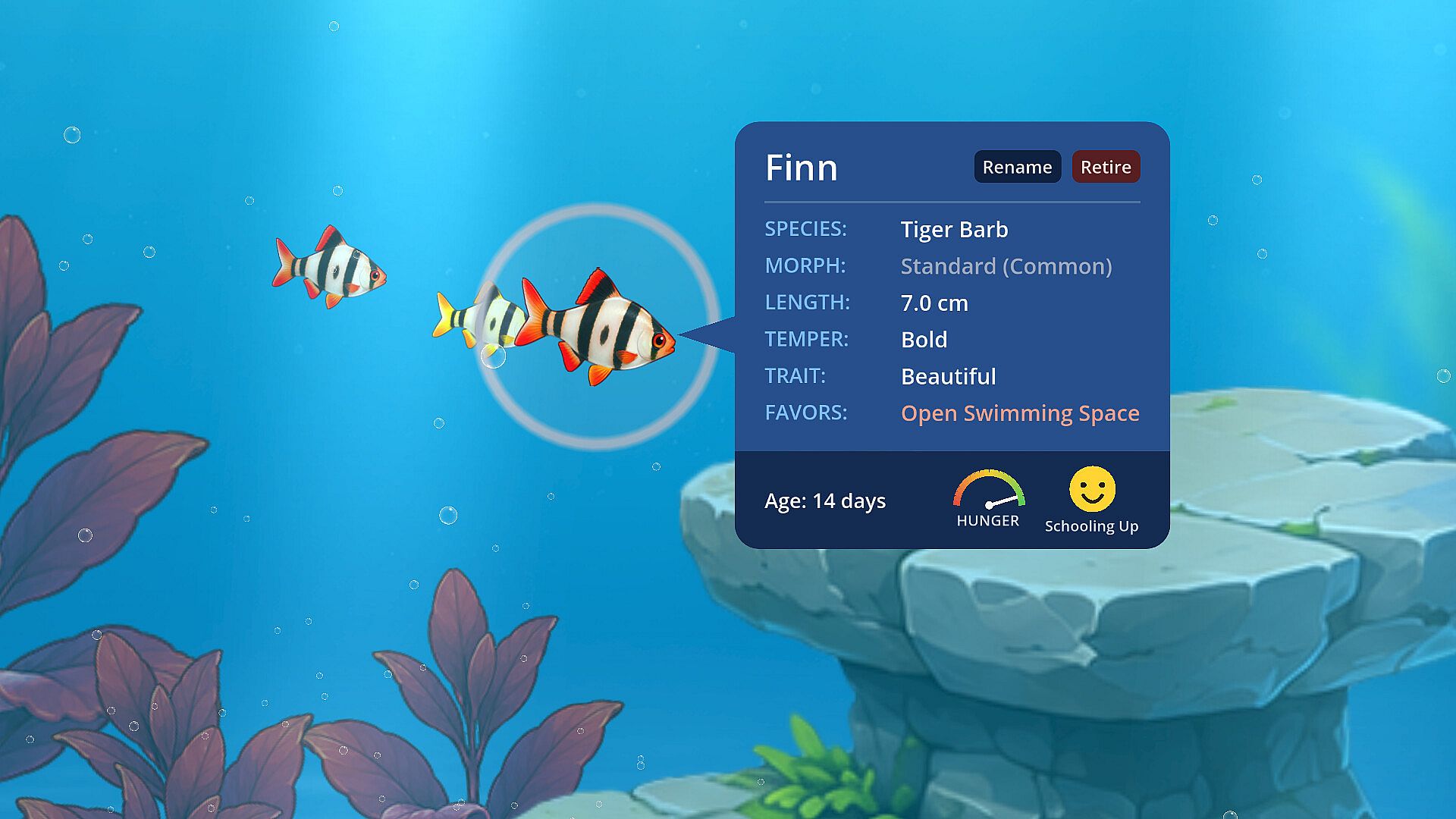
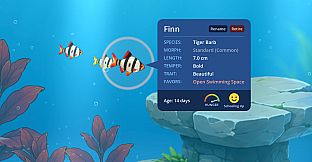
Observation adds depth through individual fish behaviors. Temperaments influence actions such as energetic dashes, group feeding responses, or relaxed swimming patterns. Players use an in-game camera to capture these moments and record them in a dated field guide, which serves as a personal record of tank developments and discoveries.
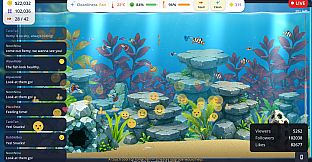
Progression ties into sharing the tank. Attention from viewers attracts sponsors who issue targeted tasks, such as maintaining specific fish groups, completing themed arrangements, or sustaining cleanliness periods. Successful completion unlocks rarer plants, distinctive decor pieces, and new fish varieties, expanding creative options as the audience grows.
Game Modes
Aquavale operates as a unified single-player experience without separate named modes. All activities blend into one continuous session where building, maintenance, observation, and sponsor interactions occur alongside one another.
Players shift focus naturally between creative tank design and practical care elements. The sponsor system introduces light structure through optional tasks that reward collection growth, while the field guide encourages ongoing documentation of fish behaviors at the player's chosen pace.
The absence of time pressure or penalties supports flexible play sessions. Individuals can emphasize visual customization one day and fish logging the next, with the simulation responding consistently to the level of attention provided.
Progression and Collection
Advancement comes from expanding the fanbase through tank presentation, which in turn generates more sponsor opportunities. These jobs deliver incremental rewards that introduce greater variety in plants, decor, and fish species available for future builds.
The field guide tracks personal milestones with dated entries, turning routine observations into a cumulative history of the tank. This system rewards consistent engagement without mandating specific goals, letting players decide how deeply to pursue new discoveries.
Overall systems emphasize personal expression over competition. Tank layouts evolve based on individual preferences, and fish interactions reflect species-specific traits rather than scripted events, creating a living environment that changes with ongoing care.
Is It Worth Playing?
Aquavale suits players who enjoy relaxed simulation experiences centered on creative building and gentle collection mechanics. The single-player format and lack of timers make it accessible for short or extended sessions alike.
Those drawn to aquascaping themes or fish observation will find the temperament-based behaviors and field guide features particularly engaging. The sponsor-driven progression adds optional direction without forcing a rigid path, supporting both casual watching and active customization.
As an upcoming title with no released version yet, its appeal rests on the described systems of tank customization, fish personalities, and steady expansion through audience interaction. It targets fans of cozy, self-paced simulations who value detailed environmental control and incremental discovery over fast-paced challenges.












