

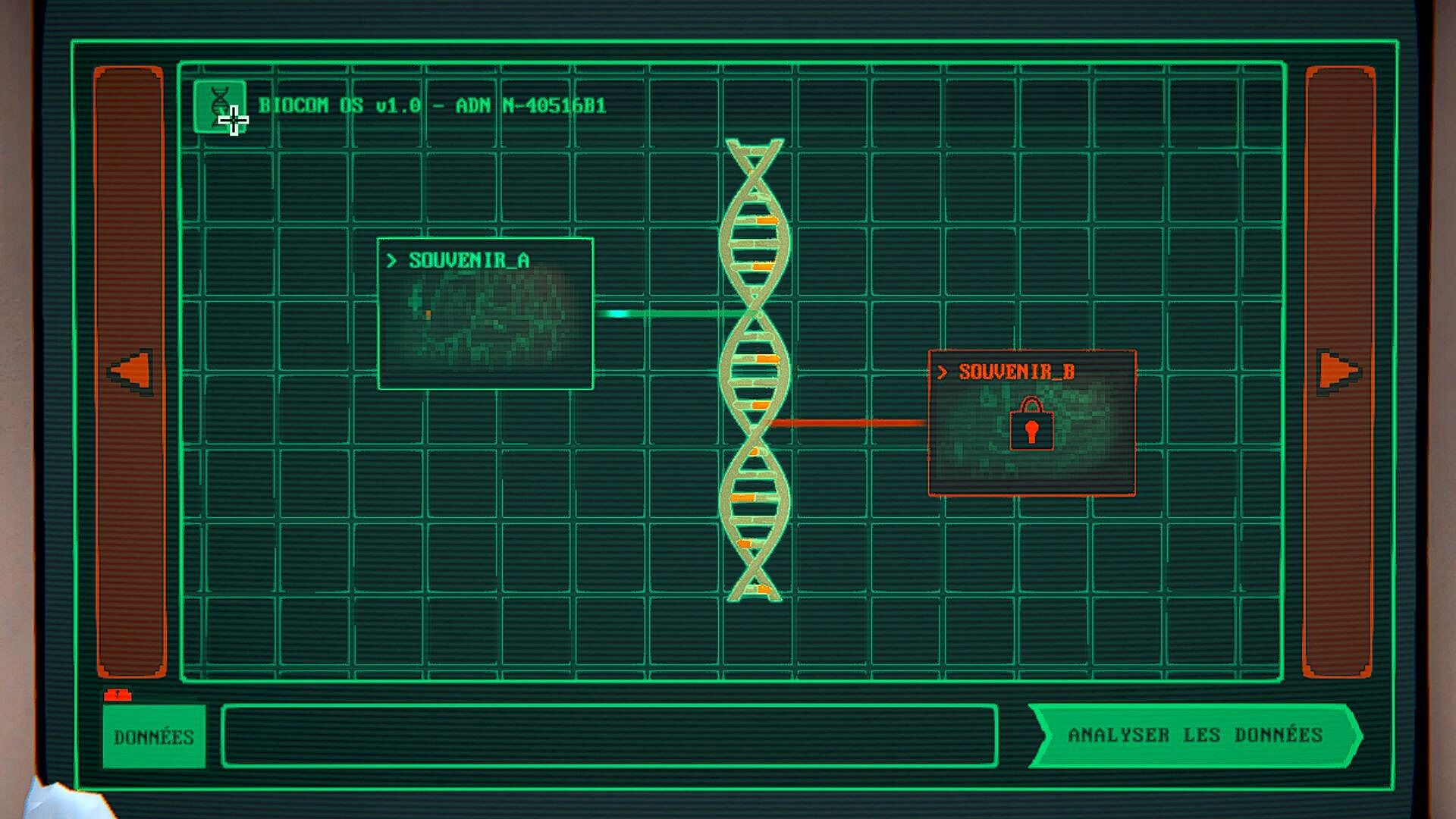
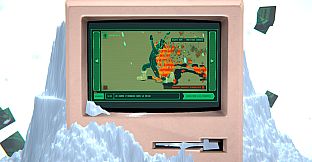
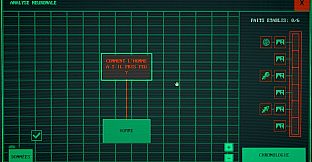
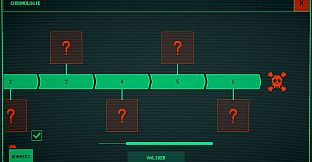
ANOMAL is an indie adventure game for PC that centers on reconstructing fragmented memories from four distinct eras. Players examine stylized scenes of deaths across time periods, gather visual clues, answer case questions, and arrange events into a correct chronological sequence to identify an underlying anomaly.
Gameplay
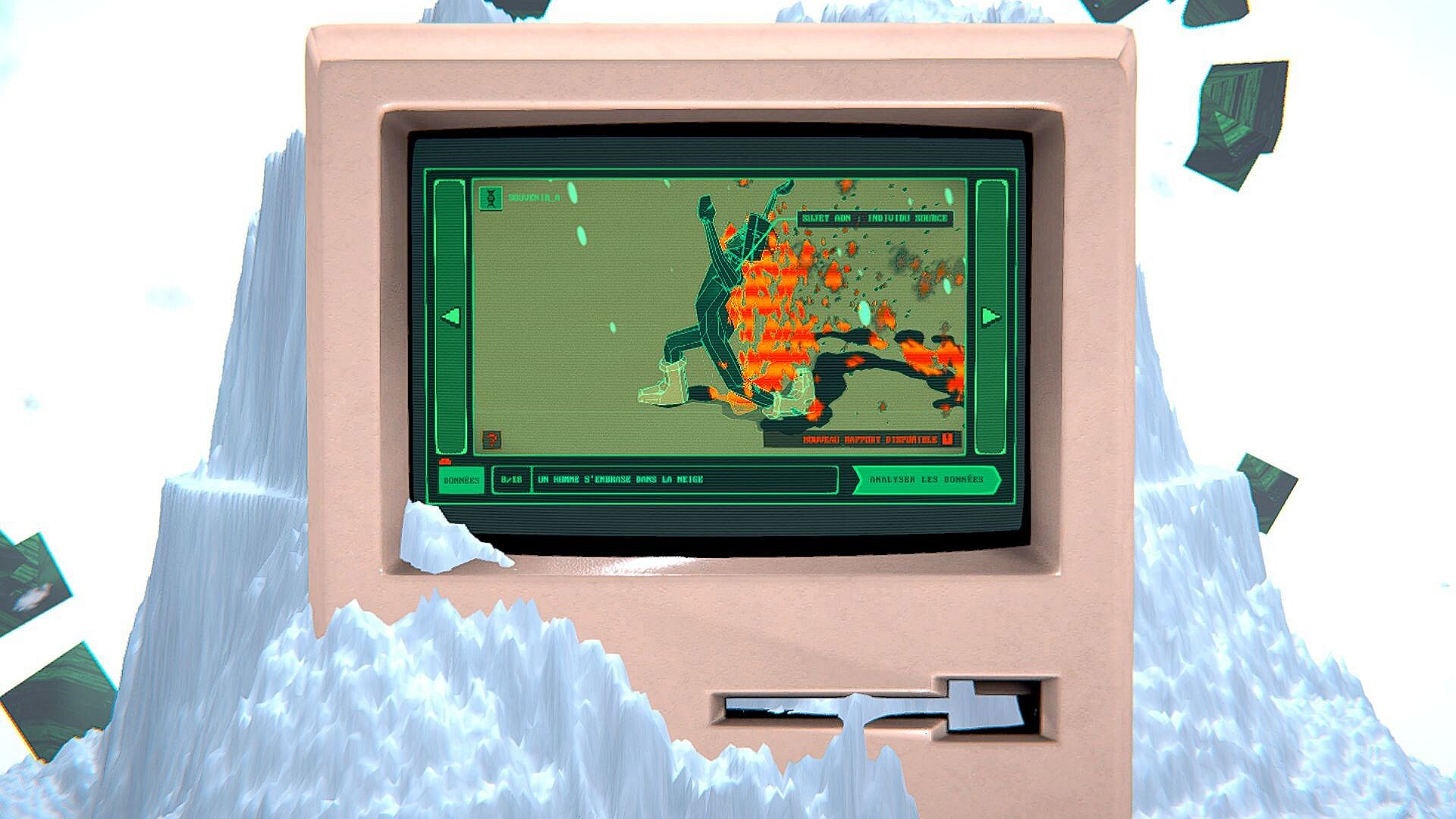
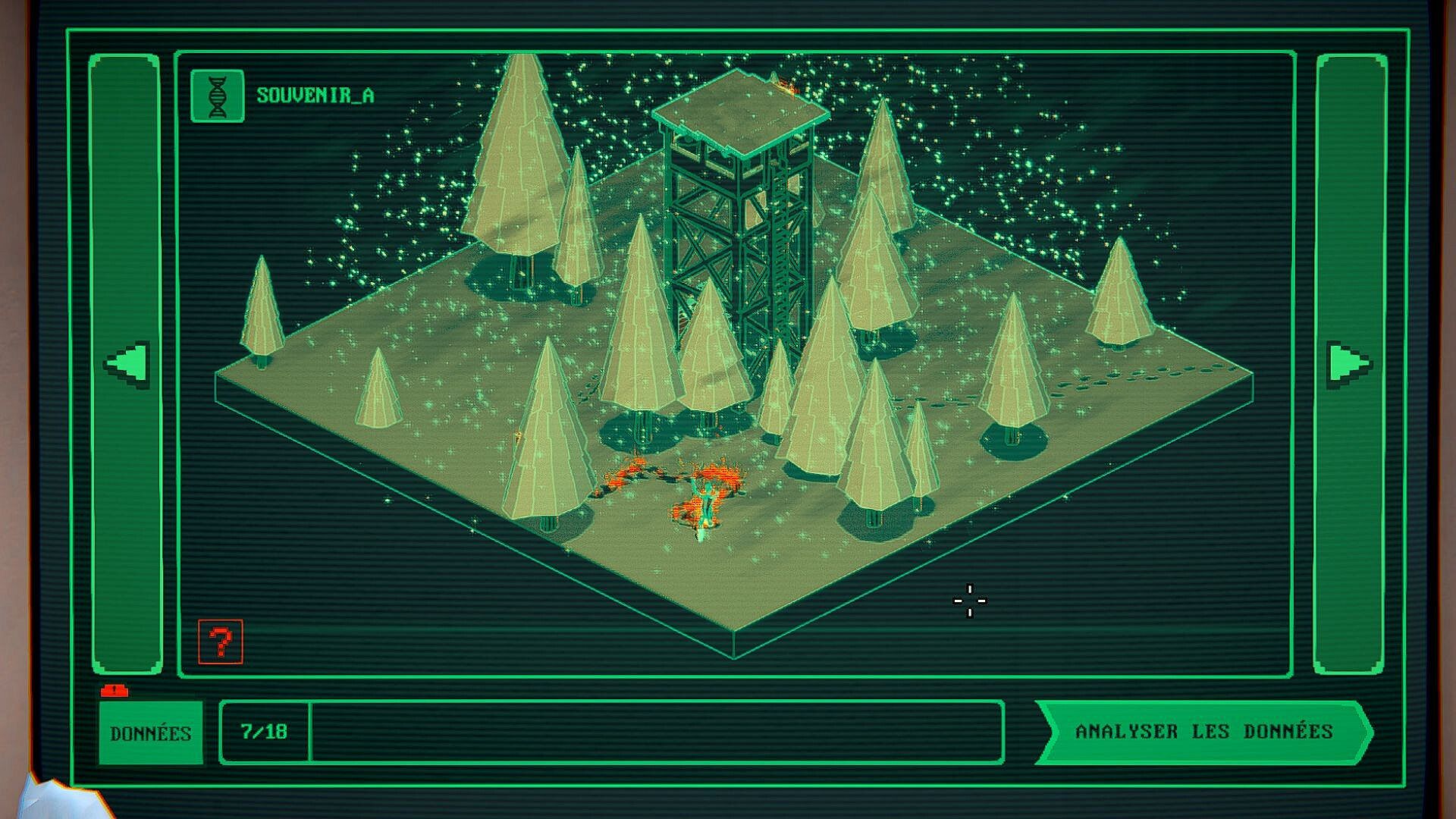
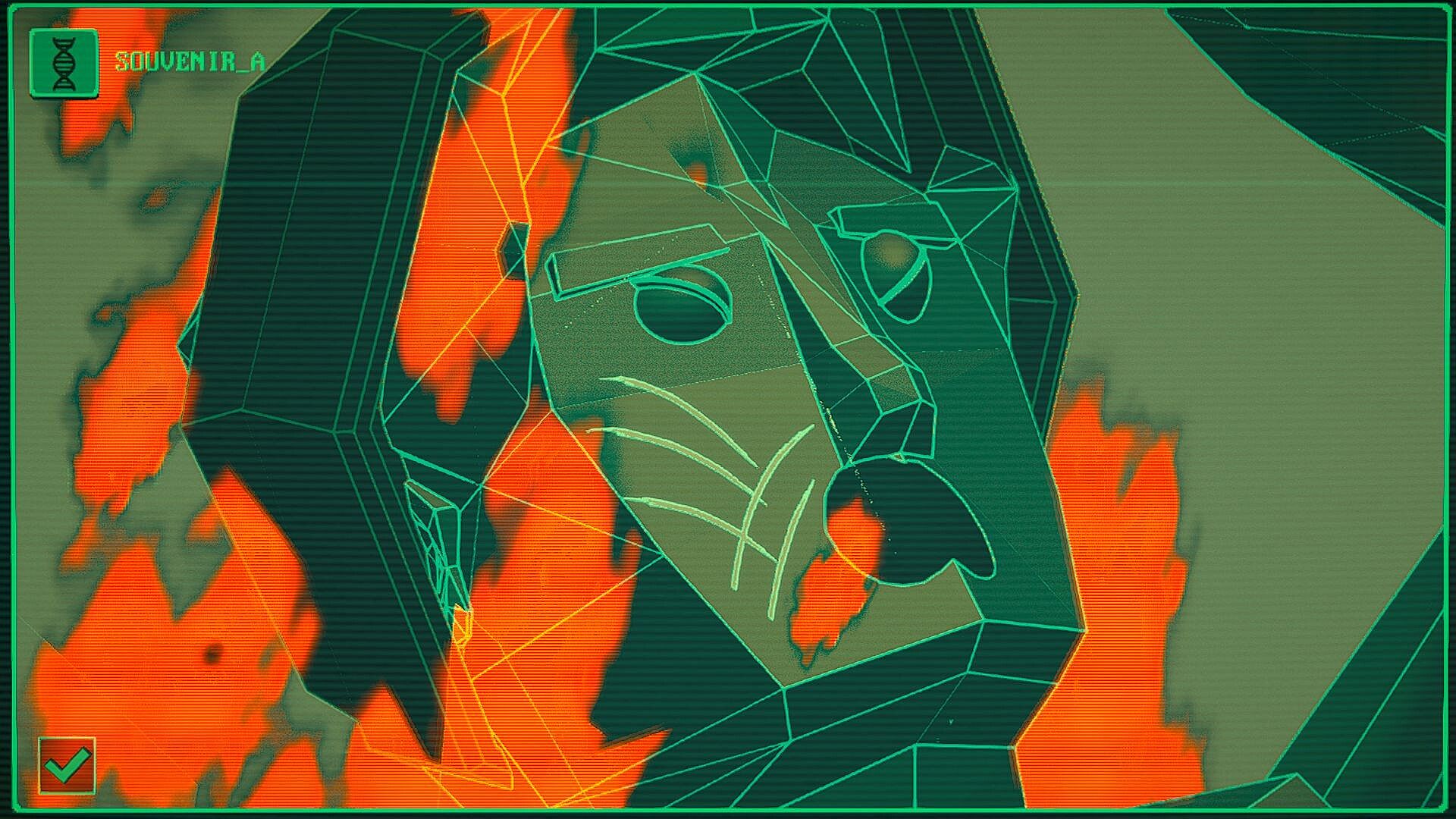
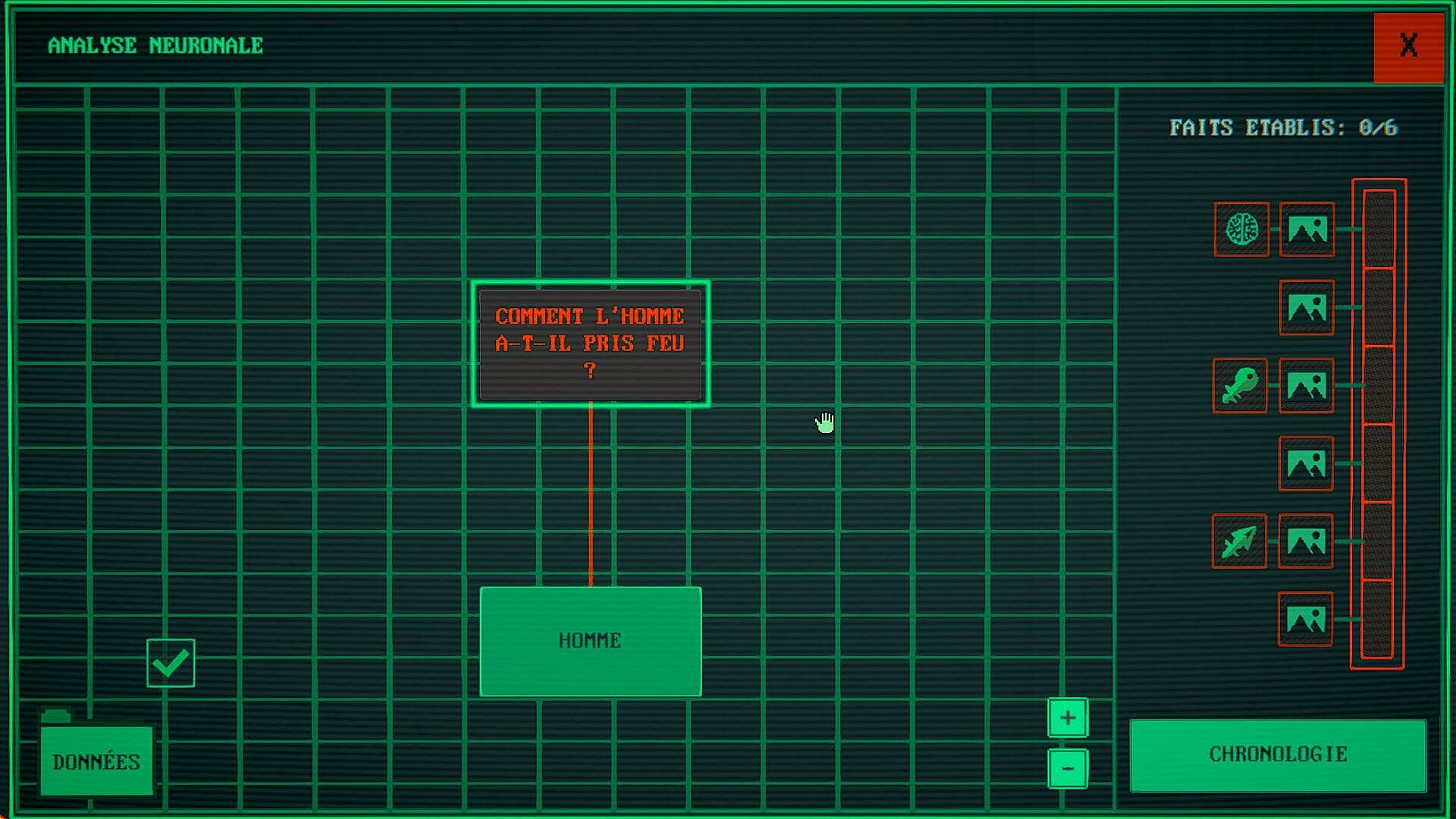
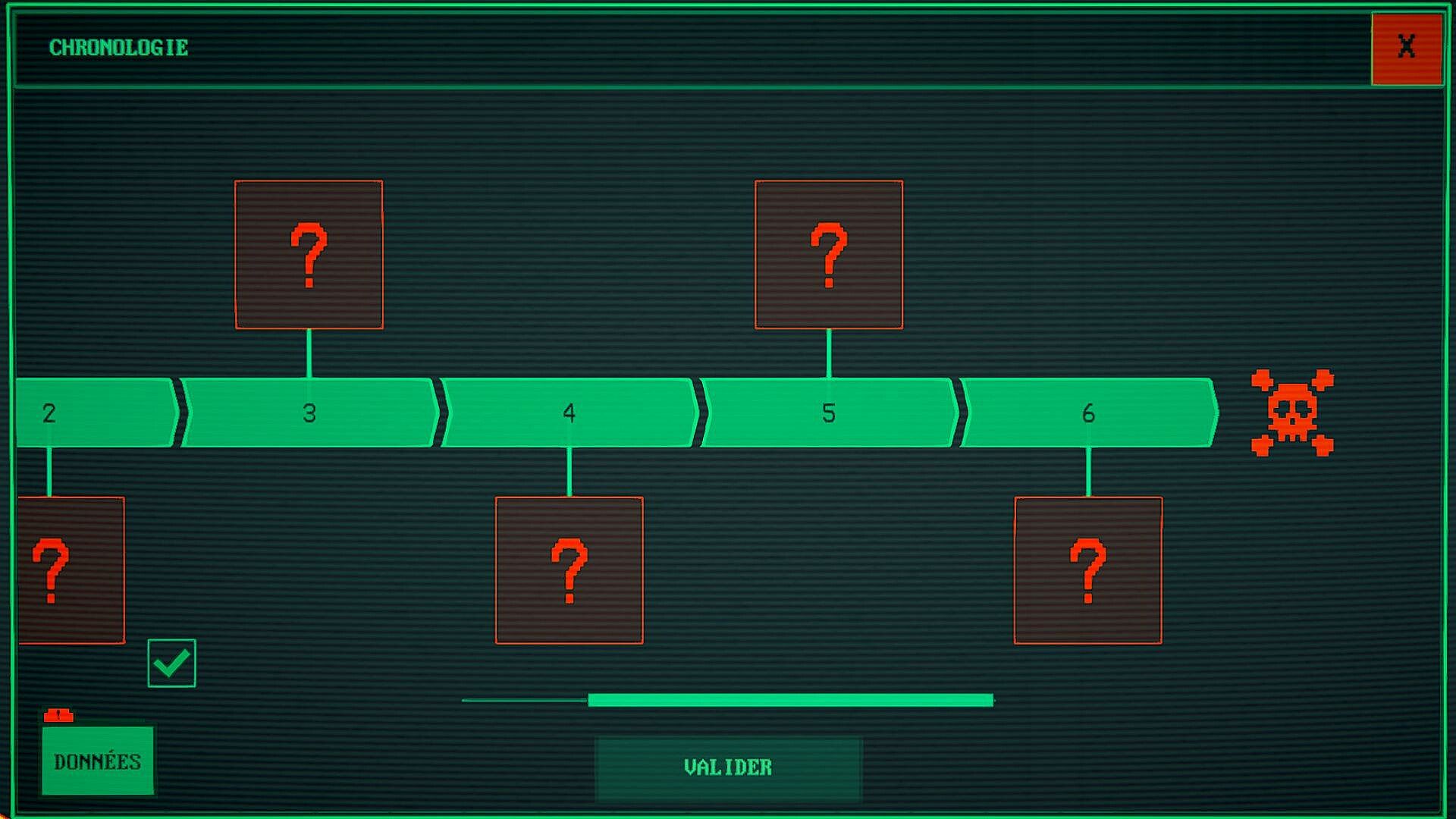
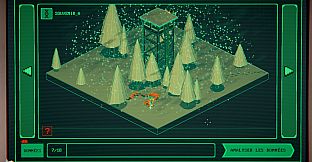
The core loop revolves around detailed observation of frozen dioramas. Each memory appears as a three-dimensional scene rendered in a phosphor green retro-futuristic style complete with scanlines and occasional glitches. Players rotate the view freely to inspect objects, positions, and environmental details from multiple angles. Clues emerge through careful examination of these elements, which then inform answers to specific questions tied to each case. Once questions receive responses, events move onto a timeline interface where their order must match the actual sequence of occurrences. This process repeats across the four provided cases, building connections between seemingly unrelated incidents.
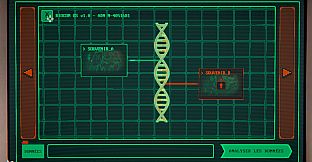
Mechanics emphasize deduction rather than action or combat. Exploration stays limited to camera movement and interaction within each static scene. Cross-referencing visual evidence helps resolve ambiguities, while timeline placement serves as the final verification step for each memory set. The interface mimics an analog computer program that sorts and overlays files, reinforcing the investigative theme without introducing additional systems.
Game Modes
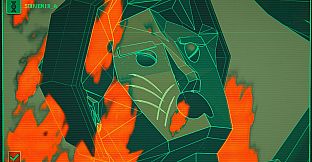
ANOMAL operates as a single continuous experience structured around four separate cases. No separate multiplayer, competitive, or alternate modes exist. Progression follows a linear path through the cases, with each one presenting a unique death scene from a different era. The cases include incidents such as a burning in snow, deaths among conquistadors in a jungle, and an astronaut drifting in space. Completion of all four reveals broader narrative links while maintaining the focus on individual timeline reconstruction.
Narrative and Presentation
Stories unfold through the collected memories rather than direct character interaction or dialogue trees. Each case stands alone yet contributes to a larger mystery about connections across time. The visual style stays consistent with 80s terminal aesthetics, using limited color palettes and digital artifacts to frame every scene. Support from the Centre national du cinéma et de l'image animée helped shape this distinctive presentation, which prioritizes atmospheric clarity over photorealism.
Is It Worth Playing?
ANOMAL suits players who enjoy methodical puzzle solving and narrative reconstruction in a single-player format. The game delivers a focused investigative loop without extraneous features or ongoing updates. Those interested in observation-based adventures and timeline puzzles will find the four cases provide a complete, self-contained experience. Availability remains limited to PC through standard digital storefronts, with no confirmed free modes or trials at this stage.