




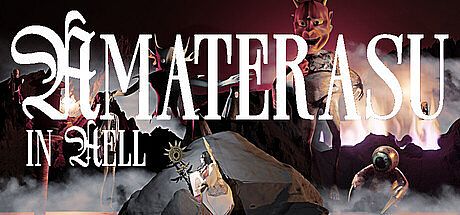


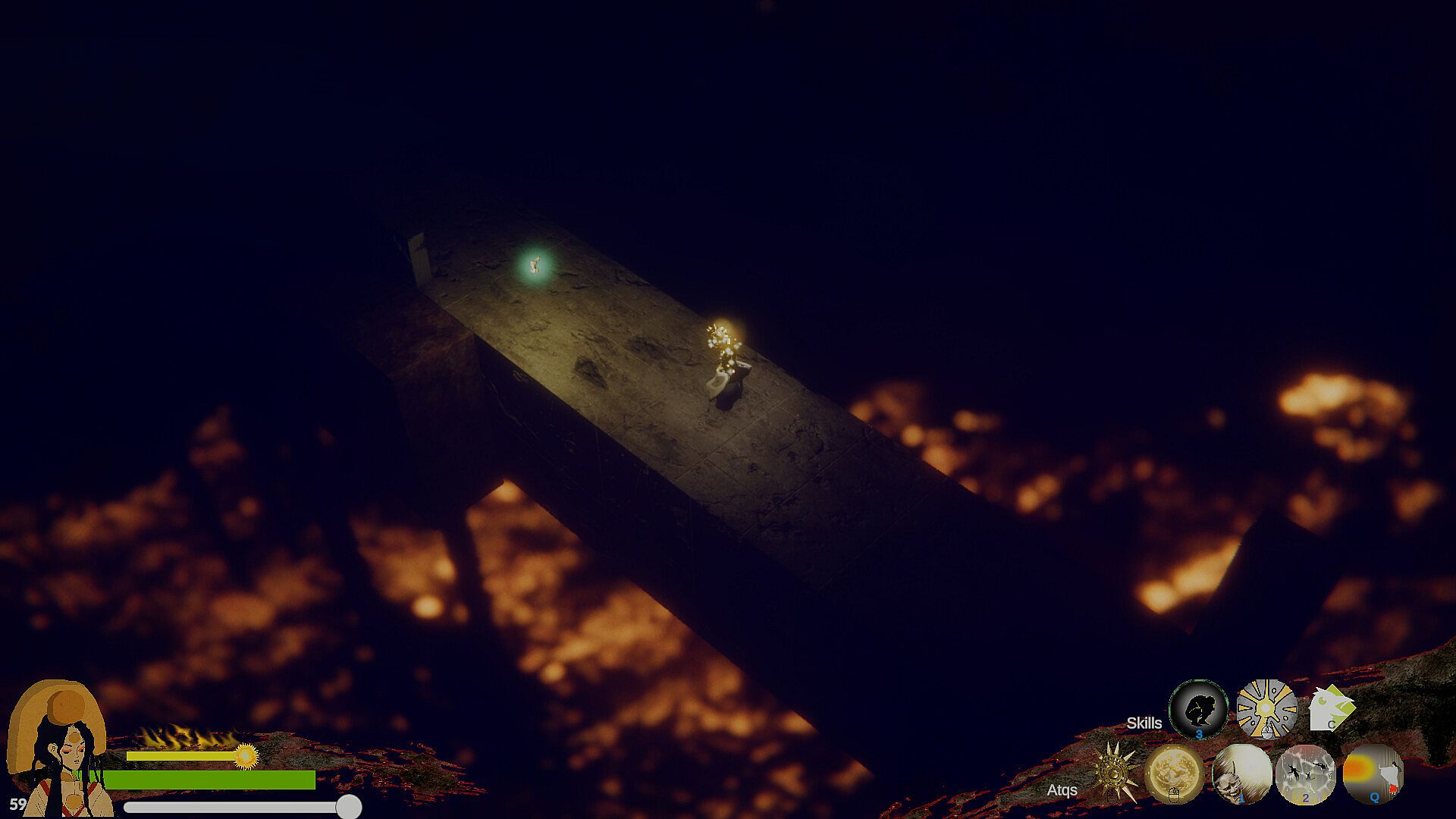
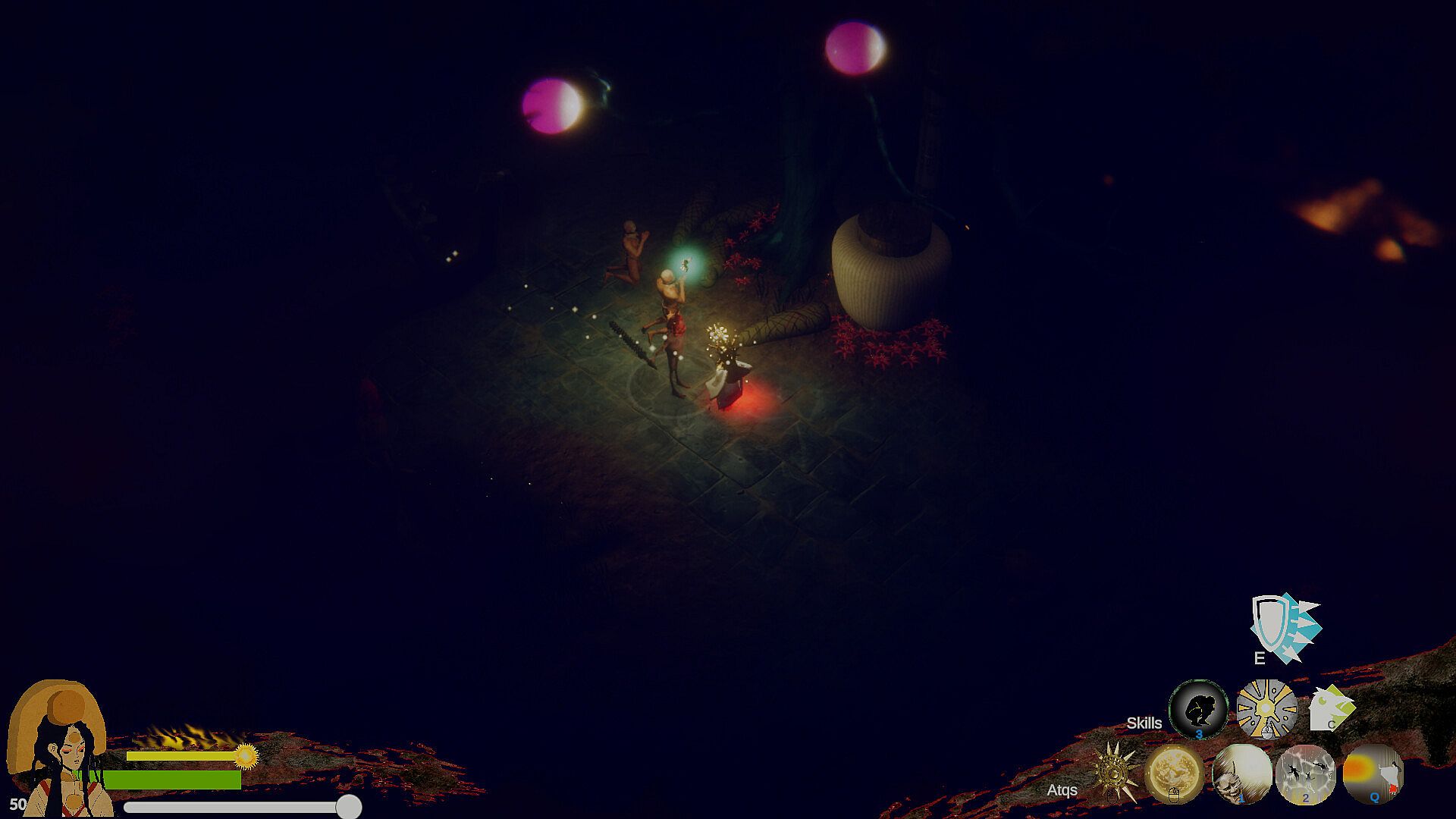
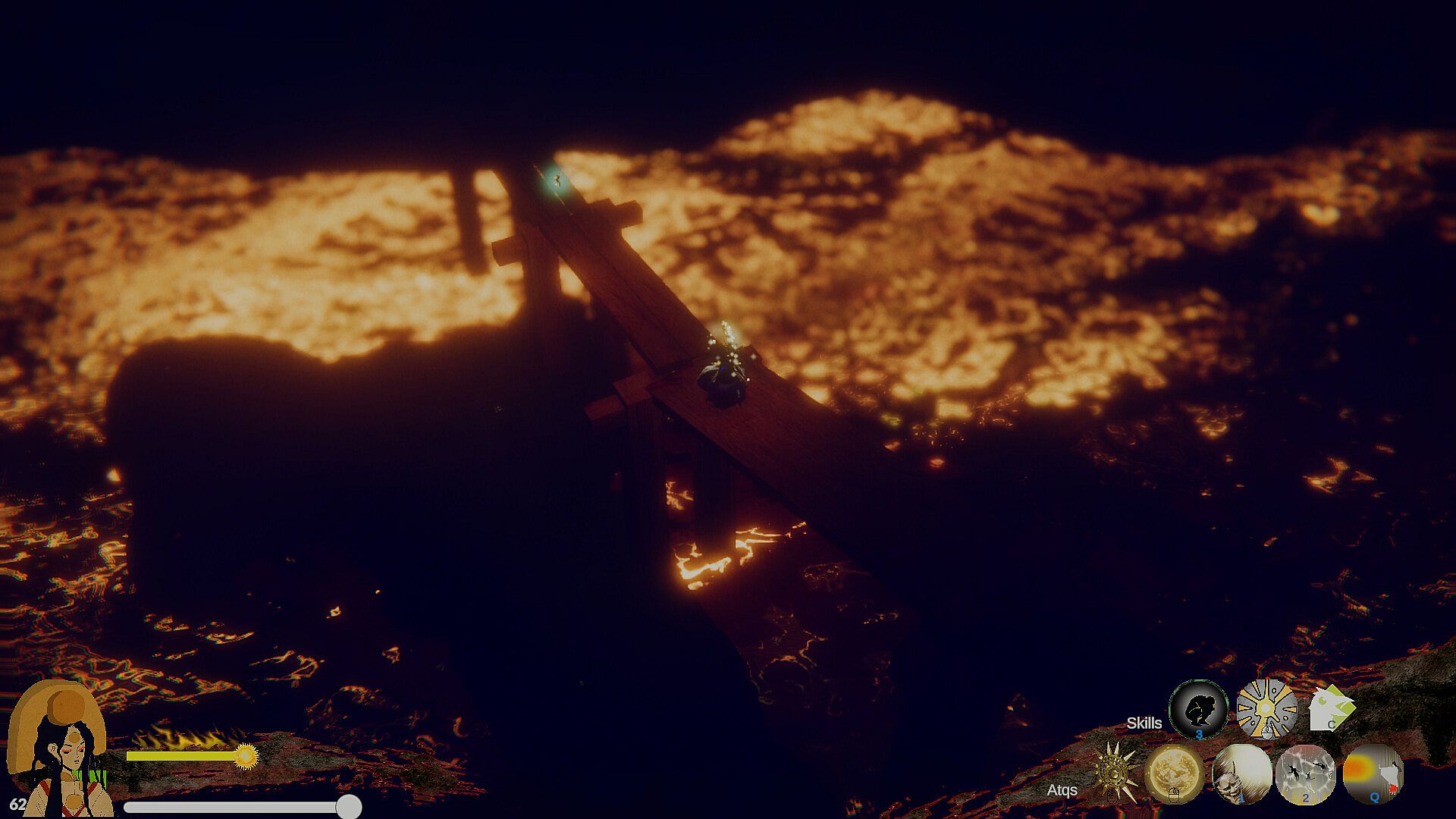
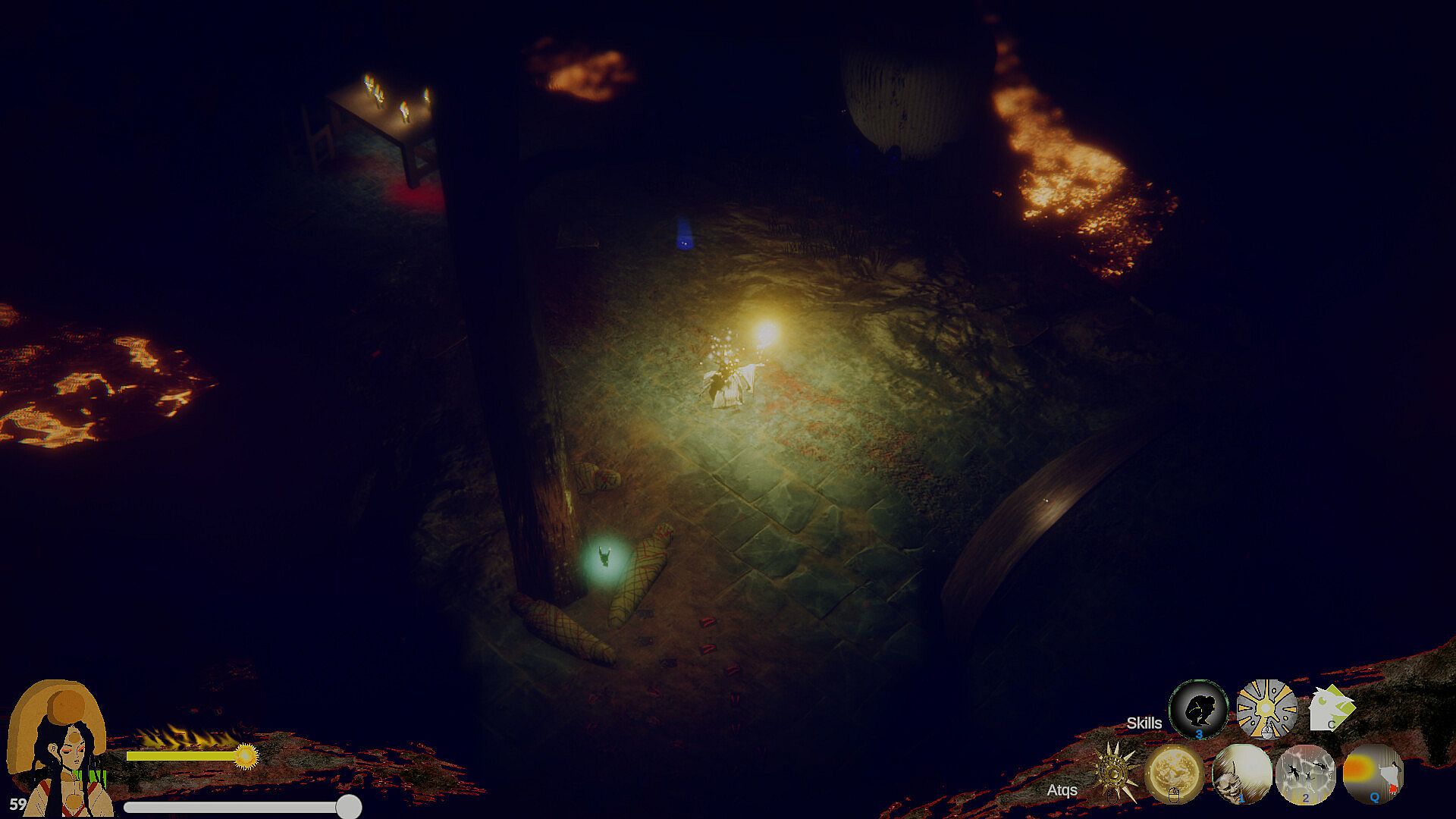
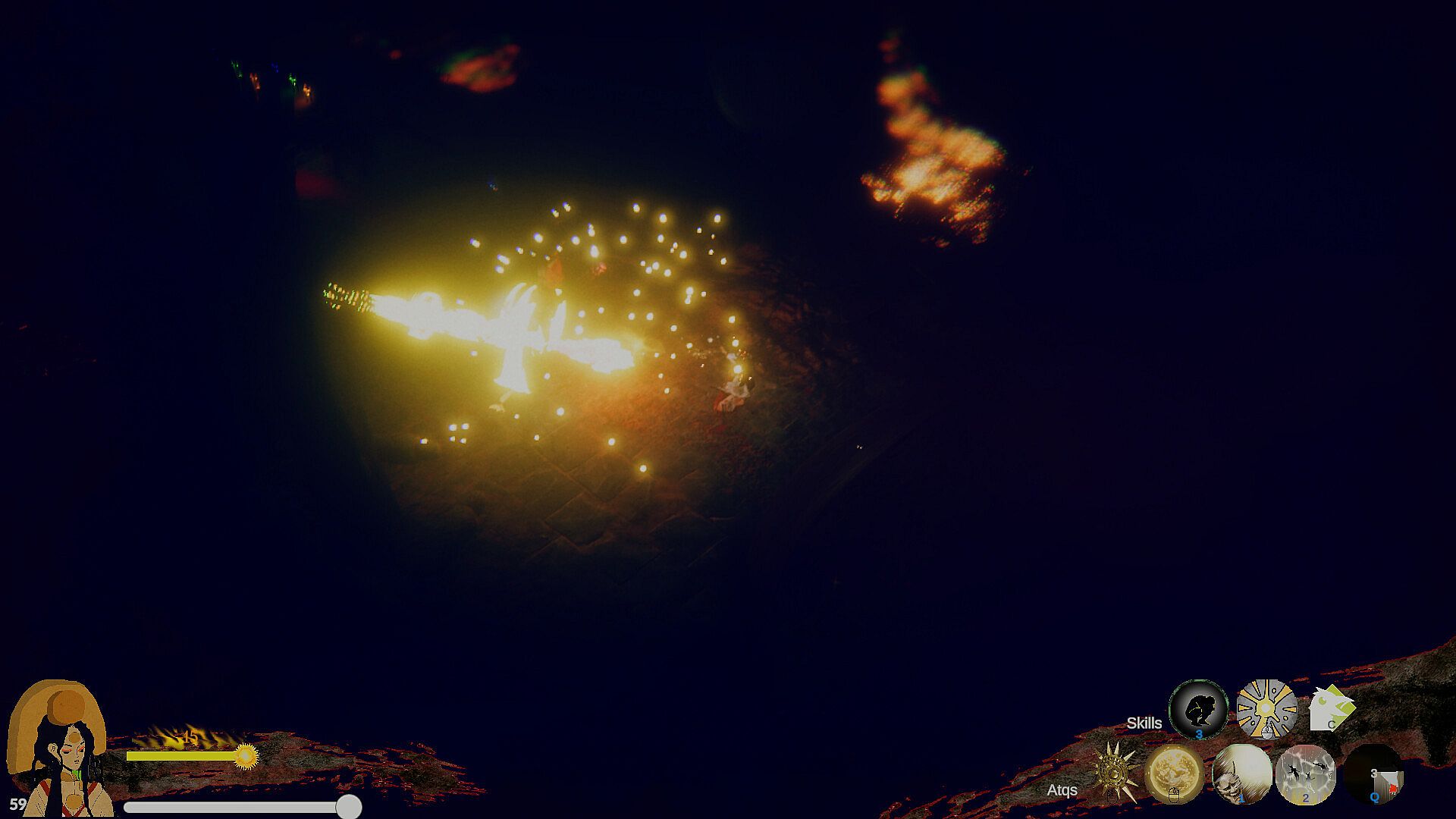
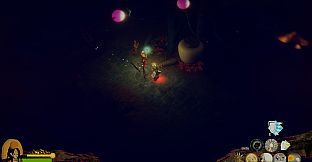

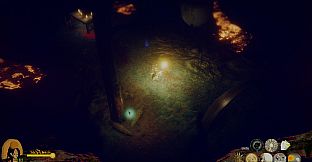


Amaterasu in Hell is an action adventure indie game for PC in which players control the Japanese sun goddess as she descends into the Buddhist underworld. The core premise centers on retrieving animal companions she previously mistreated and abandoned there, blending exploration, stealth, and extraction sequences across a compact structure of seven levels.
Gameplay
The experience mixes deliberate exploration with moments of tension. Amaterasu possesses considerable power, yet direct confrontation with underworld inhabitants often proves inefficient or risky. Players instead rely on stealth tactics and measured decision making to navigate environments and locate the companions. Discovery of each animal triggers a pursuit phase where the goal shifts to guiding the rescued creature out of hostile territory while avoiding renewed torment.
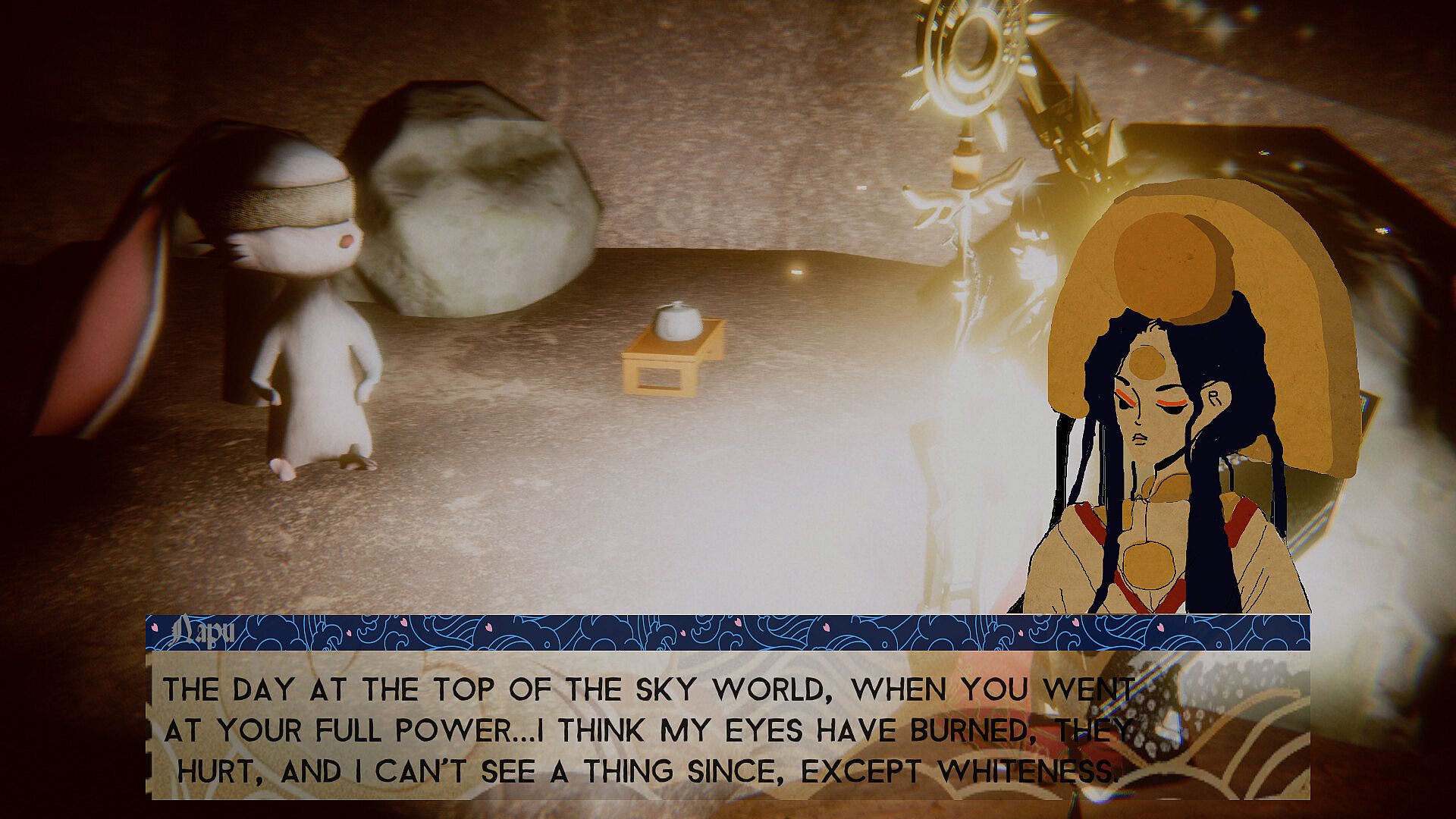
Hidden collectibles scattered through the levels provide incremental power upgrades, introducing light rogue lite progression that carries forward across runs. This system encourages repeated visits to earlier areas as new abilities or items alter how obstacles can be approached. Between expeditions, a cavern hub serves as a safe space for recovery and interaction with the growing group of animals, adding layers of narrative connection without interrupting the descent loop.
Exploration draws from methodical, interconnected level design that rewards observation and careful pathing. Combat remains secondary to avoidance and positioning, while the chase sequences demand timing and route planning to succeed.
Game Modes
The game operates as a single player campaign built around seven distinct levels. Progression follows a descent and return structure, with each successful extraction advancing the story and unlocking further access. Replayability stems from the adaptive elements introduced by collected upgrades, allowing players to revisit levels with altered capabilities that change traversal and encounter solutions.
No separate competitive or cooperative modes exist. The focus remains on the solitary journey through the underworld, supported by the hub area for reflection and animal interactions between runs. The structure supports multiple playthroughs as players experiment with different upgrade paths and refined strategies.
Exploration and Progression
Levels incorporate environmental challenges that test both spatial awareness and resource management. The rogue lite components manifest through persistent item discoveries rather than full restarts, creating a sense of gradual empowerment. Players learn to balance aggressive exploration with the need to preserve stealth advantages, particularly when extracting companions under pressure.
The hub cavern expands in utility as more animals are recovered, providing opportunities to observe changes in the group dynamic. This setup reinforces the central theme of redemption while offering brief respites from the underworld's demands.
Is It Worth Playing?
Amaterasu in Hell targets players who enjoy deliberate exploration and light roguelite systems within an action adventure framework. Its emphasis on stealth over brute force, combined with chase mechanics and adaptive replayability, suits those drawn to titles featuring careful navigation and incremental growth. The seven level structure keeps the experience focused, while the hub interactions add personal stakes to each descent.
With a planned release in Q1 2028 and no reviews available yet, interest depends on preference for the described mechanics. The game appears well suited to fans of atmospheric single player adventures that prioritize judgment and discovery over direct combat. Those seeking a concise yet replayable indie title centered on mythological themes and companion rescue may find it aligns with their tastes once it launches.











