




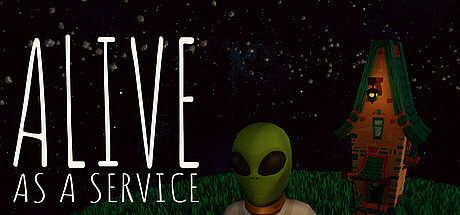


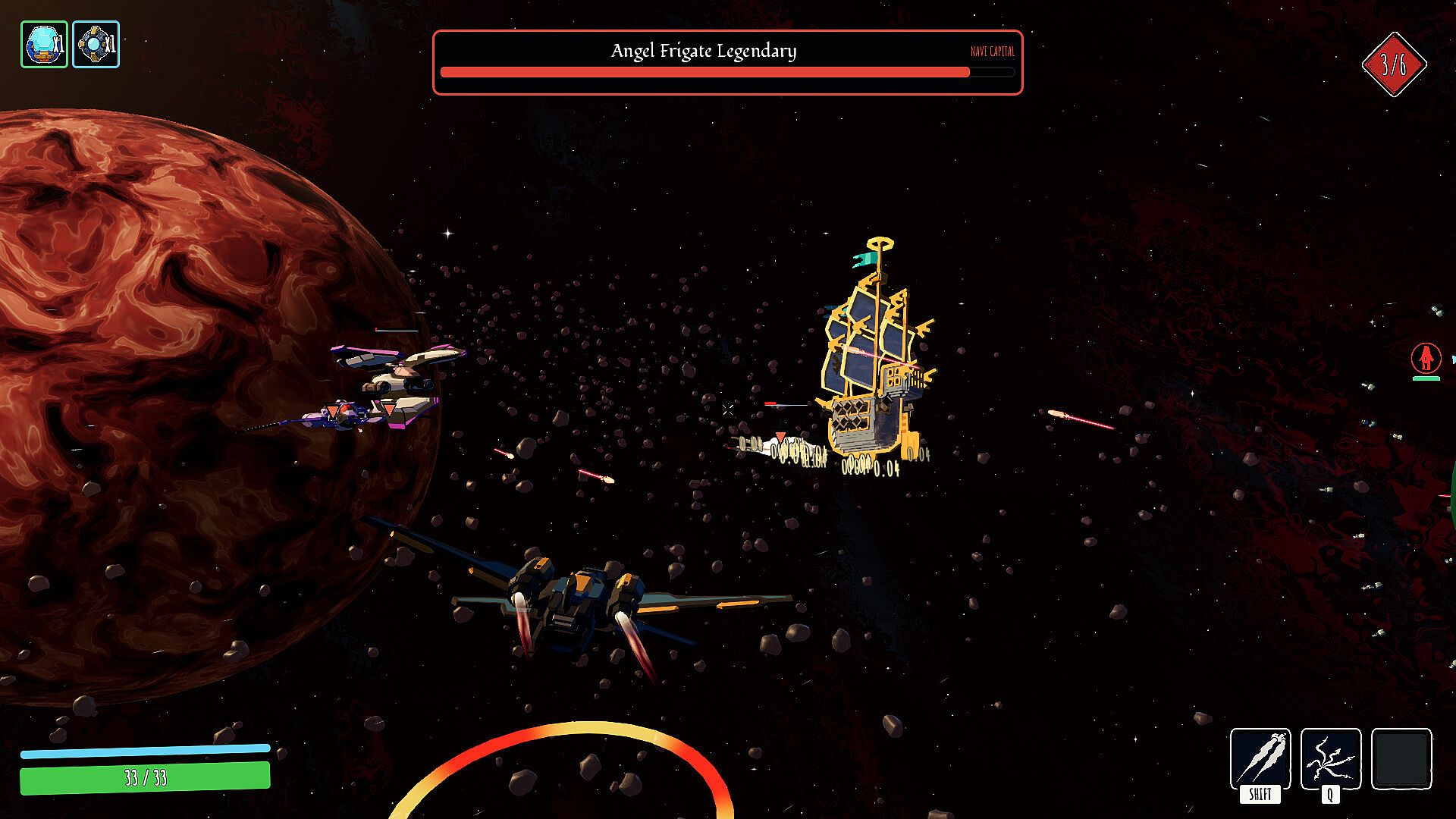
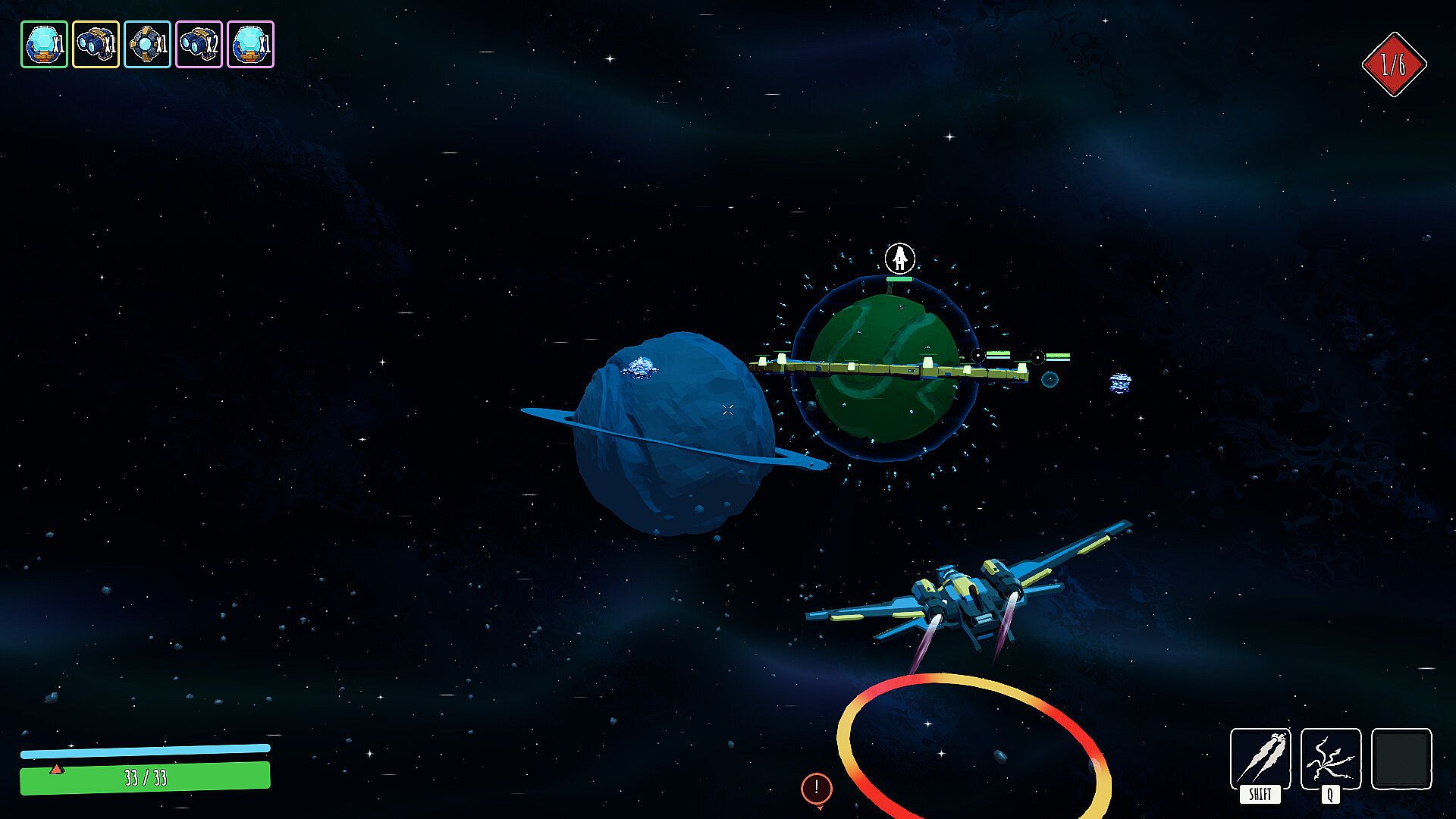
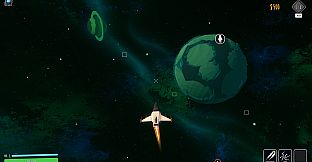
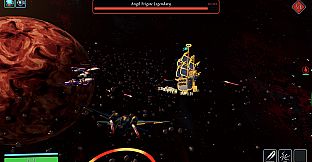
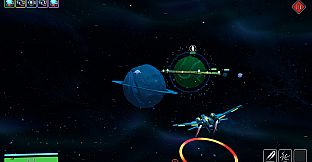
Alive as a Service is a single-player action roguelite that blends direct ship piloting with strategic defense management on PC. Players take control of an AI tasked with protecting a homeowner named Bob while expanding planetary infrastructure across multiple worlds. The core loop centers on surviving enemy waves, deploying automated units, and progressing through procedurally shifting environments that carry over progress between locations.
Gameplay
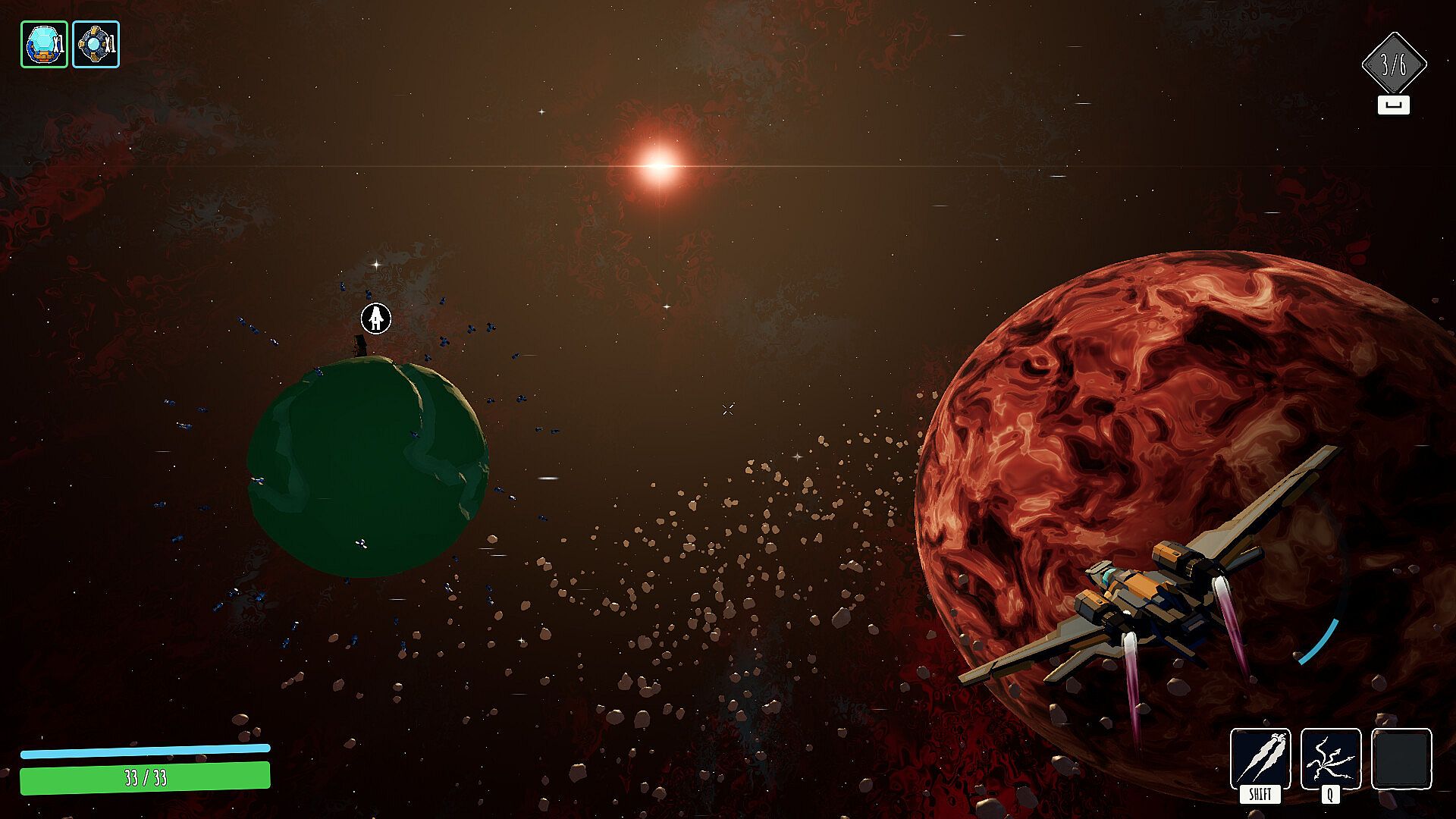
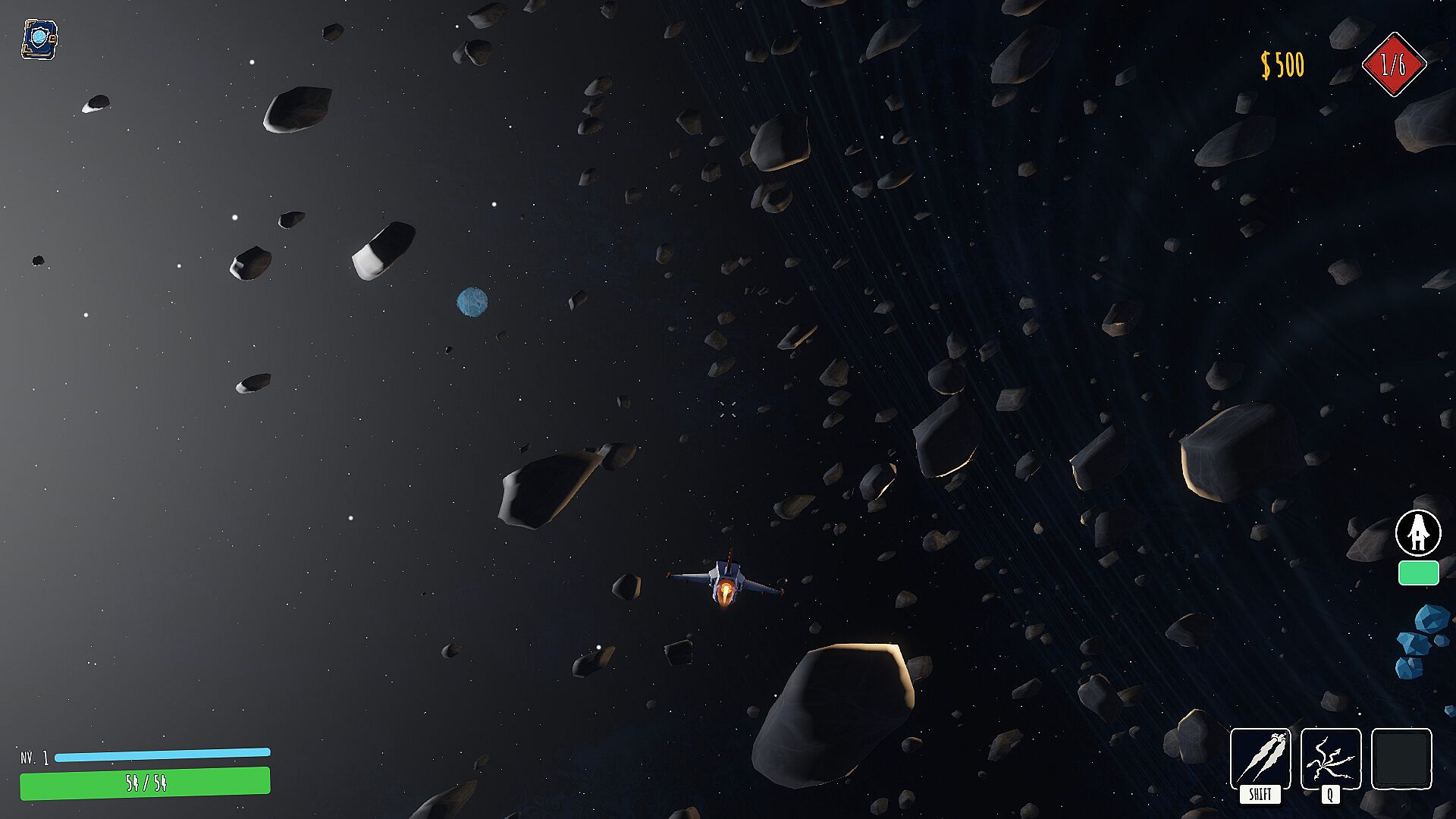
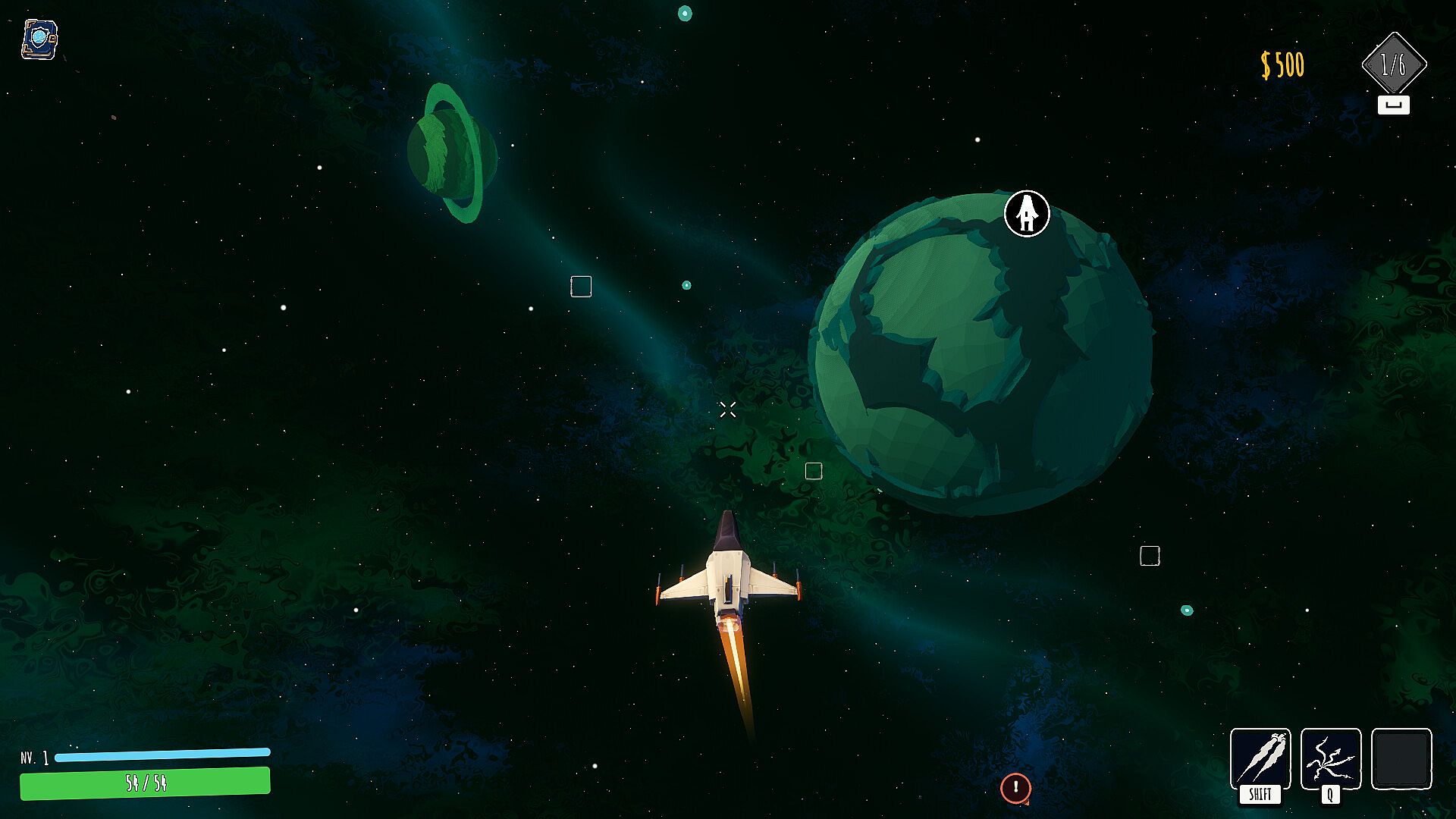
The experience begins with direct control of a combat ship tasked with intercepting threats headed toward a central core installed in Bob's house. Enemy fleets arrive in successive waves, requiring precise maneuvering to neutralize incoming units before they reach the objective. Between waves, the AI automatically expands the surrounding infrastructure, adding structures, shields, and orbital facilities that bolster overall defenses without manual intervention.
Units such as additional ships and satellites function as extensions of the same AI consciousness, allowing players to pre-select deployments that cover multiple angles around the house. This setup encourages spreading presence across the planet to intercept distant threats while maintaining focus on the immediate perimeter. Progress carries forward when completing a mission and opening a portal to a new world, where the environment, objectives, and enemy compositions change but accumulated defenses and upgrades persist.
The roguelite structure emphasizes survival runs that grow in scale, turning an initial residential setup into a sprawling orbital network. Each destination introduces variations in threats and layout, forcing adaptation while the carried-over assets provide continuity across the run.
Game Modes
The game centers on a unified roguelite campaign built around wave-based defense missions. Players engage in sequential runs where the primary objective remains protecting the core through direct piloting and unit deployment. World transitions serve as the main progression mechanic, with each new location altering the tactical demands without introducing separate standalone modes.
Success in one world unlocks the next phase of the run, maintaining the same core systems of ship control, automated expansion, and threat interception. The format supports extended sessions focused on building resilience across multiple jumps rather than branching into distinct competitive or cooperative formats.
Progression and Systems
Automatic infrastructure growth forms a key layer, where surviving waves triggers the addition of new defensive elements that scale the planet's capabilities. Players influence this through choices in unit deployment and ship positioning, but the expansion itself occurs independently during lulls in combat. This creates a feedback loop where early survival investments compound into later advantages.
World-hopping ensures that earned power does not reset, allowing the defense network to evolve continuously. Environmental shifts on each planet modify how threats approach and what resources become available, adding variety to the otherwise consistent defense focus. The system rewards consistent performance across an entire run rather than isolated encounters.
Is It Worth Playing?
Alive as a Service targets players who enjoy single-player roguelites that combine real-time action with light strategy elements. The direct ship control paired with automated unit management offers a hybrid loop suited to those who prefer managing multiple layers of defense without relying on multiplayer coordination. Its upcoming release in October 2026 means the full experience remains ahead, with the described mechanics providing a clear picture of the intended flow.
Those drawn to planetary defense themes and persistent progression across changing environments will find the core systems align closely with that interest. The absence of confirmed additional modes or post-launch updates at this stage keeps the focus on the base roguelite structure, making it a consideration for fans seeking a contained single-player campaign rather than ongoing live service content. Early interest appears centered on its Godot-developed approach to tower defense and roguelite fusion, though broader reception will depend on the final release.











