




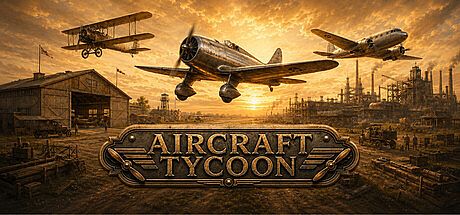


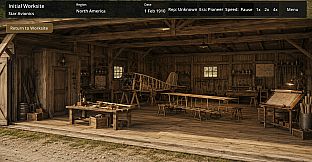
Aircraft Tycoon is a single-player strategy and simulation game focused on building and managing an aircraft manufacturing company. Players start in the early days of aviation with limited resources and basic technology, then expand operations through careful design choices, testing procedures, and business decisions that shape long-term success.
Gameplay
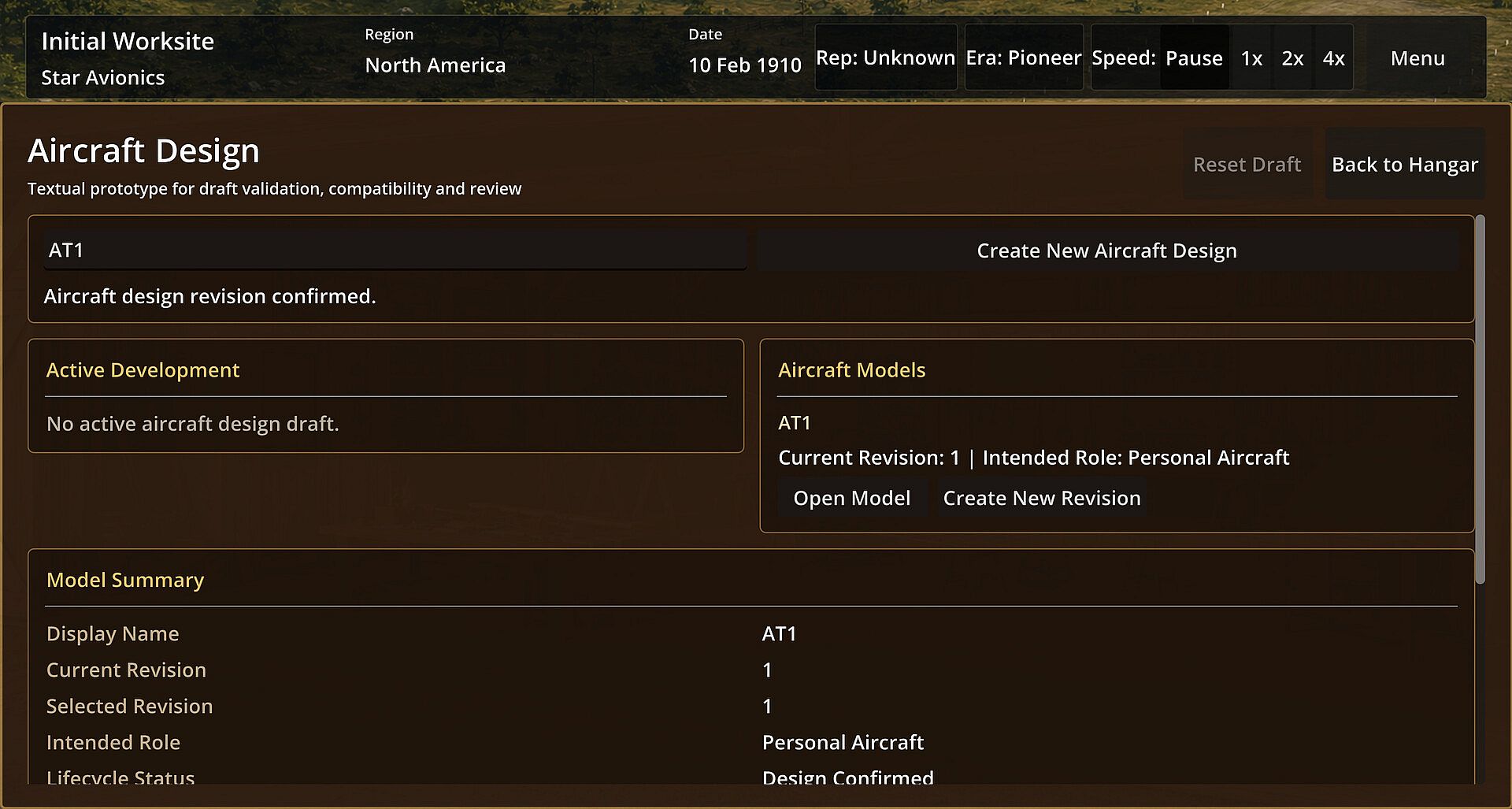
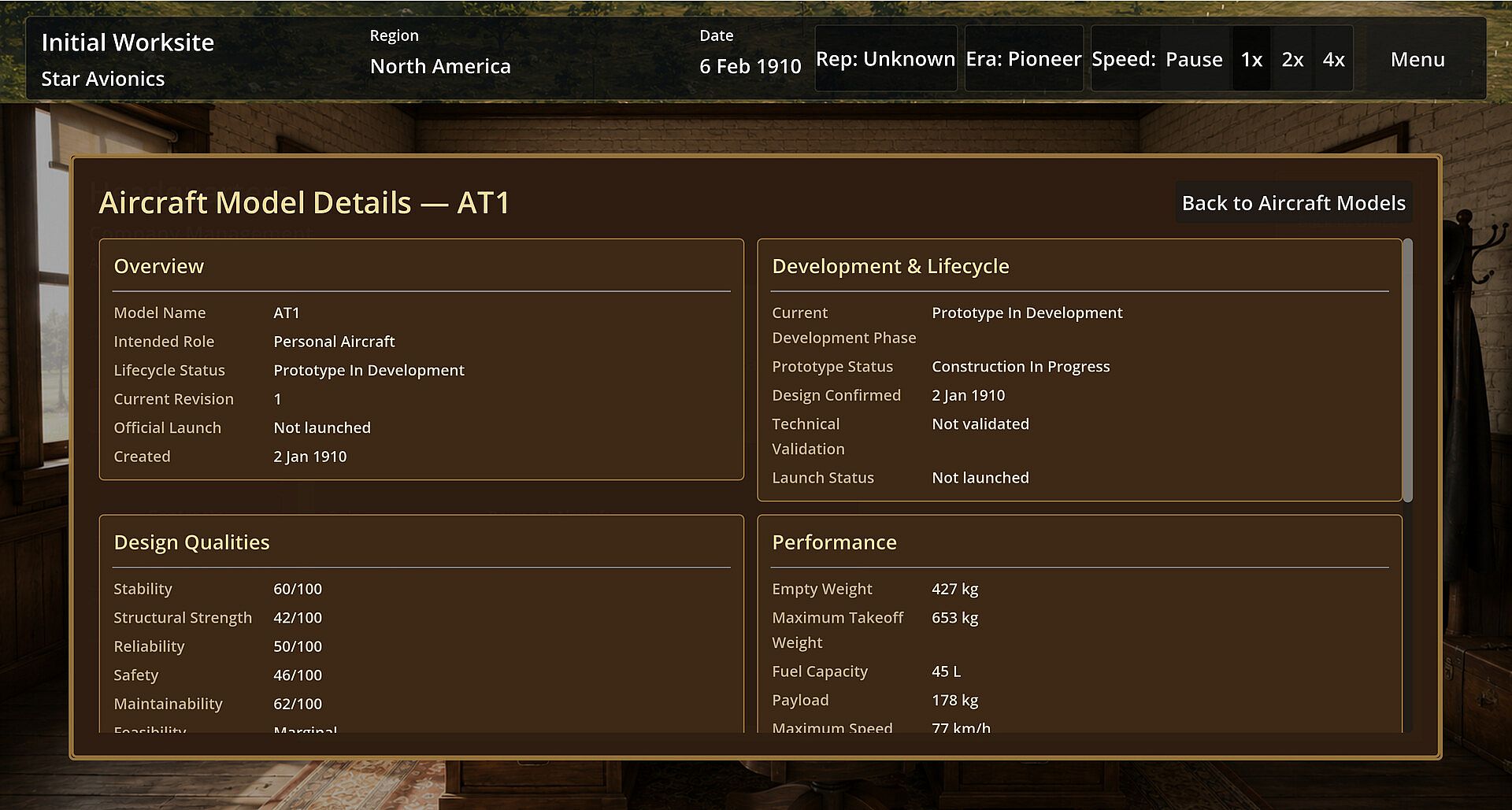
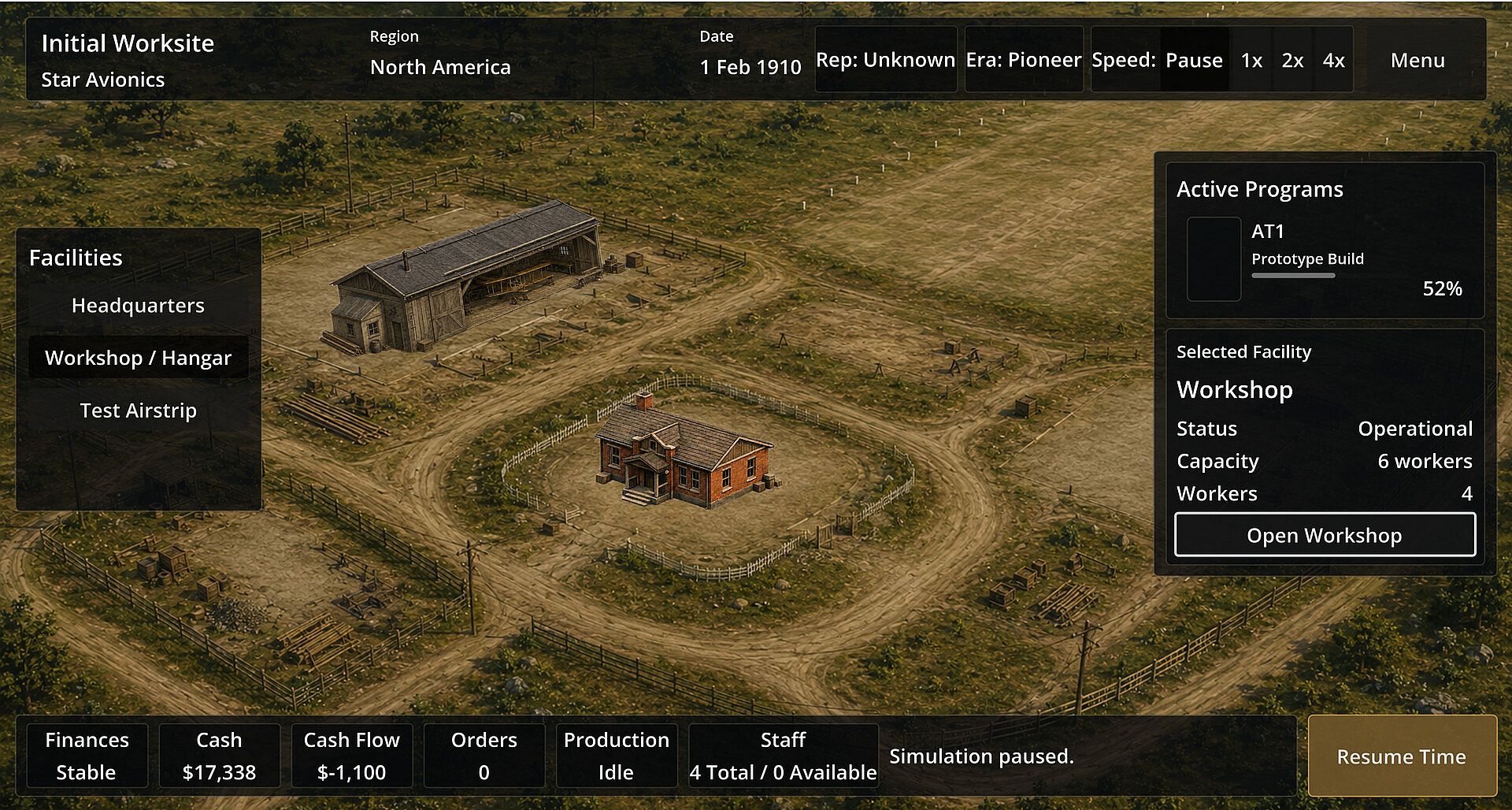
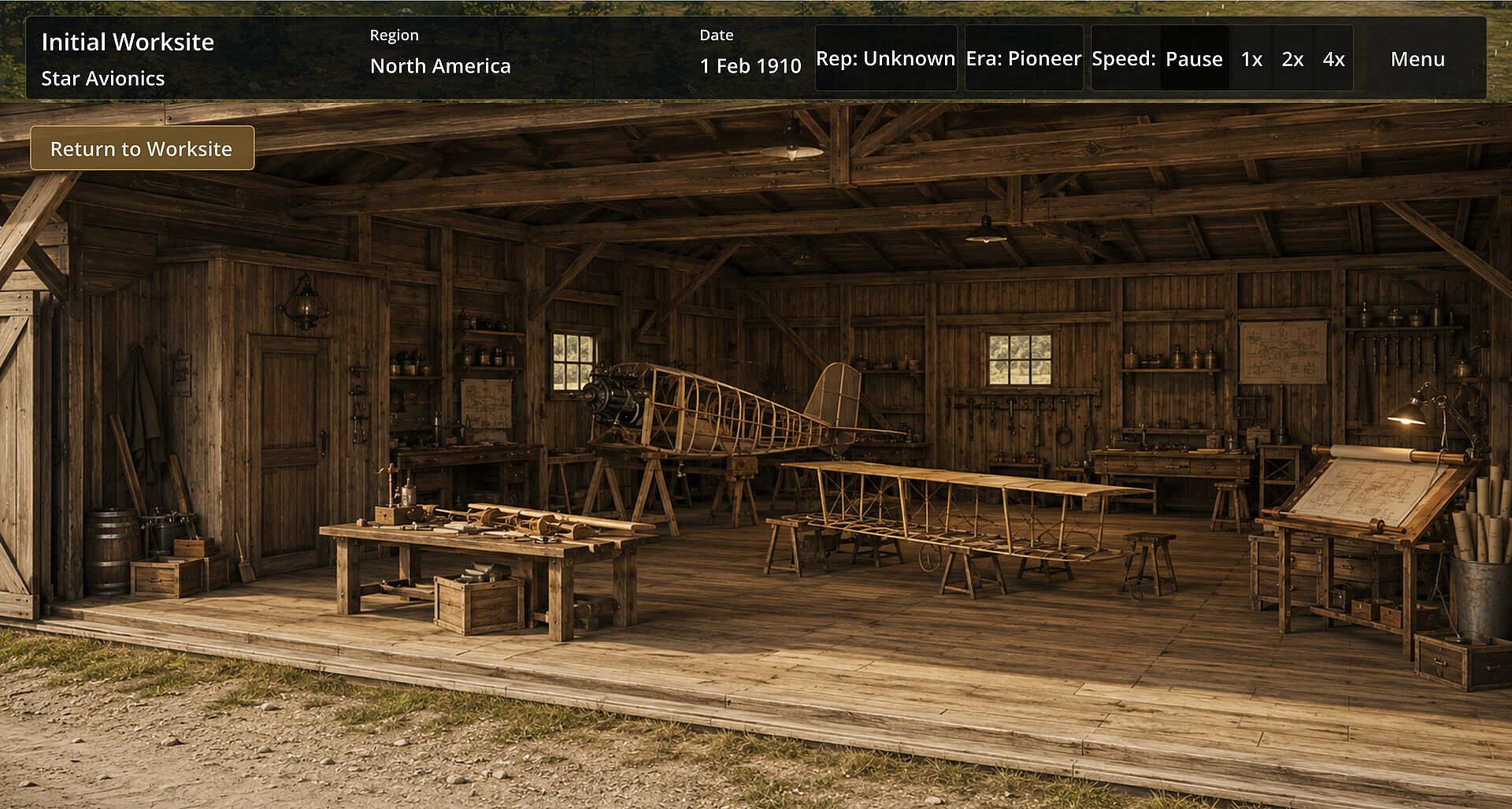
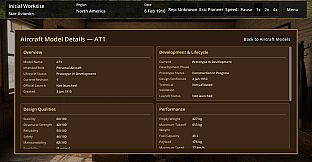
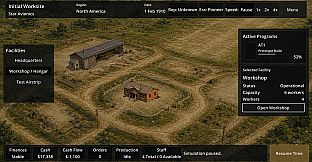
The core loop centers on expanding a modest worksite into a capable production facility. Players handle finances, facility upgrades, model development, supplier relationships, and contract fulfillment while balancing production capacity against incoming orders. Every aircraft begins as a combination of components such as airframes, wings, engines, flight controls, fuel systems, equipment packages, and landing gear. Choices in these areas directly influence performance metrics, manufacturing costs, reliability, safety standards, and overall market fit.
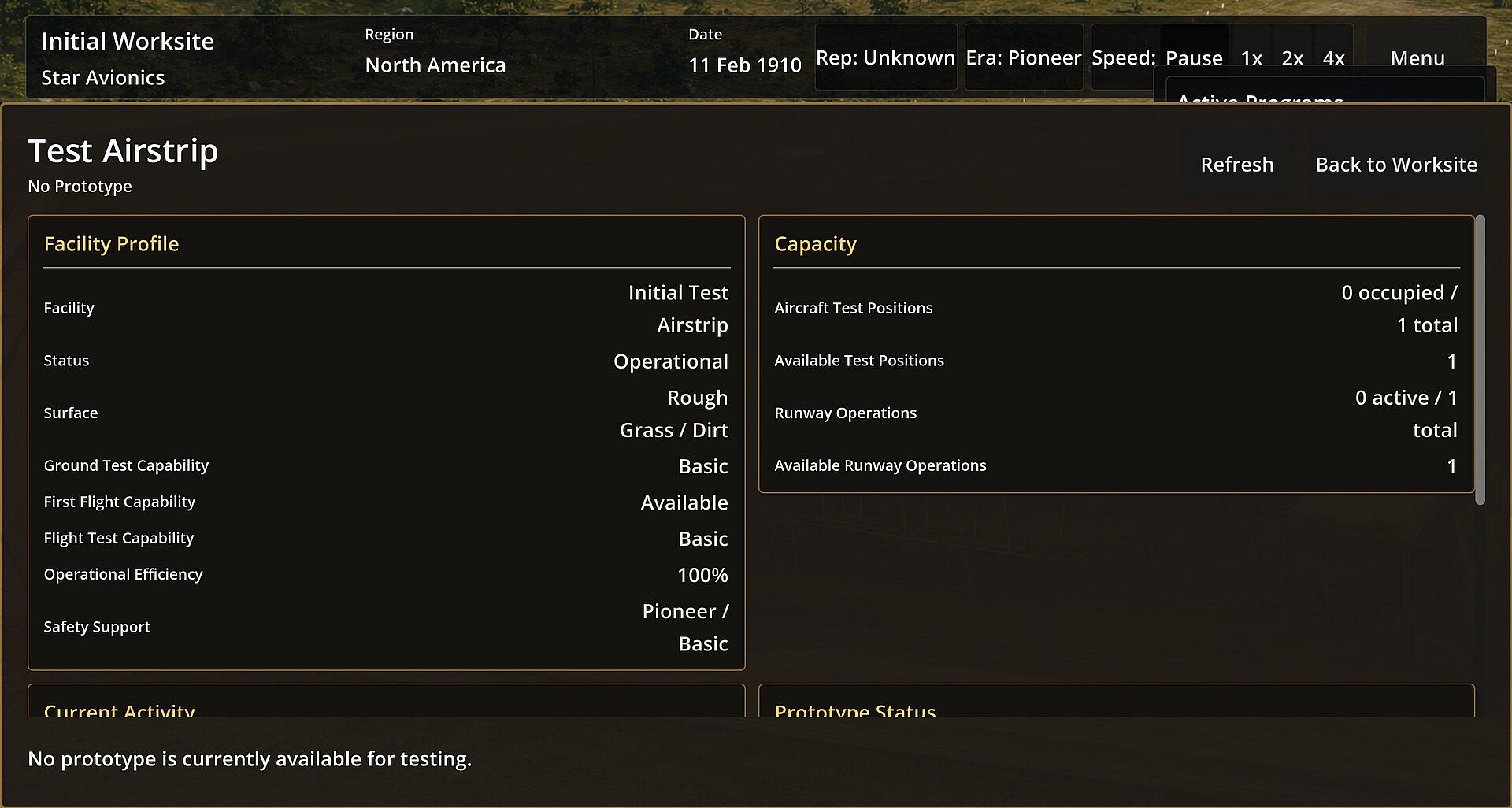
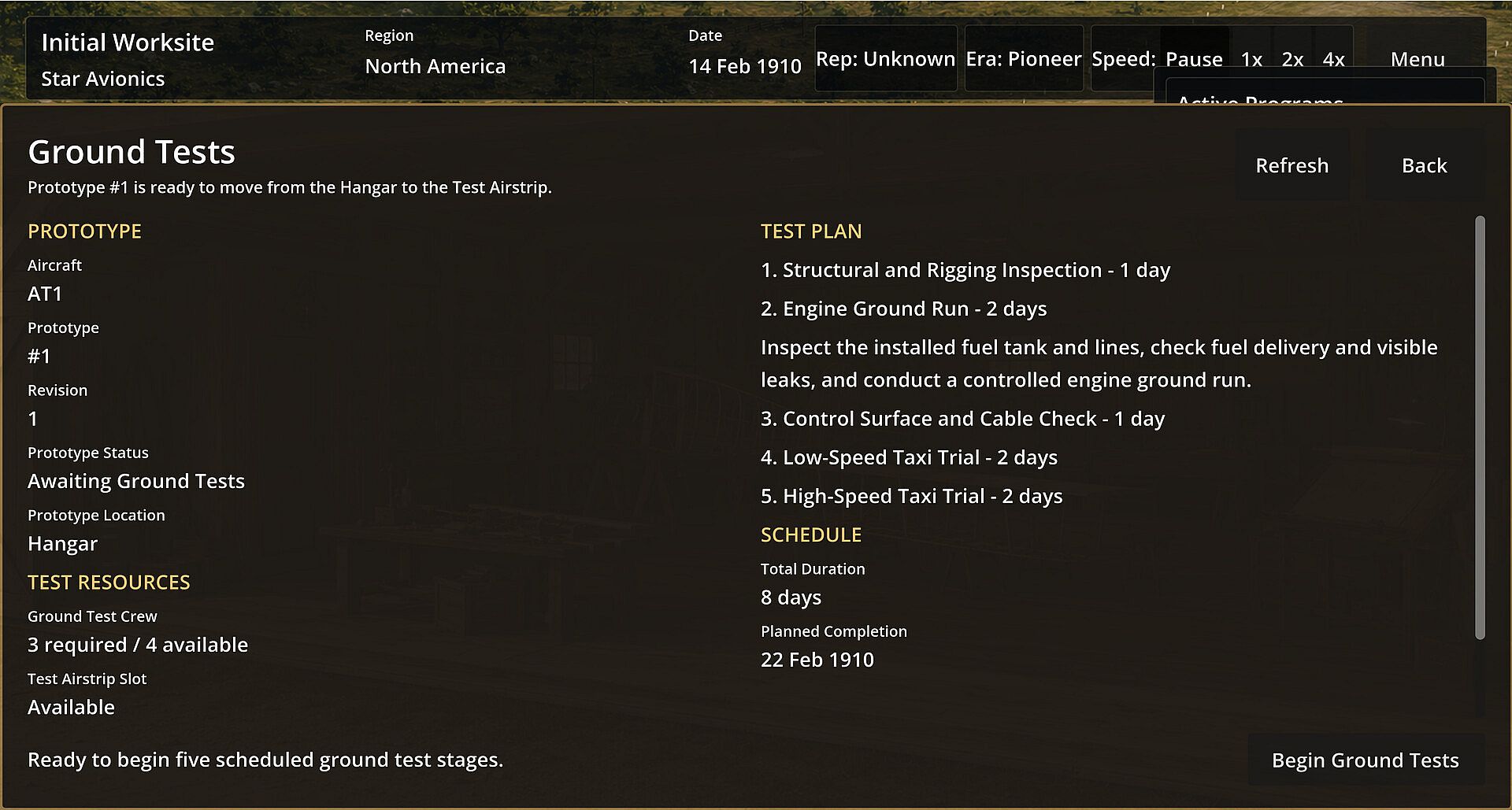
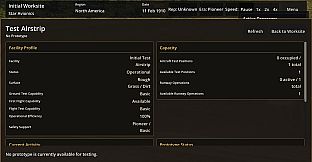
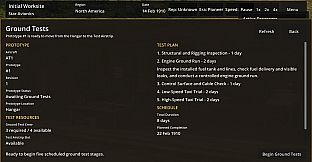
Prototypes move from the drawing board to physical testing through ground evaluations, initial flights, and extended flight campaigns. Issues discovered during these stages can be addressed through fixes, accepted as trade-offs, or used to justify further redesign work. Market presentations then gauge customer interest, with different buyers prioritizing factors like price, delivery speed, operational suitability, and proven reliability. Negotiations follow, requiring realistic commitments on quantities and timelines to avoid penalties that harm reputation and cash flow.
Engine sourcing adds another layer of planning, as external suppliers offer varying availability, pricing, and delivery schedules that affect both design options and inventory management across multiple sites. Production itself demands precise allocation of resources to meet active contracts without creating shortages or excessive delays that could jeopardize the entire operation.
Game Modes
The game operates entirely in single-player mode, with no multiplayer features or separate campaign structures listed. Progression unfolds through the ongoing management of company growth, where players advance by completing successful deliveries, securing repeat business, and scaling facilities over time. The experience emphasizes long-term decision making rather than discrete levels or competitive scenarios.
Key Mechanics and Systems
Design flexibility allows extensive customization of each aircraft model, with ripple effects across cost, build complexity, and customer appeal. Supplier management requires ongoing comparison of offers and prioritization of deliveries to maintain steady production lines. Contract handling rewards accurate forecasting, since overpromising leads to financial strain and damaged relationships while underdelivering preserves stability at the expense of immediate revenue.
Reputation builds through consistent performance, opening doors to larger or more demanding customers as the company matures. The simulation tracks multiple interconnected systems, including cash flow, inventory, and production queues, forcing players to weigh short-term gains against sustainable growth across the history of aviation technology.
Is It Worth Playing?
Aircraft Tycoon targets players who enjoy detailed management simulations centered on industrial processes, technological development, and commercial strategy. Its single-player focus and emphasis on risk assessment in design and production make it suitable for those who prefer methodical planning over fast-paced action. As an unreleased title with no user reviews available yet, its appeal rests on the depth of the described systems for fans of tycoon-style gameplay. Those interested in aviation history combined with business simulation will find the core loop aligns closely with that interest, though final judgment depends on how the systems perform once the game launches.











