




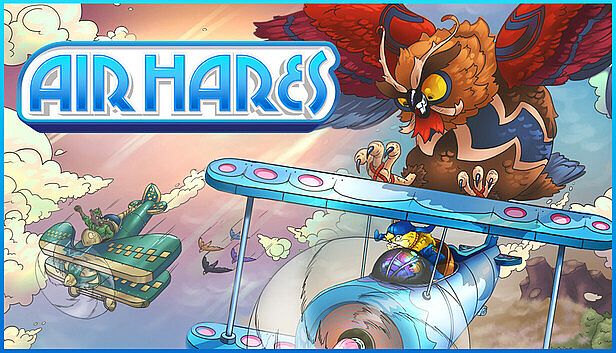














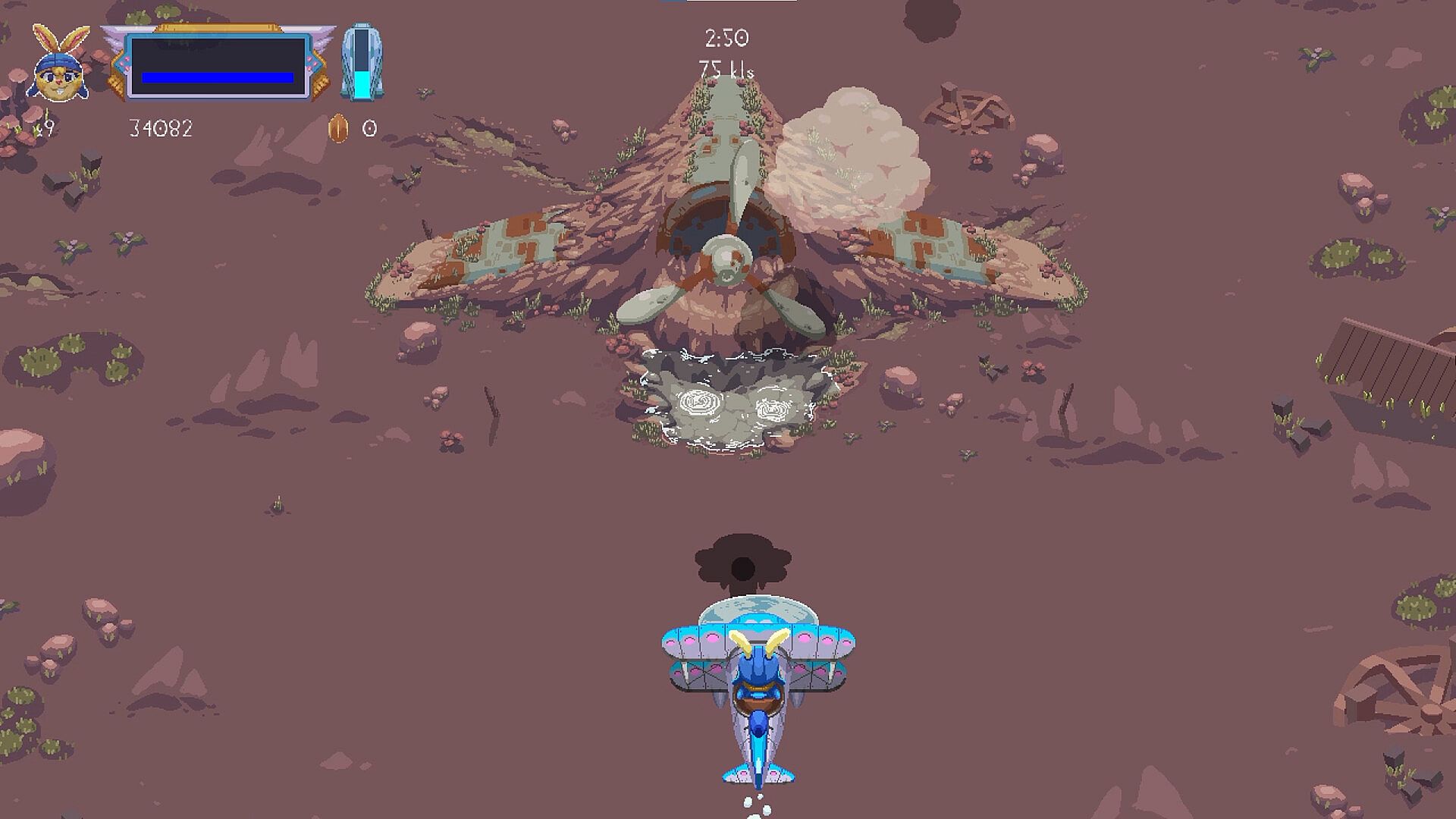
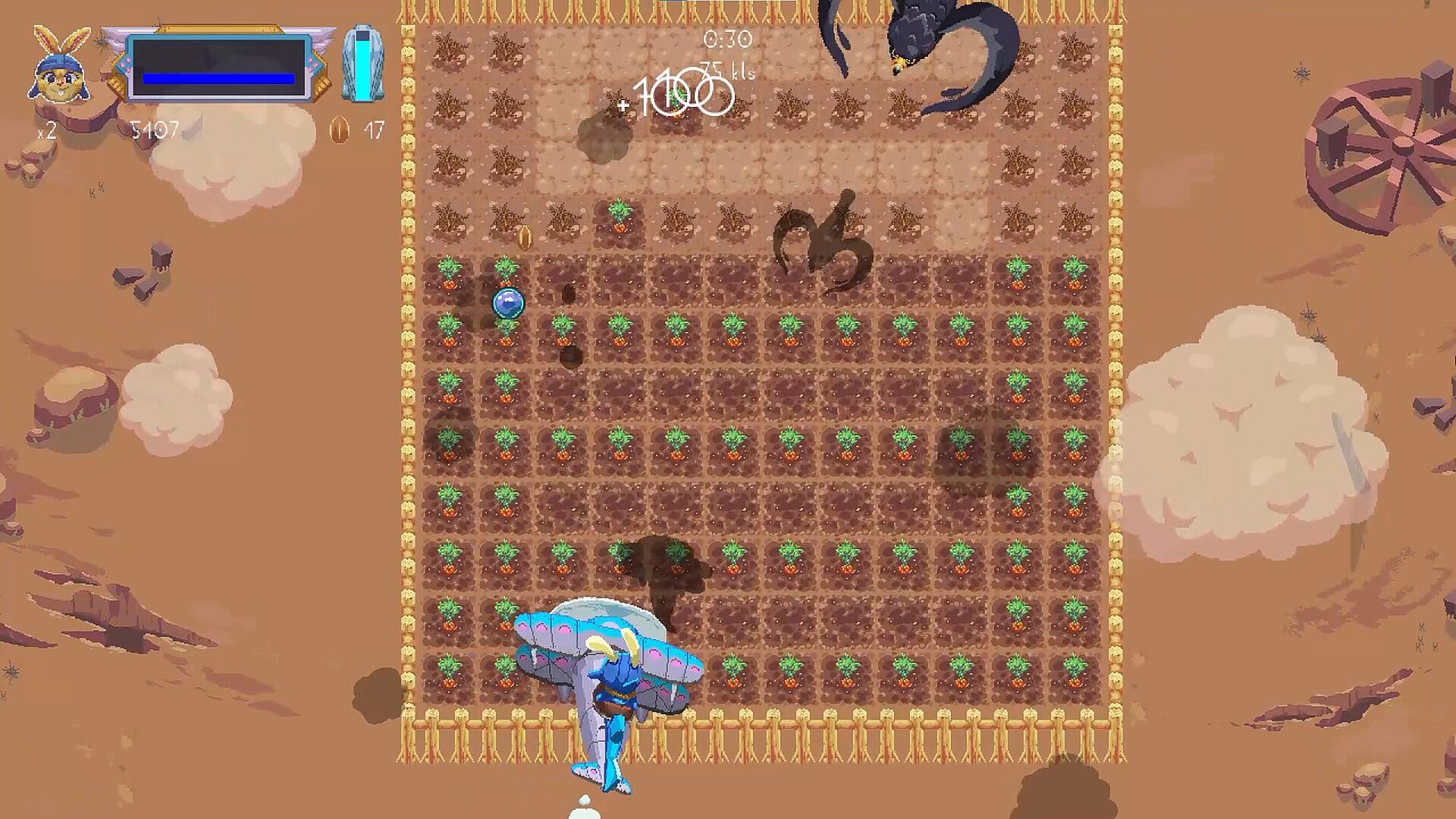
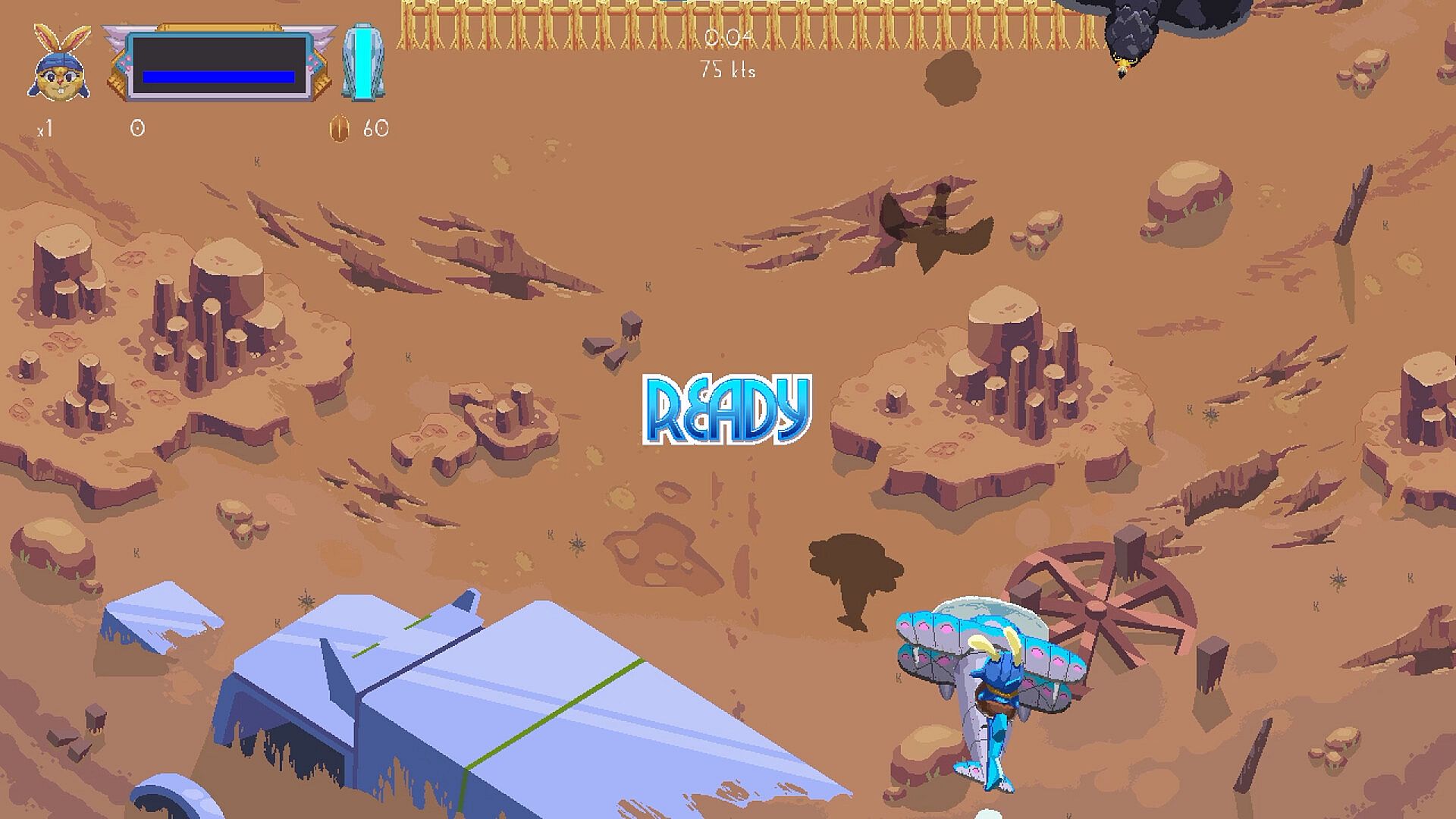
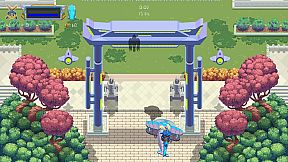
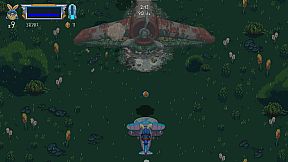
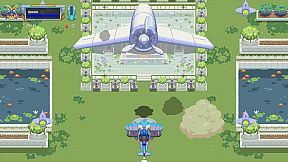
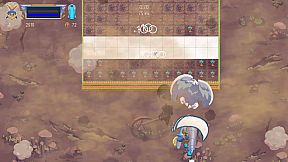
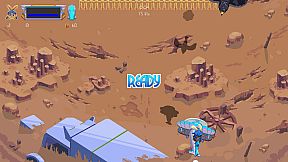
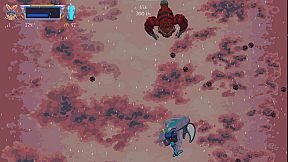
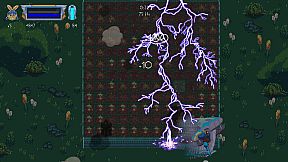
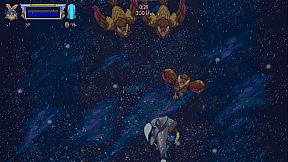
Air Hares is an action indie adventure game on PC that blends top-down flight mechanics with a restoration focus. Players control Captain Rabbo Sunskipper, a hare pilot, in a world scarred by the Black Blaze dust storm that has left farmlands barren. The core experience centers on turning desolate areas back into productive carrot fields while contending with hostile birds from the Gale Gang.
Gameplay
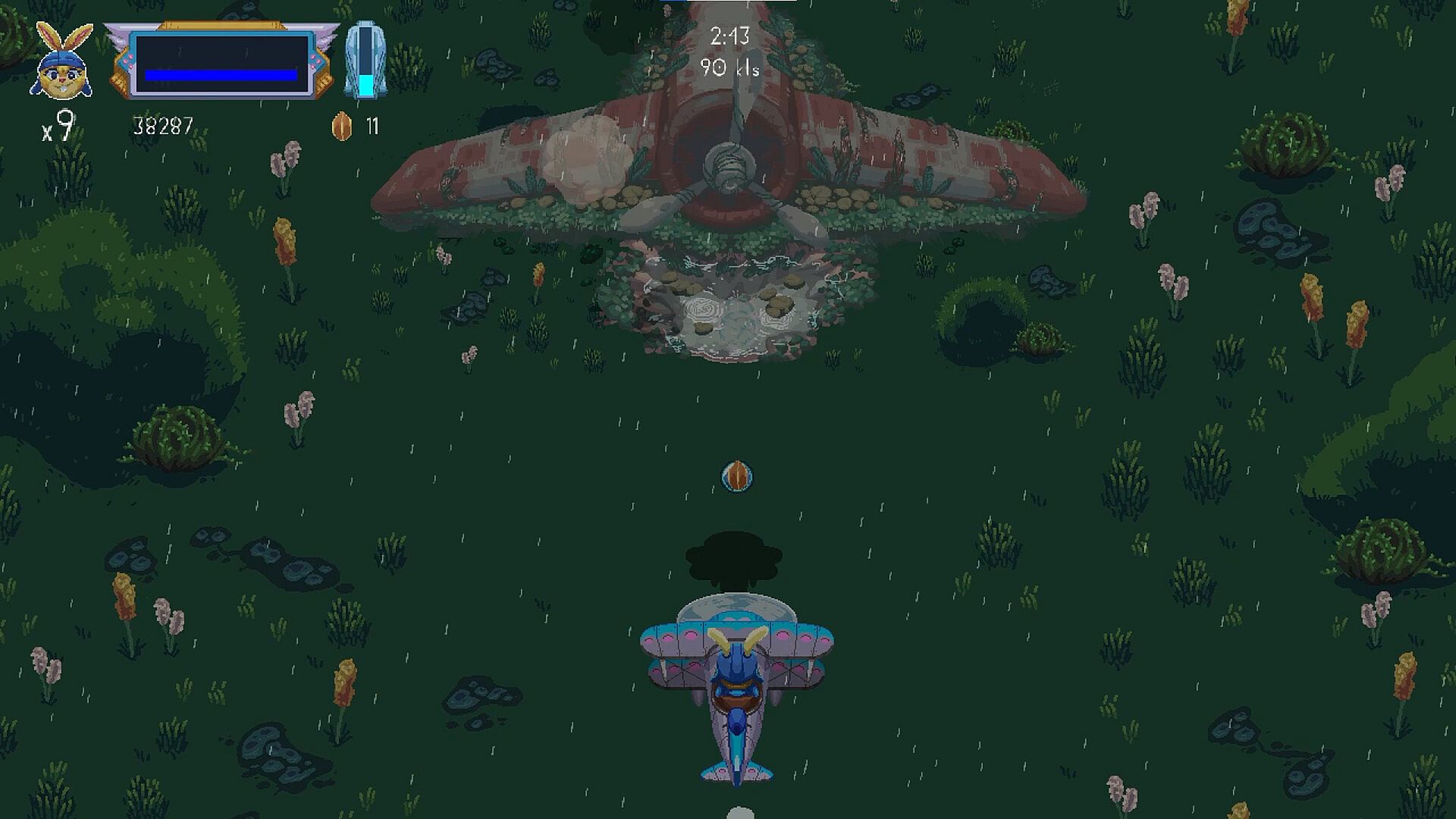
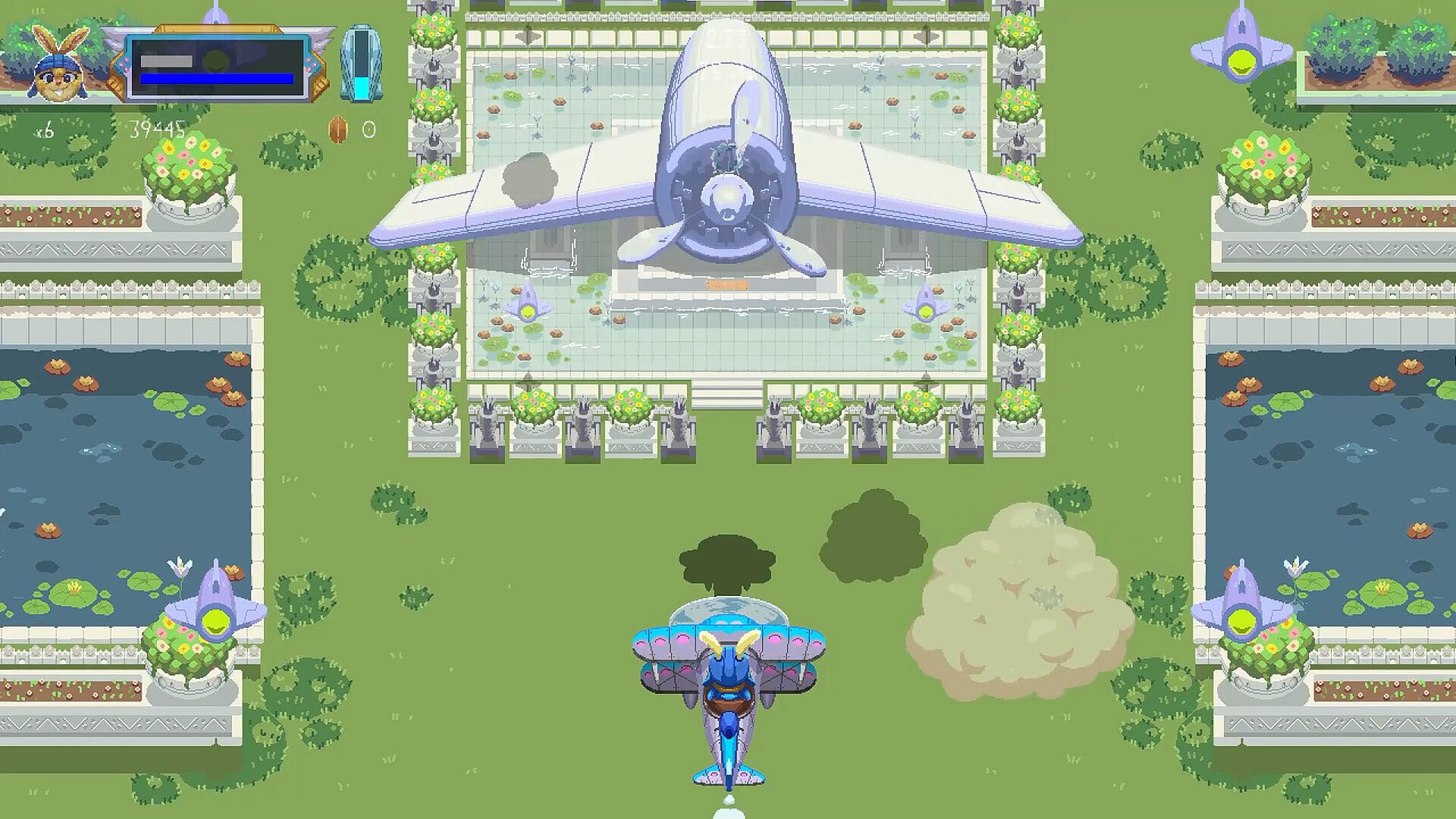
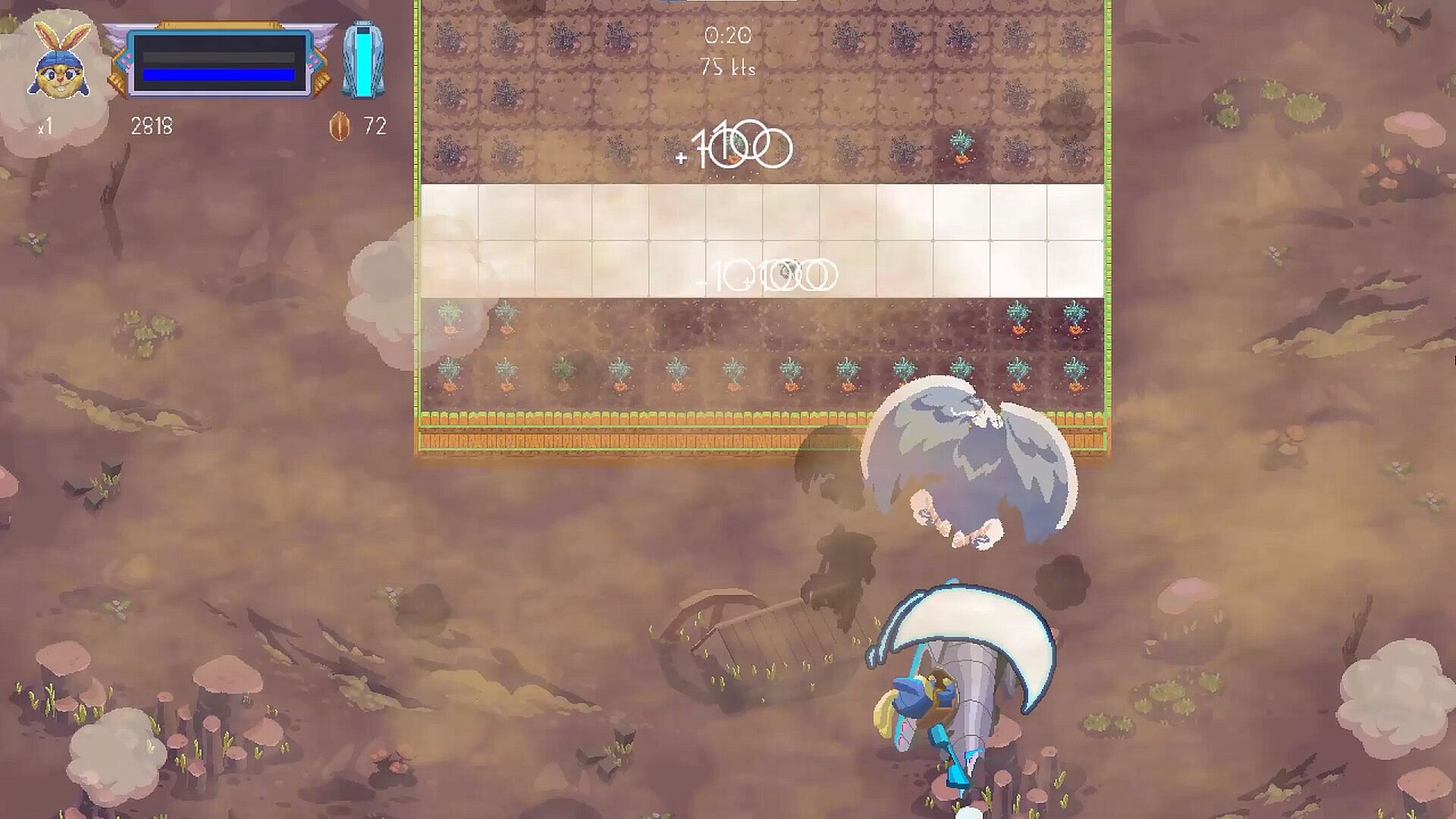
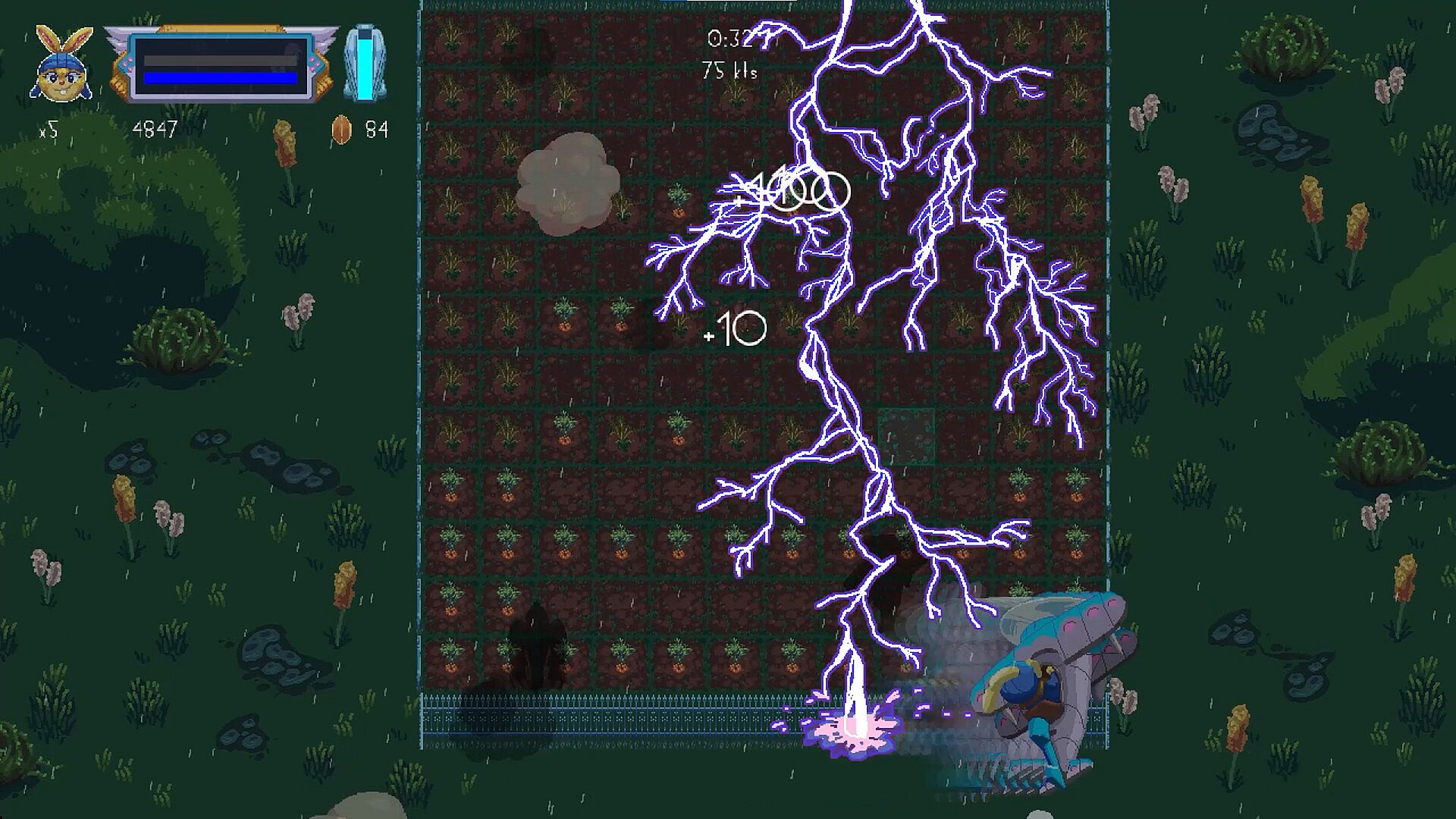
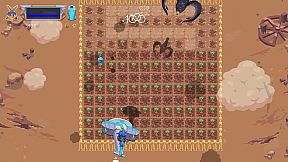
The gameplay inverts traditional bullet hell expectations by prioritizing crop cultivation over enemy elimination. Pilots fly a small plane equipped with seeds and water supplies across open fields. The objective requires precise drops of seed pods and water droplets into designated barren patches to promote growth. Success depends on accurate timing and positioning amid constant movement.
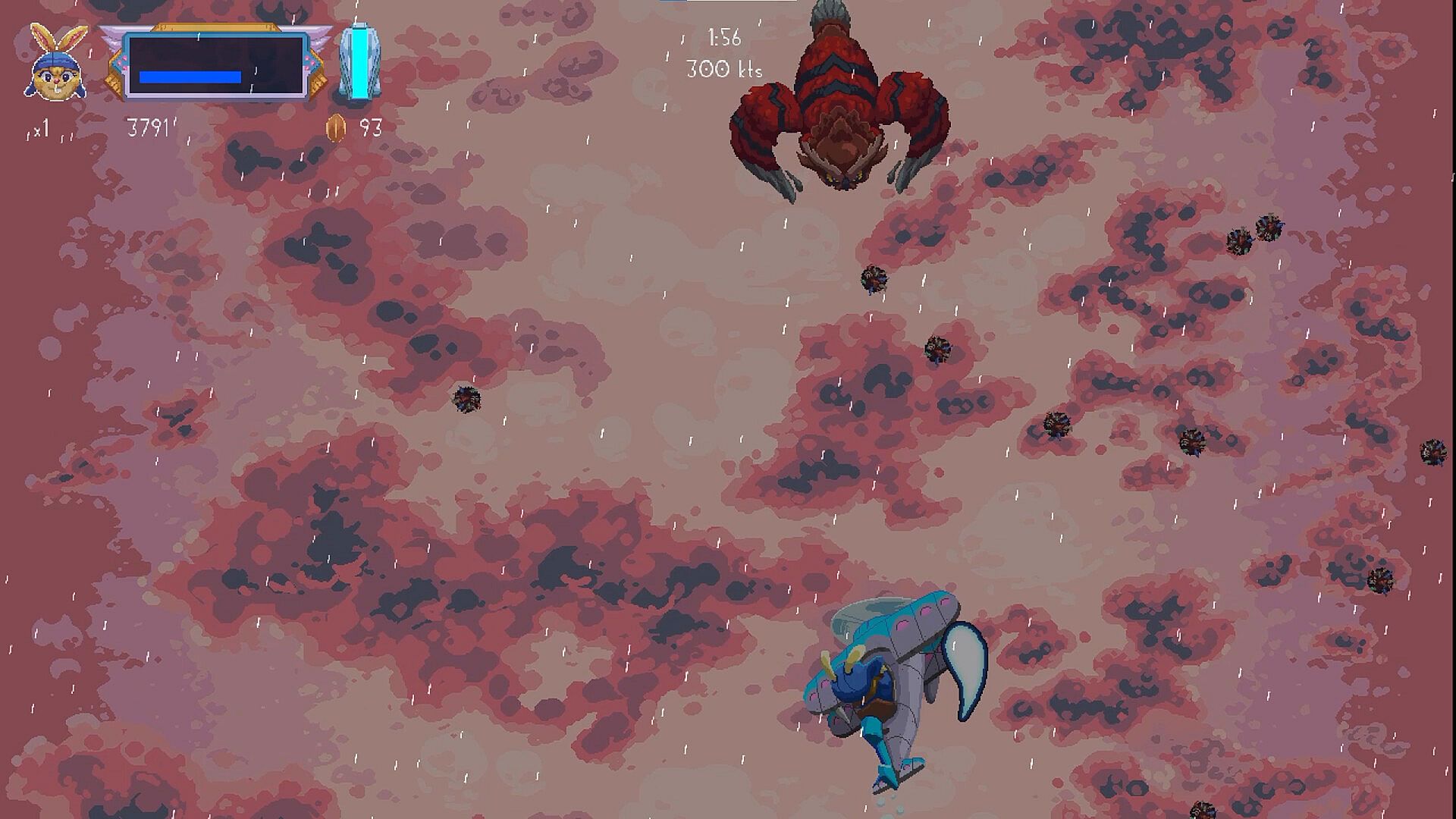
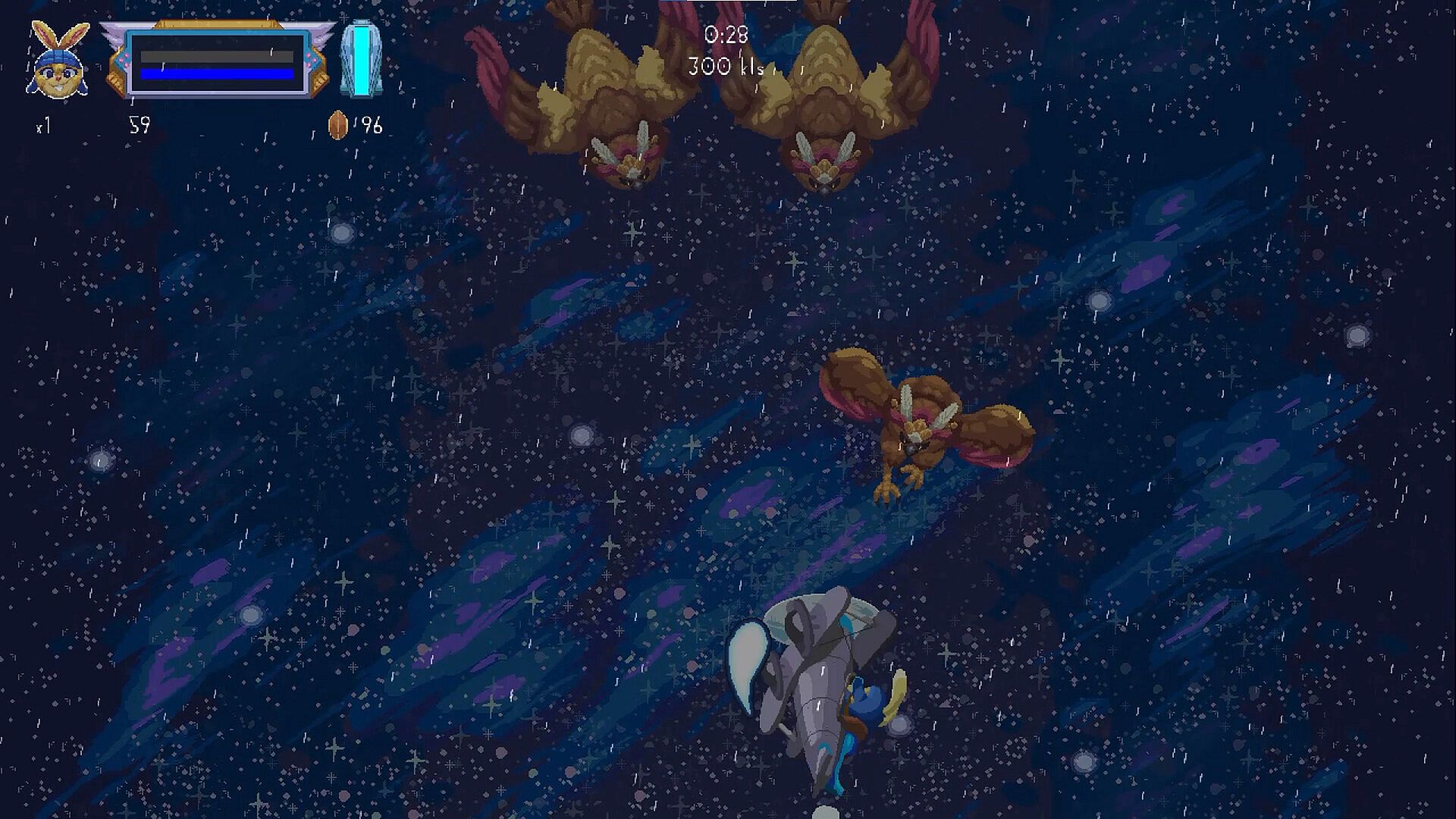
Enemies from the Gale Gang appear in waves and must be avoided through dodging, quick jabs, or direct ramming. These avian foes attempt to disrupt planting efforts and maintain the wasteland state. Captain Rabbo works alongside her companion Dirk Doggo, who assists in the dual role of support during flights. Progression involves clearing sections of land, which gradually transforms the environment and unlocks further areas in Winrose Warren.
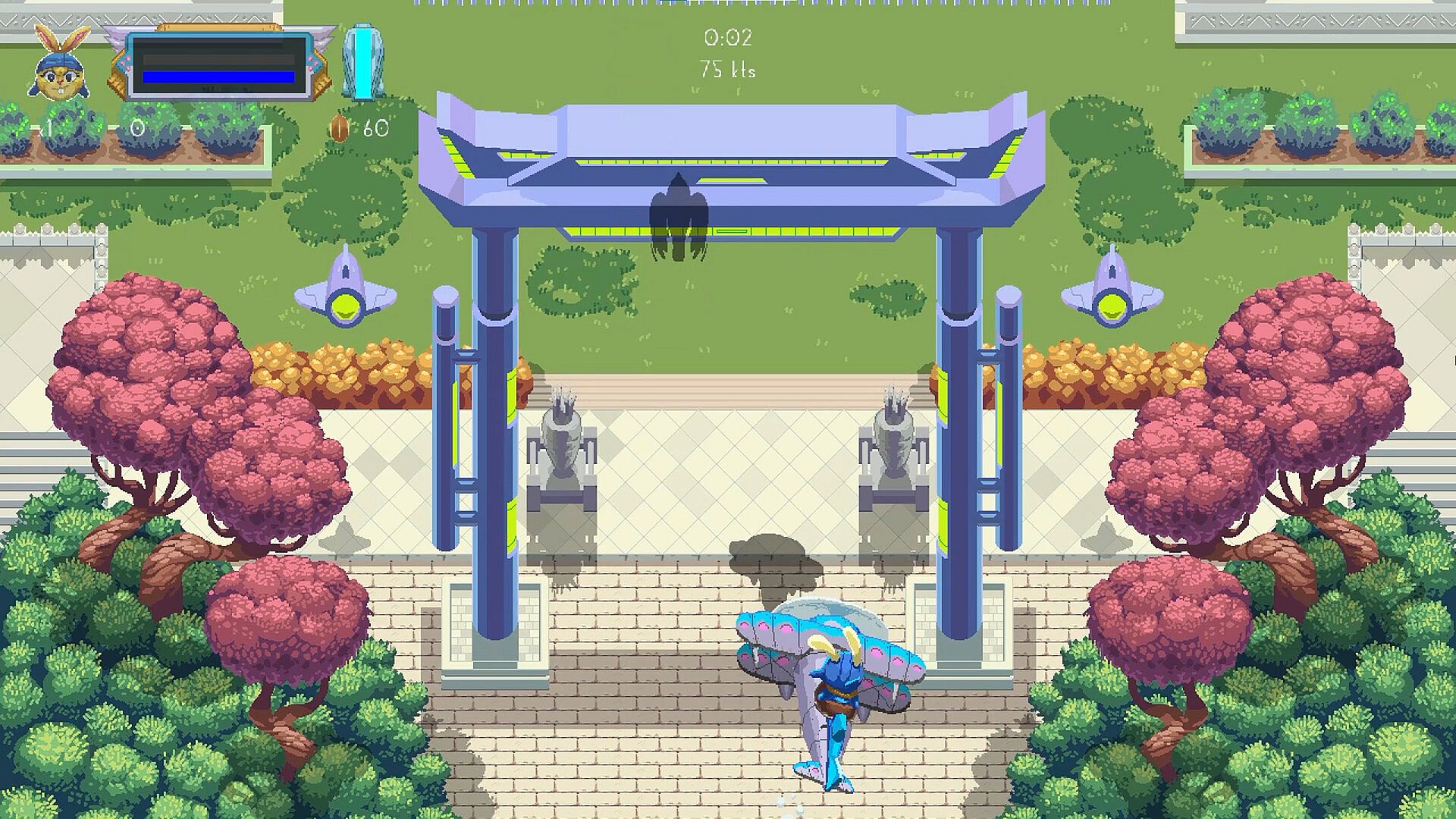
Resource management plays a key role. Limited supplies mean players must balance offensive maneuvers against the need to cover as much ground as possible before threats overwhelm the fields. The top-down perspective provides clear visibility of incoming patterns and target zones, allowing for deliberate flight paths rather than frantic evasion alone.
Game Modes
Air Hares offers a story mode that supports single-player sessions with a limited number of lives. This mode allows saving progress and guides players through the full sequence of challenges, culminating in a confrontation with the Twin Horn. The structure encourages repeated attempts to refine planting routes and enemy avoidance strategies.
A separate cooperative mode lets a second player join as Dirk Doggo. The companion handles complementary tasks during flights, adding coordination requirements and opening different approaches to field restoration. Both modes operate across the same four stages, each presenting distinct layouts and enemy behaviors tied to the ongoing effort to rebuild the warren.
Story and Progression
The narrative follows the Air Hares as they combat the Gale Gang's efforts to keep the land desolate. Captain Rabbo leads the group in missions that combine aerial farming with defensive actions. As fields yield harvests, the warren expands from isolated plots into a more connected settlement, attracting additional recruits and altering the available flying space.
Each stage builds on the previous one by introducing denser enemy formations and more complex field patterns. The final encounter with the Twin Horn serves as the decisive test of the restoration work completed throughout the campaign. Environmental changes reflect player success, with barren zones giving way to visible crop growth that influences later missions.
Is It Worth Playing?
Air Hares suits players who enjoy methodical top-down action with a constructive twist rather than pure combat. The emphasis on seeding and watering creates a steady loop that rewards precision and planning over raw aggression. Cooperative sessions provide an additional layer for those who prefer shared control with a partner.
Reception highlights the refreshing mechanics and retro presentation, though the game remains a niche indie title with focused scope. It launched with support for both solo and paired play, and the four-stage structure delivers a complete experience without unnecessary padding. Those drawn to unique bullet hell variations or light adventure elements in a PC package will find consistent engagement across multiple runs.
The game appeals most to fans of restoration-themed gameplay and straightforward flight controls. Its current availability on PC makes it accessible for short sessions or longer attempts to optimize crop yields while managing threats from the Gale Gang.















