














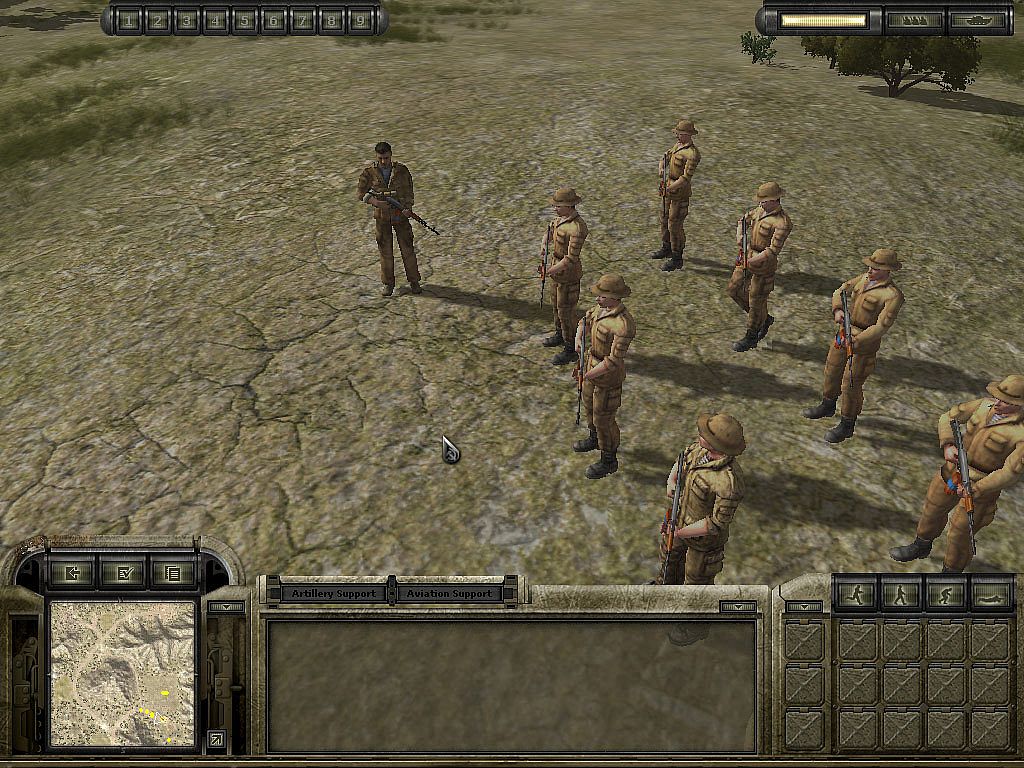
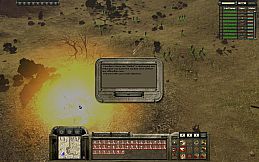
9th Company: Roots Of Terror is a real-time strategy game set during the Soviet military campaign in Afghanistan. It draws directly from the historical stand of the 9th Company of the 345th Guards Airborne Regiment on Hill 3234 in January 1988. Players command Soviet forces through a narrative that begins with recruit training in Uzbekistan's Fergana Valley and builds toward intense defensive actions against Mujahideen fighters and mercenaries.
Gameplay
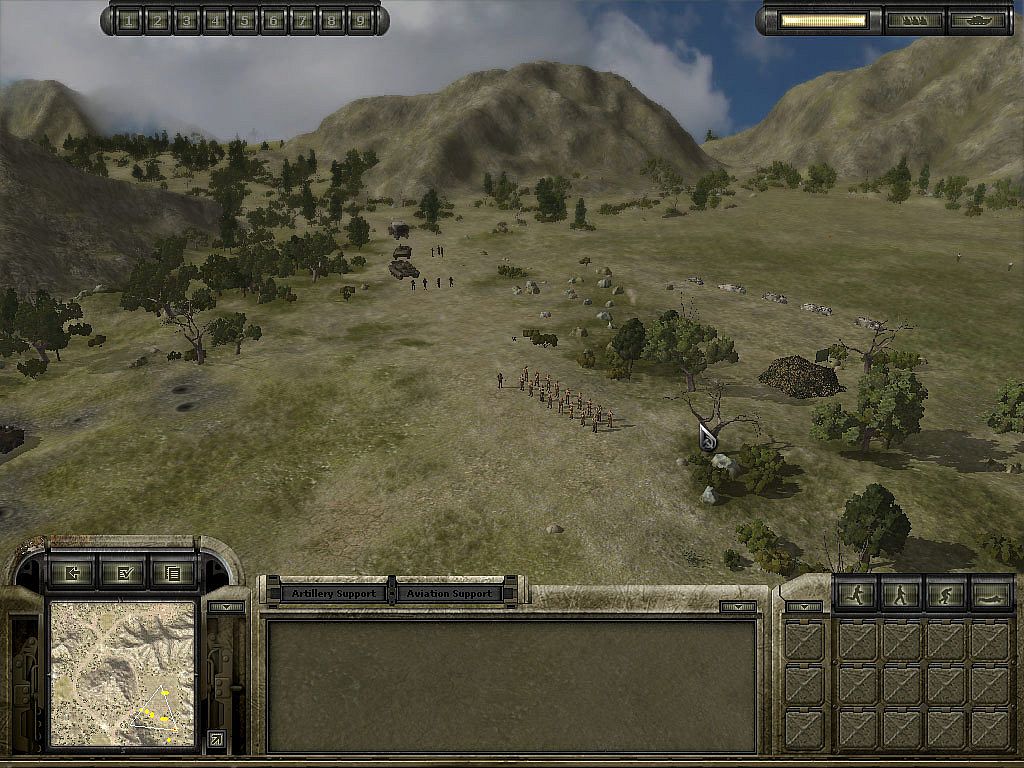
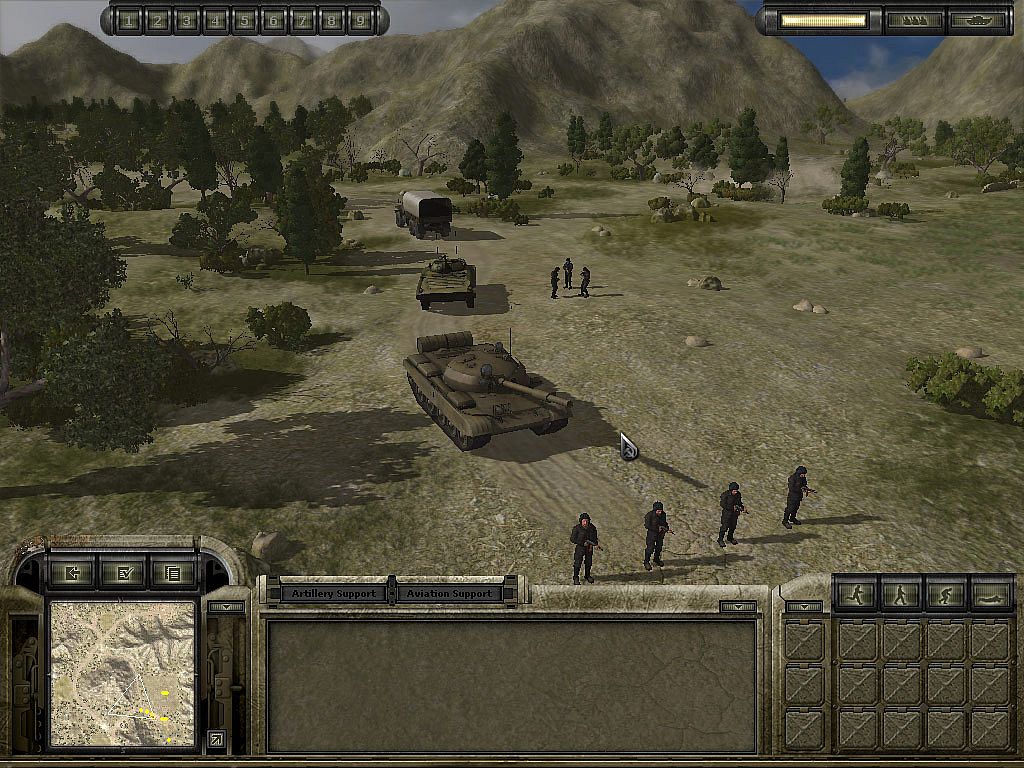
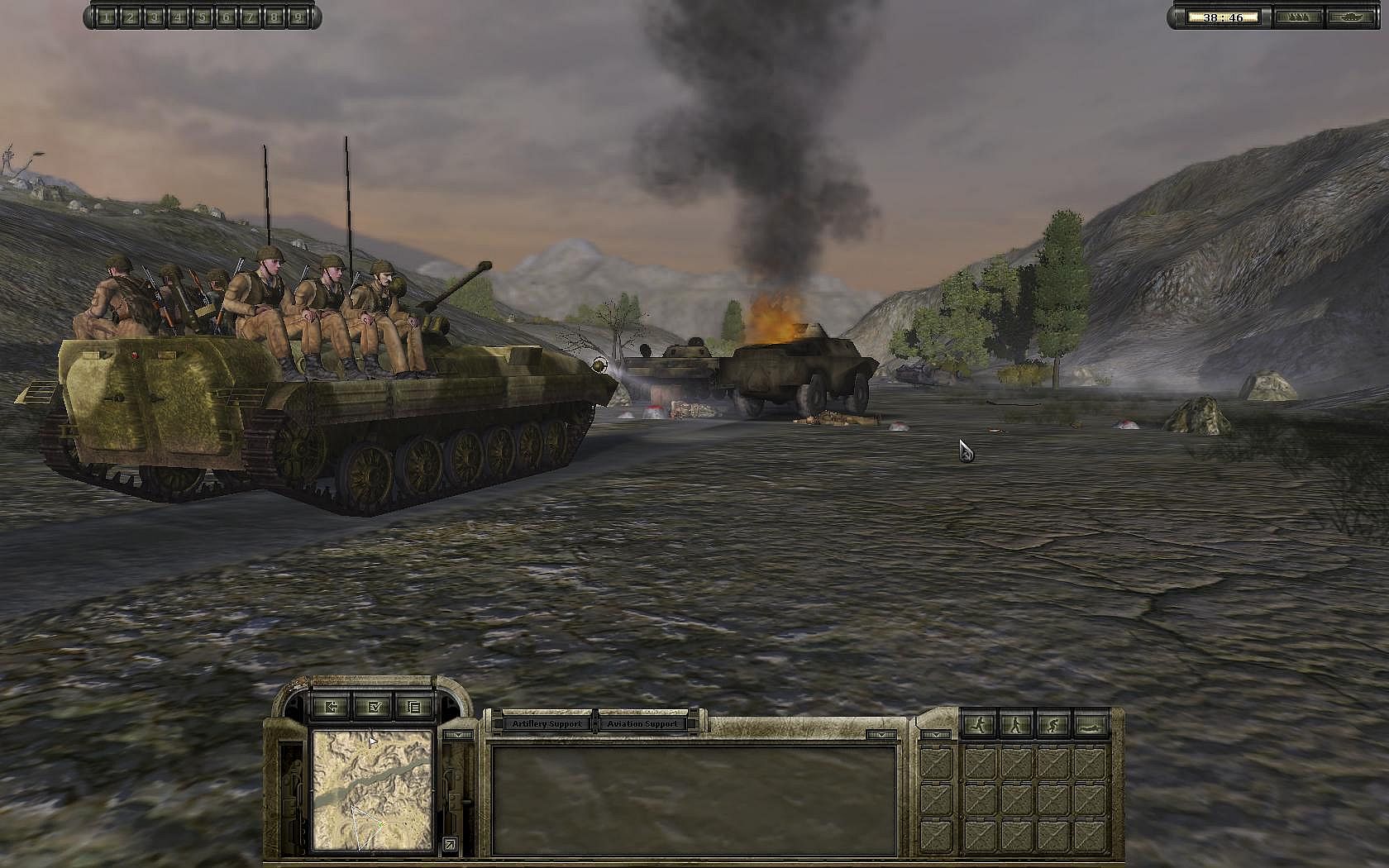
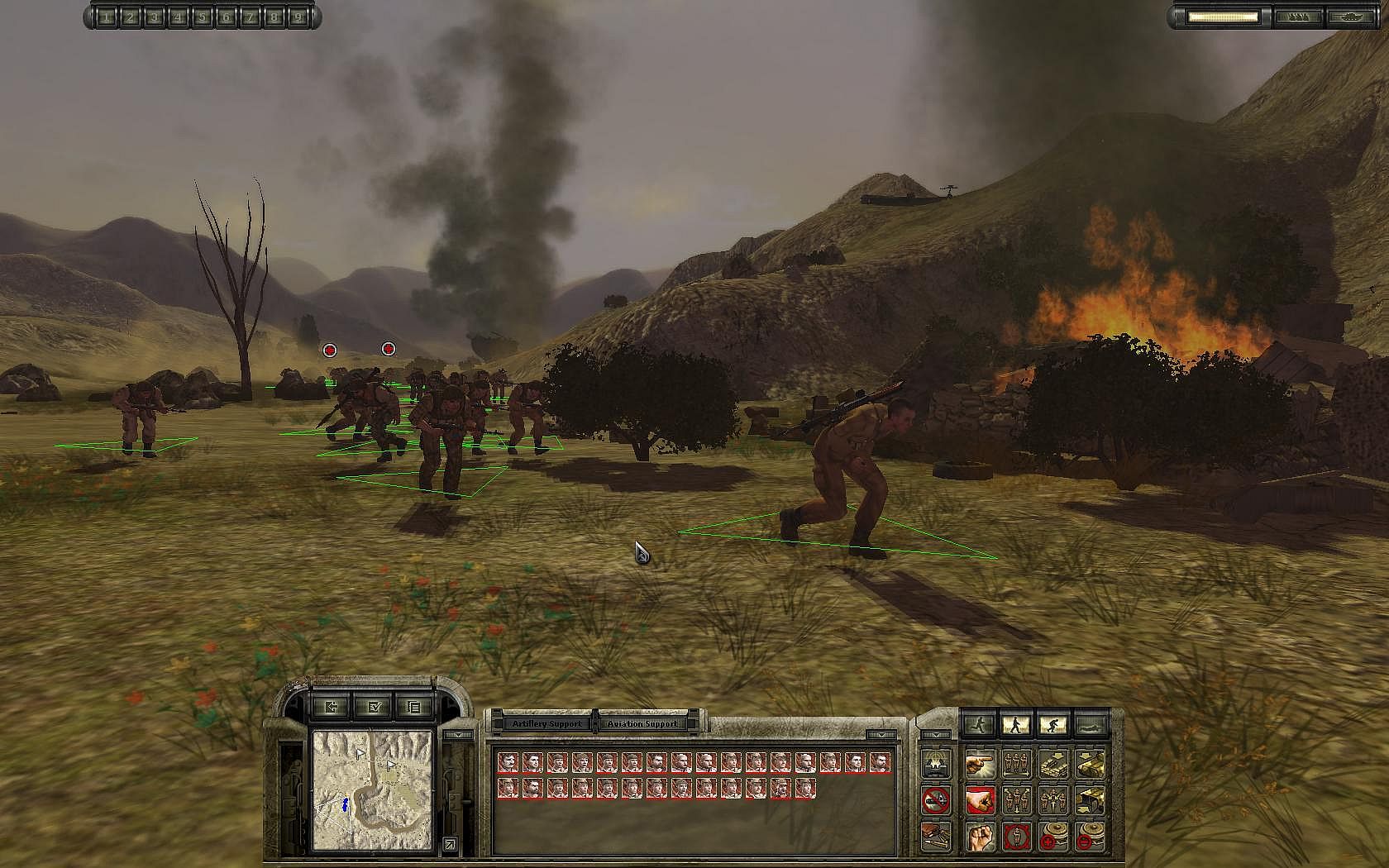
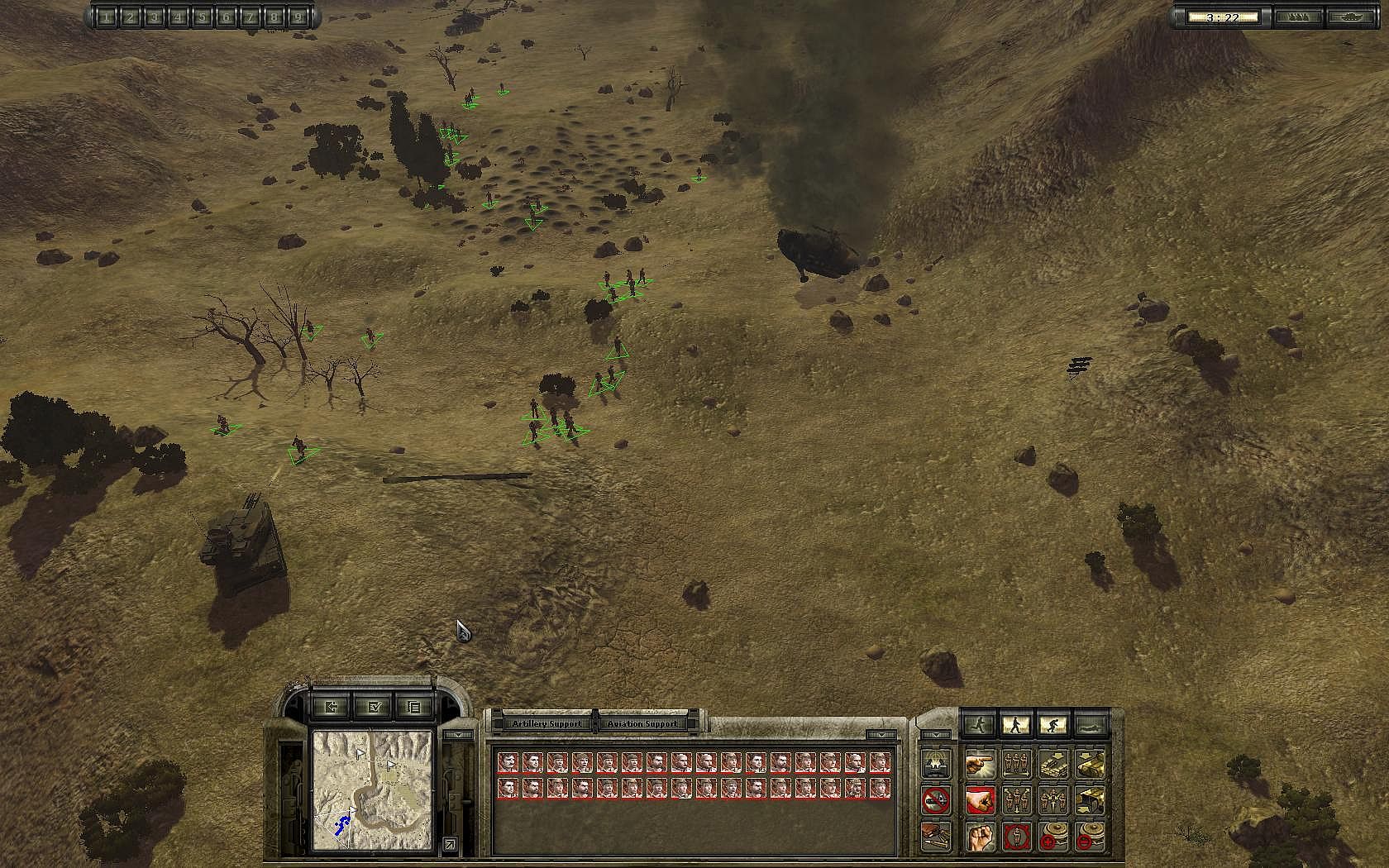
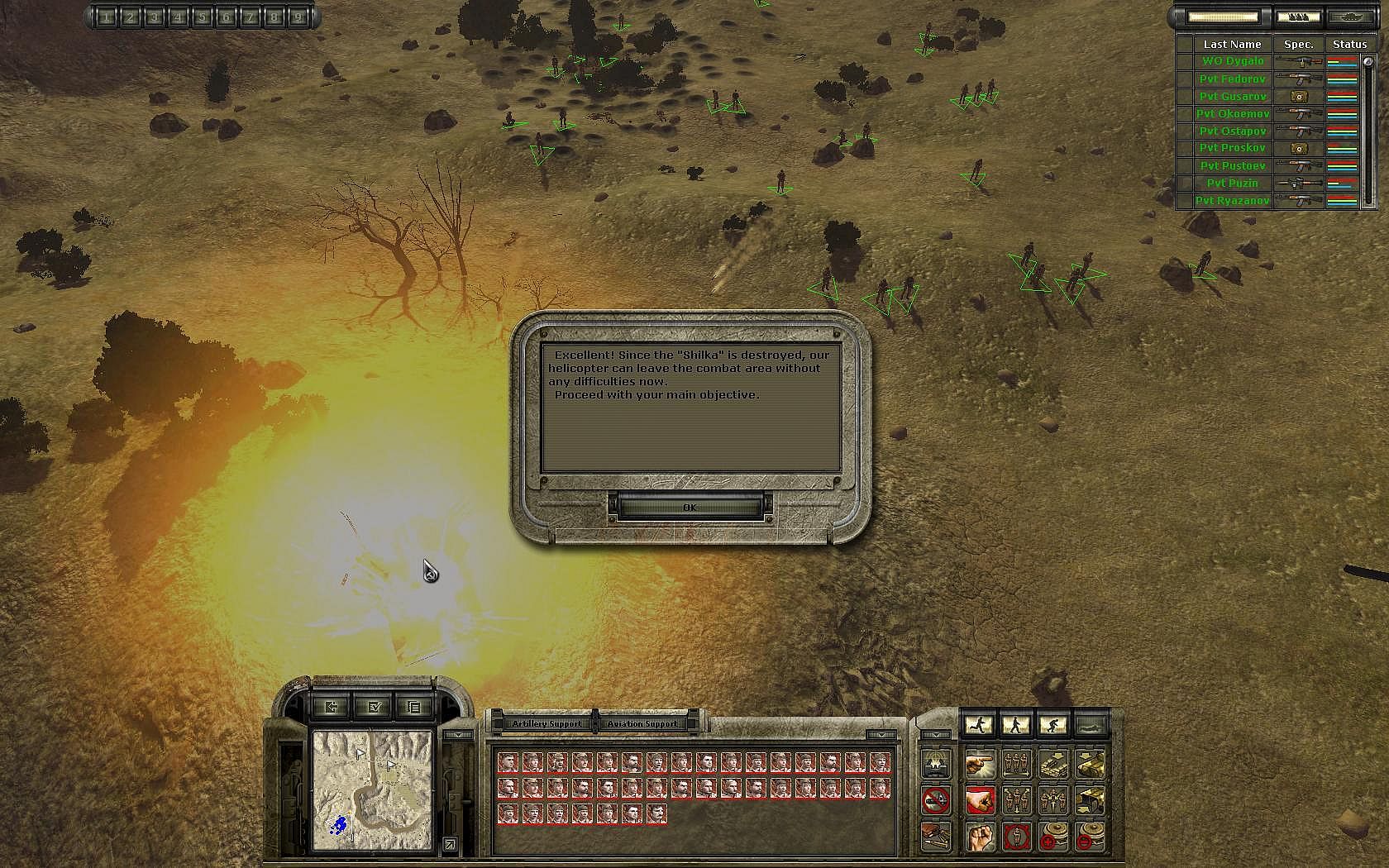
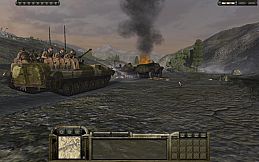
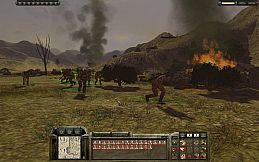
The core loop centers on managing units across two distinct tactical layers. An area operations map lets players select missions and plan movements, while detailed tactical maps handle the actual combat encounters. Battles emphasize realistic unit behavior, with more than 80 different types available across mechanized infantry, assault, reconnaissance, and special operations roles.
Each soldier and vehicle tracks individual merit and morale values that influence performance under fire. An advanced hit location system applies to mechanized units, allowing targeted damage that can disable weapons, tracks, or crew members. Firepower control and tactical behavior commands let players direct how units respond to threats, whether holding position, advancing under cover, or prioritizing specific targets.
Experience accumulates across missions, improving crew effectiveness over time. The requisition screen allows formation of elite units from battle-hardened survivors. Destruction relies on a physics engine that handles vehicle and building collapses in detailed 3D environments across twelve unique Afghan maps.
Game Modes
The game follows a nonlinear mission structure built around the historical campaign. Players progress through training exercises and combat operations, choosing paths on the operations map that affect available objectives. Each mission unfolds on one of the twelve tactical maps, blending defensive stands with offensive maneuvers against numerically superior forces.
Single-player focus dominates, with emphasis on resource management, unit positioning, and adapting to changing battlefield conditions. No separate multiplayer or skirmish modes appear in the verified structure, keeping attention on the story-driven sequence of events leading to the climactic defense of the hilltop position.
Historical Context and Setting
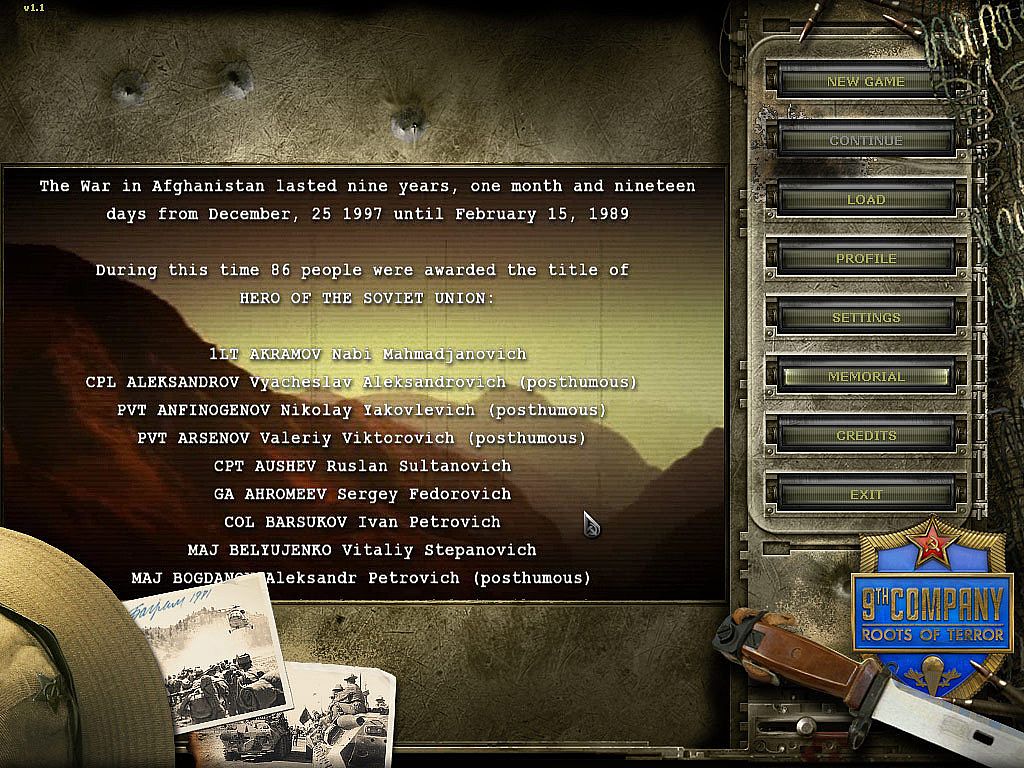
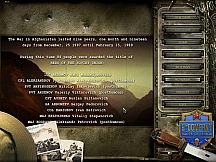
The title recreates the final large-scale Soviet operation in Afghanistan with attention to the specific events of January 7-8, 1988. The 9th Company faced repeated assaults from an estimated 400 opponents and held its ground for two days despite heavy losses. Six soldiers died, twenty-eight of the remaining thirty-nine were wounded, and two received posthumous Hero of the Soviet Union awards.
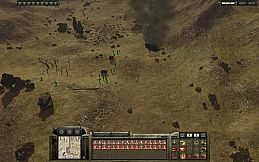
Training segments in the Fergana Valley introduce recruits to the harsh realities of airborne service before deployment. Combat maps reflect Afghan terrain, with emphasis on elevation, cover, and the challenges of fighting at high altitude against determined opposition.
Is It Worth Playing?
The game received mixed user reception, with roughly sixty percent of reviews rating it positively. Average playtime sits around six hours, reflecting its focused campaign length. It suits players interested in historical real-time strategy titles that prioritize unit management, morale mechanics, and authentic military scenarios over modern conveniences or online features.
Those seeking detailed control over infantry and vehicles in a setting drawn from documented events will find the two-level tactical system and experience progression rewarding. The title remains available as a legacy release, with no ongoing seasonal content or major updates since its original launch. It appeals most to enthusiasts of older RTS design who value the specific Soviet-Afghan conflict portrayal and the challenge of outnumbered defensive battles.