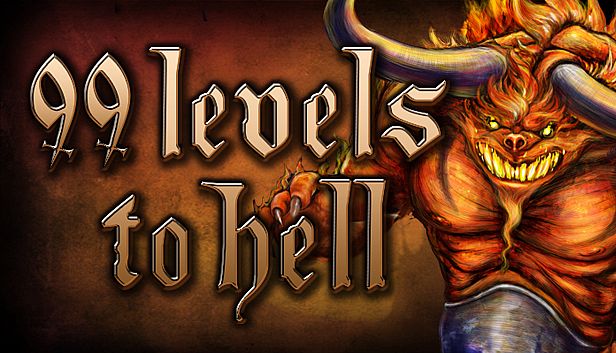












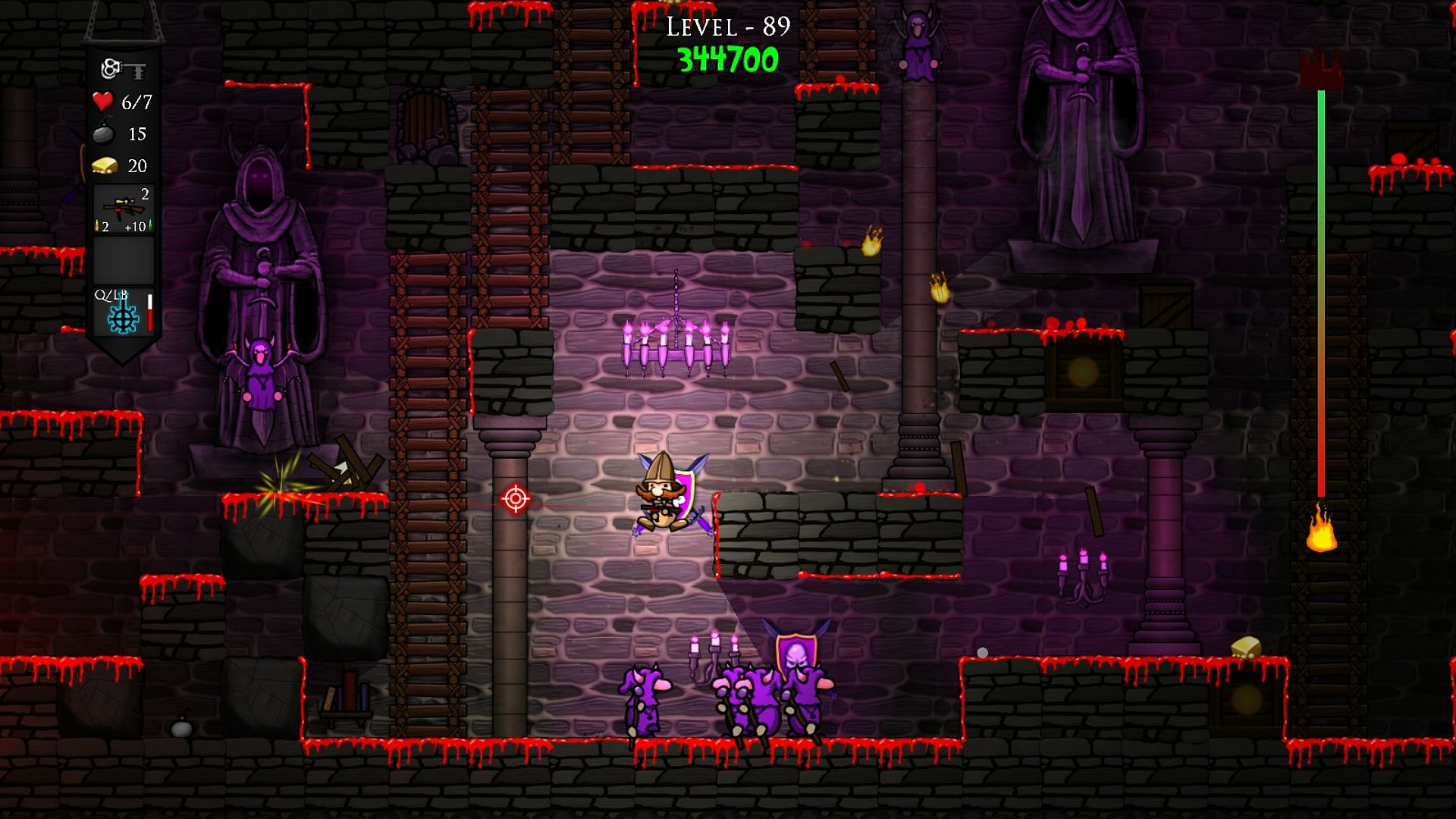
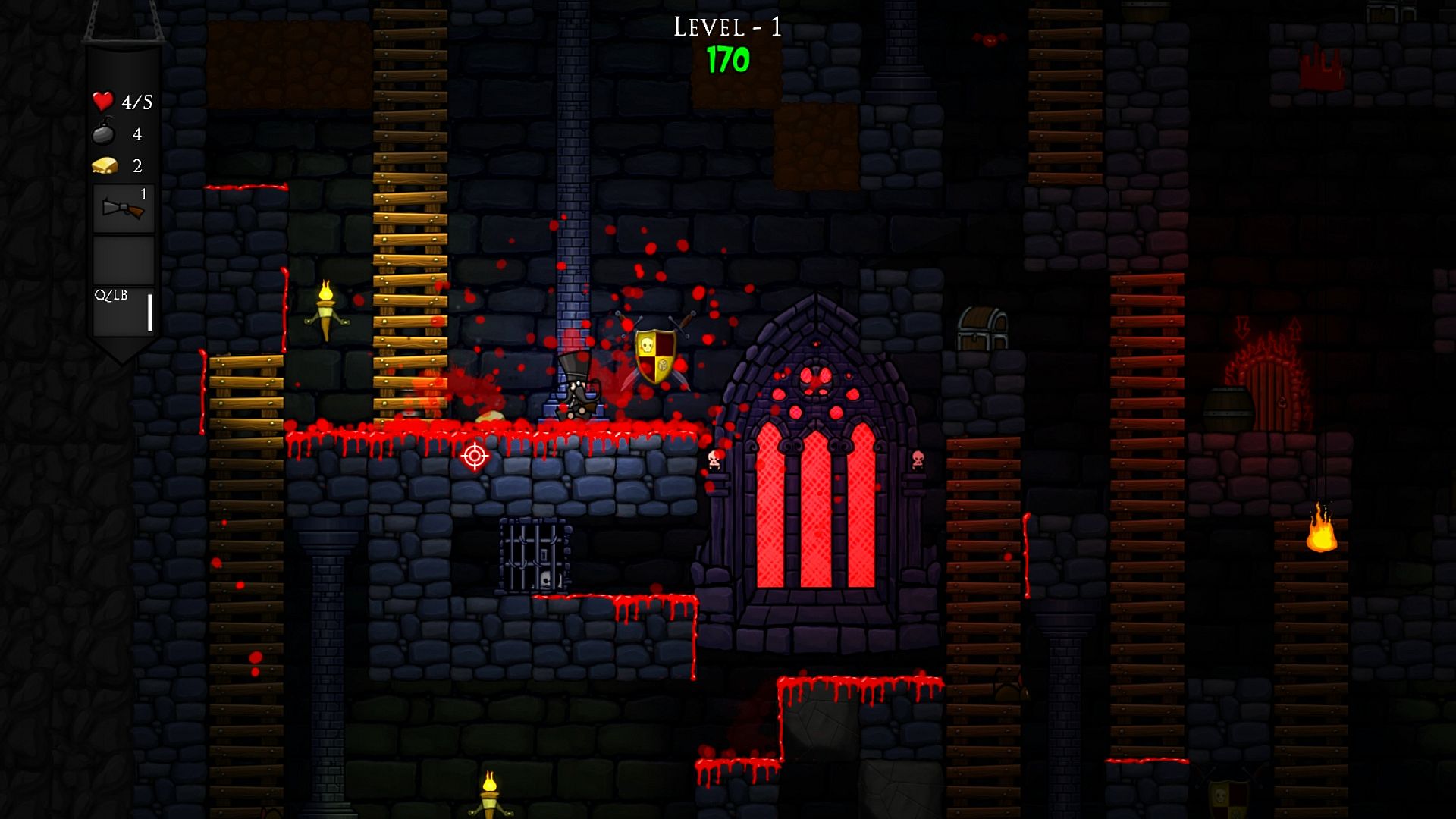
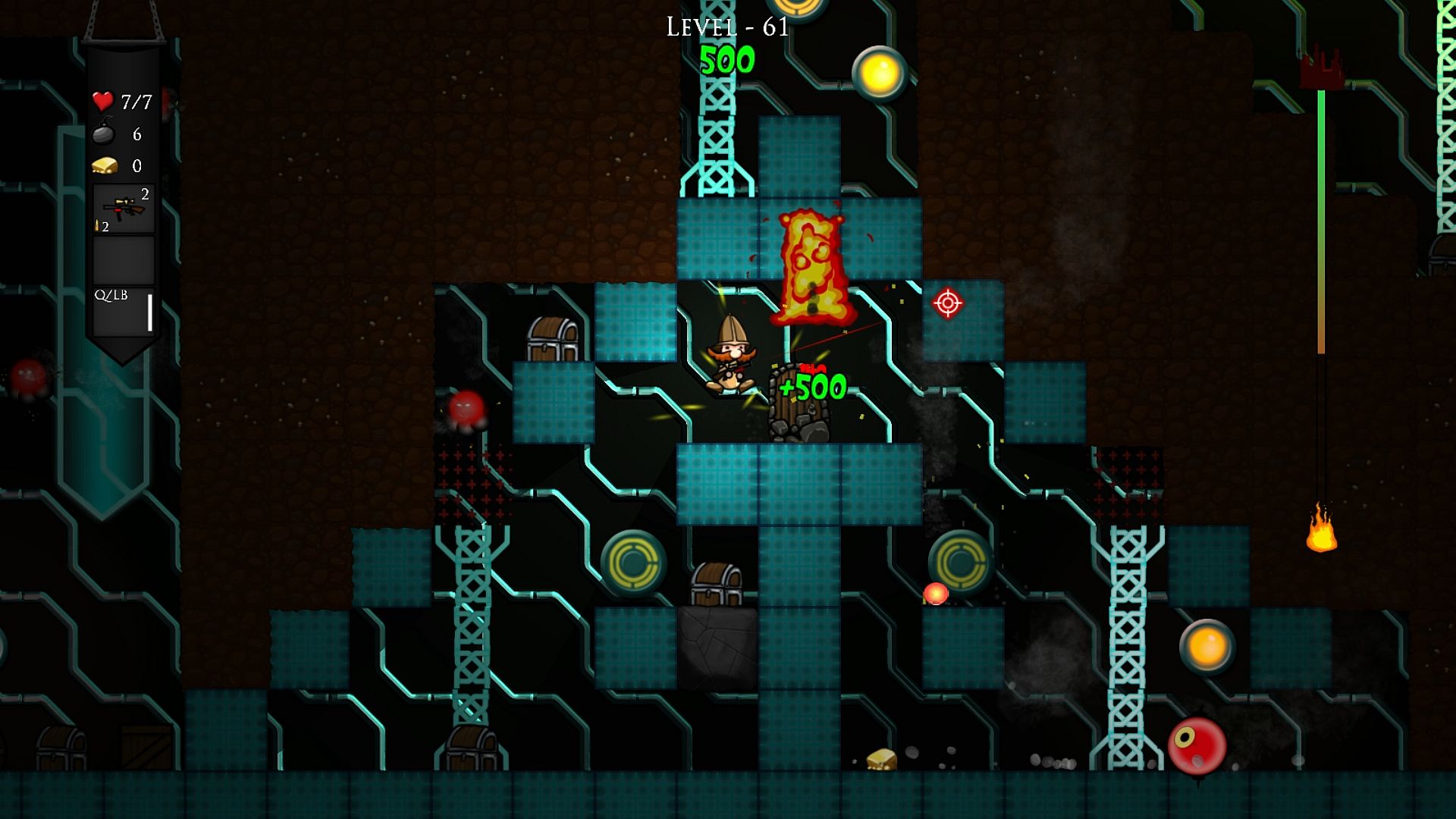
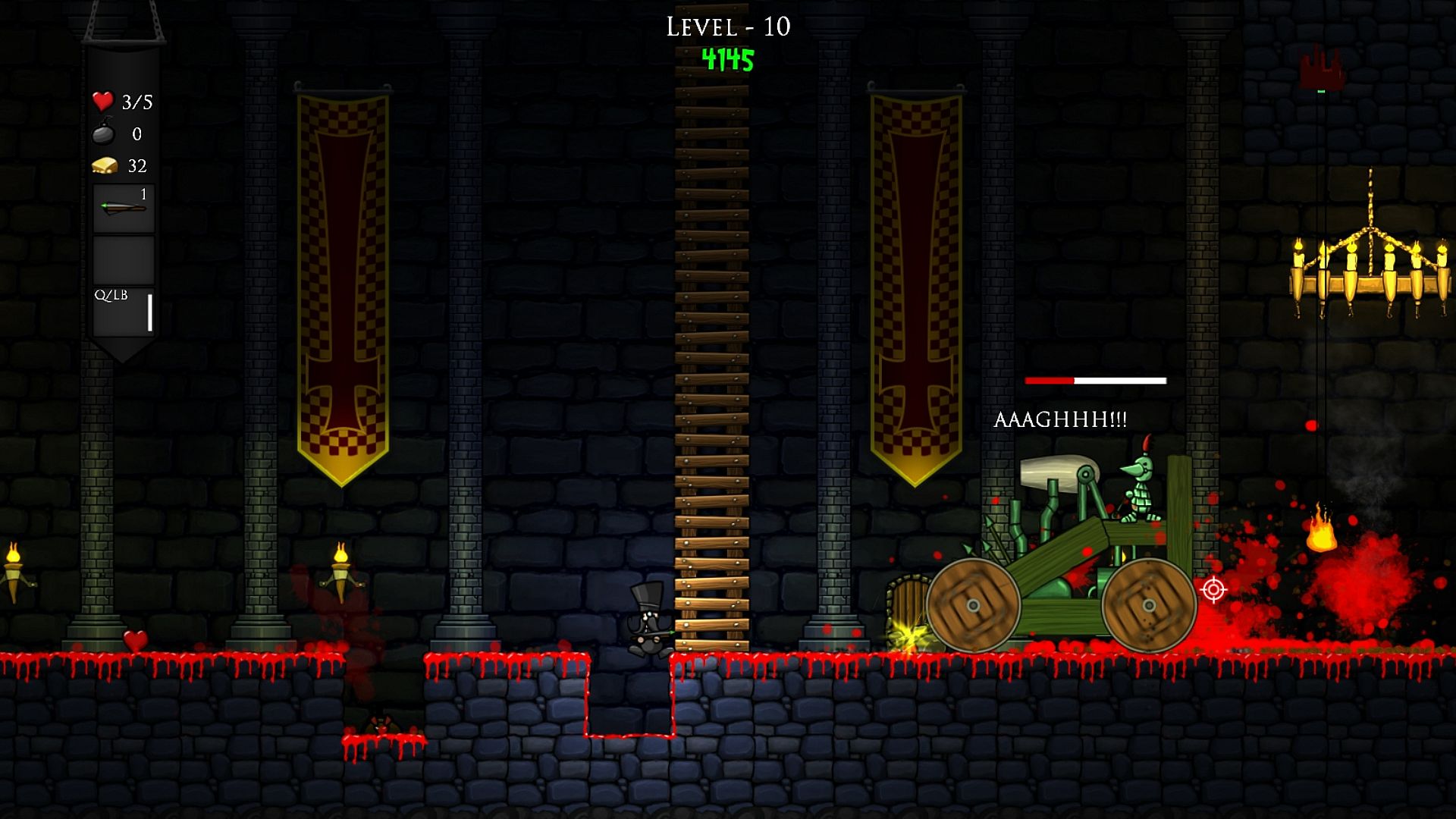
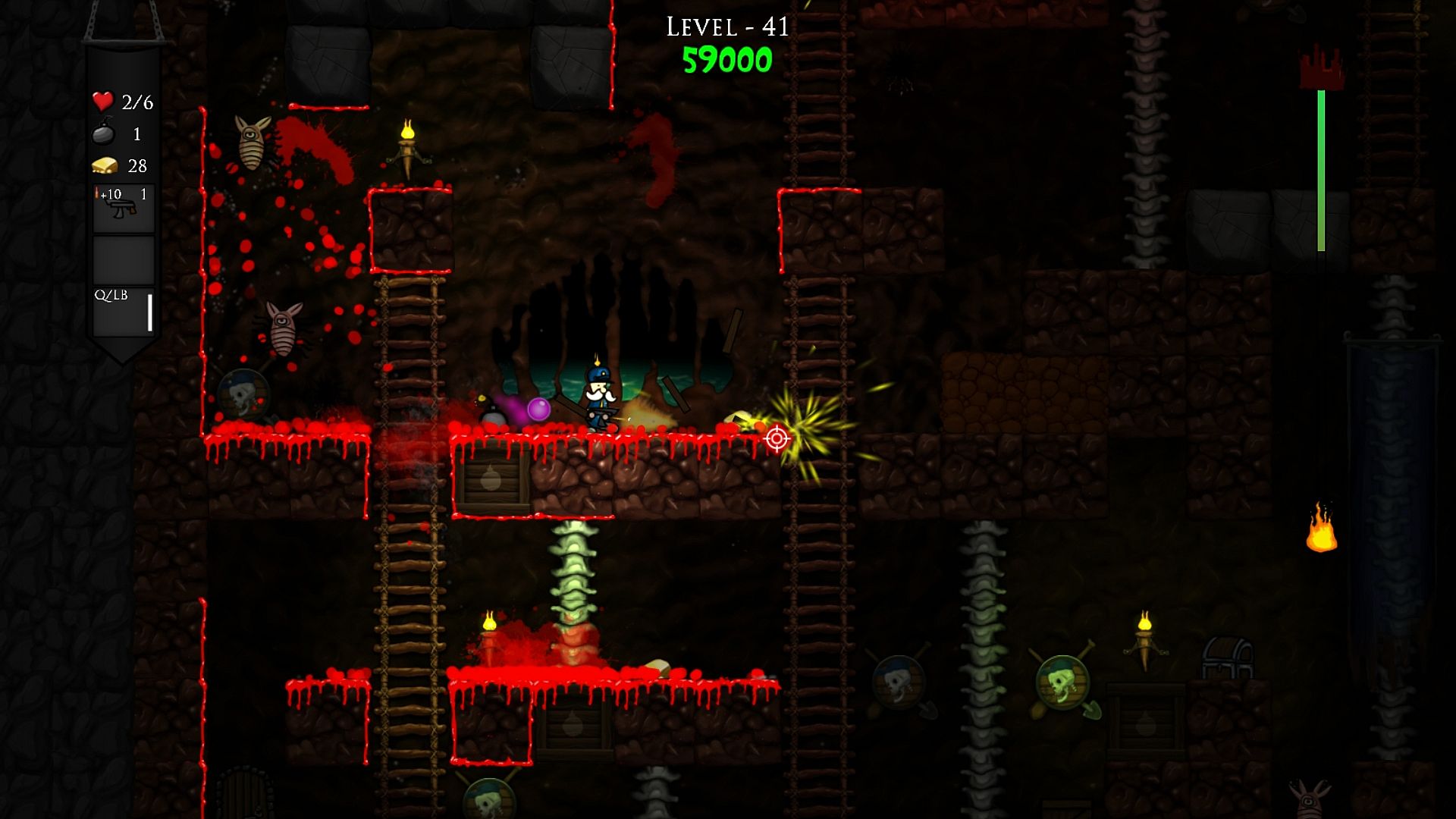
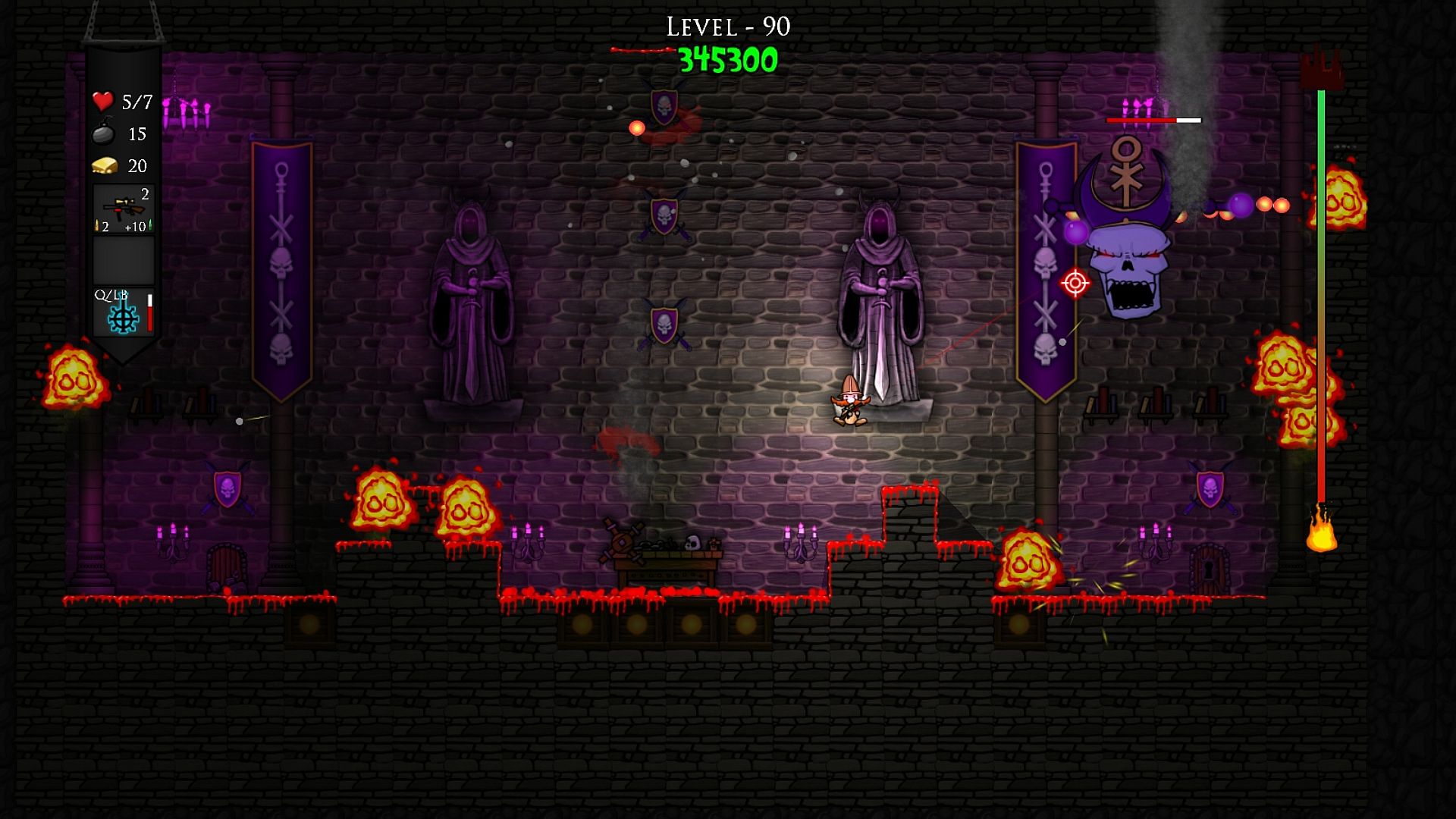
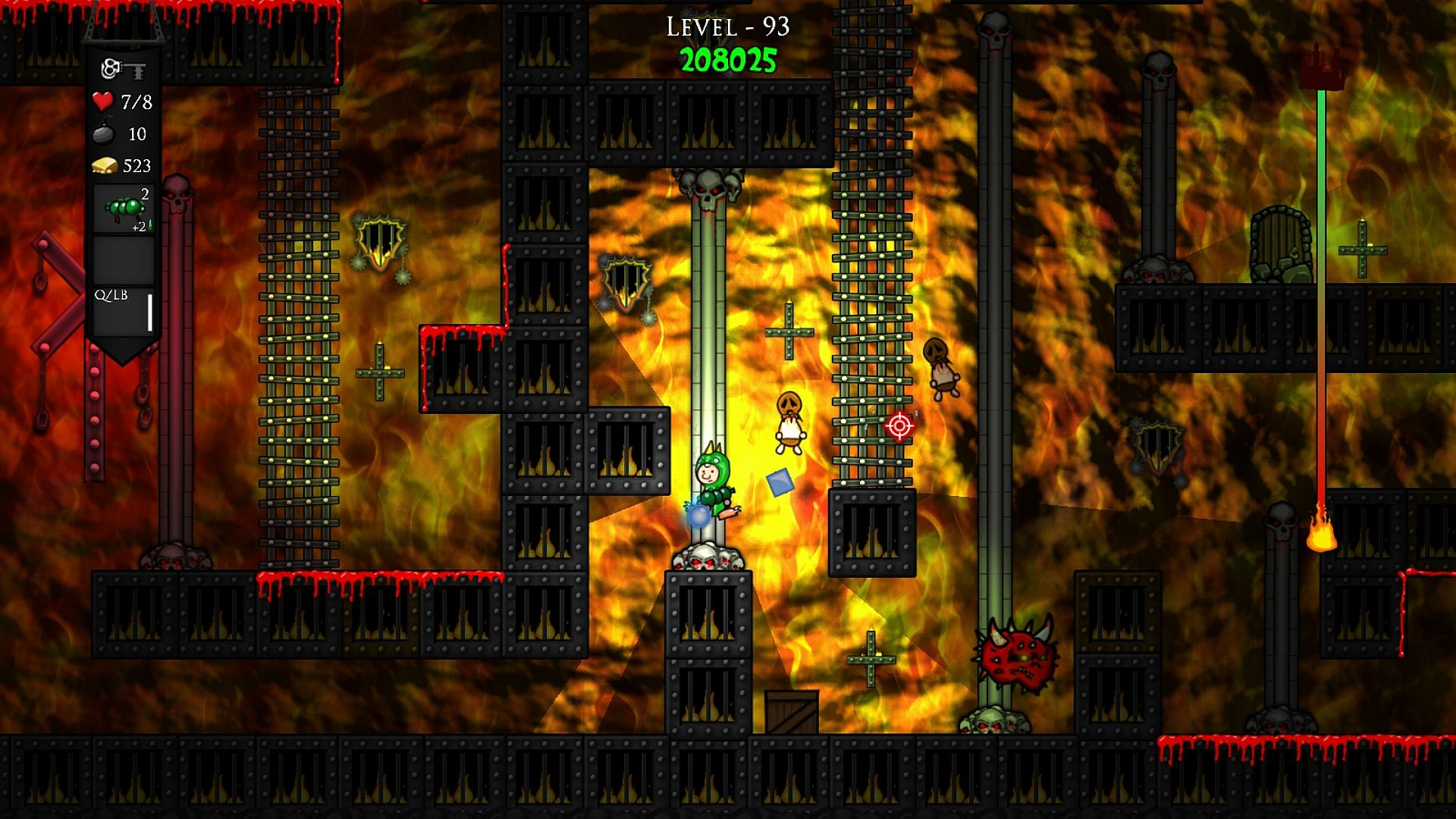
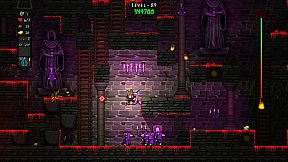
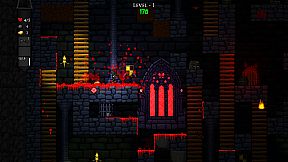
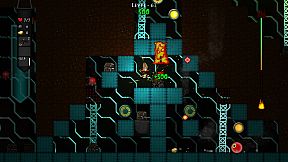
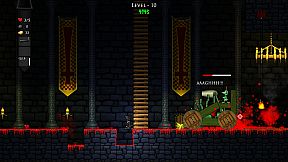
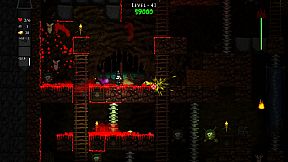
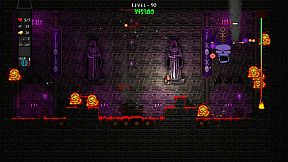
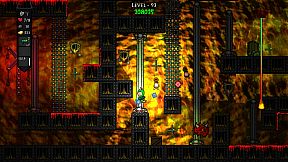
99 Levels To Hell stands out as a 2D platform shooter that blends roguelike mechanics with action, indie, RPG, and adventure elements on PC. Players control a wizard who starts with a basic shotgun and progresses by collecting weapons, magic abilities, and upgrades while navigating procedurally generated levels filled with traps and enemies. The core loop emphasizes survival through random layouts, where each attempt presents a fresh sequence of challenges leading toward a confrontation with the devil.
Gameplay
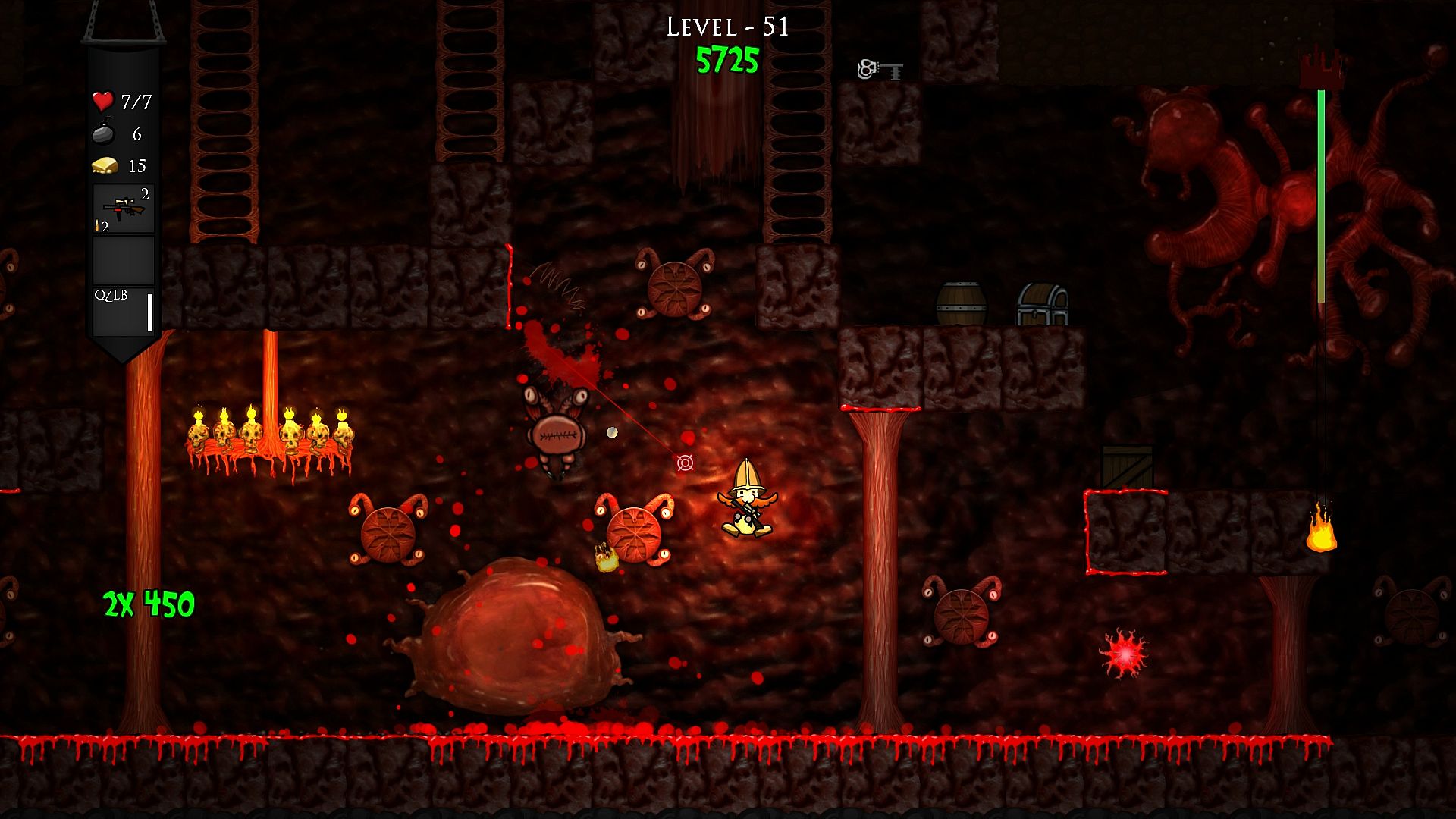
The experience centers on fast-paced platforming combined with shooting. Movement involves jumping across platforms while aiming and firing at monsters, avoiding hazards, and managing limited resources. Power-ups and weapons appear frequently, allowing players to experiment with different loadouts that include guns, spells, and upgrades. Traps add tension to navigation, requiring precise timing and positioning. The roguelike structure means death resets progress, but each run generates new level arrangements drawn from ten distinct dungeons. Shops and elevators provide opportunities to spend currency or advance, while secret rooms occasionally reveal additional story fragments or unlock new playable characters representing freed adventurers.
Progression builds across runs as players unlock more options for future attempts. The system encourages repeated playthroughs to discover better combinations of abilities and to piece together the narrative involving two brothers. Combat rewards aggressive play with a variety of tools, though the emphasis remains on quick reactions rather than complex strategy. Blood effects and enemy variety contribute to the intense atmosphere during extended sessions.
Game Modes
The game operates through a single primary mode focused on sequential dungeon runs. Each session requires clearing ten levels, with the tenth featuring a boss encounter that unlocks the next dungeon upon victory. Ten such dungeons form the full campaign structure, resulting in up to one hundred randomly spawned levels across a complete playthrough. No separate multiplayer or alternative modes exist; the design stays firmly singleplayer, with the roguelike randomization serving as the main source of replayability. Casinos and portals appear as optional diversions within levels to alter pacing or provide bonuses during a run.
Story and Progression
A light narrative unfolds through collectible books hidden in secret rooms. These items expand on the background of two brothers tied to the descent into hell. Unlocking new adventurers through careful exploration adds variety to character selection for subsequent runs. The overall story remains secondary to the action, revealed gradually rather than through cutscenes or dialogue trees. Progression ties directly to completing boss fights and surviving deeper into the randomized dungeons, with permanent unlocks that persist across deaths.
Visuals, Sound, and Atmosphere
Pixel-art graphics deliver a straightforward retro aesthetic suited to the indie origins. Levels feature dark dungeon environments punctuated by traps and enemy designs that emphasize variety over detail. A metal soundtrack drives the action, particularly during intense sequences and the final confrontation. Sound design highlights weapon impacts and monster encounters without relying on complex audio layers. The presentation supports the fast pace while keeping focus on core mechanics like shooting and jumping.
Is It Worth Playing?
This title appeals most to players who enjoy roguelike platform shooters with RPG progression elements and a willingness to embrace older indie production values. The random level generation and unlock system provide solid replay value for those who appreciate short, intense runs punctuated by boss fights. Availability on PC makes it accessible for fans of the genre seeking a compact experience centered on gunplay, magic, and survival. Reception highlights its charm and humor for some, while others note limitations in controls and depth. It suits singleplayer sessions where the goal is repeated attempts to reach the devil rather than long campaigns or competitive play. If the combination of platforming, shooting, and procedural dungeons aligns with personal preferences, the game delivers a focused loop worth exploring.