


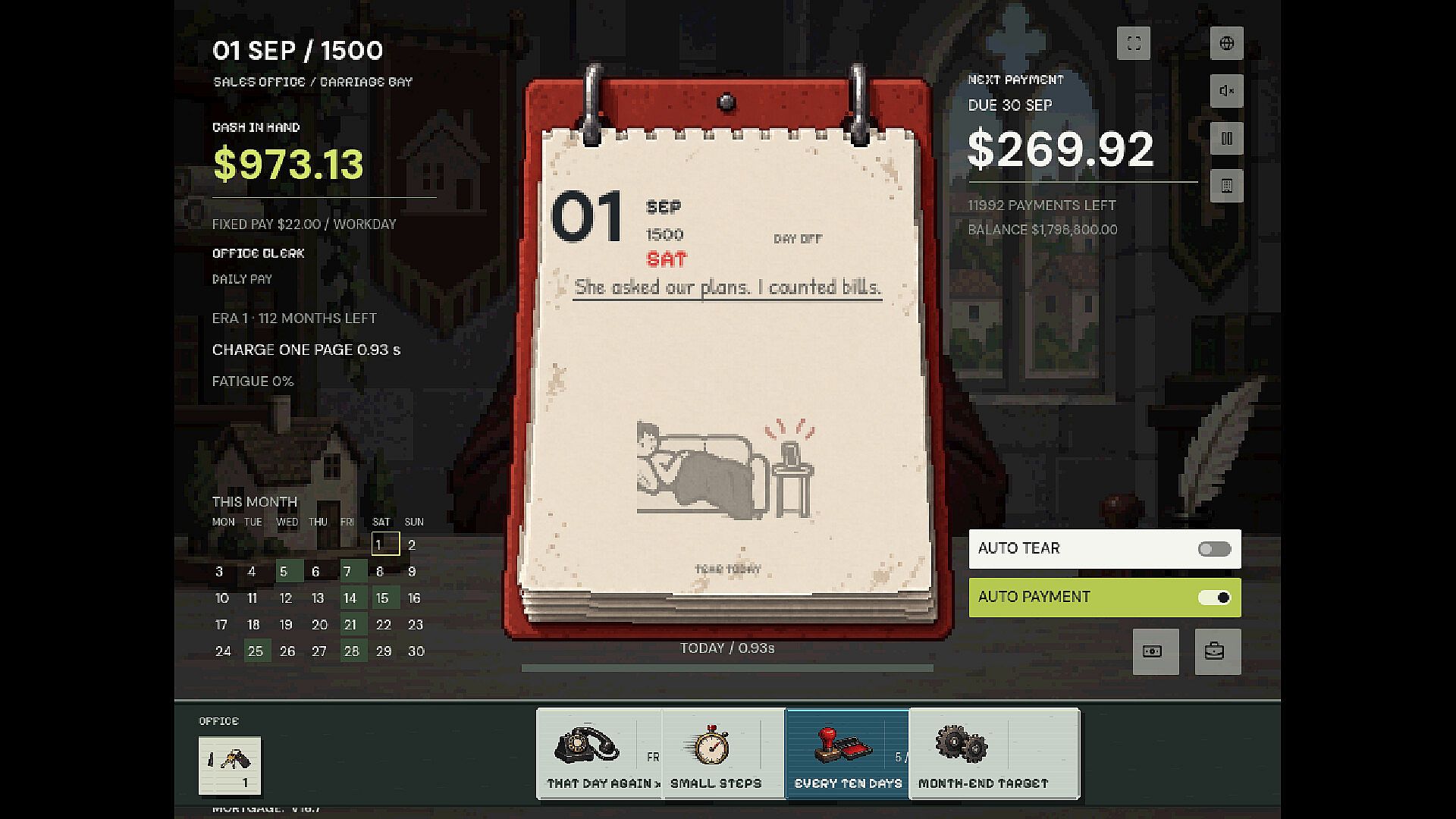
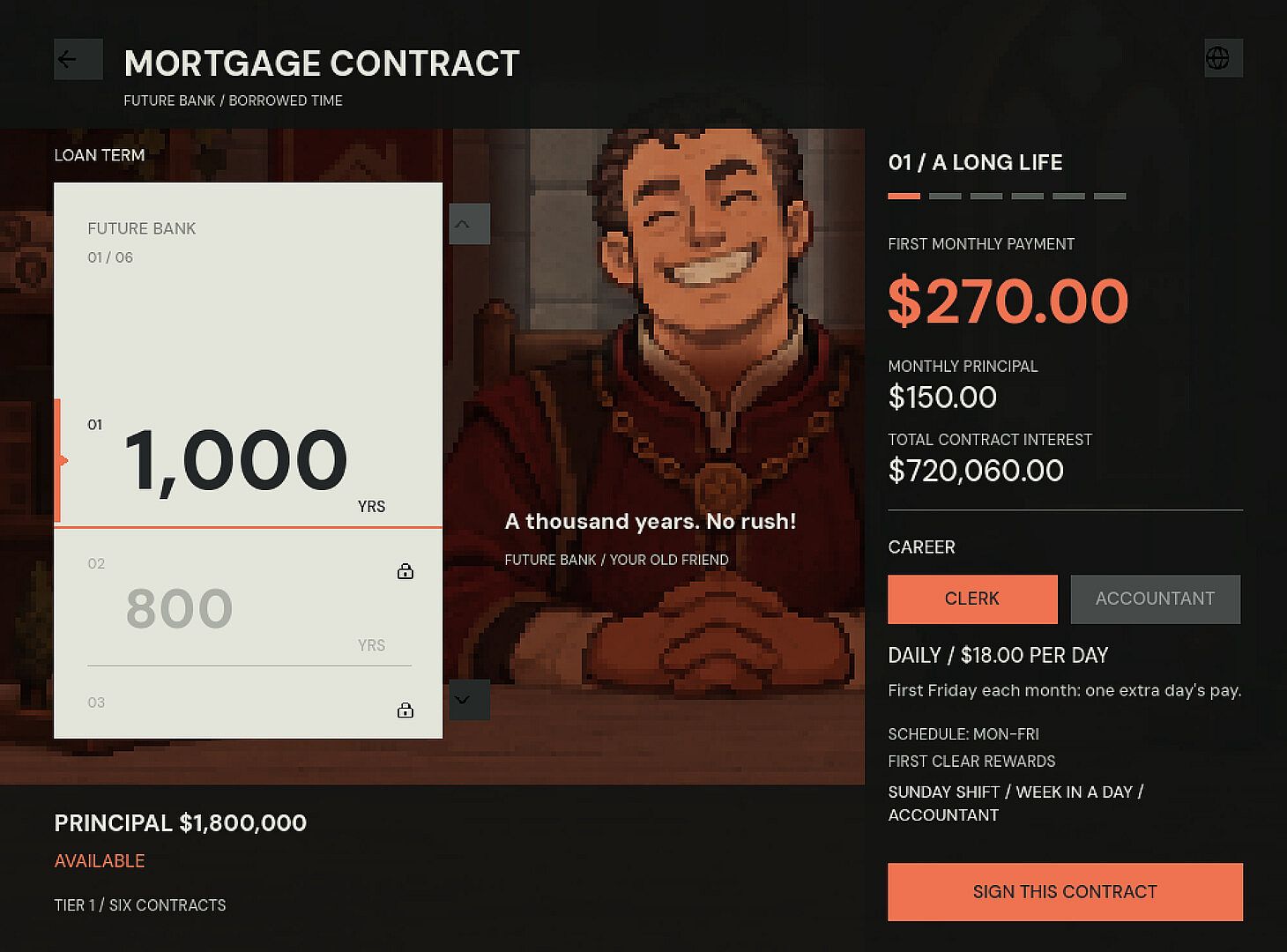
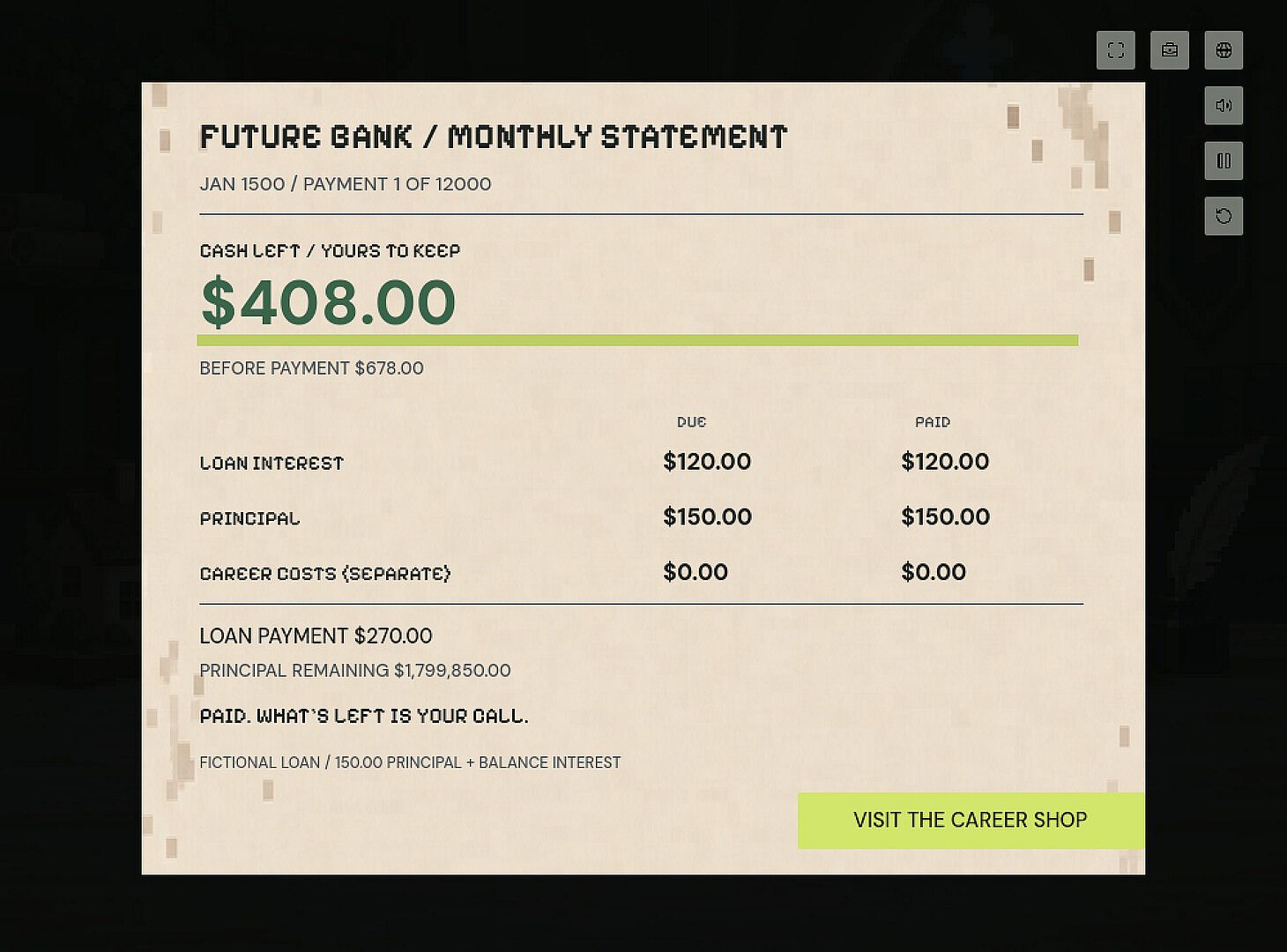

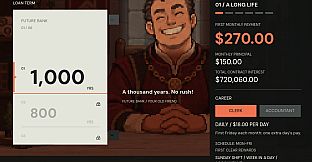
1000-Year Mortgage is an indie casual simulation game built around incremental deckbuilding mechanics on PC. Players manage a thousand-year mortgage by tearing calendar pages, each representing a day, while earning wages to cover payments and expand their options through card acquisitions and upgrades.
Gameplay
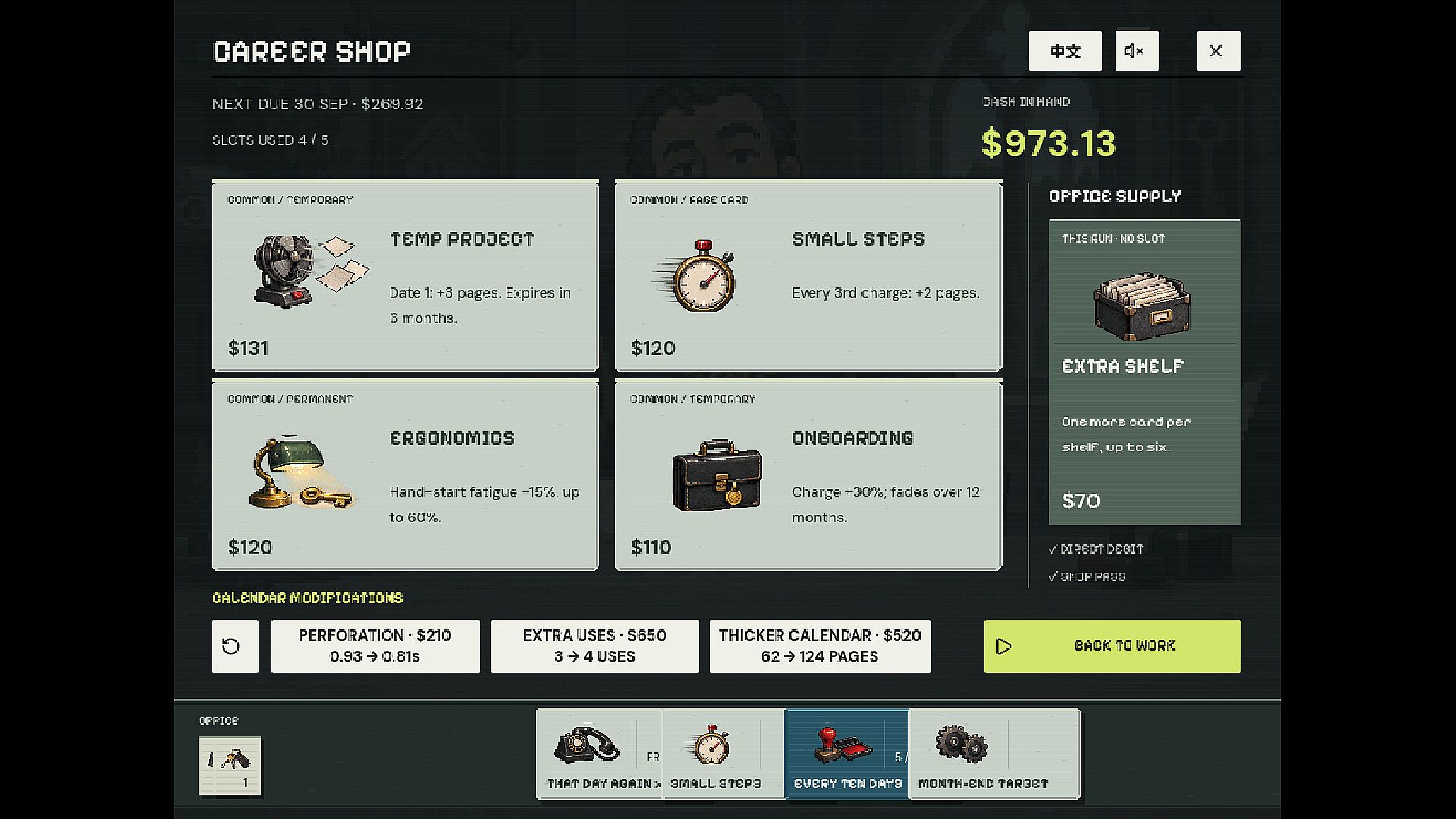
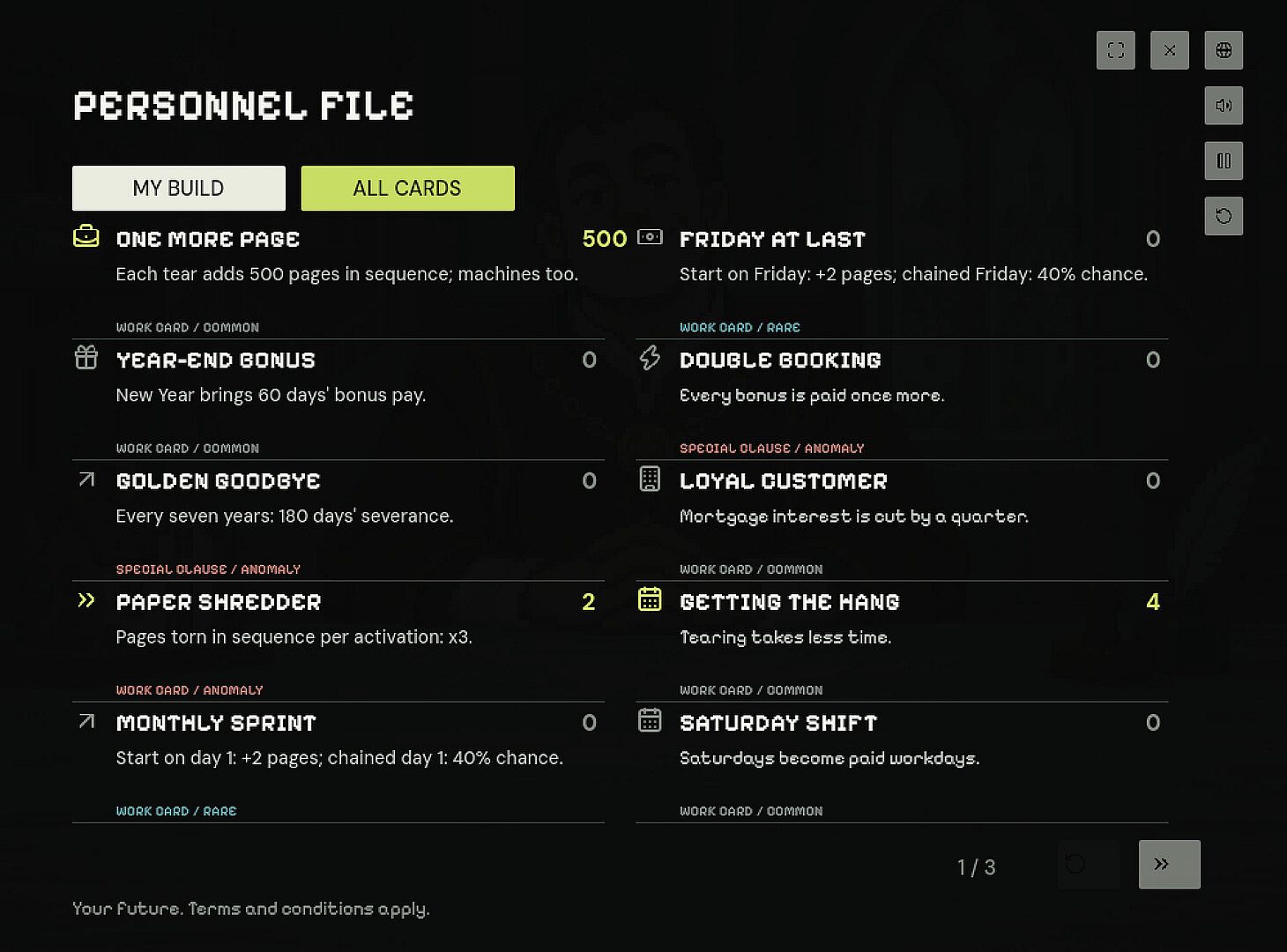
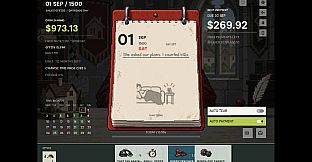
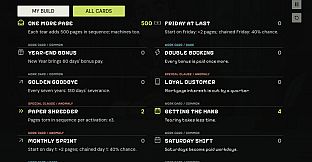
The core loop centers on advancing time one page at a time. Each tear advances the calendar and generates earnings that fund mortgage installments along with new cards and calendar improvements. Cards carry effects that players combine to form chain reactions, where one activation leads into others for extended sequences of progress.
Starting with basic single-page tears, the system encourages building longer combos. Upgrades to the calendar increase tear speed, card activation frequency, and chain duration. Earnings from successful runs allow players to buy, replace, or strengthen cards, refining the deck toward more efficient and powerful interactions.
As days accumulate into years and centuries, the view outside the window reflects changing eras. The progression moves from medieval settings through later historical periods into future scenes, providing visual variety tied directly to calendar advancement without altering core mechanics.
Game Modes
The experience operates as a single-player incremental session focused on sustained calendar progression and mortgage management. No separate competitive or multiplayer modes appear in the available details. The primary activity remains building and executing card chains within the ongoing run, with upgrades and deck adjustments shaping each attempt at longer advances.
Players refine their approach across repeated sessions by experimenting with card combinations and calendar enhancements. This structure supports iterative improvement without branching into distinct named modes or factions.
Progression and Visual Changes
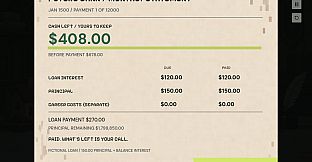
Time advancement serves as both the central resource and the reward. Early sessions involve modest daily tears, while developed builds enable single actions that span decades or centuries. The mortgage remains a constant requirement, paid from wages generated during these advances.
Calendar upgrades directly influence gameplay pacing and combo potential. Faster tearing, more frequent card triggers, and extended chain stability emerge from these investments, creating a feedback loop between earnings, upgrades, and further progress through the ages.
Is It Worth Playing?
The game remains in a pre-release state with no user reviews or completed play data available. Its appeal lies in the focused incremental deckbuilding loop and the steady visual evolution across historical periods. Those drawn to casual simulation titles that emphasize chain-reaction building and long-term resource management may find the described systems engaging once it launches.
Single-player accessibility and the absence of additional modes keep the experience streamlined around the calendar-tearing and card-combo core. Potential players should monitor release information for confirmation of final features and any post-launch updates.