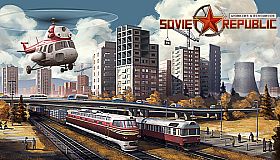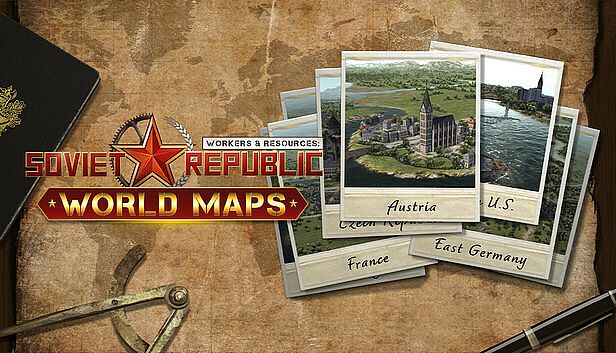












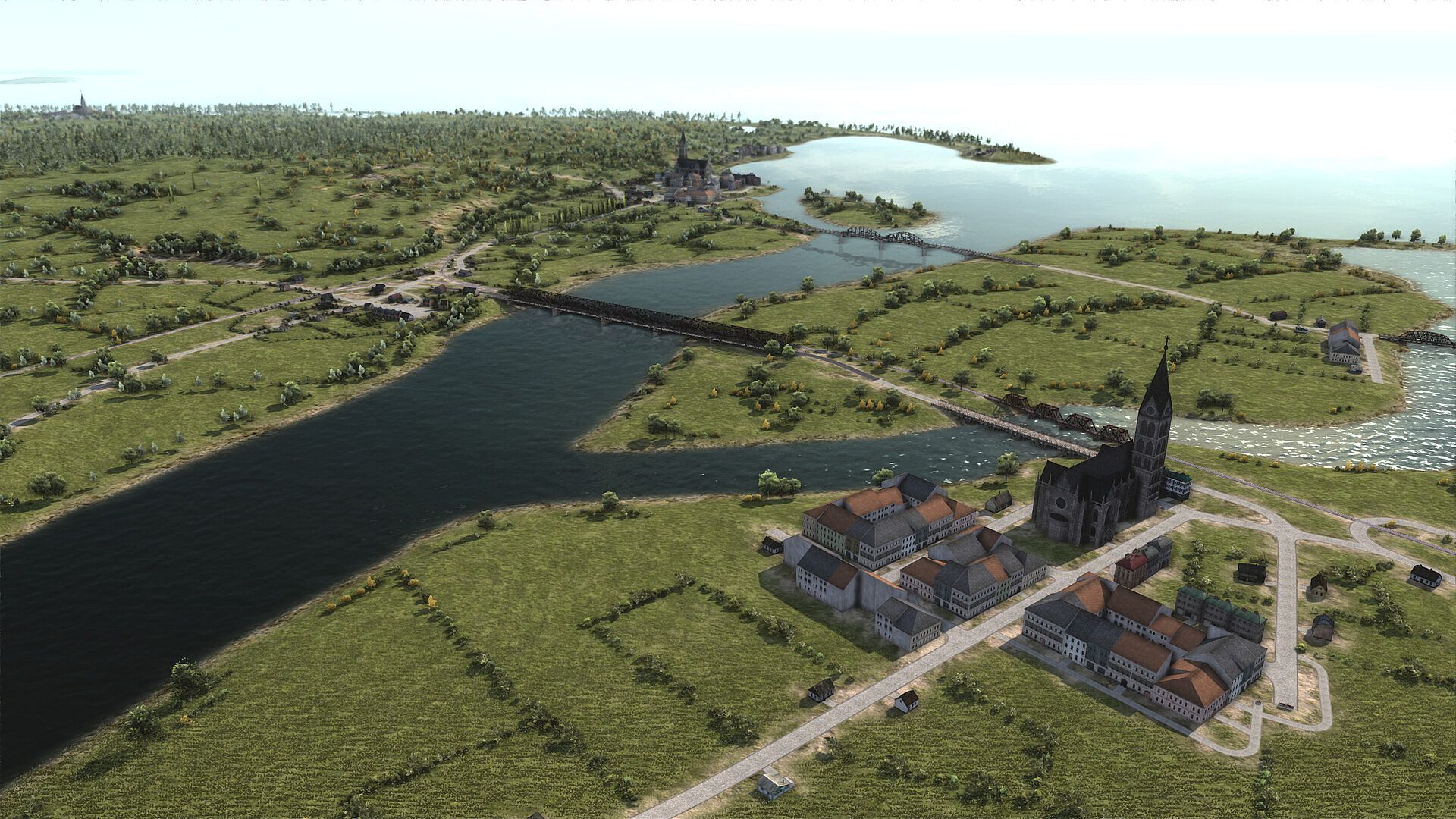
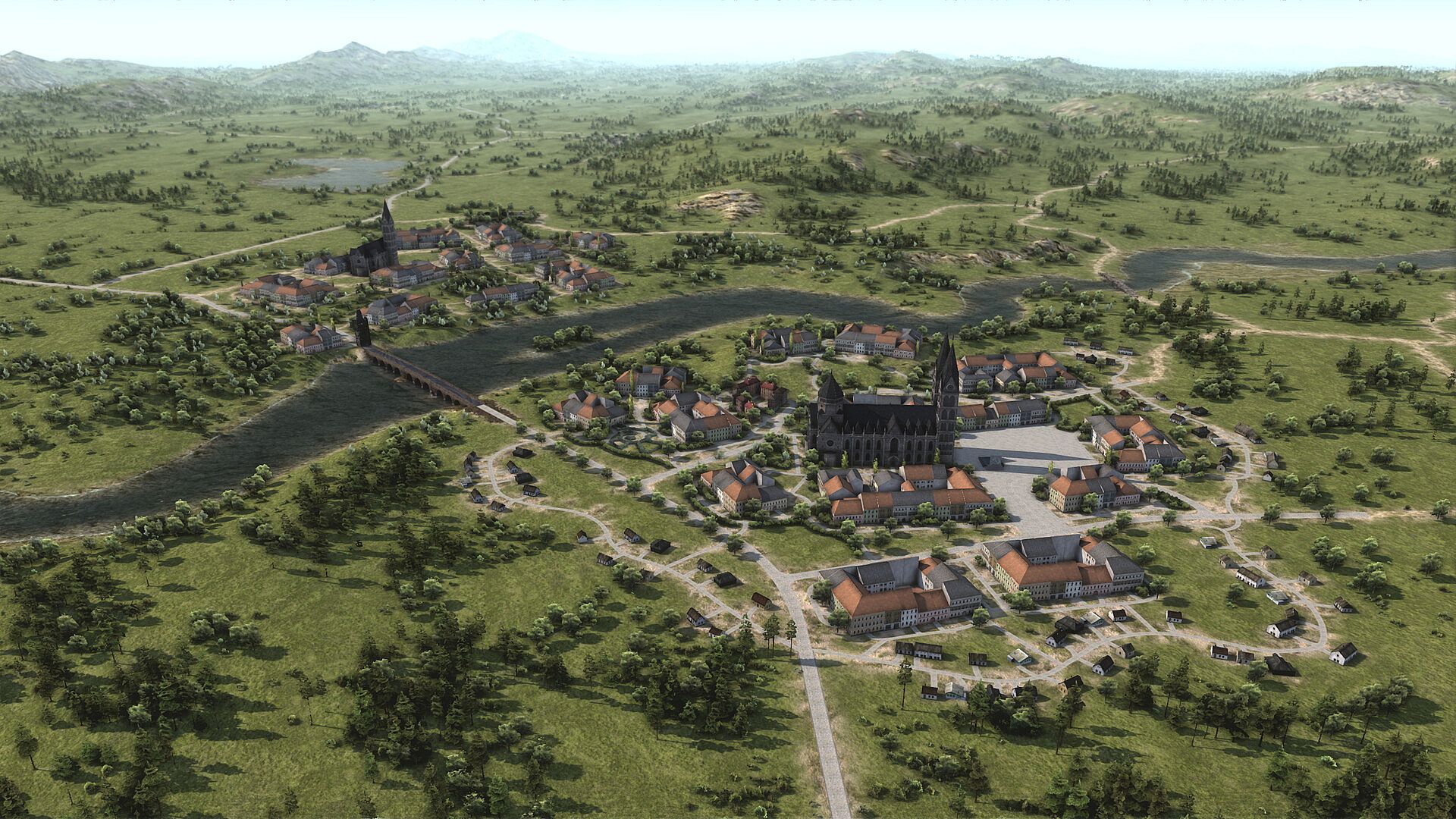
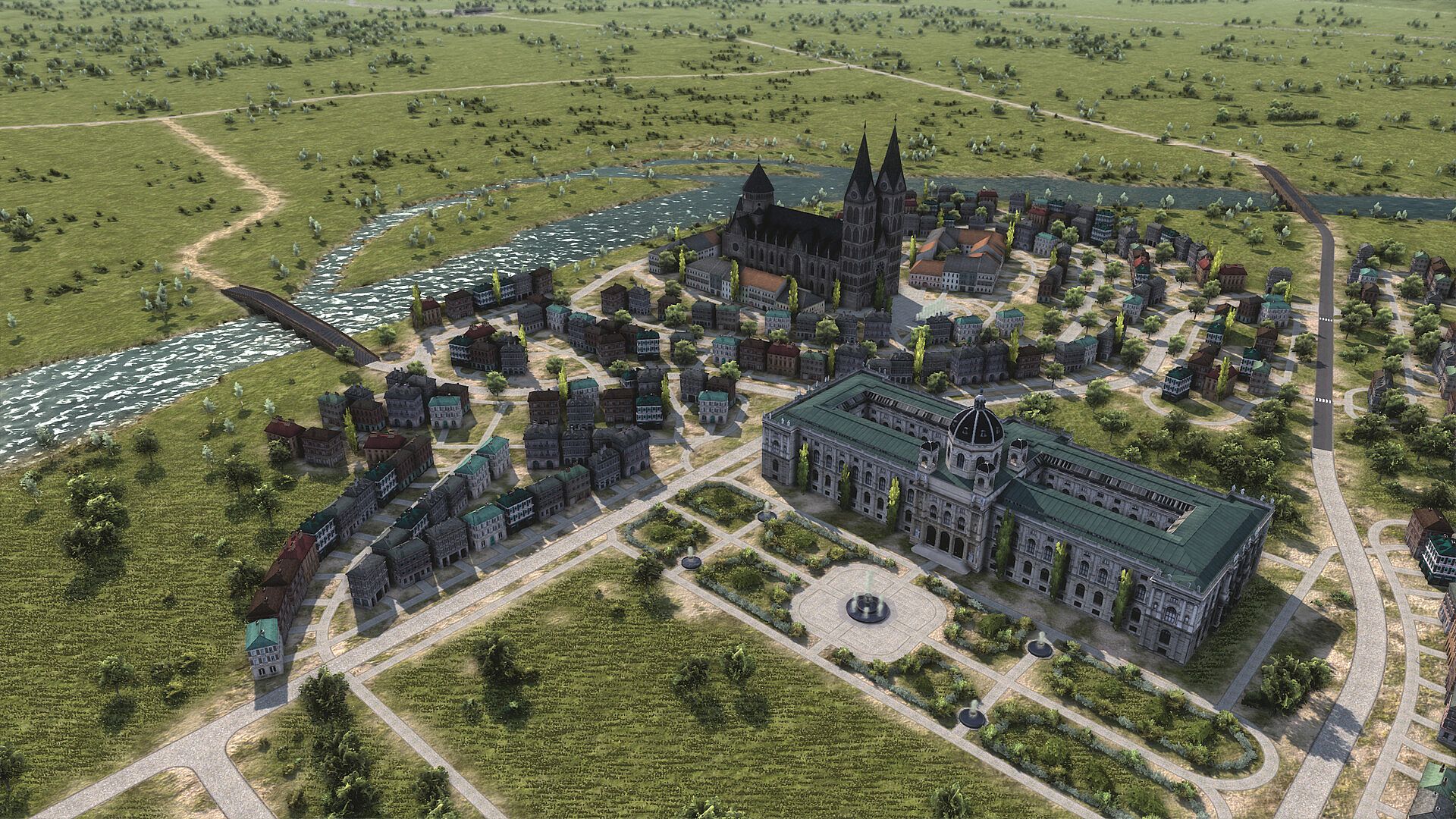
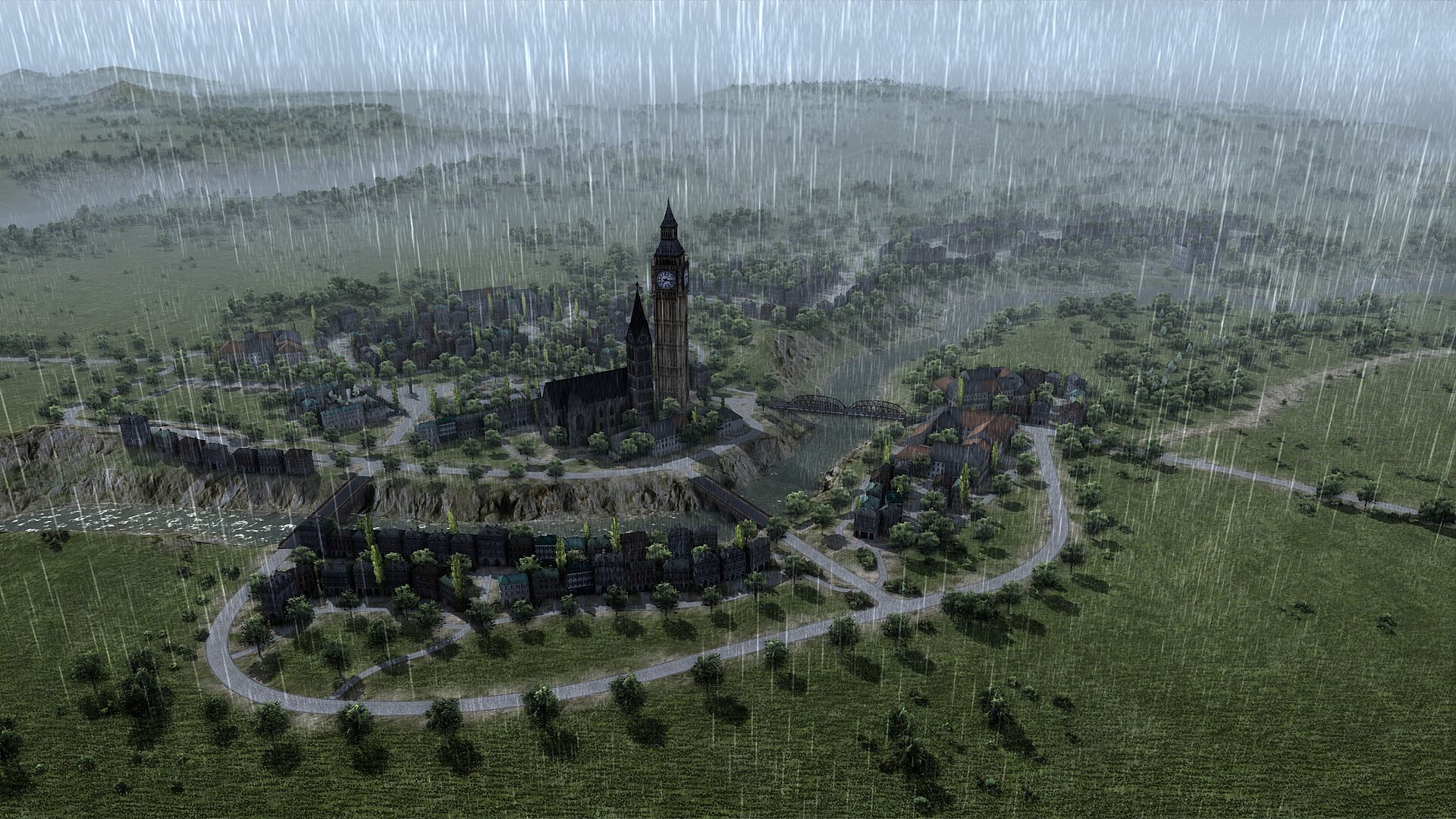
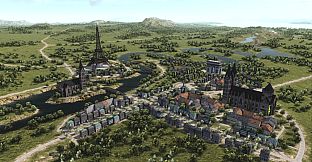
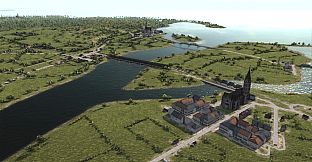
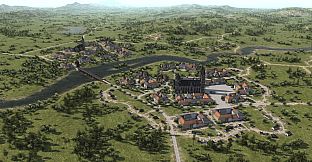
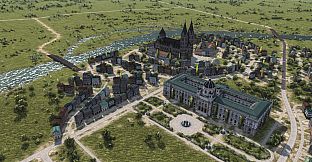
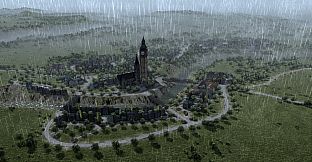
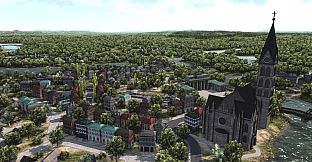
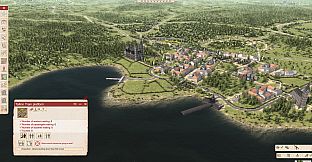
Workers & Resources: Soviet Republic - World Maps is a strategy simulation game that expands the core city building experience with new real-world inspired locations. Players construct and manage Soviet-style republics across diverse terrains, balancing resource extraction, industrial production, logistics networks, and citizen needs in a detailed economic system.
Gameplay
The core loop centers on planning efficient supply chains and infrastructure in a command economy setting. Builders lay out roads, railways, power lines, and pipelines while extracting resources like coal, iron, oil, uranium, and bauxite from specific map deposits. Production chains turn raw materials into goods for domestic use or export, with trade handled through customs houses, ports, and airports that connect to different economic blocs.
Geographic features dictate strategy on each map. Mountainous areas require careful route planning around cliffs, while flatlands support larger urban and industrial zones. Pre-existing towns or empty land options change the starting conditions, forcing decisions on whether to integrate or replace local structures. Logistics challenges arise from distance between resource pockets and population centers, often solved through ferries, cargo planes, or expanded rail networks.
Citizen management involves housing, workplaces, education, and recreation to maintain productivity. Realistic constraints on construction speed and material availability add depth, rewarding long-term planning over quick expansion.
Game Modes
New games begin with a settings menu offering difficulty presets that adjust resource availability, construction rules, and economic pressures. Options include very easy, easy, medium, hard, realistic, and custom configurations. Realistic mode enforces stricter limits on instant building and resource access, emphasizing careful budgeting and phased development.
Sandbox-style play allows unlimited resources and funds for pure creative building without economic simulation. Standard campaigns focus on self-sufficiency or trade-driven growth, with players choosing starting conditions such as populated maps or blank slates. No multiplayer components exist; all play remains single-player.
World Maps and Locations
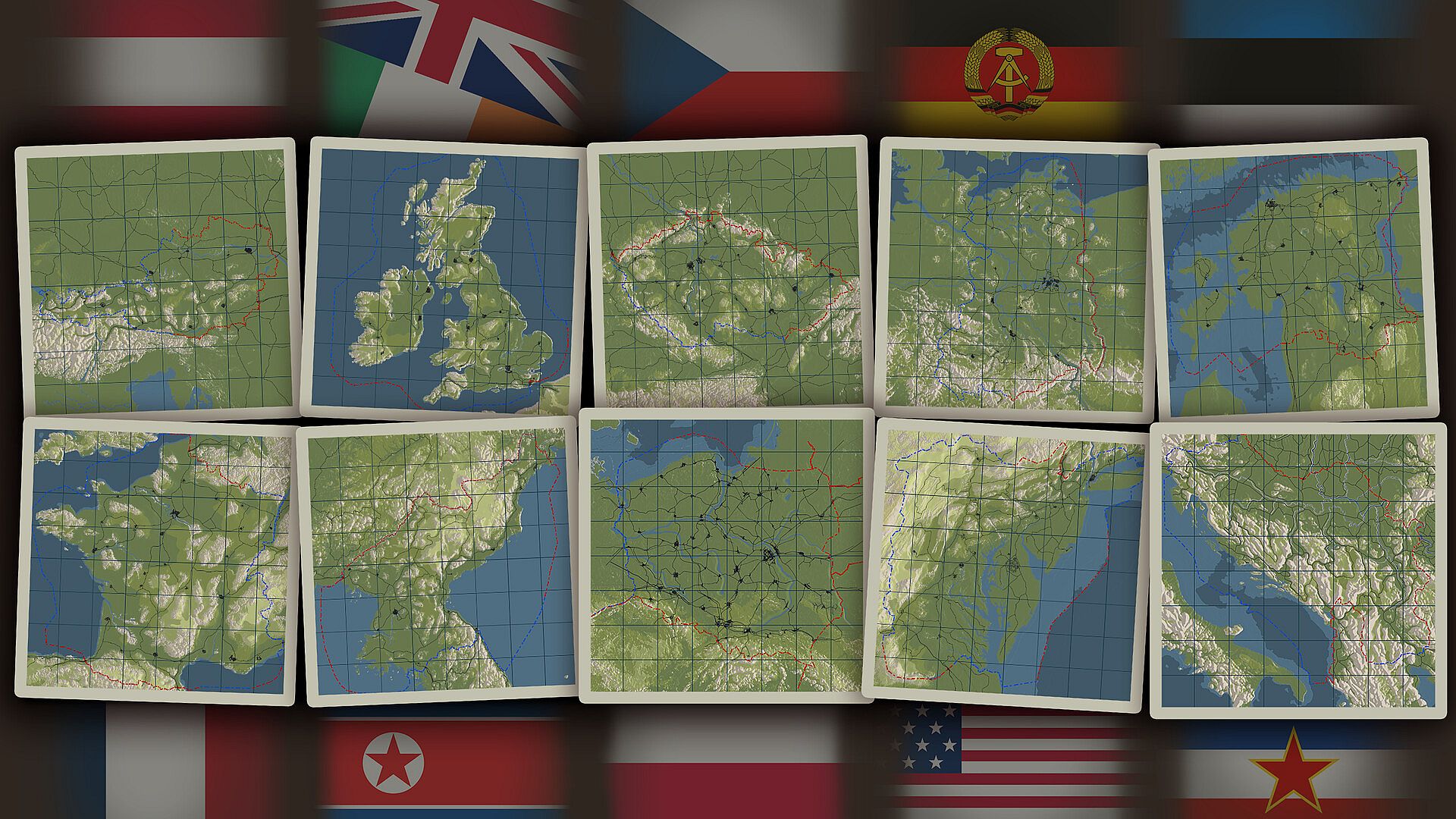
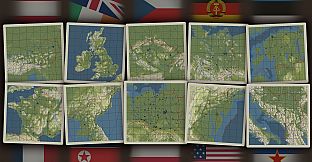
Ten scaled maps recreate real-world regions with unique resource distributions and terrain obstacles. Austria features rugged mountains rich in iron, coal, and uranium but limited by steep cliffs that complicate western connections. The British Isles emphasize sea and air trade due to separation between islands, with uranium available in Ireland and the Outer Hebrides.
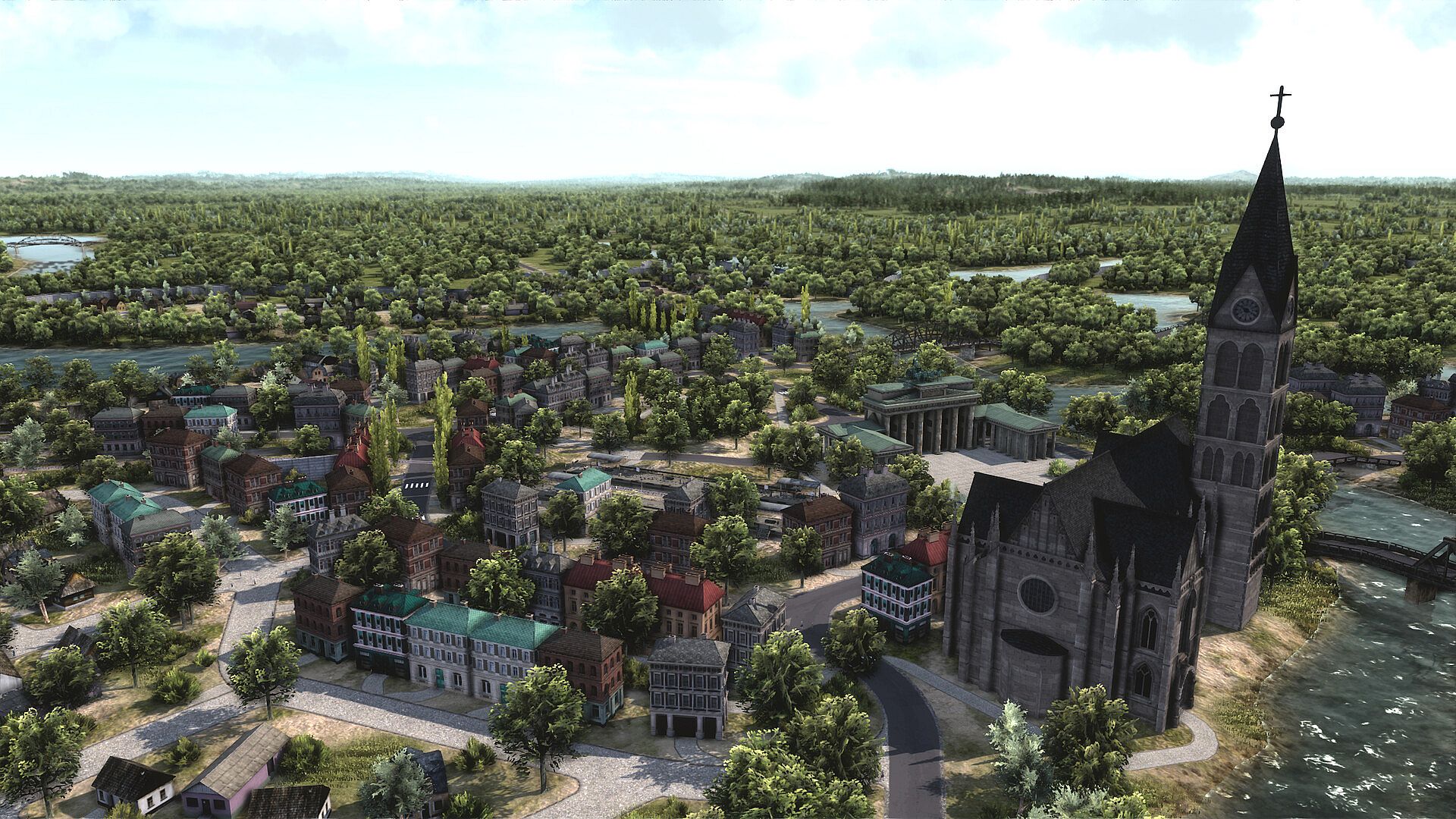
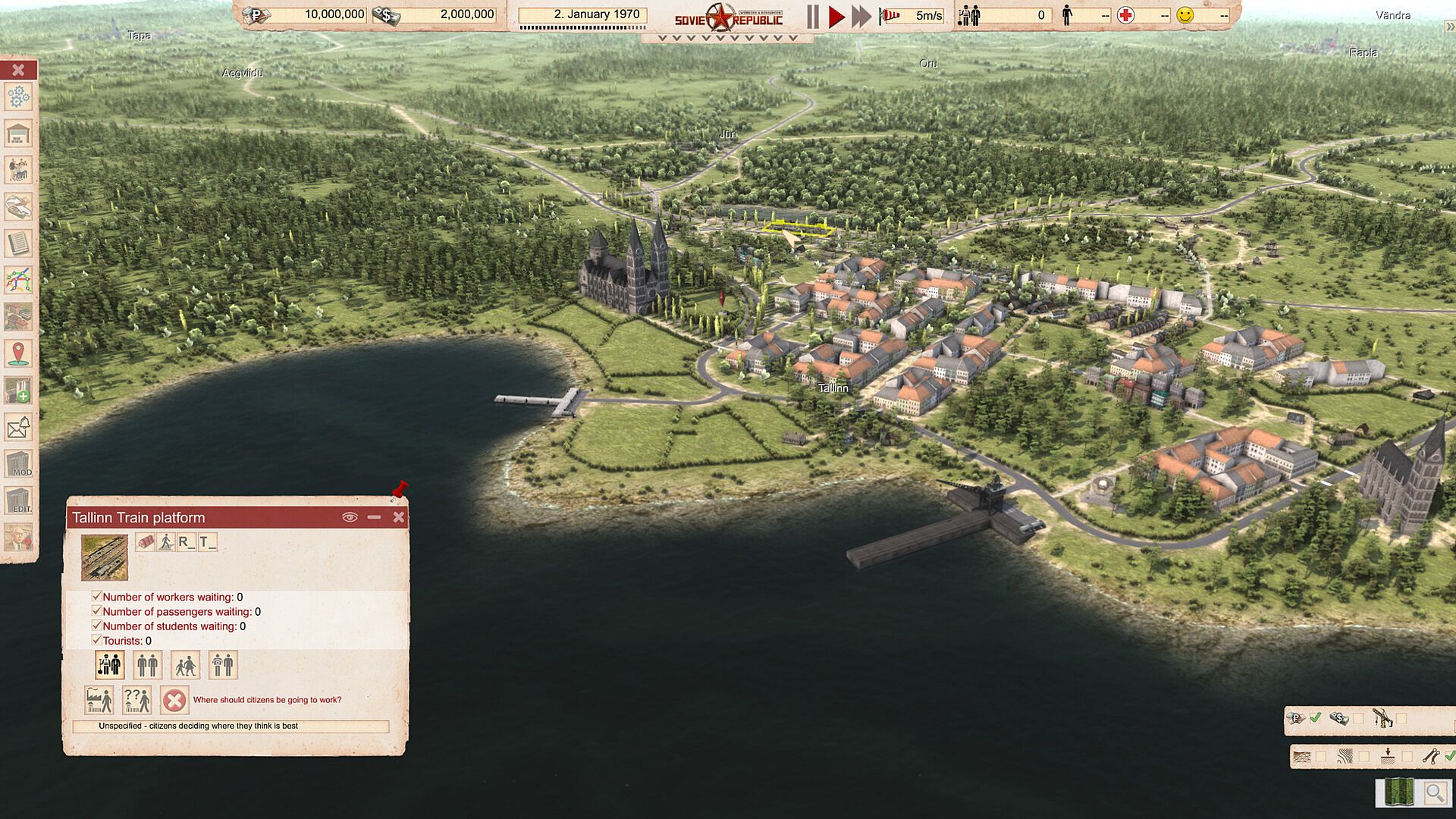
The Czech Republic places coal, iron, and bauxite on the outskirts while oil and uranium sit more centrally, creating routing puzzles around hills and the Vltava river. East Germany offers forested plains for industry alongside southern mountains holding iron and uranium. Estonia provides easy Soviet bloc trade via land customs houses and existing harbors plus rail lines from Tallinn.
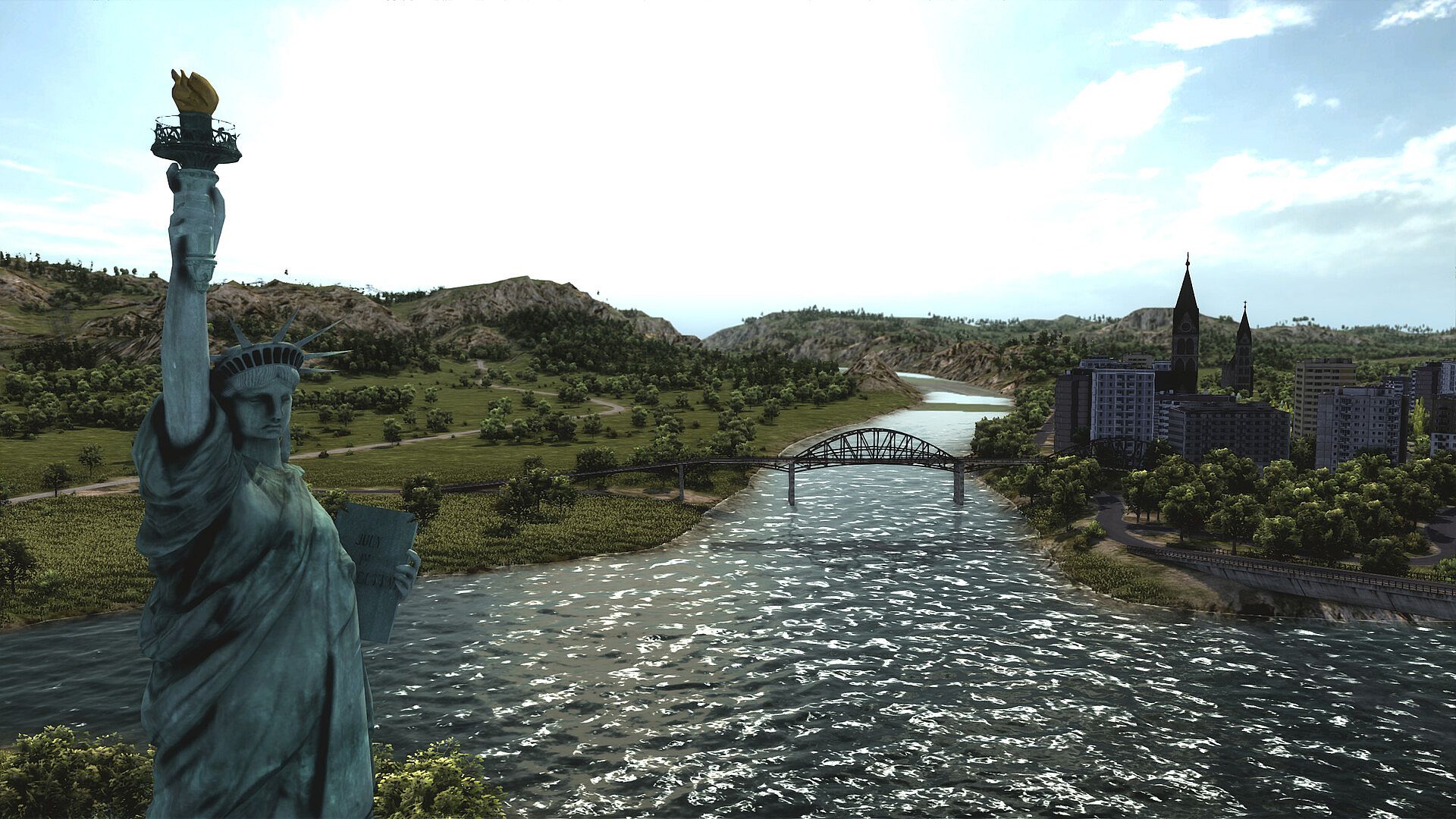
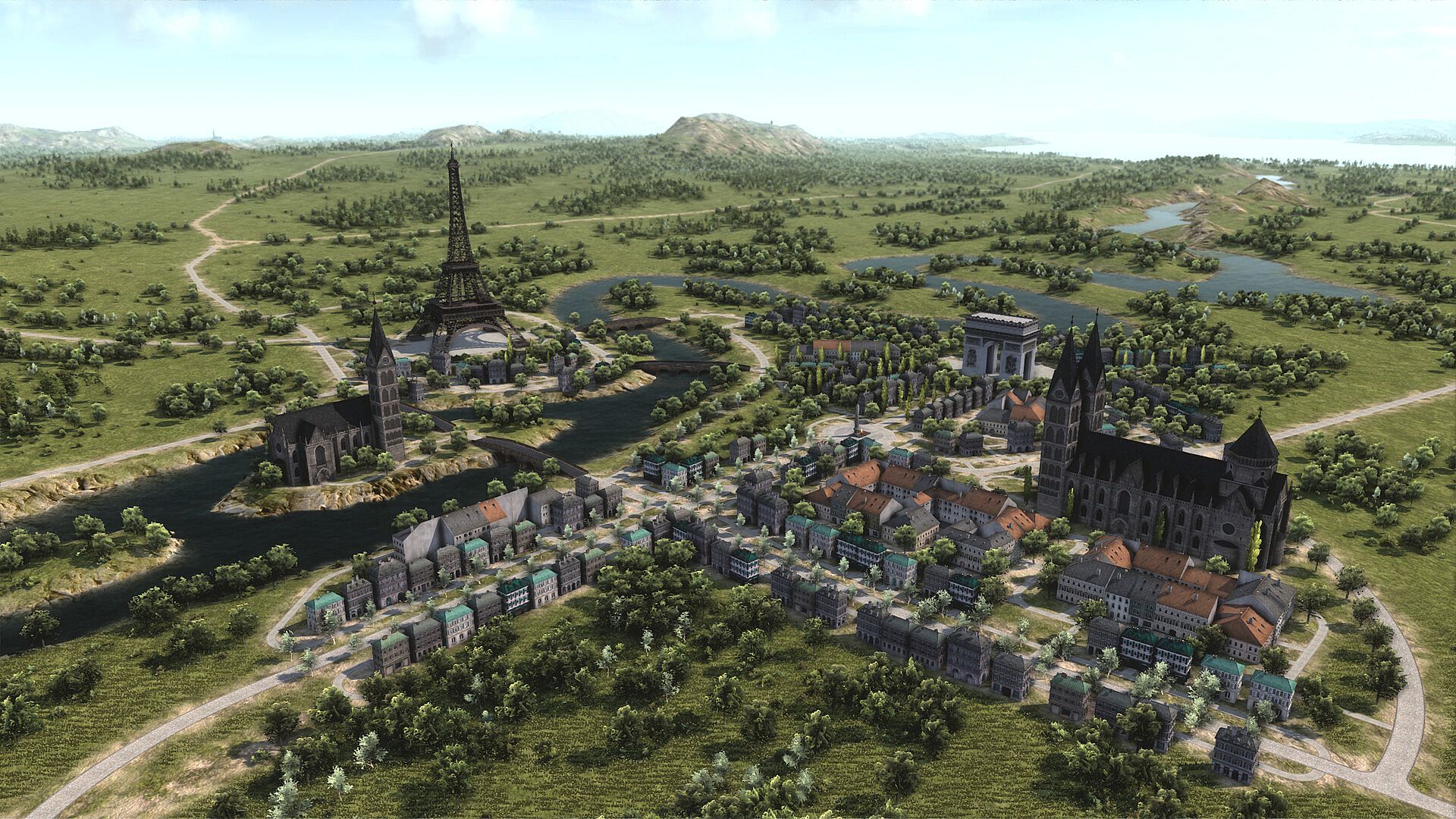
France spans from the English Channel to the Mediterranean with iron in the south and northeast, plus scattered bauxite and coal. North Korea concentrates resources on the rugged west coast while plains support agriculture. Poland presents flatlands and rivers but requires reconnecting a damaged rail network to link southern resources. The USA East Coast stretches from New York to North Carolina, with mountain resources far from coastal plains ideal for cities. Yugoslavia demands heavy terraforming for urban areas amid widespread hills and mountains, offset by coastal harbors.
Each map includes variants with or without starting population and infrastructure, plus a handful of new iconic buildings tied to the represented nations.
Is It Worth Playing?
This expansion suits players who enjoy intricate logistics and long-term economic planning in single-player city builders. The added maps introduce fresh geographical constraints that test established strategies without altering core systems. Ongoing updates to the base game maintain support for detailed simulations, and the variety of starting conditions appeals to both newcomers and veterans seeking new challenges. Those drawn to realistic resource management and trade route optimization will find substantial depth here.