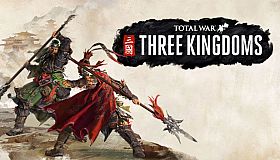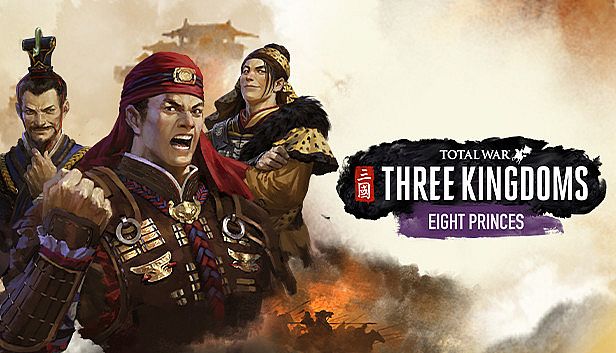













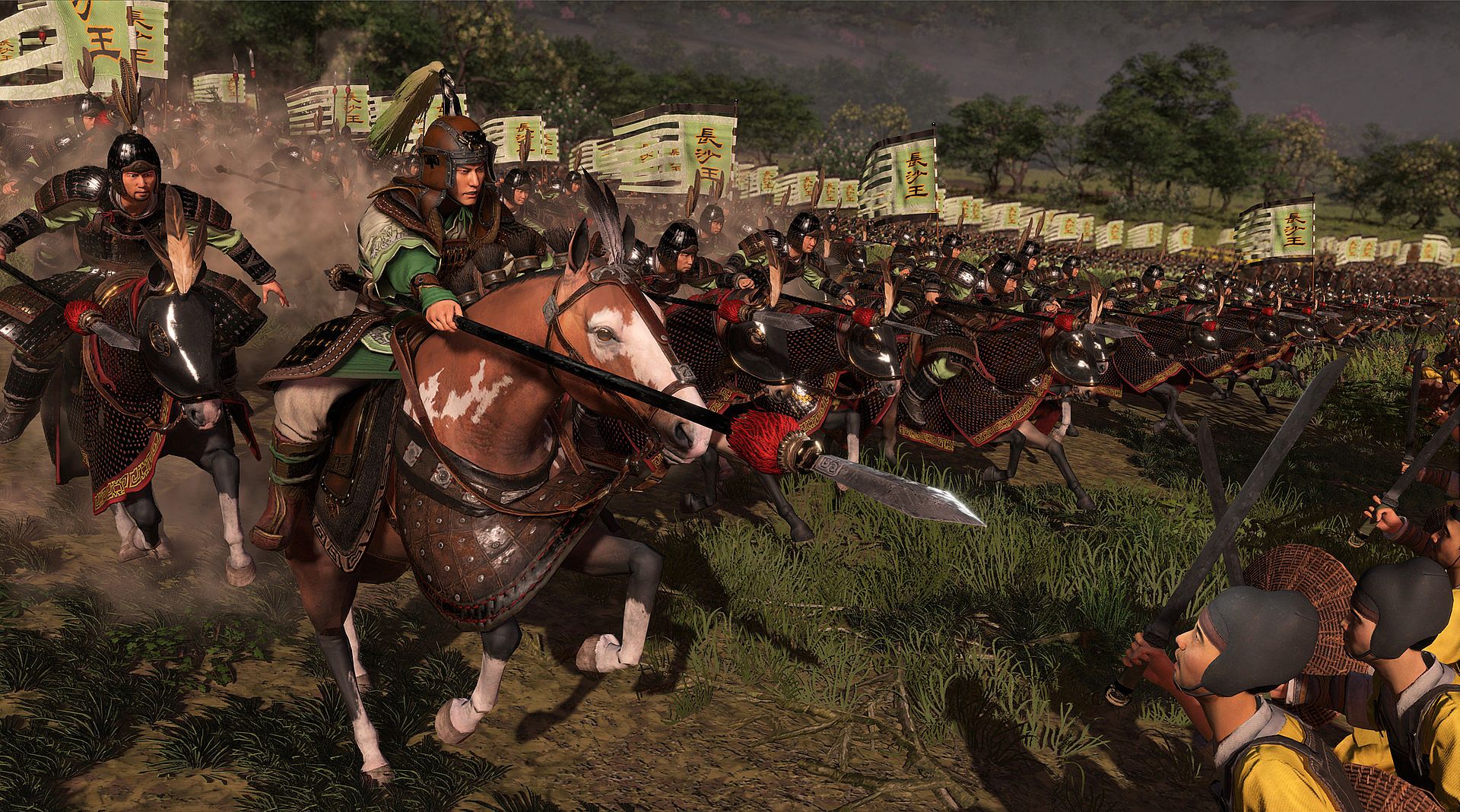
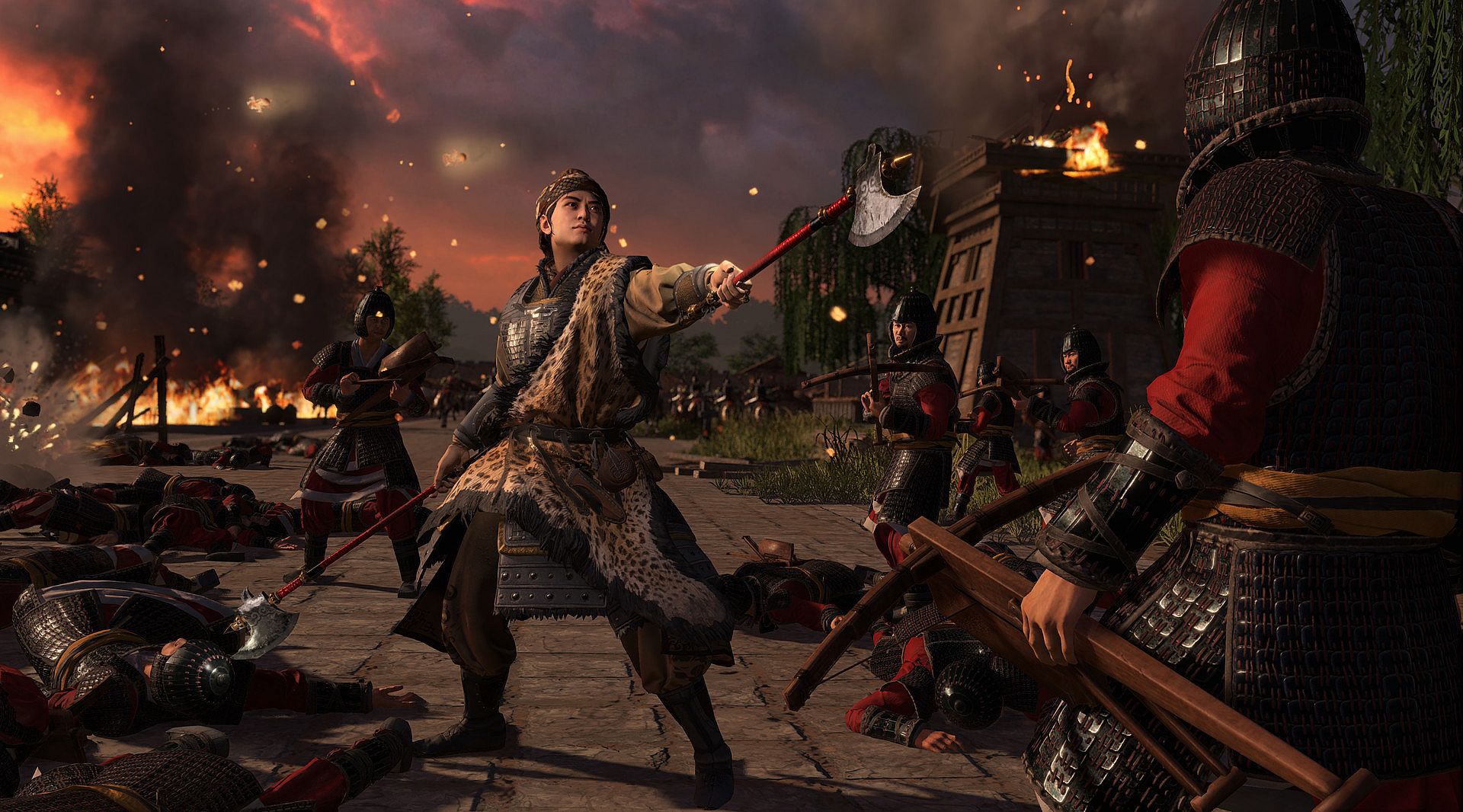
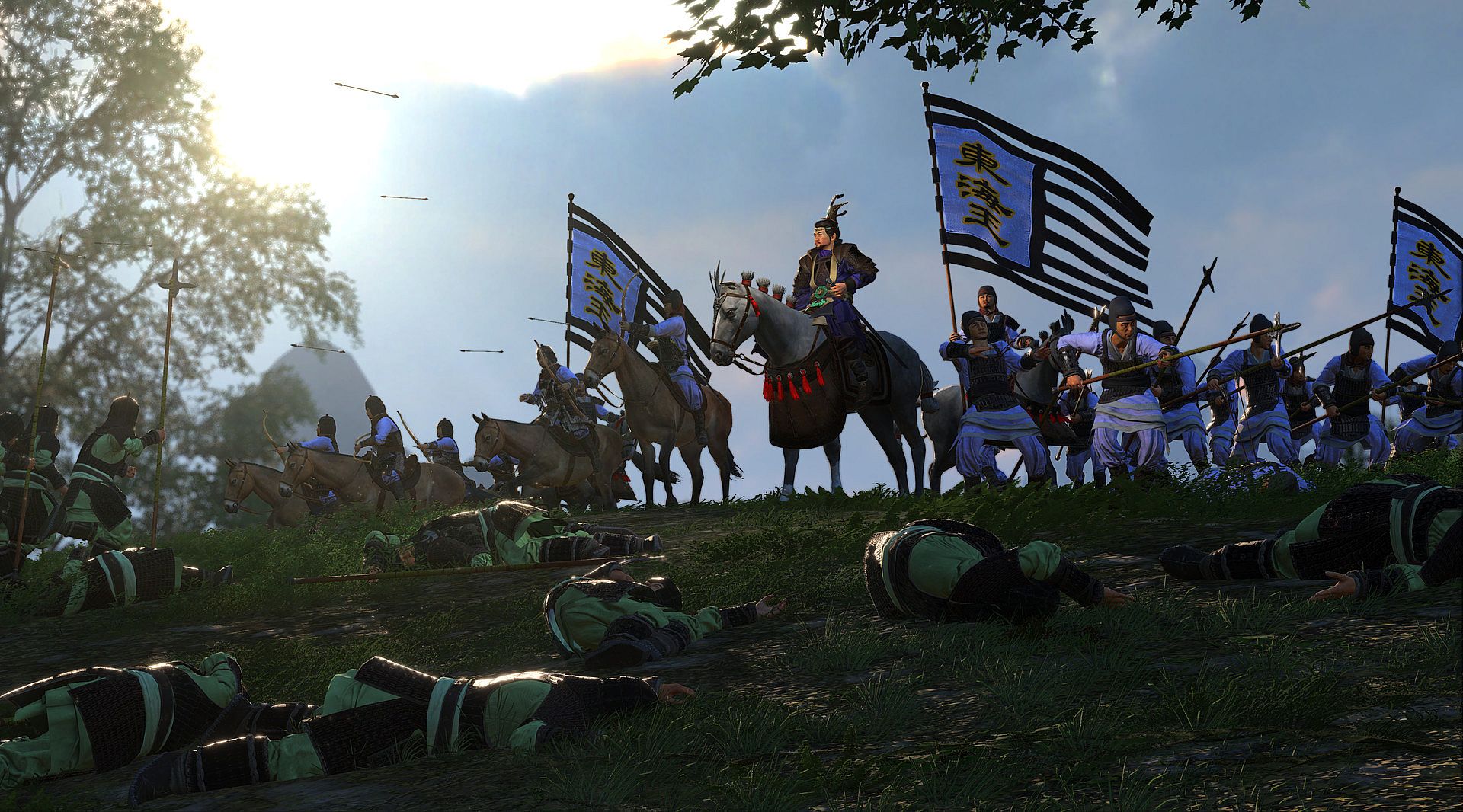
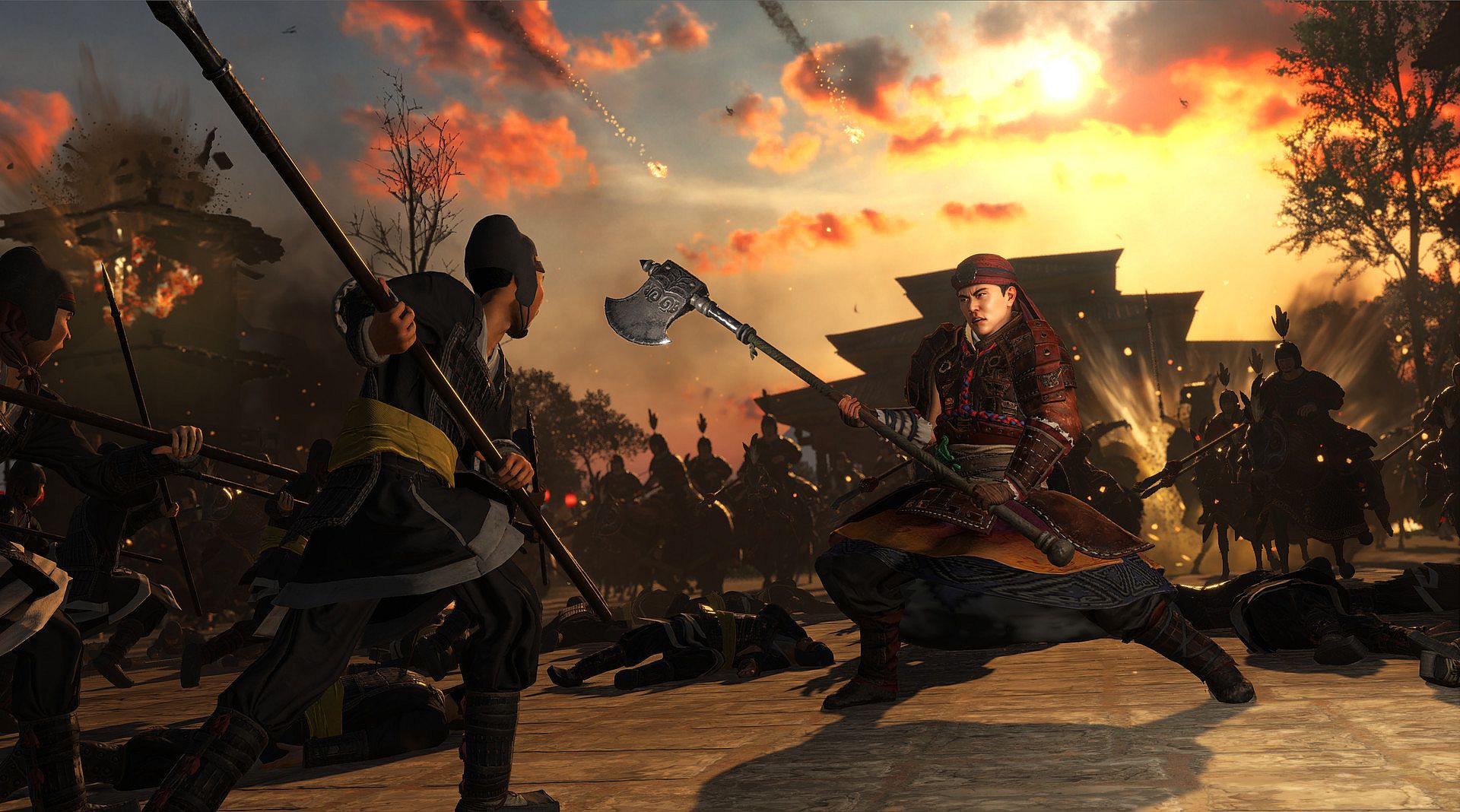
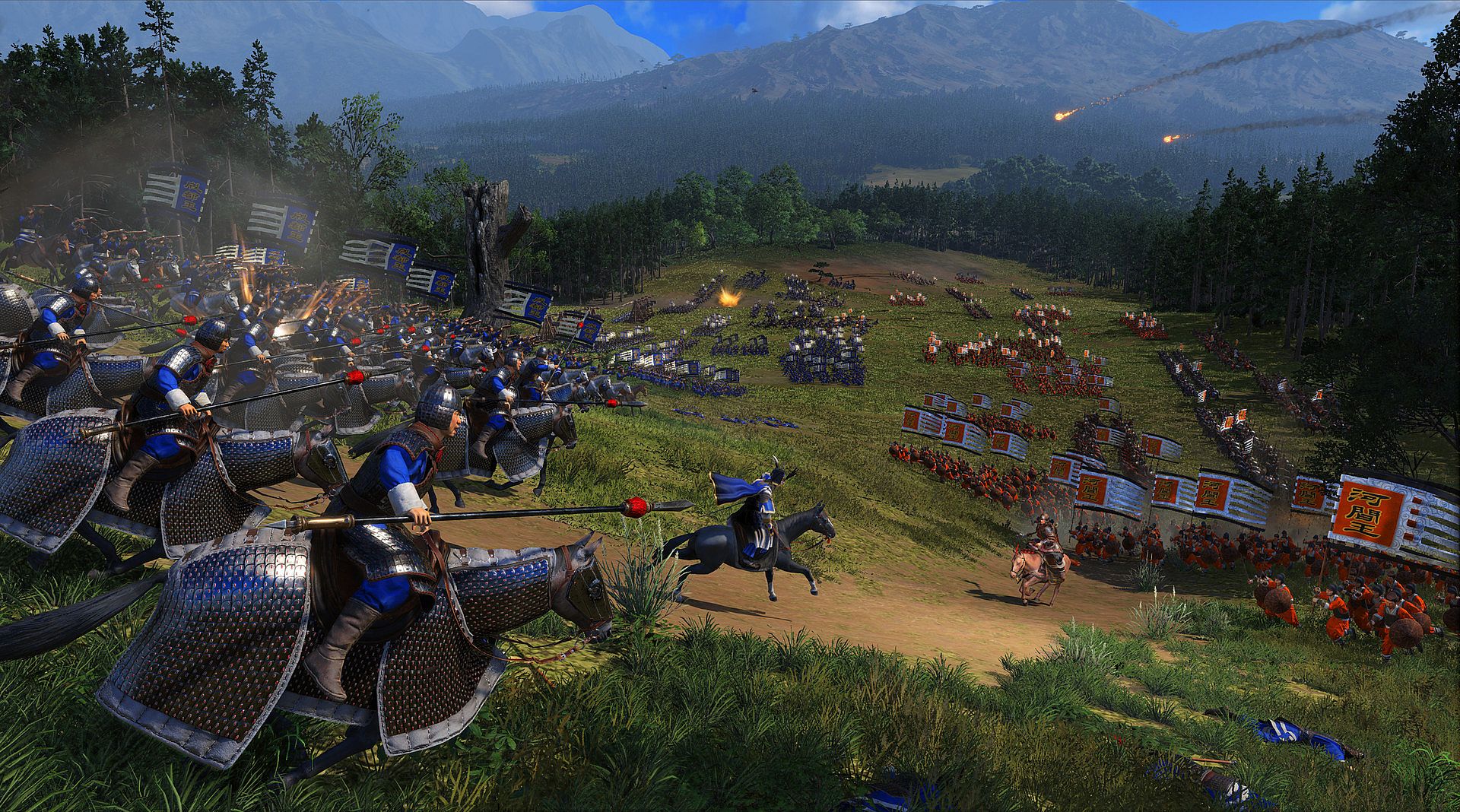
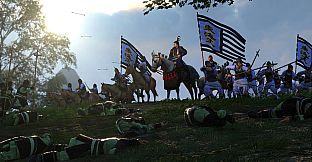
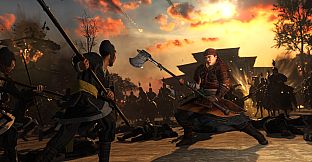
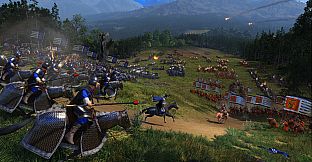
Total War: Three Kingdoms - Eight Princes is a strategy expansion that shifts the focus to the Jin Dynasty in 291 CE, roughly a century after the events of the base game. Players take control of one of eight princes in a divided empire, managing factions through turn-based campaign decisions and real-time battles on the same map scale as the original title. The experience centers on political maneuvering among nobles, resource management tailored to each leader, and military campaigns that reflect the era's internal power struggles.
Gameplay
The core loop combines kingdom oversight with tactical combat. On the campaign map, players develop settlements, assign characters to court positions, and navigate events that influence faction stability. Each of the eight playable princes brings distinct mechanics that alter priorities. Sima Yong emphasizes defense through garrison bonuses and infrastructure buildings, while Sima Wei generates Fury from victories to lower upkeep and speed replenishment. Sima Lun relies on Subterfuge from spy actions for espionage and diplomatic tricks. These systems integrate with four alignments-Wealth, Spirit, Might, and Mind-that provide escalating bonuses to income, diplomacy, movement, or research as players advance along chosen paths.
Public order is replaced by noble support, which tracks aristocratic approval rather than general population sentiment. Low noble support can trigger rebellious armies led by disaffected nobles. Building choices and assignments now target noble needs, with unique chains such as Military Security for Sima Yong or Judiciary for Sima Lun and Sima Liang. New units include Xianbei Horse Archers, Qi Guardsmen, Xiongnu Cataphracts, and Imperial Guards, each suited to the prince's preferred tactics. Faction ranks progress from minor prince to grand prince and imperial prince, with a final choice between claiming the throne or ruling as regent based on alignment progress.
Game Modes
The expansion centers on a single-player campaign that begins in the War of the Eight Princes period. Players select one of the eight princes and pursue objectives shaped by their unique resources and court options. Multiplayer support carries over from the base game, allowing battles or full campaigns against other players. No additional standalone modes are introduced beyond these campaign and battle formats.
Factions and Mechanics
The eight princes each align with one of the five character classes from the base game and receive tailored tools. Sima Jiong uses Control to manage corruption and central authority. Sima Yue generates Influence for faster research and cheaper construction. Sima Ai builds Reformation through settlement development to boost trade and reduce corruption. Sima Ying grants court-wide effects from any ministerial appointment. Sima Liang operates under a Domain government type limited by Jurisdiction gained from vassals. These mechanics encourage different expansion styles, from aggressive conquest to internal reform and deception. Alignments further customize development through events and dilemmas that reward specific bonuses to prestige, food, or character experience.
Is It Worth Playing?
Player reception for the chapter pack sits at mostly negative on major storefronts, with around 36 percent positive reviews. Critics described it as a solid but incremental addition that reuses much of the base game's systems while adding new story beats and prince-specific options. It suits players already familiar with Total War: Three Kingdoms who want a fresh campaign start with varied playstyles and the noble support system. Those seeking major mechanical overhauls or entirely new content may find the changes limited. The expansion remains available as a standalone purchase for the PC strategy title.