











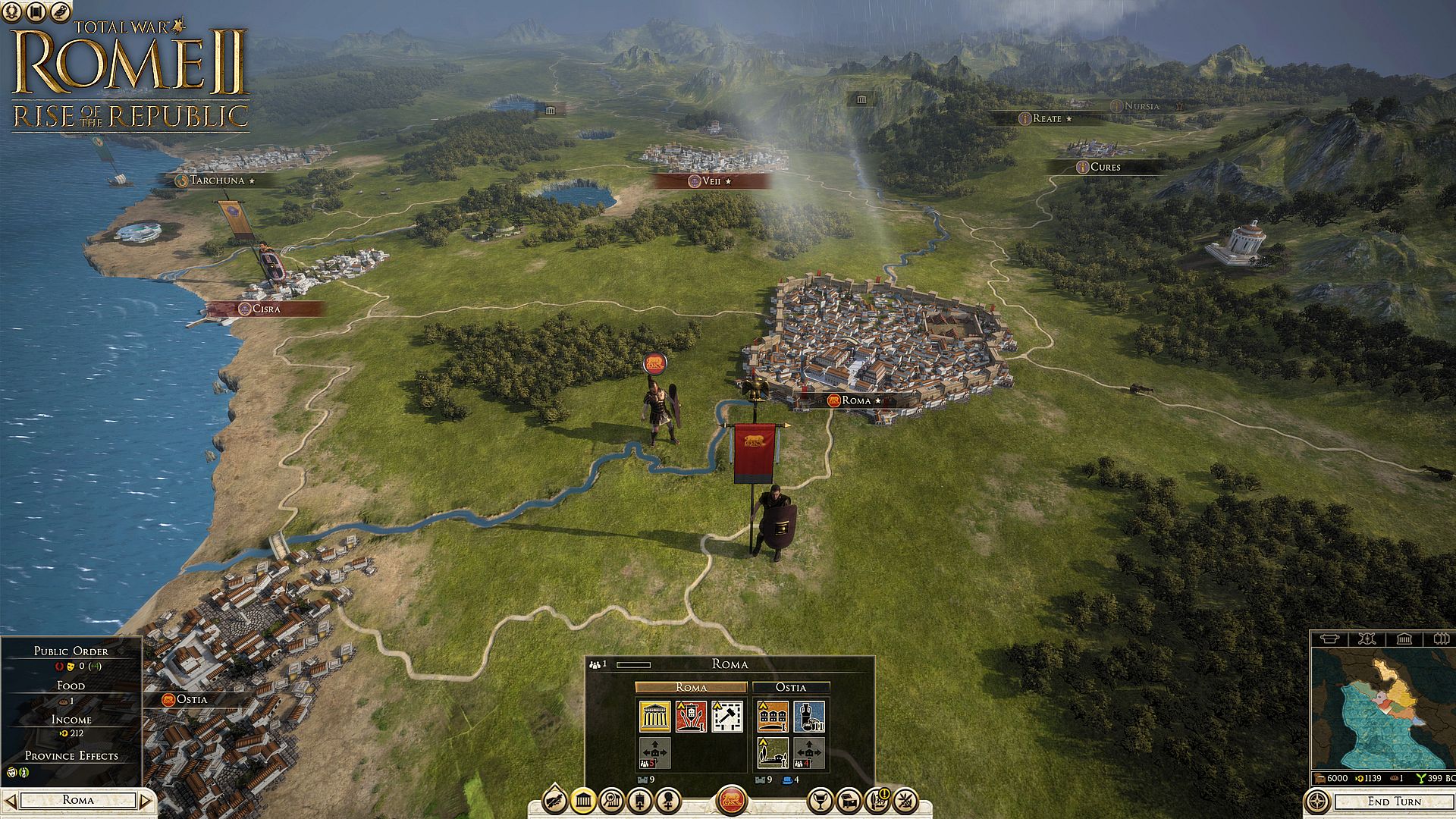
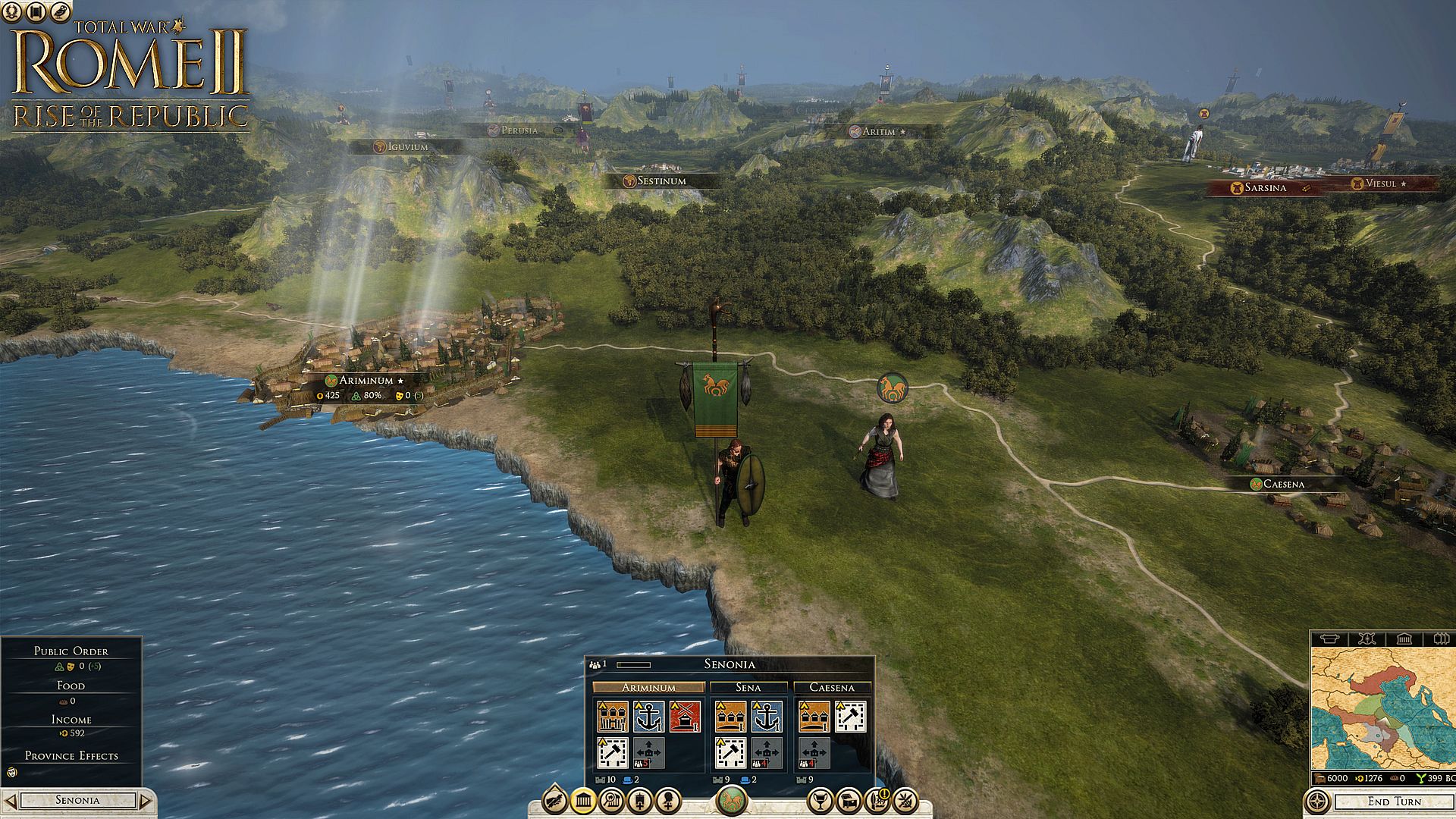
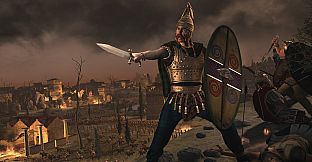
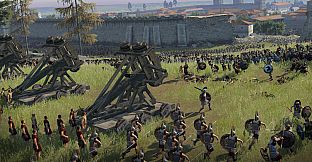
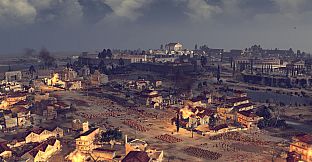
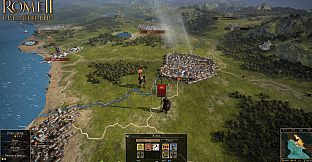
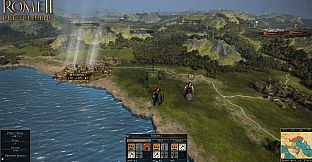
Total War: ROME II Rise of the Republic Campaign Pack is a strategy title for PC that places players in command of emerging powers across ancient Italy during the fourth century BC. The campaign begins in 399 BC with Rome still a vulnerable republic facing immediate threats from neighboring tribes and city states. It expands the base game with a dedicated prequel scenario that covers the events leading to the Second Founding of Rome.
Gameplay
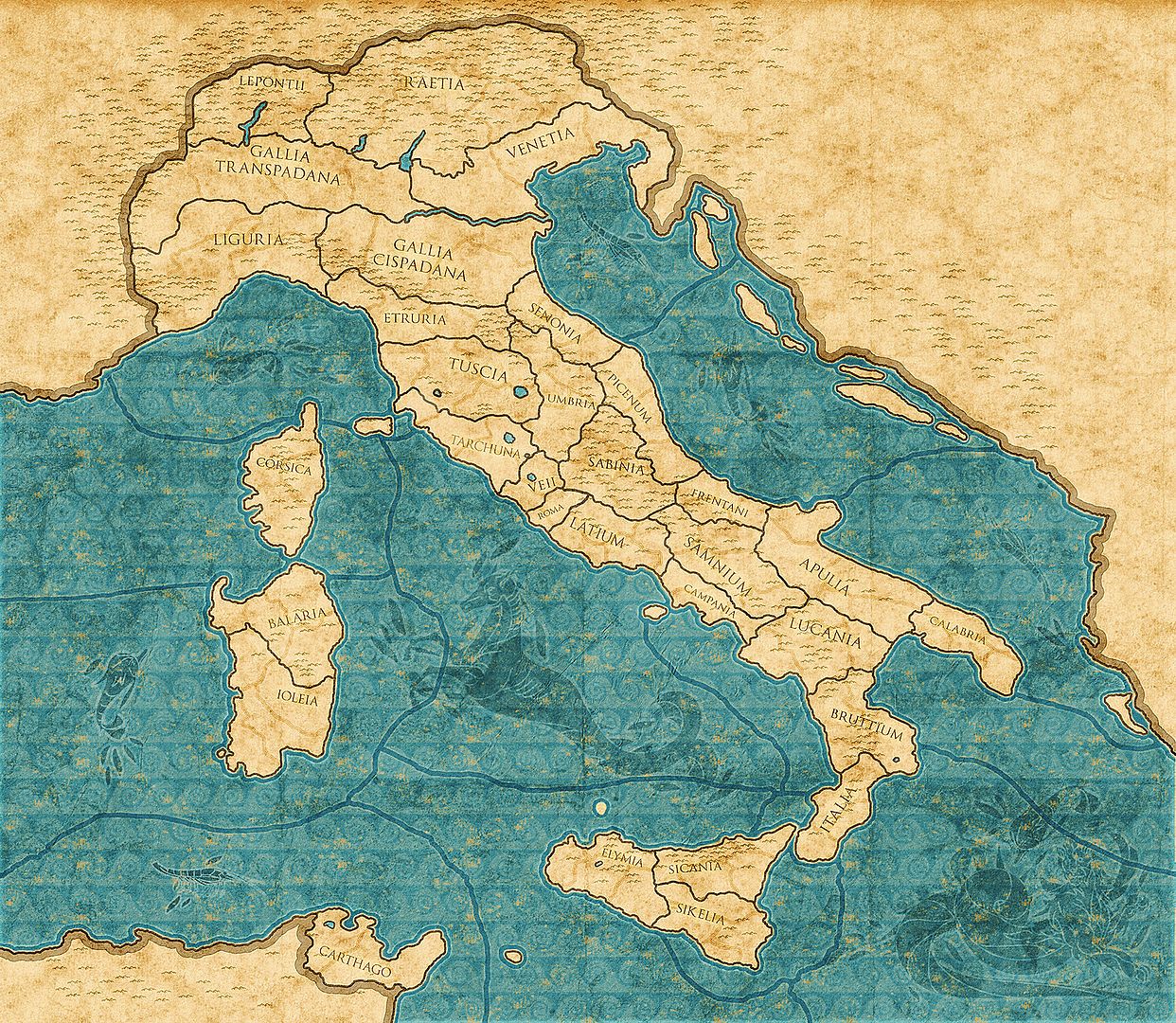
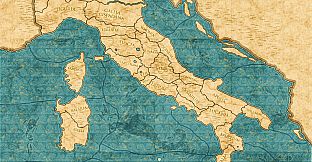
The core loop centers on managing one of nine distinct factions across a new campaign map that includes the Italian peninsula along with Sicily, Sardinia, Corsica, and Carthage. Players expand territory, recruit armies, and navigate faction specific challenges while balancing internal politics and external pressures. Each faction operates with its own government actions system that replaces the standard change government mechanics from earlier campaigns. These actions grant targeted bonuses in exchange for costs, such as Rome appointing consuls or dictators during crises or the Samnites invoking the Ver Sacrum rite for an immediate army.
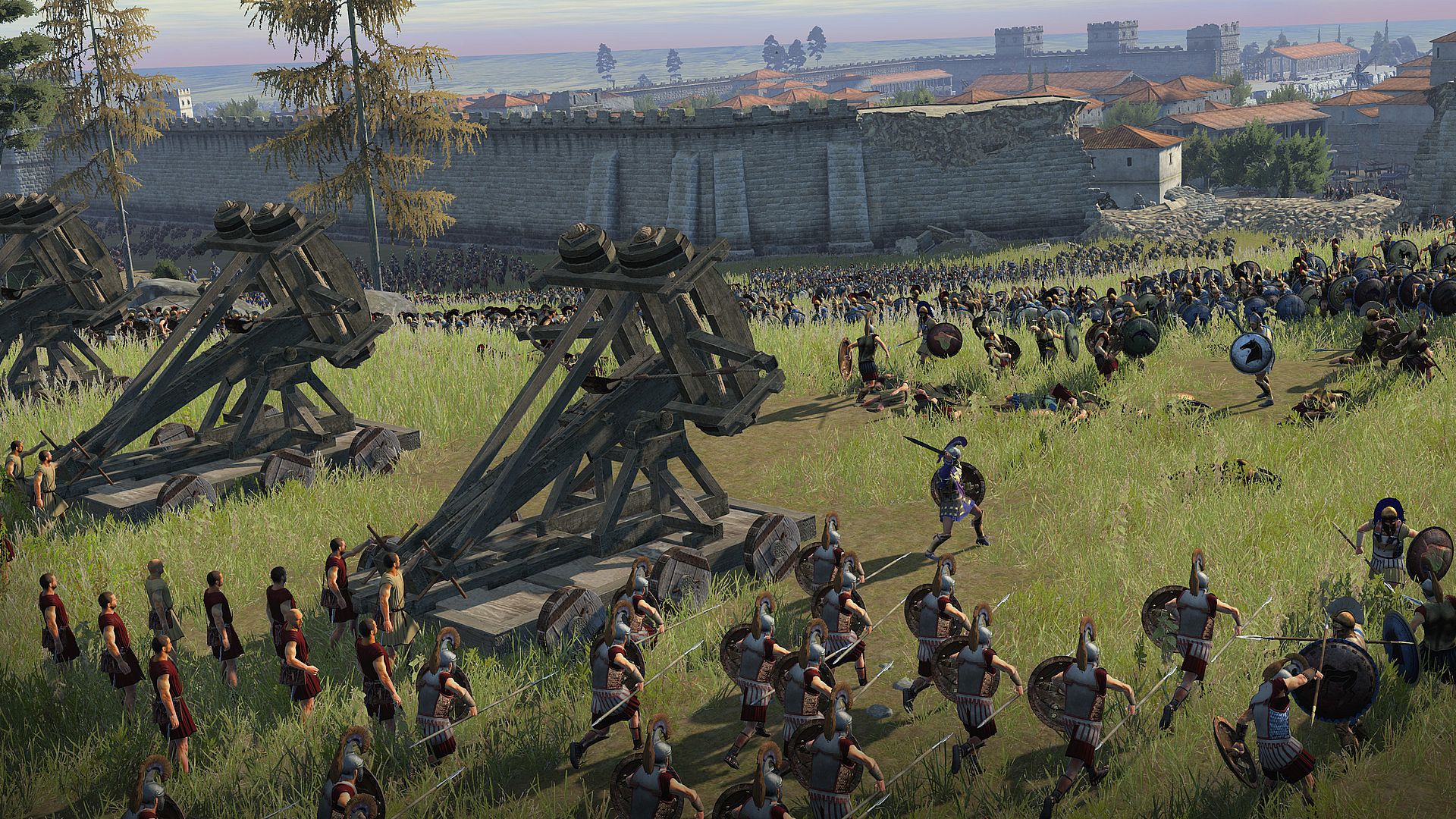
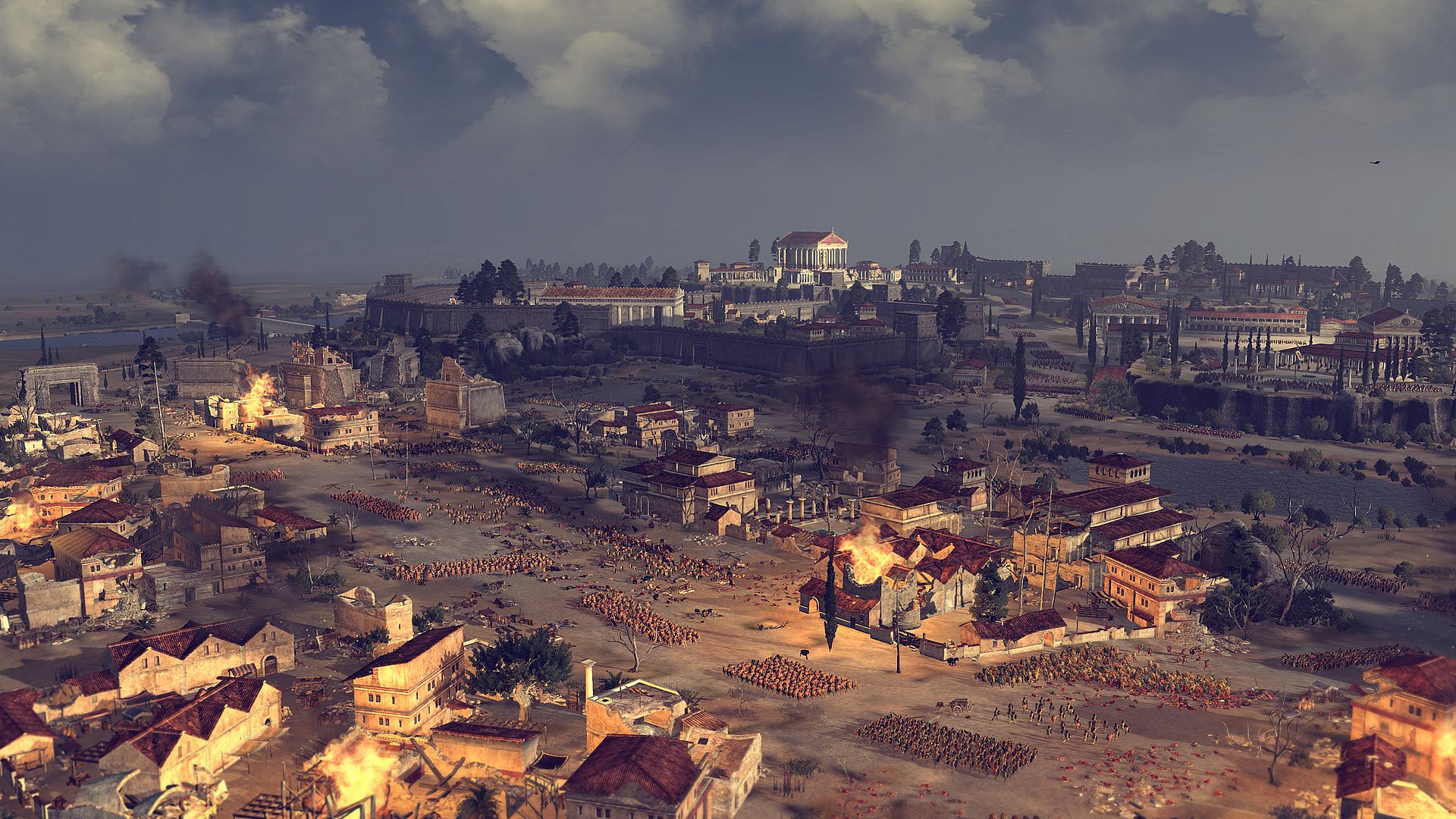
Region specific dilemmas appear based on controlled territories, including events tied to Carthage or Massalia. Chapter objectives are tailored to each faction and serve as a route to unlock agents. New technologies and buildings further differentiate playstyles, from Rome's focus on legendary figures like Cincinnatus to Syracuse's emphasis on siege innovations. Post battle loot and an epic campaign battle centered on the city of Rome add direct combat payoffs to territorial gains.
Game Modes
The primary experience is the singleplayer campaign that unfolds across the detailed Italian map. This prequel scenario emphasizes long term strategic planning, territorial conquest, and faction unique decision chains. Greek factions, for instance, can influence conflicts among poleis in Hellas, while Roman play involves managing tensions between plebeians and patricians. The campaign supports multiple replays through the varied government actions and dilemma systems that shift outcomes depending on the chosen faction.
Factions and Unique Mechanics
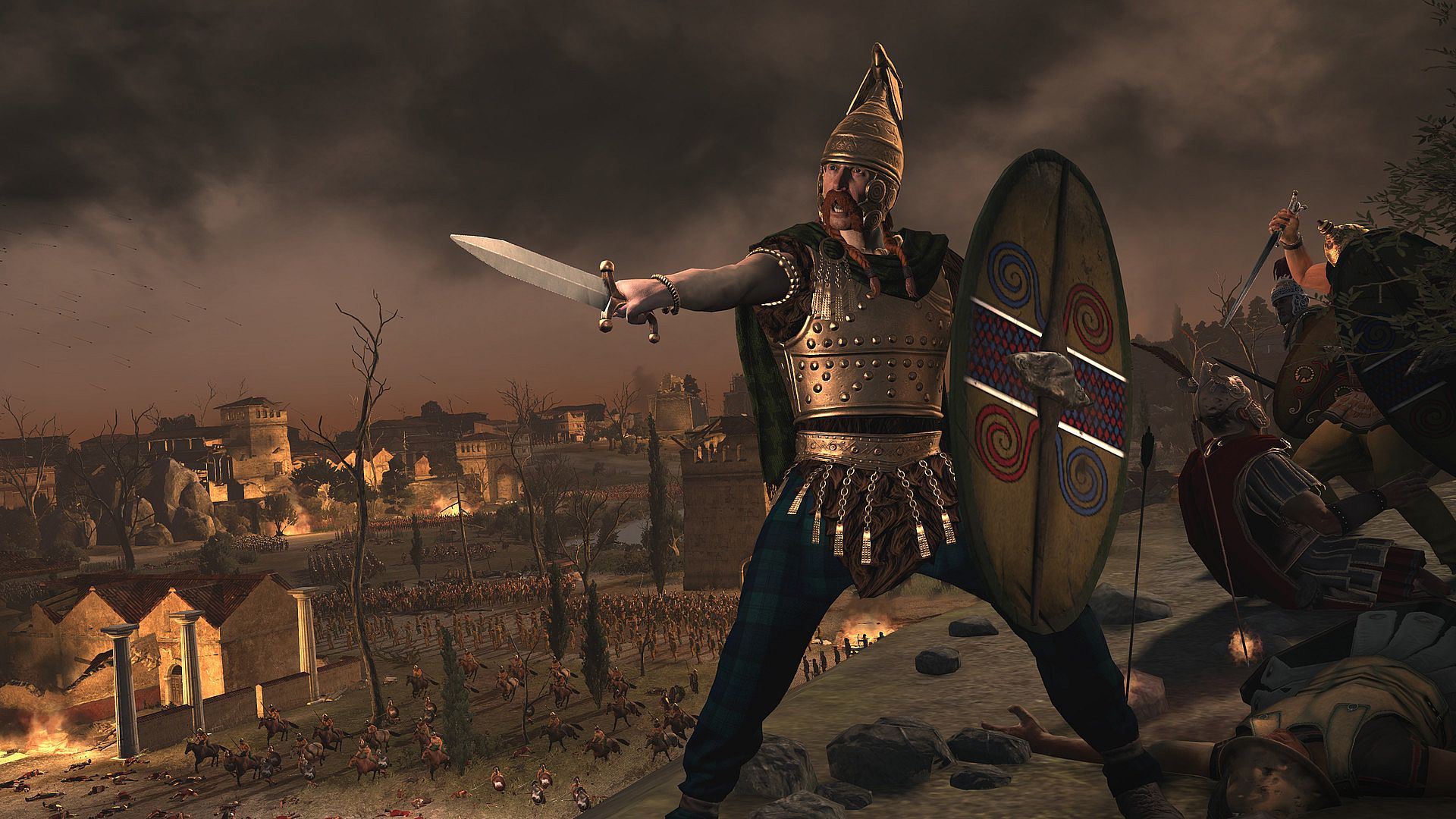
Nine factions are available, each with tailored units, technologies, and buildings that encourage different approaches. Rome fields veteran centuriae as early hoplite style infantry and benefits from technologies highlighting figures like Cincinnatus. Tarchuna leverages Etruscan hoplites and the summit of Fanum Voltumnae for collective decisions. Senones and Insubres draw on Gallic traditions with axe cavalry and elder swordsmen respectively, supported by druidic councils. Samnites access linen legion infantry and the Ver Sacrum rite. Taras employs Tarantine cavalry and court philosophers to accelerate research, while Syracuse fields hippotoxotes and constructs the Euryalus walls. Iolei deploys Nuragic runners, and Veneti fields specialized Ekupetaris cavalry from their renowned stables. Additional structures such as Nuraghes towers, Satyrion temple, Capitoline Hill, and Carthago Port provide further faction flavor.
Ancestral Update Integration
The campaign released alongside the Ancestral Update, which added the family tree system to Total War: ROME II and its campaign packs. This update also included graphical improvements and remains available through the open beta opt in process described at launch. The family tree integrates directly with Rise of the Republic play, allowing lineage management to influence long term strategy across the nine factions.
Is It Worth Playing?
This campaign pack suits players who enjoy detailed singleplayer strategy with strong emphasis on faction asymmetry and historical decision making. The government actions, region dilemmas, and specific unit rosters create meaningful replay value across the nine options without requiring additional purchases. Those interested in the early Roman period and its surrounding cultures will find the map scope and objective chains rewarding for extended campaigns. The integration with the family tree update further extends strategic depth for returning players of the base game.