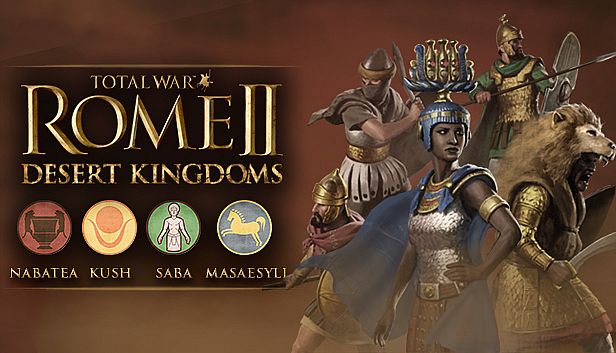














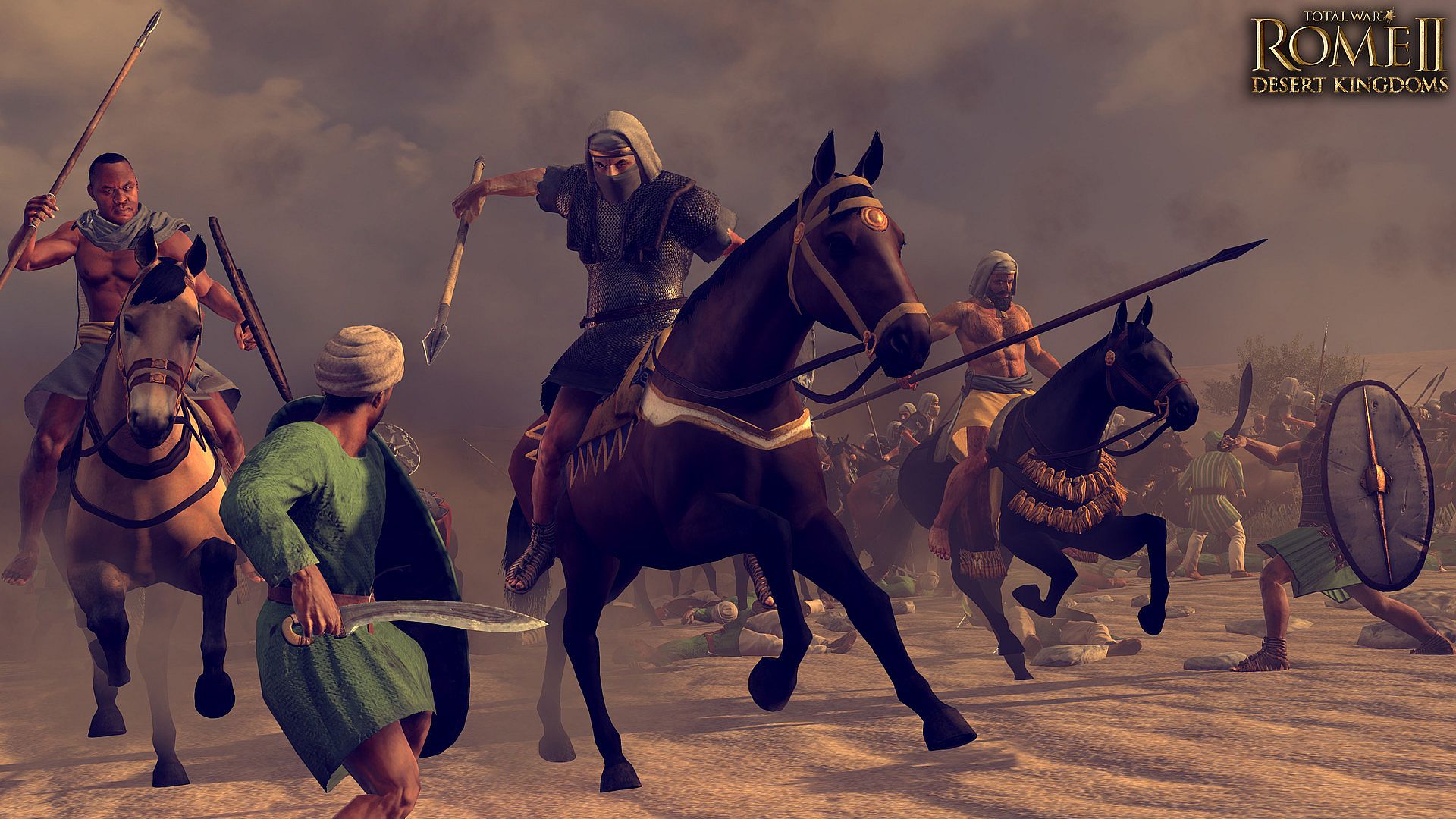
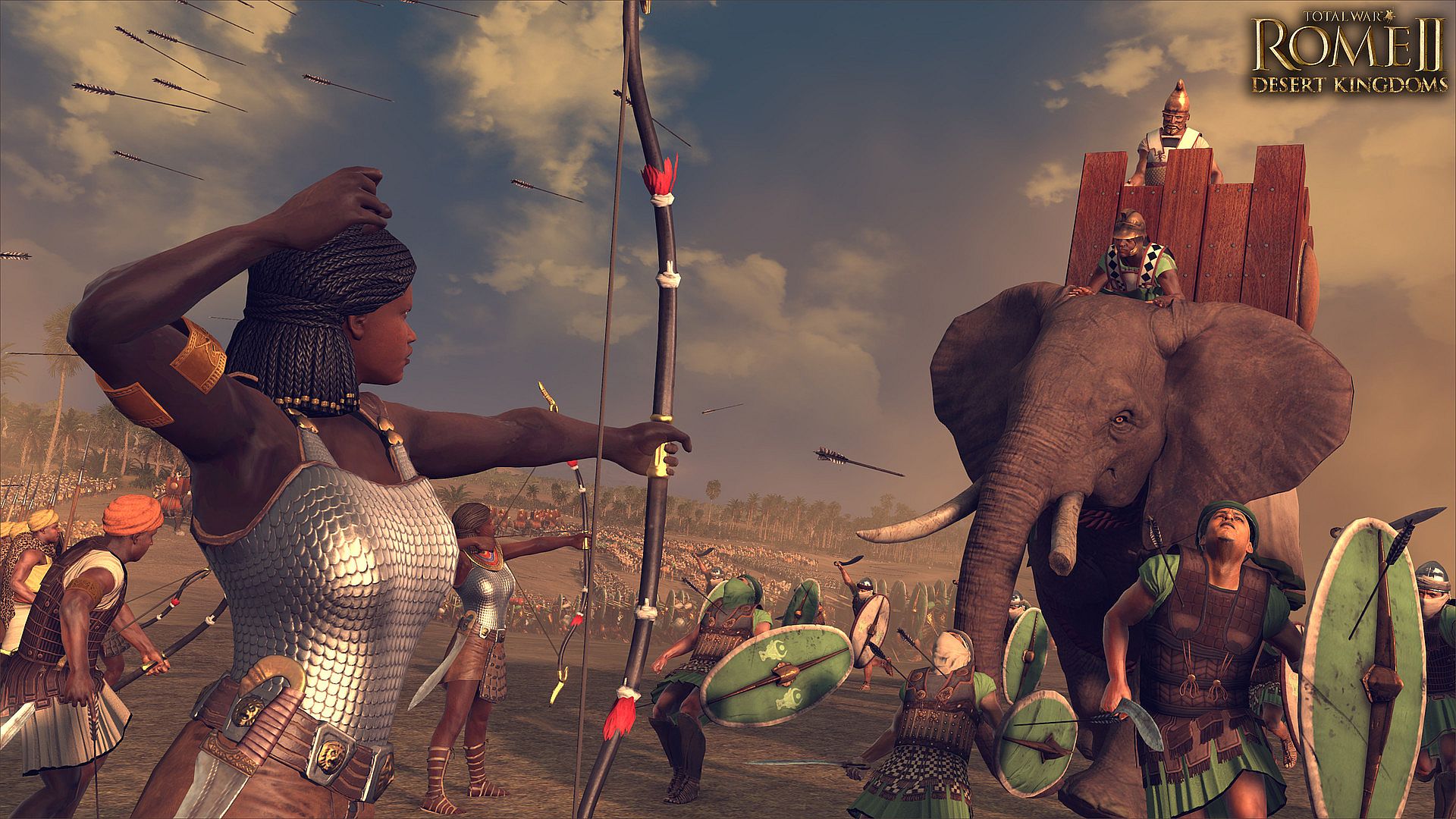
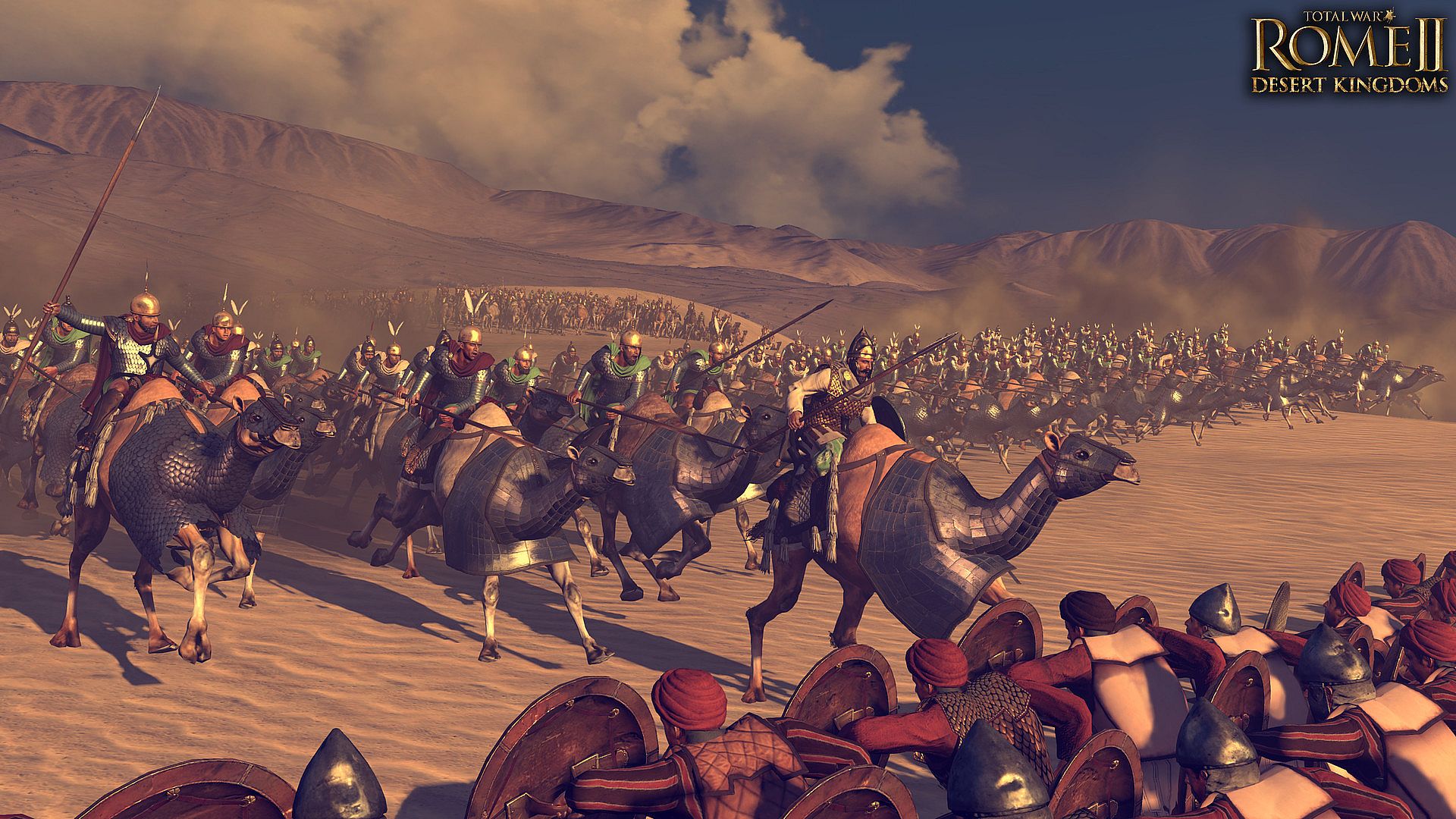
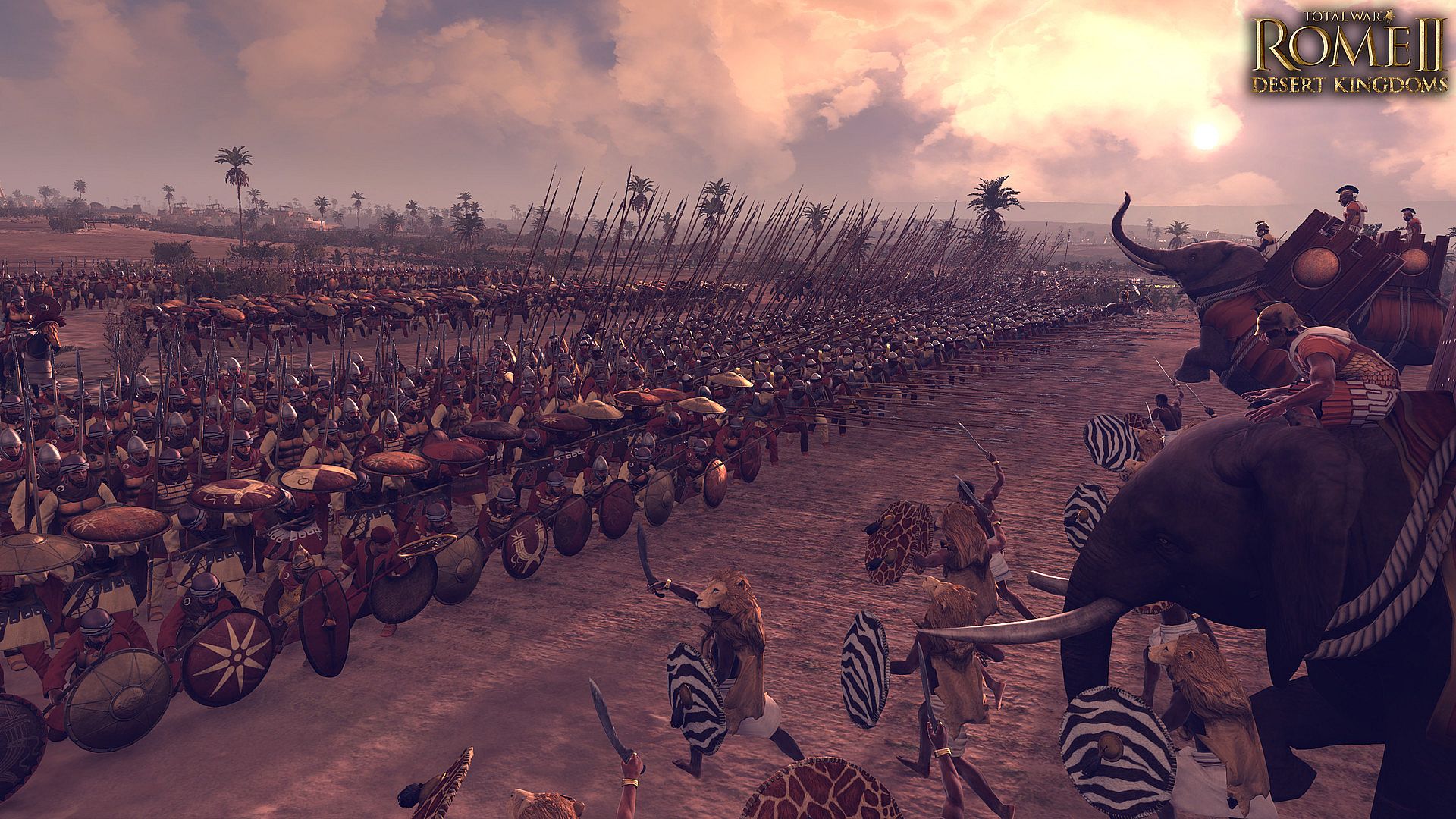

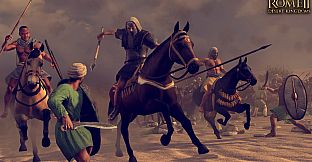
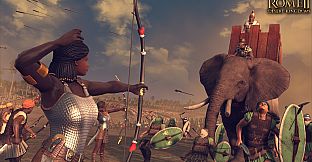
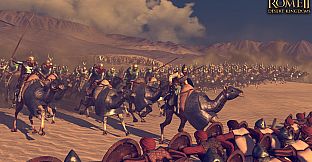
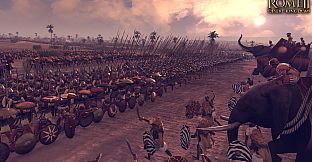
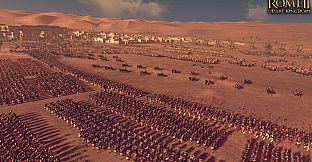
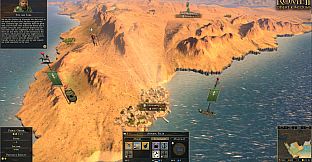
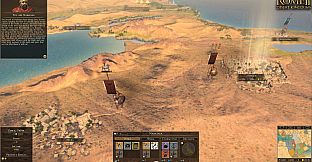
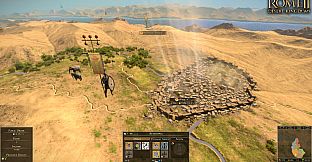
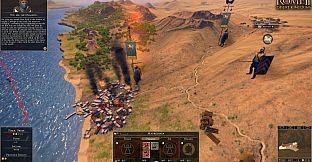
Total War: ROME II - Desert Kingdoms Culture Pack expands the strategy simulation experience by adding four new playable factions drawn from the deserts of Africa and Arabia. These additions bring distinct military options, building options, and cultural traits into the core gameplay of managing empires across a detailed campaign map while commanding armies in real-time tactical battles.
Gameplay
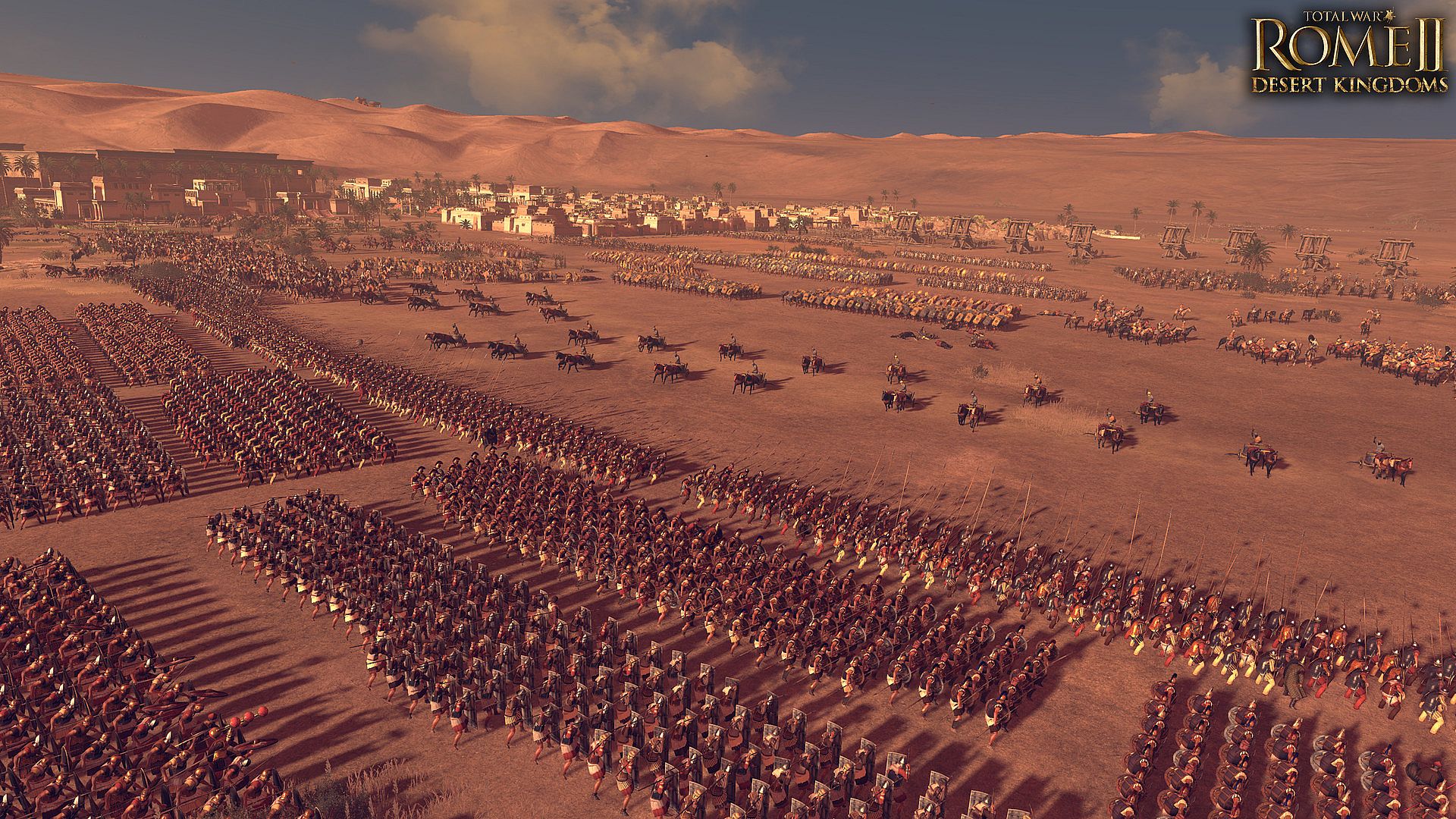
The core loop centers on balancing expansion, resource management, and military campaigns in harsh desert environments. Players develop settlements through specialized building chains and technology trees unique to each faction, which emphasize trade, construction, or military specialization. Battles reward tactical use of terrain, with desert conditions providing morale bonuses to these hardy warriors while their unit rosters highlight strengths in archery, camel cavalry, and specialized infantry.
Each faction operates with shared cultural traits that include improved morale for units fighting in desert regions alongside a research penalty reflecting deep-rooted traditions. Individual faction traits further differentiate play, such as bonuses to slave income and archer effectiveness for one group or faster construction and trade advantages for another. The emphasis on unique rosters encourages varied army compositions, from heavy reliance on missile troops and elephants to formations influenced by external cultures.
Game Modes
Content integrates into the existing single-player campaign structure, allowing the new factions to participate in large-scale empire building and conquest across the map. Battles occur in real time with options for formations and environmental tactics that play to the strengths of desert-adapted units like chariots, camel riders, and skirmishers.
Multiplayer support extends to custom battles and head-to-head matches where the new unit options and traits create fresh strategic matchups. The pack adds flavor through unique events and incidents tied to the factions, enhancing progression without altering the fundamental turn-based campaign and real-time battle format.
New Factions and Their Strengths
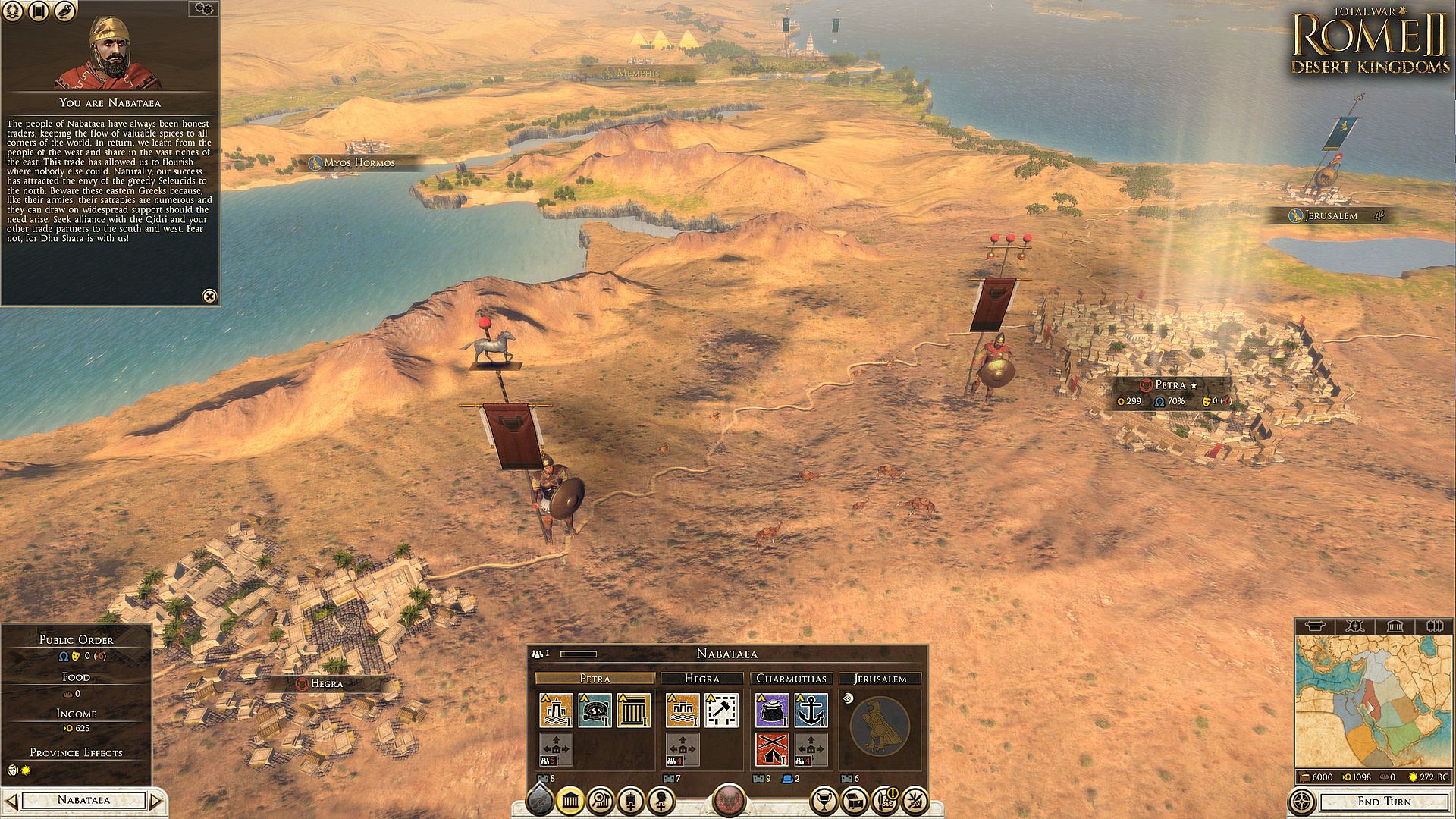
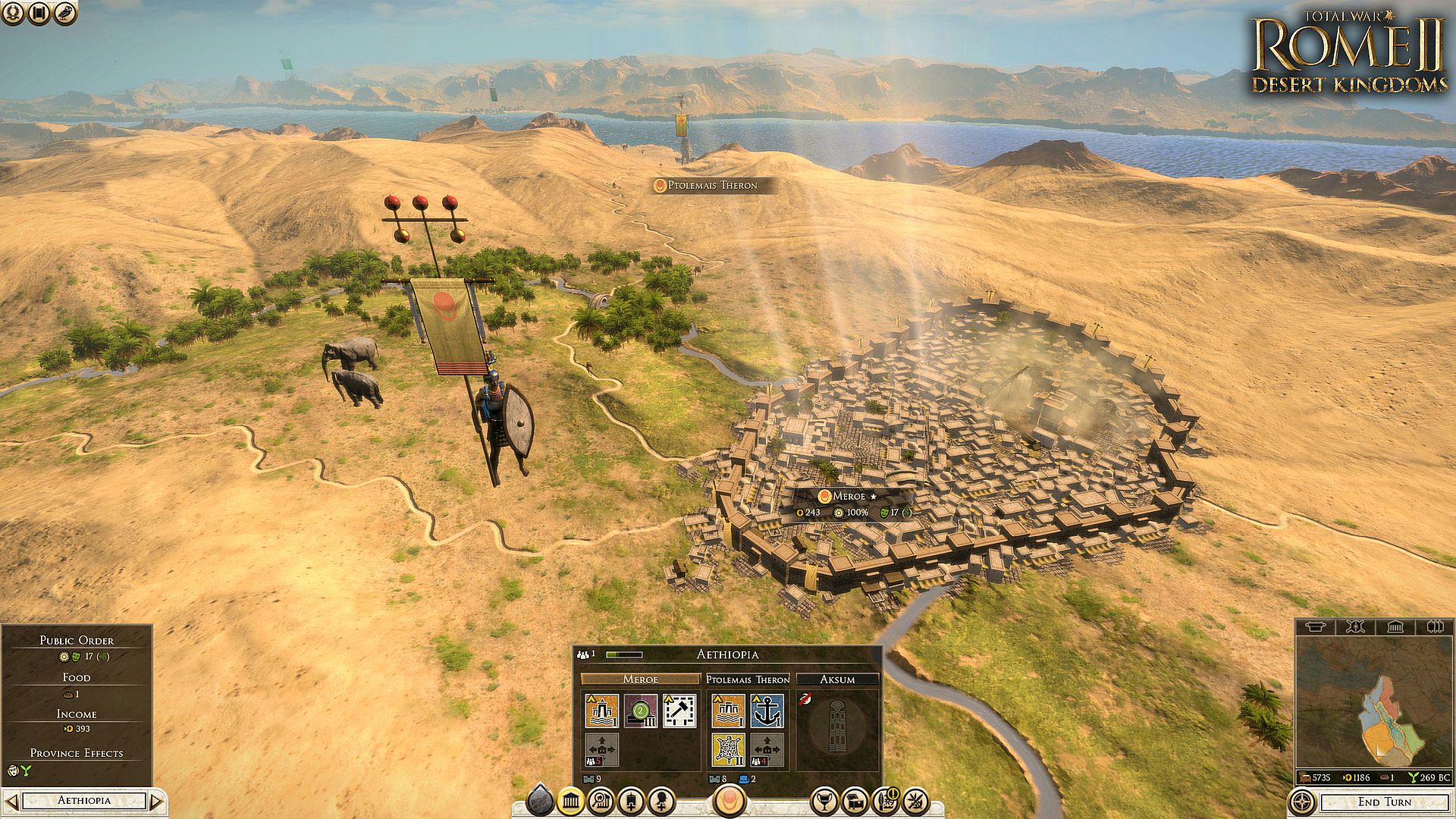
The Kingdom of Kush focuses on trade wealth from gold and exotic goods, with traits supporting disciplined workforces and effective archery. Its roster includes strong melee options like shotel warriors alongside royal archers and war elephants. Nabatea emphasizes engineering and trade, featuring bonuses to construction speed and incense commerce, plus access to Hellenic-influenced units and defensive capabilities suited to fortified positions.
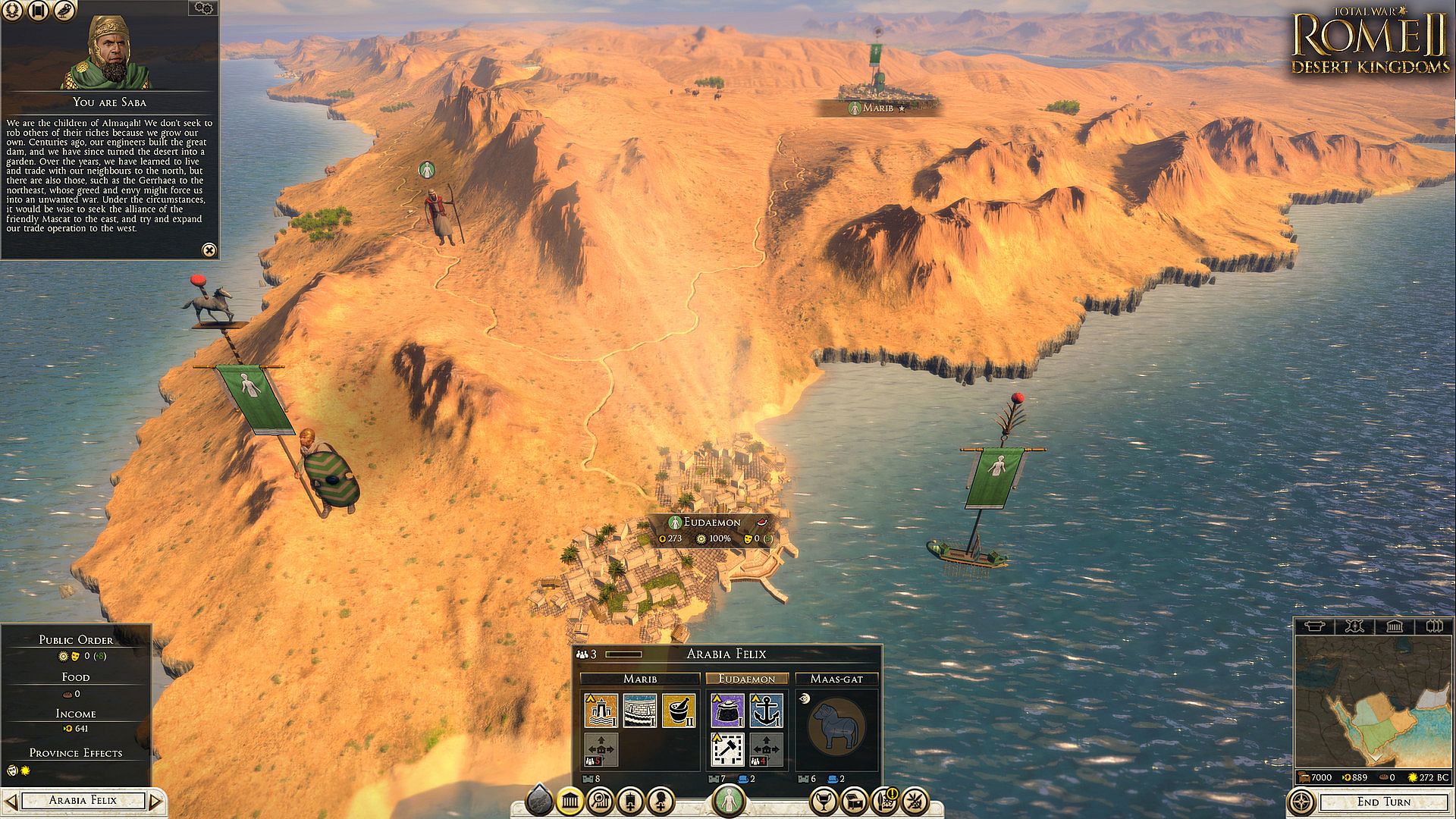
Saba leverages agricultural advantages from irrigation projects and mercenary access, with a roster heavy on camel-based cavalry and javelin troops. The Masaesyli, precursors to Numidia, prioritize cavalry and ambush tactics, incorporating Roman-influenced units later in development and strong desert mobility options.
These differences create replayability through contrasting military and economic paths while sharing desert warrior advantages in specific battle conditions.
Is It Worth Playing?
Player feedback highlights the pack as one of the more substantial culture additions for the game, with each faction offering clear mechanical distinctions that reward different approaches to conquest and defense. The unique events and building options add depth to long campaigns, particularly for those interested in underrepresented regions and their historical military styles.
It suits players who enjoy strategy simulations with emphasis on faction variety and tactical battles in challenging terrain. Those seeking broader roster options and cultural flavor in existing campaigns will find meaningful additions here, especially when combined with interest in African and Arabian historical contexts. The content remains available as a standalone expansion for the base game.