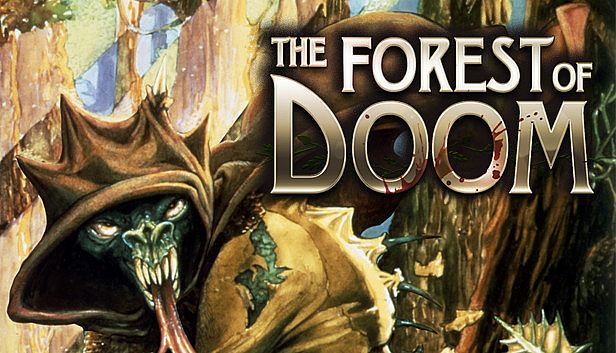















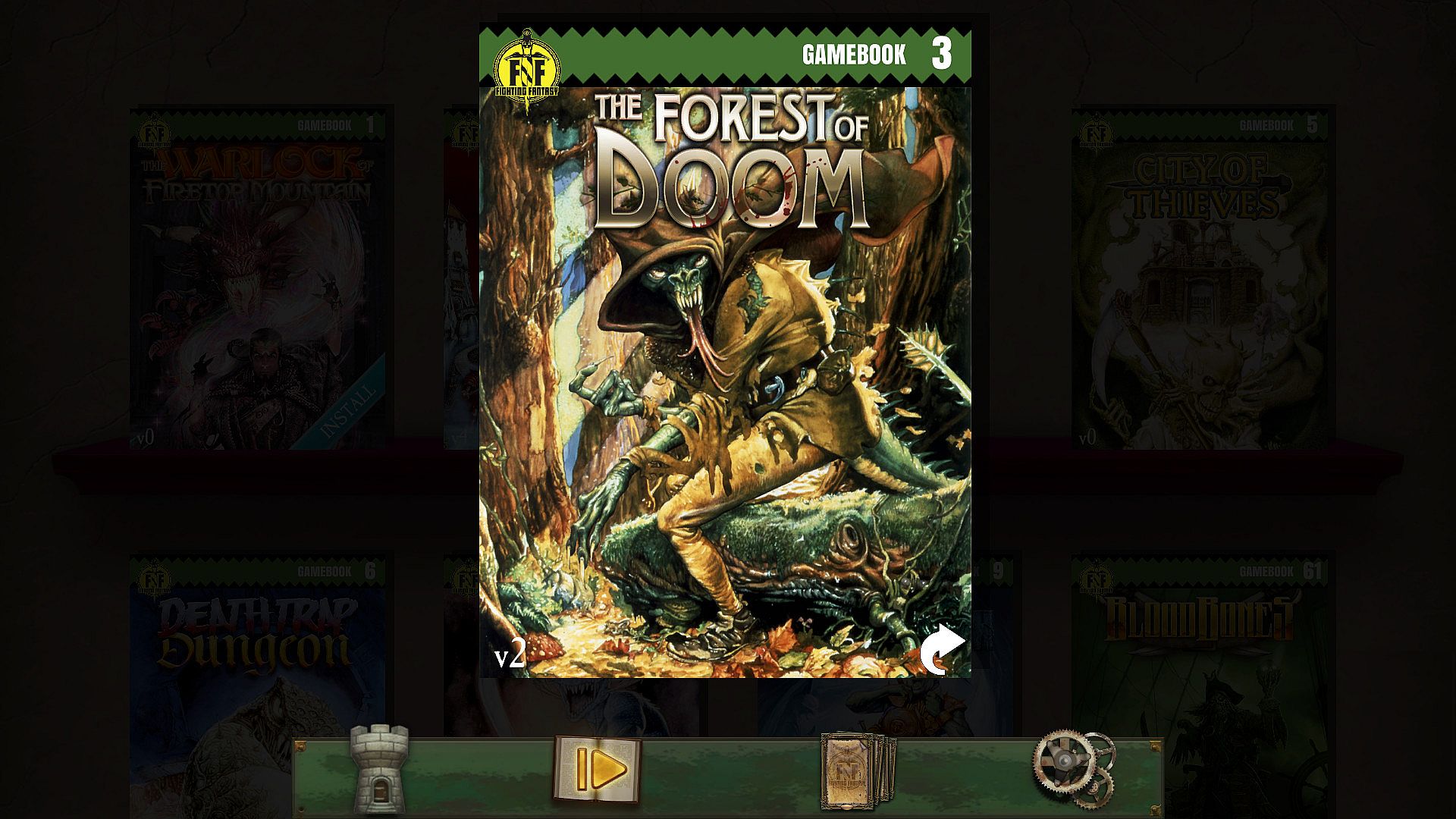
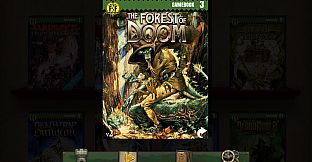
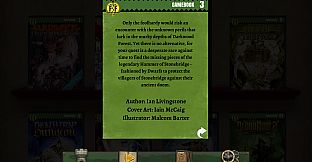
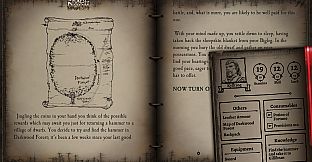
The Forest of Doom is a single-player indie RPG that adapts the classic Fighting Fantasy gamebook into a digital format. Players take on the role of an adventurer racing through Darkwood Forest to recover the scattered pieces of the Hammer of Stonebridge, a dwarven weapon essential for defending the village against its ancient threats. The experience centers on text-driven choices, stat management, and exploration in a hazardous woodland setting filled with unknown perils.
Gameplay
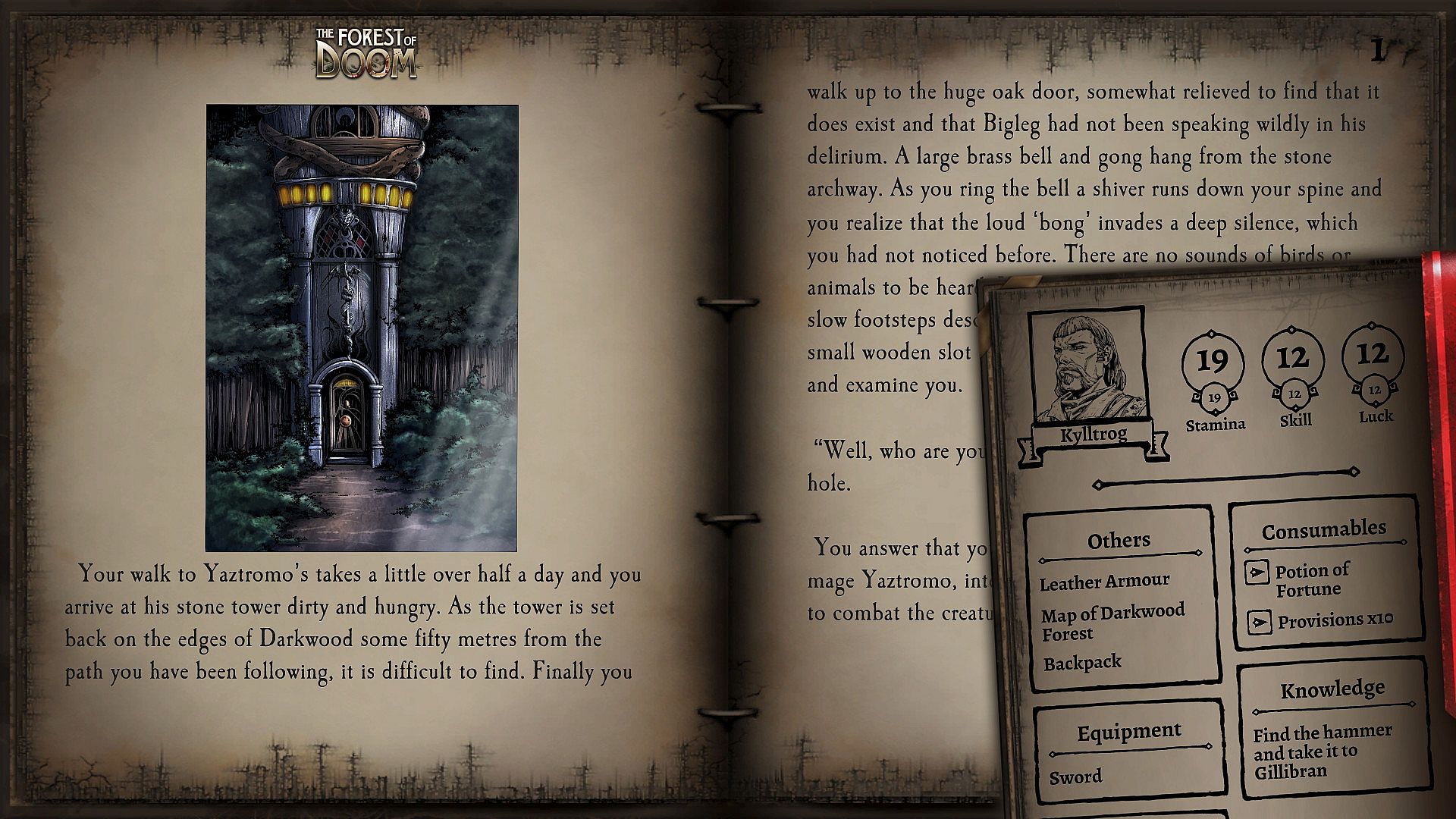
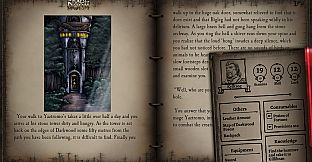
Core progression revolves around three tracked attributes: Skill for combat effectiveness, Stamina for endurance, and Luck for fortunate outcomes during risky moments. Encounters with creatures and obstacles test these values through dice rolls and decision branches that can lead to success, injury, or death. Exploration emphasizes careful mapping of the forest paths, as backtracking and revisiting areas often reveal new options or hidden items needed for the quest. Inventory management and knowledge gained from prior sections influence later choices, creating a loop of trial, failure, and refinement across multiple attempts. The digital version includes an automated sheet that updates stats and possessions automatically, reducing manual tracking while preserving the original tension of resource scarcity.
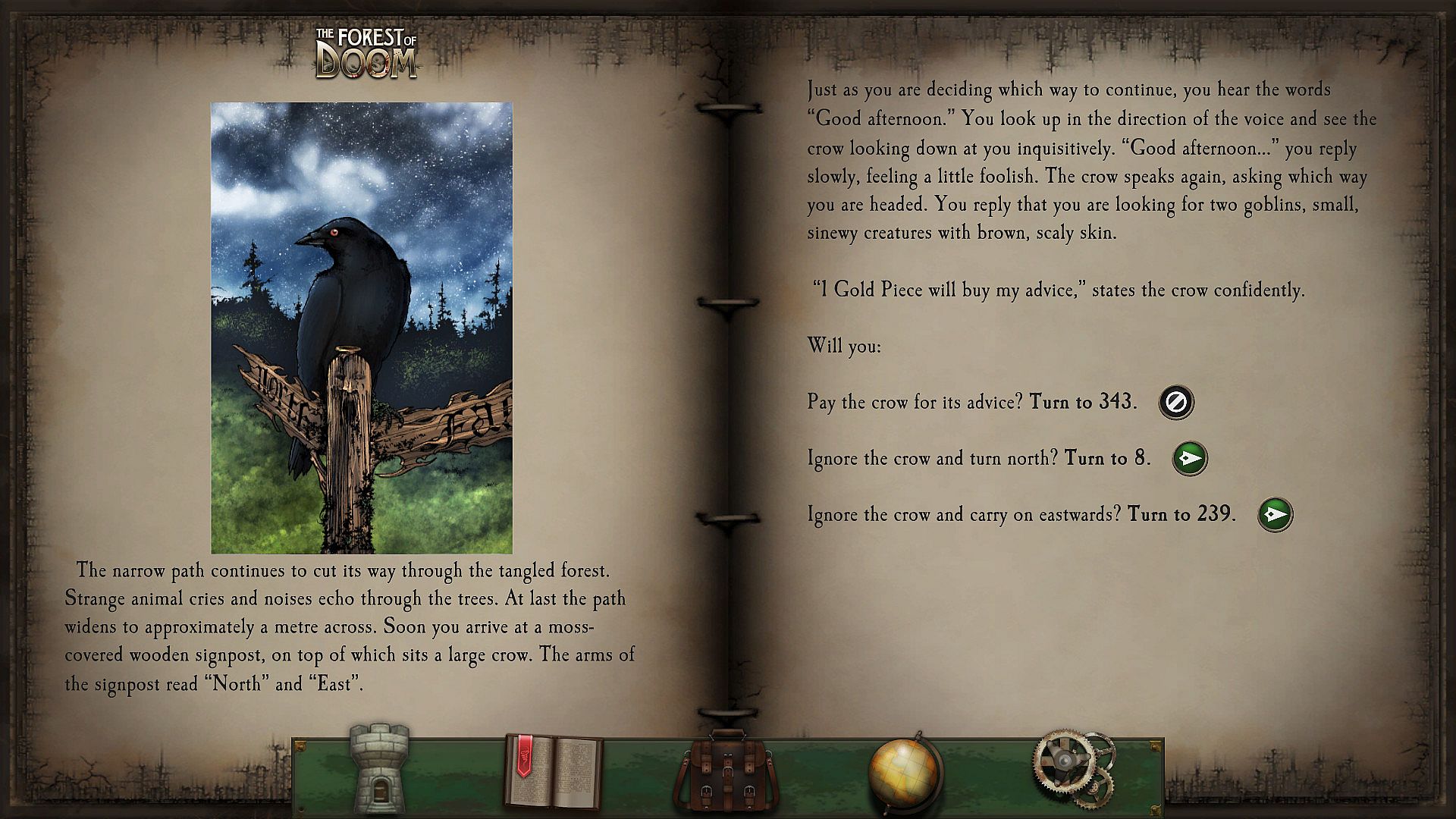
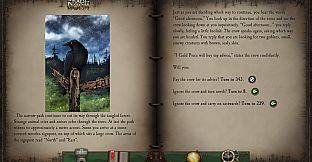
Atmospheric elements enhance immersion through original illustrations by Malcolm Barter, presented in a viewable gallery, alongside a composed soundtrack and sound effects that underscore the murky, dangerous tone of the woods. Difficulty can be adjusted to suit different experience levels, allowing newcomers to focus on narrative flow or veterans to embrace stricter consequences.
Game Modes
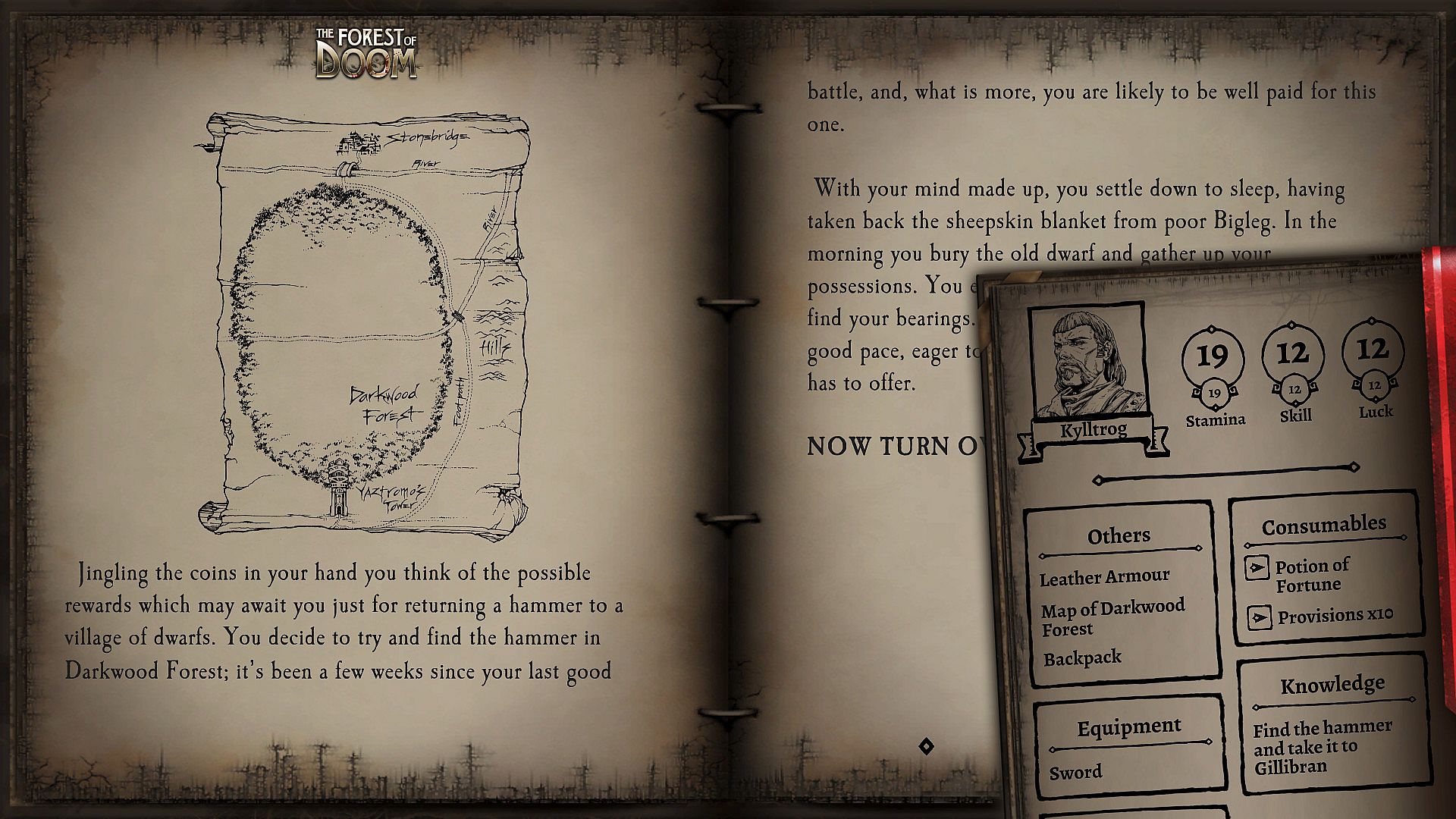
The primary experience follows the linear yet branching structure of the original gamebook, with all paths leading toward the hammer fragments amid the forest's dangers. A dedicated Free Read mode removes standard restrictions, enabling unrestricted navigation similar to consulting a physical book for reference or experimentation. This option pairs with adjustable difficulty sliders that modify combat lethality and resource demands without altering the core story. The map tool records visited locations across sessions, supporting systematic coverage of the area, while unlimited bookmarks let players return to pivotal decision points for repeated testing of different approaches.
Exploration and Quest Structure
The quest forms a desperate search across interconnected forest zones, where each section presents immediate threats or opportunities tied to the hammer pieces. Gold collected along the way supports limited purchases or advantages, adding a layer of economic decision-making to survival. Encounters vary from direct confrontations to puzzles of navigation and diplomacy, all resolved through the stat system rather than complex skill trees. The single continuous adventure rewards thorough coverage, as missed items or overlooked paths can strand a character without the full hammer.
Is It Worth Playing?
This title suits players who appreciate deliberate, choice-heavy solo adventures over fast-paced action. Its forgiving enemy balance compared to some entries in the series makes it accessible for those new to the format, while the faithful conversion maintains the original challenge for experienced readers. Positive feedback highlights the strong atmosphere, solid plot foundation, and useful quality-of-life tools that keep sessions engaging without frustration. Availability as a digital edition supports repeated playthroughs through bookmarks and maps, making it a strong option for anyone drawn to text-based RPGs with a focus on exploration and stat-driven consequences. Those seeking modern multiplayer or expansive open worlds may find the contained scope limiting, but fans of interactive fiction will discover a polished, atmospheric recreation of a 1980s classic.