


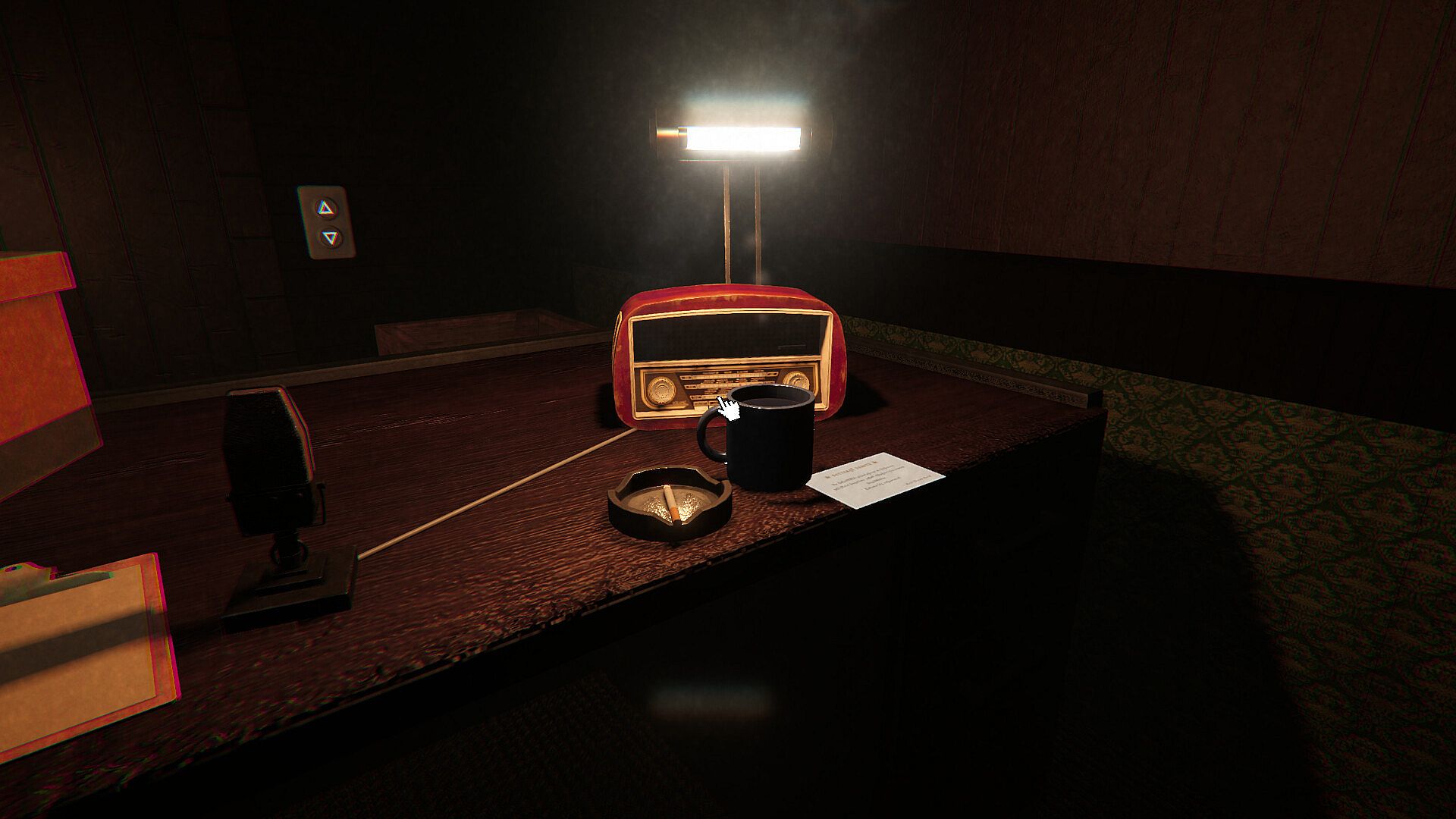
The Anomaly Detective is a first-person psychological mystery adventure game developed by a solo creator. Players step into the role of a detective investigating a strange hotel where reality appears unstable. The experience blends observation, deduction, and careful evidence gathering in a contained environment focused on perception and interpretation.
Gameplay
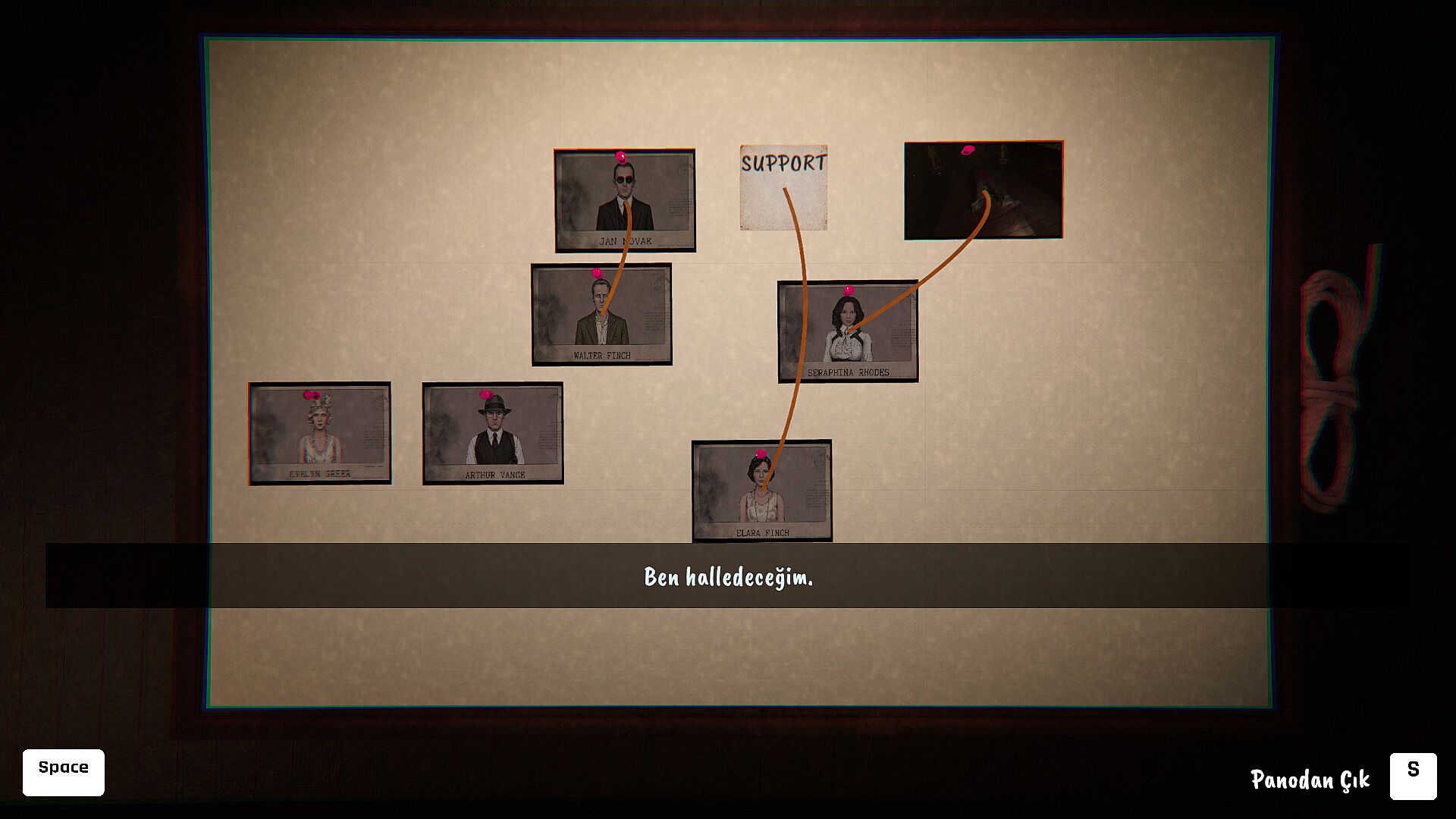
The core loop revolves around navigating hotel corridors while distinguishing genuine anomalies from hallucinations. Pressing the designated key closes the player's eyes for several seconds. Upon reopening them, false visions disappear while real anomalies persist. These remaining elements become the basis for evidence collection through photography. Captured images and other clues are then placed on a detective board for review and connection.
Observation extends to the six suspects present in the hotel. Players peer through partially open doors to witness private moments without direct interaction or conversation. Briefings from a colleague named Cole provide daily context and structure each session. Sanity plays a role as the environment exerts psychological pressure, requiring measured pacing to avoid errors in judgment. The game emphasizes deduction over action, with players interpreting gathered data to reach conclusions about guilt.
Updates have expanded the pool of anomalies and refined atmosphere, feedback systems, and performance. Nearly thirty anomalies appear across playthroughs, supporting replay value through varied interpretations and outcomes.
Game Modes
The experience operates as a single-player narrative mystery without separate multiplayer or competitive modes. Progression follows a structured investigation across days in the hotel, with each run building toward an accusation. Multiple endings arise from how players connect evidence and select among the six suspects. The design encourages careful analysis rather than speed or combat, making each session a self-contained deduction challenge that can be revisited for different results.
Atmosphere and Design
Visual and audio elements create an uncanny hotel setting where corridors shift and objects behave unpredictably. The solo development approach results in a focused, intimate scope rather than expansive open areas. Players manage tension through deliberate movement and the eye-closing mechanic, which serves as both a tool and a risk. Voice elements and environmental details reinforce the psychological theme without relying on direct confrontation.
Controls remain straightforward, centering on navigation, the camera for evidence, and board interaction for clue examination. Recent patches introduced inspection options for zoomed views of collected items and clearer failure explanations on unsuccessful runs.
Is It Worth Playing?
Reception from the small number of available reviews has been consistently positive, highlighting the atmospheric tension and the satisfaction of personal deduction. The game suits players who prefer deliberate, observation-driven adventures over fast-paced action or large-scale worlds. Its short, replayable structure fits sessions where interpretation and multiple conclusions matter more than extended campaigns.
Current support includes post-launch updates that added content and polish, indicating ongoing attention from the developer. Availability on PC makes it accessible for those interested in psychological mysteries with strong emphasis on evidence handling and suspect evaluation. Those drawn to walking-simulator elements combined with puzzle-like deduction will find the mechanics align closely with that style.