














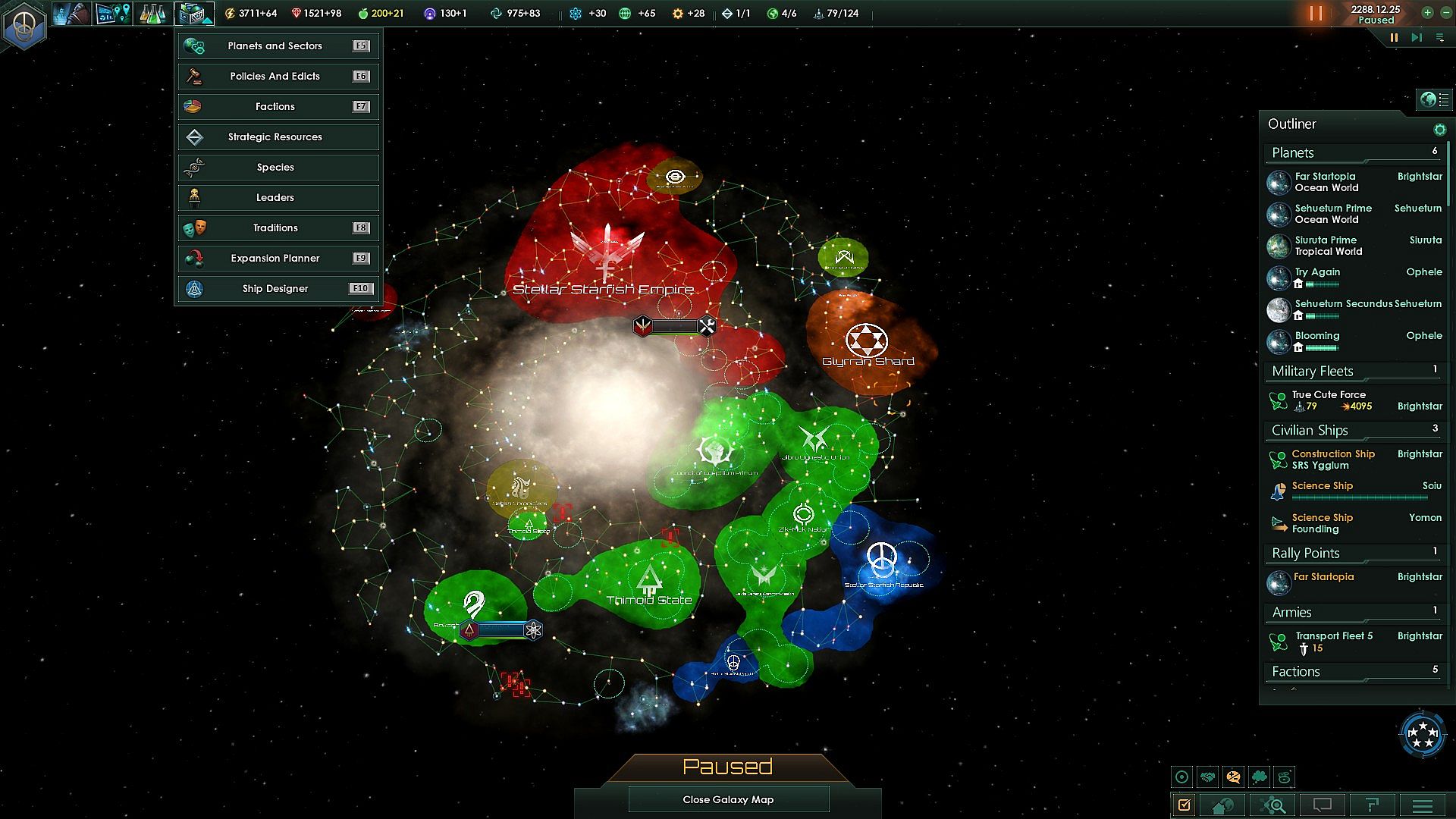





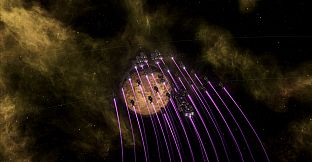
Stellaris: Utopia expands the grand strategy and simulation experience of Stellaris on PC by introducing specialized systems for empire development and species customization. Players guide their chosen civilization through exploration of the galaxy while managing resources, populations, and long-term societal evolution in a detailed space setting.
Gameplay
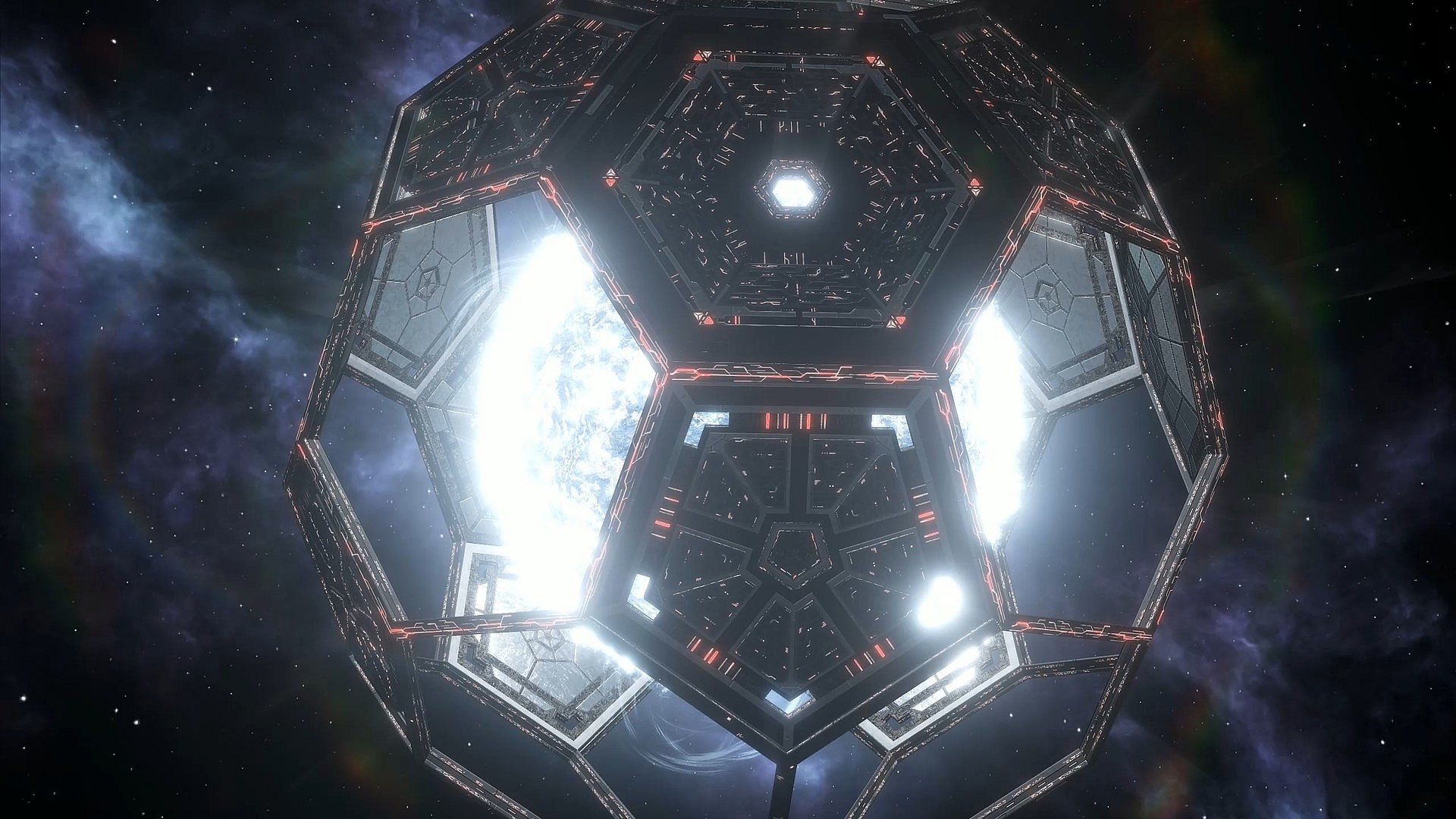
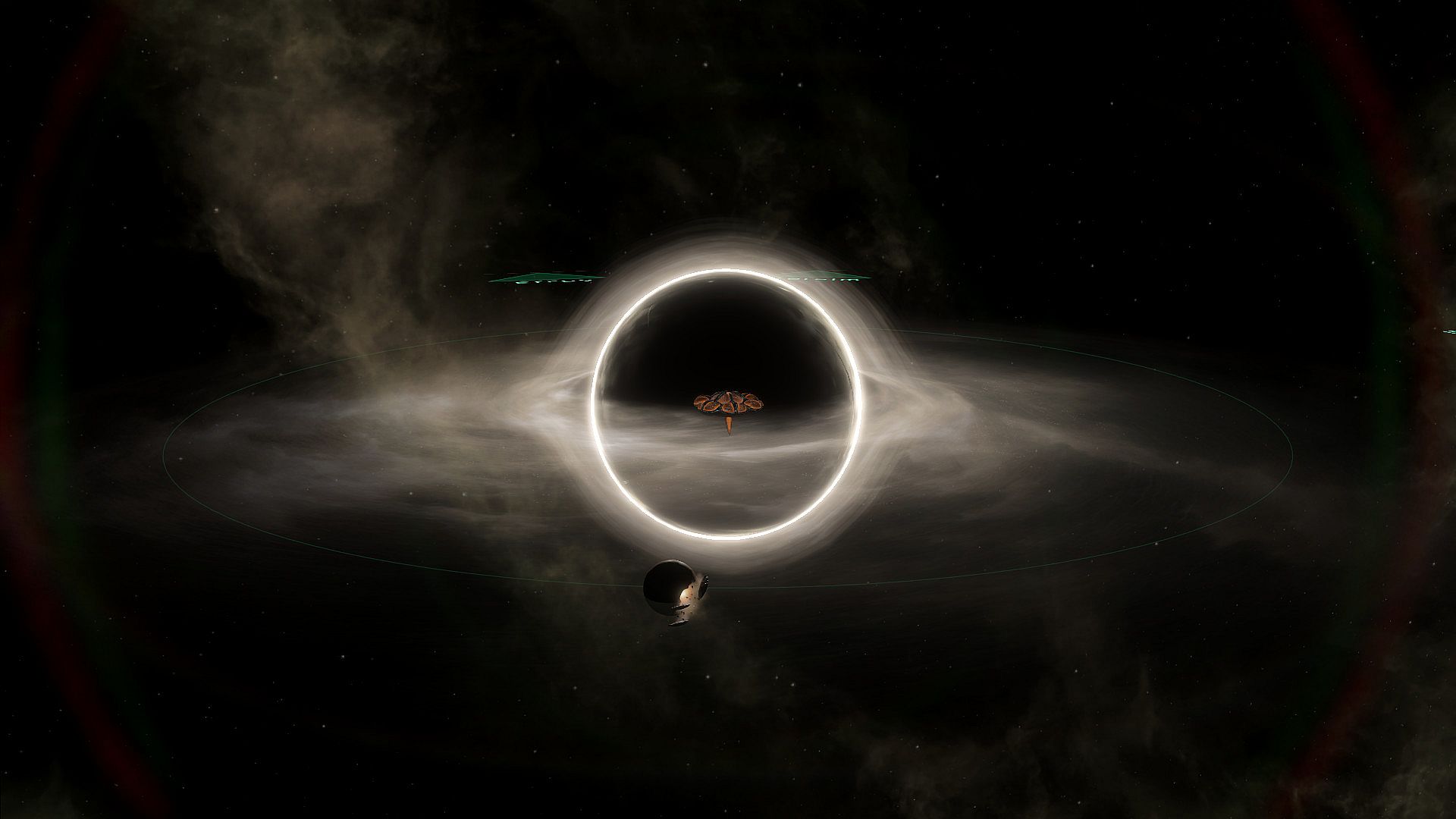
The core loop centers on expanding influence through system claims, resource collection, and technological advancement. Utopia layers additional mechanics onto this foundation, including the construction of megastructures such as Dyson Spheres and ring worlds that deliver substantial resource bonuses and prestige. Habitat stations allow empires to pursue a tall development style by populating orbital facilities instead of relying solely on planetary colonization.
Unity points accumulate to unlock traditions, which in turn grant access to ascension perks. These perks open three primary paths: biological mastery to refine species traits, synthetic evolution to transition into machine forms, or transcendence to realize full psionic capabilities. Observation stations enable indoctrination of pre-FTL civilizations, shifting their ethics toward alignment with the player's own before potential integration or conquest.
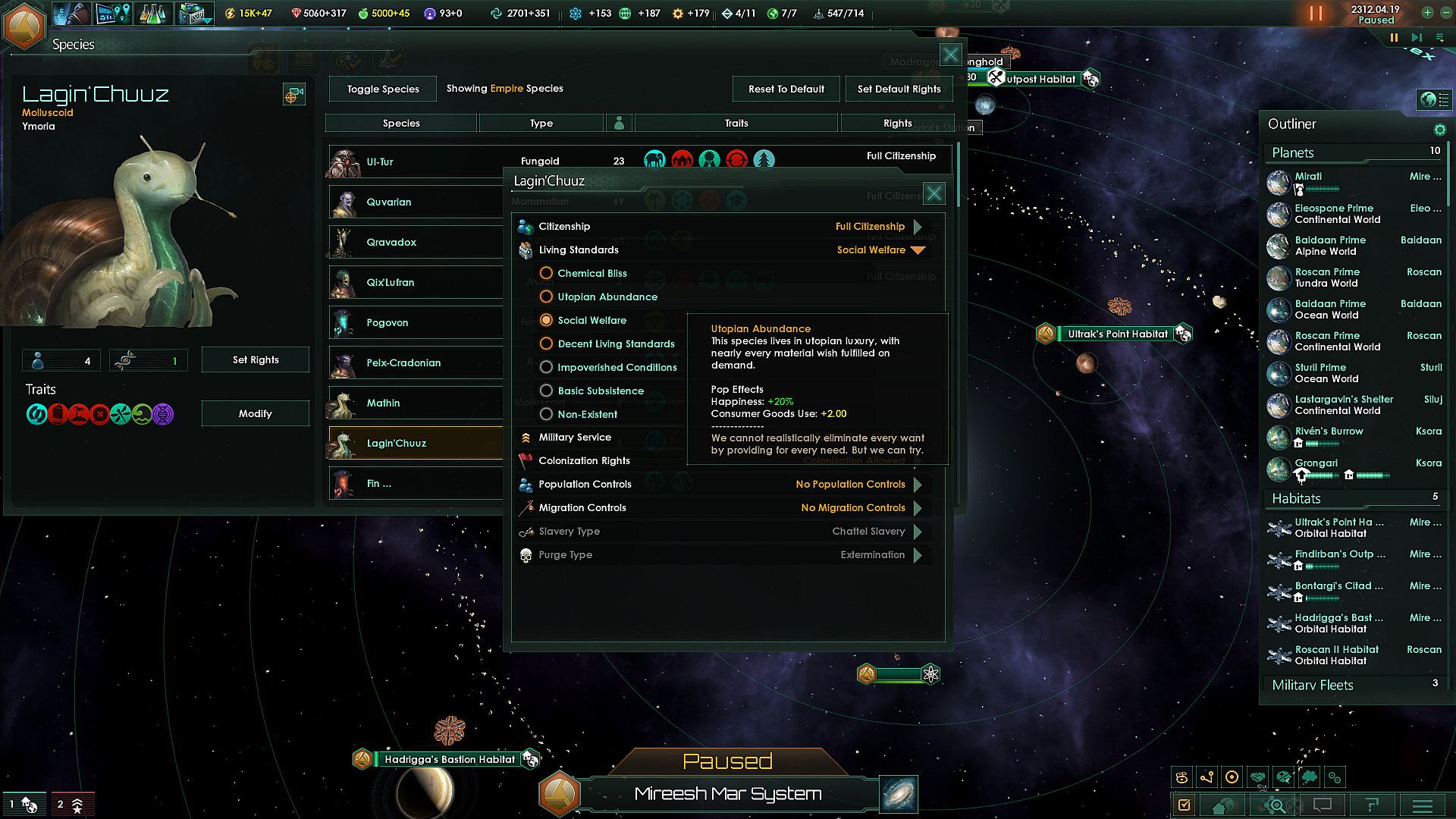
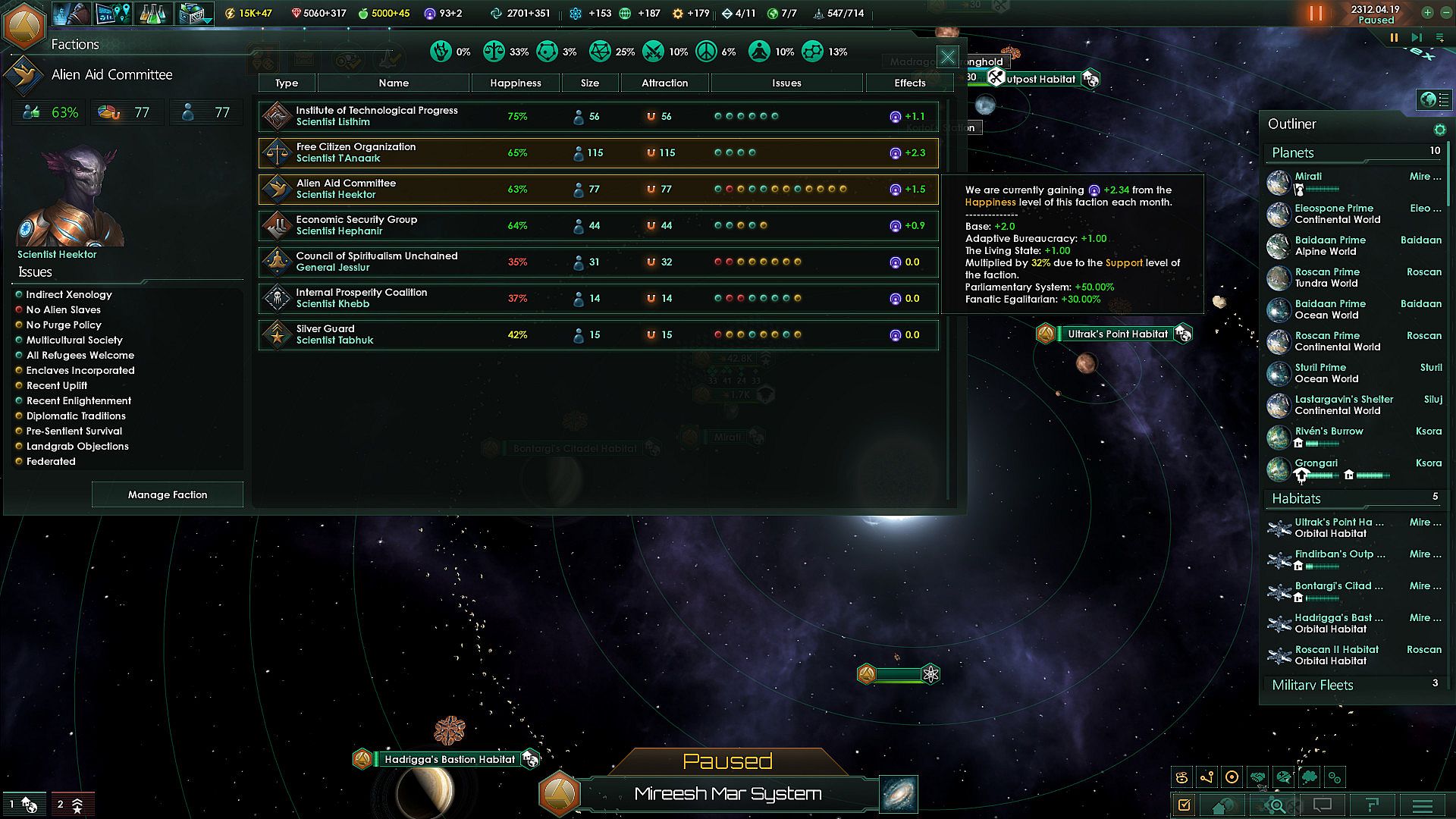
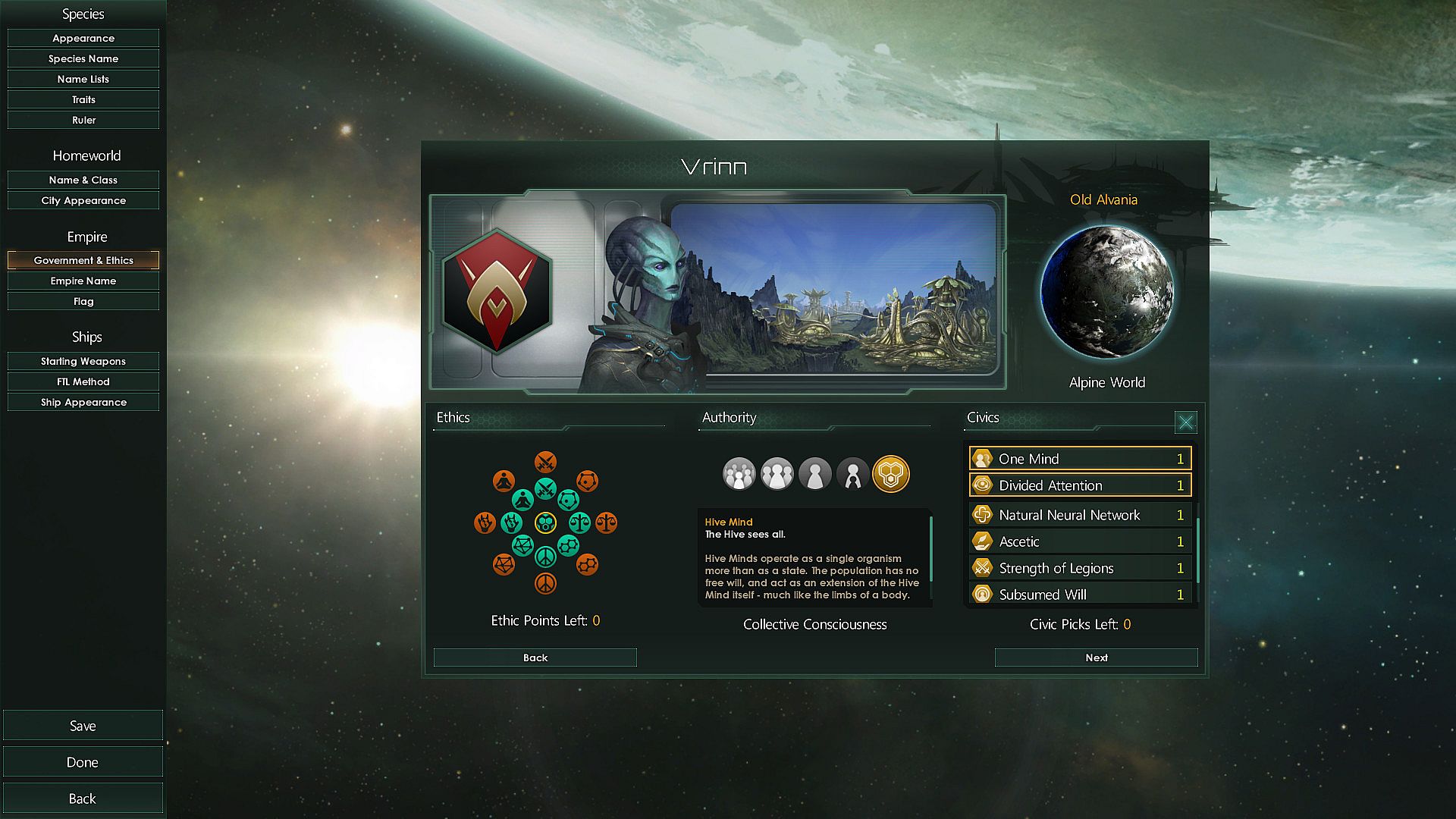
Slavery receives refined options that assign specific roles to subjugated populations, such as domestic servants, battle thralls, or livestock. Government customization expands with new authorities and civics, supporting playstyles like fanatic purifiers that reject diplomacy, hive minds that eliminate internal factions, or syncretic evolution that begins with multiple species integrated from the start.
Game Modes
Stellaris: Utopia does not introduce separate standalone modes but alters the fundamental approaches to empire management within the single-player grand strategy framework. Tall empires emphasize habitat construction and concentrated development in fewer systems, while wide empires leverage megastructures for broad territorial gains. Ascension paths function as distinct long-term trajectories that reshape species capabilities and victory conditions over extended campaigns.
Ethics-driven variations emerge through advanced governments, where players commit to isolationist purifier tactics, unified hive coordination, or multi-species synergy from the outset. These choices influence diplomacy, internal stability, and warfare without requiring separate game setups.
Empire Development Options
Tradition trees provide structured progression that rewards consistent unity investment with powerful perks. Megastructures require significant investment but yield ongoing advantages in energy production and habitability. Habitat stations support population growth in otherwise marginal systems, encouraging strategic placement near resources or chokepoints.
Indoctrination and slavery mechanics add layers to interaction with other species, allowing gradual cultural conversion or specialized labor allocation. These systems integrate with existing exploration and combat loops to create branching decision trees across a single campaign.
Is It Worth Playing?
Stellaris: Utopia delivers meaningful depth to empire customization and late-game progression for players who enjoy detailed grand strategy simulations. The added systems encourage repeated playthroughs with different species origins and government types, extending the lifespan of the base experience on PC.
The expansion remains relevant as the base game continues to receive updates that maintain performance and stability. It suits those interested in long-term societal engineering, megastructure engineering, and varied ethical playstyles rather than fast-paced action or competitive multiplayer focus. Players seeking expanded options for species evolution and infrastructure will find the content aligns directly with those interests.