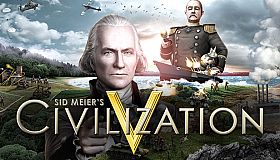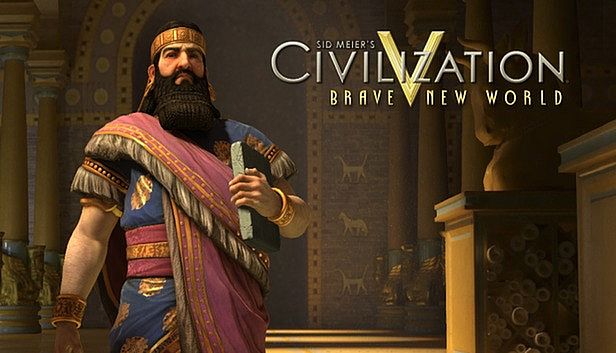














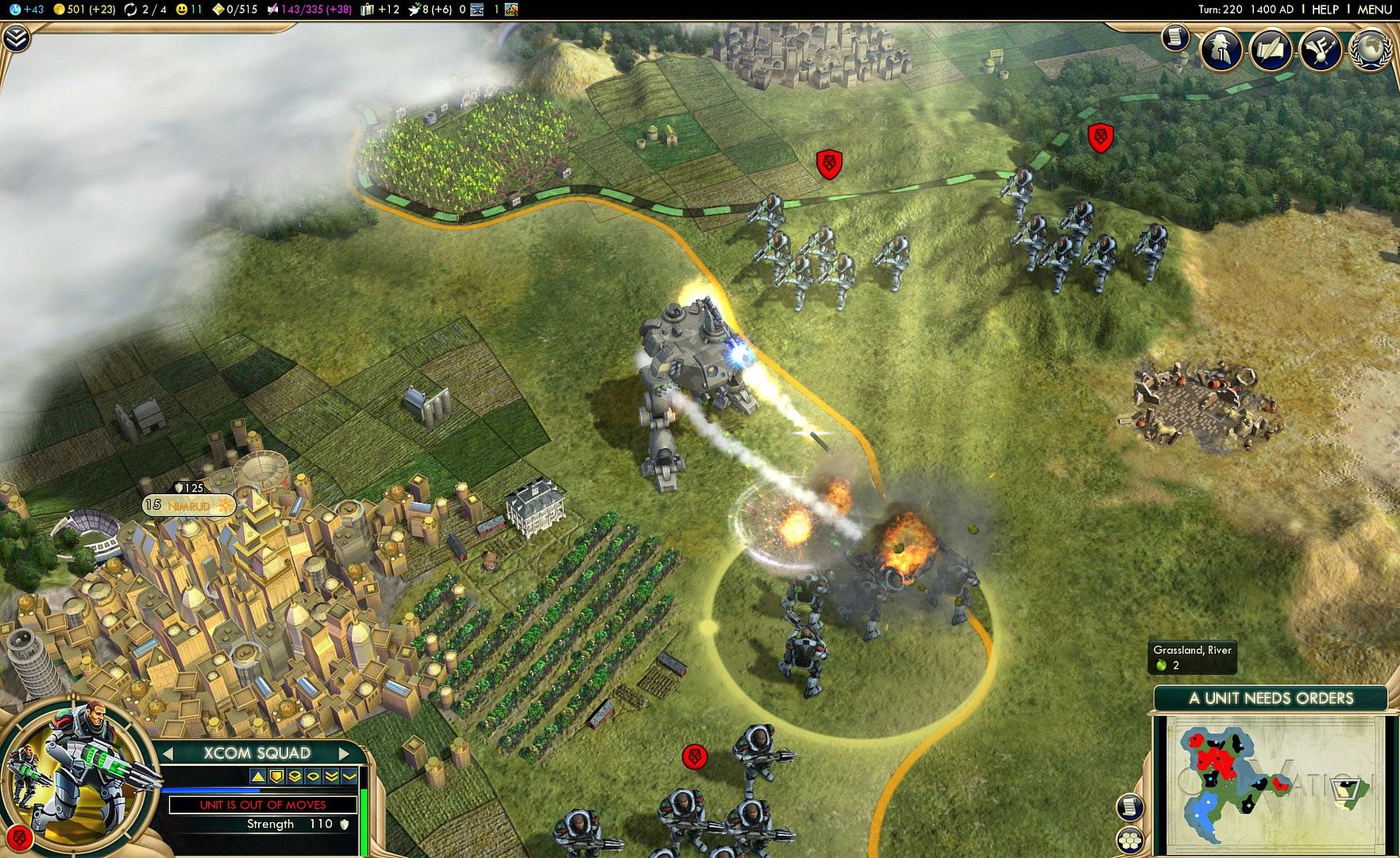
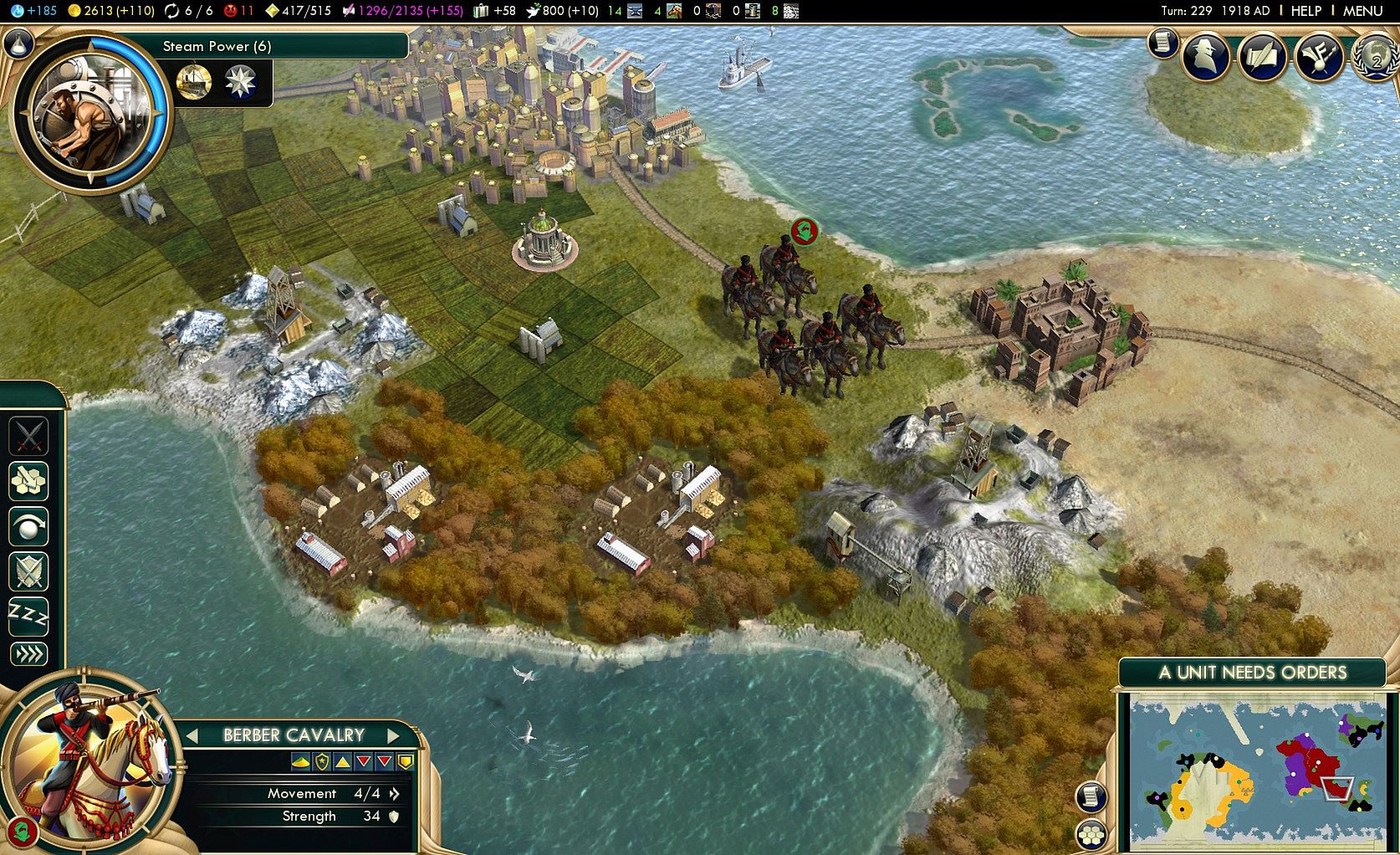
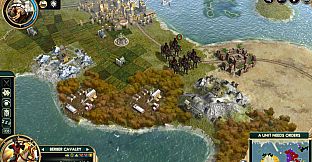
Sid Meier's Civilization V: Brave New World is a turn-based strategy 4X expansion that builds on the core empire-building mechanics of Civilization V with new layers of trade, culture, and diplomacy. Released as the second major expansion for the 2010 PC title, it shifts focus toward long-term planning across historical eras while introducing systems that reward careful management of international relations and internal development.
Gameplay
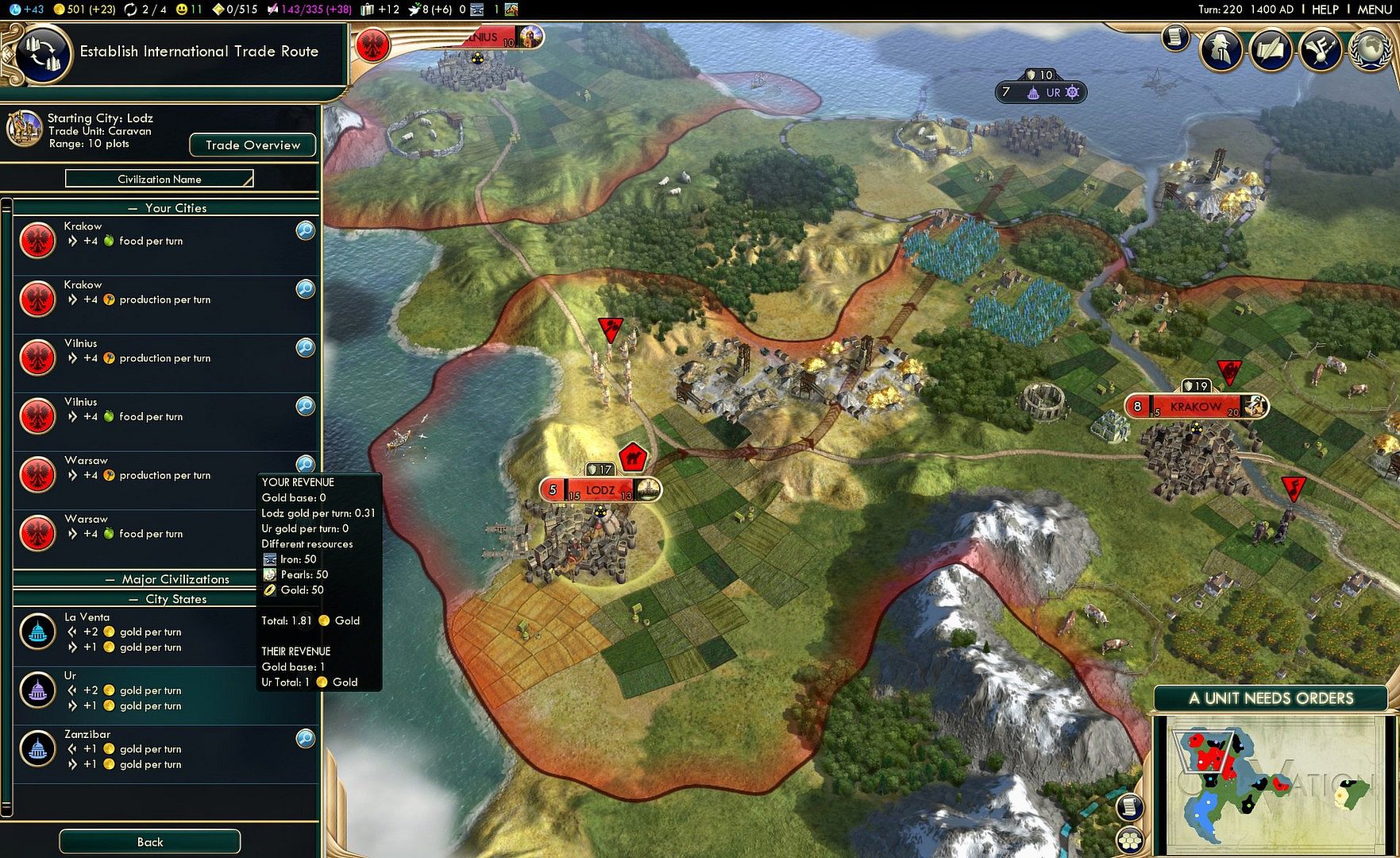
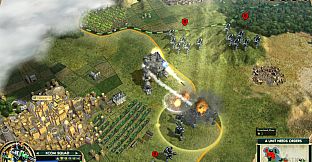
The core loop centers on expanding territory, advancing through technology trees, and balancing military, economic, and cultural priorities. Brave New World adds international trade routes that players establish using caravans on land and cargo ships at sea. These routes generate yields in gold, science, and other resources while also spreading religion and cultural influence to connected cities. Route length and destination choices affect risk and reward, with longer paths offering higher payoffs but greater vulnerability.
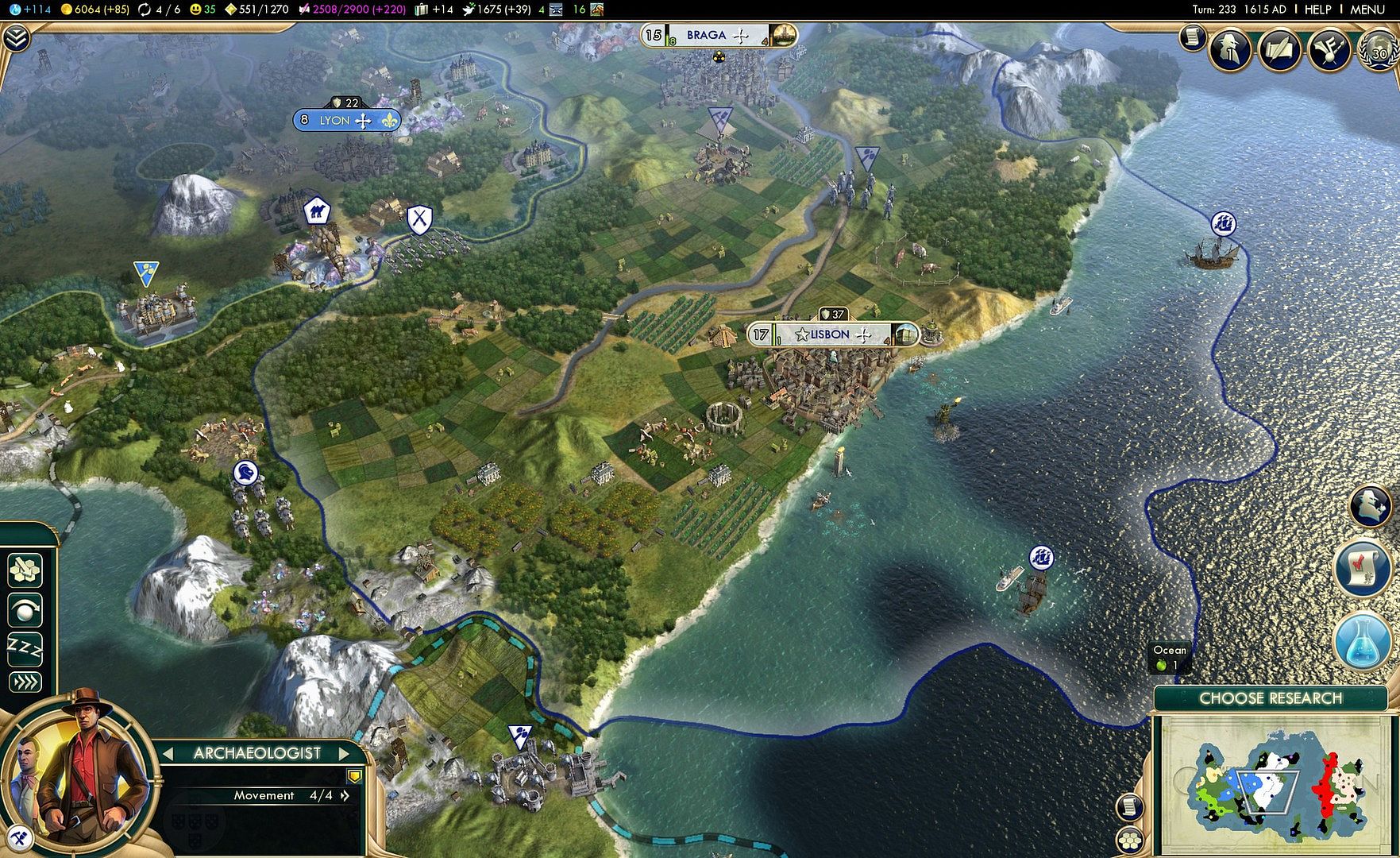
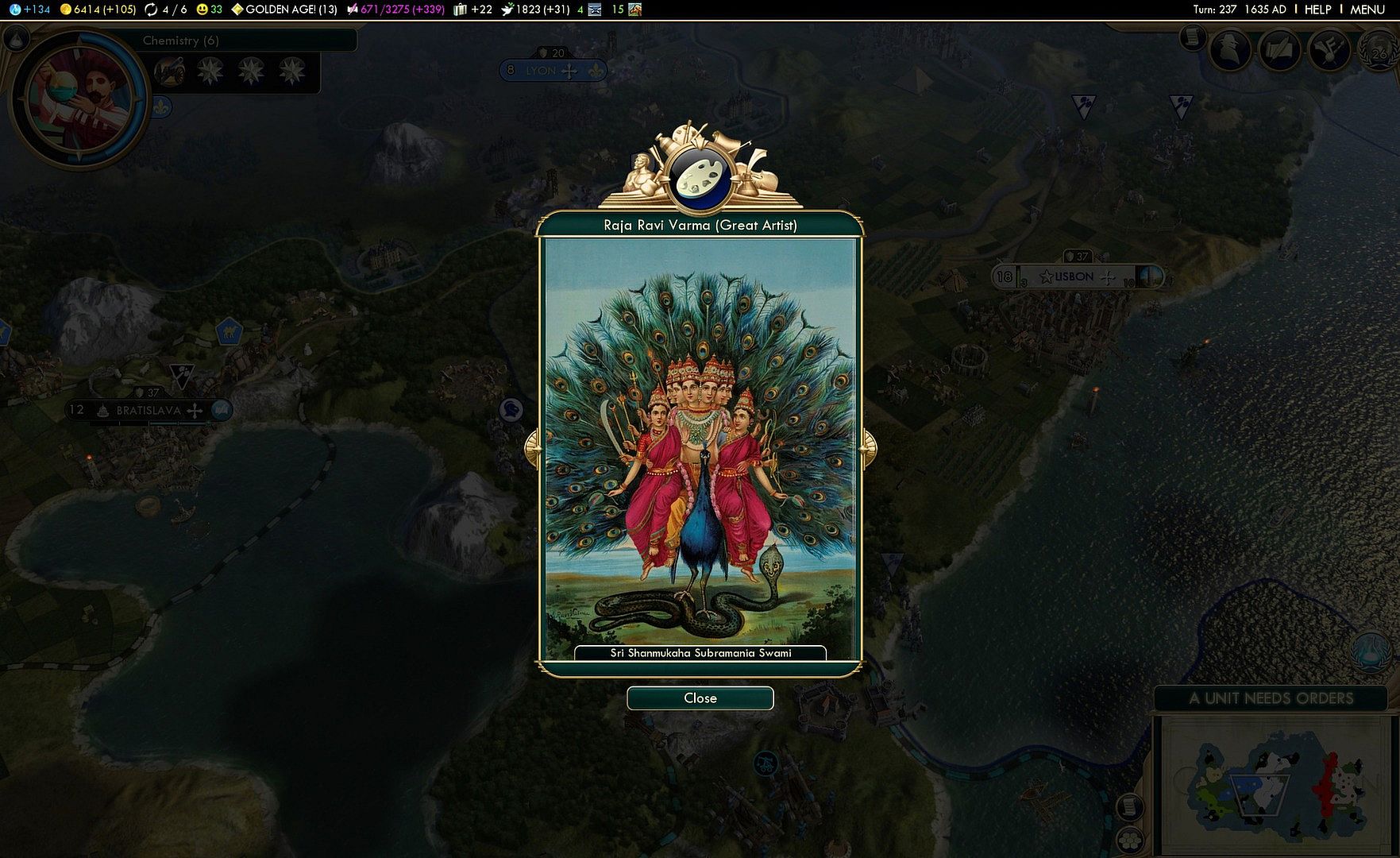
Cultural victory receives a complete overhaul through the introduction of Great Works created by Great Artists, Writers, and Musicians. These masterpieces slot into buildings such as museums and opera houses to generate tourism. Archaeologists explore ancient sites and ruins starting in the Industrial Era to recover artifacts that further boost cultural output. Achieving a culture victory requires generating enough tourism to exert majority influence over every other civilization.
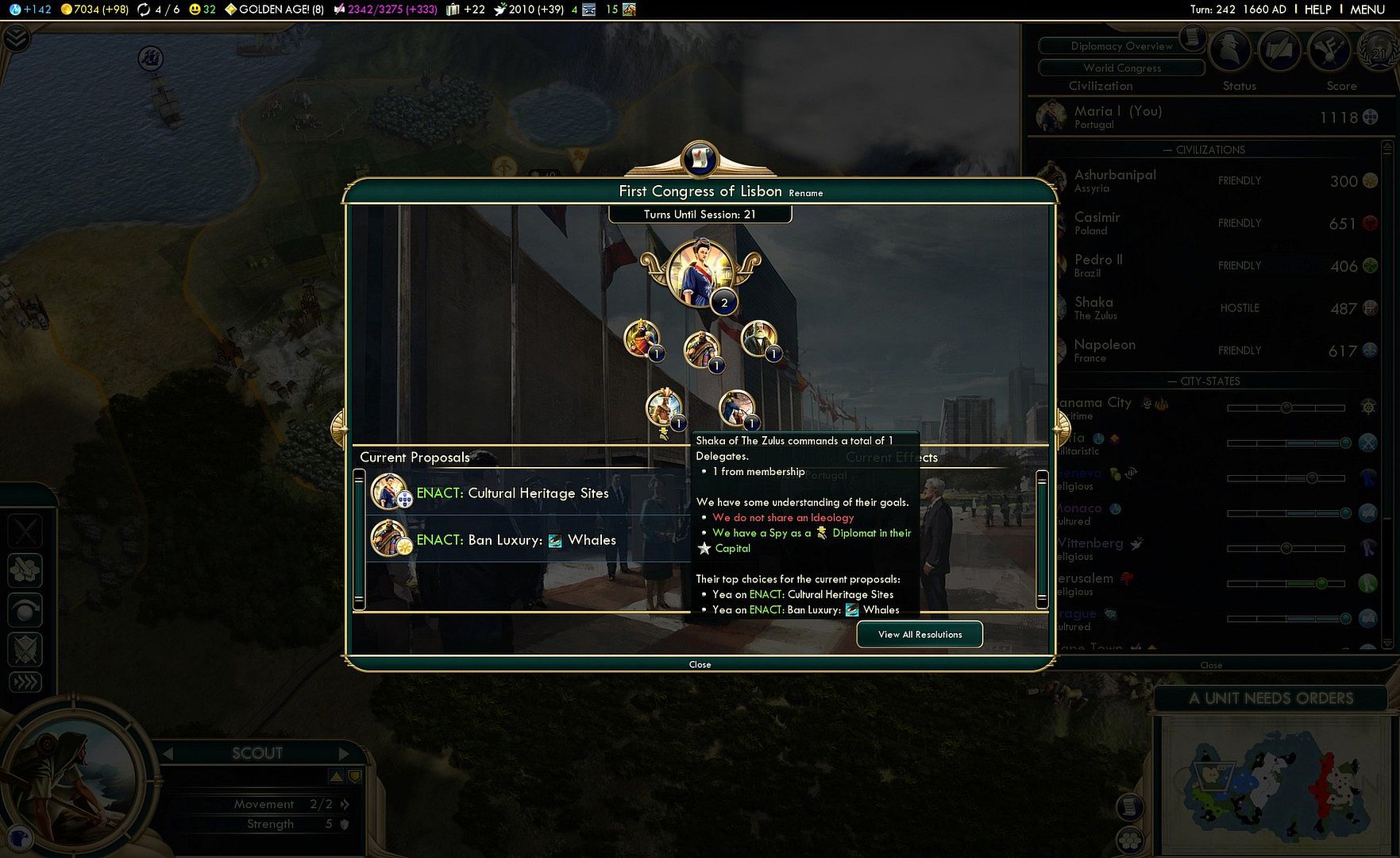
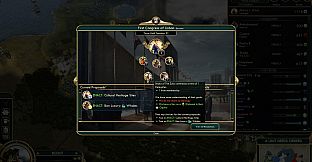
Late-game social policies evolve into full ideologies once a civilization reaches the Industrial Era. Players select among Freedom, Order, or Autocracy, each unlocking distinct bonuses that align with different victory paths. These choices also shape diplomatic relations for the remainder of the game. The World Congress system formalizes global decision-making, where civilizations and city-state allies vote on resolutions covering trade sanctions, resource limits, event hosting, and nuclear restrictions. Vote trading and alliances become central to steering outcomes.
Game Modes
Brave New World supports both single-player sessions against AI opponents and multiplayer matches with other human players. Standard games allow victory through domination, science, culture, diplomacy, or time-based scoring. Two dedicated scenarios provide focused experiences outside the main campaign structure.
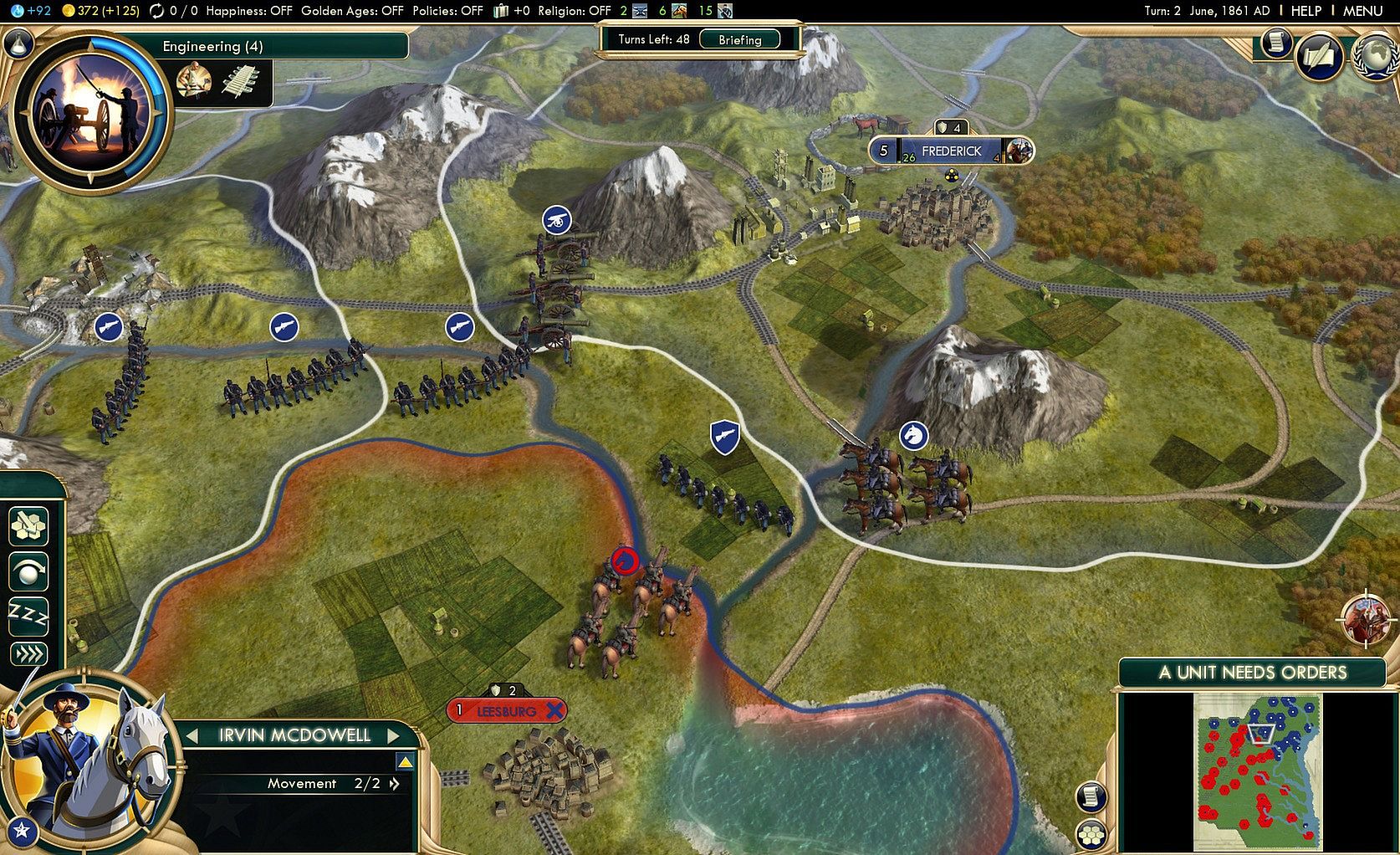
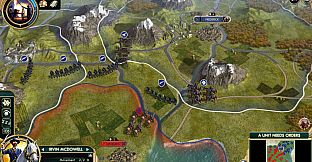
The American Civil War scenario places players in command of either Union or Confederate forces, emphasizing operations along the corridor between Washington and Richmond. Scramble for Africa tasks colonial powers with exploring a procedurally generated continent, locating natural wonders, and extending control into the interior. Both scenarios run on their own maps and rulesets while incorporating the expansion's new units and mechanics.
New Civilizations and Content
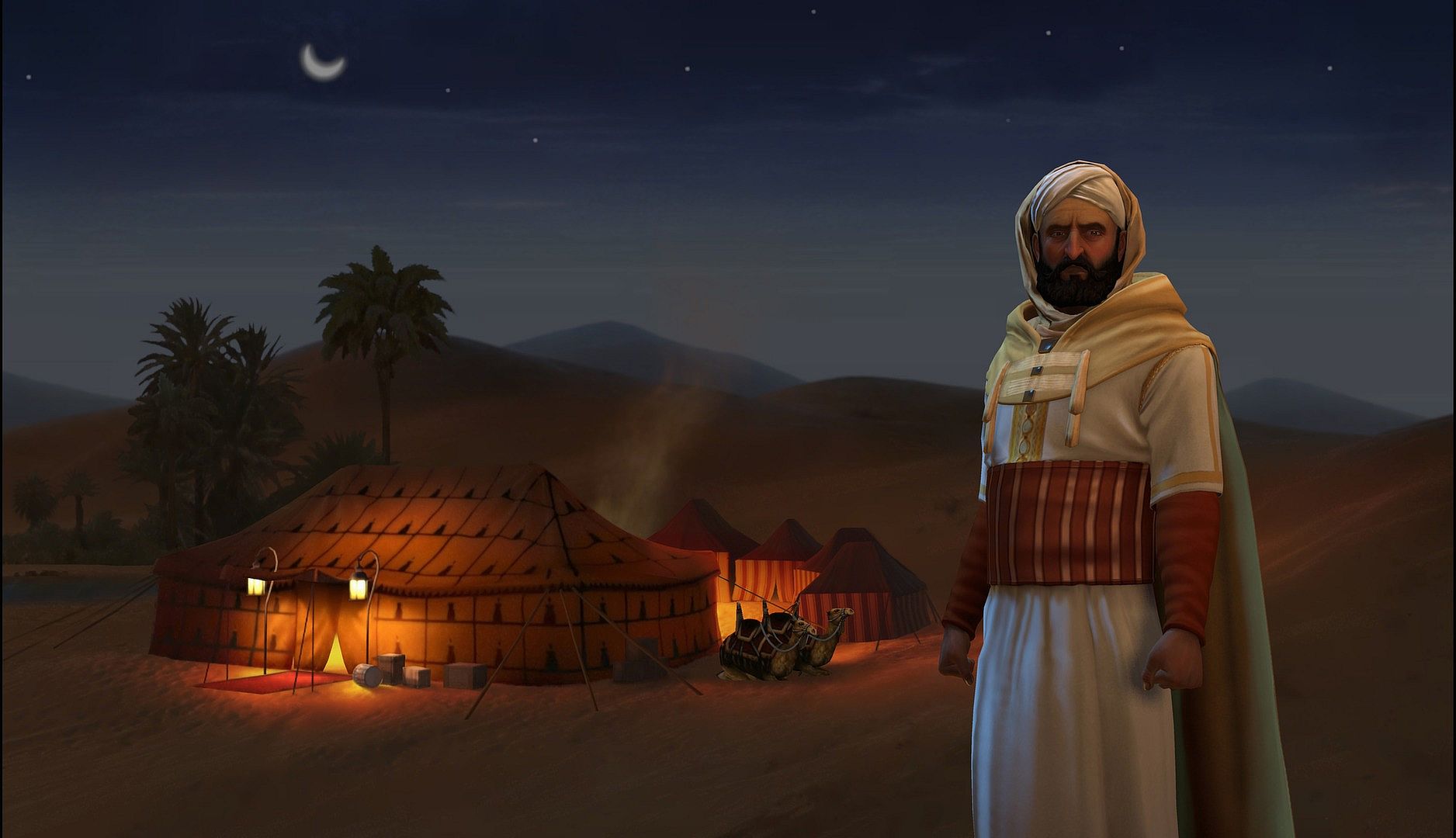
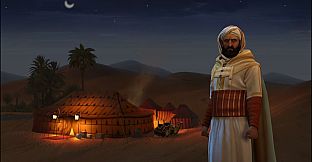
Nine additional civilizations join the roster, each with tailored abilities, units, and buildings designed to interact with the new trade, culture, and diplomacy features. Examples include Poland, Brazil, Portugal, the Zulu, and others drawn from underrepresented regions. Eight new world wonders become available for construction, among them the Parthenon, Broadway, the Globe Theatre, the Uffizi, Borobudur, the Red Fort, Prora, and the International Space Station. Dozens of new units, buildings, and tile improvements expand tactical and economic options across all eras.
Is It Worth Playing?
Brave New World remains available as a standalone expansion on PC and integrates fully with the base Civilization V game plus the earlier Gods & Kings expansion. It deepens peaceful victory paths and diplomatic interactions without altering the fundamental one-unit-per-tile combat system. Players who enjoy methodical empire management and long-term strategic trade-offs will find the added systems rewarding. Those seeking frequent updates or seasonal content will note that the title has received no further official patches since its 2013 release, though community modifications continue to extend its lifespan. The expansion suits fans of turn-based 4X strategy who value replayability through varied victory conditions and historical scenarios.