










































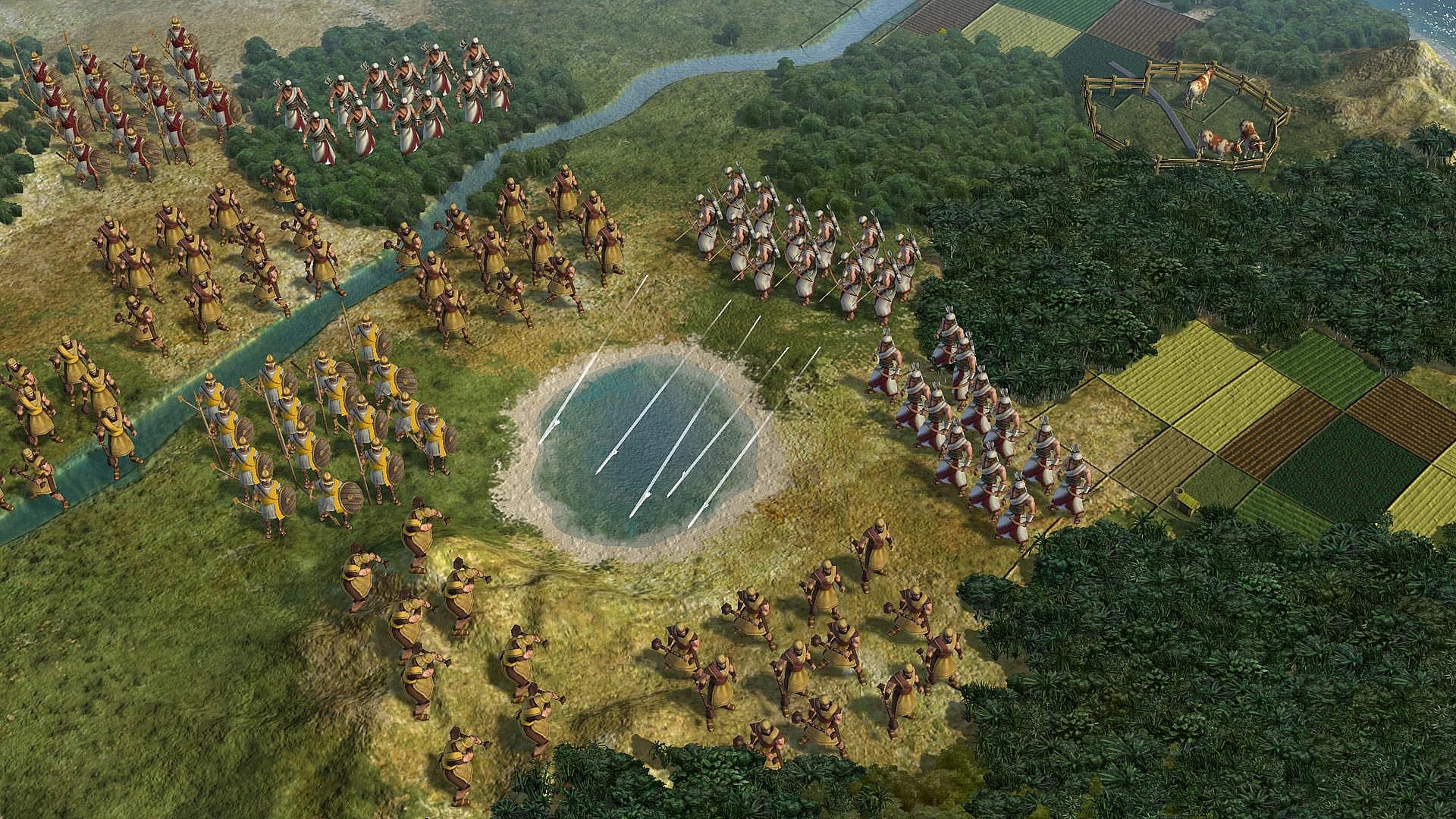







Sid Meier's Civilization V stands as a cornerstone in the turn-based strategy genre, letting players guide a civilization from ancient times to the modern era and beyond. Released in 2010 by Firaxis Games, this PC title emphasizes building empires through exploration, expansion, exploitation, and extermination, known as the 4X framework. With its focus on strategic decision-making, resource management, and long-term planning, the game appeals to those who enjoy deep, thoughtful sessions rather than fast-paced action.
Gameplay
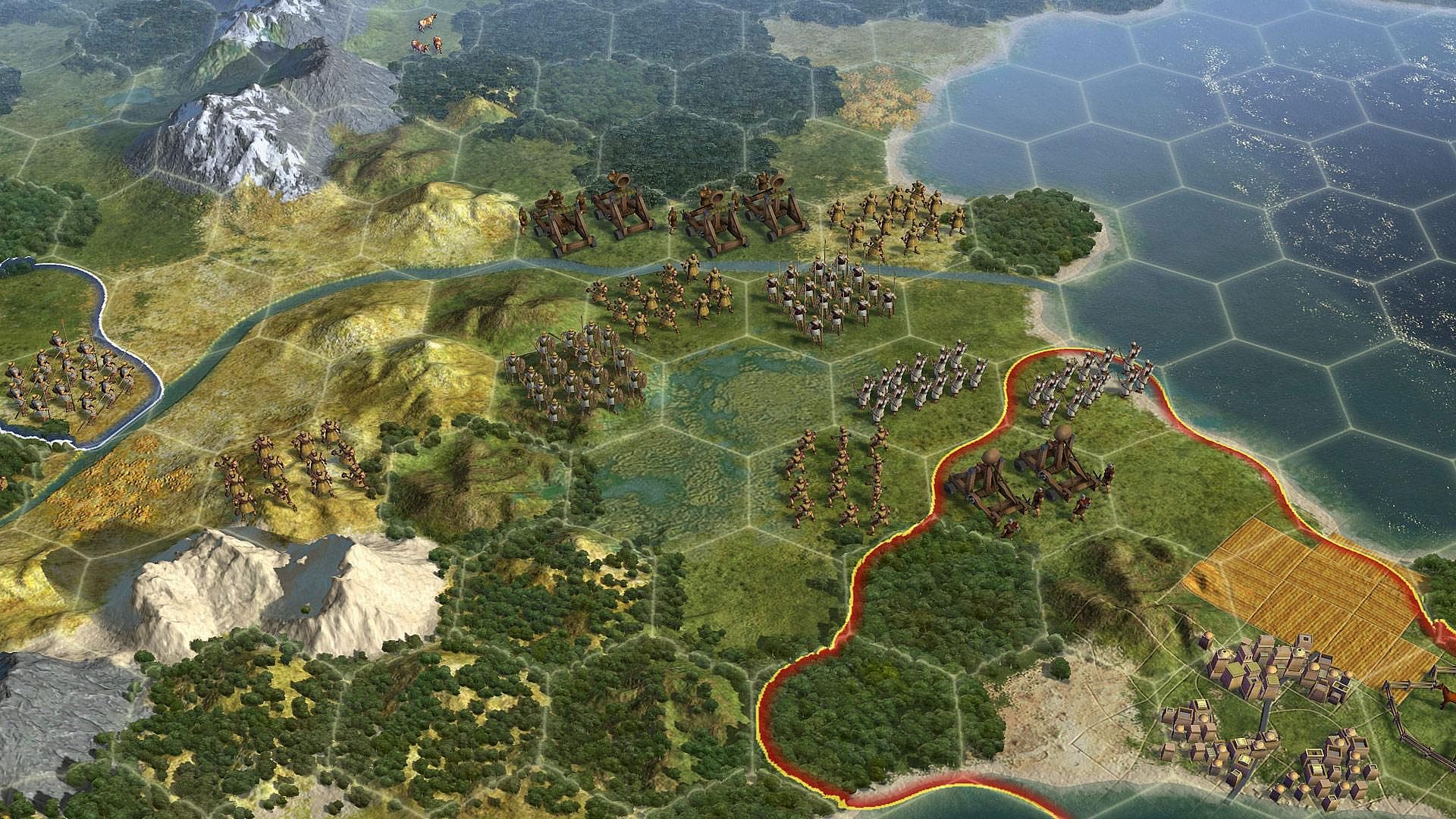
In Sid Meier's Civilization V, the core loop revolves around managing a civilization across turns, where each decision impacts growth, technology, and relations with others. The game uses a hex-based grid for maps, which influences combat and building strategies by allowing more tactical positioning than square grids in earlier entries. Players handle mechanics like researching technologies to unlock new units and buildings, conducting diplomacy with AI-controlled leaders who have distinct personalities, and interacting with city-states that provide bonuses through alliances.
Combat has been refined with ranged attacks and unit stacking limits, encouraging careful army composition and terrain use. Expansion involves founding cities, claiming resources, and balancing happiness to prevent unrest. The social policy system replaces civics from previous games, letting players adopt trees like Tradition or Liberty to shape their empire's direction. Victory conditions include domination through conquest, scientific by launching a spaceship, cultural via influence, or diplomatic by winning a United Nations vote.
Game Modes
Sid Meier's Civilization V offers flexibility in how players engage with its world. The primary mode is single-player, where you compete against AI civilizations on procedurally generated or premade maps, aiming for one of the victory types over hundreds of turns. Multiplayer extends this to online matches against human opponents, supporting both competitive and cooperative play, as well as local LAN sessions for group gatherings.
Hotseat mode allows multiple players to share a single computer, taking turns in sequence. The game also includes scenarios, which are focused challenges with specific historical or themed setups, adding variety beyond the standard empire-building campaign. Modding support enables community-created content, from new civilizations to overhauled rules, accessible directly in-game.
Current State and Community
Even years after its release, Sid Meier's Civilization V maintains an active player base, bolstered by expansions like Gods & Kings and Brave New World, which added religion, espionage, and enhanced cultural mechanics. The game receives no ongoing official updates, but community mods, such as the Vox Populi overhaul, introduce balance changes and AI improvements, keeping the experience fresh.
System compatibility remains broad, running on various PC setups, including older hardware, making it accessible for many users. The in-game mod hub simplifies installing user-generated content, fostering a vibrant ecosystem that extends replayability.
Is It Worth Playing?
With a Steam rating of 95% positive from over 77,000 reviews, Sid Meier's Civilization V continues to draw praise for its depth and strategic layers. Players often highlight the addictive "one more turn" feel, though some note the AI can be predictable without mods. It's particularly suited for strategy enthusiasts who prefer methodical gameplay over real-time elements, offering hundreds of hours through varied civilizations and random maps.
If you thrive on building and optimizing empires in a turn-based format, this title remains a strong choice, especially with its modding community sustaining interest into 2025. For those new to the genre, the intuitive interface helps ease in, while veterans find ample challenge in higher difficulties. Overall, it holds up well against newer entries, making it worthwhile for both newcomers and returning fans seeking a classic strategy fix.