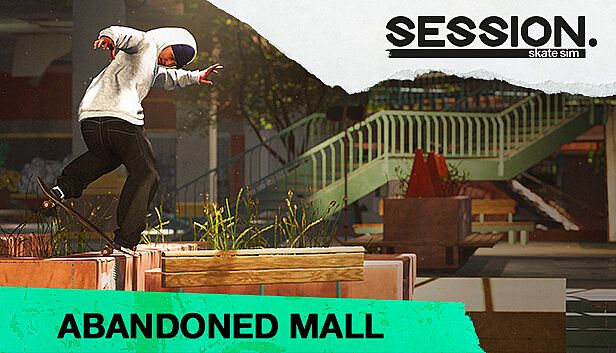













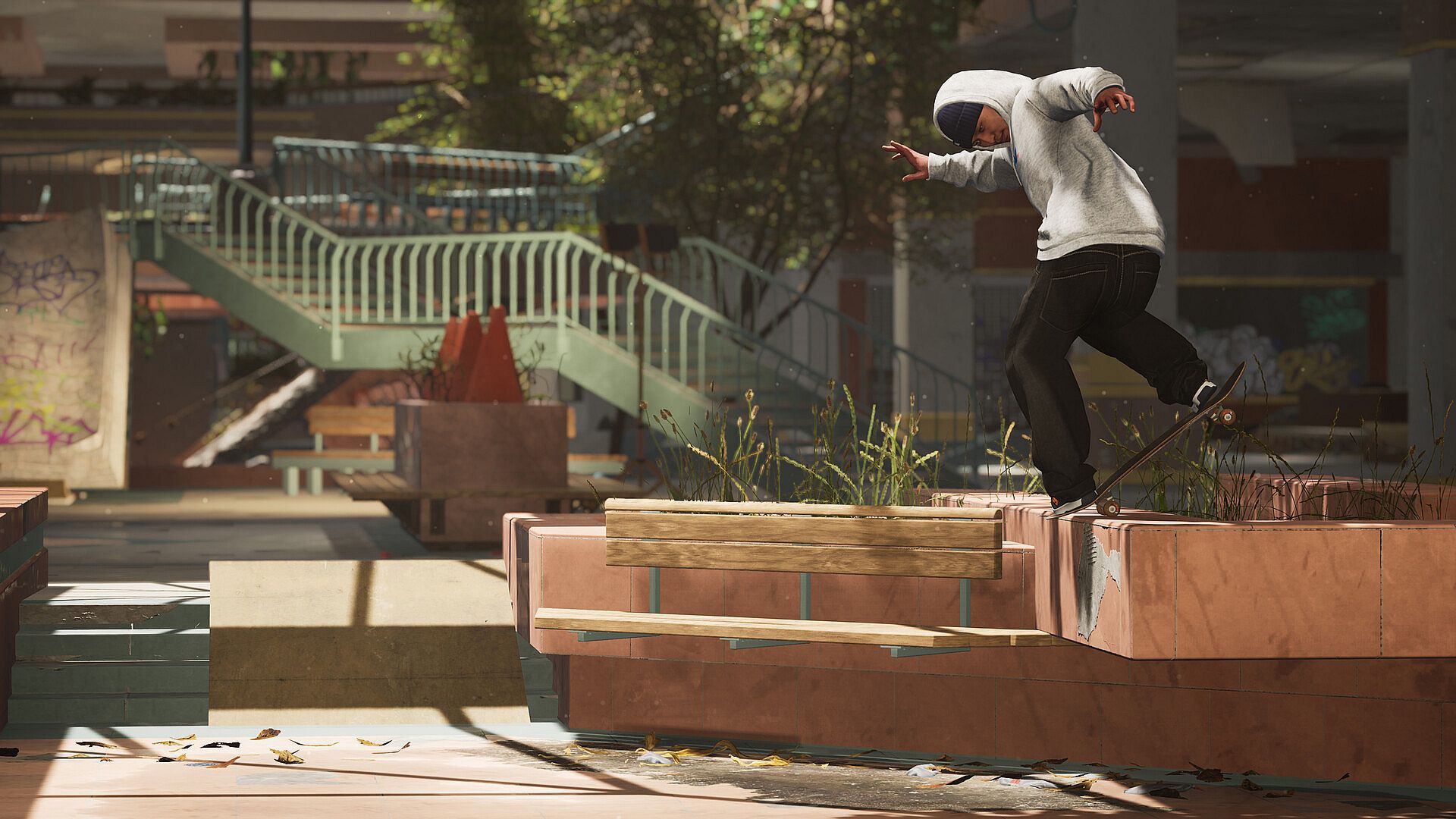

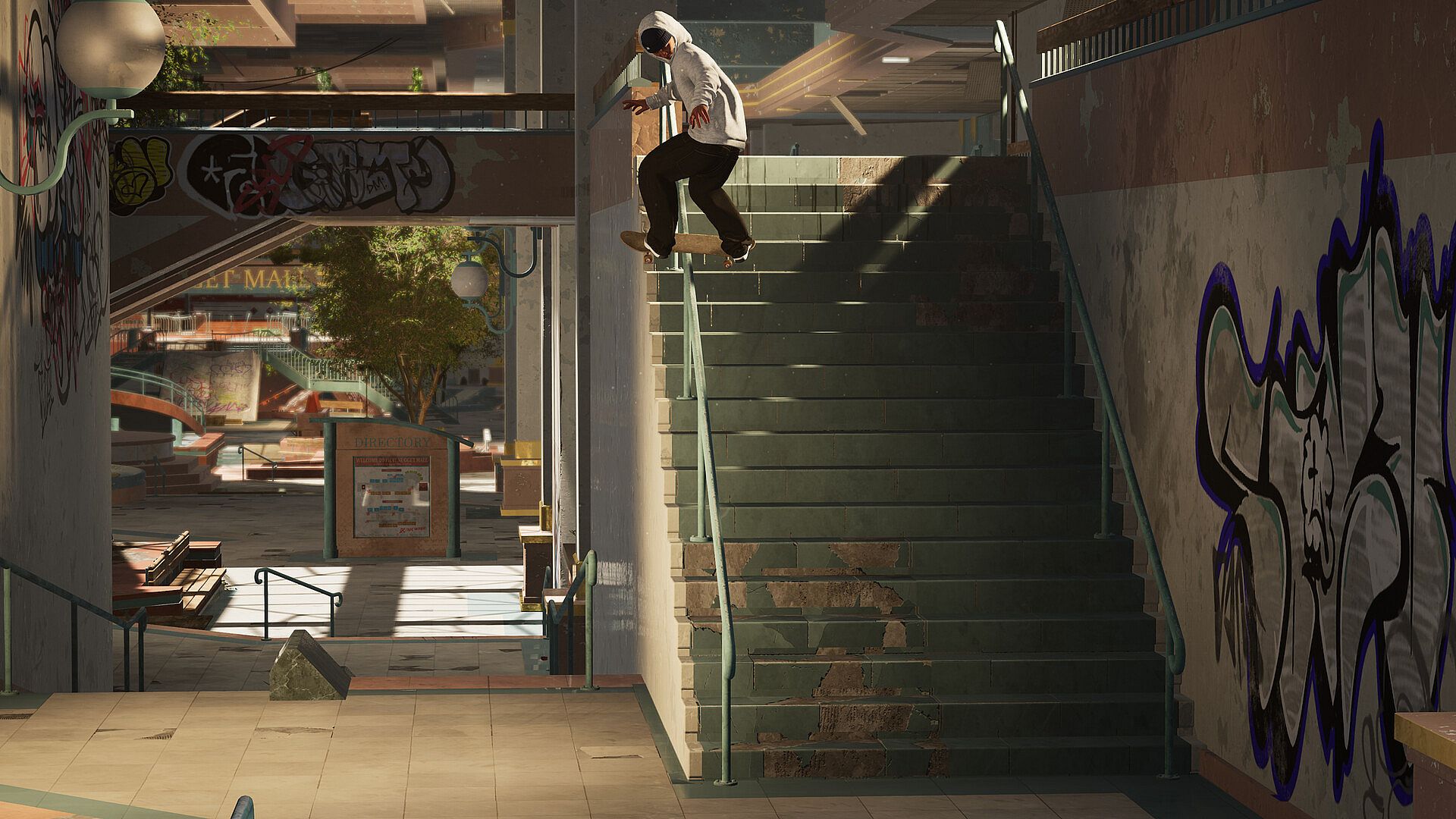
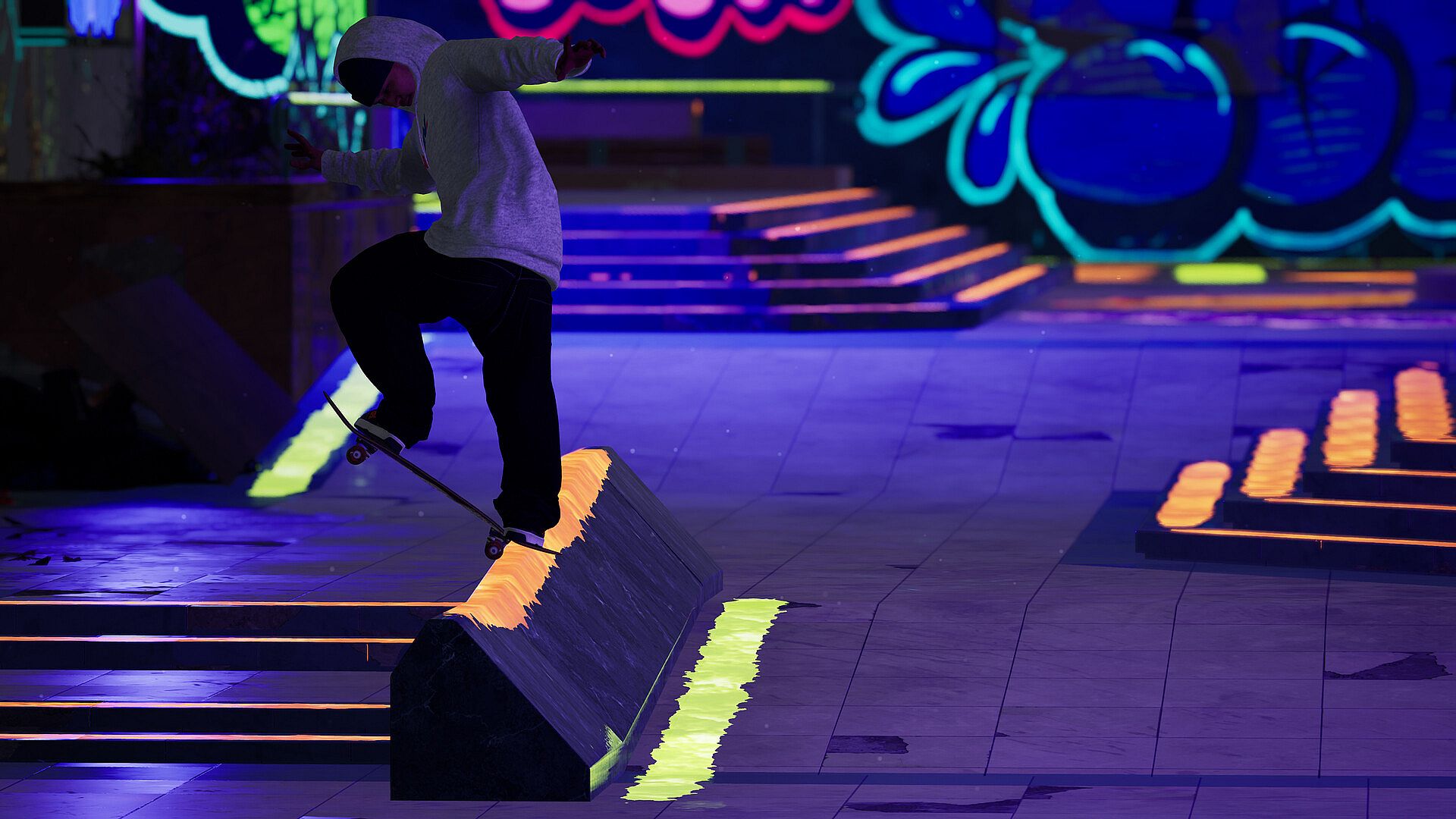
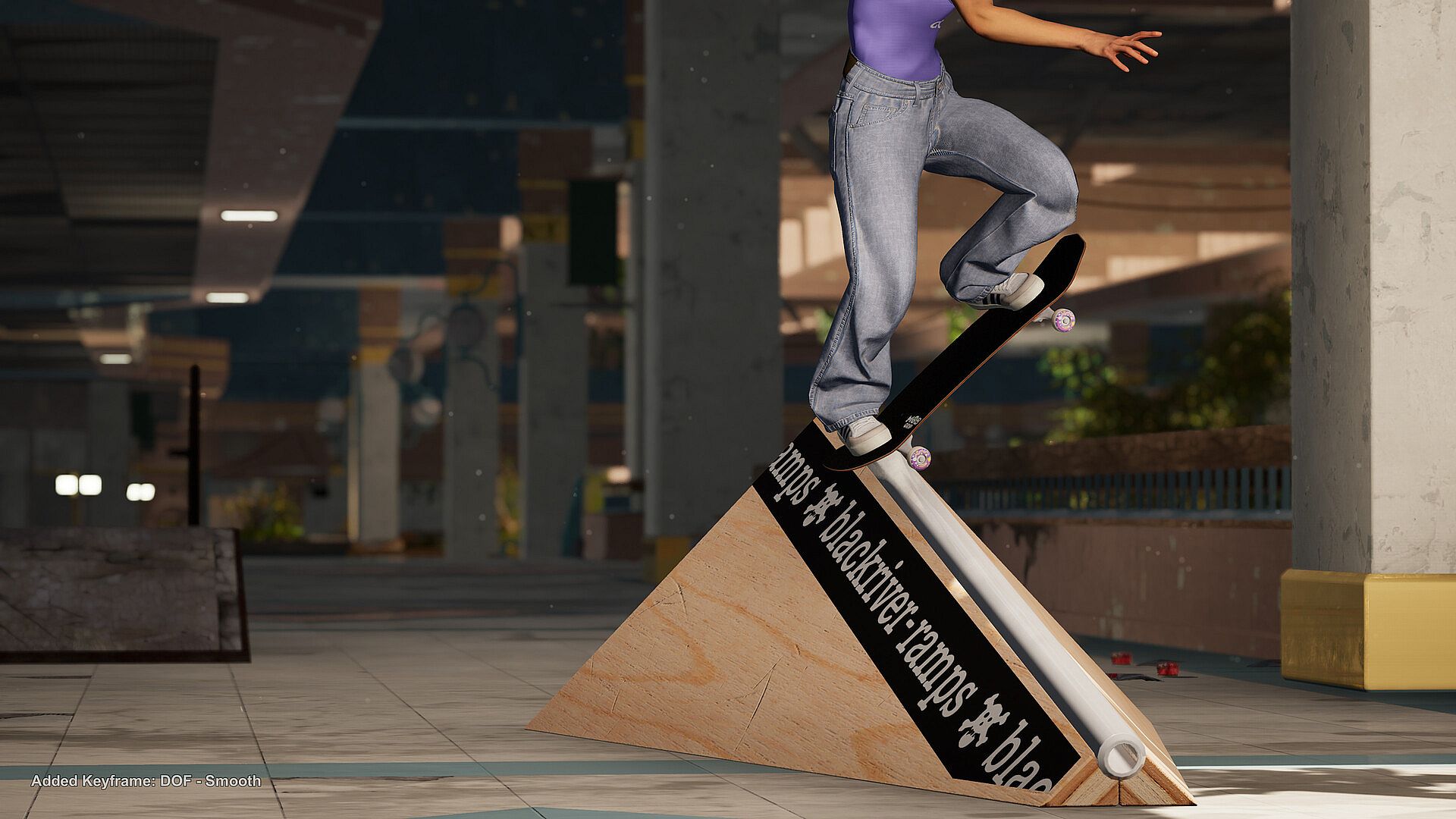
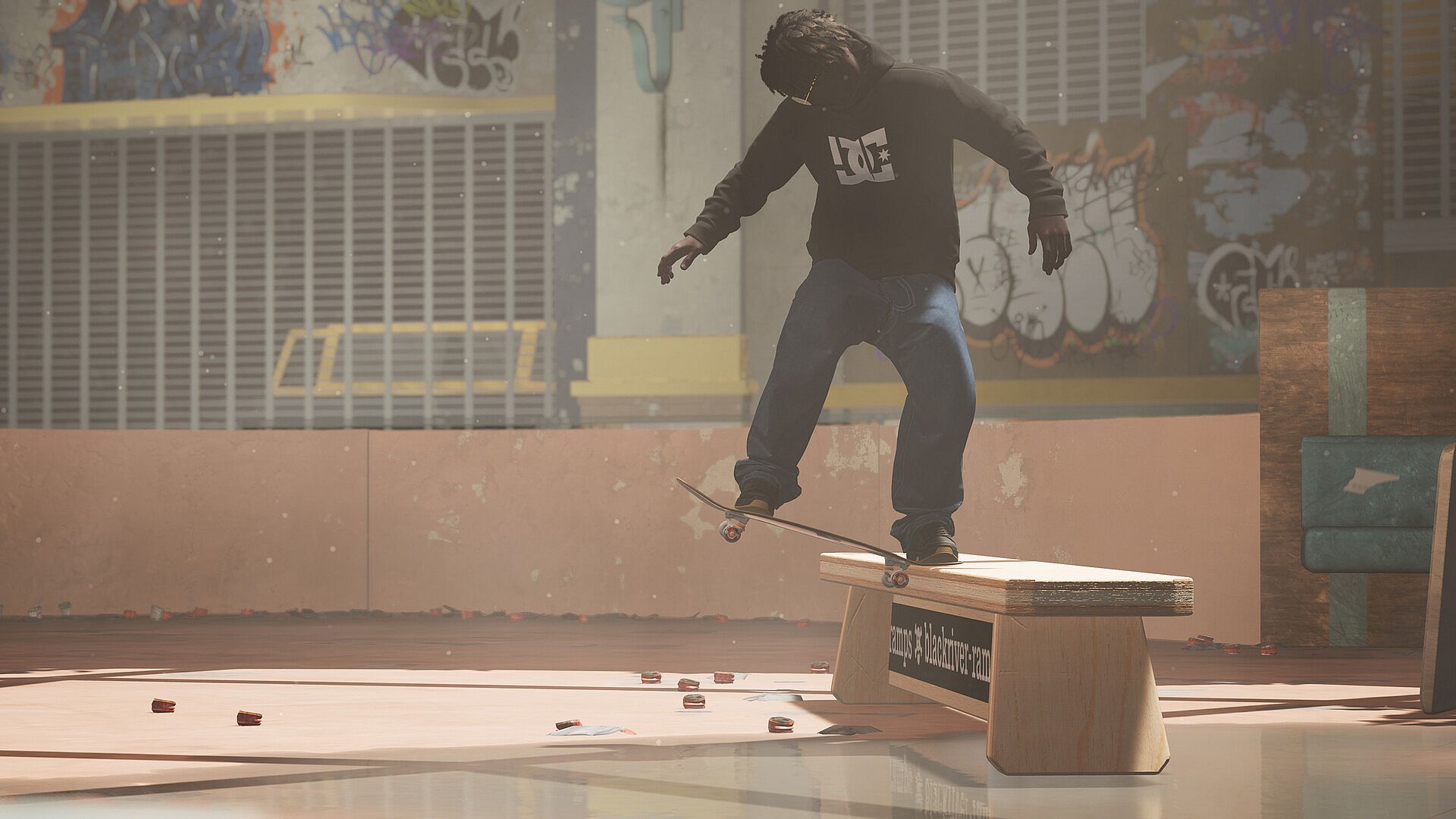
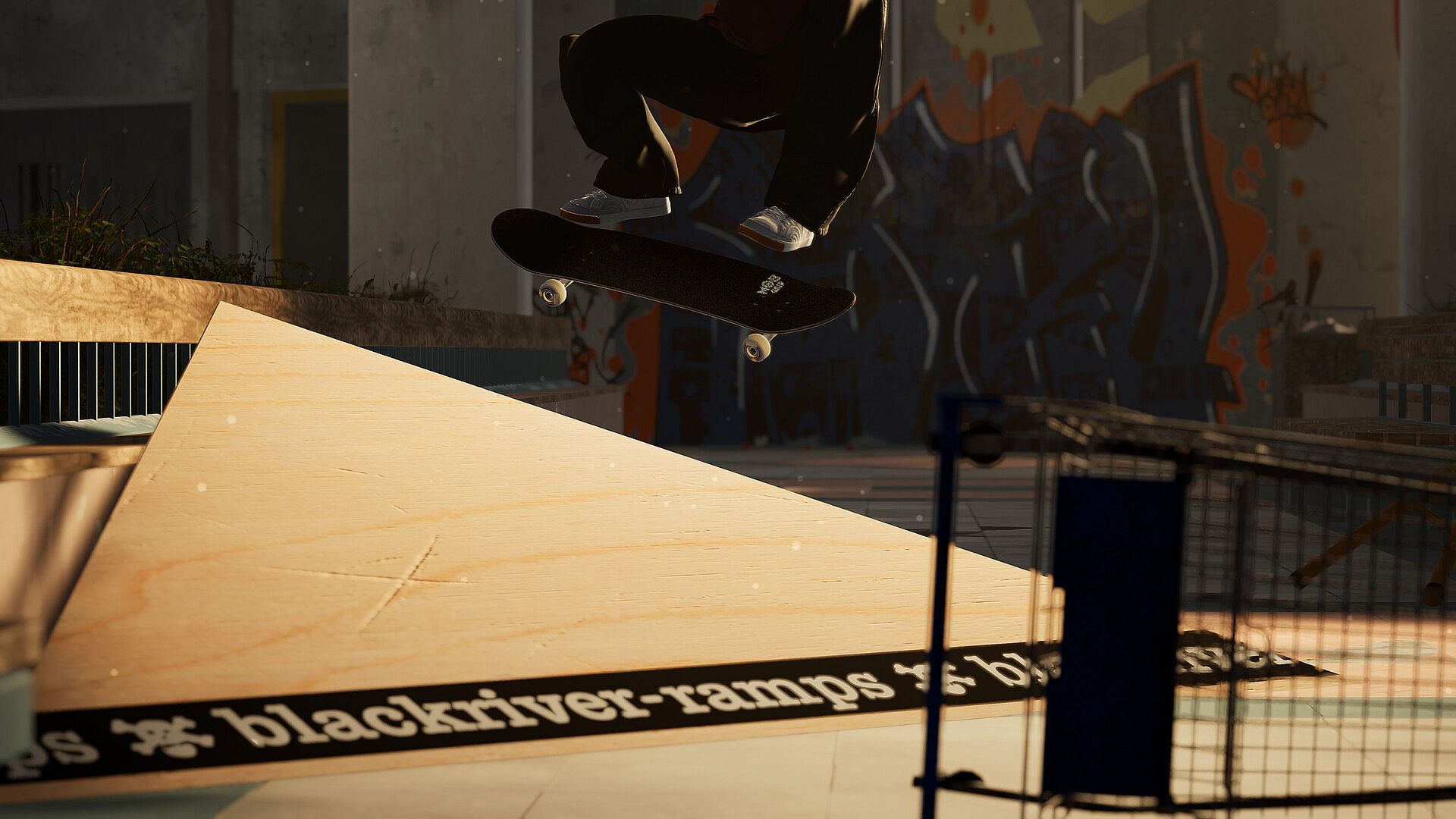
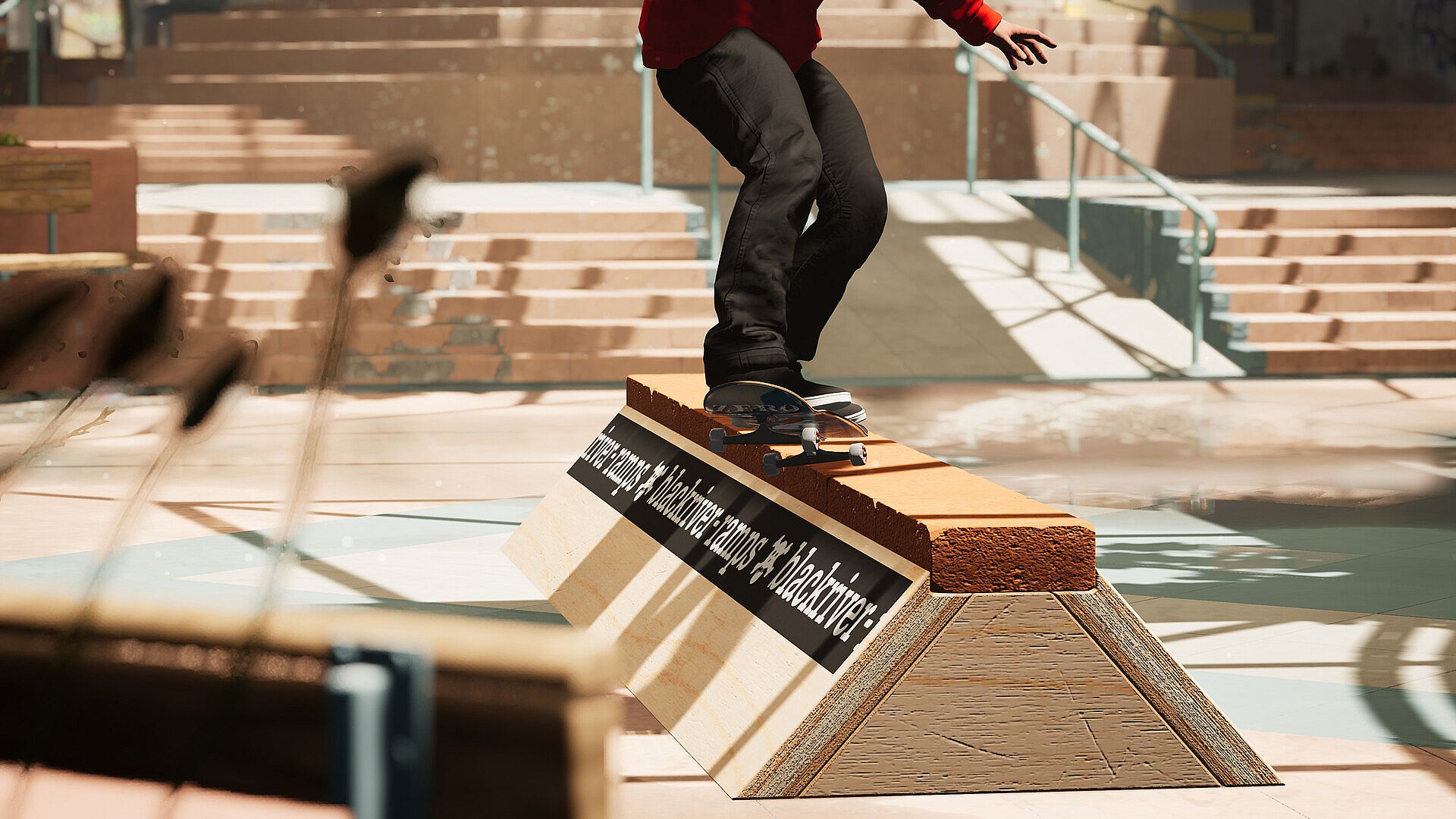
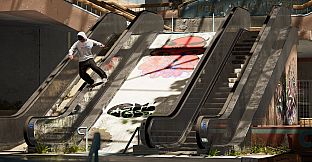
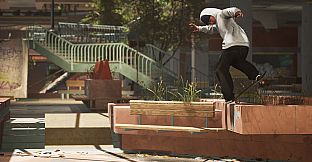
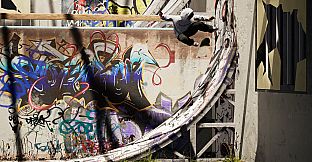
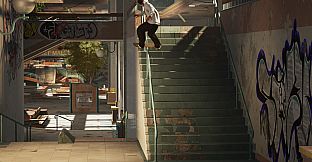
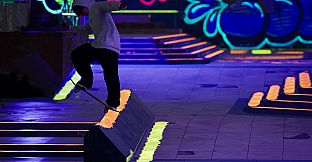
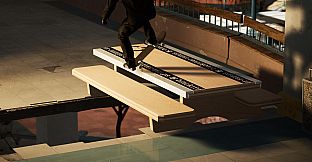
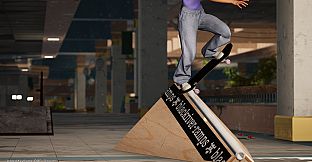
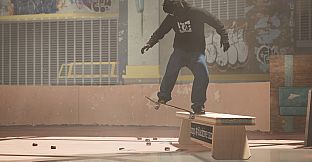
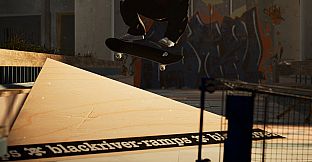
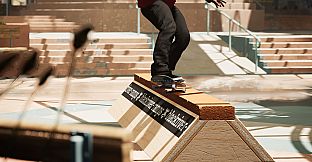
Session: Skate Sim Abandoned Mall expands the core skateboarding simulation with a new urban environment designed for extended sessions of trick execution and line building. This addition fits into the broader sports and simulation focus of the title, emphasizing precise physics and player-driven exploration over structured narratives.
Gameplay
The experience centers on realistic board control and momentum management. Players navigate environments using a twin-stick setup that demands practice to master basic rolls, turns, and balance. Tricks draw from street skating fundamentals, with emphasis on timing and weight distribution to land cleanly on varied surfaces.
Exploration forms the main loop. Riders search for natural transitions between ledges, rails, and gaps while maintaining speed. The simulation accounts for board tilt, wheel grip, and body positioning during grinds and flips. Camera options allow switching perspectives mid-run to review lines or capture footage from different angles.
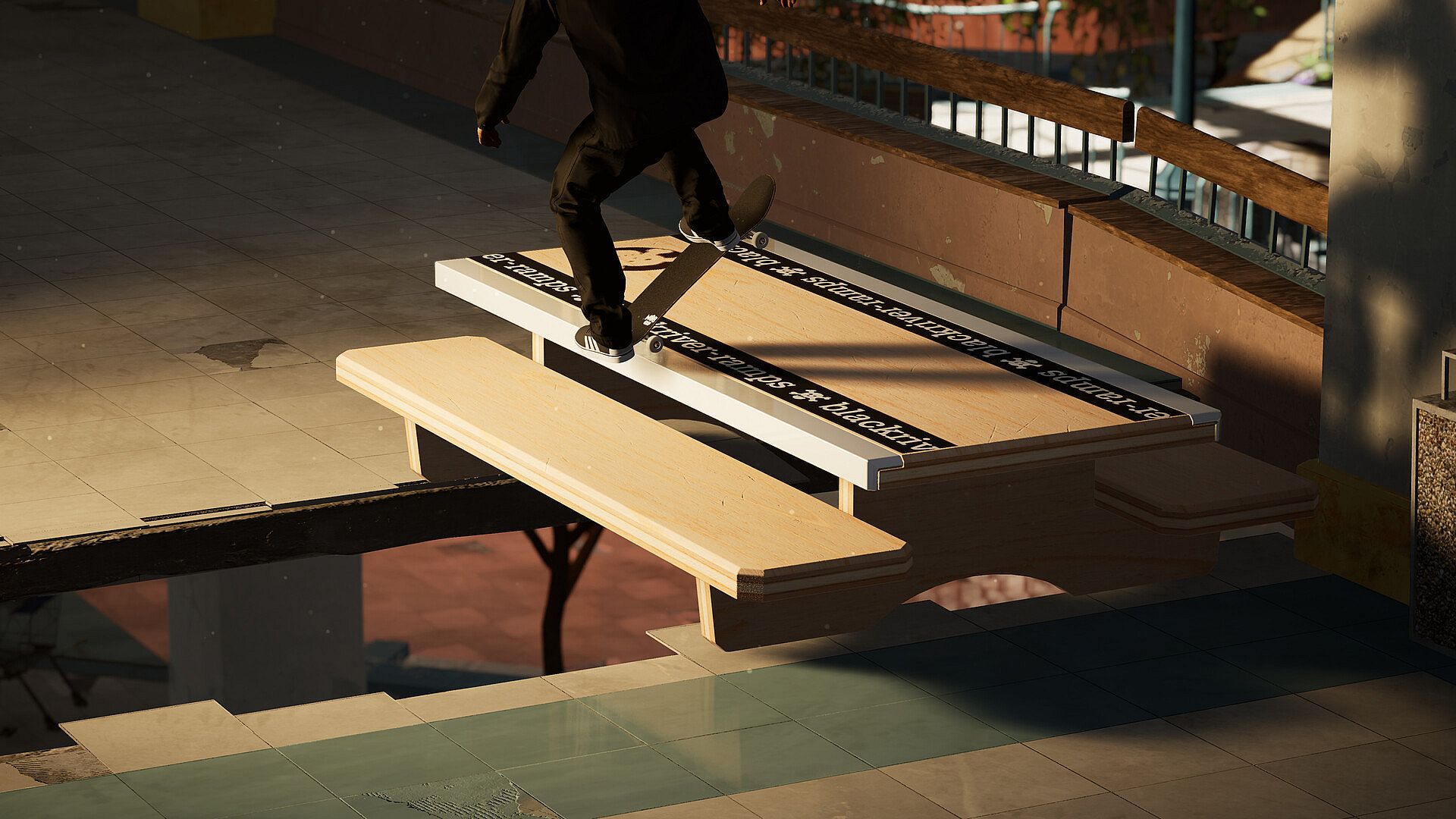
Object placement integrates directly into sessions. Users can drop items into the environment to create custom obstacles or modify existing spots. This system encourages repeated visits to the same areas with fresh setups each time.
Game Modes
Core play revolves around free skating across available maps. Riders set their own goals, such as linking multiple tricks in sequence or perfecting specific maneuvers at chosen locations.
A career structure provides optional objectives. These involve completing tasks assigned across different urban areas, gradually introducing new challenges without restricting open movement.
No competitive or online modes appear in the verified systems. Focus stays on solo progression through personal skill development and map familiarity.
The Abandoned Mall Map
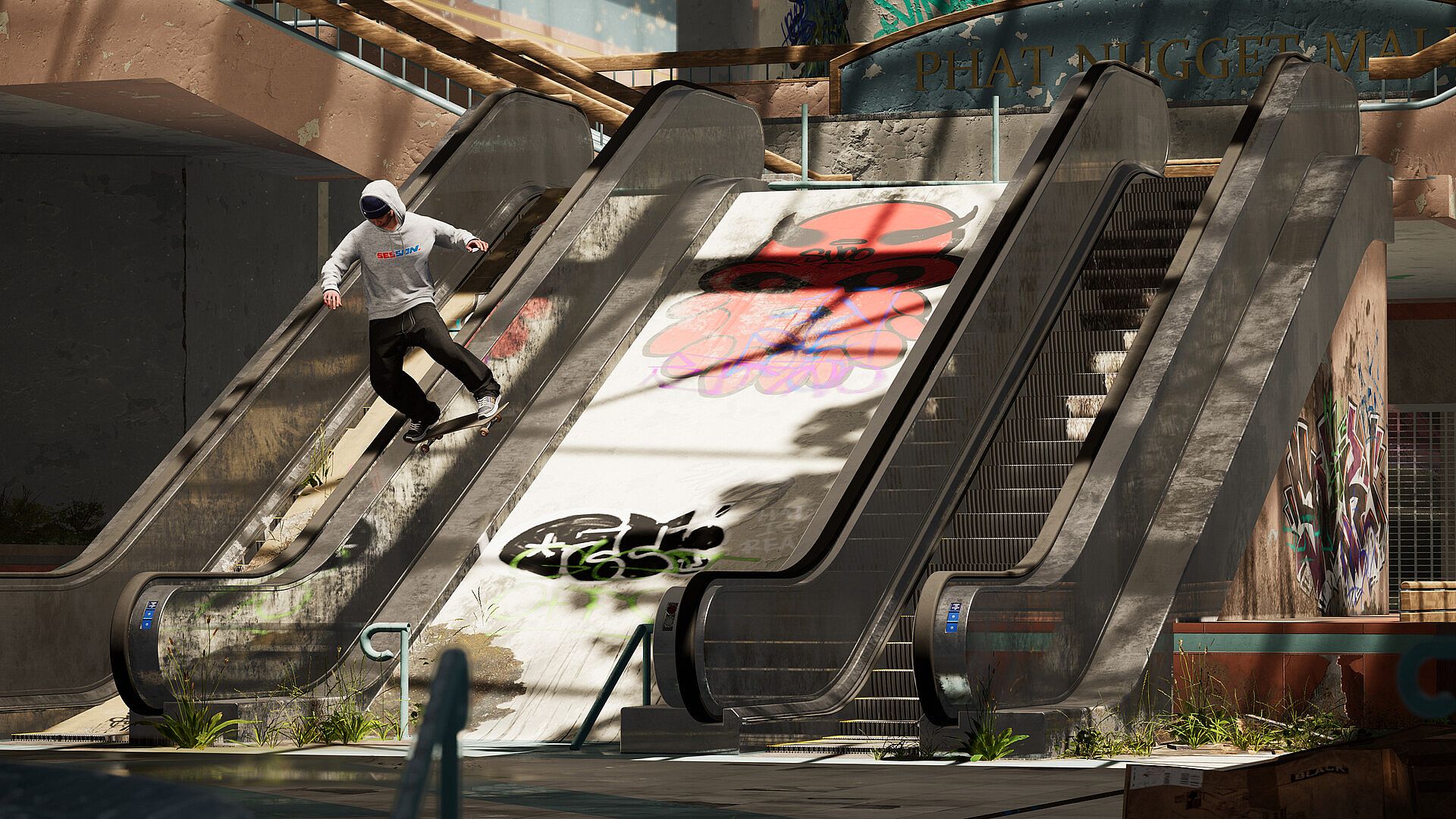
This environment recreates an indoor-outdoor retail space left unused. Multiple levels and connected corridors offer varied terrain, including flat ground for manuals, elevated sections for drops, and structural elements suitable for grinds.
New spots emerge from the layout itself. Players locate ramps formed by collapsed fixtures, wide hallways for speed builds, and multi-story transitions that support longer combos. The design prioritizes discovery of hidden lines over obvious paths.
Object Placement and Customization
The included items expand creative options within the object dropper tool. Thirty-eight distinct pieces allow fine-tuning of runs by adding barriers, platforms, or props that interact with board physics.
Placement works in real time during sessions. Riders test configurations immediately, adjusting positions to alter trick difficulty or create entirely new sequences. This feature supports iterative improvement without leaving the map.
Is It Worth Playing?
The title appeals most to players who value simulation depth over accessibility. Controls reward persistence with satisfying landings once fundamentals click, though initial attempts often highlight the steep learning curve.
Reception highlights strong physics fidelity and map variety for dedicated users. Some note occasional technical issues that can interrupt flow during longer sessions. Support continues through additional content like the Abandoned Mall expansion, which adds tangible new areas and tools.
Those seeking a pure skateboarding experience without multiplayer elements or arcade shortcuts will find consistent value here. Casual players may prefer titles with simpler inputs, while simulation enthusiasts gain hours from refining lines in the expanded environments.