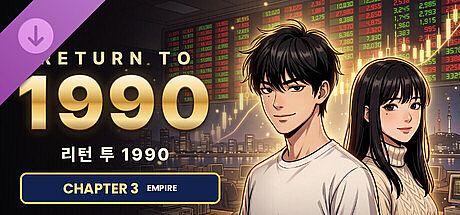







RETURN TO 1990 - Chapter 3: Empire is an indie simulation visual novel set on PC that continues a time-travel business story through the 2010s. Players manage a growing conglomerate amid smartphones, financial crises, mobile gaming trends, and cryptocurrency speculation while fending off corporate rivals.
Gameplay
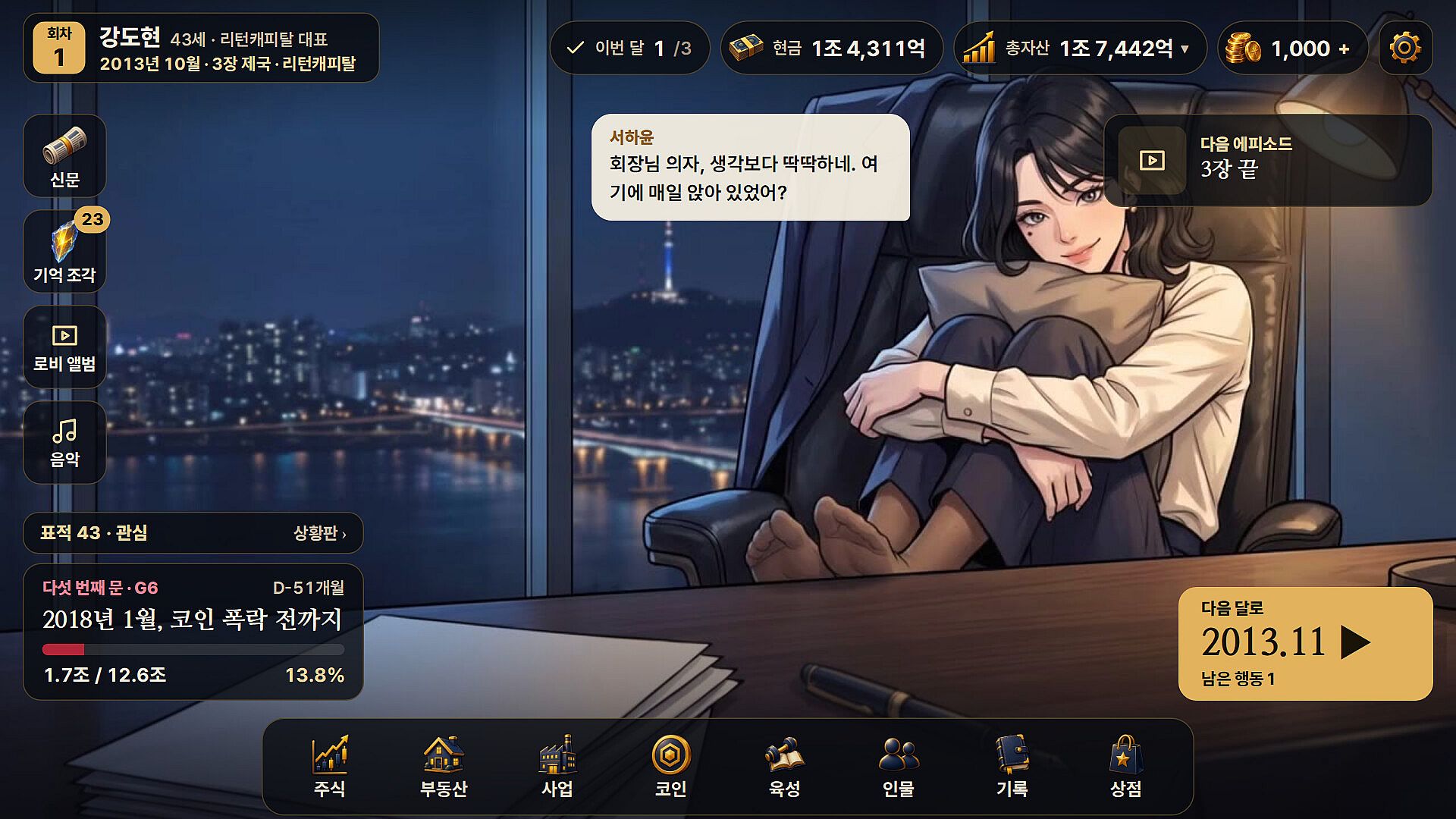
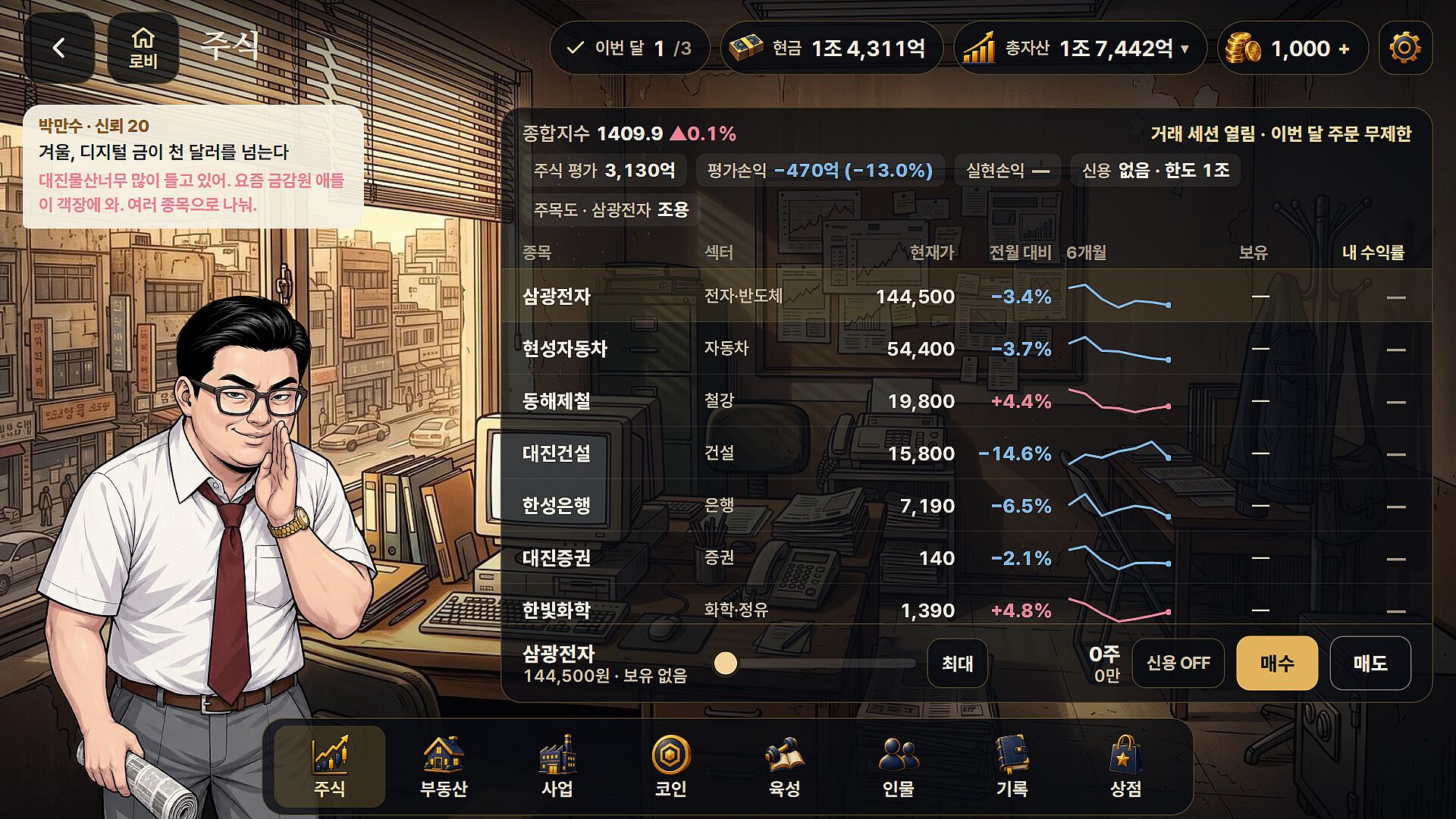
The core loop centers on monthly decisions across 120 months from 2010 to 2019. Players expand businesses started in prior chapters, respond to economic events, and handle personal matters. Assets, relationships, and prior choices carry forward directly into this installment.
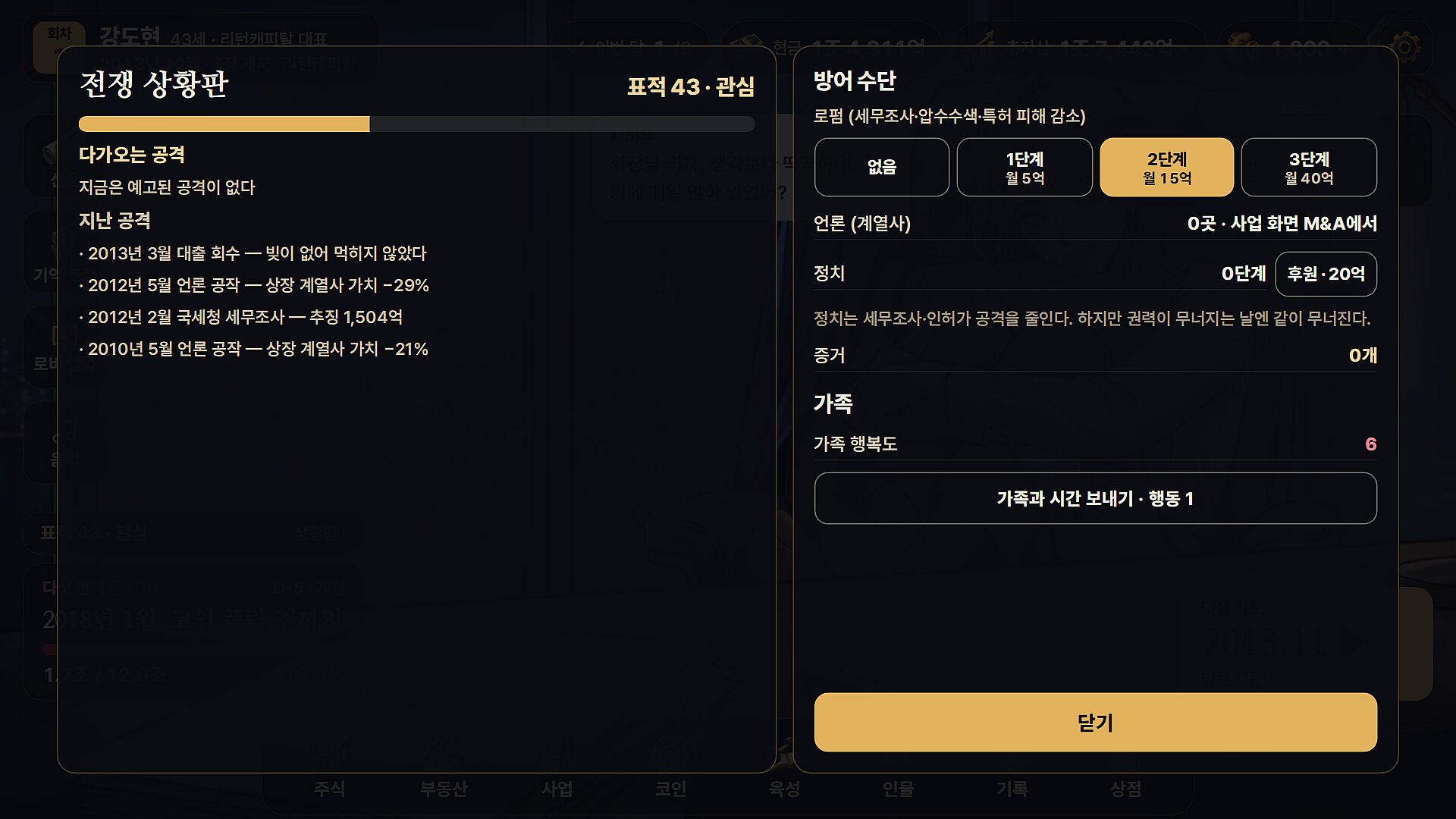
New mechanics introduce defensive strategies against hostile actions. Tax audits, loan recalls, supplier cutoffs, and takeover attempts scale with company size. Players counter these through legal retainers, media acquisitions, and political alliances, each carrying ongoing costs and risks of later betrayal.
A dedicated hearing sequence requires gathering evidence beforehand. During the event, players answer five questions by remaining silent, presenting proof, or counterattacking to shift outcomes. Success influences empire stability and rival positioning.
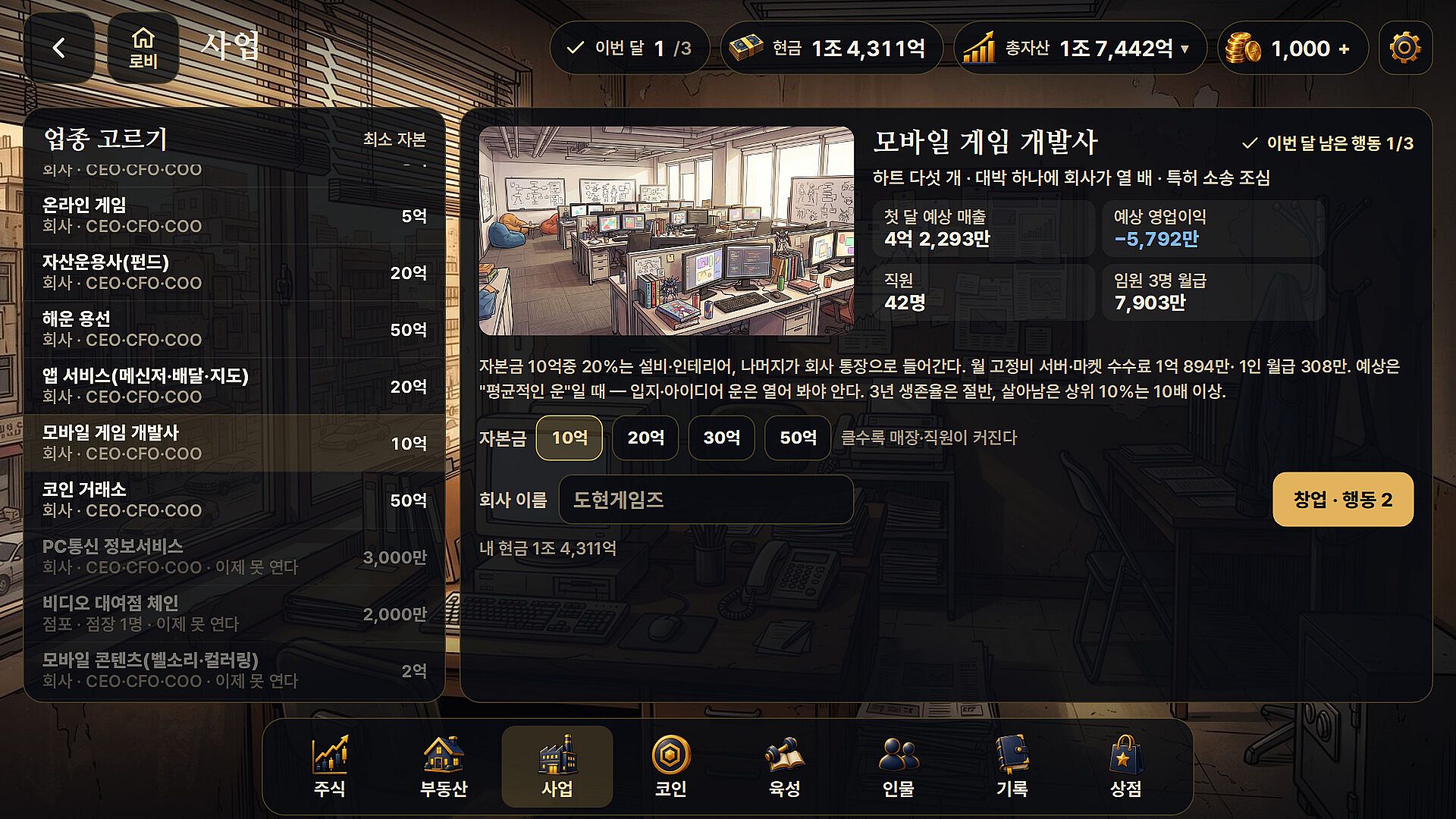
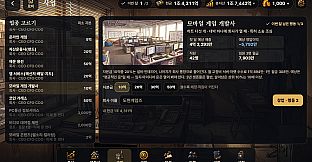
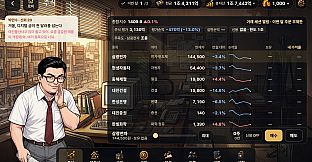
Business expansion now includes app development and mobile game studios. Players launch projects and test for market hits. A separate coin system offers three holding strategies during a boom period, with timing risks that can lead to losses if positions are maintained too long.
Family elements integrate marriage, raising a daughter, and caring for an aging mother. Happiness metrics from these relationships affect available options and long-term results beyond pure financial metrics.
Game Modes
The experience unfolds as a single-player narrative simulation without separate competitive or cooperative formats. Progression follows the main chapter story through 20 fully voiced episodes, punctuated by management decisions and occasional mini-game sequences such as the hearing confrontation.
Story branches lead to eight distinct Chapter 3 endings, shaped by wealth accumulation, defensive success, business diversification, and family outcomes. Two new gates serve as progression checkpoints that unlock based on prior performance and choices.
Carry-over systems from earlier chapters allow seamless continuation of established companies, personnel, and alliances, turning each playthrough into an evolving empire management session rather than isolated episodes.
Story and Setting
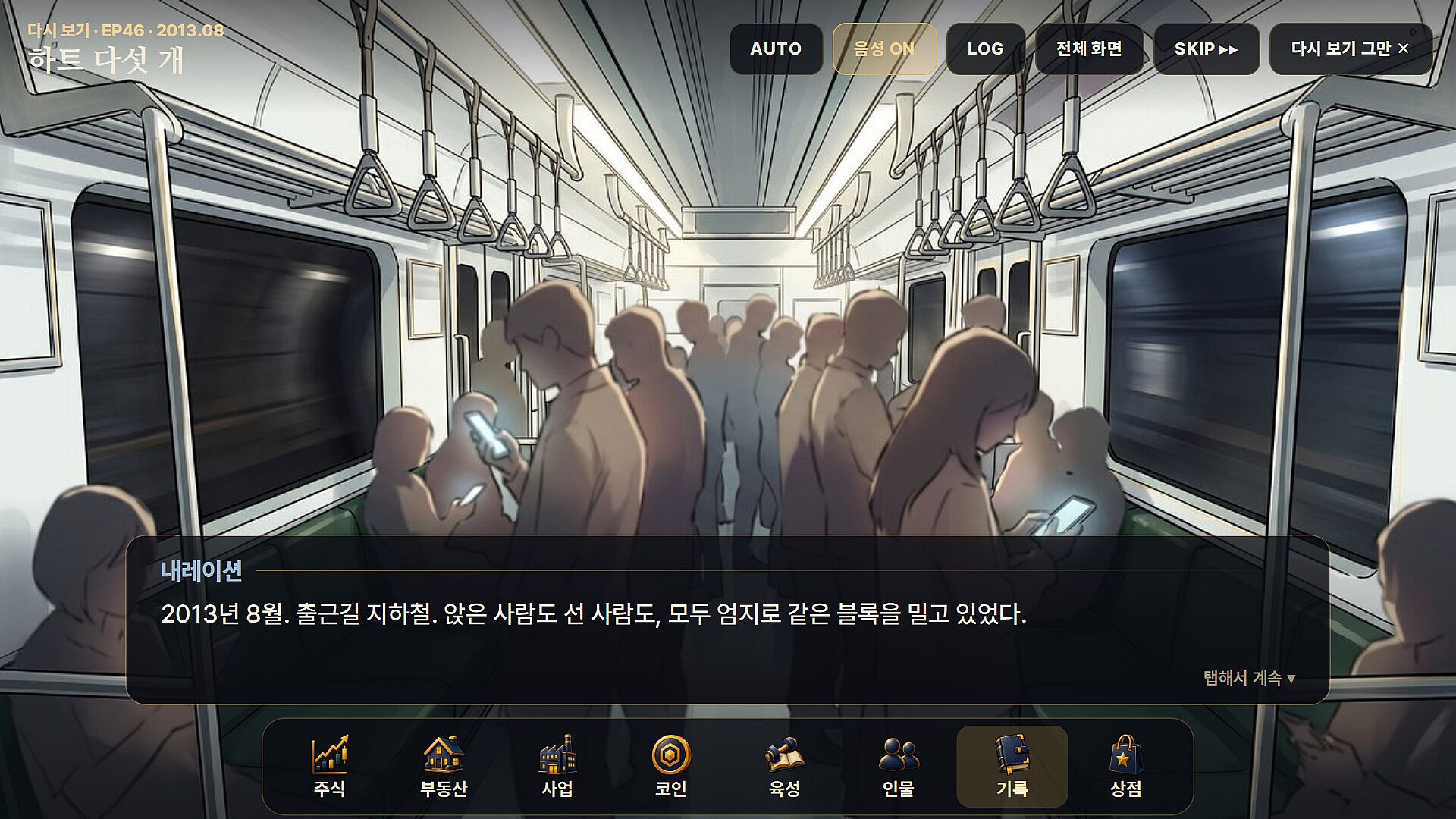
Chapter 3 places the player as a chaebol heir and power broker target after building a business group in the 2000s. Events reflect the era's smartphone saturation, bank collapses, credit crashes, global dance trends, and mobile entertainment boom, culminating in coin speculation opportunities.
Fictional characters, brands, and incidents drive the plot while new cutscenes, backgrounds, and music support the 2010-2019 timeline. The narrative emphasizes survival against coordinated attacks from established rivals seeking to dismantle the player's holdings.
Is It Worth Playing?
This chapter suits players who enjoy choice-driven business simulations blended with visual novel storytelling. The carry-over mechanics reward consistent play across the series, and the new attack-defense systems plus hearing mini-game add layers of strategic decision-making to empire growth.
Family and coin elements introduce personal and timing-based risks that influence multiple endings. The fully voiced episodes and month-by-month structure provide a structured yet replayable single-player campaign focused on Korean corporate and economic themes of the decade.
With recent release and limited user feedback available, those drawn to narrative management titles with historical business contexts may find value in completing the chapter after prior installments. Availability requires the base game and Chapter 2 for full access.