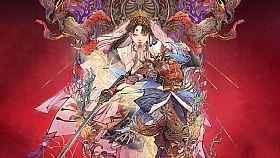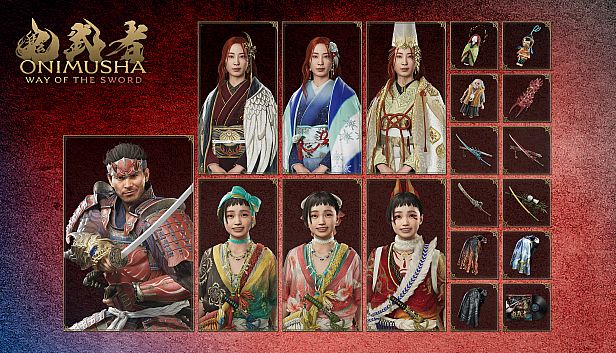


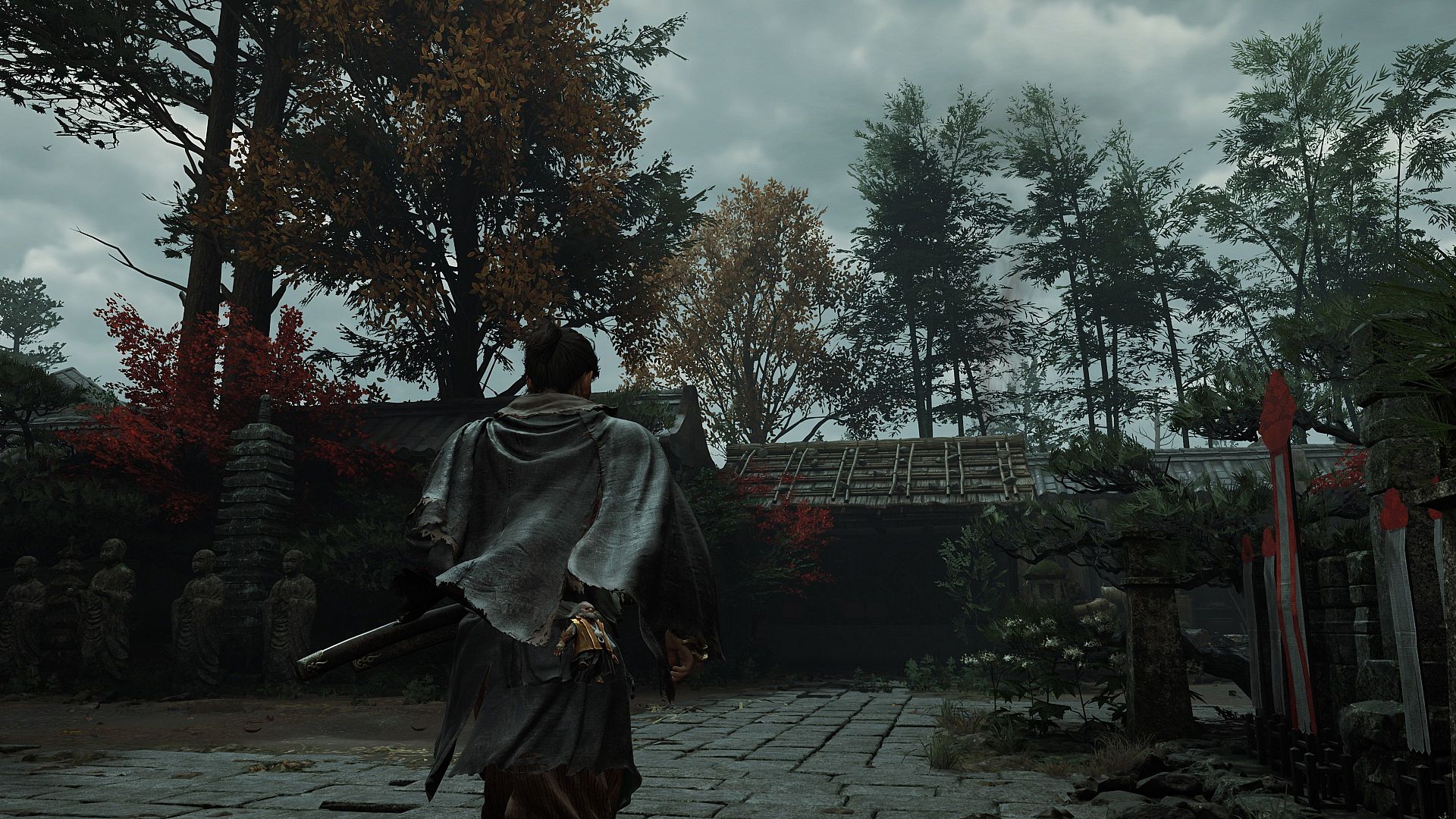
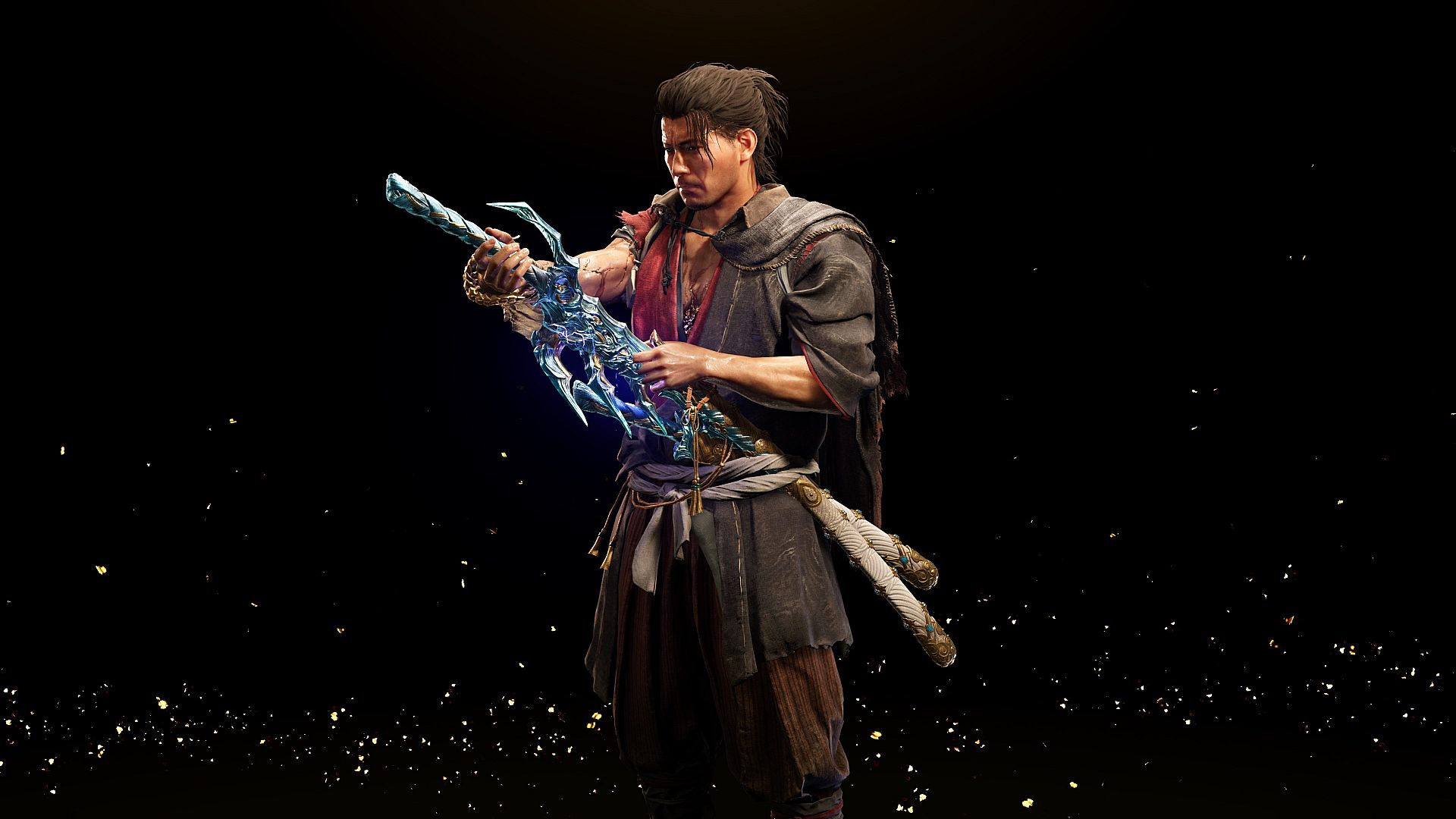
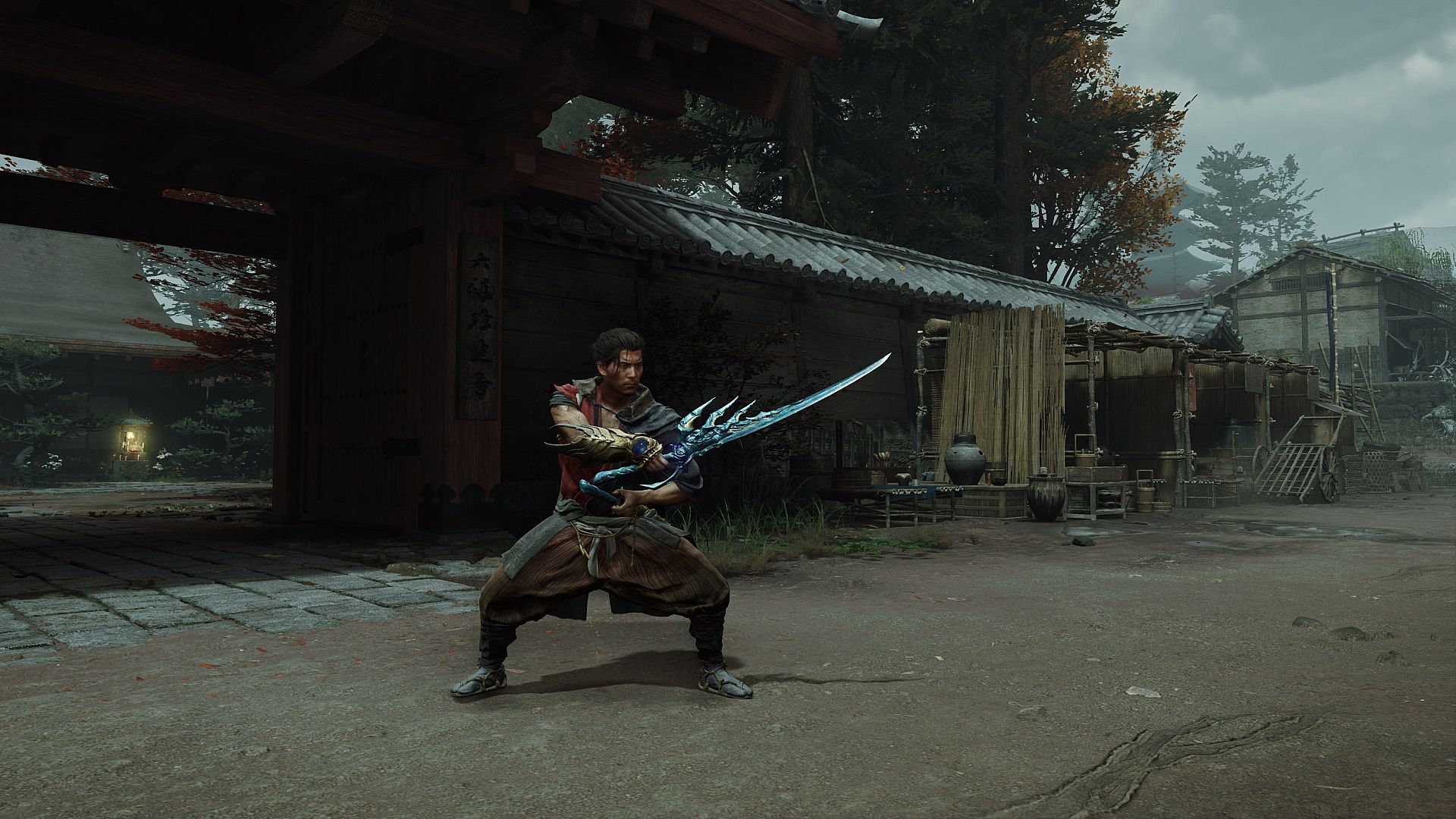
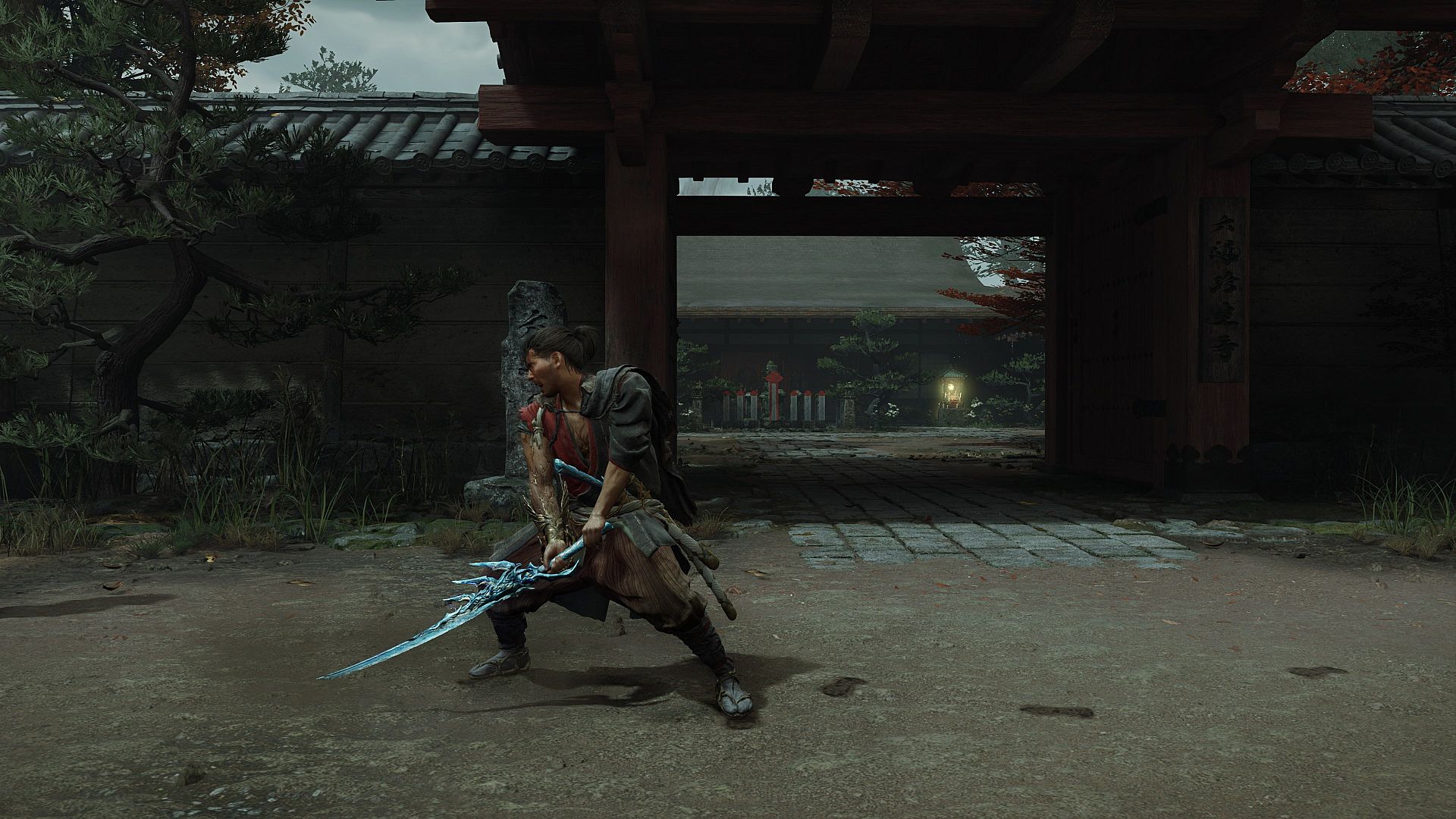
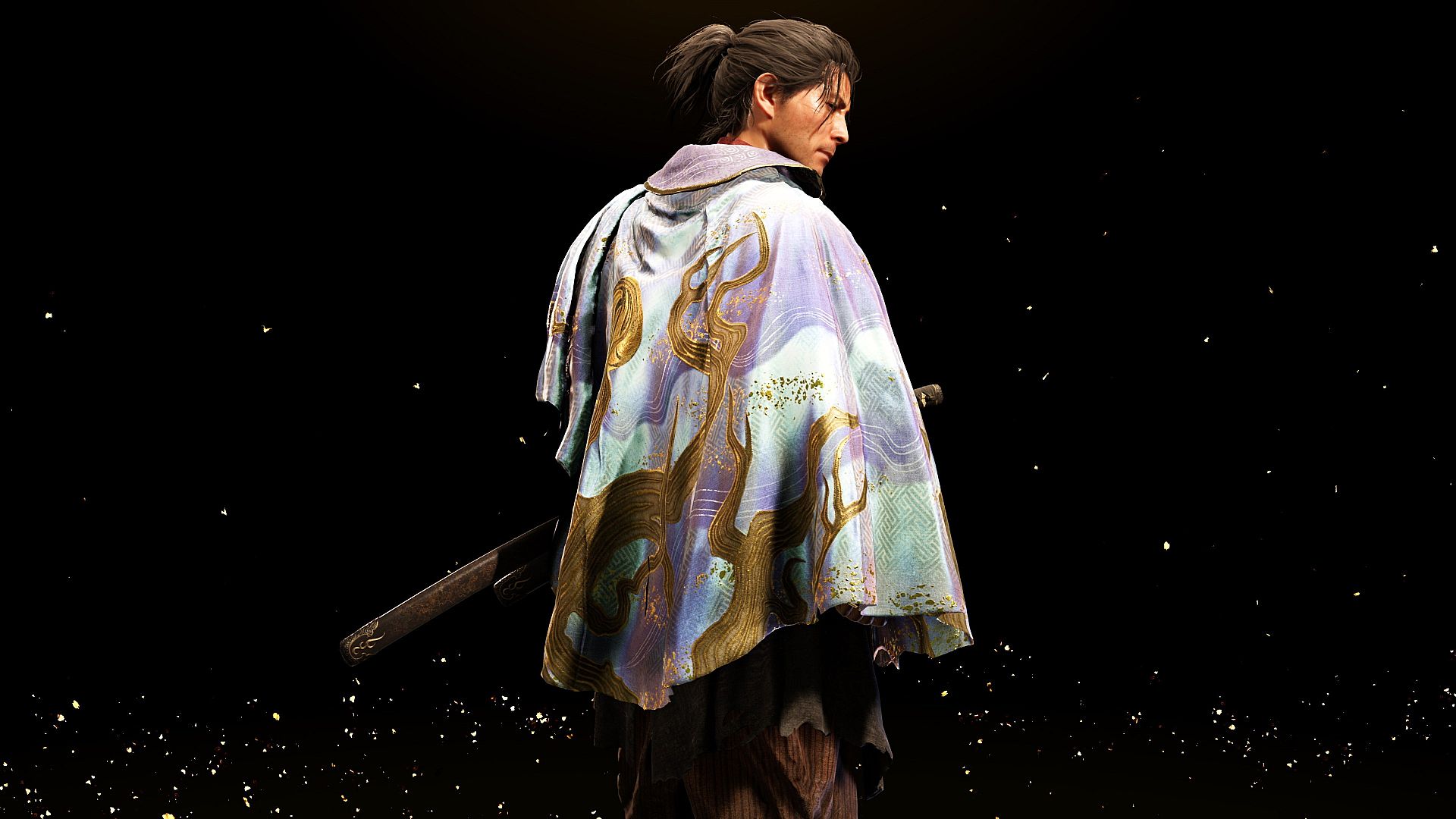
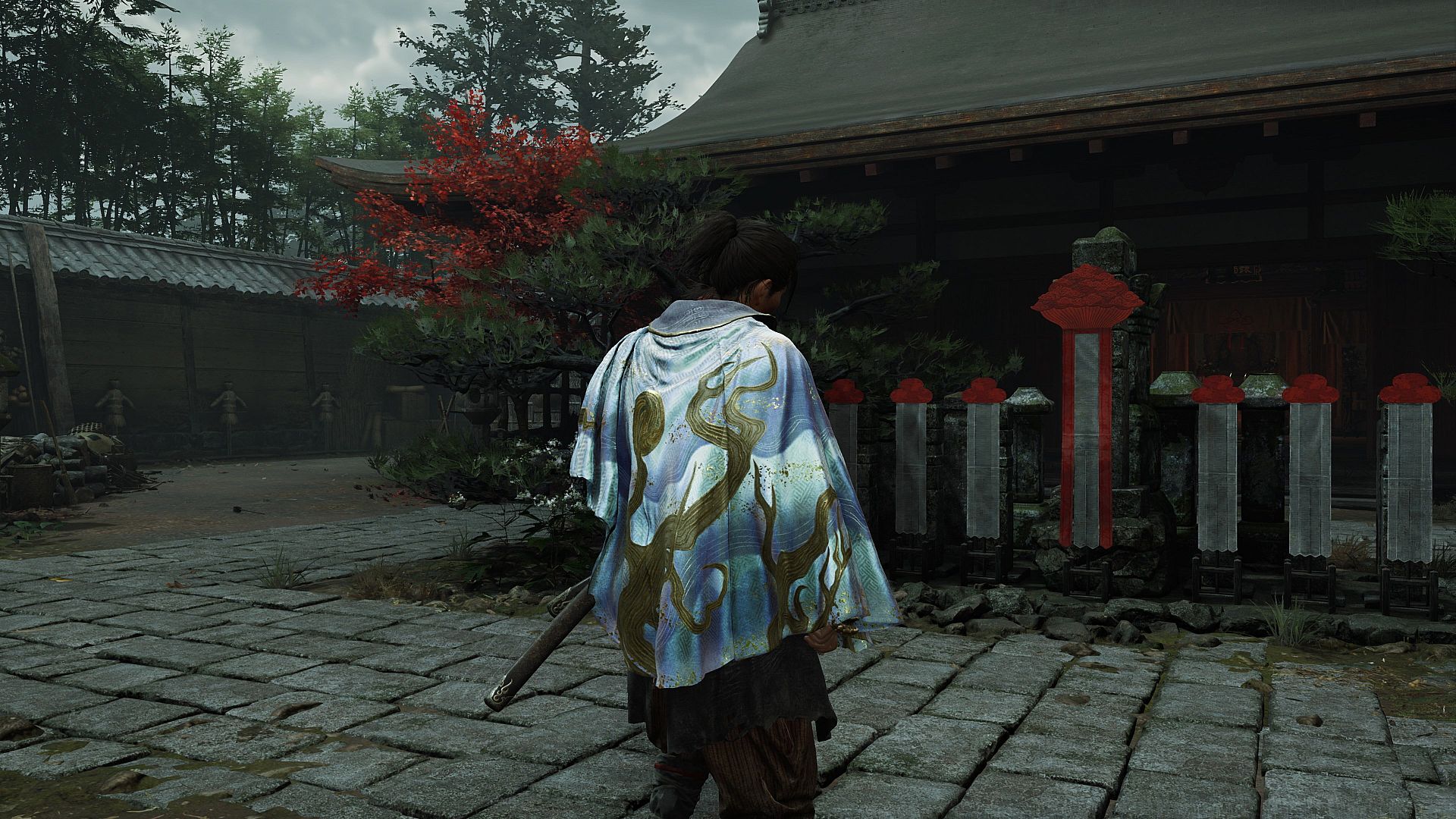
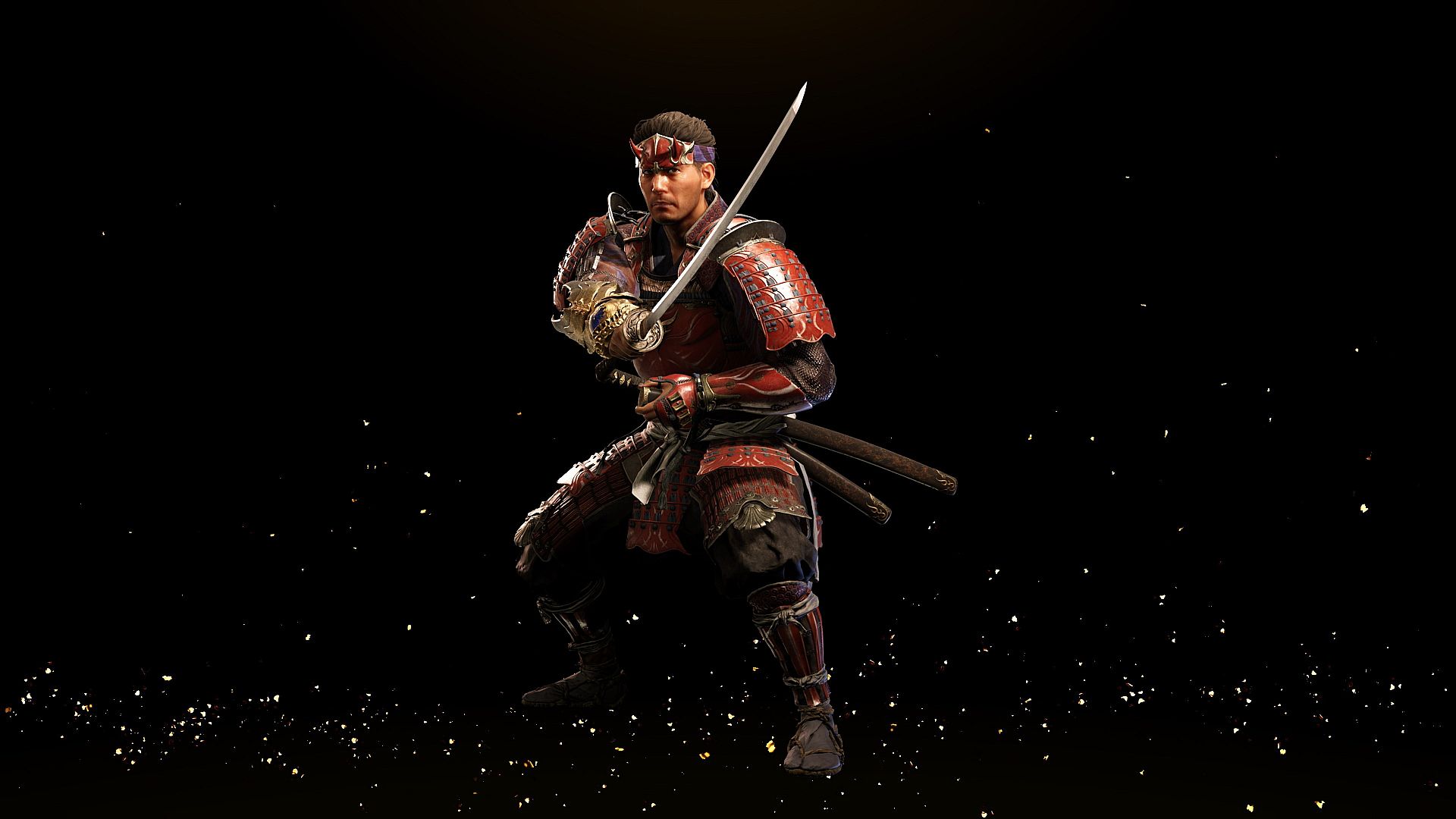
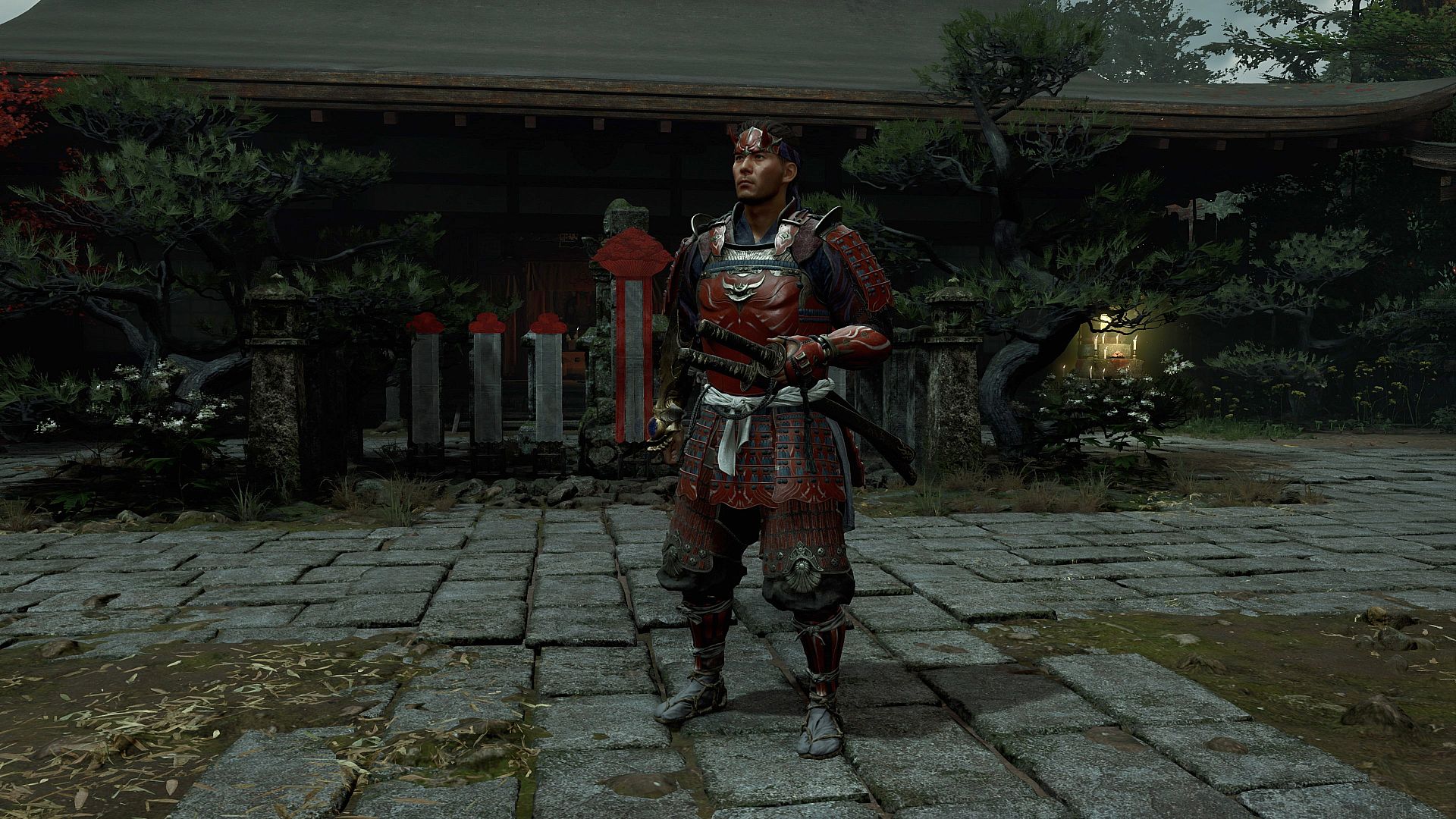
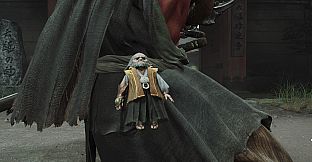
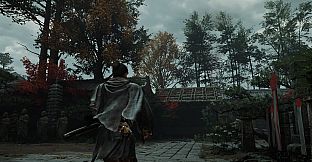
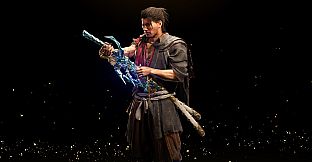
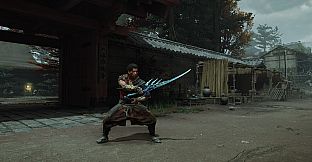
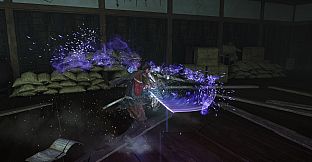
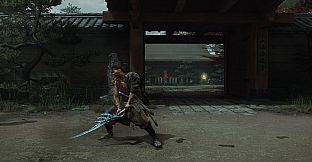
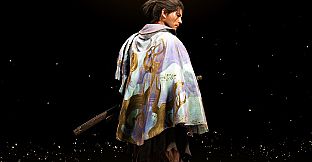
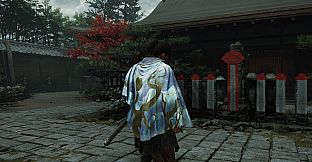
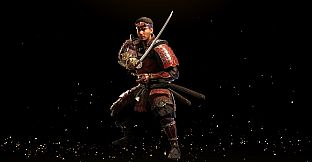
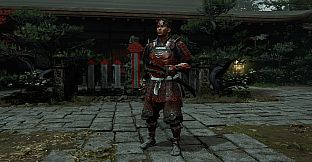
Onimusha: Way of the Sword is a single-player third-person action-adventure game centered on precise sword combat. Players take control of Miyamoto Musashi in a dark fantasy version of Edo-period Kyoto, battling supernatural threats known as Genma along with rival swordsmen and other foes.
Gameplay
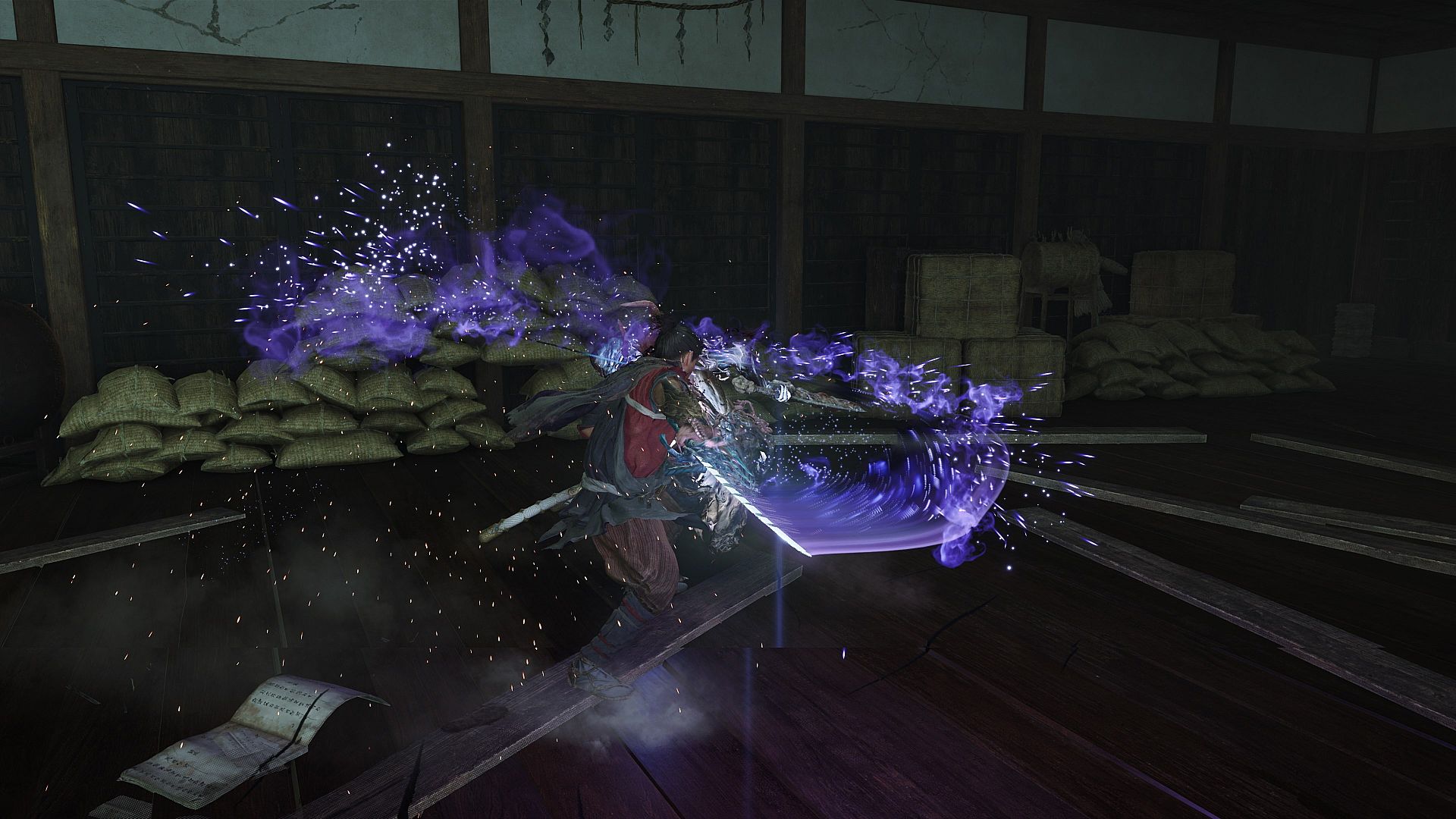
The core loop revolves around fluid swordplay that rewards timing and positioning over rapid button presses. Musashi wields a single katana throughout, mixing fast one-handed strikes with heavier two-handed attacks that can break enemy guards. Defensive options include blocking, parrying to redirect attacks and drain stamina, deflecting projectiles, and a timed Reflex Dodge that opens counter opportunities. Successful parries and dodges build gauges that enable powerful follow-ups such as the signature Issen critical strike, which can instantly finish weakened enemies or deal heavy damage to bosses.
Defeated enemies release three types of souls collected by the Oni Gauntlet. Yellow souls restore health, red souls fund equipment upgrades and skill acquisition, and blue souls power Oni Armaments, special abilities that deliver high damage or utility effects. Oni abilities also aid exploration, with Oni Vision revealing hidden paths and obstacles while other powers support navigation through linear stages and occasional environmental puzzles. Spirit Mirrors serve as checkpoints for saving, fast travel, and difficulty adjustments. The experience mixes structured level progression with limited open areas, such as sections around Eastern Kyoto, where side objectives and collectibles appear.
Game Modes
The game offers three difficulty settings that alter enemy health, damage output, and stamina recovery rates. Story mode reduces incoming damage and emphasizes narrative flow, suiting those new to action games. Action mode presents the standard challenge level with balanced encounters. Carnage mode, unlocked after completing the main story, increases enemy resilience and aggression while carrying over certain progress like charms and skills for a more demanding replay. Switching between Story and Action remains possible at Spirit Mirrors during a first playthrough, though Carnage locks the selection once chosen.
Beyond the main campaign of roughly two dozen missions, optional side quests provide additional objectives and rewards. A boss rematch feature allows practice against key encounters after they are first defeated. The structure stays focused on single-player progression without multiplayer components.
Story and Setting
Musashi navigates a supernatural-tinged version of historical Japan, confronting personal rivals and larger demonic forces. The narrative unfolds through linear stages punctuated by character interactions and boss confrontations that highlight distinct move sets and phases. Environmental storytelling and ally encounters in hub-like areas add context to the central conflict without expanding into full open-world freedom.
Is It Worth Playing?
Reviews highlight the combat as deeply satisfying, with precise mechanics and varied boss designs that encourage mastery of parries, Issen timing, and Oni Armaments. Visual presentation stands out through detailed character work and atmospheric stages, while the campaign length averages around 20 hours for the main story and 25 hours with moderate side content. The game launched to strong critical reception, with aggregate scores near 85 on major review sites, and achieved one million copies sold on its first day. It suits players who enjoy character-action titles that prioritize skillful swordplay and incremental ability growth over exploration or multiplayer features. Those seeking a focused, challenging single-player experience with high production values will find the core systems rewarding, particularly on Action or Carnage difficulties after an initial run.