










Metal Gear Solid V: The Phantom Pain stands as an action-adventure stealth game set in an expansive open world. Players take control of Venom Snake, leading a private military force while navigating missions across diverse regions in the 1980s. The experience centers on infiltration, resource management, and strategic decision making rather than direct confrontation.
Gameplay
The core loop revolves around approaching objectives with flexibility. Players scout enemy positions, mark targets through binoculars, and choose paths that minimize detection. The Fox Engine supports fluid movement across large maps filled with outposts, vehicles, and wildlife that can influence encounters. Extraction of resources and personnel builds up the Mother Base hub, which in turn unlocks new equipment and support options for future operations.
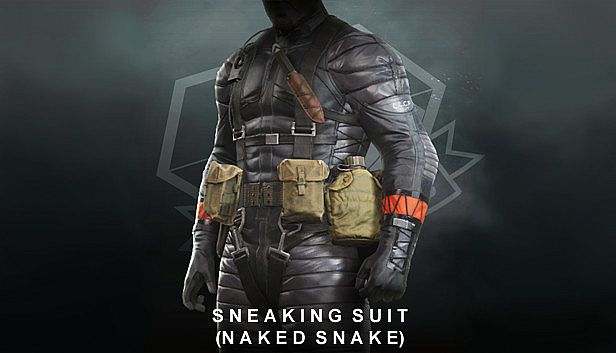
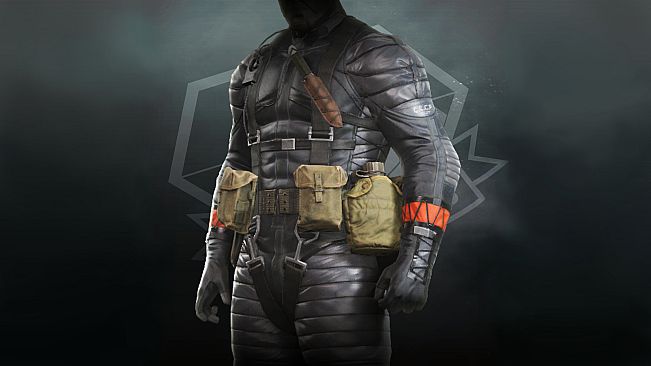
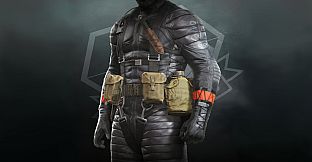
Customization plays a key role through uniforms and gear. The Sneaking Suit modeled after Naked Snake from earlier operations provides noise-dampening soles that reduce footstep audio and an aramid weave layer that improves resistance to damage. In Forward Operating Base scenarios, the suit also masks body heat signatures from night vision devices. It applies to Snake or male Diamond Dogs soldiers and becomes available after advancing the story and meeting development criteria at the base. These elements encourage repeated playthroughs as players experiment with loadouts suited to different environments.
Traversal options include walking, crawling, riding a horse, or using vehicles, each affecting noise levels and visibility. Non-lethal tools such as tranquilizer darts and decoys allow for creative solutions, while the buddy system introduces AI companions that assist with combat or reconnaissance based on player commands.
Game Modes
Single-player content forms the backbone with a campaign of main missions and optional Side Ops. These tasks range from targeted eliminations to reconnaissance and supply raids, all set in large playable areas that players can enter or exit at will. Progression ties directly to base development, which expands available weapons, vehicles, and staff capabilities.
Multiplayer elements appear through Forward Operating Bases, where players construct additional platforms that generate resources. Other users can launch invasions against these sites, creating defensive or offensive scenarios that blend stealth with base-building mechanics. A separate competitive mode known as Metal Gear Online offers structured matches focused on team objectives and tactical engagements, distinct from the main campaign systems.
Both single-player and multiplayer draw from the same underlying systems of detection, extraction, and customization, allowing skills developed in one area to transfer to the other.
Additional Features
Side activities encourage exploration beyond primary objectives. Players can capture animals for the base zoo, recruit soldiers with specific skills, or complete user-generated style challenges that appear as the story advances. The open areas support multiple approaches to the same goal, rewarding observation and planning over repeated trial and error.
Development requirements for items like specialized suits tie into the resource economy, creating a loop where successful missions fund further upgrades. This structure keeps the experience grounded in management alongside action.
Is It Worth Playing?
The game delivers consistent tactical depth through its stealth systems and open environments. Players who enjoy methodical planning and experimentation with gear find strong value in the campaign length and replay options. Multiplayer through FOB invasions adds an ongoing layer for those interested in base defense against others.
Availability on PC remains straightforward, with the title continuing to receive occasional promotions. Those seeking a focused single-player stealth experience with light multiplayer extensions will find the mechanics hold up well years after release. The emphasis on player choice in mission execution distinguishes it for fans of the genre who prefer systems that support varied strategies without forcing a single path.