









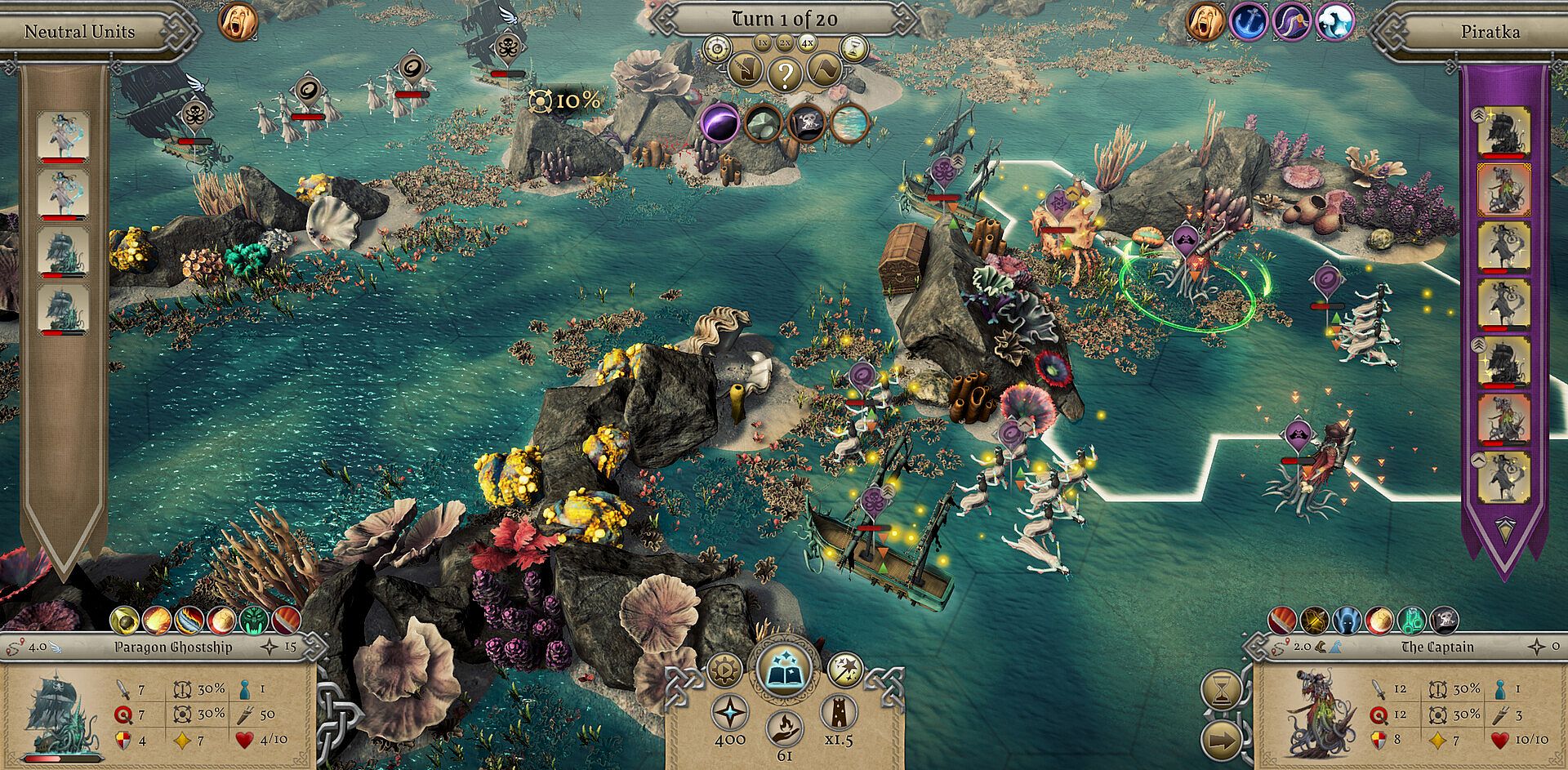
Master of Magic: Scourge of the Seas is a strategy expansion that adds naval and coastal elements to the core turn-based empire-building experience. Players take the role of wizards who expand territories, research spells, recruit units, and engage in tactical combat across procedurally generated maps that now include extensive water areas. The title blends strategy, simulation, and light RPG progression through hero management and trait acquisition, with a focus on resource control and magical dominance.
Gameplay
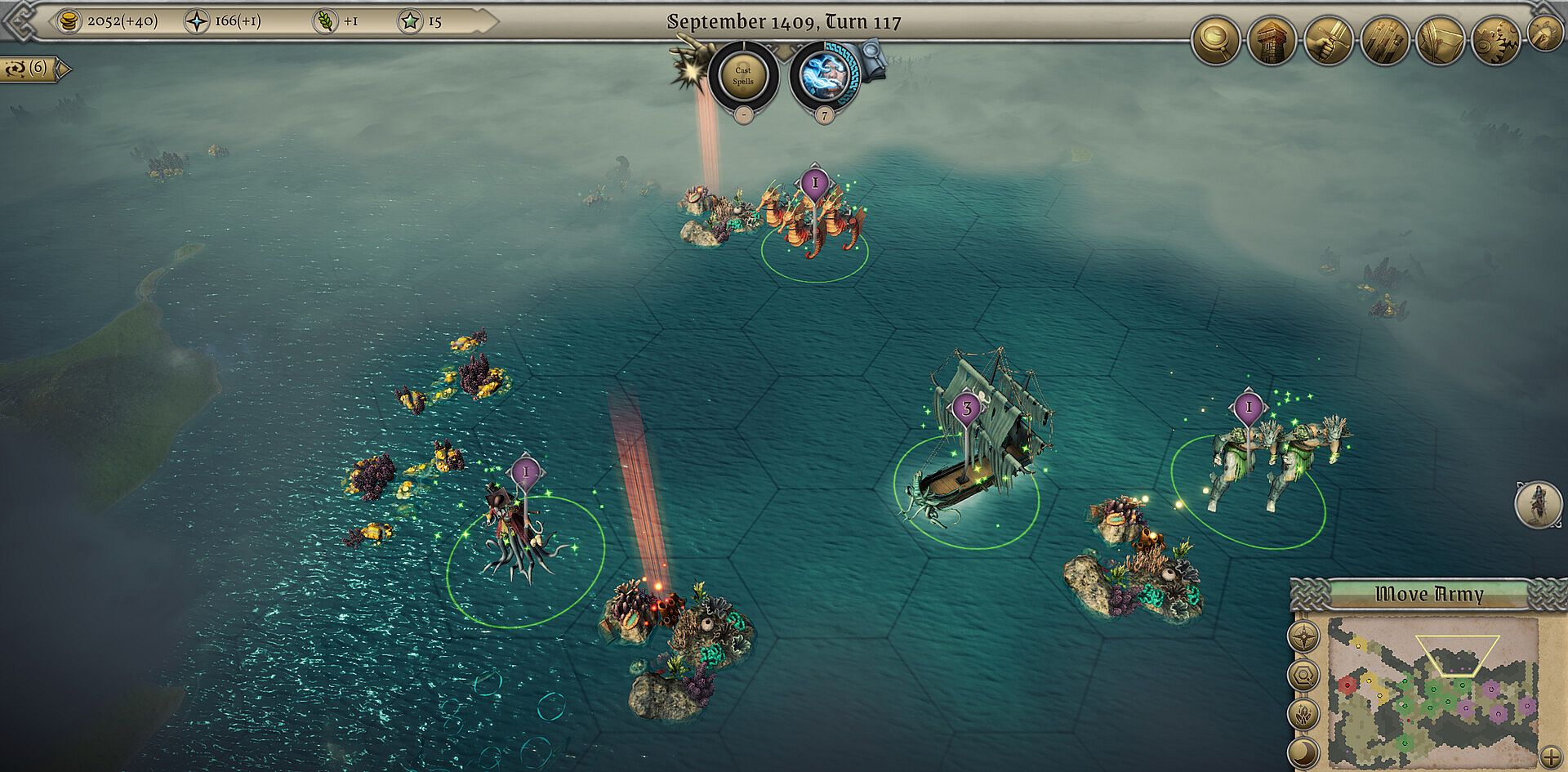
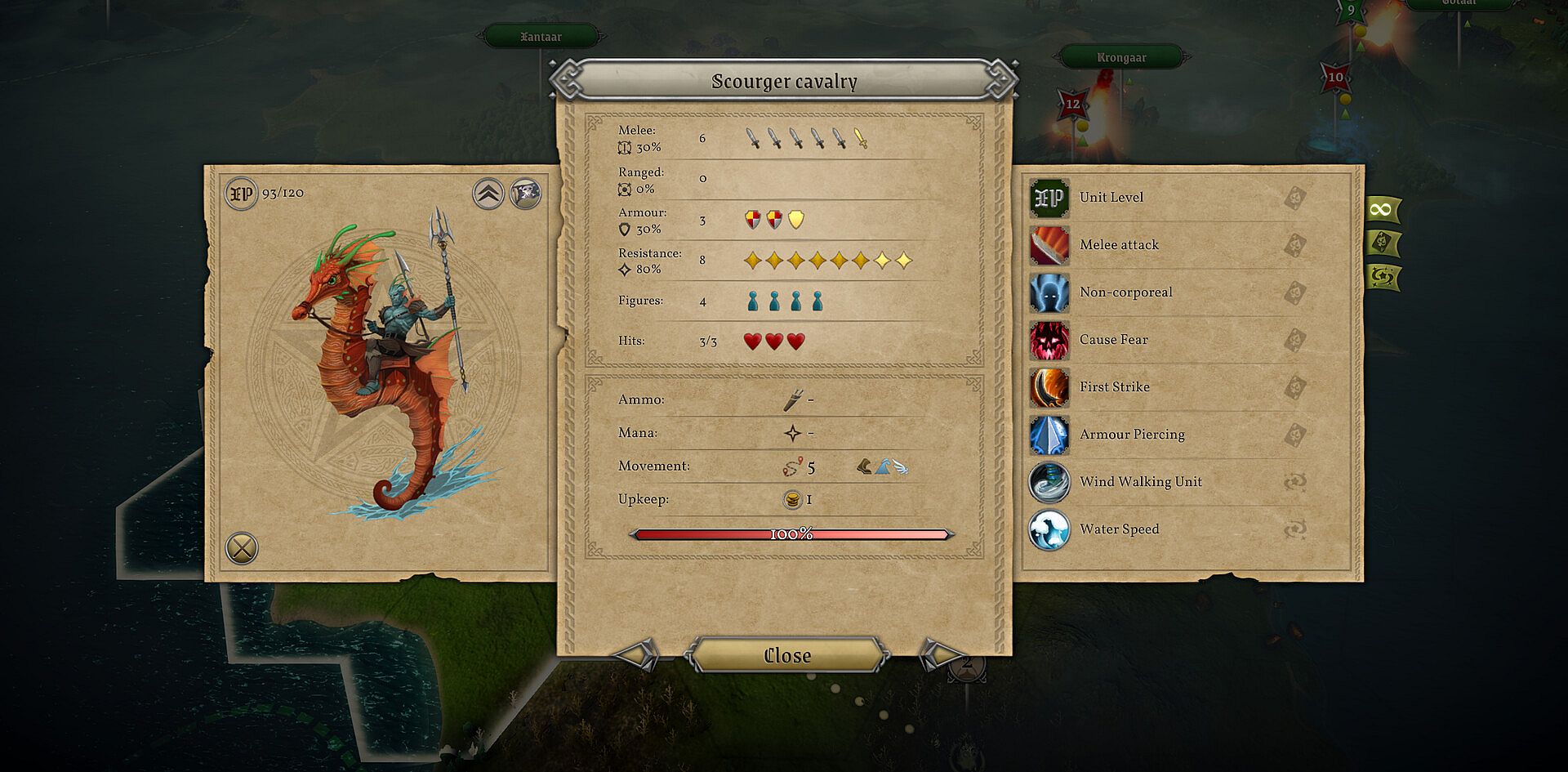
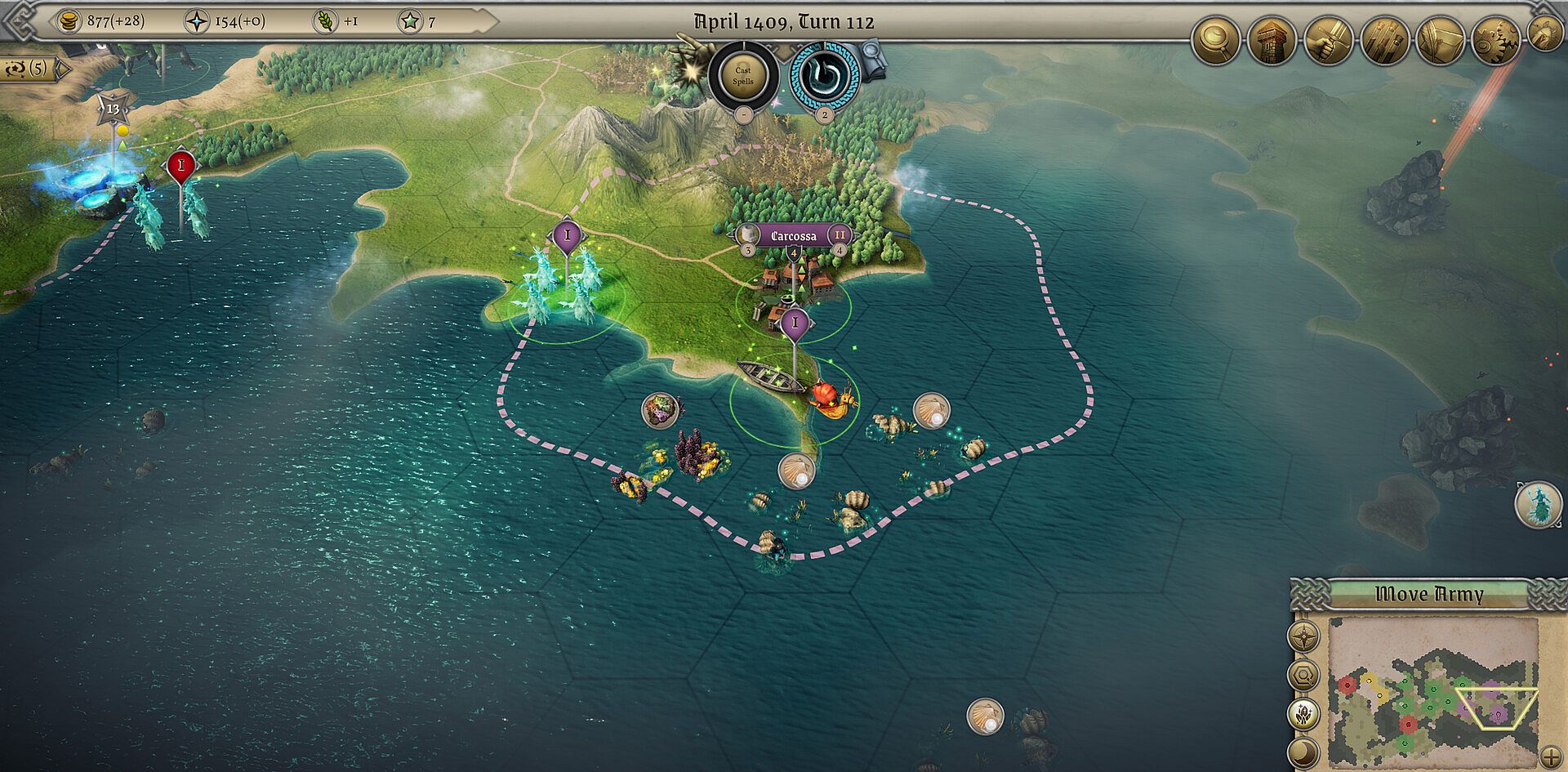
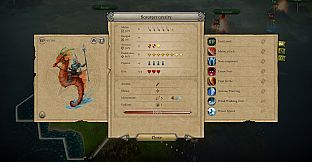
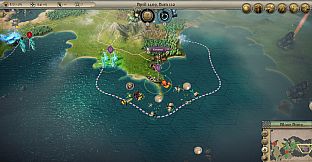
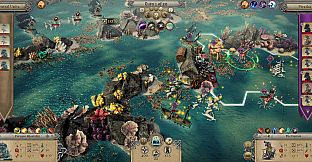
The core loop centers on city development, spell research, and army command in a fantasy setting. Wizards select from an expanded roster that includes four new powerful options, each bringing distinct magical affinities and starting advantages. Exploration expands to sea regions where units can move freely between land and water thanks to the new Scourger race mechanics. Scourgers function as a playable faction of spectral beings with pirate origins, featuring specialized buildings that boost naval capabilities and unique units optimized for amphibious operations.
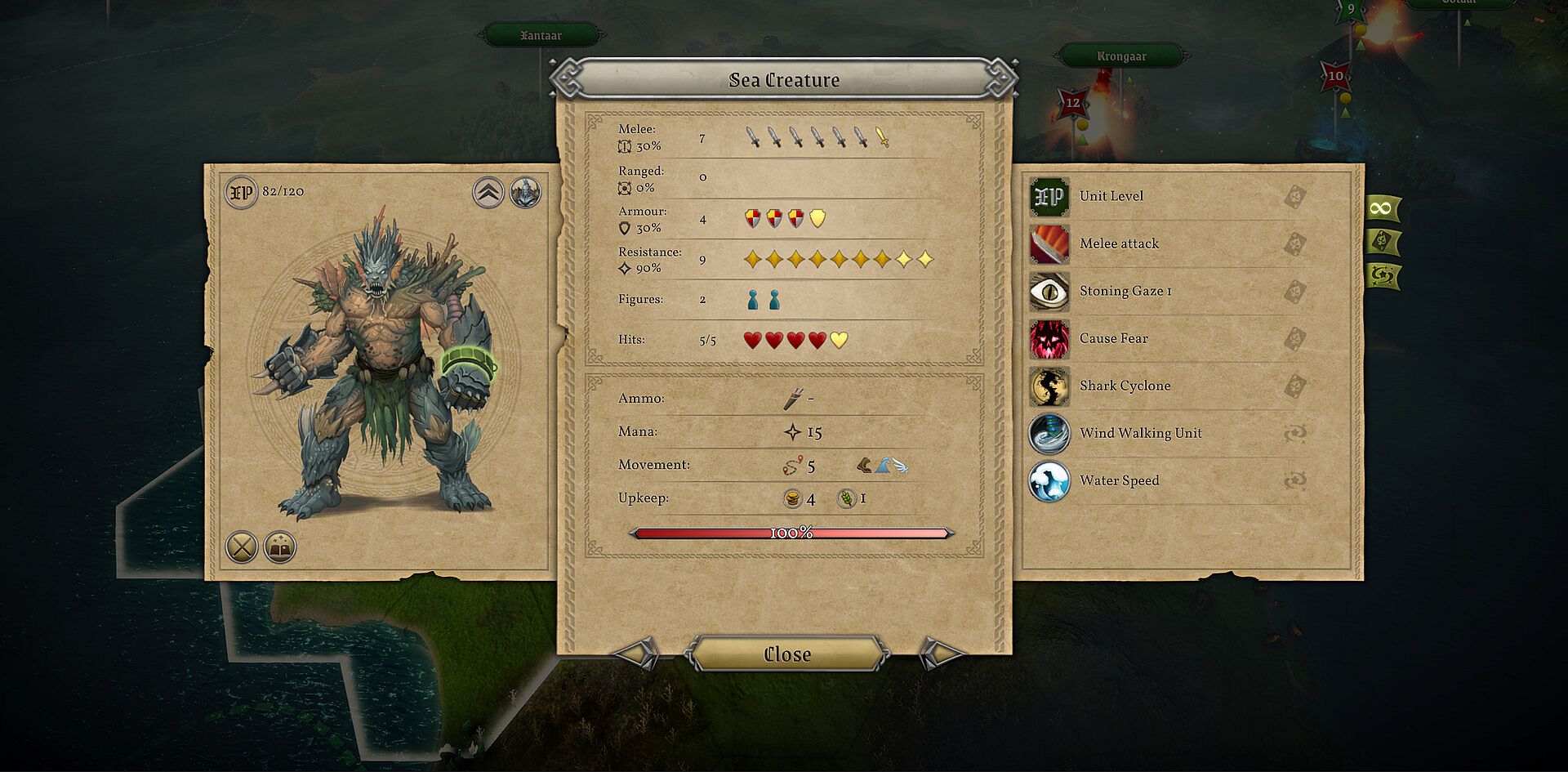
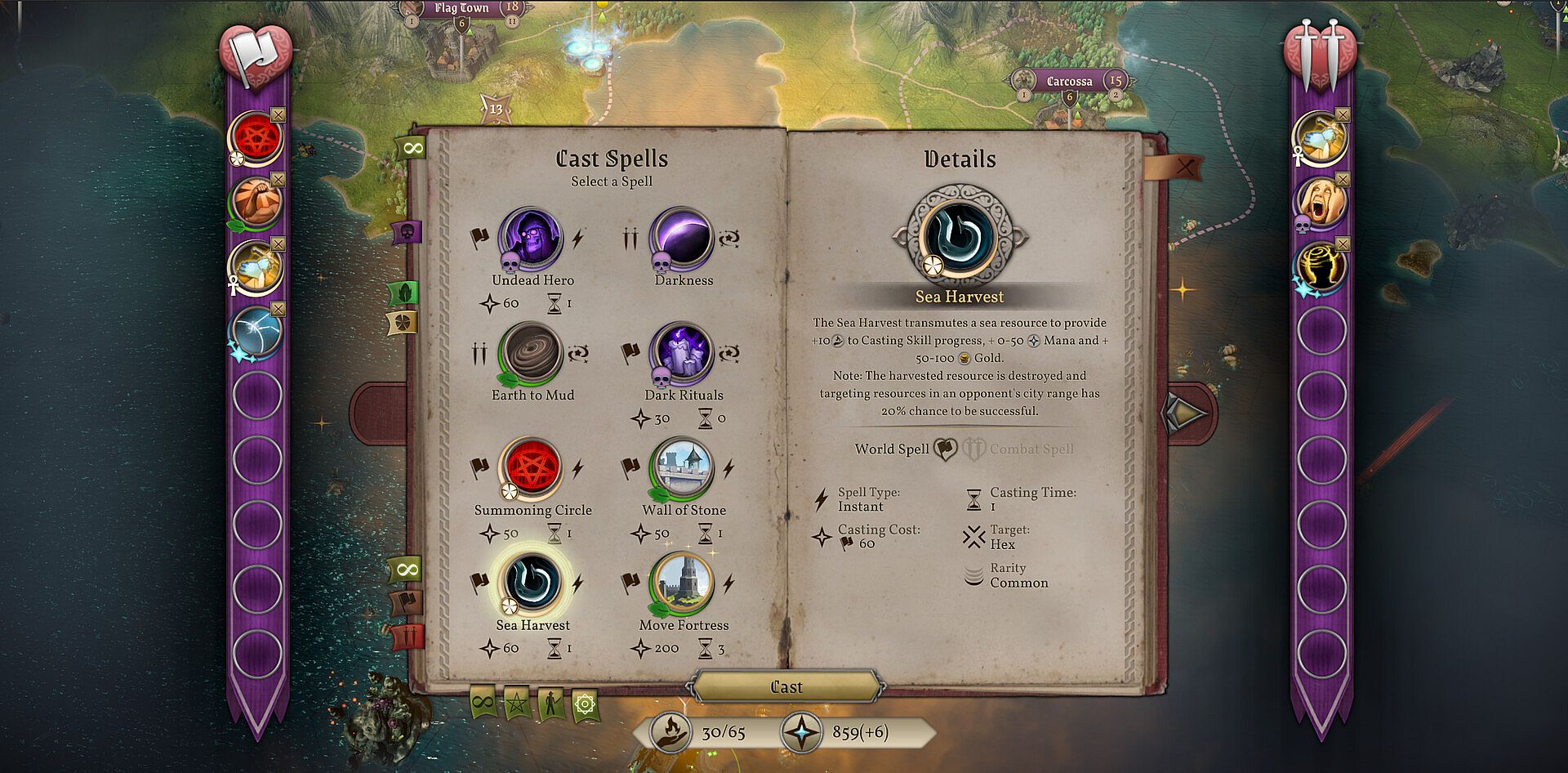
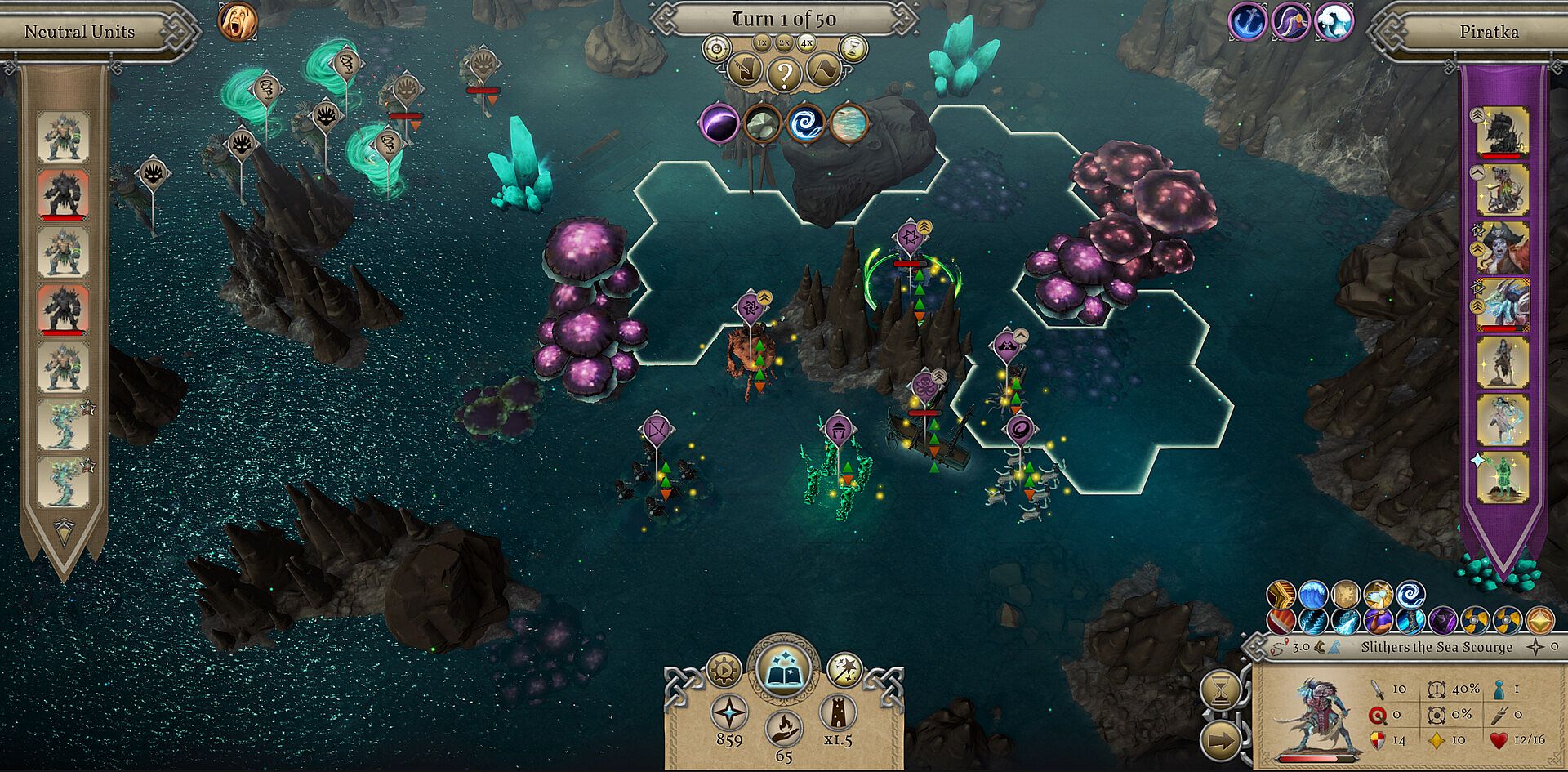
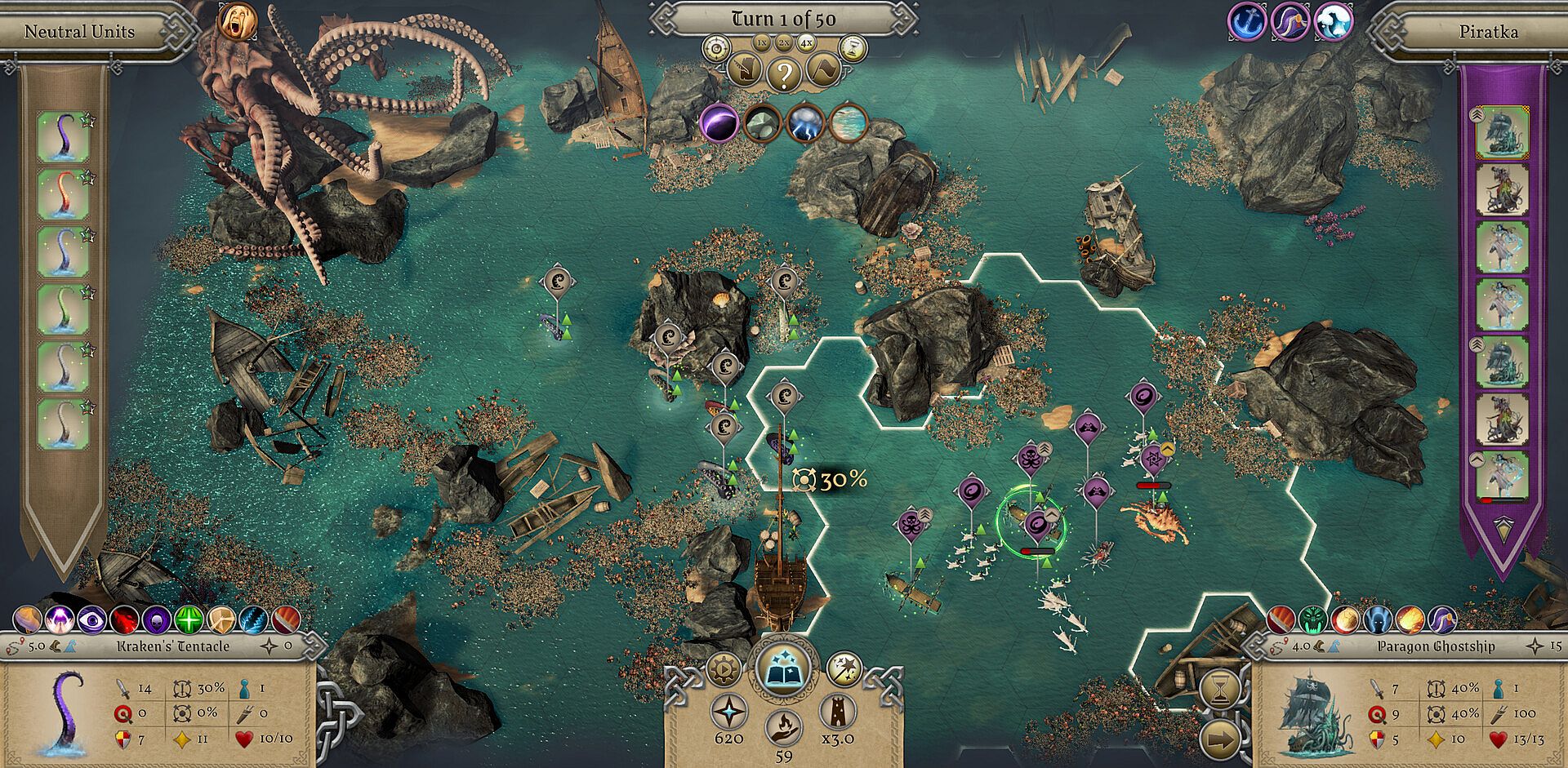
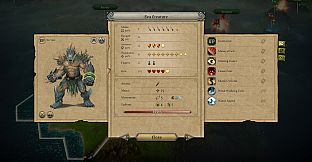
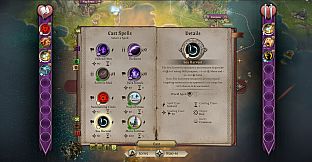
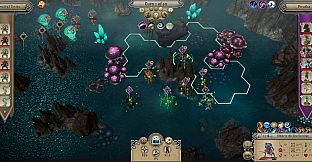
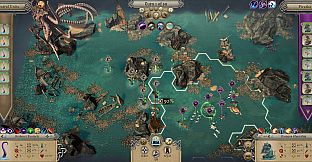
Resource management gains depth through three new map elements: pearls, reef, and fish. These support shoreline city growth and can be harvested even outside normal catchment zones via a dedicated Arcane spell. Combat incorporates improved water visuals and movement rules, allowing non-aquatic units to use rafts for crossing. Heroes join forces through events tied to their backstories, providing skills that influence battles and city production. Boss encounters in specific lairs introduce high-stakes fights against creatures like the Kraken, which reward exclusive Wizard Traits upon victory.
Game Modes
Play revolves around single-player scenarios and campaign-style conquest on maps that integrate the new sea features. Standard empire expansion pits wizards against AI opponents in matches that emphasize long-term planning, magical research trees, and territorial control. The addition of water lairs and resources encourages adapted strategies focused on coastal strongholds and naval routes. Hero recruitment and event chains add narrative layers to these matches without altering the fundamental turn structure.
Exploration and combat remain central across all sessions, with the new locations such as Reef Island and Wind Caves serving as optional high-reward zones. Players balance land-based growth with sea resource exploitation to gain edges in later stages of a match. The system supports varied wizard builds through the new traits and retorts that alter spell effectiveness and unit performance.
New Content and Mechanics
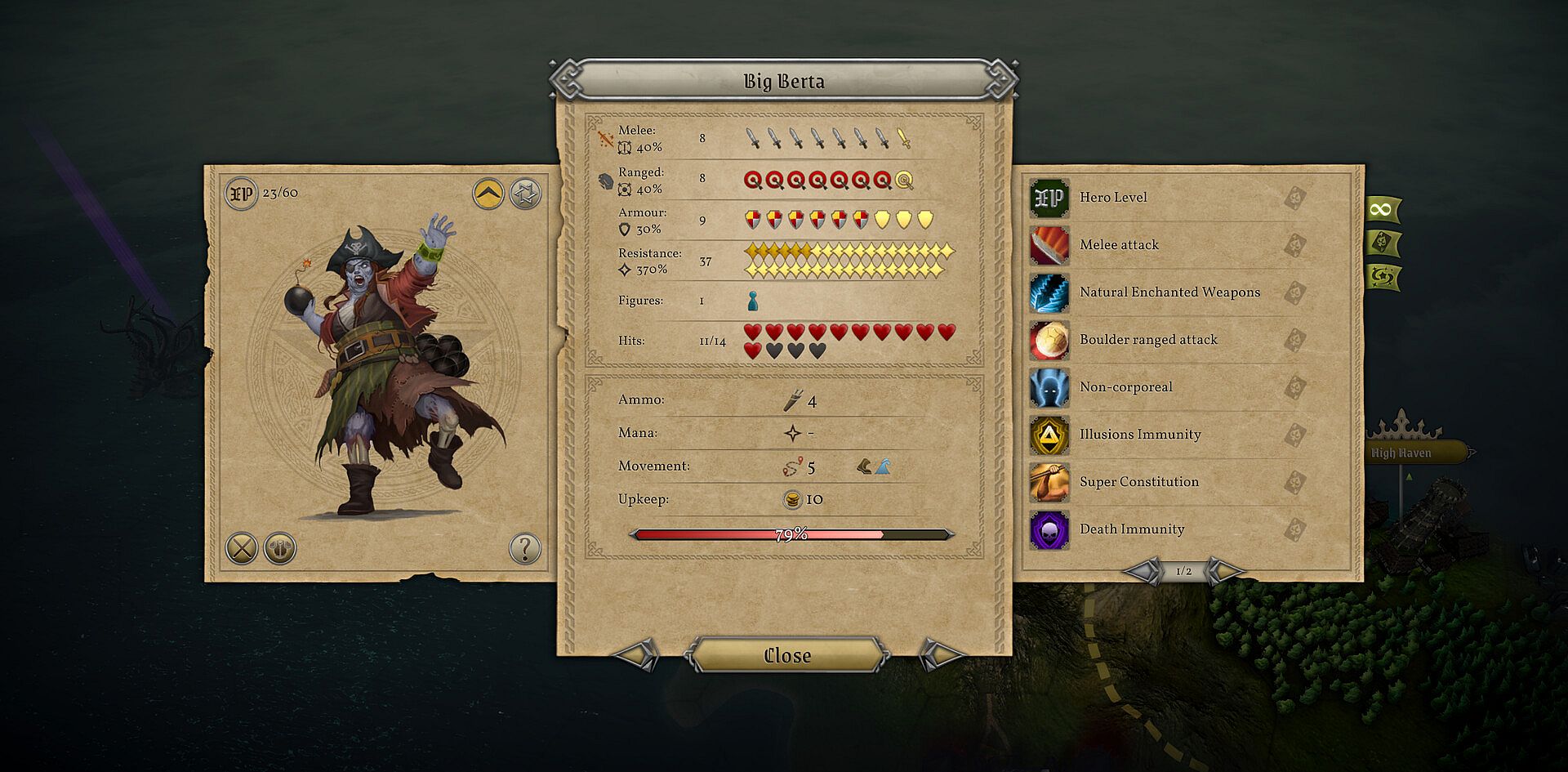
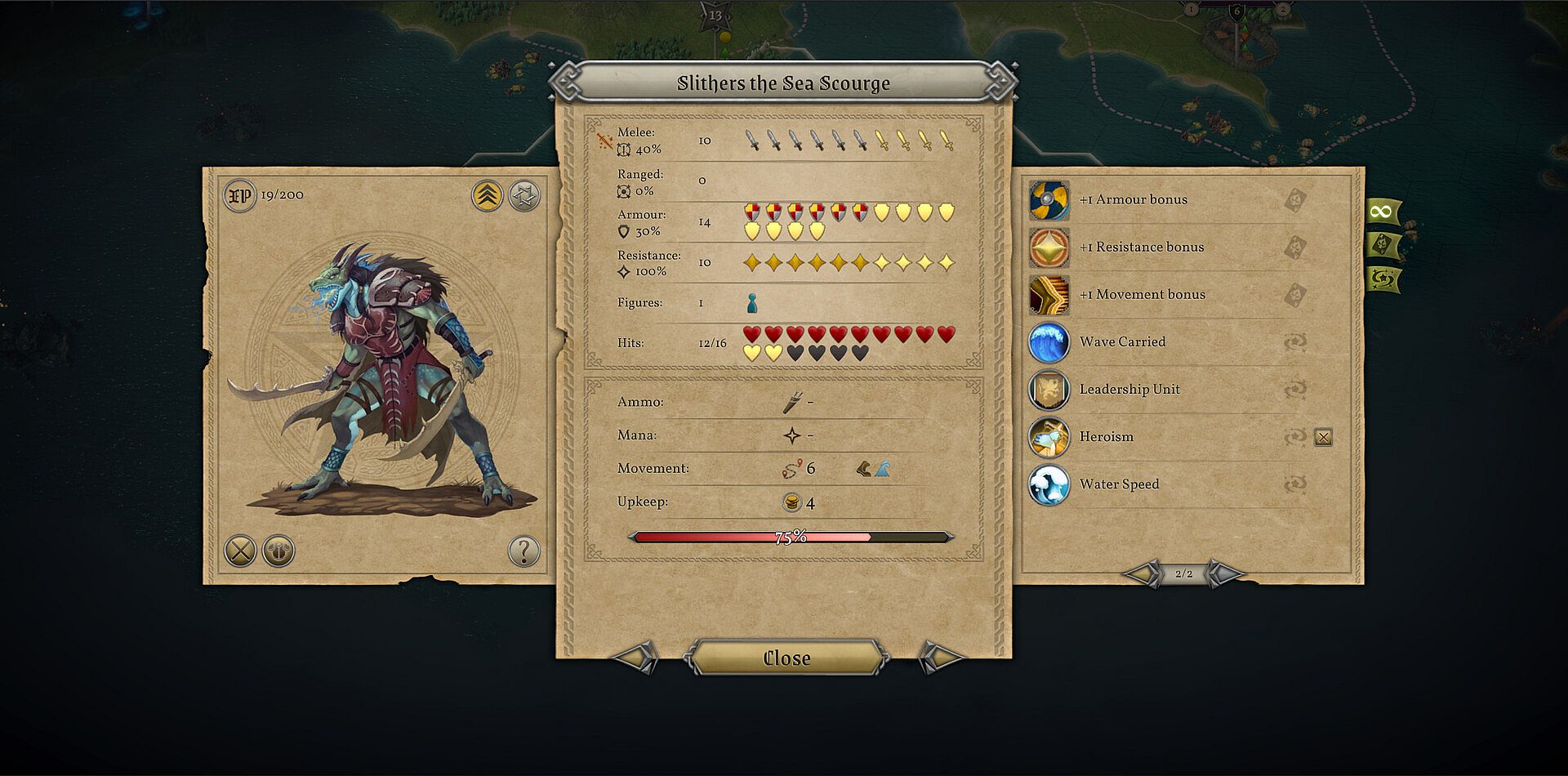
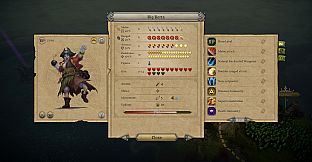
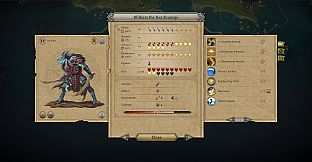
Three heroes arrive with dedicated story events and skill sets: Ph'ym the Philomath, Big Berta, and Slithers the Sea Scourge. Each offers services that scale with player investment and can shift the balance in prolonged conflicts. The Scourger race integrates directly into faction selection, bringing cursed spectral units that excel in mobility and resource raiding. New water lairs function as fixed challenge points that test army composition and magical preparation.
Wizard Traits earned from boss victories provide permanent upgrades unavailable through normal progression. These complement the four new wizards and expand customization options for spell schools and retorts. The overall addition emphasizes hybrid land-sea play without requiring changes to existing base mechanics.
Is It Worth Playing?
Reception from the small pool of available player feedback highlights the value of the new retorts, race, and water systems for those already invested in the base game. Reviewers note that the Scourger faction and sea resources create fresh strategic choices, particularly in maps with significant water coverage. The expansion integrates cleanly with prior content, extending match length and replay variety through the added lairs and hero events.
It suits players who enjoy detailed 4X strategy with magical customization and incremental map expansions. Those seeking substantial new single-player content focused on naval adaptation and boss challenges will find the additions worthwhile. Limited review volume means broader consensus remains developing, yet early comments consistently praise the quality of the implemented features over quantity.