










Hunt: Showdown 1896 is an action extraction shooter set in a corrupted version of the late 19th century American South. Players take on the role of hunters who enter dangerous bayou compounds to track and eliminate monstrous bosses while competing against other players for the same targets. The core loop revolves around gathering clues, locating contracts, banishing bosses, and extracting with valuable tokens before rival teams intervene or environmental threats end the run.
Gameplay
The experience emphasizes deliberate pacing and audio awareness above all else. Every footstep, reload, and distant gunshot carries across the map, allowing skilled players to locate threats or opportunities without direct line of sight. Combat favors precise aiming and positioning over rapid fire, with weapons featuring distinct handling characteristics, recoil patterns, and effective ranges that reward familiarity.
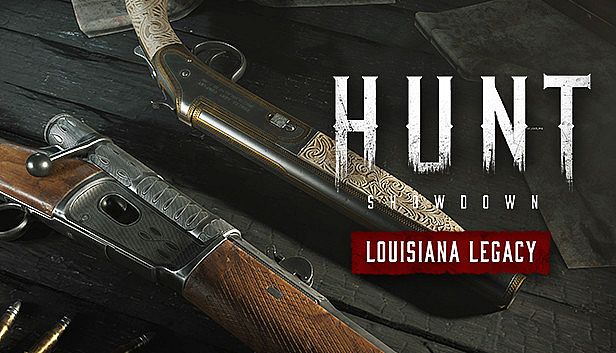
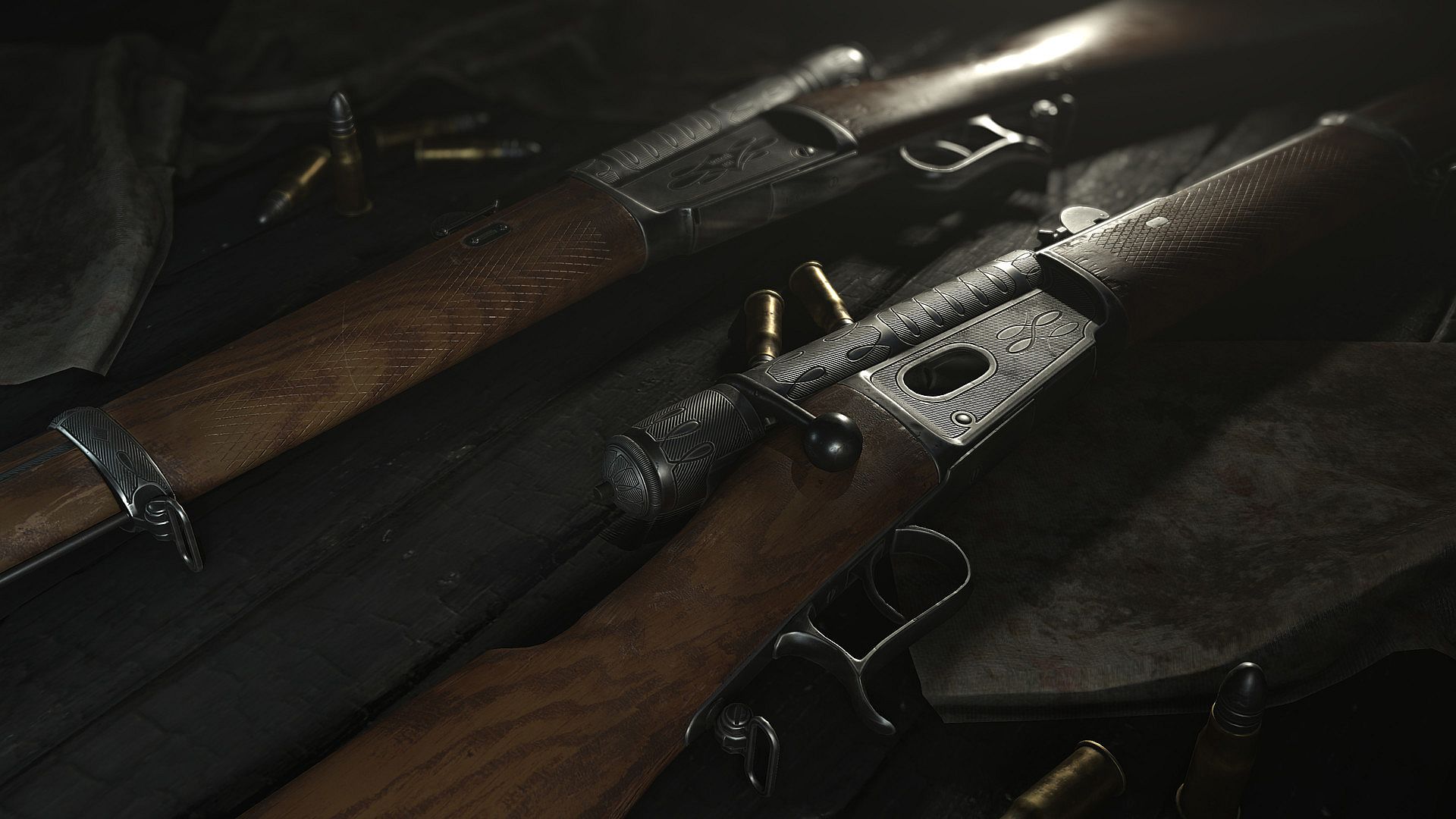
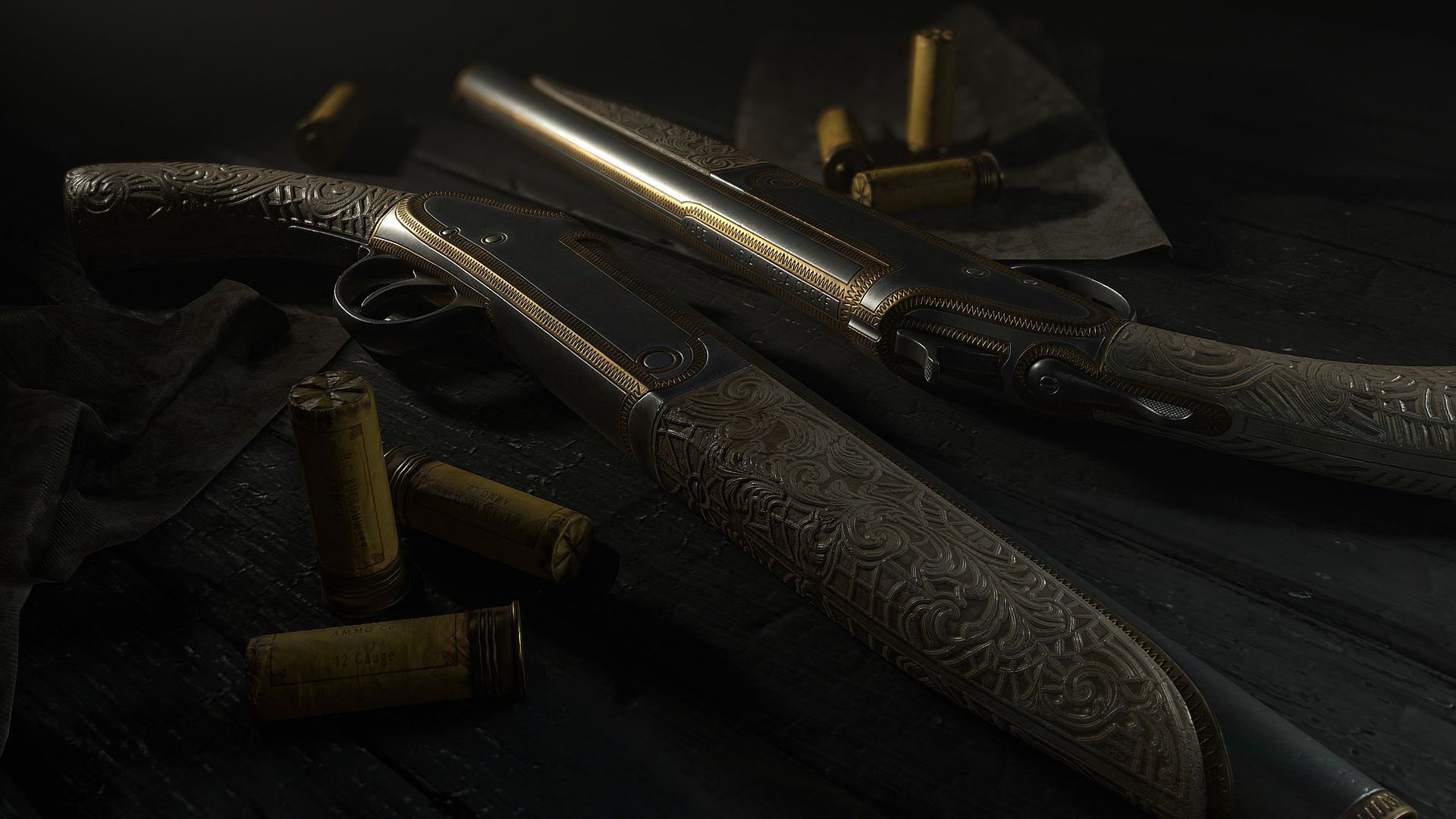
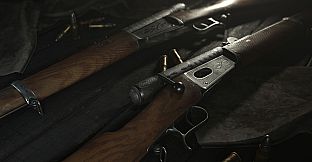
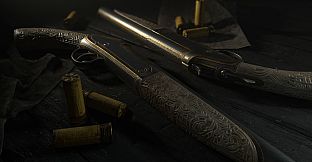
Hunters manage health in segmented chunks that can be permanently damaged by certain attacks, requiring careful resource management during extended fights. Status effects from environmental hazards or enemy abilities add layers of risk that must be countered with consumables or traits. The Louisiana Legacy content introduces two specialized firearms that expand loadout options: the Mountain Air, a Vetterli 71 Karabiner engraved with patterns evoking alpine landscapes, and the Antebellum Wit, a Romero 77 Handcannon finished in nickel plate with gold accents and an ivory stock. These pieces integrate into the existing arsenal of period-appropriate rifles, shotguns, and pistols, each suited to different engagement distances and team compositions.
PvE elements include roaming monsters and powerful boss targets that demand coordinated effort or clever solo tactics to defeat. Extraction points become focal points of tension once a bounty is secured, often turning into last-stand scenarios against incoming players.
Game Modes
Bounty Hunt serves as the primary competitive format. Up to twelve participants enter in solo, duo, or trio squads to pursue contracts on boss monsters scattered across the map. Teams locate targets through clue gathering, banish them to claim tokens, and attempt extraction while fending off rivals. Matches support variable team sizes and encourage both stealthy approaches and aggressive confrontations.
Soul Survivor operates as a solo-focused variant with battle-royale influences. Participants compete to activate rifts and become the Wellspring, absorbing energy while others attempt to eliminate the leader before the timer expires. The mode strips away team coordination in favor of individual survival and opportunistic play.
Bounty Clash provides a condensed alternative that accelerates the pace with immediate boss contracts and tighter compound-focused action. It maintains the same core risk-reward structure but reduces overall match duration for quicker sessions.
Progression and Systems
Hunters advance through repeated matches by earning experience that unlocks traits, upgrades weapon handling, and improves survival chances. Loadouts combine firearms with tools, consumables, and passive abilities that shape playstyles around stealth, aggression, or support roles. The game maintains ongoing events and seasonal content that introduce temporary modifiers and new contracts without altering the fundamental ruleset.
Sound propagation remains one of the most refined systems, where suppressed weapons, environmental audio cues, and vertical map layers create layered information warfare. Players who master reading the soundscape gain consistent advantages in both PvE clears and PvP ambushes.
Is It Worth Playing?
The title delivers a distinctive blend of extraction tension and horror atmosphere that appeals to players comfortable with high-stakes multiplayer sessions and a steep initial learning curve. Matches reward patience and map knowledge more than raw reflexes, creating memorable moments of outmaneuvering opponents through superior positioning or timing.
Reception remains mostly positive, with the majority of players highlighting the satisfying gunplay and immersive audio design as standout features. Active development continues with regular events and balance adjustments that keep the experience fresh for returning participants. Those who enjoy tactical decision-making under pressure and are willing to invest time learning weapon behaviors and audio cues will find substantial depth. Players seeking faster-paced or more forgiving shooters may find the deliberate pace and permanent consequences less appealing. The game supports both solo and group play, though coordination with teammates amplifies success rates in the standard contract mode.