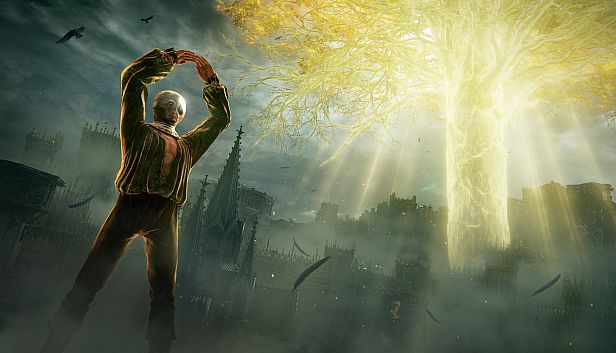


Elden Ring stands as a prominent action RPG available on Xbox One and Xbox Series consoles. Players navigate a vast open world filled with intricate combat encounters and character development systems. The title includes the bonus gesture known as The Ring, which functions as an in-game emote that can also be unlocked through cooperative play with others who possess it from the original pre-order period.
Gameplay
Core gameplay revolves around deliberate, timing-based combat where positioning and resource management prove essential. Players select from various starting classes that influence initial attributes, equipment, and spells before venturing into the Lands Between. Melee strikes, ranged attacks, and magic all integrate into fluid sequences, with dodging and blocking serving as primary defensive tools against enemy patterns.
Exploration encourages thorough investigation of environments, where hidden paths and optional challenges reward persistence. The mount Torrent facilitates faster travel across diverse terrains, while sites of grace act as checkpoints for resting, leveling up, and managing inventory. Spirit ashes allow summoning of allies to assist in tougher fights, adding layers to encounters without altering the fundamental risk-reward structure.
Character progression ties directly to attribute allocation and weapon upgrades, enabling builds focused on strength, dexterity, intelligence, or faith. Status effects and elemental affinities add depth to equipment choices, encouraging experimentation across multiple playthroughs. The bonus gesture The Ring integrates seamlessly as a communicative emote during these sessions.
Game Modes
Elden Ring operates primarily as a single-player experience centered on personal progression through its interconnected world. Optional online connectivity expands this foundation through cooperative sessions for boss encounters and competitive player-versus-player interactions in designated areas.
No separate named modes exist beyond the core campaign structure. Multiplayer elements activate via summoning signs or invasions, allowing temporary collaboration or conflict that influences the shared world state for participants. The gesture The Ring enhances these interactions by providing an additional expressive option during co-op.
Exploration and Progression
Progression systems reward careful attribute investment and discovery of new weapons, armor, and spells scattered throughout the landscape. Night and day cycles along with weather variations subtly affect visibility and enemy behavior during extended sessions. Players return to earlier regions with improved capabilities to tackle previously inaccessible content.
Build customization remains flexible, with respec options available at certain points to refine approaches. This flexibility supports varied strategies, from aggressive melee rushes to methodical ranged or magical setups. The overall loop emphasizes learning enemy tells and adapting tactics rather than relying on overwhelming power.
Is It Worth Playing?
Elden Ring suits players who appreciate demanding action RPGs with emphasis on skill and discovery. Its combat demands attention to timing and positioning, delivering satisfaction through mastery of complex encounters. Those drawn to open-world exploration paired with meaningful character growth will find substantial depth in the systems.
Ongoing patches continue to address balance and technical aspects years after launch, maintaining accessibility on Xbox platforms. The inclusion of the bonus gesture The Ring adds a minor but functional element for social play. Individuals seeking a focused, challenging single-player journey with optional multiplayer support will likely appreciate the experience, while those preferring lighter difficulty or structured multiplayer modes may find the demands steep.