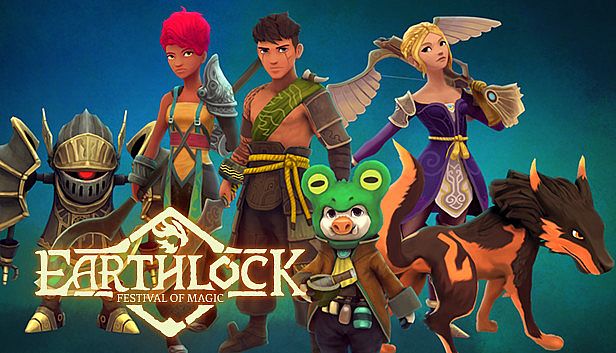










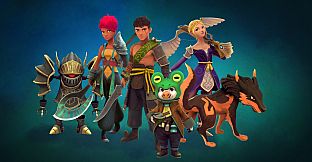
Earthlock: Festival of Magic is an indie role-playing game with adventure elements set on the planet Umbra. Players control a party of heroes through exploration and turn-based battles in a single-player experience available on PC.
Gameplay
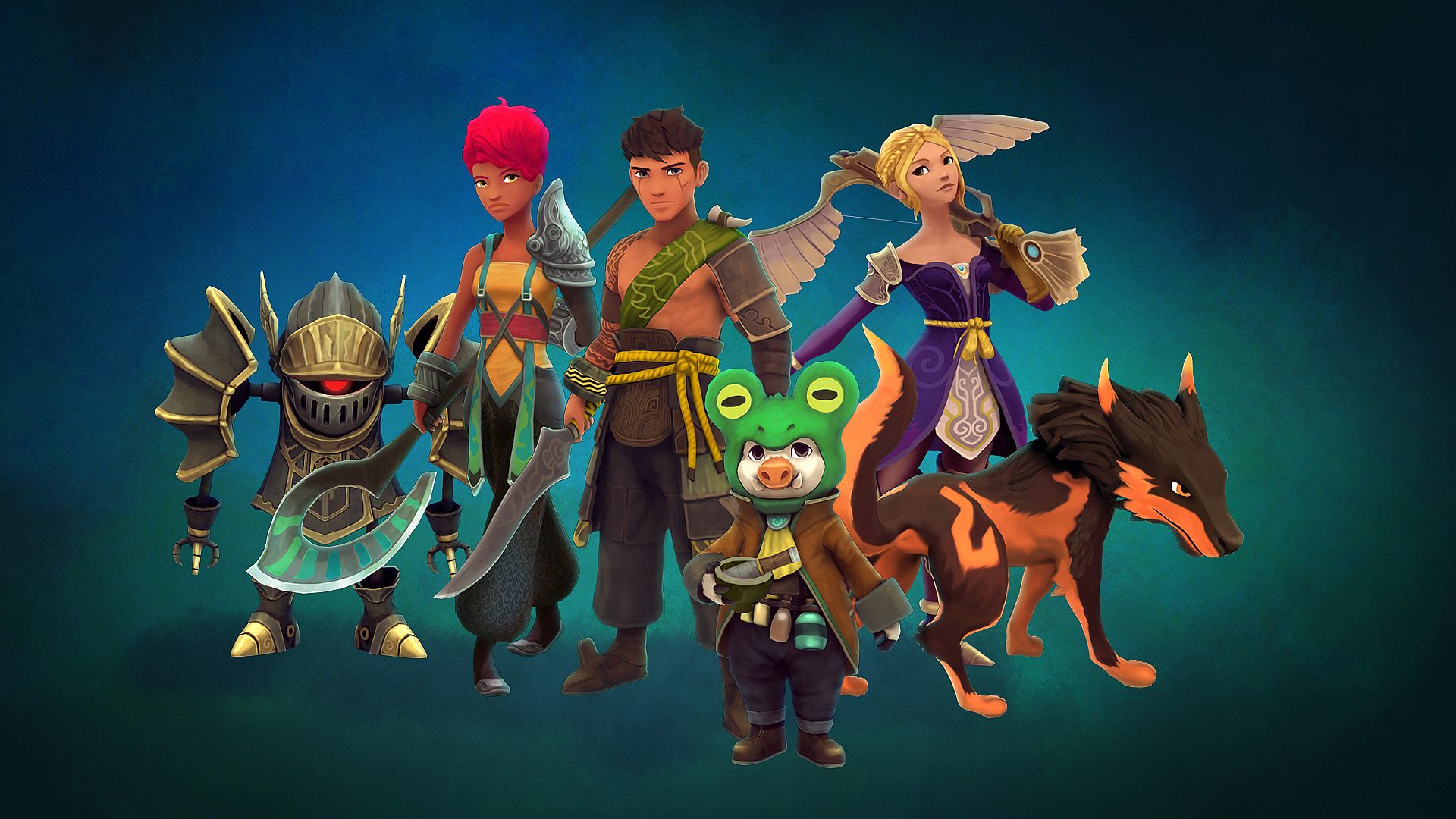
The core loop centers on exploring the world of Umbra while managing a party of up to four characters selected from six available heroes. Enemies appear visibly on the overworld map rather than through random encounters, allowing players to engage or avoid them. Approaching foes triggers a circular meter that determines who acts first in combat.
Combat unfolds in a traditional turn-based format where each character has access to two distinct stances. Switching stances costs a turn and opens different sets of abilities. A shared resource called amri powers most actions and regenerates one unit per turn, encouraging careful management during longer fights. Characters paired together build bonds through shared battles, unlocking passive perks and powerful combined abilities once the bond meter fills.
Outside of combat, progression relies on a talent board system. Players earn talent points from leveling and bond growth to place cards in stat, perk, or ability slots. This setup allows flexible builds that can be adjusted between encounters. A home island serves as a base for harvesting materials, crafting items, and growing resources to support adventures.
Environmental puzzles appear throughout dungeons and areas, often requiring character-specific interactions or color-coded energy activation. The game emphasizes strategic preparation over raw power, with visible enemy weaknesses and bestiary tracking aiding tactical decisions.
Game Modes
Earthlock: Festival of Magic offers a single-player campaign focused on story progression and world exploration. There are no multiplayer components or separate competitive modes. The experience revolves around the main journey across varied regions including deserts, oceans, and snow-covered lands, with optional side exploration and base management on the home island.
Players advance through linear story sections punctuated by battles, puzzles, and character recruitment. Party composition can be swapped freely outside combat to adapt to different challenges, though the core structure remains a continuous single-player adventure without branching paths or alternative modes.
Character Progression and Customization
Each hero brings unique abilities tied to their stances and background. Talent points feed into the board for targeted upgrades, while bond levels between paired characters add further layers of synergy. This combination rewards experimentation with different pairings and card placements to handle specific enemy types or boss encounters.
Resource management extends to ammunition for certain ranged attacks, which players can replenish through island gardening and crafting. The system ties exploration rewards directly to combat effectiveness over repeated play sessions.
Is It Worth Playing?
The game appeals most to players who enjoy classic turn-based RPG mechanics with added layers of strategy through stances, bonds, and customizable talent boards. Its visible enemy encounters and first-strike system provide a deliberate pace that rewards planning and patience during tougher sections.
Some sections feature noticeable grinding to overcome level caps or challenging bosses, and the overall campaign follows a straightforward path. Reception among players highlights the satisfying combat depth and charming presentation, though opinions vary on story pacing and total content volume. Those seeking a focused single-player RPG experience with tactical combat will find the most value here, particularly if they appreciate older JRPG influences updated with modern indie touches.