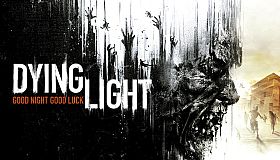















Dying Light delivers an open world action RPG experience centered on survival in a zombie overrun city. Players take on the role of a survivor who must scavenge resources, manage stamina, and use both agility and weaponry to stay alive against hordes of infected. The core loop combines exploration across a vertical urban environment with resource management and combat encounters that shift in intensity based on the time of day.
Gameplay
Movement forms the foundation of every session. Parkour allows quick traversal over rooftops, through buildings, and across streets while avoiding ground level threats. Stamina management dictates how long players can sprint, climb, or vault, forcing careful planning during escapes or pursuits. Combat emphasizes melee weapons that degrade over time, encouraging players to craft or find replacements from scavenged parts. Firearms appear later and serve as limited options rather than primary tools.
The day and night cycle directly affects enemy behavior. Daylight hours feature slower, less aggressive infected that can be dispatched with standard tactics. Night brings faster and more dangerous variants that require different approaches, often pushing players toward safer indoor areas or prepared defenses. Crafting systems let survivors combine found materials into better weapons, traps, and consumables that support both solo and group play.
Skill progression adds RPG depth through a tree that rewards consistent use of parkour, combat, or survival actions. Unlocking new abilities improves movement speed, damage output, or crafting efficiency, giving long term goals beyond the main story path. The open world contains multiple districts with distinct layouts, side objectives, and hidden caches that reward thorough exploration.
Game Modes
Single player campaign forms the main experience. It follows a structured narrative across the city while allowing free roaming once areas open up. Progress carries over between sessions, and difficulty scales with player level and equipment choices.
Cooperative play supports up to four participants in the same world. Friends or random players can join to tackle missions, clear outposts, or simply explore together. Shared resources and simultaneous combat create different tactical options compared to solo runs.
Be the Zombie introduces asymmetric multiplayer. One player controls a powerful infected variant that invades another session, while the remaining players defend against the threat. This mode uses the same map and movement systems but flips the power dynamic, requiring coordination on both sides to succeed.
Survival and Progression Systems
Resource scarcity drives many decisions. Players must balance inventory space between weapons, healing items, and crafting components while moving through dangerous zones. Night runs increase risk but often yield better loot, creating meaningful trade offs.
Outpost clearing and safe house upgrades provide tangible benefits. Securing locations reduces enemy spawns in surrounding areas and unlocks fast travel points. These systems encourage repeated visits to different parts of the map as skills improve.
Enemy variety expands over time. Basic infected give way to specialized types with unique attacks, while environmental hazards like toxic zones add further layers to navigation and combat planning.
Is It Worth Playing?
Dying Light suits players who enjoy fluid movement combined with survival tension and optional co-op. The parkour and melee focus create a distinct rhythm that rewards practice and adaptation. Those who prefer pure shooting or linear stories may find the emphasis on exploration and resource management less appealing.
The game maintains an active player base years after release, with co-op sessions readily available. Its systems remain consistent and functional on PC without requiring additional expansions for the core campaign and modes. For fans of open world zombie survival that prioritizes mobility and crafting over constant gunplay, the experience continues to deliver engaging sessions.
- Strong emphasis on day night enemy differences
- Skill based progression tied directly to play style
- Co-op integration that scales with group size