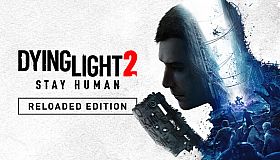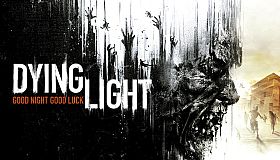
















Dying Light is a first-person action survival game set in an open world ravaged by a zombie outbreak. Players take on the role of an agent navigating the quarantined city of Harran, where movement and resource management determine survival against hordes of infected.
Gameplay
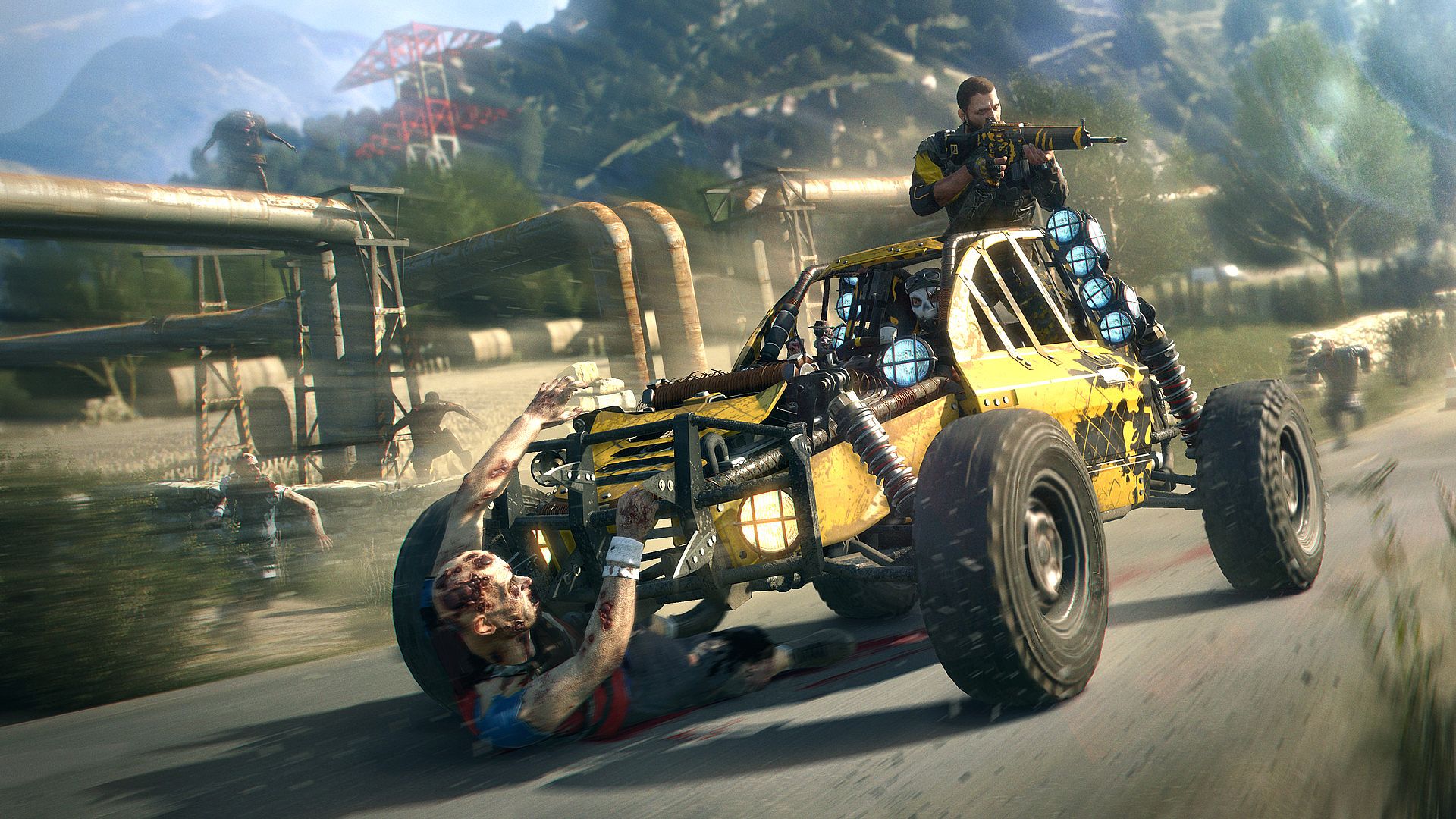
The core loop revolves around exploration, scavenging, and combat in a large urban environment. Parkour forms the foundation of traversal, with players climbing buildings, leaping between rooftops, sliding down slopes, and using a grappling hook for rapid repositioning. During daylight hours the infected move slowly and pose limited threats, allowing focus on looting supplies and crafting improvised weapons from found materials. At night the situation shifts dramatically as the infected become faster and more aggressive, with specialized nocturnal predators emerging to hunt active players.
Progression involves skill trees that improve parkour abilities, combat effectiveness, and survival traits. Players craft melee weapons, ranged firearms, and throwable items while managing stamina and health. Safe zones scattered throughout the map provide respite, vendor access, and opportunities to accept tasks from survivors. The day-night cycle directly influences enemy behavior and player strategy, encouraging different approaches based on the time of day.
Game Modes
Single-player campaign serves as the primary experience, guiding players through the main narrative while offering side activities and exploration. Four-player cooperative sessions allow friends to join the campaign or tackle challenges together, including resource races and large-scale infected encounters. An asymmetric multiplayer option lets one participant control a powerful infected mutant known as the Night Hunter to invade other players' sessions, while the remaining participants defend objectives and attempt to eliminate the invader.
These modes emphasize cooperation during the day and heightened tension after dark. Community-created maps extend playtime with additional co-op scenarios once unlocked through updates.
Combat and Progression
Melee combat emphasizes timing and weapon durability, with blunt and edged tools requiring maintenance or replacement after repeated use. Firearms offer ranged options but demand careful ammo conservation. Skill development branches into survivor, agility, and power categories, each unlocking new movement techniques, attack combos, and defensive options. Loot tables reward exploration with better components for crafting and rare items that enhance specific playstyles.
Enemy variety includes standard infected, volatile night variants, and special infected types that demand adapted tactics. Environmental hazards and verticality add layers to encounters, rewarding creative use of the parkour system to gain advantages or escape overwhelming odds.
Is It Worth Playing?
Dying Light appeals to players who enjoy open-world survival combined with fluid movement systems and cooperative elements. Those drawn to parkour-focused traversal and crafting loops will find consistent engagement across the campaign and multiplayer options. The game maintains an active player base years after release, supported by ongoing community content and quality-of-life patches.
Reception highlights the satisfying combat loop and the tension created by the day-night cycle, though some note the story takes a backseat to gameplay systems. It suits solo adventurers comfortable with challenging nights as well as groups seeking shared zombie-clearing sessions. Availability on PC keeps it accessible for new players interested in the established mechanics without requiring additional expansions for the core experience.