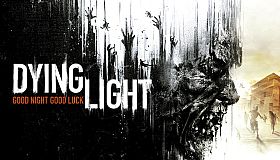
















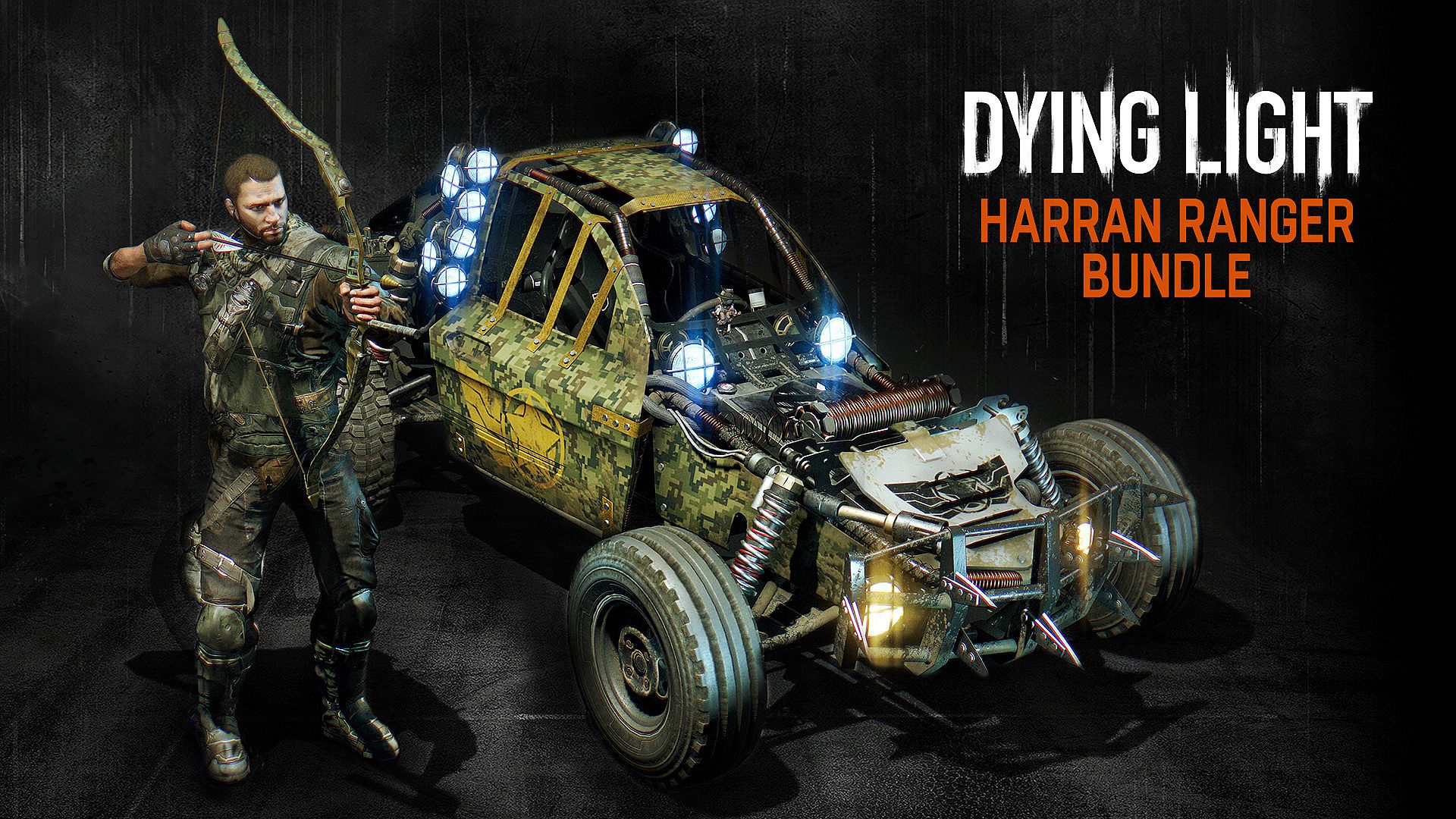
Dying Light is an action survival game with RPG progression elements set in the quarantined city of Harran. Players control operative Kyle Crane as he navigates streets and rooftops overrun by the infected while completing objectives for local factions.
Gameplay
The core loop centers on movement and resource management in an open world. Parkour allows traversal through climbing ledges, leaping gaps, sliding under obstacles, and zip-lining between buildings. This system ties directly into combat and exploration, letting players reposition quickly during encounters or reach elevated vantage points.
Combat emphasizes melee weapons that degrade over time and require crafting or scavenging for repairs and upgrades. Players gather materials to build improved tools and firearms, with headshots providing a reliable way to dispatch threats efficiently. Three separate skill trees track progress: Agility improves traversal speed and techniques, Power enhances close-quarters damage and stamina, and Survivor rewards quest completion and careful play.
A day and night cycle alters enemy behavior. Daylight offers safer scavenging and side activities, while darkness brings faster and more aggressive infected that demand stealth or prepared defenses. Factions such as the Runners based at the Tower and the bandit group led by Rais influence available quests and world interactions.
Game Modes
The main campaign supports solo play or cooperative sessions with up to three additional players. Shared progression lets the group tackle story missions, scavenge together, and defend against waves of infected.
Be the Zombie serves as the primary multiplayer mode. One participant assumes control of the Night Hunter, a specialized infected with its own abilities and nests to protect, while others attempt to locate and destroy those nests before their limited lives run out. This creates asymmetric matches that interrupt ongoing campaign sessions when enabled.
Exploration and Progression
Harran features distinct districts with vertical architecture that rewards thorough parkour routes. Airdrops, hidden caches, and dynamic events provide ongoing incentives to leave safe zones. Completing tasks for survivors or rival groups unlocks new equipment blueprints and fast travel options.
Death carries consequences during the day through loss of Survivor experience points, encouraging risk assessment before venturing out. Night runs focus more on evasion until better gear becomes available.
Is It Worth Playing?
The game suits players who enjoy first-person movement systems combined with crafting and light RPG leveling. Co-op sessions add coordination challenges during larger fights or nest hunts in Be the Zombie. Those seeking a focused single-player zombie experience with strong traversal mechanics will find consistent engagement across the campaign length.
Long-term support has kept the title accessible on PC with ongoing compatibility updates. It appeals most to fans of deliberate scavenging loops and asymmetric multiplayer rather than pure shooters or narrative-driven titles.