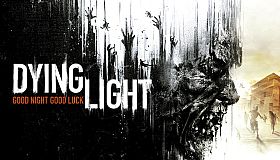

















Dying Light is a first-person action survival game that incorporates RPG progression systems. Players navigate a sprawling open world city filled with infected threats, relying on movement skills, resource management, and combat to survive. The experience blends exploration with tense encounters that shift based on time of day.
Gameplay
The core loop centers on fluid parkour traversal across rooftops and streets. Players climb, vault, and slide to reach new areas while avoiding or confronting groups of the infected. Combat emphasizes melee weapons that players craft from scavenged parts, allowing customization for different situations such as crowd control or single-target damage.
Resource gathering drives much of the activity. Survivors collect materials to build better tools and upgrades. A skill system lets players allocate points into categories like agility for better movement or power for stronger attacks, creating varied playstyles over time. The day and night cycle adds layers, with daylight offering safer scavenging and nighttime introducing faster, more aggressive enemies that demand careful planning.
Cooperative elements allow friends to join sessions for shared progress. This setup supports both casual exploration and coordinated efforts against larger threats. The RPG aspects appear in character development, where repeated actions improve specific abilities and unlock new options for handling the environment.
Game Modes
The main campaign provides a structured single-player experience focused on objectives within the open world. Players complete tasks while managing survival needs and uncovering more of the city layout.
Co-op multiplayer supports up to four participants in the same world, enabling joint scavenging runs and combat against infected hordes. Sessions maintain shared progression so that advancements carry over across play.
Be the Zombie mode flips the perspective, letting one player control a powerful infected creature while others defend as survivors. This creates asymmetric matches centered on pursuit and evasion tactics.
Progression and Mechanics
Character advancement comes through a branching skill tree that rewards different approaches. Agility paths enhance parkour speed and distance, while combat paths improve weapon handling and damage output. Players experiment with loadouts to suit their preferred tactics.
Crafting remains central, turning everyday items into effective weapons and gadgets. Blueprints expand options as players discover new combinations. The system encourages experimentation without requiring external purchases.
Inventory management adds strategy. Limited space forces decisions on what to carry during outings, balancing offensive tools against healing items and crafting components.
World and Atmosphere
The setting depicts a quarantined city under constant threat from a viral outbreak. Detailed environments reward thorough exploration with hidden supplies and vantage points. Lighting and sound design heighten tension, especially during transitions to night.
Random encounters and dynamic infected behavior keep routes unpredictable. Players learn to read the surroundings for safe paths and ambush opportunities. The world supports both methodical clearing of areas and rapid escapes when outnumbered.
Is It Worth Playing?
Dying Light suits players who value parkour-driven movement combined with survival crafting and melee combat. Those interested in open-world zombie scenarios with co-op options will find consistent engagement through its systems.
The game maintains an active community years after release, with ongoing events and shared activities accessible via official hubs. Its mechanics reward repeated sessions as players refine skills and tackle different challenges.
Recommendation depends on preference for deliberate pacing and resource-focused gameplay rather than fast-paced shooters. The blend of single-player depth and multiplayer flexibility makes it a solid choice for fans of the genre who appreciate layered progression without modern live-service elements.