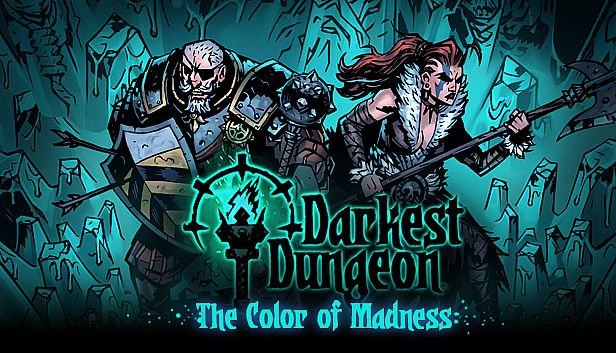























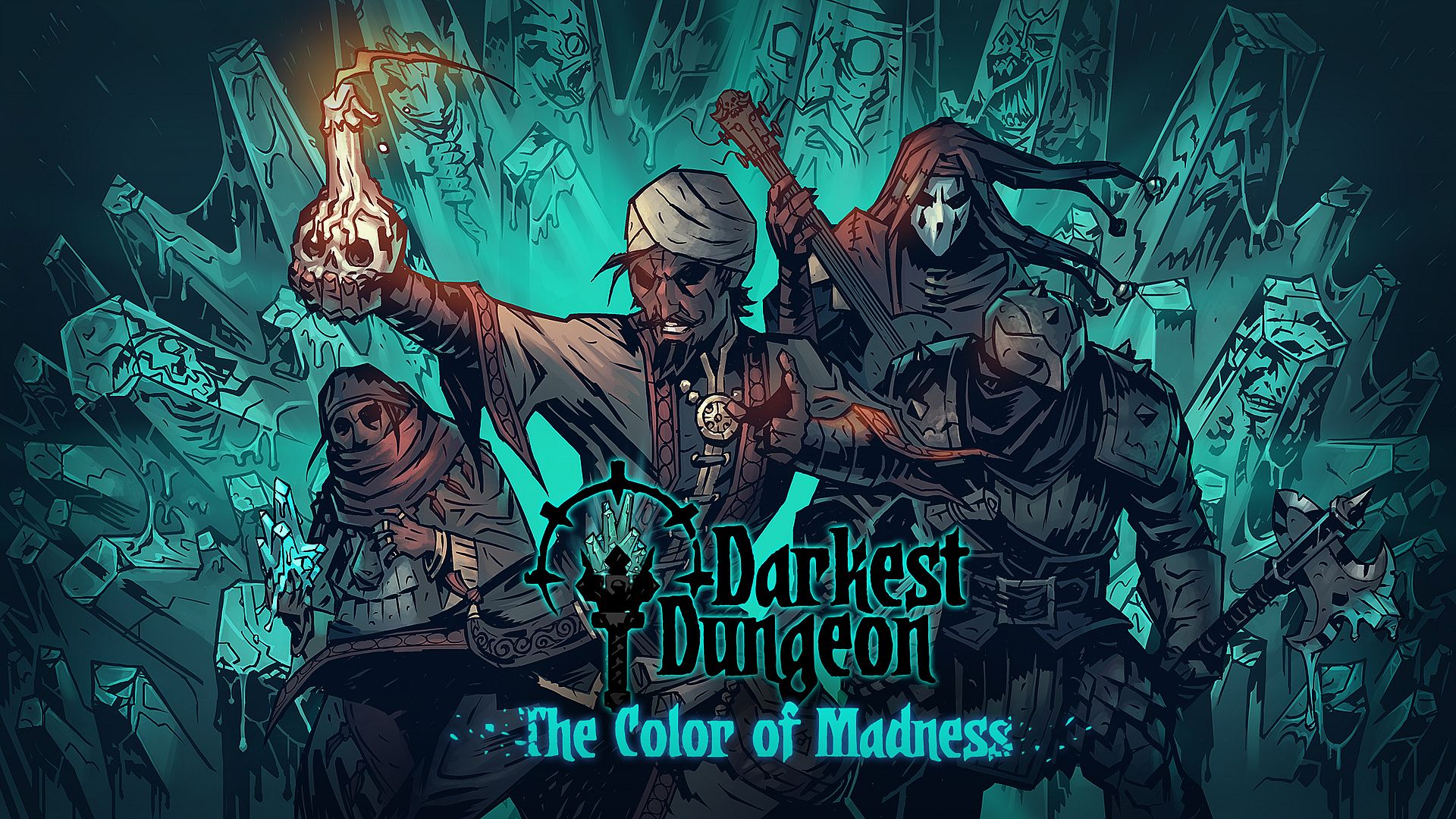
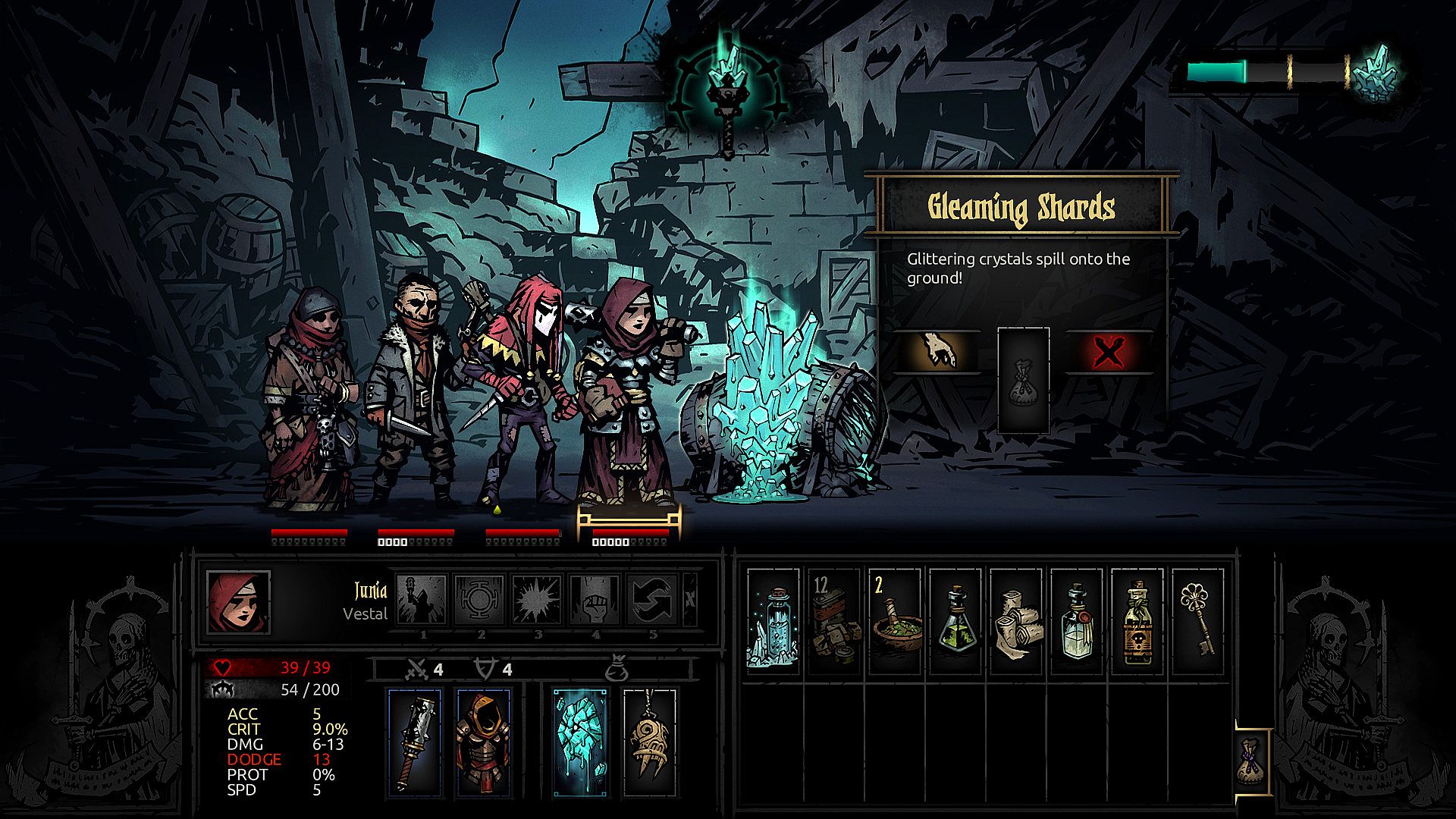
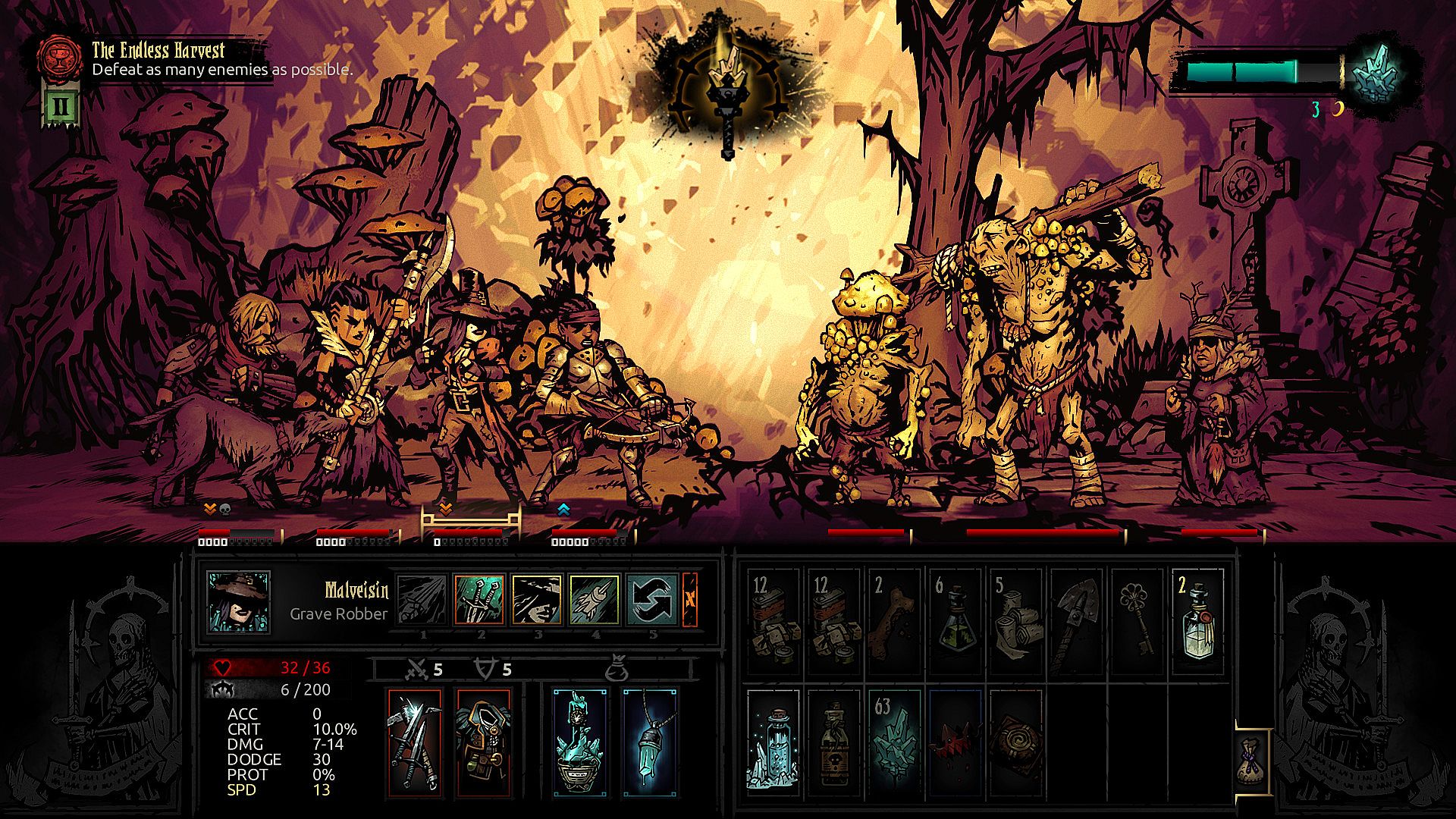
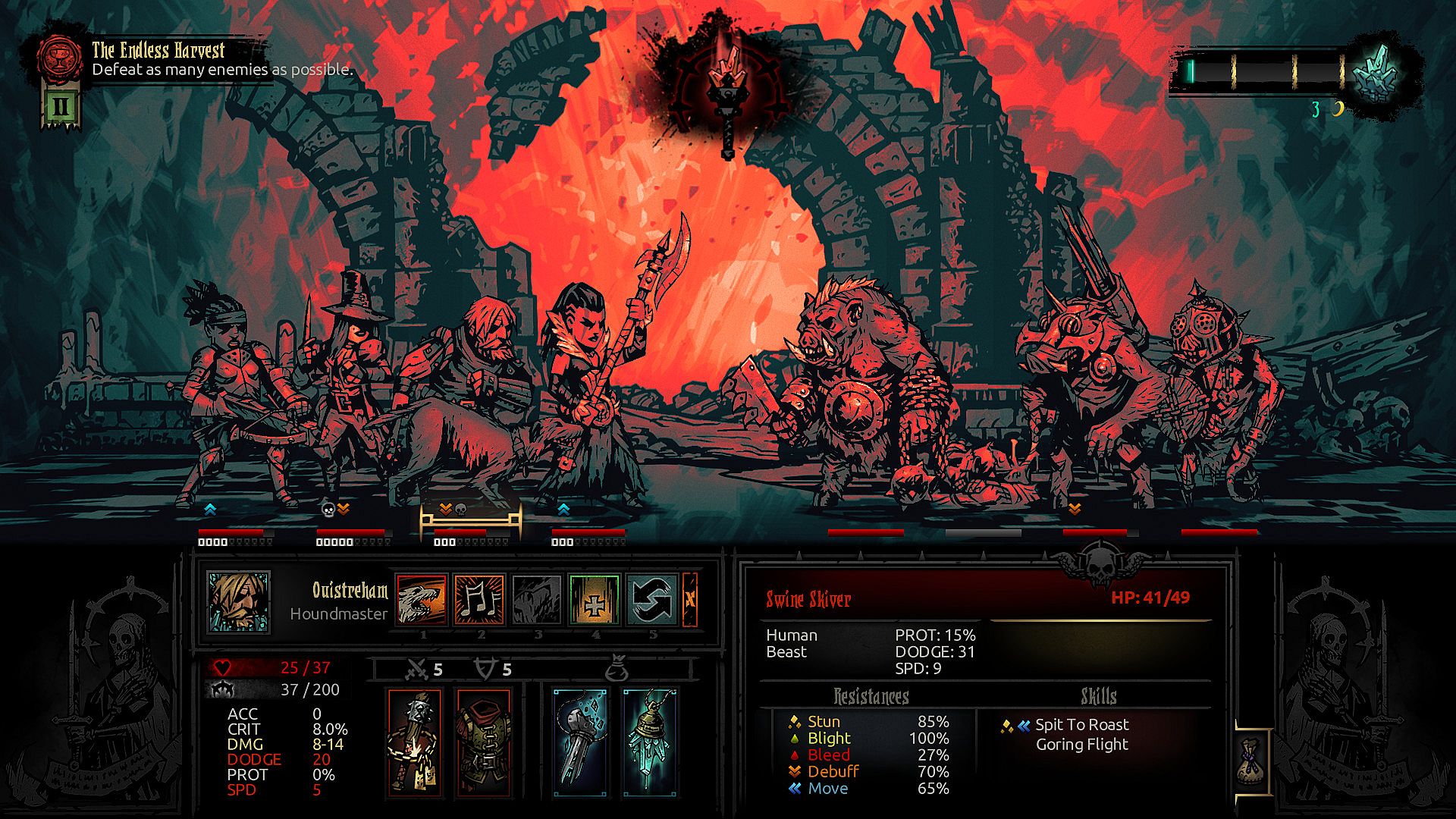
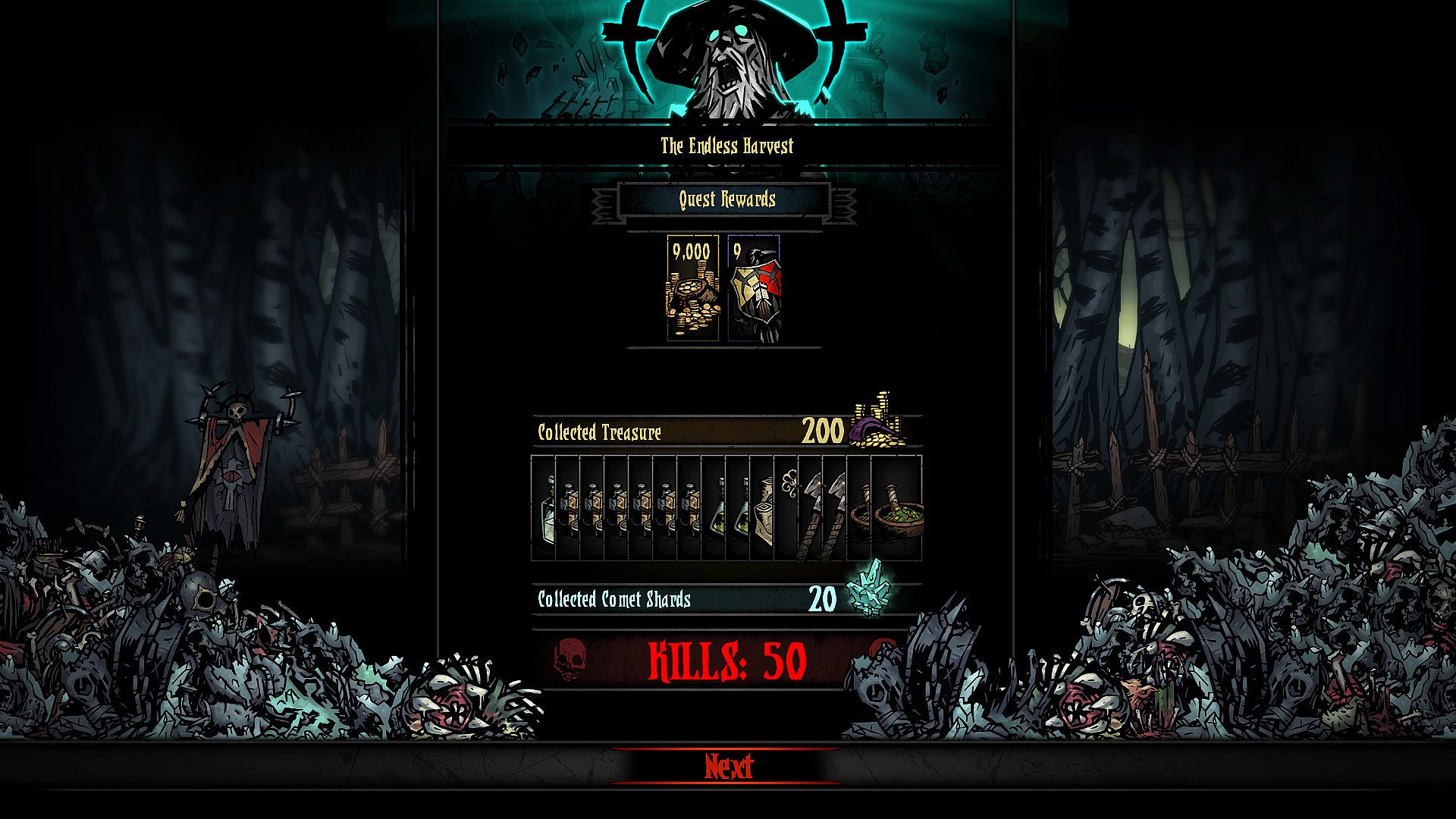
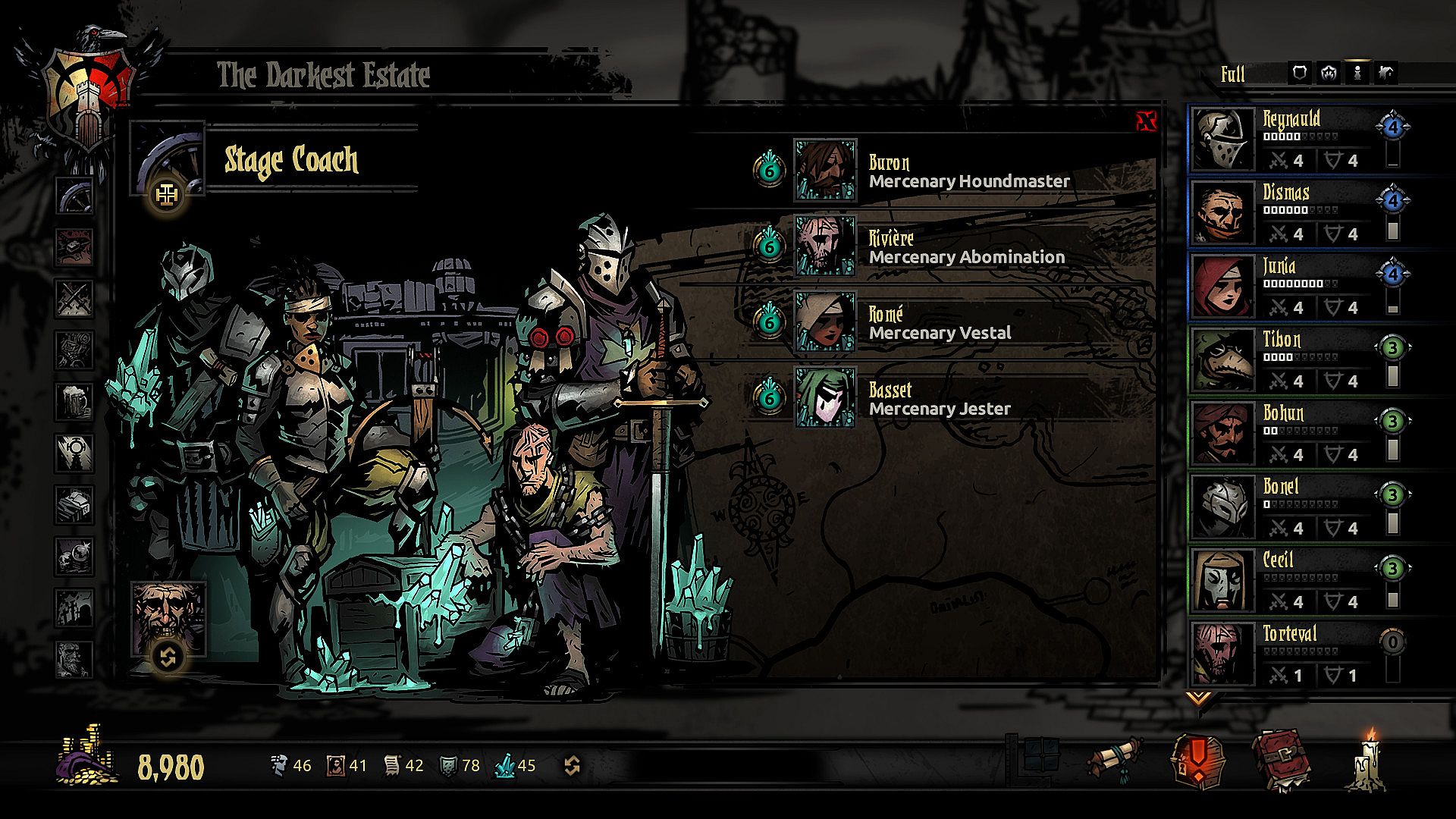
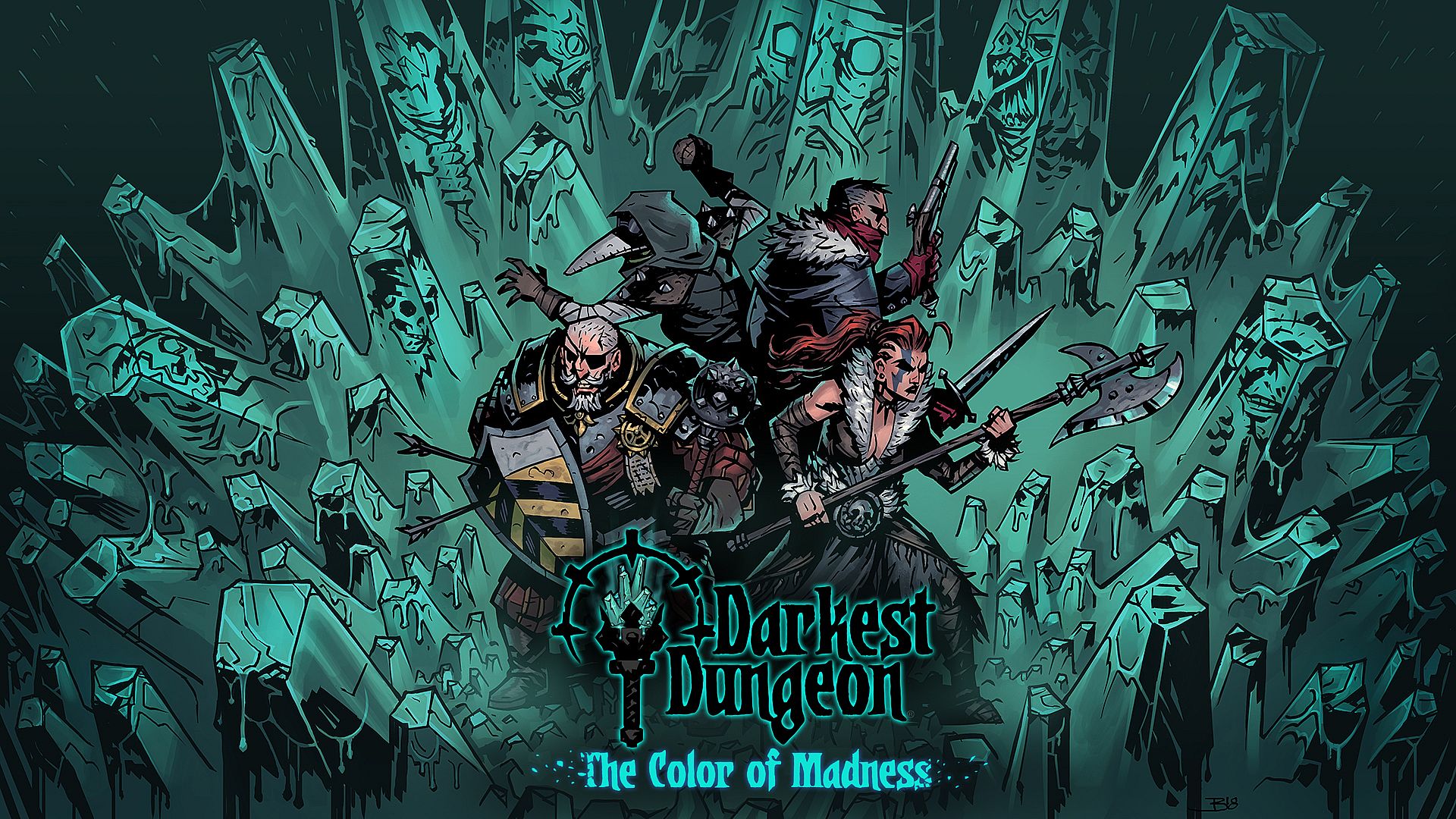
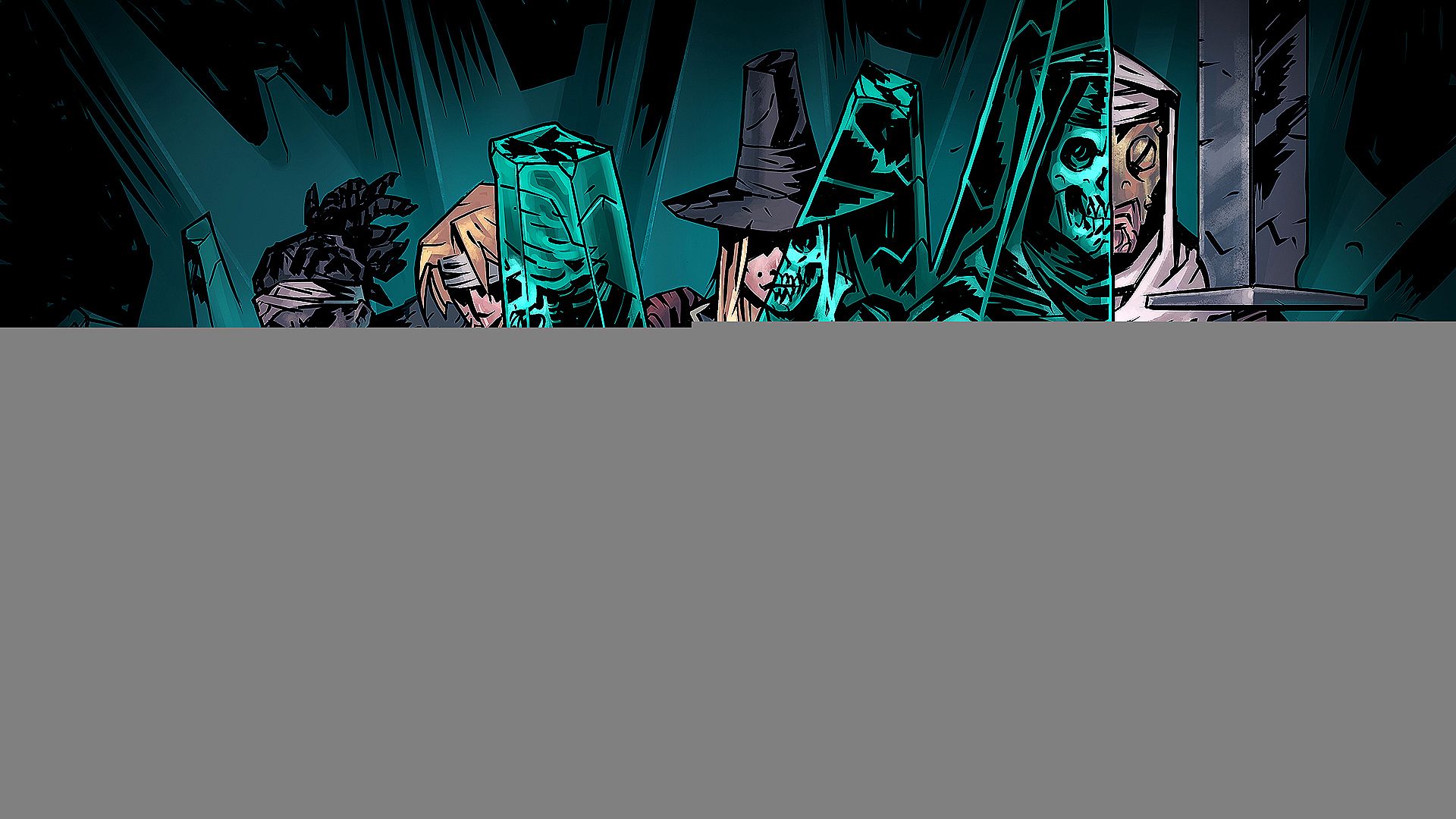
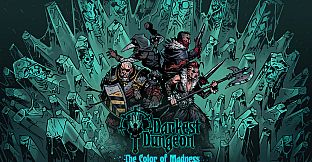

Darkest Dungeon: The Color of Madness is a strategy indie RPG expansion that introduces a new region and an endless survival challenge to the established formula of managing heroes through perilous expeditions. Players oversee a roster of adventurers who must contend with psychological stress and physical threats while exploring the Farmstead, a corrupted area tied to a mysterious comet impact. The experience centers on turn-based combat, resource management, and long-term hamlet development, all framed within a gothic horror atmosphere.
Gameplay
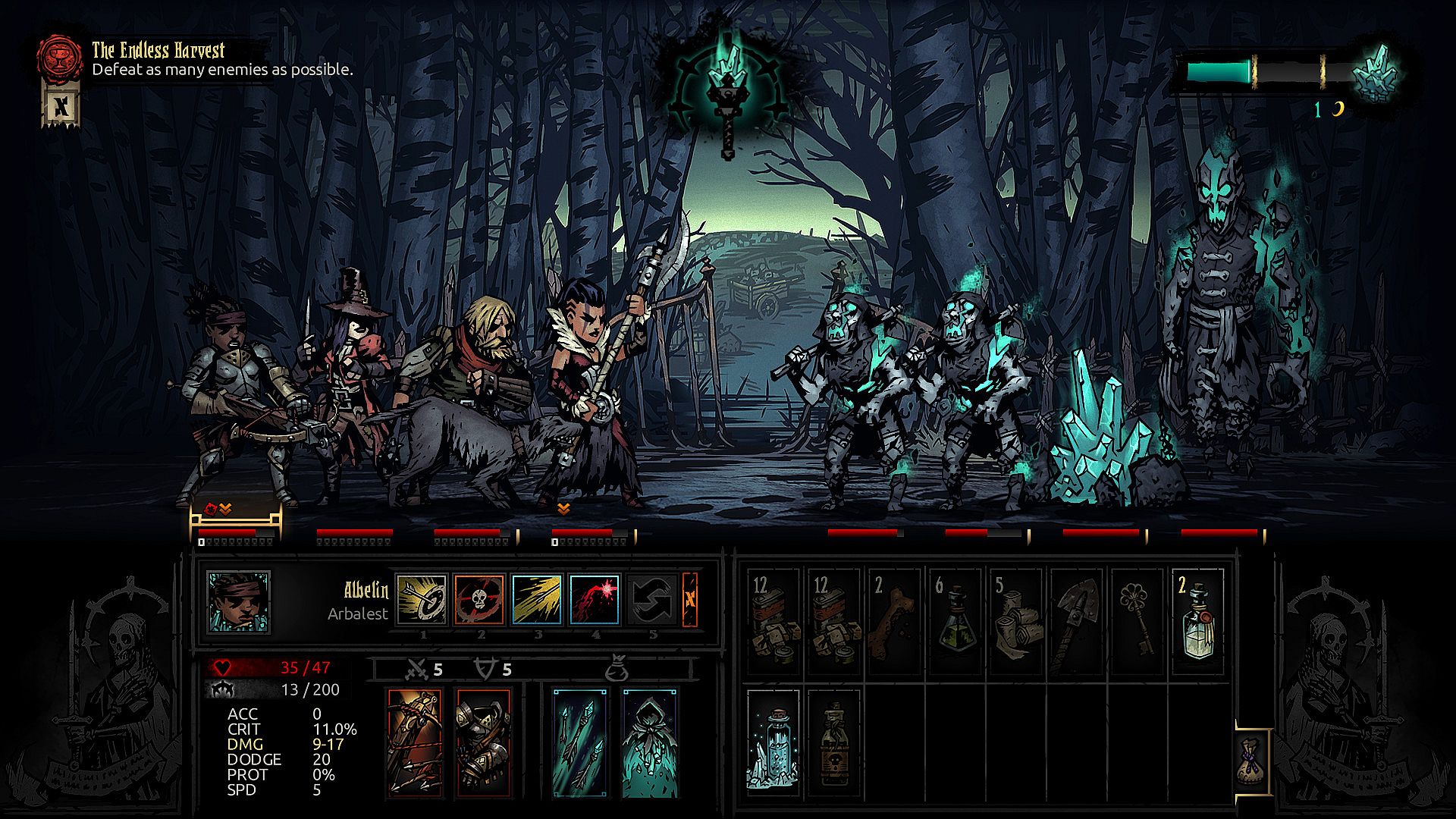
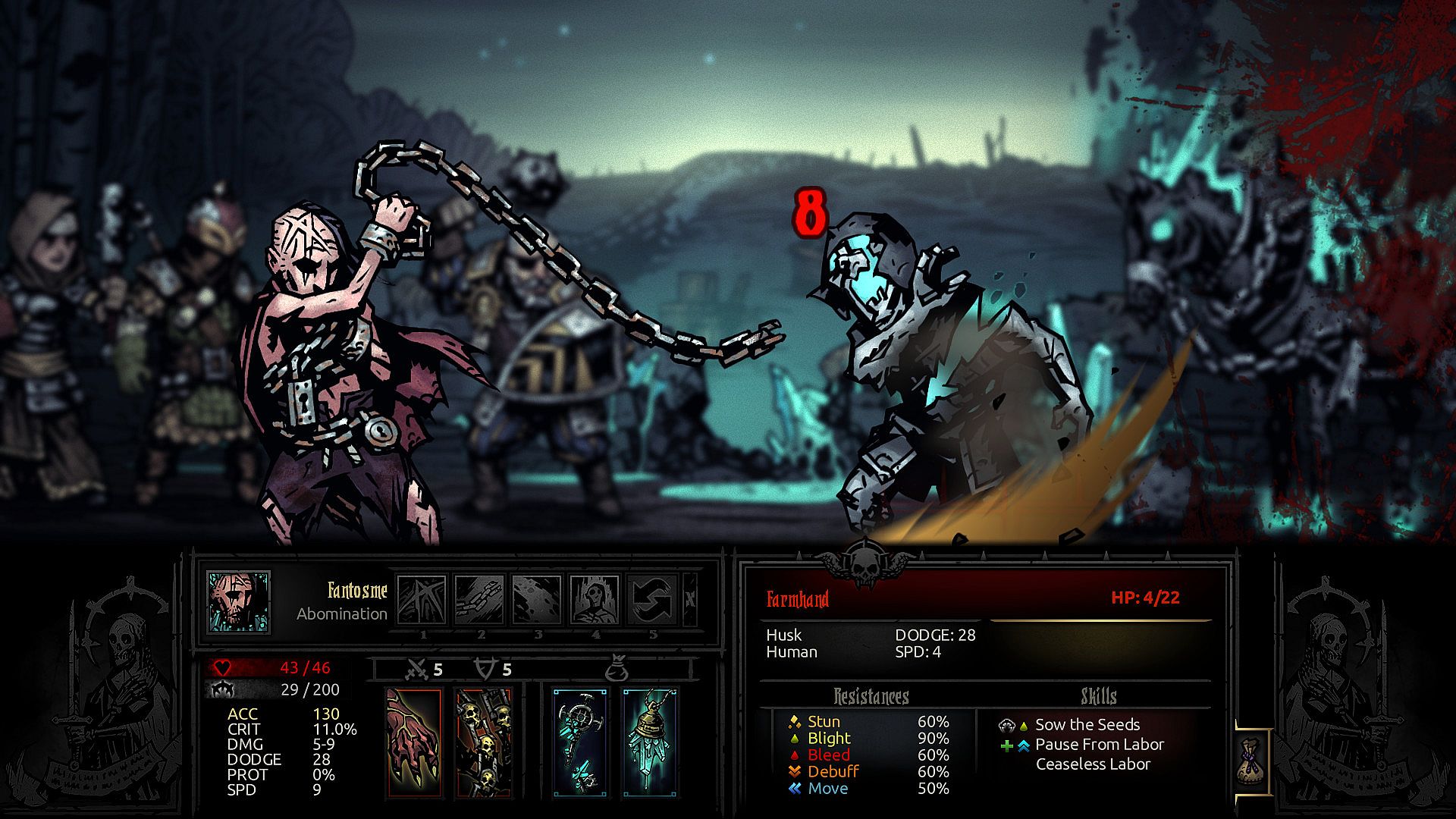
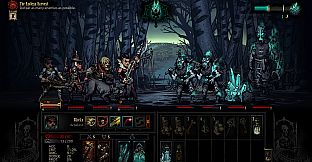
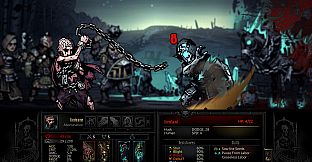
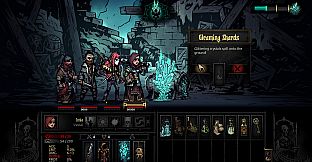
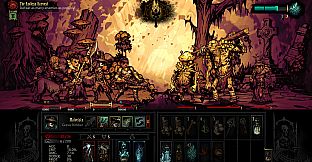
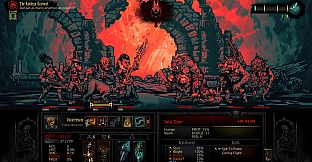
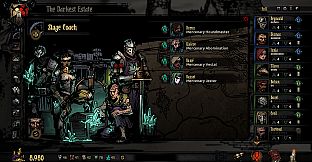
The core loop revolves around assembling parties of four heroes and sending them into the Farmstead, where they encounter waves of corrupted enemies. Combat requires careful positioning on a four-position battlefield, with attacks, skills, and items that interact based on front and back lines. Heroes accumulate stress during fights, which can lead to afflictions that alter behavior and performance if left unchecked.
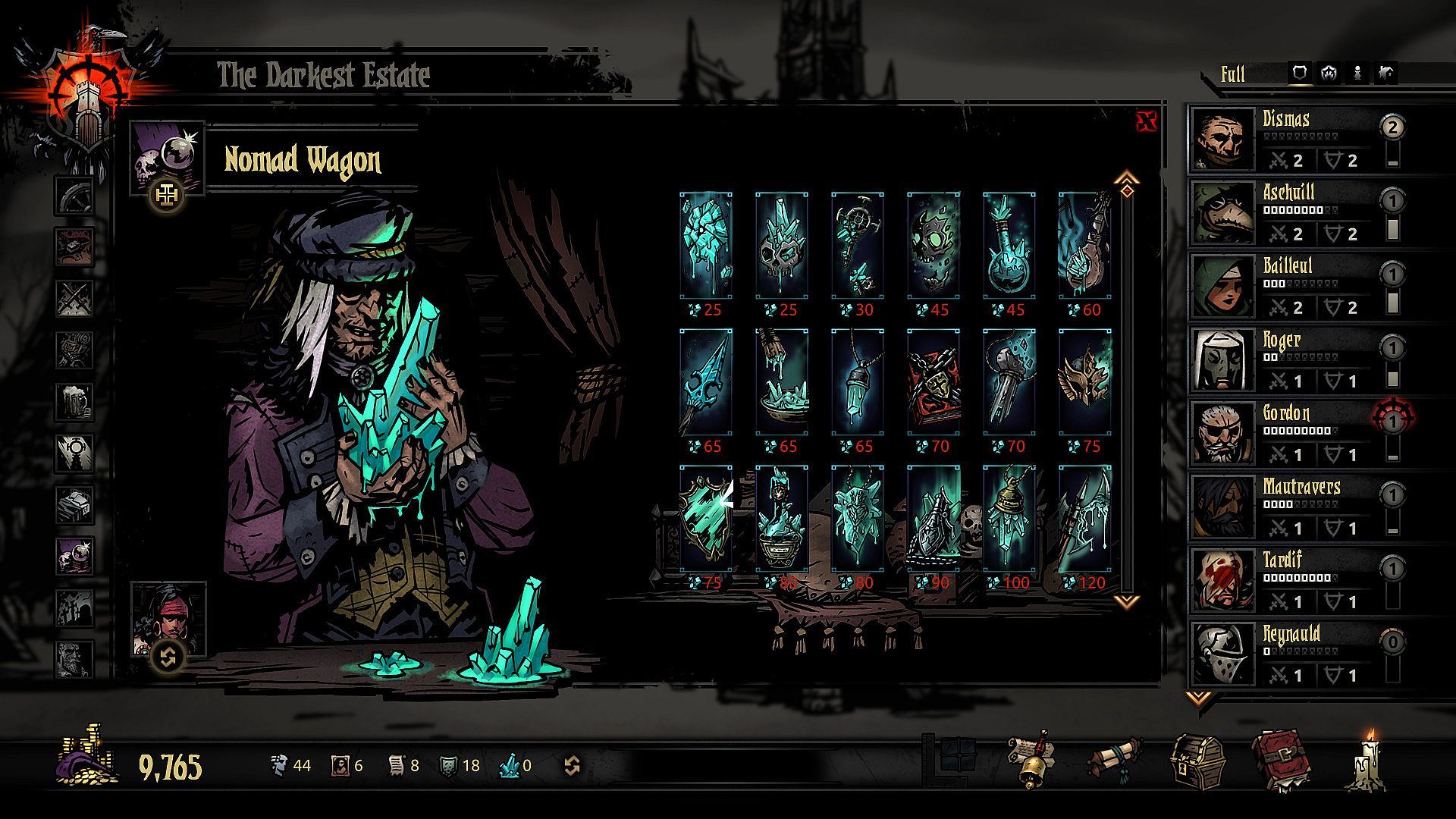
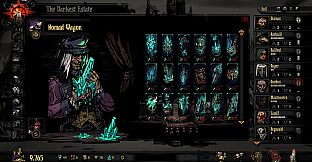
New trinkets obtained through the Jeweler provide specialized bonuses but require payment exclusively in Comet Shards rather than standard gold. These items integrate into existing equipment systems to modify stats or grant abilities suited to prolonged engagements. Additional curios scattered throughout the region offer temporary buffs or healing options to sustain parties against continuous threats.
The Miller faction consists of former farm workers transformed into hostile husks that use altered attacks and behaviors compared to standard enemies. Three distinct bosses appear across the content: the Miller, the Thing From the Stars, and the Comet itself. Each presents unique mechanics that test party composition and preparation.
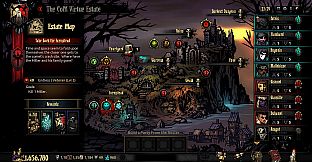
Four new district buildings expand hamlet options, granting ongoing benefits such as improved hero recruitment or resource generation. New quirks introduce permanent character traits with both positive and negative effects that influence decision-making across multiple runs.
Game Modes
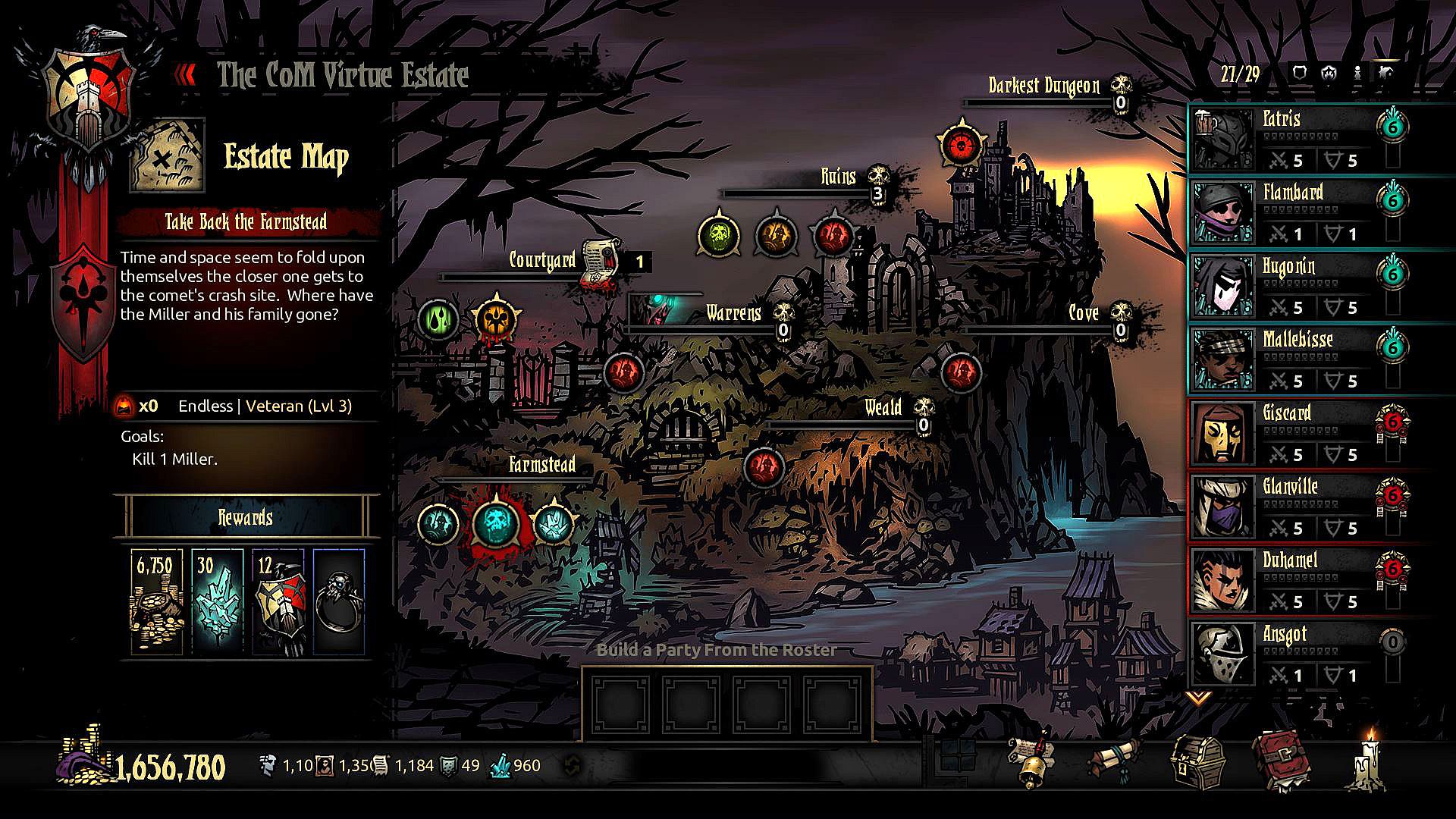
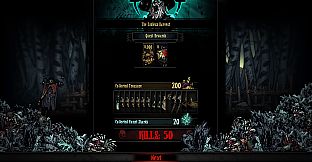
The primary addition is the Endless Quest, a mode where players navigate the Farmstead indefinitely while facing escalating waves of enemies drawn from both new and existing factions. Progress pushes toward the comet crash site, with time and space distortions affecting encounters and requiring adaptive strategies to survive longer stretches.
Standard expedition structures from the base experience carry over but gain new layers through the Farmstead's layout and enemy roster. No separate competitive or cooperative modes exist beyond the single-player focus on survival and progression.
New Content and Mechanics
The Farmstead serves as the central hub for all added activities, featuring a distinct visual and thematic shift toward cosmic horror elements. Exploration involves navigating ruined structures and open fields where environmental hazards combine with enemy ambushes.
Comet Shards function as a dedicated currency that unlocks specialized trinkets unavailable through normal means. This system encourages repeated visits to the region to accumulate resources for upgrades that aid endurance in extended sessions.
Soundtrack contributions expand the audio landscape with additional tracks that underscore the escalating tension during prolonged fights and exploration sequences.
Is It Worth Playing?
Darkest Dungeon: The Color of Madness suits players already familiar with the base game's demands for careful planning and tolerance for high difficulty. The Endless Quest delivers extended play sessions focused on survival against mounting odds, appealing to those who enjoy testing party builds over many hours.
The new bosses and faction introduce fresh tactical challenges that reward experimentation with positioning and stress management. Hamlet expansions through district buildings provide incremental progression that complements existing systems without requiring a full restart.
Reception among players highlights the mode's intensity as both engaging for veterans and potentially overwhelming for newcomers. The content integrates directly into ongoing campaigns, extending the lifespan for those invested in the core loop of hero management and risk assessment. Those seeking shorter, self-contained experiences may find the endless structure less suitable, while dedicated fans gain meaningful additions to their existing roster and strategies.