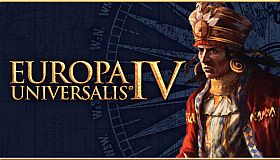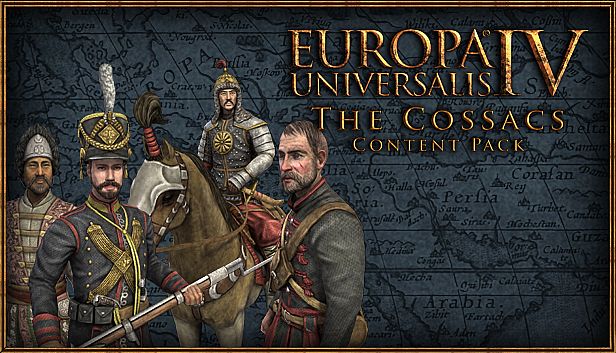







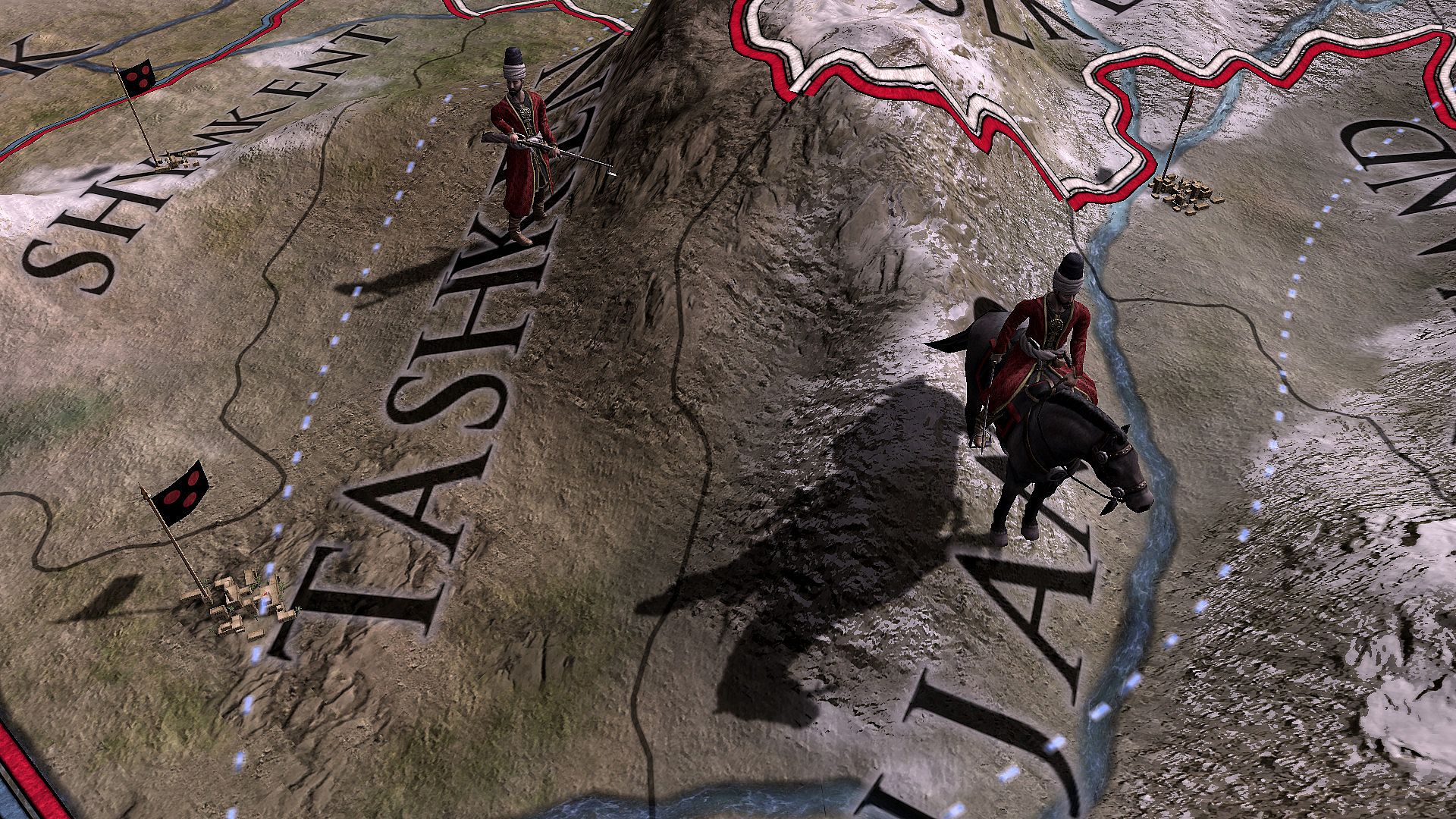
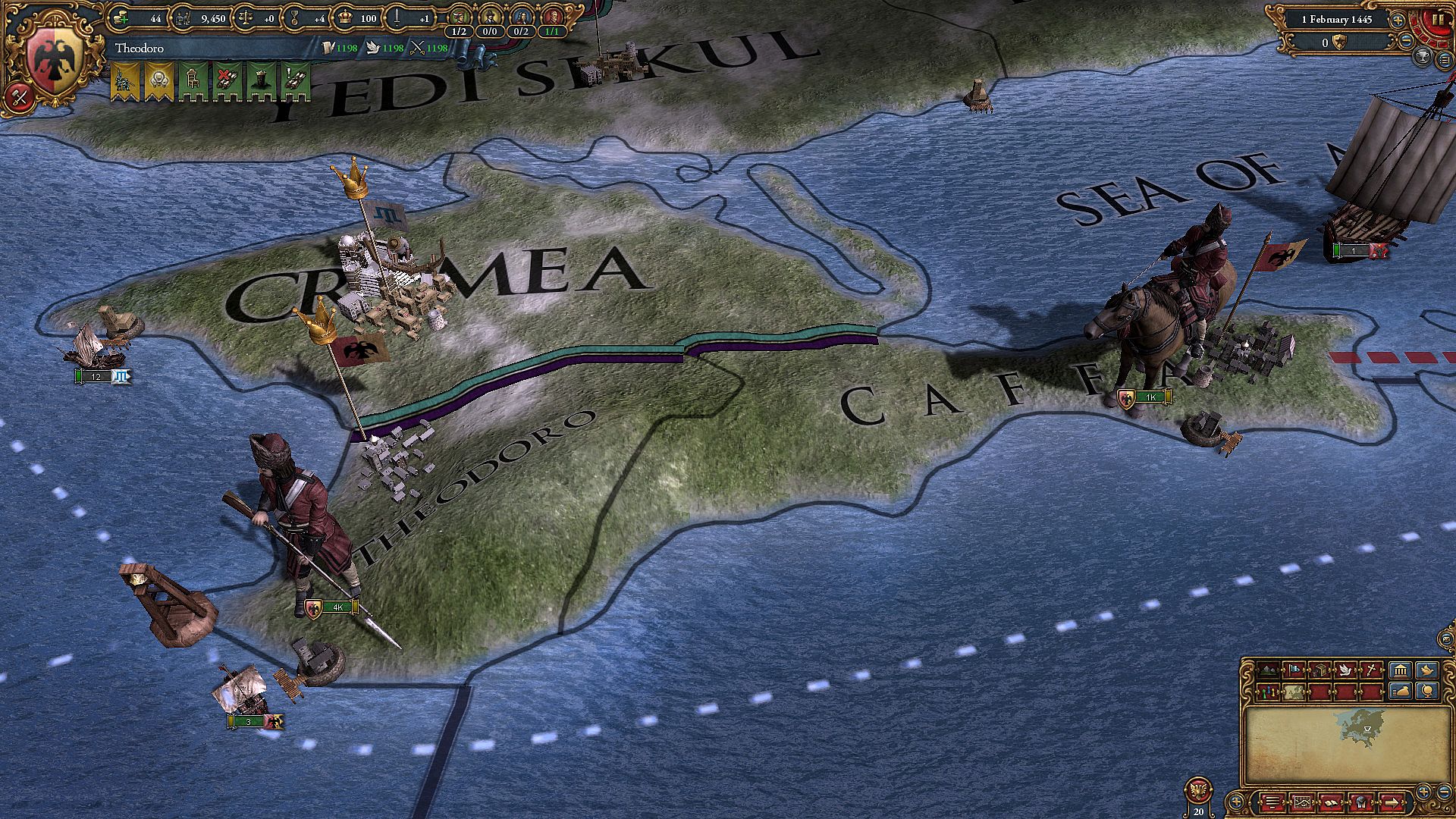
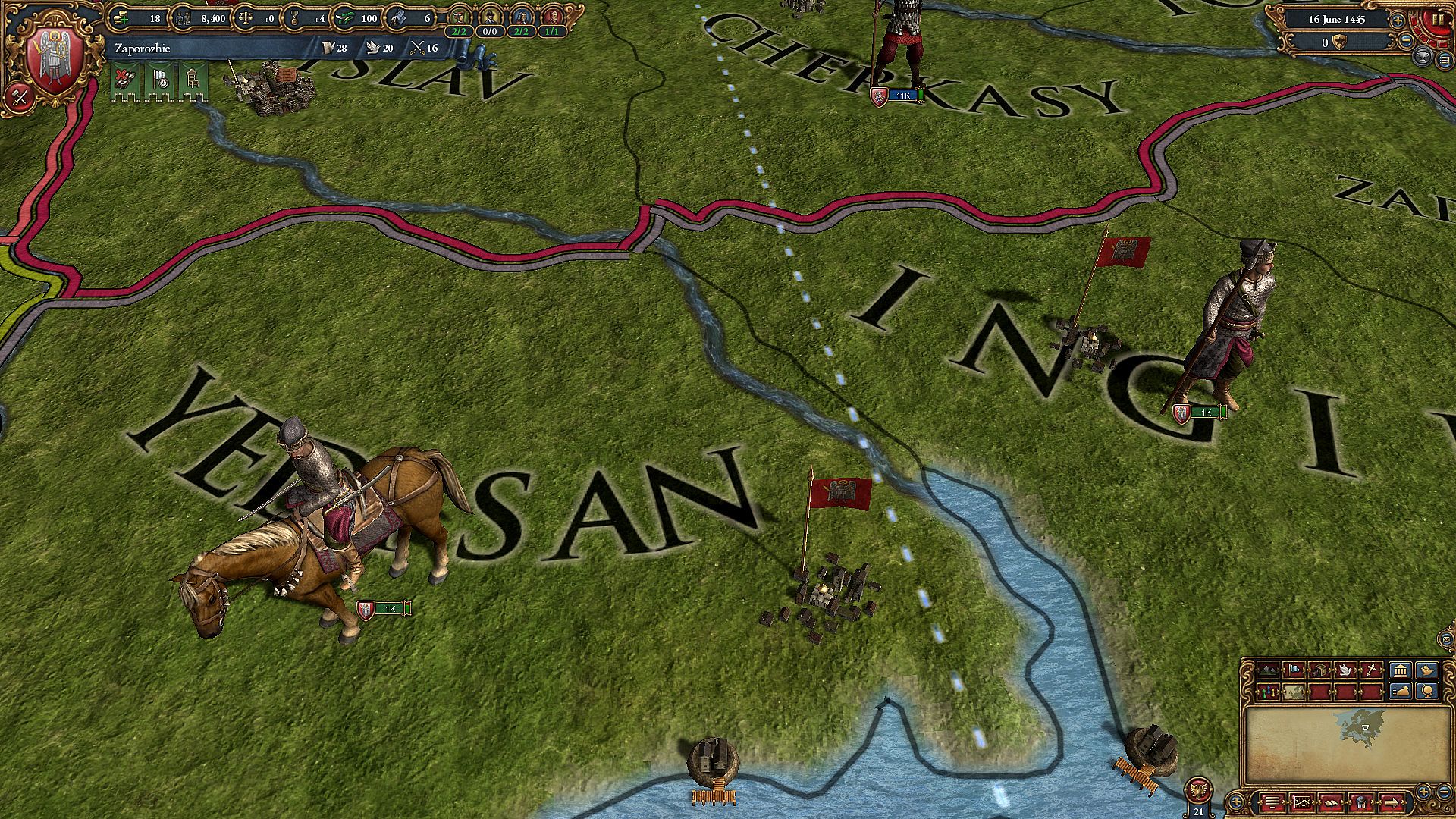
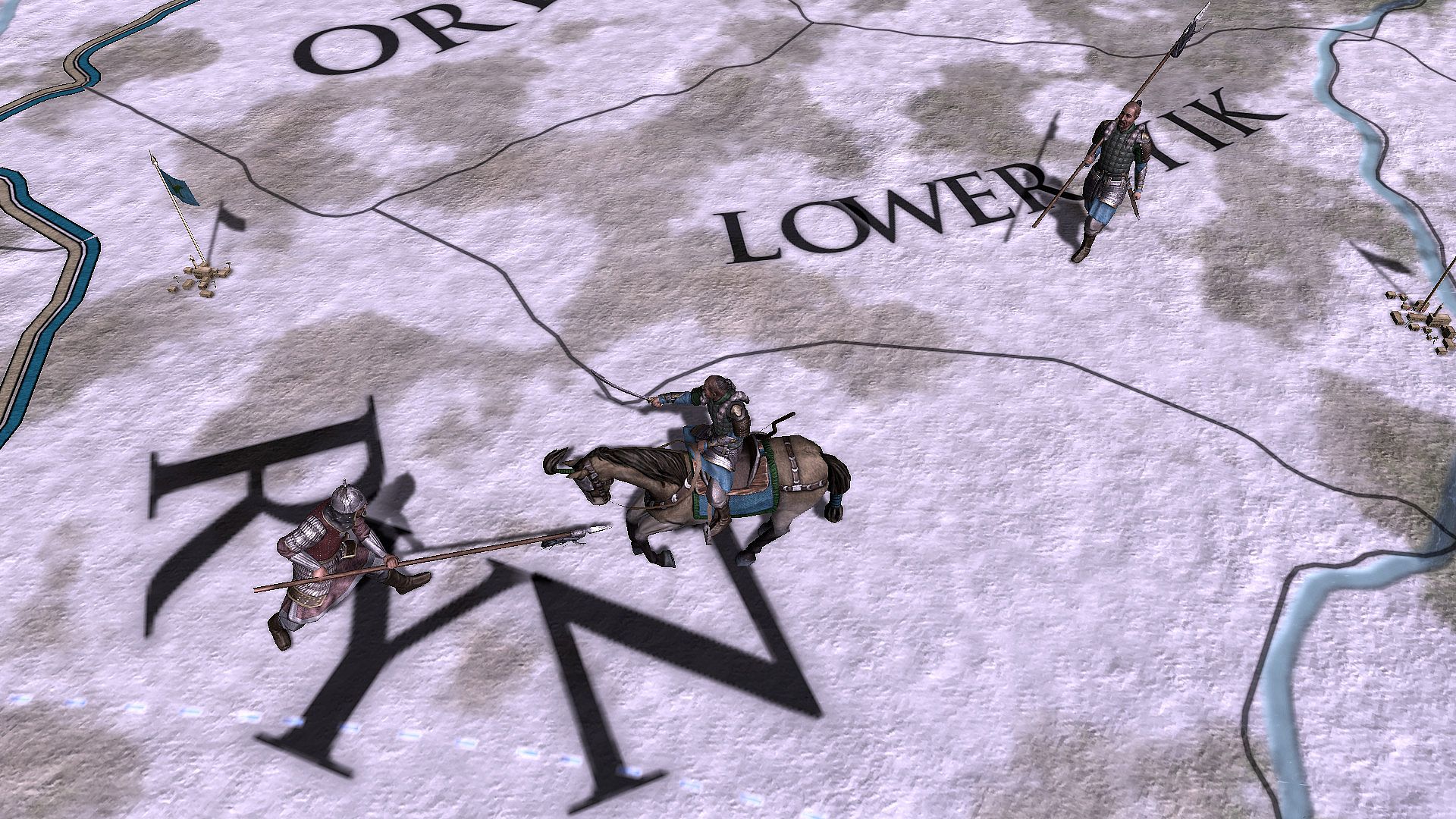
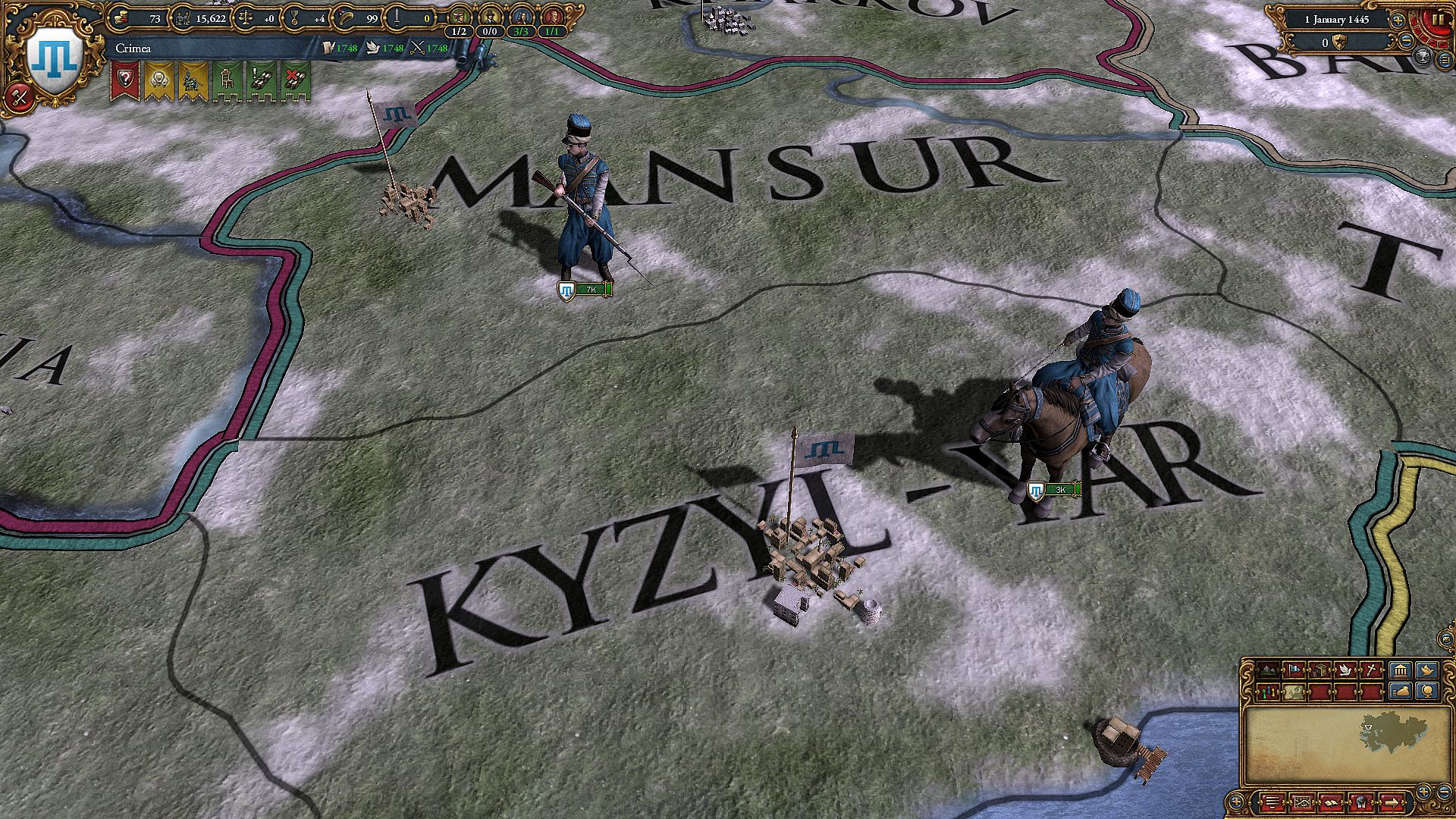
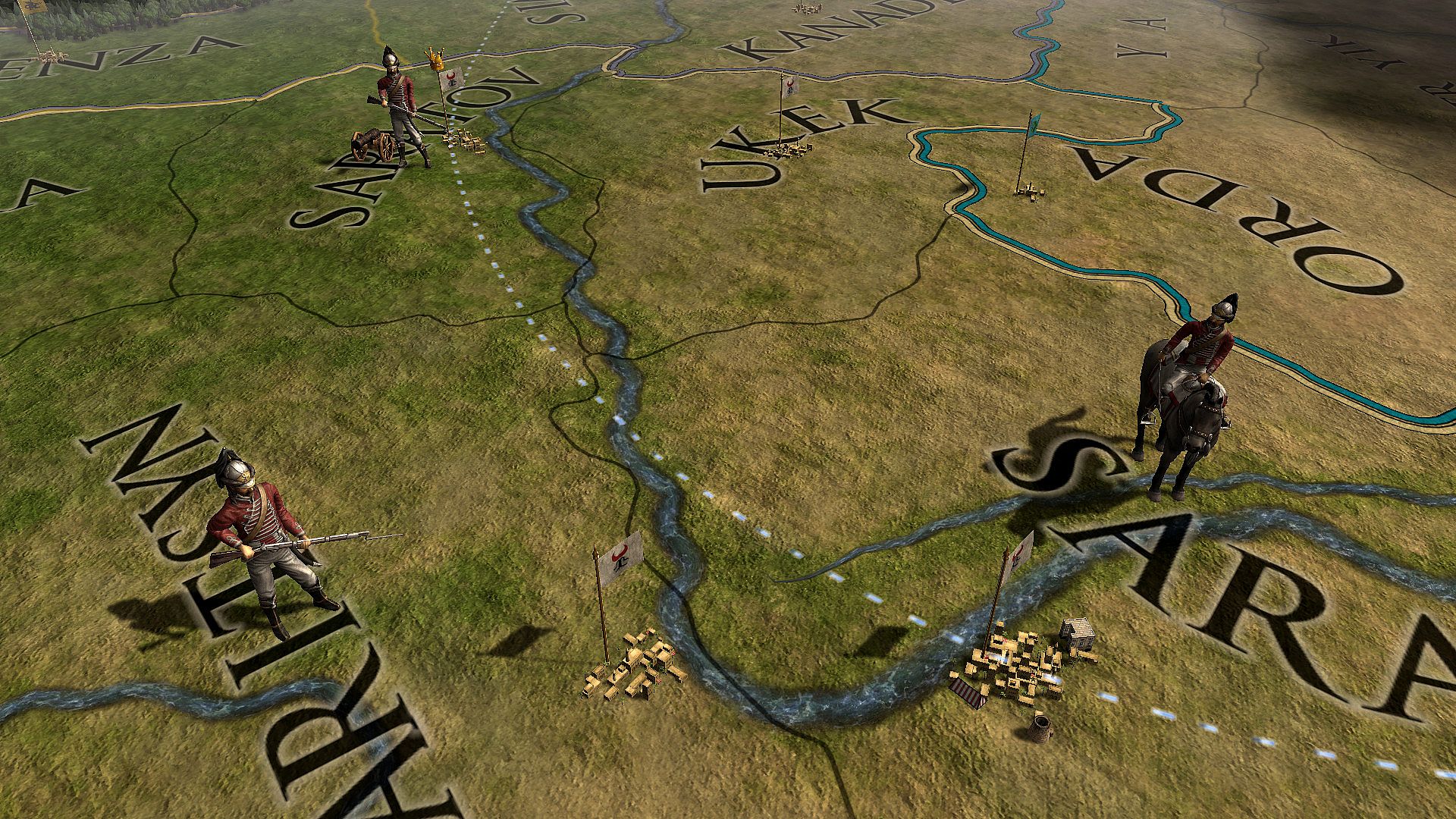
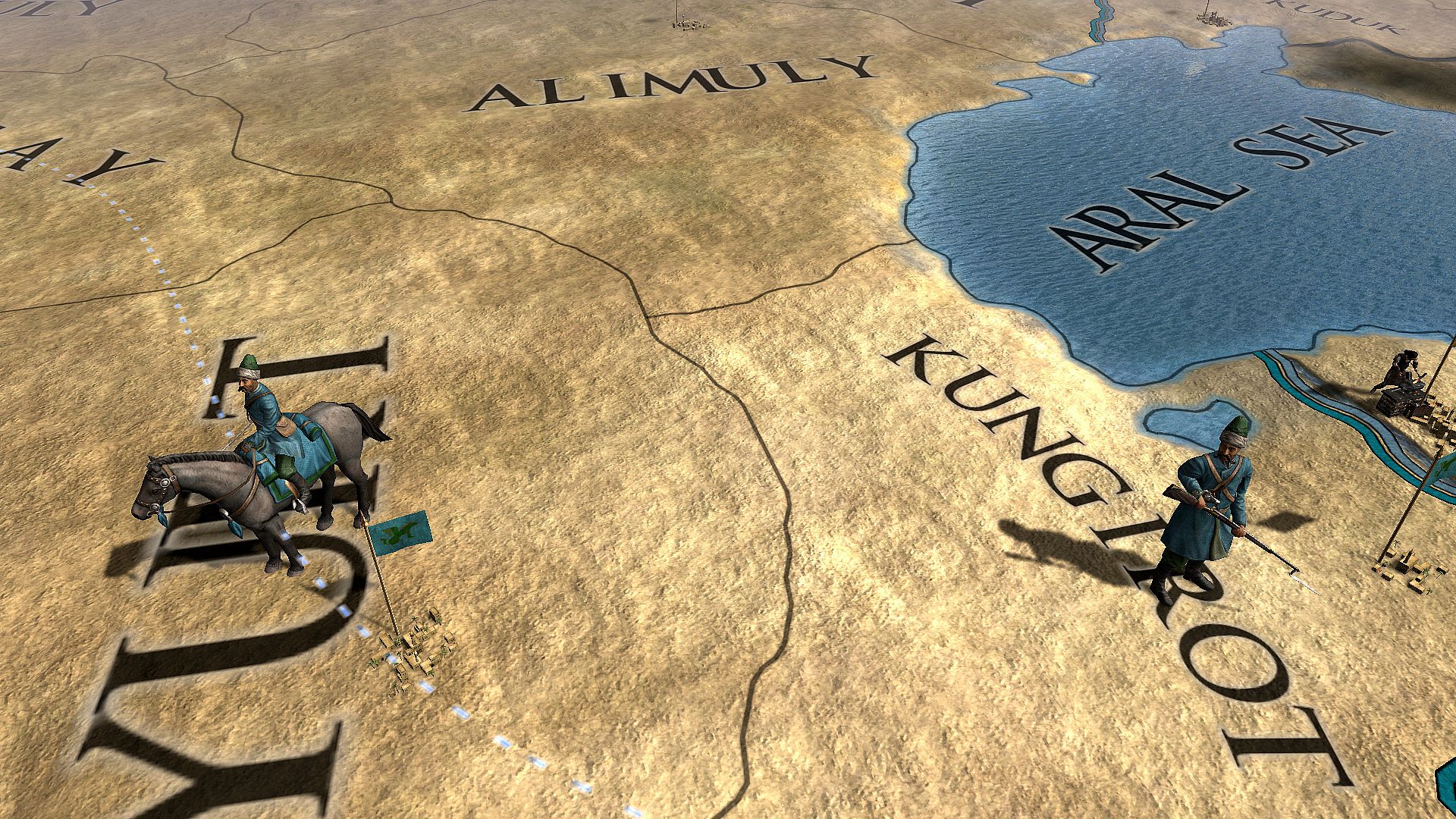
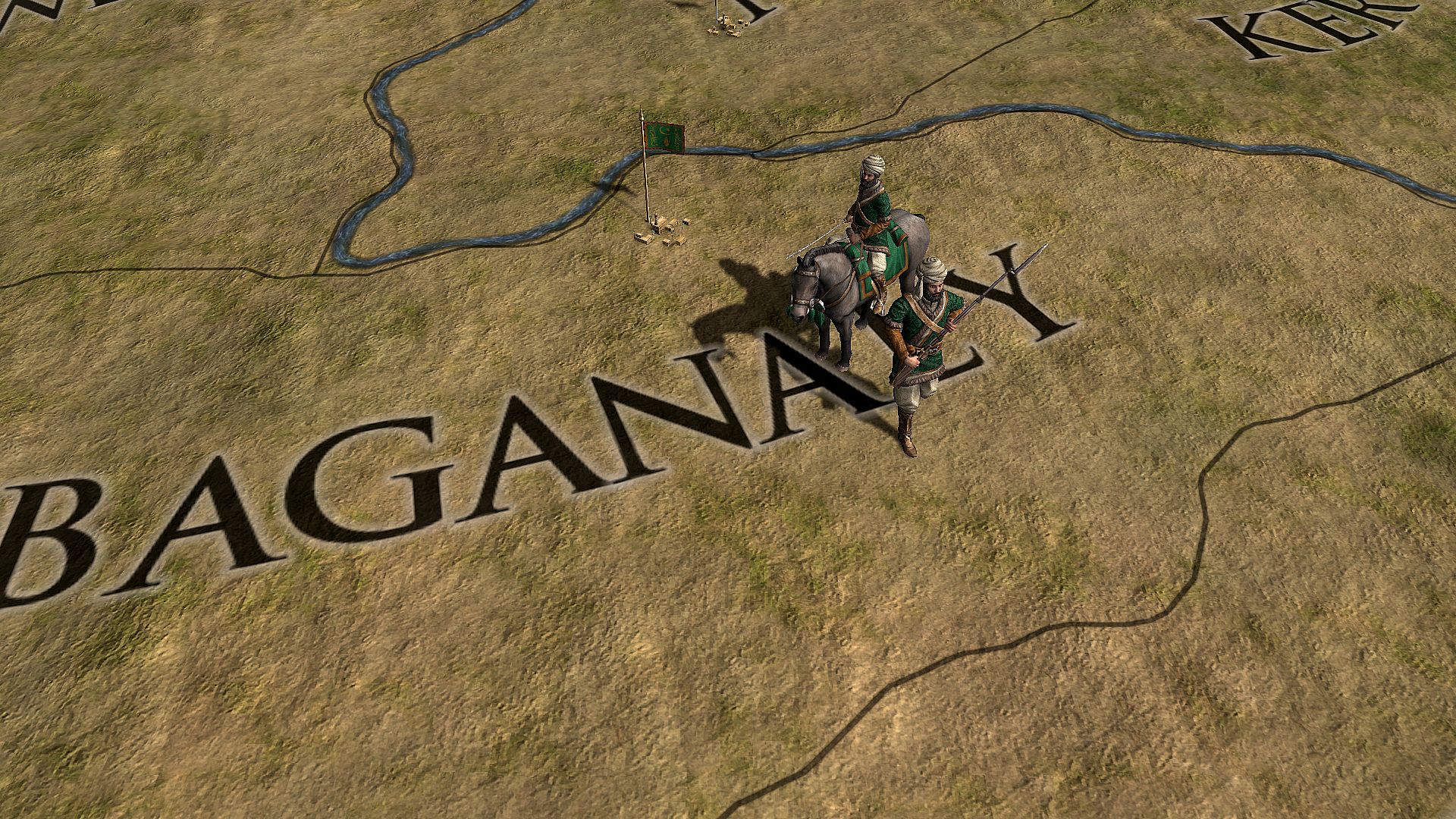
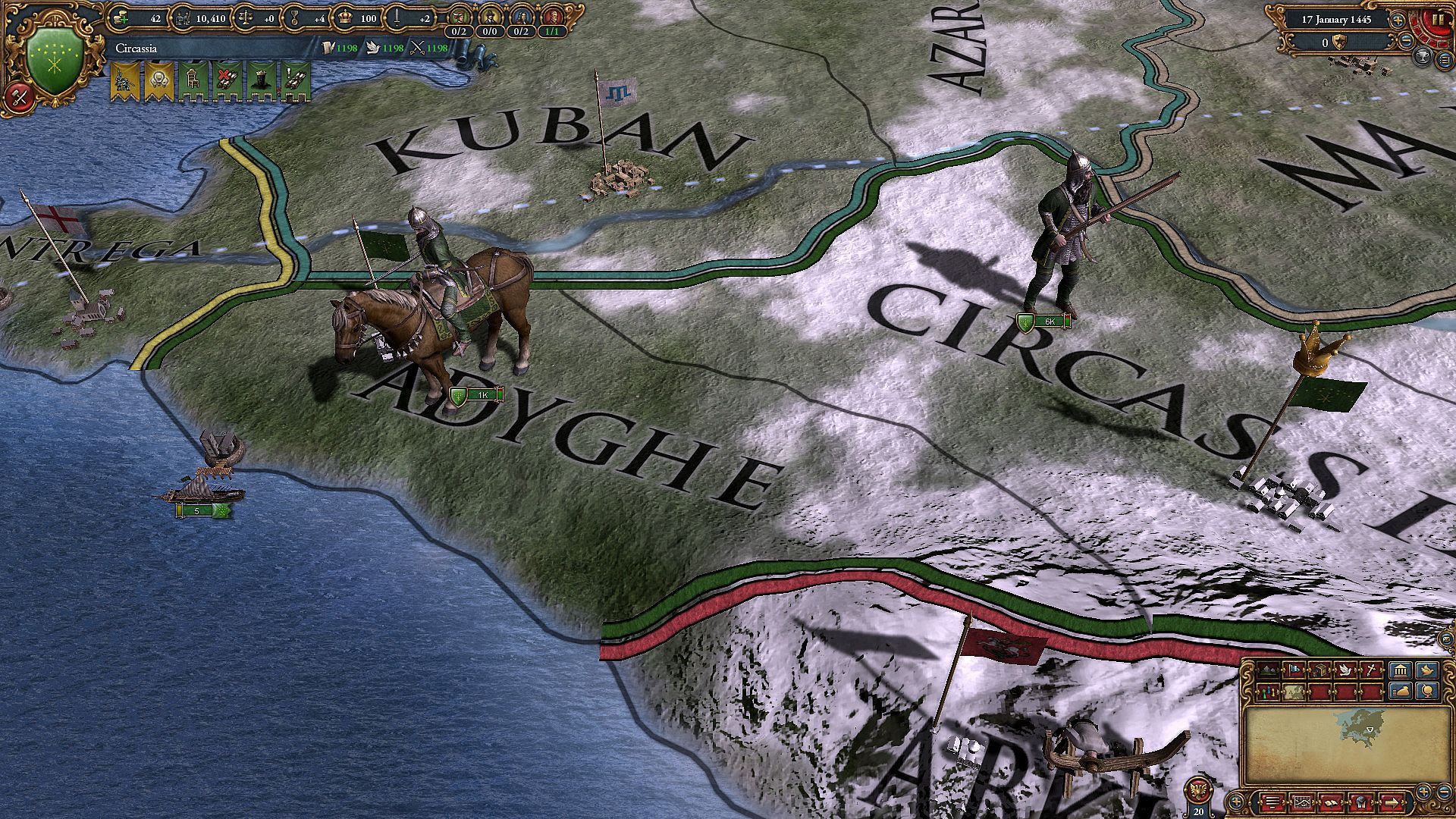
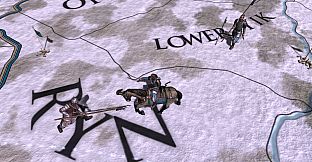
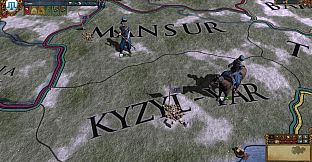
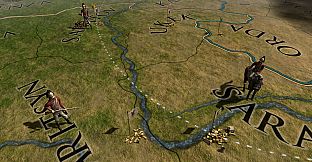
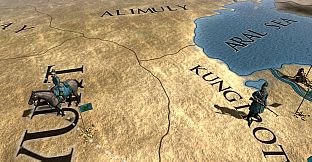
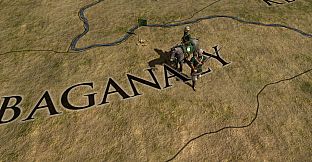
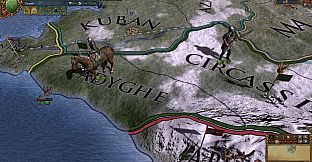
Europa Universalis IV The Cossacks Content Pack enhances the visual presentation of the grand strategy simulation on PC. Players manage nations across centuries in a detailed historical setting that stretches from the late Middle Ages into the early modern era. The pack supplies new unit models and fort designs that integrate with the Cossacks expansion mechanics focused on Eastern Europe and nomadic hordes.
Gameplay
The core loop centers on long term nation building where decisions about economy, diplomacy, military campaigns, and internal governance shape outcomes over hundreds of years. Horde nations gain tools to maintain loyalty among tribes through targeted raids and land razing that yields monarch points for technological progress or eventual settlement. Estates such as the Cossacks, Dhimmi, and Tribes introduce internal power dynamics that require careful balancing to avoid revolts or loss of control. Diplomatic options expand with public attitudes toward neighbors, provinces of interest, trust building, and favor systems that influence alliances and war goals. Tengri faith receives syncretic mechanics allowing a secondary tolerated religion that players can adjust. Culture conversion gains flexibility to restore original cultures or adopt neighboring ones rather than defaulting only to the primary culture. Native policies in colonies allow choices between trade focus, assimilation, or subjugation. Espionage gains actions to study advanced technology or stir unrest in subject nations. The content pack adds thirty two unit models each for Black Sea groups including Zaporozhie, Crimea, Circassia, and Theodoro plus Great Hordes nations such as Timurids, Golden Horde, Nogai, and Uzbek. Twelve additional European cavalry models cover France, Spain, and Britain. Eighteen new fort models appear for Western, Muslim, Asian, Indian, African, South American, and North American styles.
Game Modes
Europa Universalis IV supports single player campaigns where one nation advances through the timeline with full control over all systems. Multiplayer sessions allow several players to manage separate nations simultaneously in the same world with shared diplomacy and conflict resolution. The experience remains consistent across both formats with the added visual elements from the content pack appearing in armies and fortifications during play.
Key Mechanics and Factions
Horde unity serves as the central resource for steppe nations and declines over time unless replenished by plunder from neighbors. Razing conquered territories provides immediate power gains at the cost of long term development. The Cossack estate offers specific interactions including recruitment of cavalry hosts and exploration privileges that tie into steppe province management. Advanced culture mechanics let players transplant cultures from adjacent regions or revert provinces to prior states. These systems reward players who plan around loyalty, internal estates, and opportunistic expansion rather than pure territorial conquest.
Is It Worth Playing?
The base game maintains a Very Positive reception with over one hundred thirty thousand reviews on its primary platform. The Cossacks expansion and its content pack add meaningful layers to horde gameplay and domestic politics that appeal to players already comfortable with the simulation depth. Those seeking visual variety for Eastern European and nomadic factions will find the unit and fort models a direct enhancement. The title suits experienced strategy enthusiasts who enjoy managing complex internal and external pressures over extended campaigns. Newcomers benefit from starting with the core experience before adding this layer of content.