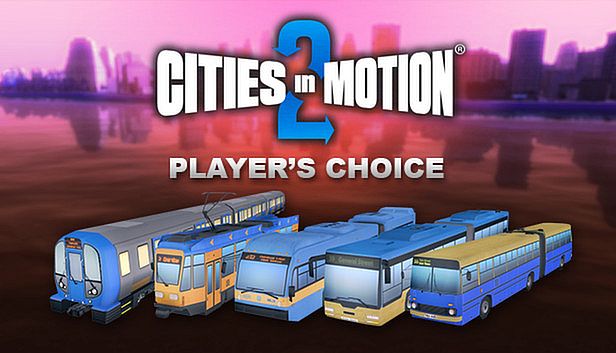
















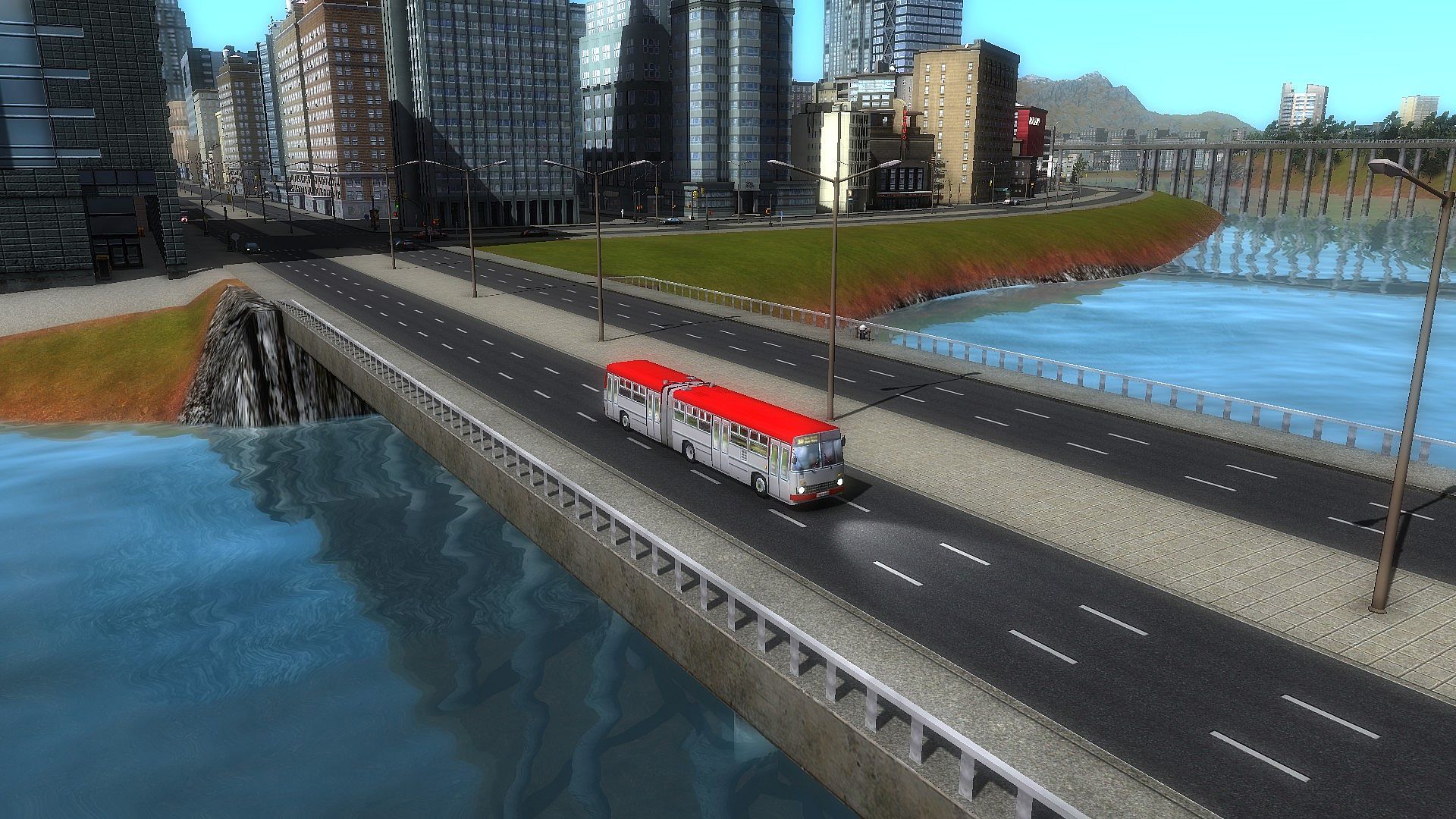
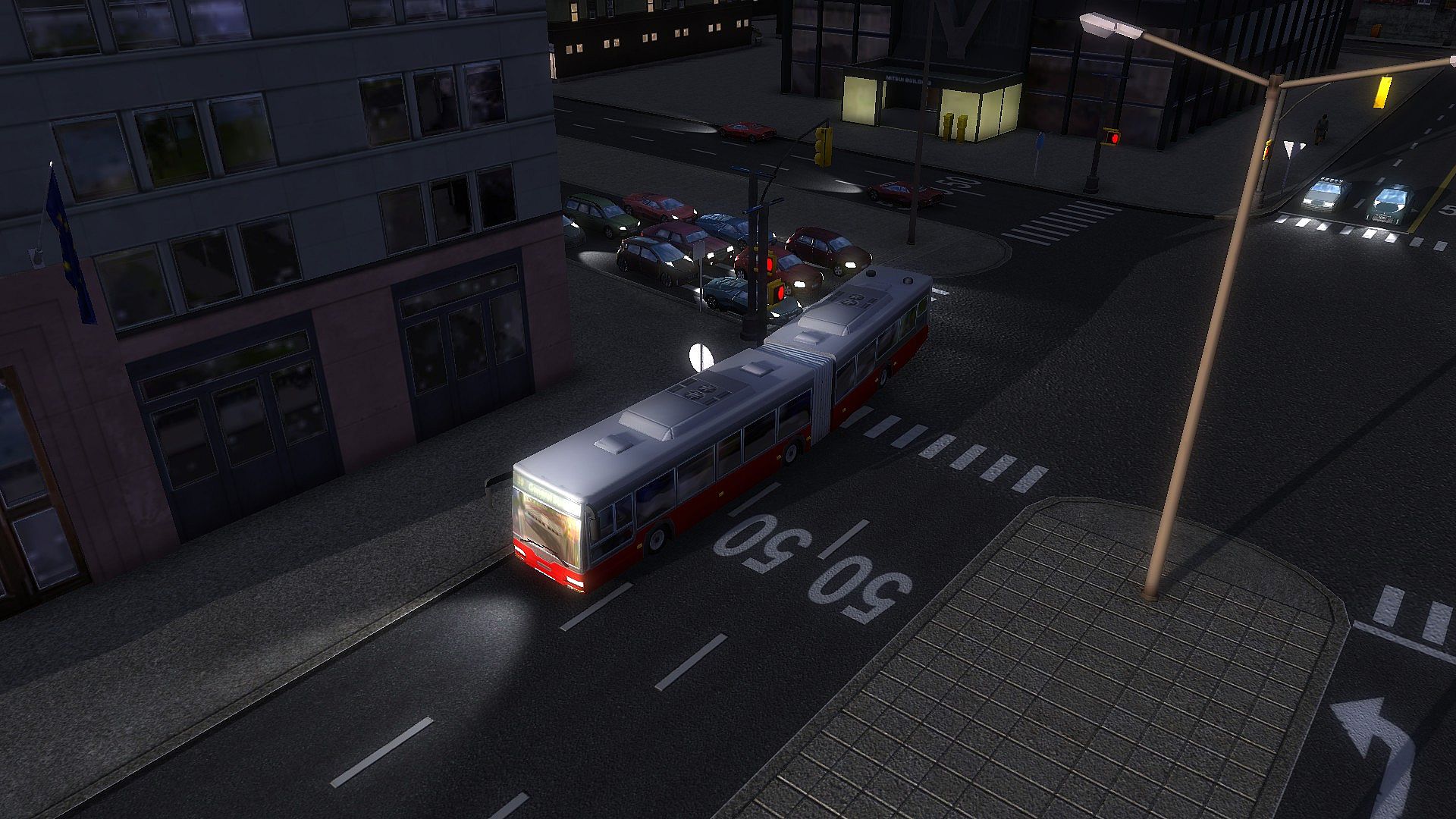
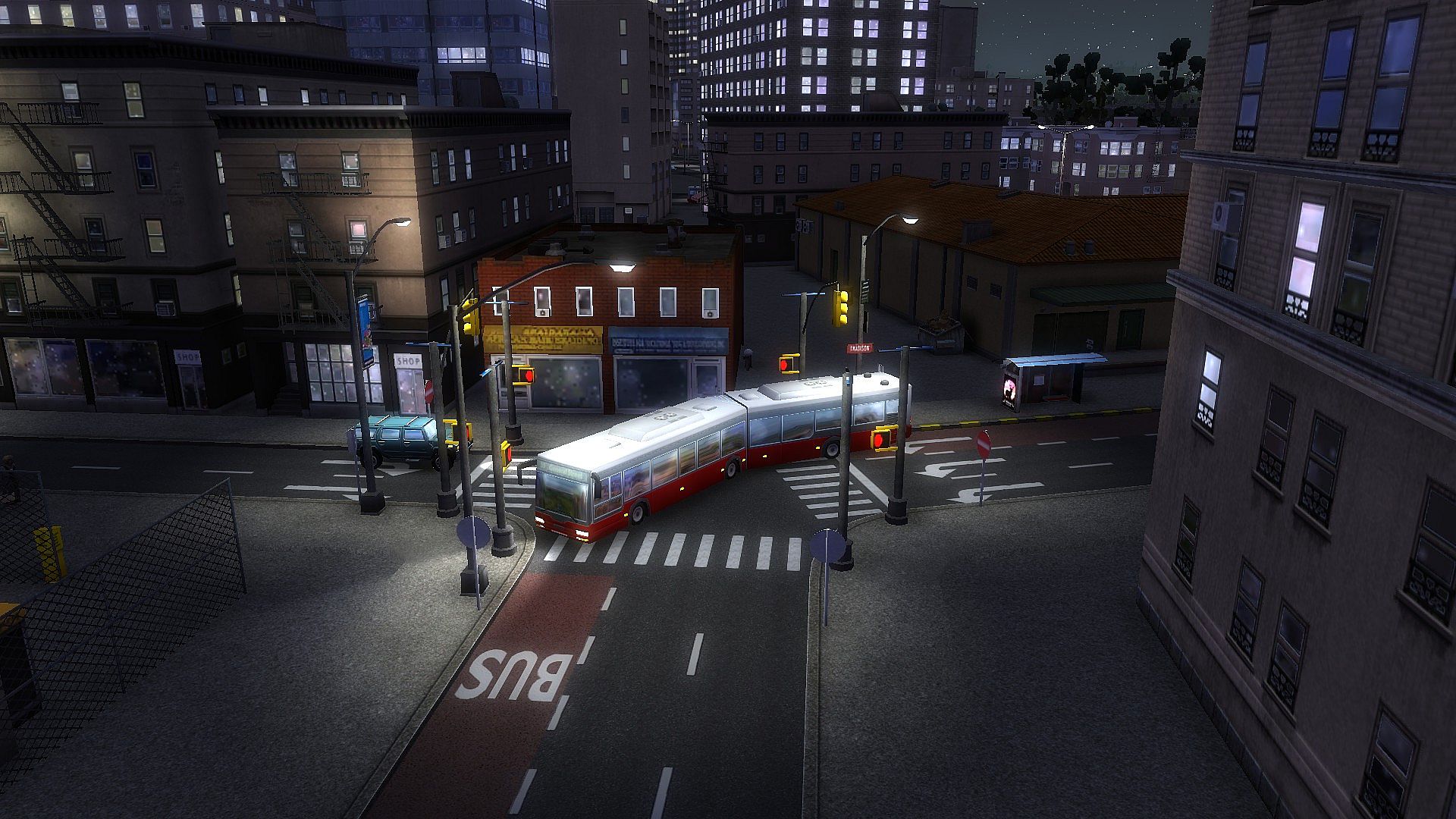
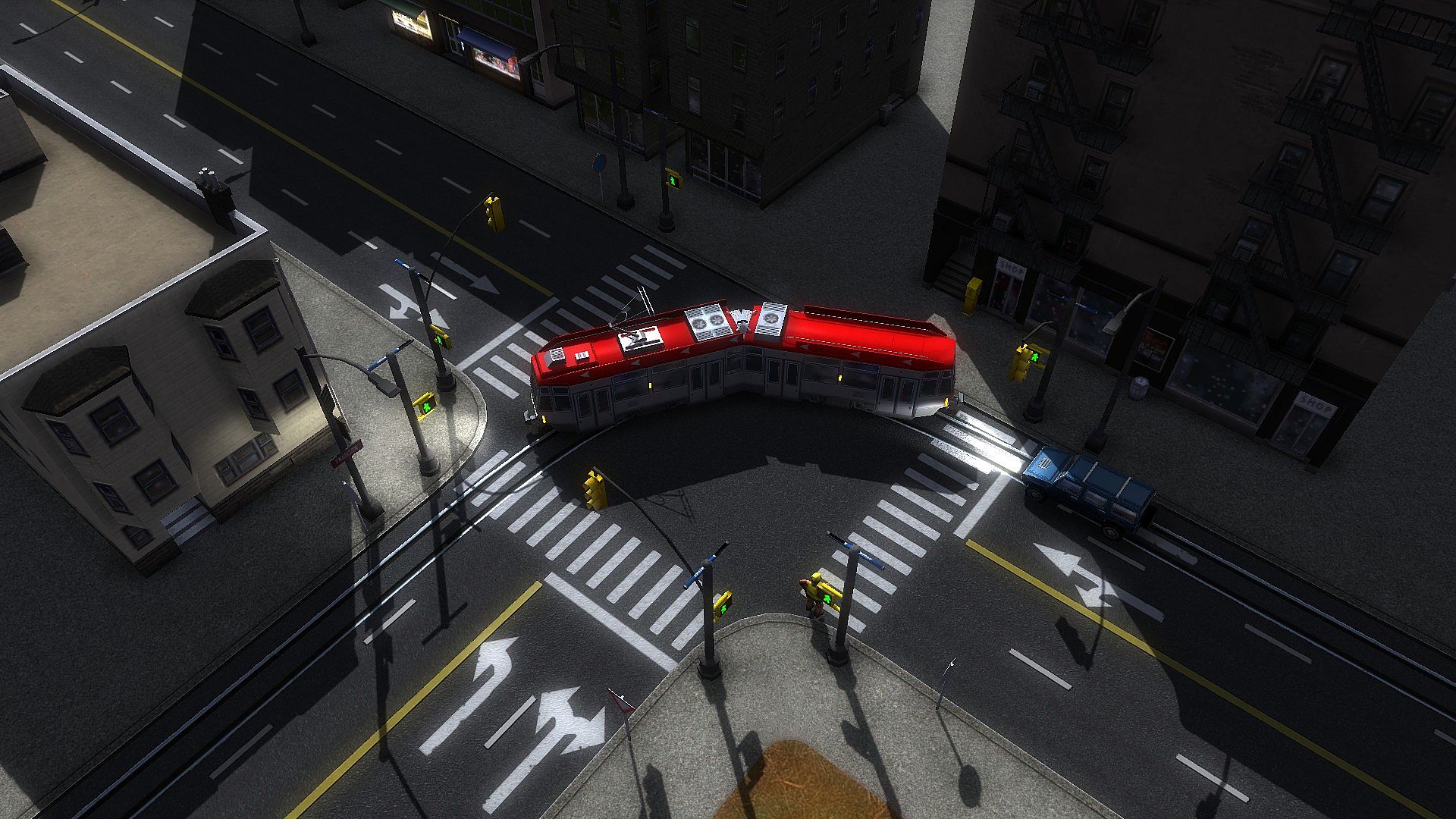
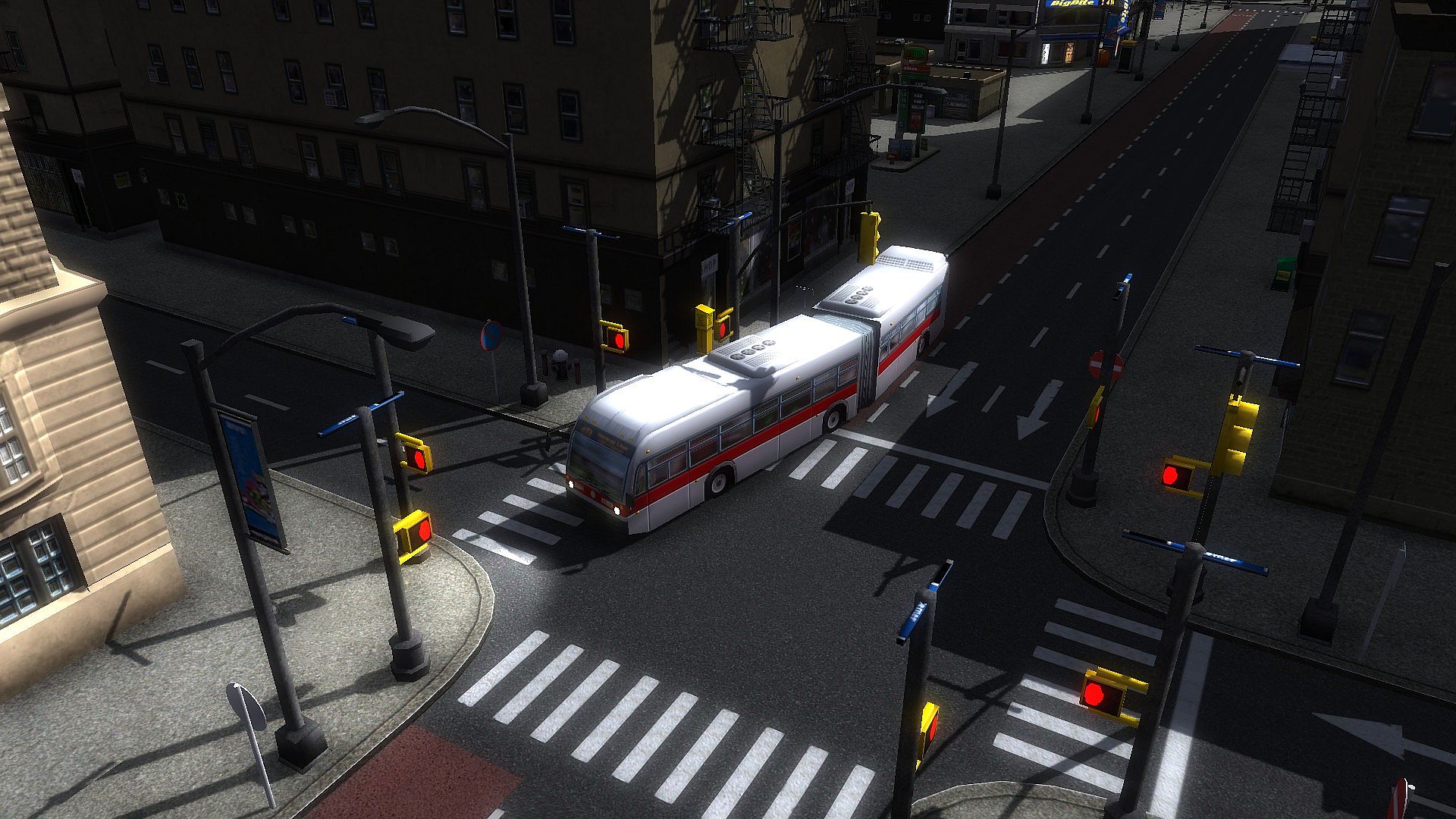
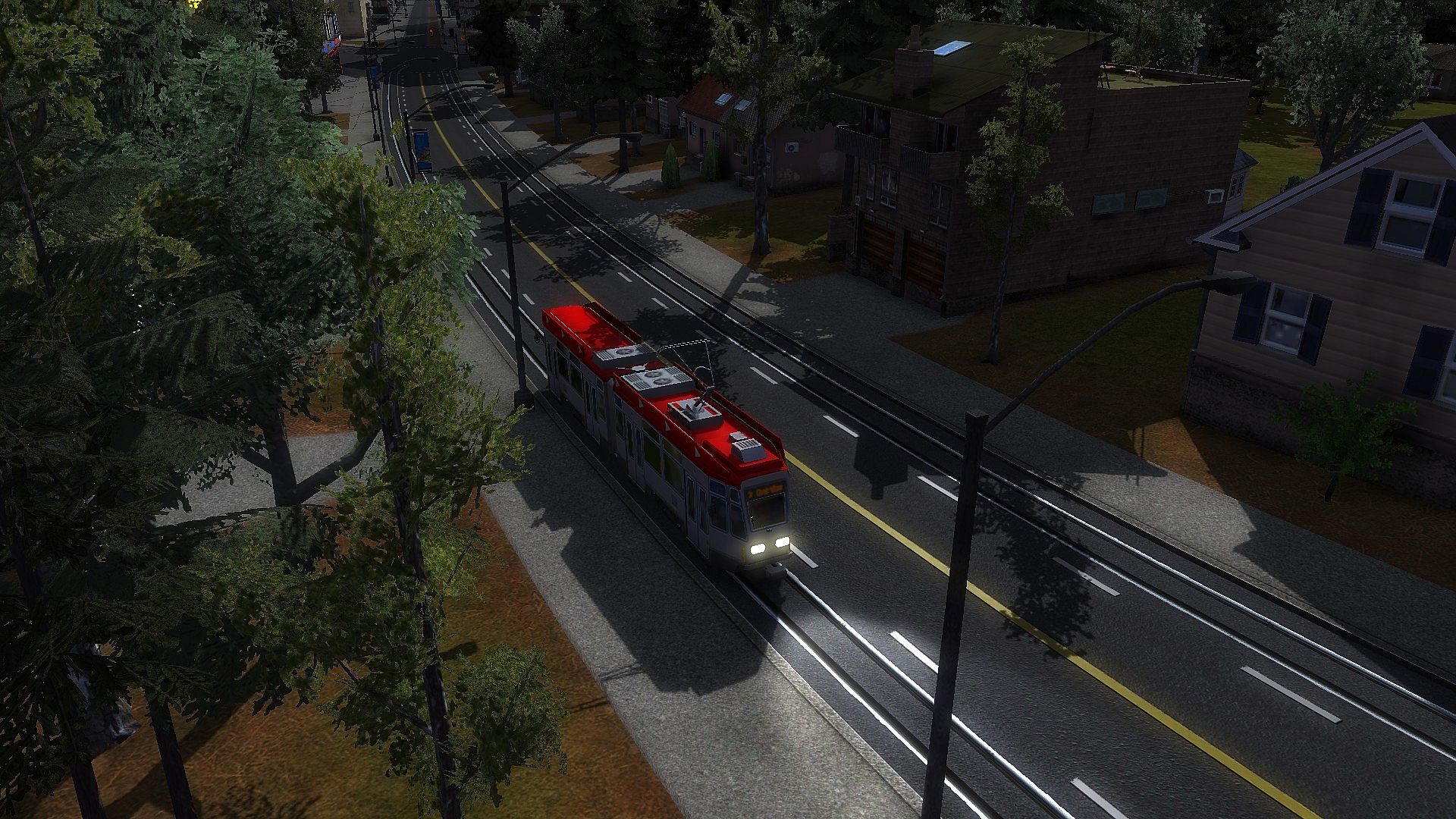
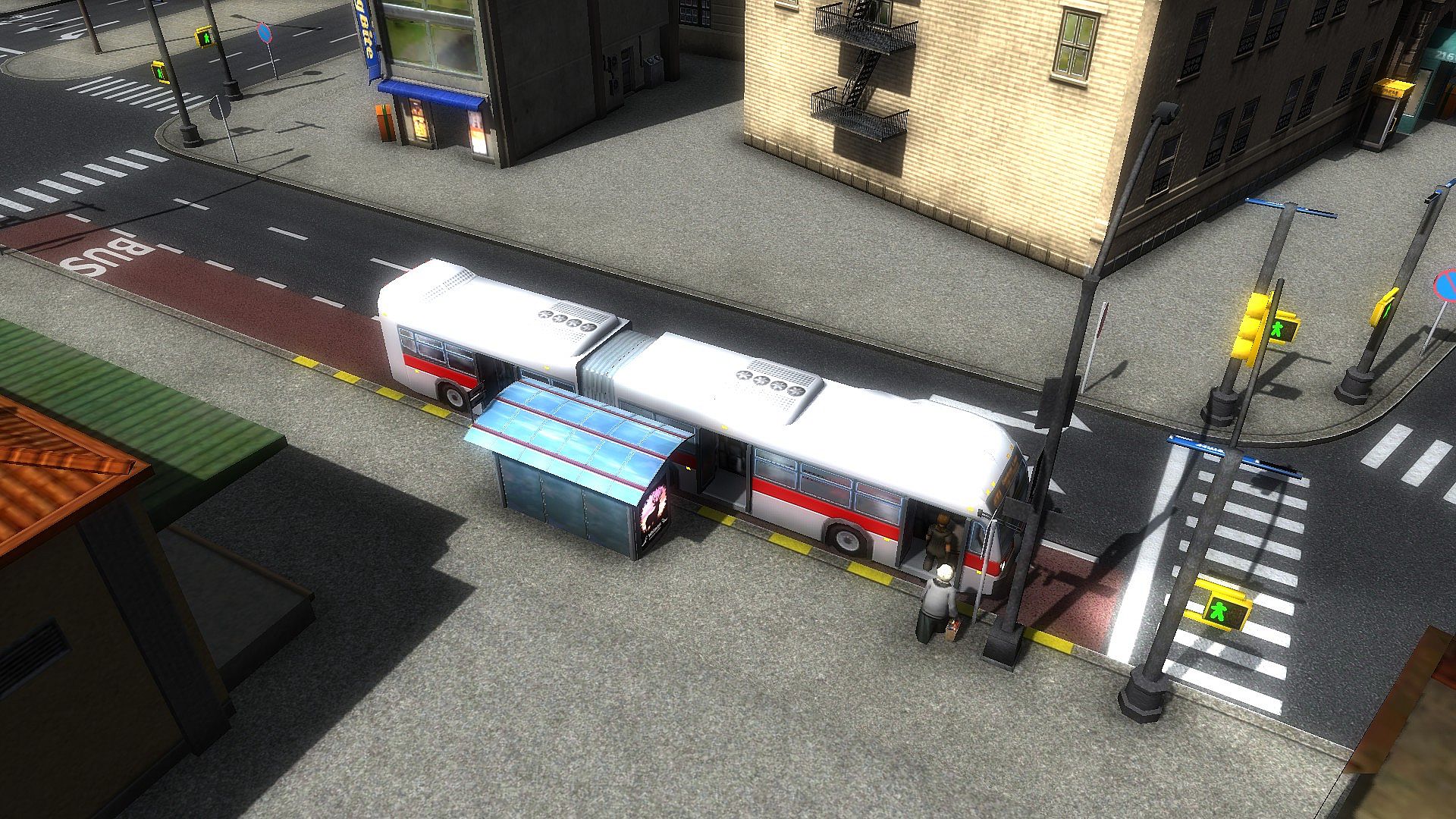
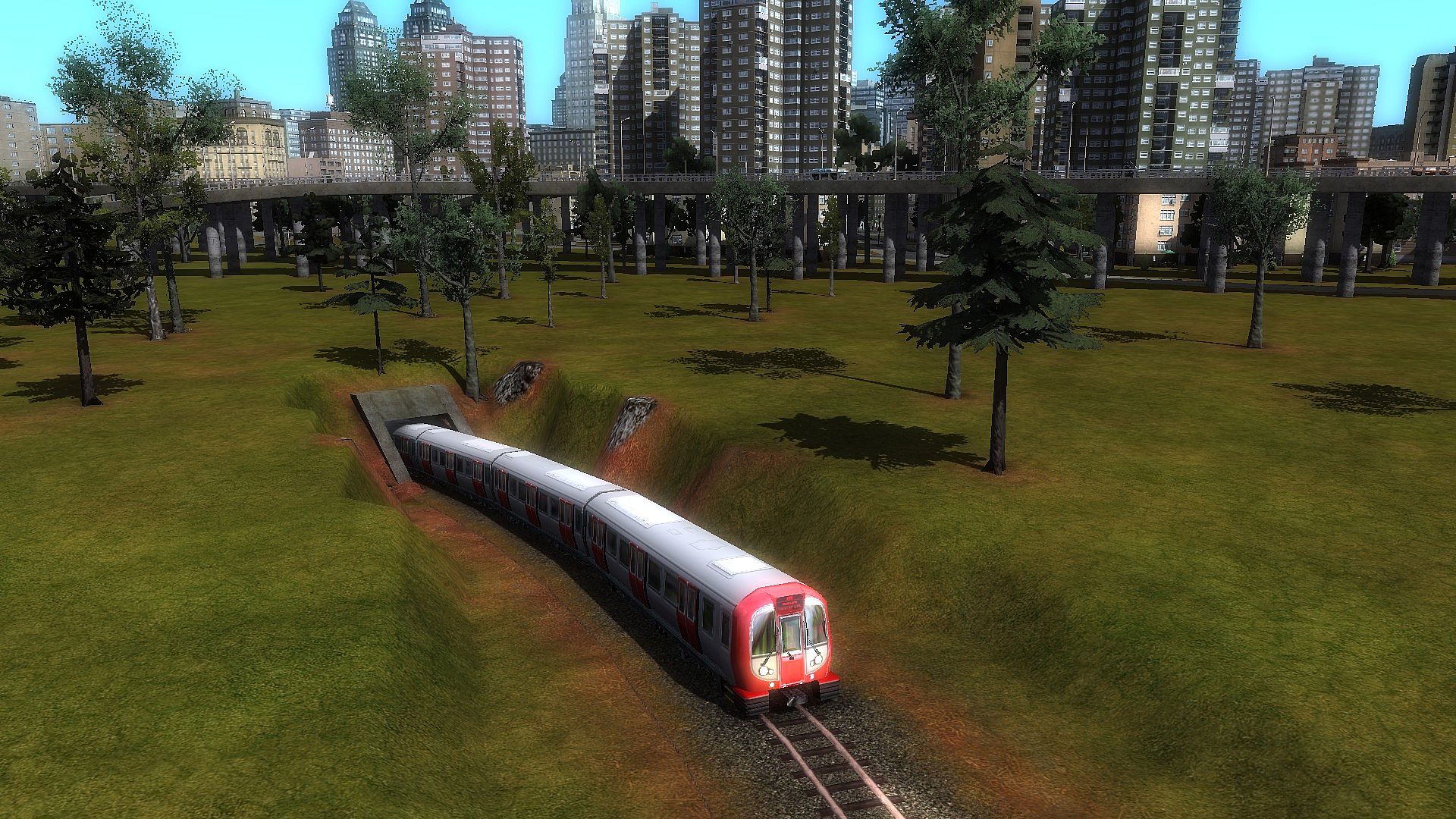
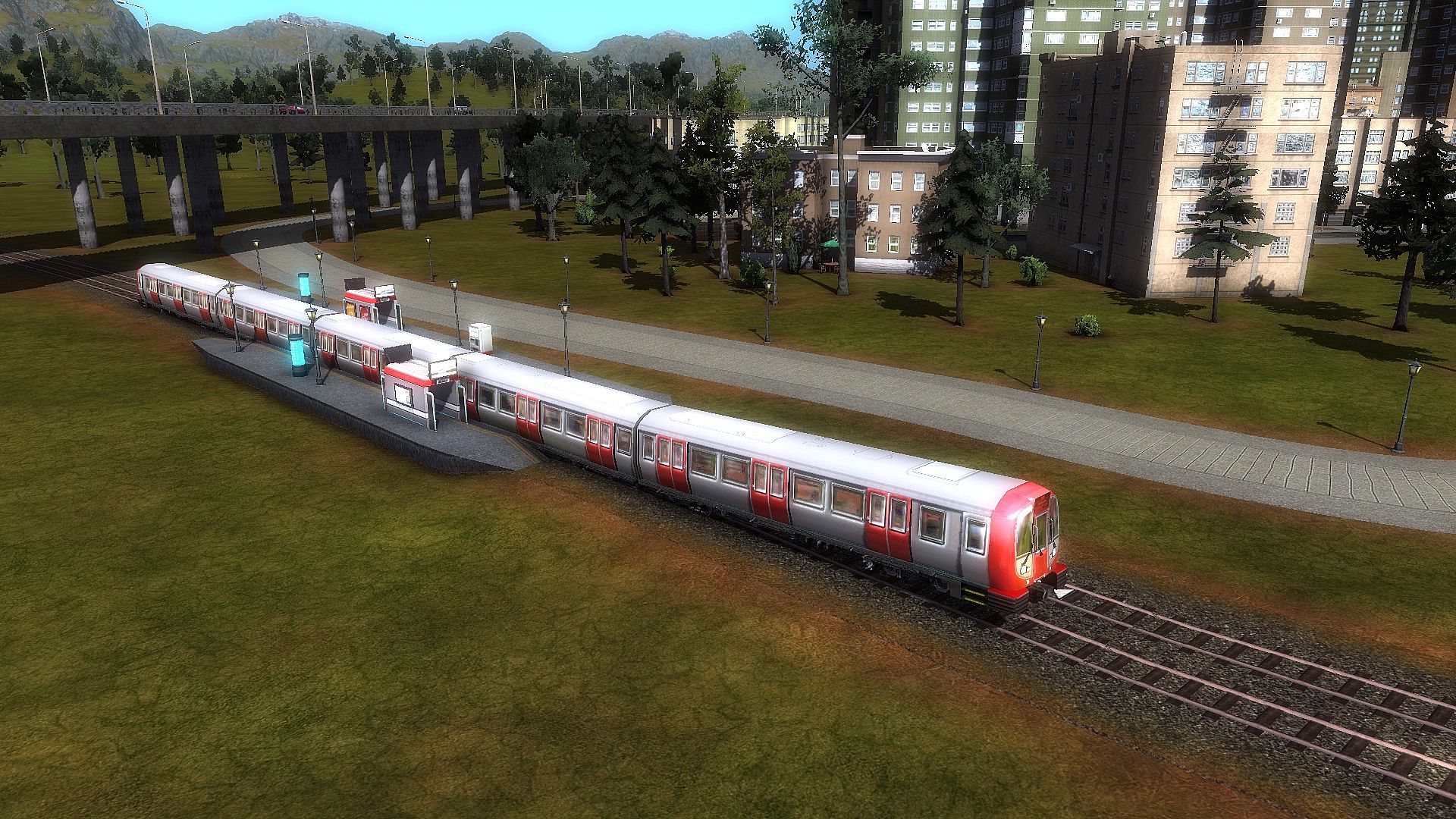
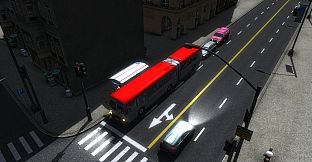
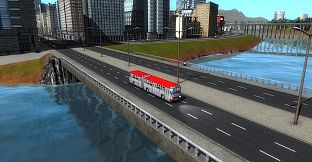
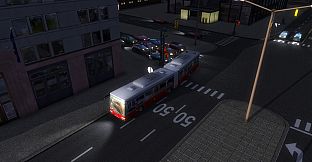
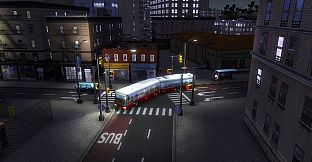
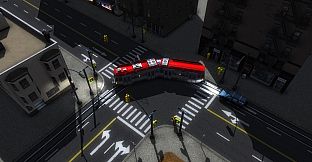
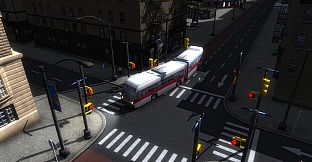
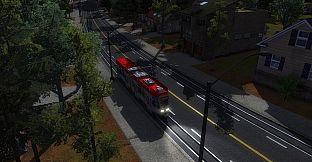
Cities in Motion 2: Players Choice Vehicle Pack adds five new vehicles to the core mass transit simulation experience. This strategy and simulation title focuses on building and operating efficient public transport systems across growing urban environments on PC. The pack introduces vehicles selected directly from community input, expanding options for trams, metros, and buses within existing route networks.
Gameplay
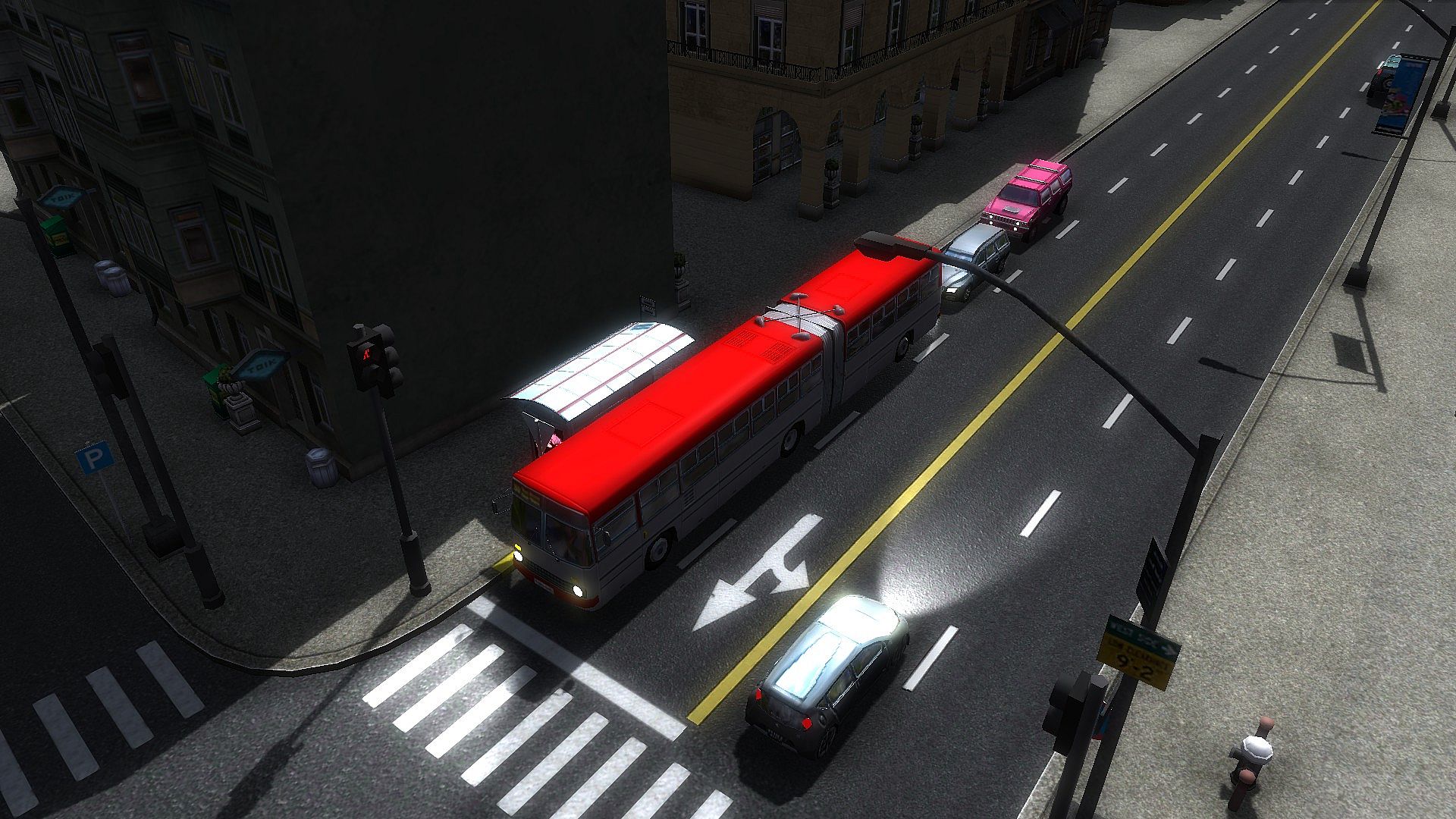
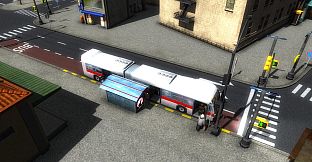
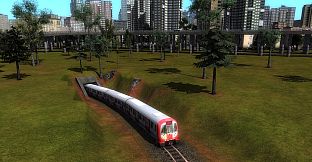
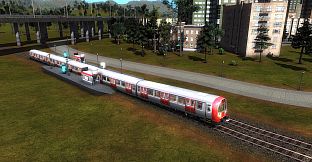
Players design transit lines by placing stops, laying tracks or roads, and assigning vehicles to routes that match passenger demand. Day and night cycles influence travel patterns, with rush hours creating peaks in ridership that require careful scheduling. Timetables allow precise control over departure times, while depots support fleet maintenance and storage. Dynamic city growth responds to transport coverage, as better connectivity encourages development in previously underserved areas. The new vehicles integrate into these systems with distinct performance traits. The Tatra 4m tram handles high passenger volumes at moderate speeds on surface tracks. The Capitol S metro train operates with reduced upkeep expenses on underground or elevated lines. Among the buses, the Maurice Ikarus model combines low maintenance with strong acceleration for quicker route completion. The Arnauld GL articulated bus maximizes capacity while keeping fuel use reasonable, and the Nova SA offers similar passenger space at the cost of higher consumption rates. These additions support longer or more varied routes without altering core placement and management tools.
Game Modes
Single player campaigns present scenarios across multiple real world cities, each with unique geography and growth challenges that test route efficiency over time. Multiplayer supports both cooperative network building and competitive efforts where participants manage rival companies on shared maps. These modes emphasize planning and adaptation rather than direct combat or resource extraction.
Vehicle Integration and Strategy
Effective use of the pack vehicles requires matching their strengths to specific line types. High capacity options like the Arnauld GL and Nova SA suit busy corridors, while the Capitol S and Maurice Ikarus help control operating expenses on less dense routes. The Tatra 4m fills gaps on tram networks where speed and volume matter equally. Route planning must account for fuel and maintenance differences to maintain profitability across the entire network.
Is It Worth Playing?
The base game holds mixed reception with 61 percent positive reviews from over one thousand user submissions. This vehicle pack appeals most to players who already enjoy detailed transit planning and want expanded choices for their fleets. It provides targeted additions without requiring changes to established mechanics or progression. Those seeking a focused simulation of public transport operations will find the new options useful for refining existing strategies, particularly in longer single player sessions or shared multiplayer maps. The pack remains available as a standalone addition for owners of the main title.