














Cities in Motion 2: European Vehicle Pack expands the core strategy simulation experience of managing urban public transport networks on PC. Players design and operate efficient lines using buses, trams, metros, and other vehicles to move passengers across growing cities while balancing costs, schedules, and demand.
Gameplay
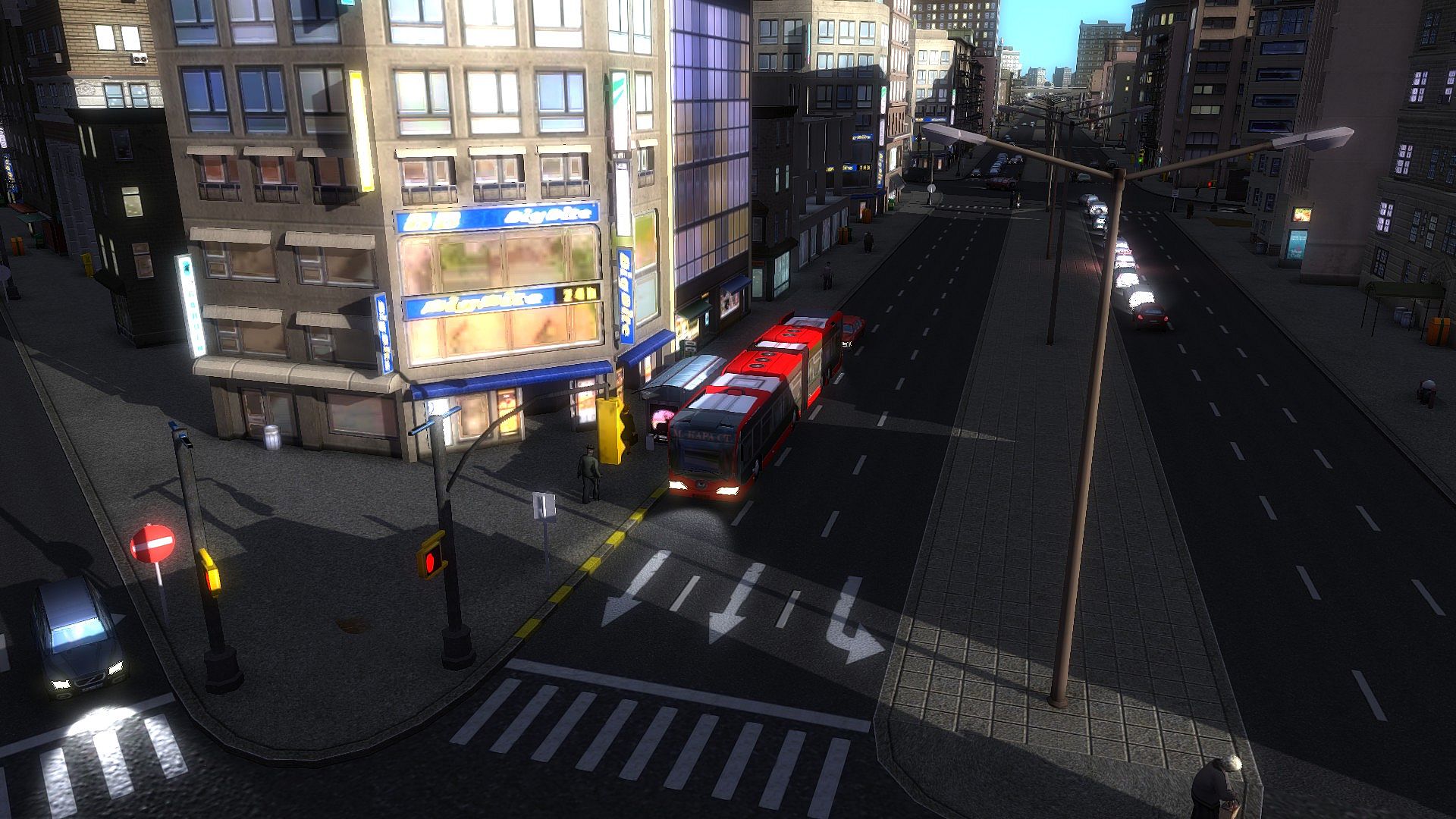
The central loop involves creating routes that connect key locations such as residential areas, workplaces, and commercial districts. Each line requires placement of stops, assignment of vehicles from depots, and setting of timetables that account for day and night cycles. Passenger flow changes dynamically as the city evolves, requiring adjustments to capacity and frequency to avoid overcrowding or underused services.
Mechanics emphasize efficiency metrics including fuel use, maintenance needs, and travel times. Different transport types offer trade-offs: buses provide flexibility on roads, trams run on dedicated tracks with moderate capacity, and metros handle high volumes underground or elevated. Success depends on integrating multiple types into a cohesive system that minimizes wait times and maximizes revenue from fares.
Game Modes
Single-player campaigns and sandbox sessions form the primary experience, allowing freeform network building on various maps. Multiplayer support enables shared sessions where participants collaborate on the same city transport infrastructure. Routes operate in either circular loops or point-to-point patterns, with tools for editing maps and fine-tuning operations available throughout.
The European Vehicle Pack
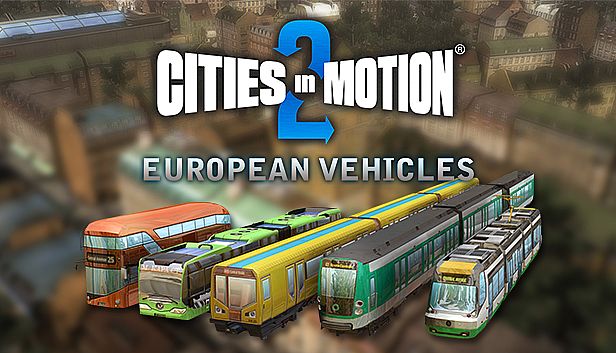
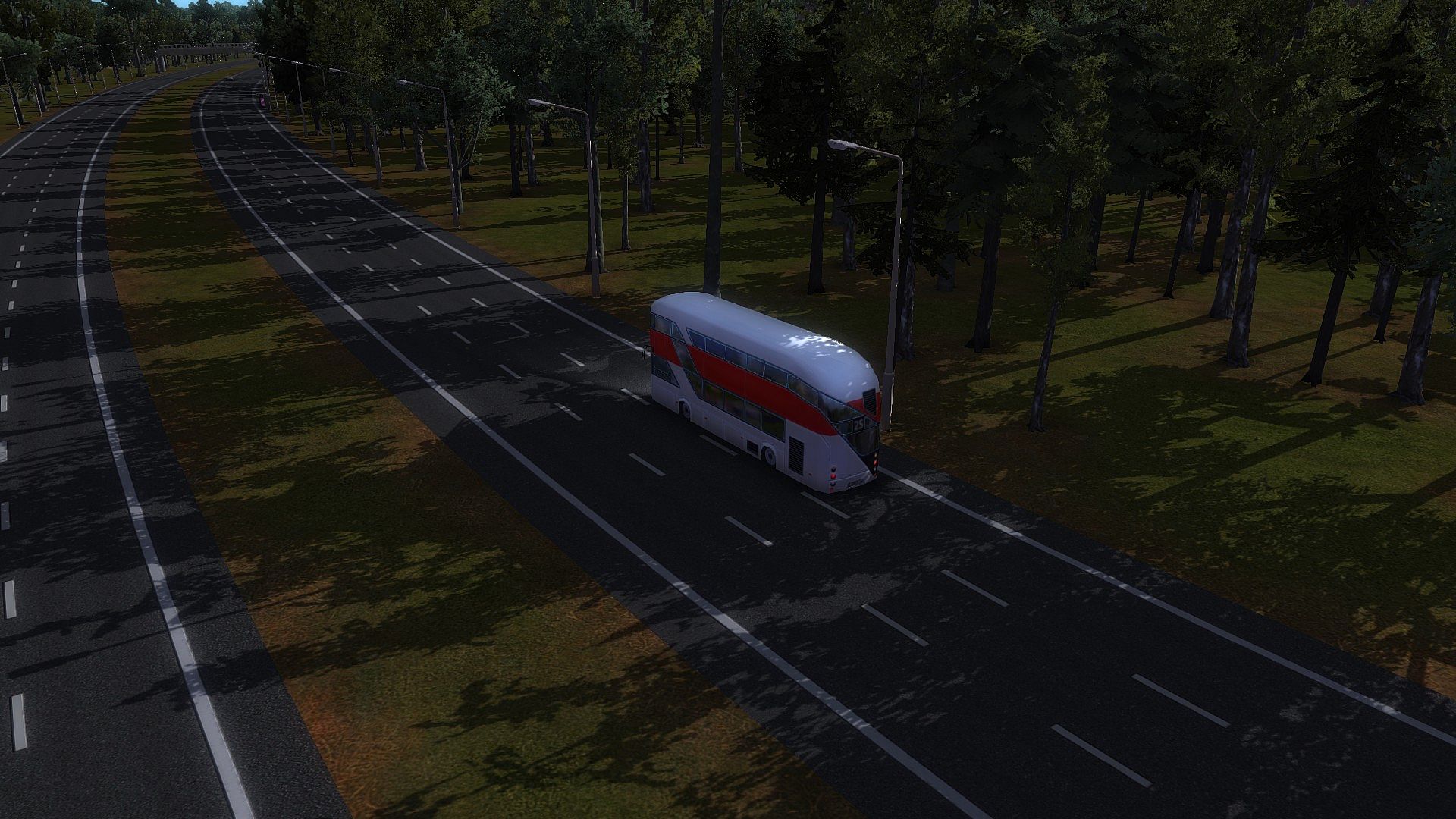
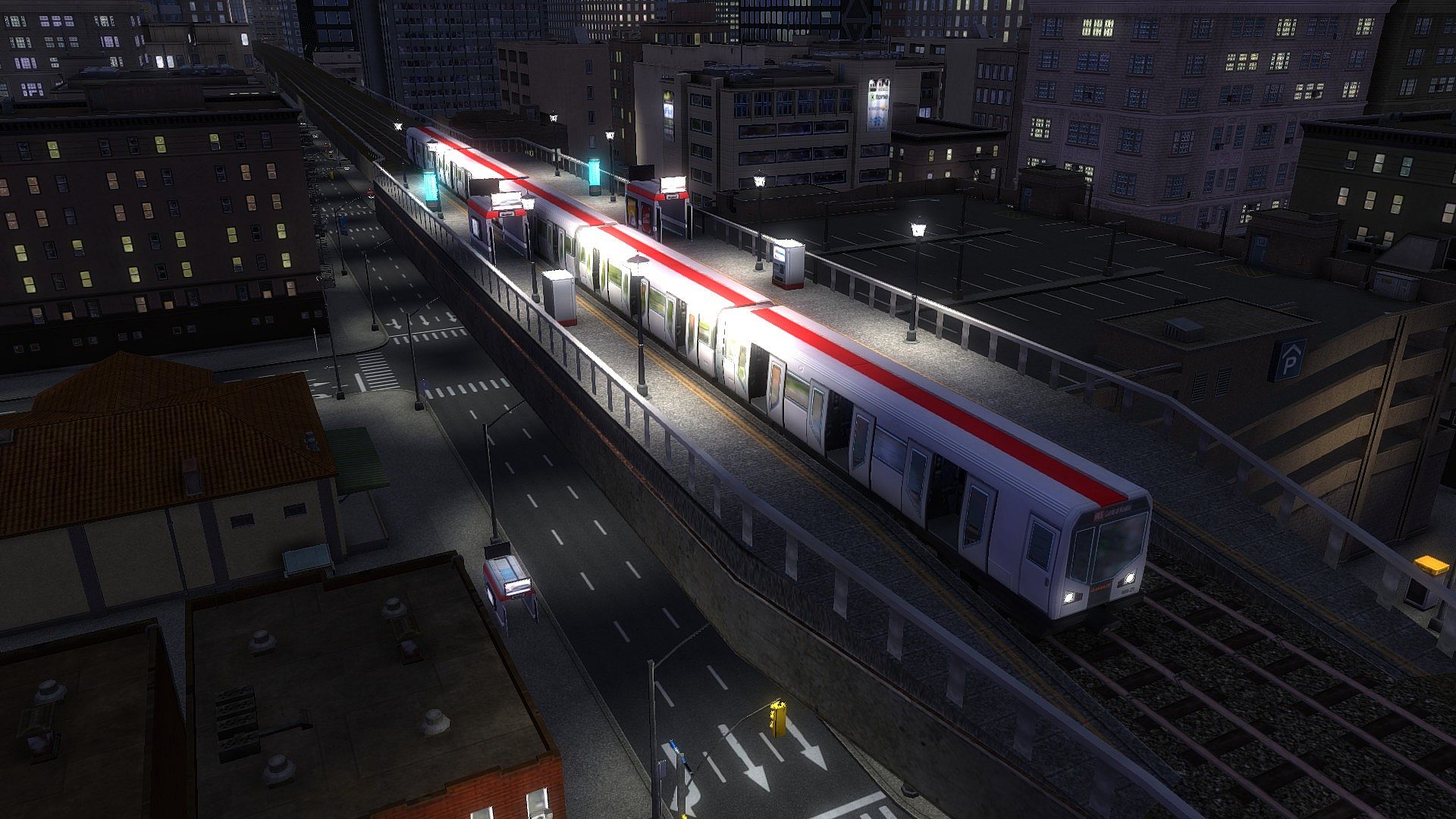
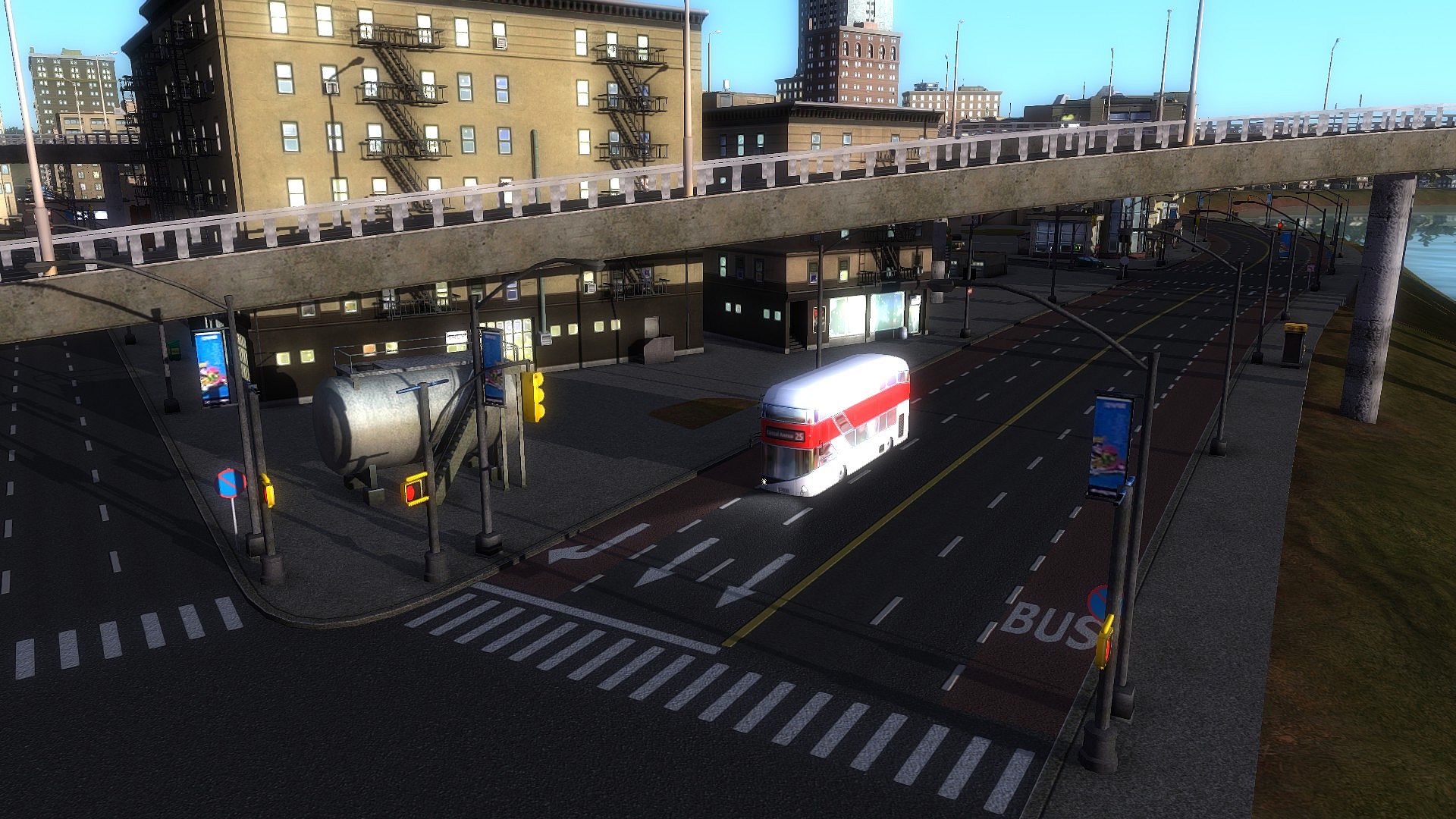
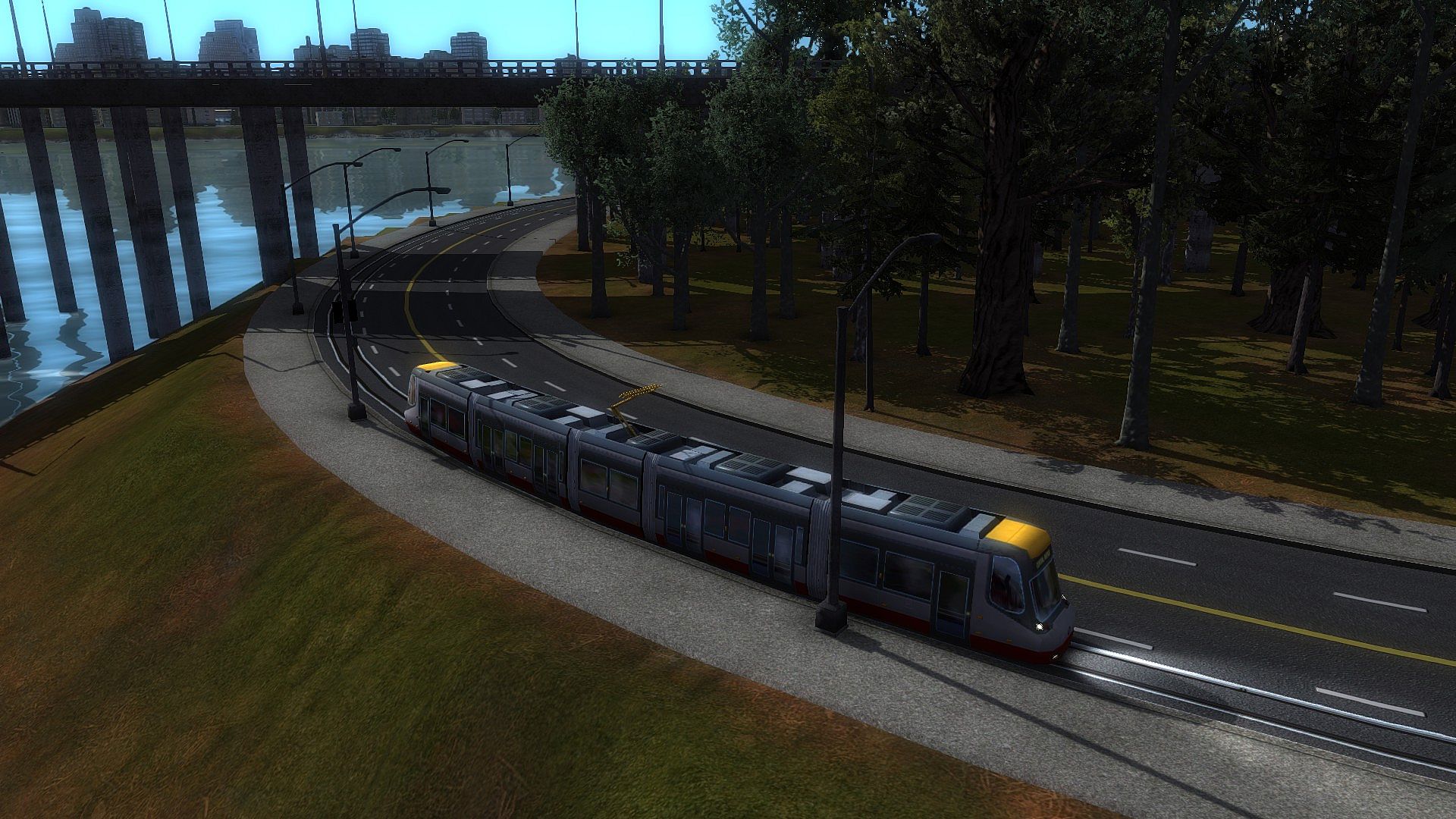
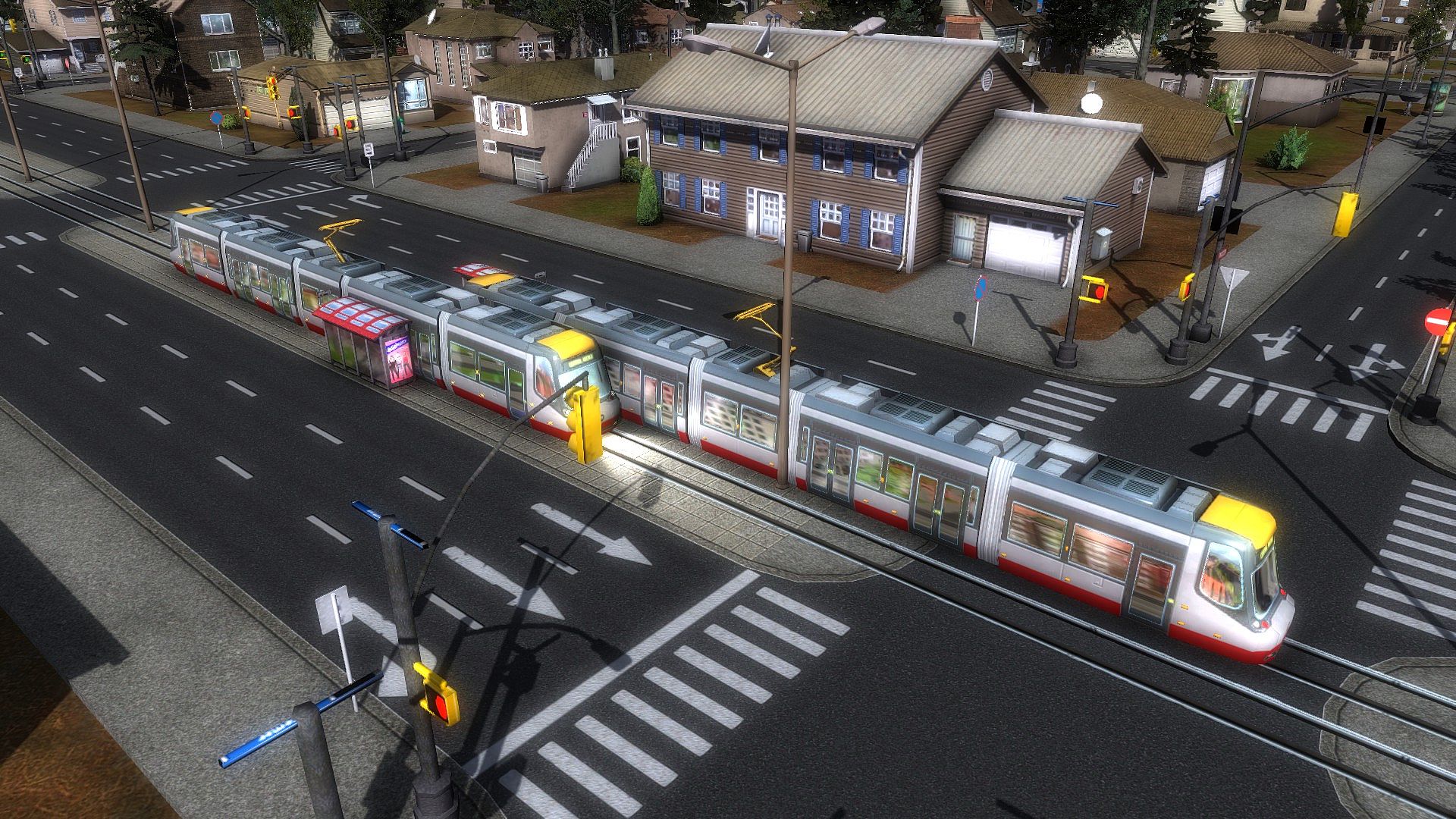
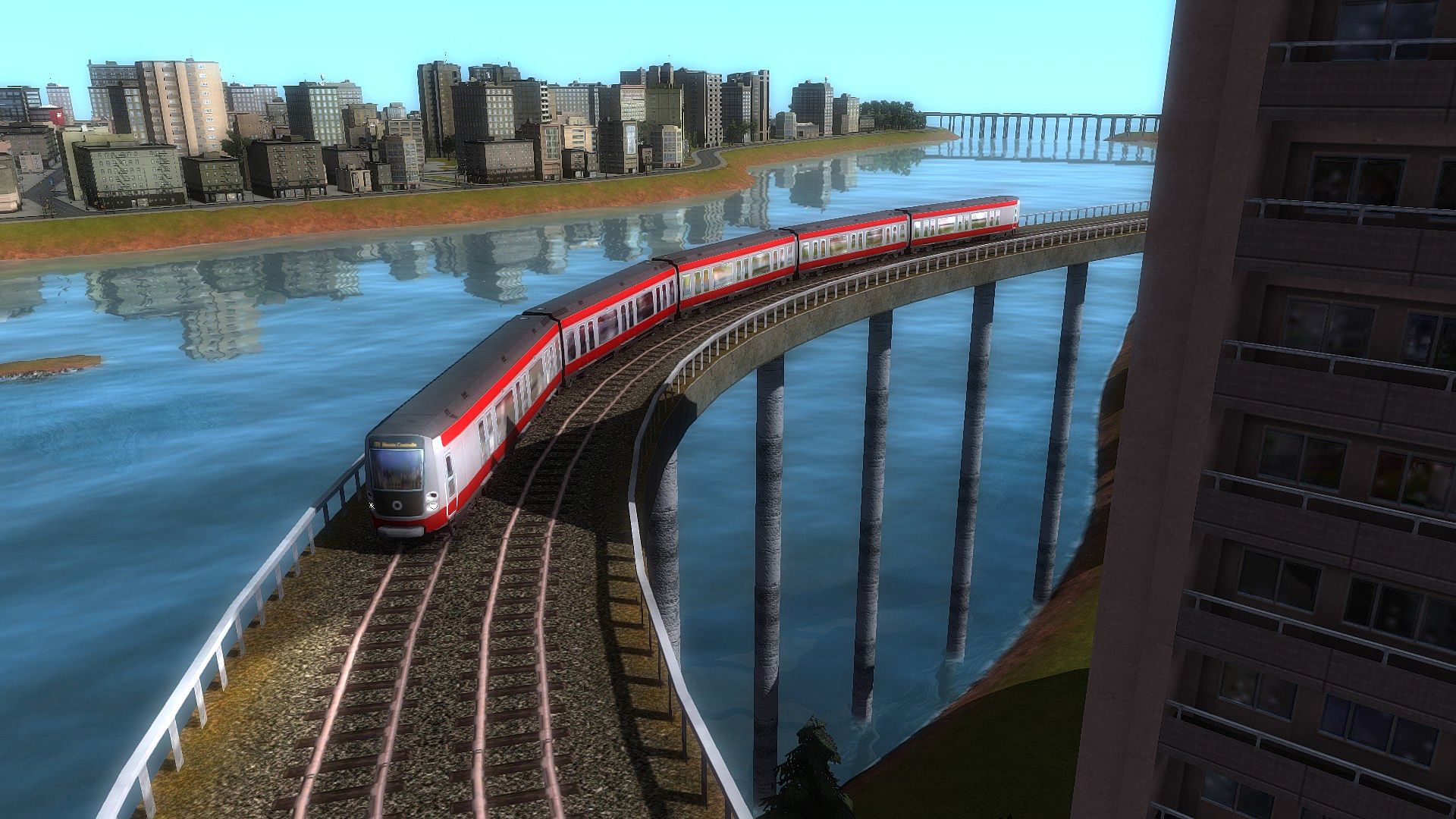
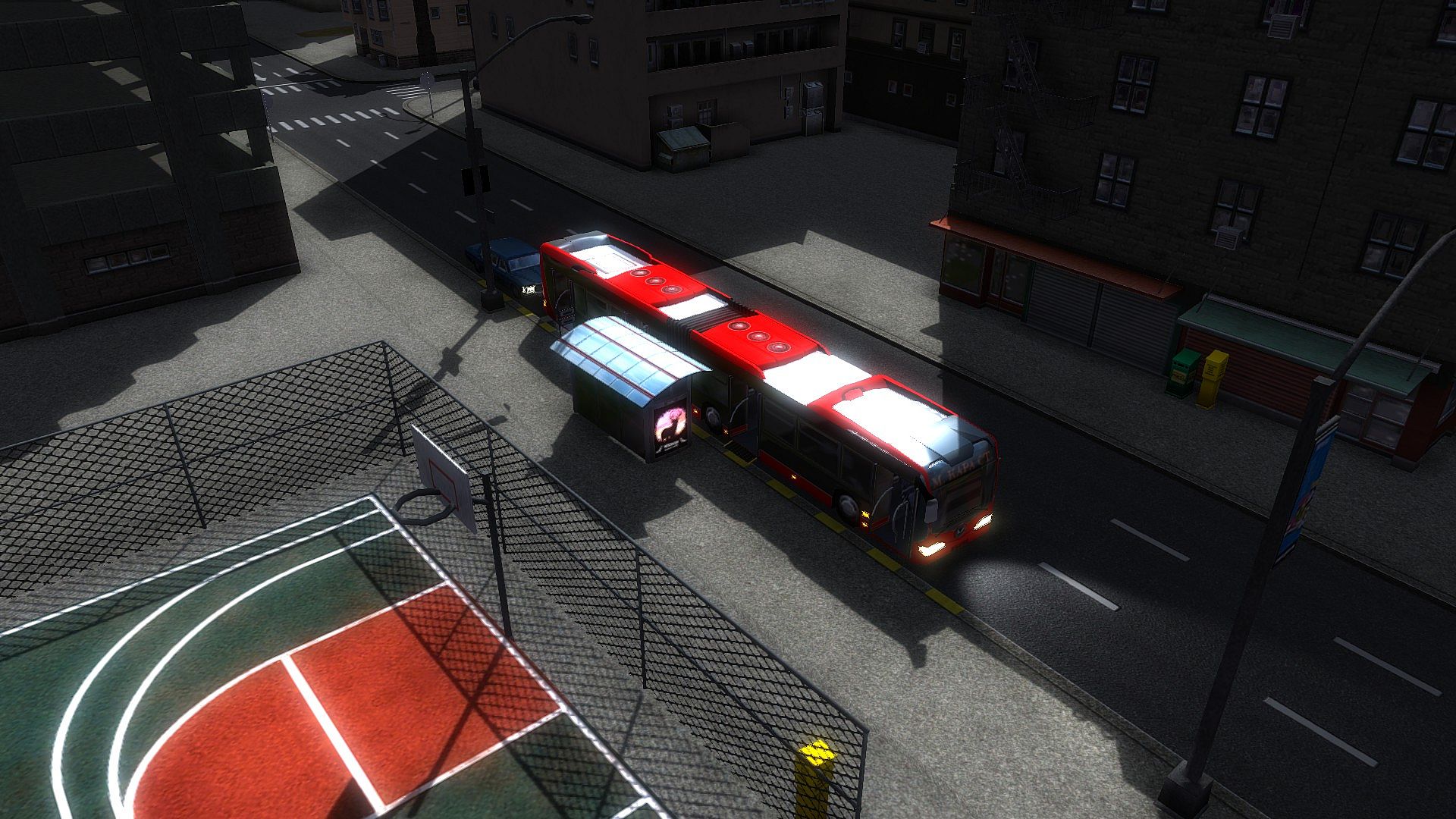
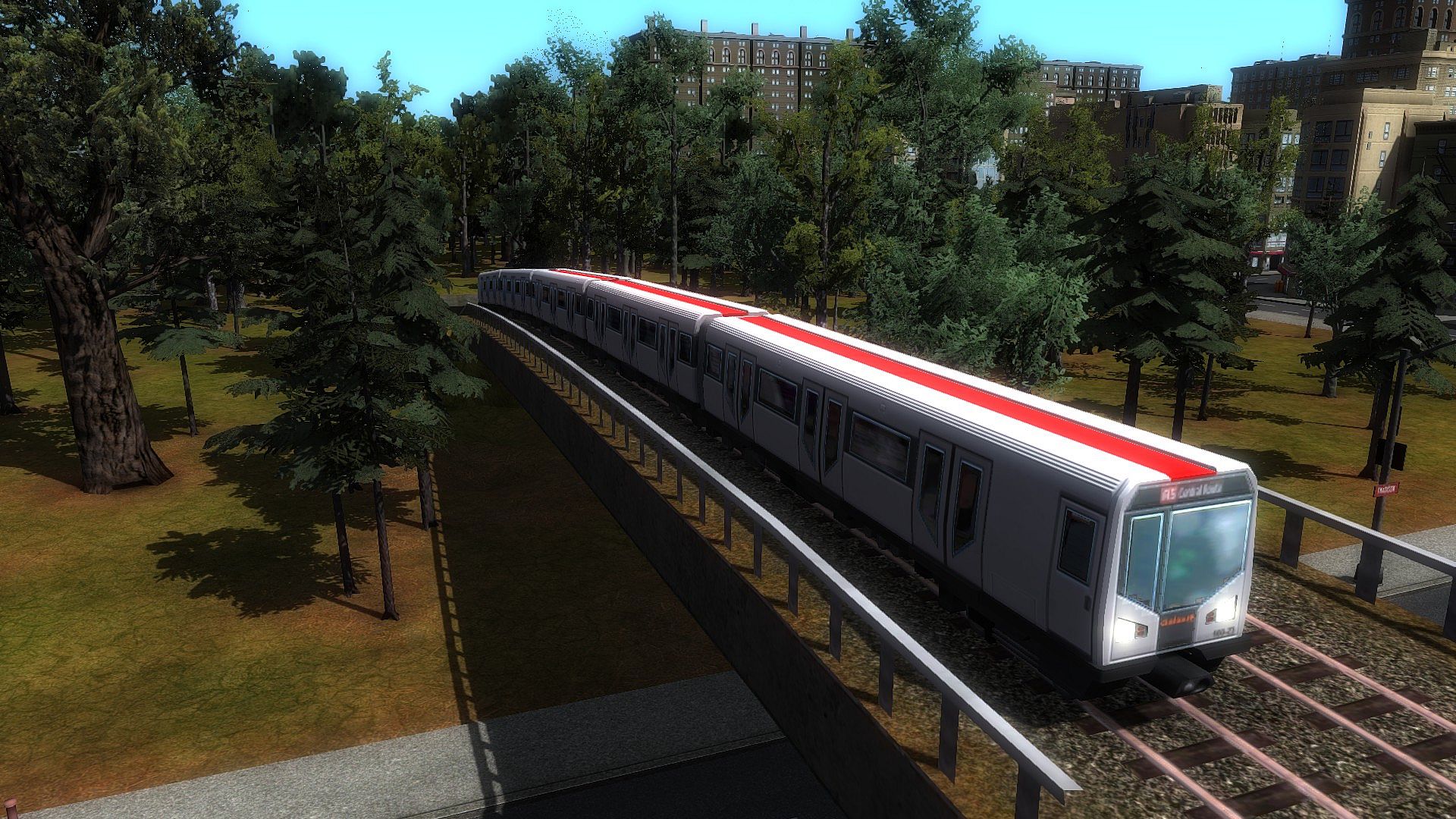
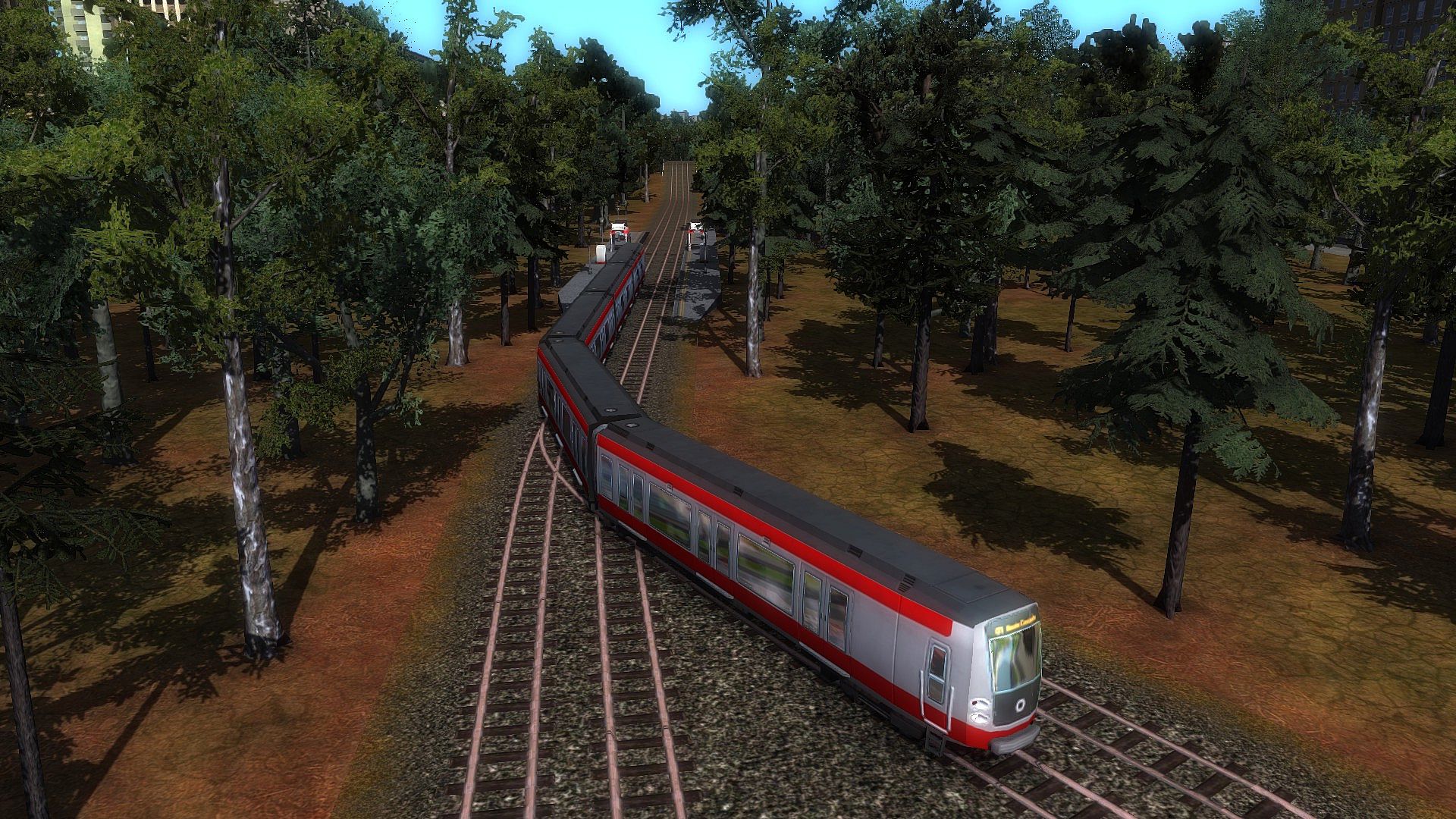
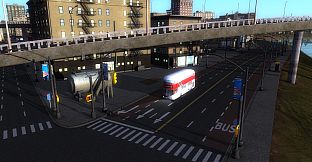
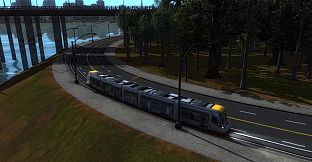
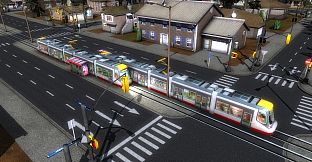
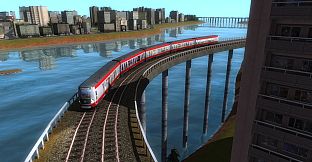
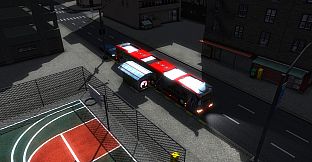
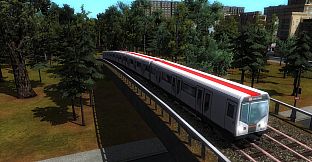
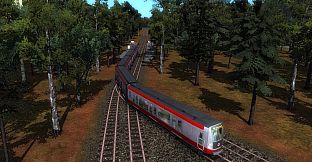
This add-on introduces five vehicles modeled on efficient designs common in major European cities. The Jubilee GL offers strong fuel economy and low upkeep despite slower cornering performance. The Roadmaster 2000 stands out as a recognizable double-decker option suited for high-visibility routes. The City 26 tram prioritizes minimal fuel consumption for steady rail-based service. The Galaxie HK metro train addresses larger passenger volumes with its robust capacity. The Musketeur 01 delivers sturdy construction for heavy-duty lines, though its higher fuel demands require careful route planning to remain viable.
These options integrate directly into existing transport categories, providing alternatives that reward strategic selection based on line length, passenger density, and operational budget. The pack focuses on practical performance differences rather than cosmetic changes.
Is It Worth Playing?
Reception for the base game shows a Metacritic critic score of 72 alongside a user score of 7.1, reflecting appreciation for detailed planning tools alongside notes on occasional scheduling challenges and interface demands. The European Vehicle Pack enhances variety for players already invested in the simulation, particularly those who value vehicle-specific efficiencies in long-term network management.
It suits individuals drawn to methodical strategy and simulation genres who enjoy optimizing transport systems without action-oriented elements. Those seeking lighter or more varied experiences may find the focus on timetables and metrics less engaging. The title remains available as a complete package with its expansions for PC users interested in transport management depth.