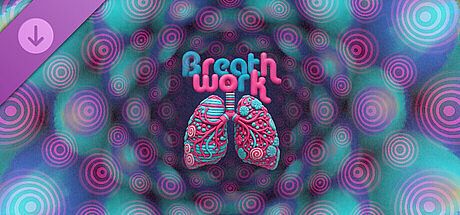












Brain Candy Breathwork is an indie casual experience available on PC that delivers a focused set of breathing practices designed to influence relaxation, concentration, and shifts in mental state through synchronized visual and auditory cues.
Gameplay
The core loop centers on selecting and following guided breathing patterns that pair with evolving visual patterns and sound elements. Users engage in timed inhales, holds, and exhales while the system responds with dynamic visuals that entrain brainwave activity and support nervous system regulation. Sessions emphasize real-time synchronization between breath and on-screen oscillations, allowing participants to practice techniques that can later be applied outside the software. The experience remains single-player throughout, with options suited to seated or standing positions for comfort during longer sessions.
Mechanics draw from established breathing methods, each targeting distinct physiological responses such as balanced oxygen levels or parasympathetic activation. Visual feedback adapts to detected breath cycles in certain styles, creating an interactive loop where the user's own rhythm influences the imagery and pacing. This setup supports repeated use for building familiarity with the techniques rather than progressing through levels or competitive elements.
Game Modes
Breathwork organizes its content into distinct technique categories that function as separate modes. Box Breathing follows a steady four-part cycle of inhale, hold, exhale, and hold to promote steady focus and nervous system balance. Holotropic Breathing uses rapid, deep cycles to increase oxygen flow and facilitate more intense perceptual shifts. Mindful Breathing detects the user's actual breath to drive the visuals, encouraging heightened body awareness without manual timing. Parasympathetic Breathing emphasizes extended exhales to trigger rest-and-digest responses for deeper calm. Voice-Guided Sessions layer spoken instructions over the patterns to introduce and structure each approach.
These modes draw from a collection exceeding two dozen individual experiences, grouped to address different goals like calm focus or altered awareness. Each operates independently, allowing users to select based on immediate needs without requiring sequential completion.
Technical Approach and Features
The software integrates breathing pacers directly with oscillatory visual patterns that respond to user input in real time. This combination aims to align external rhythms with internal brain activity through entrainment principles. Sessions remain accessible for repeated practice, and the learned patterns transfer to everyday use once the guided elements are understood. No multiplayer components or external progression systems appear in the design, keeping the focus on personal, repeatable sessions.
Content spans multiple categories that vary in intensity and duration, from structured counts to free-form detected breathing. The overall presentation stays minimal and functional, prioritizing clear pacing and visual feedback over narrative or exploratory elements.
Is It Worth Playing?
Player feedback on the broader Brain Candy platform, which includes this add-on content, shows consistent positive reception with average ratings around 4.5 stars across dozens of reviews. Users highlight its utility for structured breathing practice and the effectiveness of the visual synchronization in supporting focus or relaxation goals. The experience suits individuals interested in science-informed breathing methods who prefer guided digital sessions over traditional instruction alone.
Those seeking straightforward tools for nervous system regulation or mental state shifts will find the verified techniques and responsive mechanics directly applicable. Availability as a PC title expands access beyond VR platforms, though the content remains best suited to users comfortable with rhythmic visual stimulation. Ongoing updates to the parent application suggest continued refinement, making it a practical option for regular practice rather than one-time exploration.