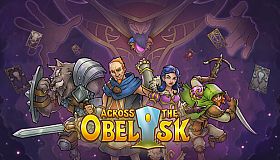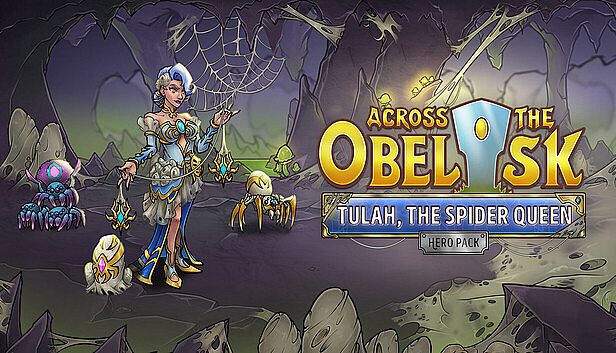











Across the Obelisk: Tulah, the Spider Queen is a strategy RPG that expands the deck-building roguelike experience with a new hero focused on summoning and swarm tactics. Players control parties of heroes in runs through a fantasy world, building decks around cards that deal damage, apply status effects, and support allies. Tulah introduces spiderlings as recurring units that enter play and influence hand composition over time.
Gameplay
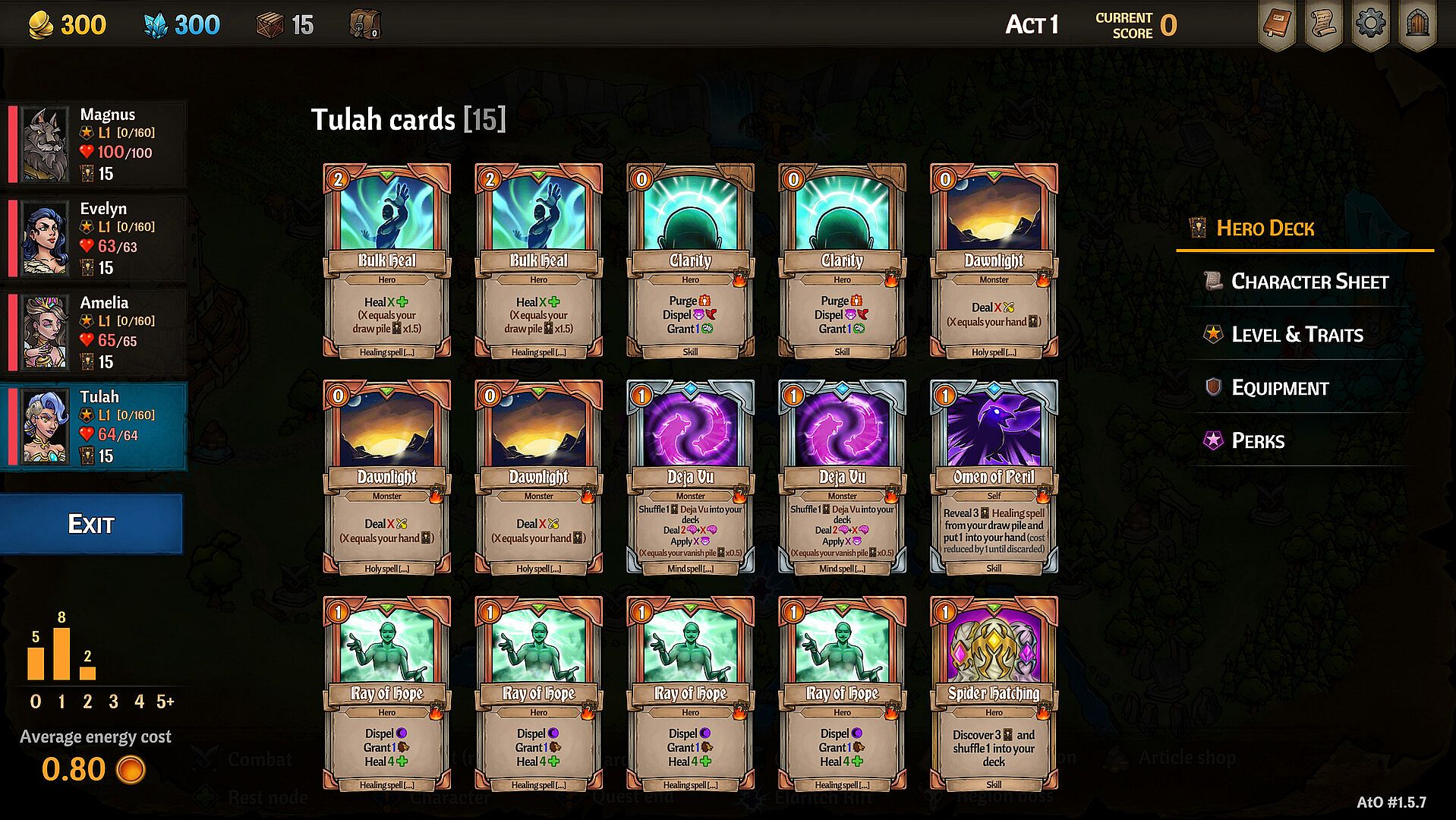
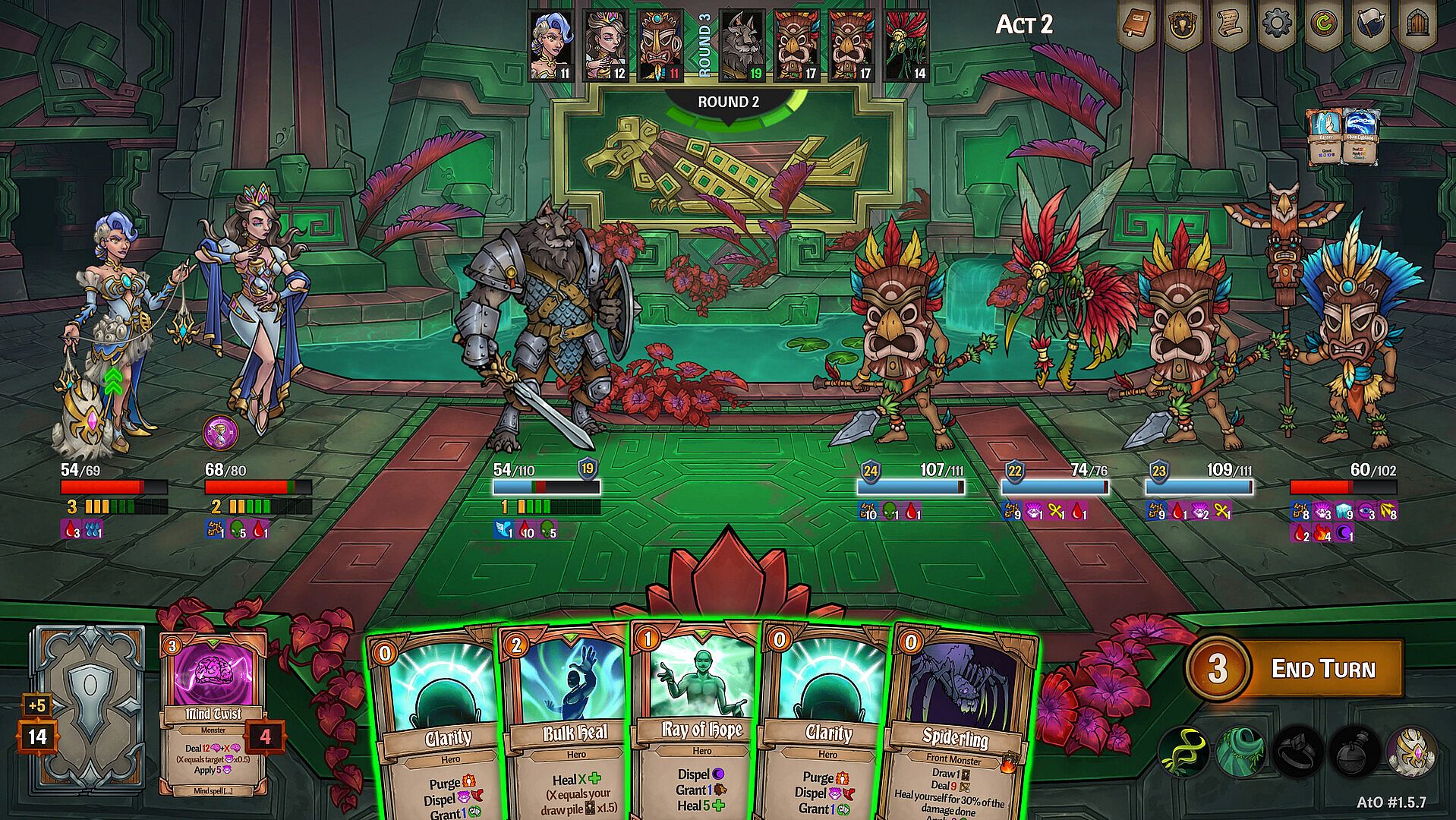
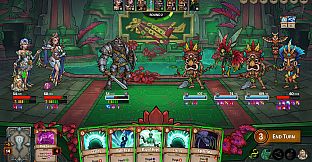
Combat revolves around turn-based card play where each hero draws from a personal deck. Actions include attacks, defenses, and utility effects that interact with enemy vulnerabilities and party synergies. Status effects such as poison, shock, chill, and shadow damage play key roles in longer fights. Tulah functions as a healer who generates spiderlings to occupy board space and recur through draws, creating pressure that builds across multiple turns.
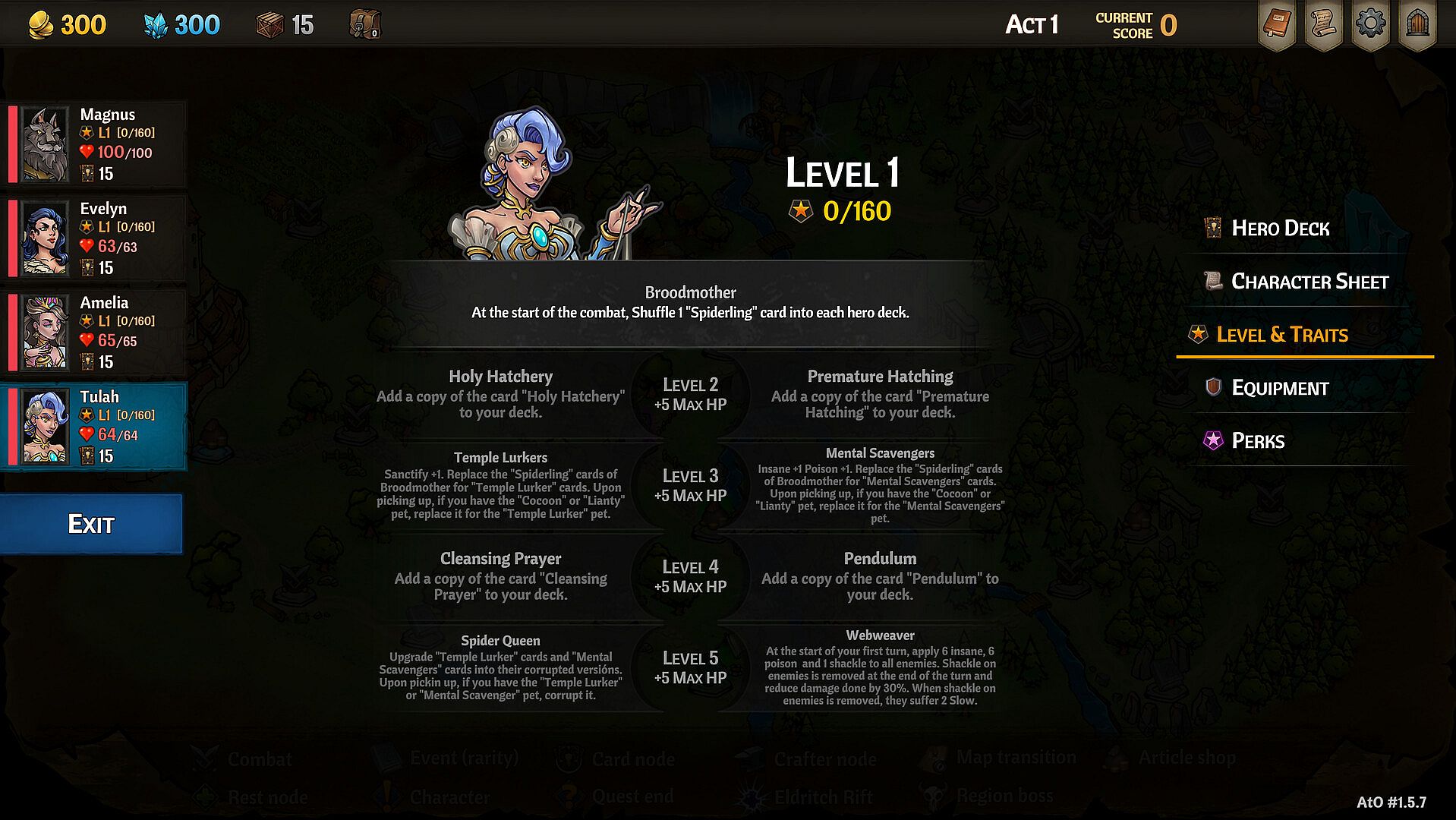
Outside combat, runs feature map navigation with branching paths, random events, and resource management. Talent choices shape hero progression and unlock variations in card effects or pet abilities. The Cocoon pet evolves based on selected talents, providing passive bonuses that align with spider-themed strategies. Deck management emphasizes thinning and recursion to maintain consistent spiderling presence.
Game Modes
The core experience consists of roguelike runs that progress through multiple acts. Players select a party composition and attempt to complete the full sequence while managing health, cards, and random challenges. Runs support both solo play and cooperative sessions where multiple participants control individual heroes in shared encounters.
Multiplayer emphasizes coordination in combat and event resolution. Parties can mix heroes with complementary mechanics, allowing spiderling swarms to combine with other damage types or support tools. Progression carries across runs through unlocks that expand available cards, items, and hero options for future attempts.
Hero and Mechanics Integration
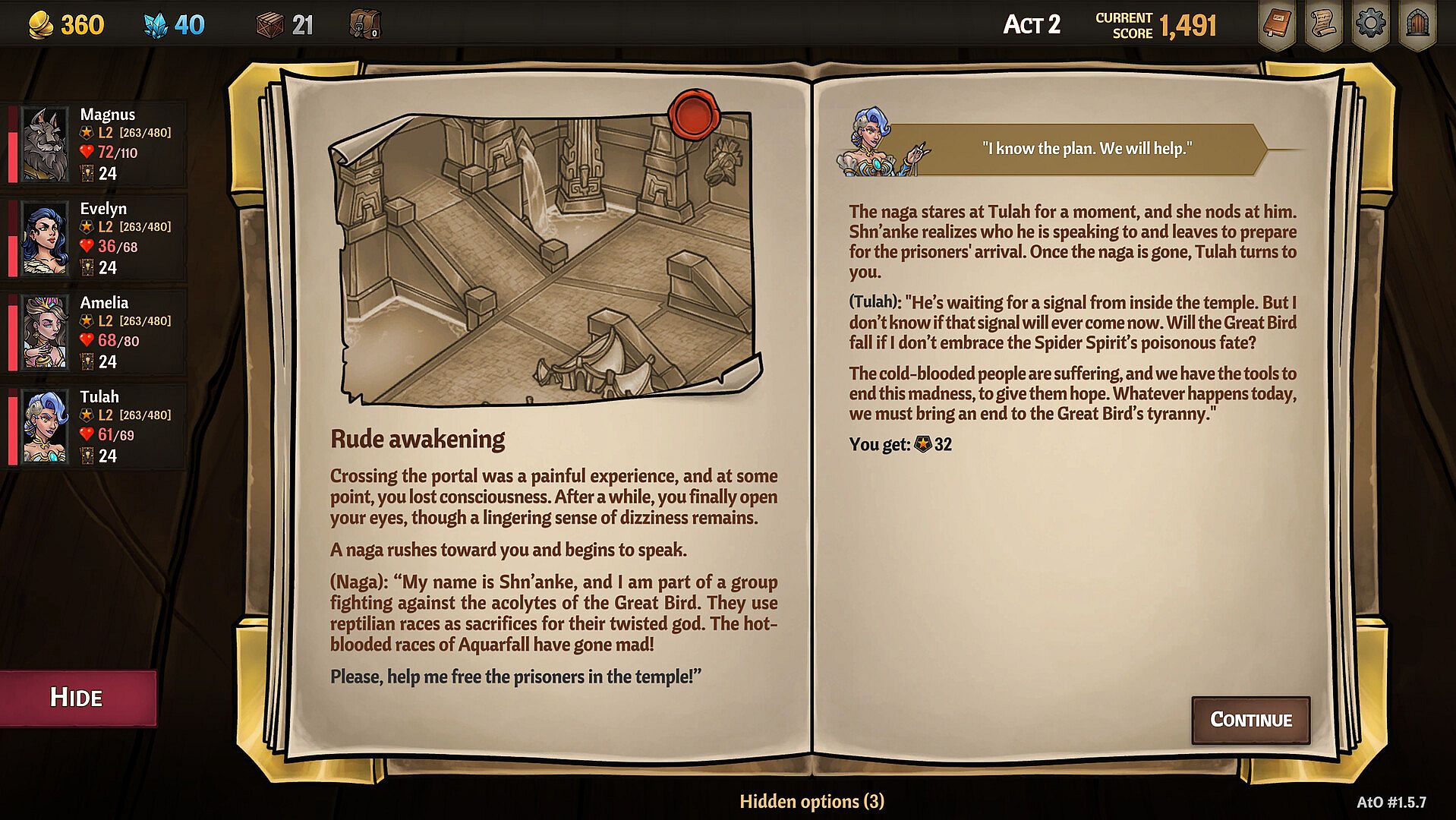
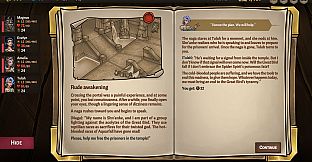
Tulah brings a distinct playstyle centered on persistent allies rather than direct damage output. Spiderlings weave into the hand and battlefield to alter combat flow, rewarding builds that scale through quantity and repeated triggers. Thematic elements extend to custom dialogue during world events, adding flavor to her interactions without altering core systems.
Supporting features include new cardbacks and emotes that personalize the interface during runs. These elements integrate into the existing talent and item framework, where choices determine how spiderling mechanics evolve over a single playthrough or across multiple sessions.
Current State and Updates
The game receives regular patches that address stability, balance, and content additions. A 2026 roadmap outlines monthly updates, including buffs to older heroes and new story content. Console versions launched recently, broadening access beyond the initial PC release.
Development continues with focus on run variety and multiplayer reliability. Players encounter ongoing refinements to combat interactions and event handling that improve flow in longer sessions.
Is It Worth Playing?
Players who enjoy cooperative deck-building and roguelike progression find strong appeal in the party-based combat and hero variety. Tulah adds meaningful depth for those interested in swarm and status-effect strategies. Reception highlights replayability through different party combinations and the satisfaction of optimizing runs.
The title suits fans of tactical card games who value co-op elements and incremental unlocks. Active support through updates ensures new content and fixes remain available. Those preferring strictly single-player experiences or shorter sessions may find the run length and coordination demands less ideal.